Filters

18 filtered results

Clear all filters
Favorites
With answer key
Interactive

18 filtered results

Difficulty Level

Grade


Unlock your child's mathematical potential with our Cognitive Development Addition & Subtraction Worksheets designed for ages 7-8. These engaging and interactive worksheets focus on enhancing critical thinking and problem-solving skills through a variety of addition and subtraction exercises. By challenging young learners, we encourage cognitive growth while reinforcing essential math concepts. Each worksheet is carefully crafted to cater to different learning styles, making math enjoyable and approachable. Whether in the classroom or at home, these resources are perfect for nurturing a solid math foundation, preparing your child for future success. Explore our fun-filled worksheets today and watch their confidence soar!
Check out this FREE Trial Lesson on Addition & Subtraction for age 7-8!

Place Value Adding with Base 10 blocks (no regrouping)

Favorites
With answer key
Interactive
  • 7-8
  • Cognitive Development
  • Addition & Subtraction
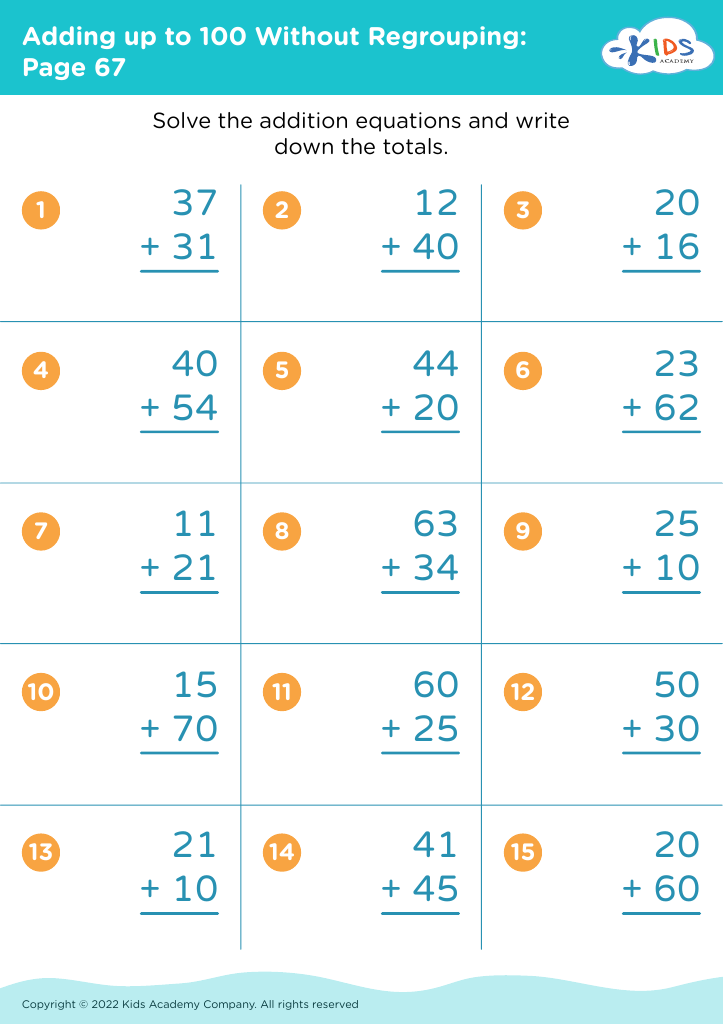
Adding up to 100 Without Regrouping: Page 67
Worksheet
Enrichment -2 Step Word Problems Worksheet

Enrichment -2 Step Word Problems Worksheet

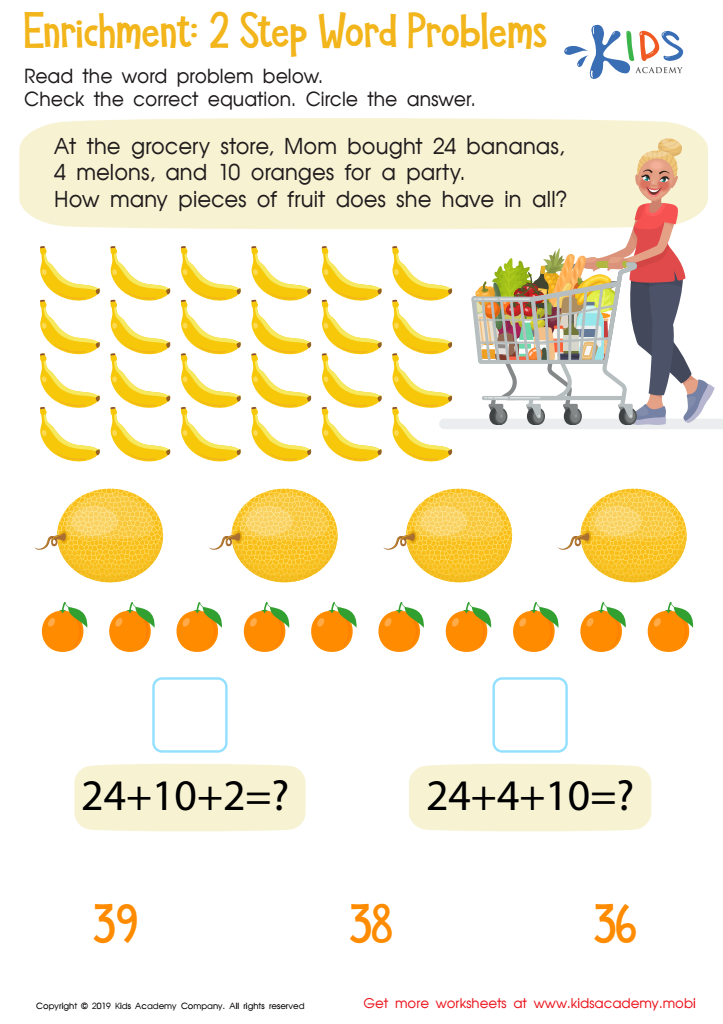
Help your students learn math easier and faster with this colorful worksheet. Read the word problem and then guide them in checking the correct equation and finding the answer. Your students will benefit from the extra help, as they work through new concepts each day.
Enrichment -2 Step Word Problems Worksheet
Worksheet
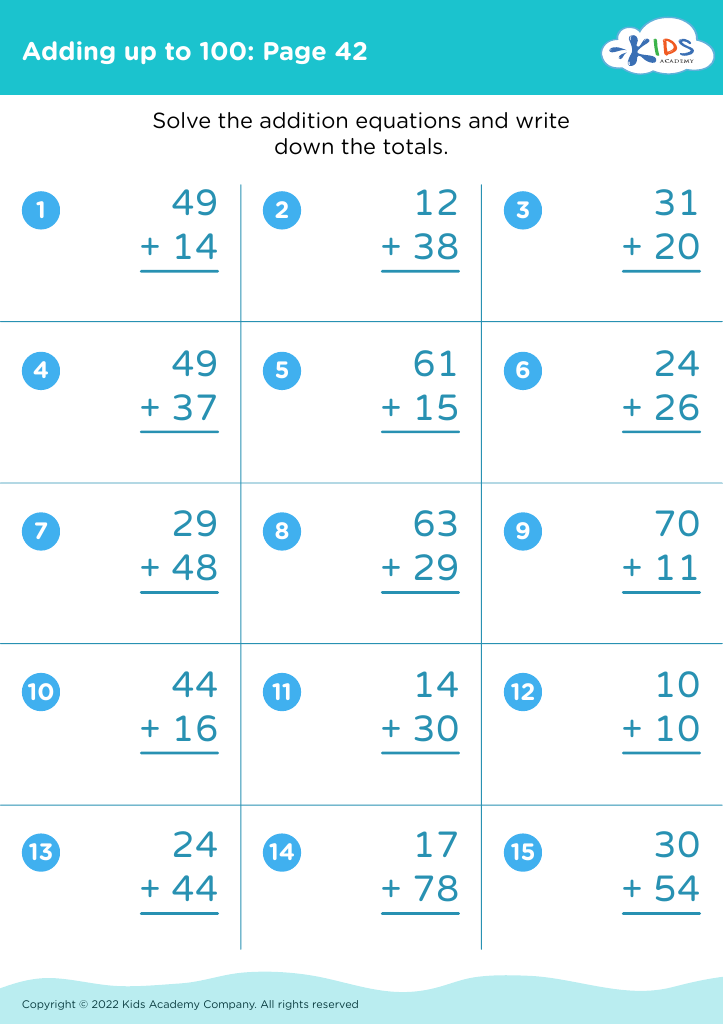
Adding up to 100: Page 42

Adding up to 100: Page 42

Adding up to 100: Page 42
Worksheet
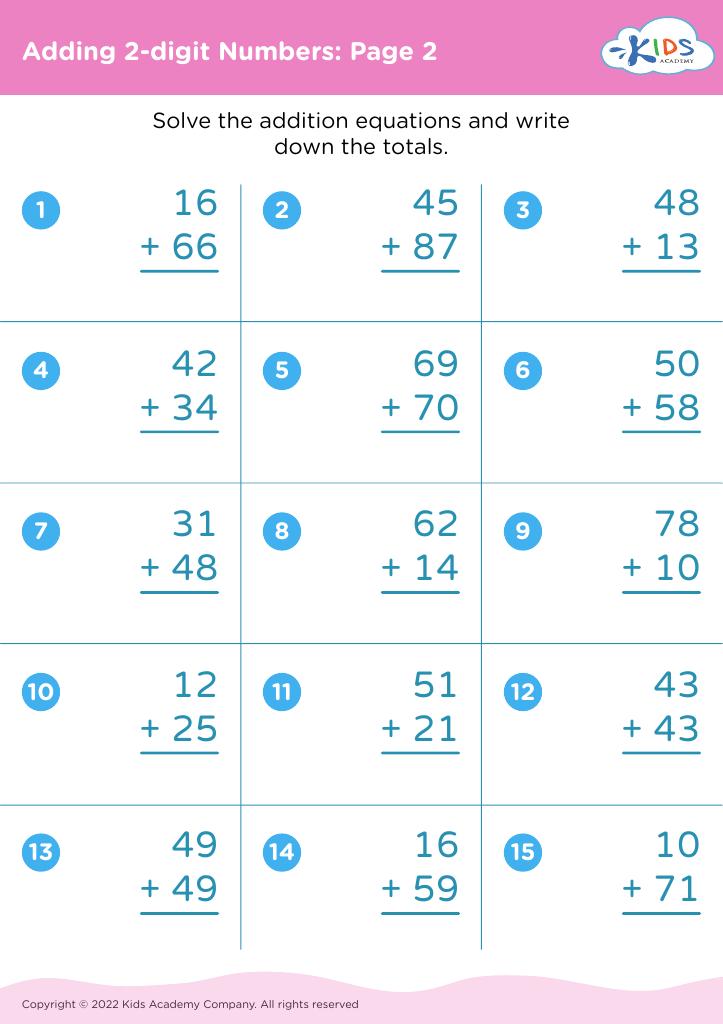
Adding 2-digit Numbers: Page 2

Adding 2-digit Numbers: Page 2

Adding 2-digit Numbers: Page 2
Worksheet
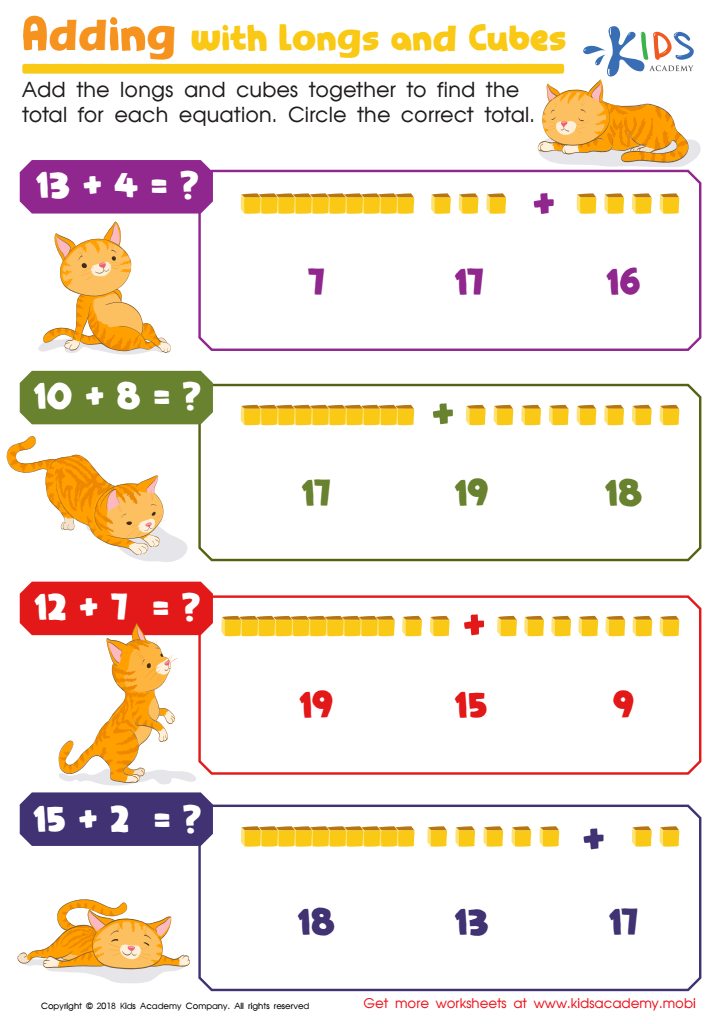
Adding With Longs and Cubes Worksheet

Adding With Longs and Cubes Worksheet

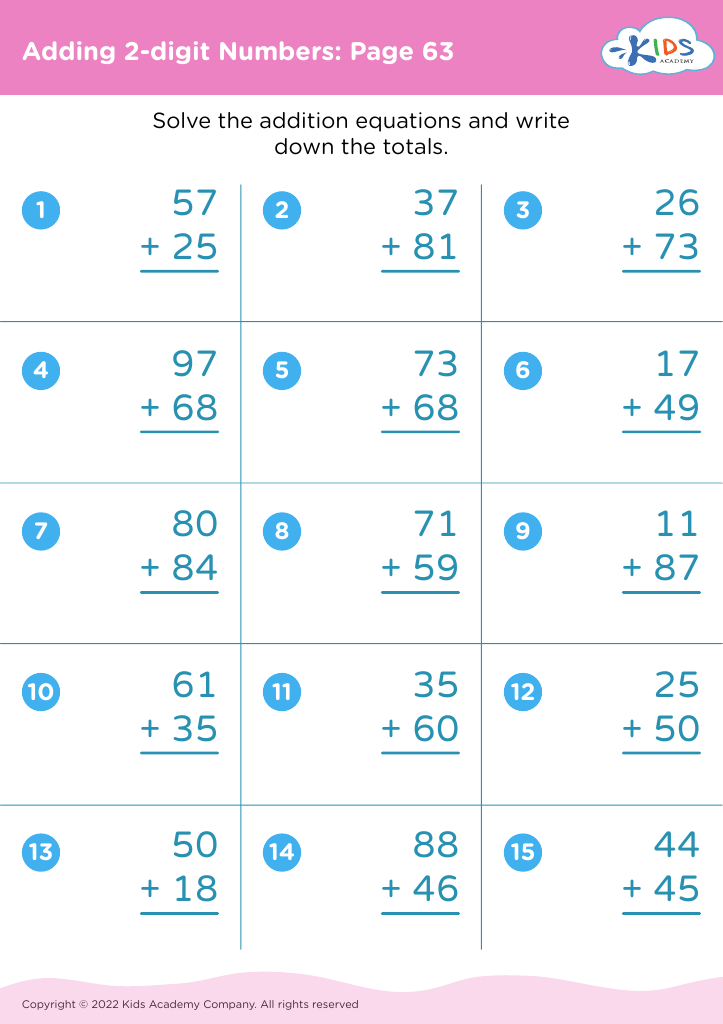
Math might not be your child's favorite, but they must master it to advance. If they're having difficulties or don't like it, use this worksheet to make it easier. Have them add longs and cubes together to find the total for each question, then circle the correct answer. This exercise can help make math experiences better.
Adding With Longs and Cubes Worksheet
Worksheet
Counting in Your Community Worksheet
Counting in Your Community Worksheet

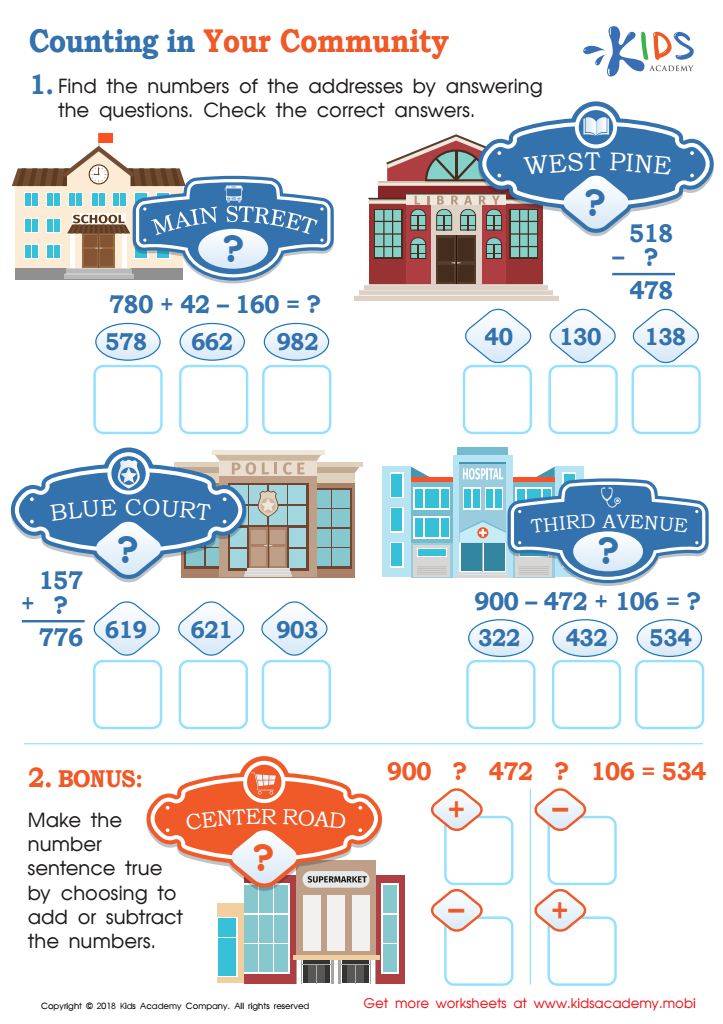
Introduce your kids to the idea of a community, where different people and buildings co-exist, each playing their part for the community's progress. Ask them to name the buildings they see in their community. Then work through this worksheet to find the numbers of the addresses by answering the questions. Check the answers once they've solved the equations.
Counting in Your Community Worksheet
Worksheet
Adding 2-digit Numbers: Page 63

Adding 2-digit Numbers: Page 63

Adding 2-digit Numbers: Page 63
Worksheet
Adding and Subtracting: Instruments Worksheet

Adding and Subtracting: Instruments Worksheet

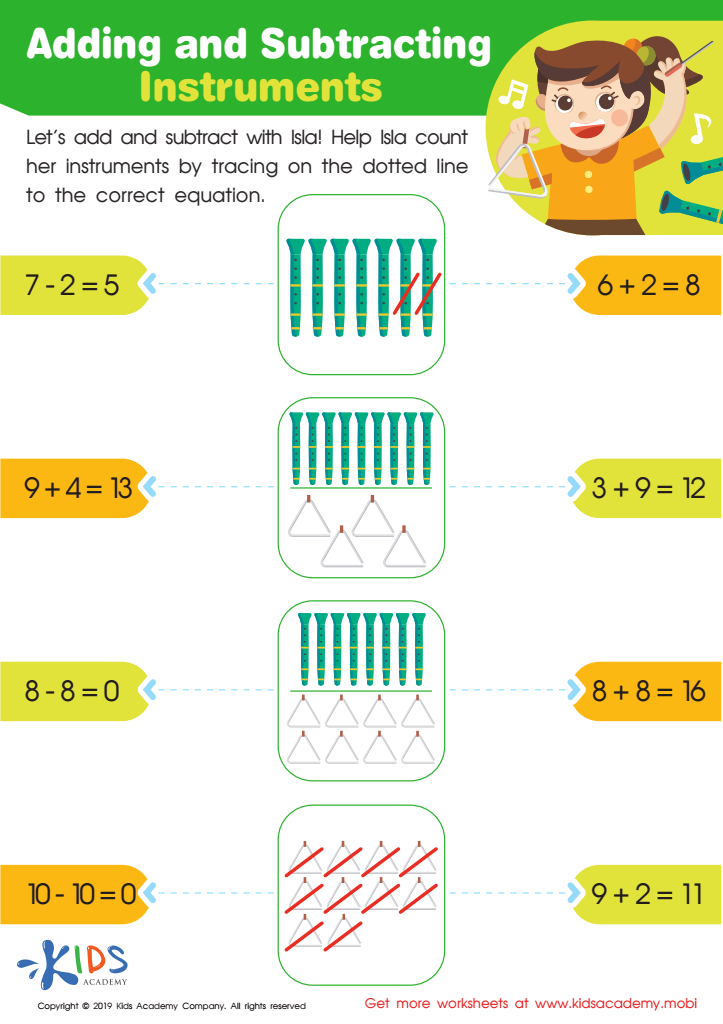
Children can help Isla count her musical instruments with this fun worksheet. The downloadable PDF gives them a chance to practice addition and subtraction by connecting pictures to equations. It's also a great way to learn the order of operations.
Adding and Subtracting: Instruments Worksheet
Worksheet
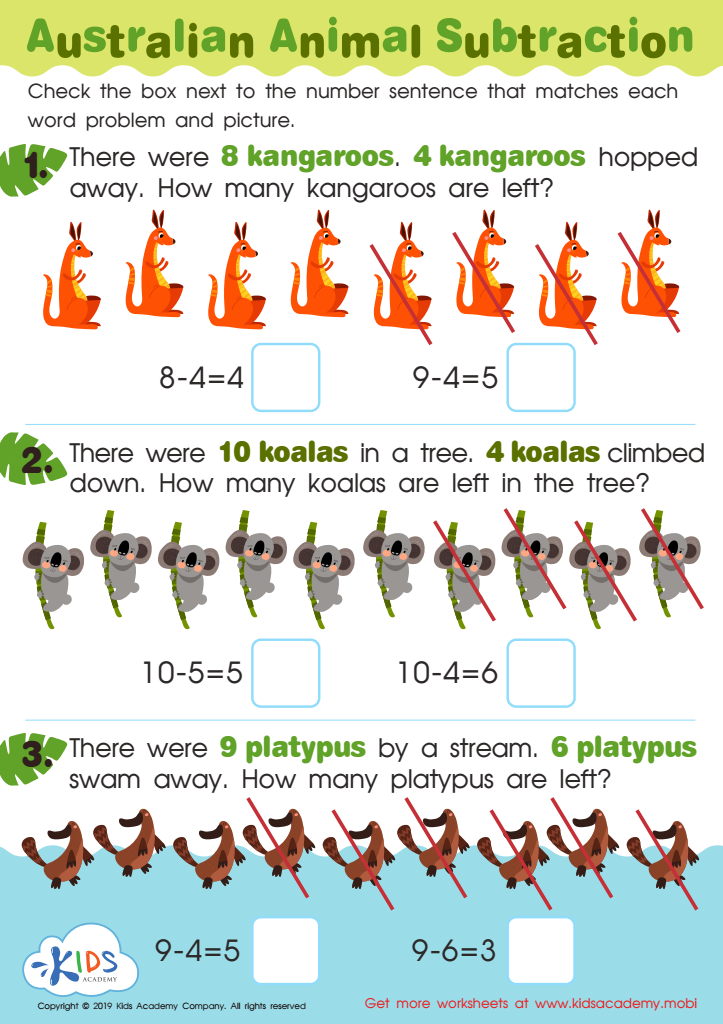
Australian Animal Subtraction Worksheet
Australian Animal Subtraction Worksheet
Test your child's wildlife knowledge. Ask them to name animals indigenous to Australia or other countries. Show them the animals in this worksheet and have them match each word problem and picture with the correct number sentence.
Australian Animal Subtraction Worksheet
Worksheet
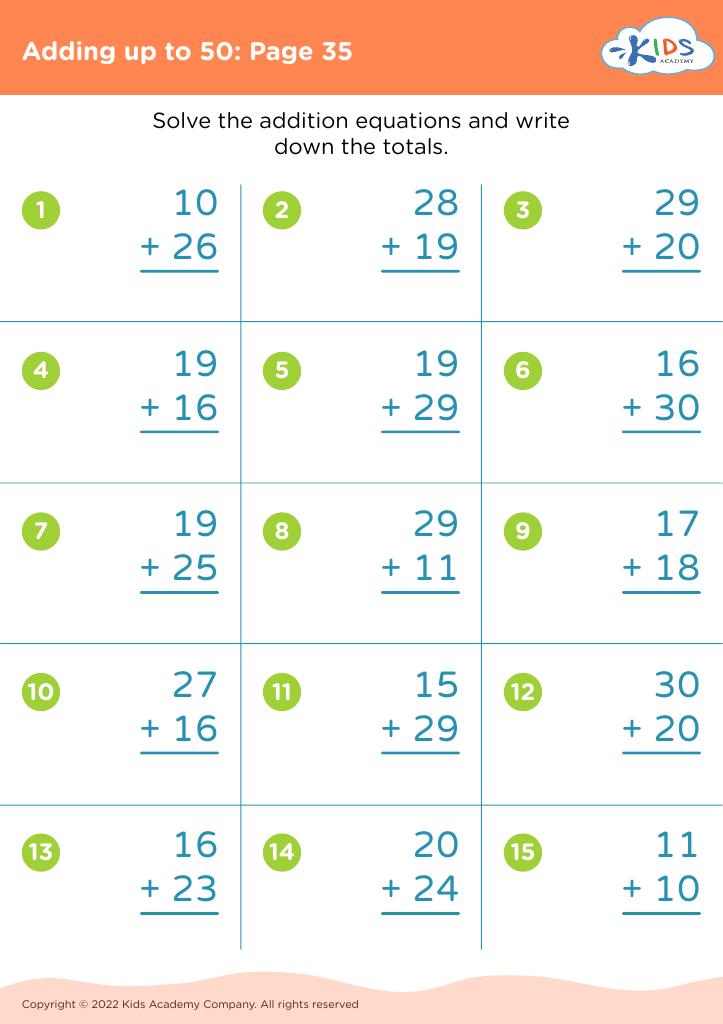
Adding up to 50: Page 35

Adding up to 50: Page 35

Adding up to 50: Page 35
Worksheet
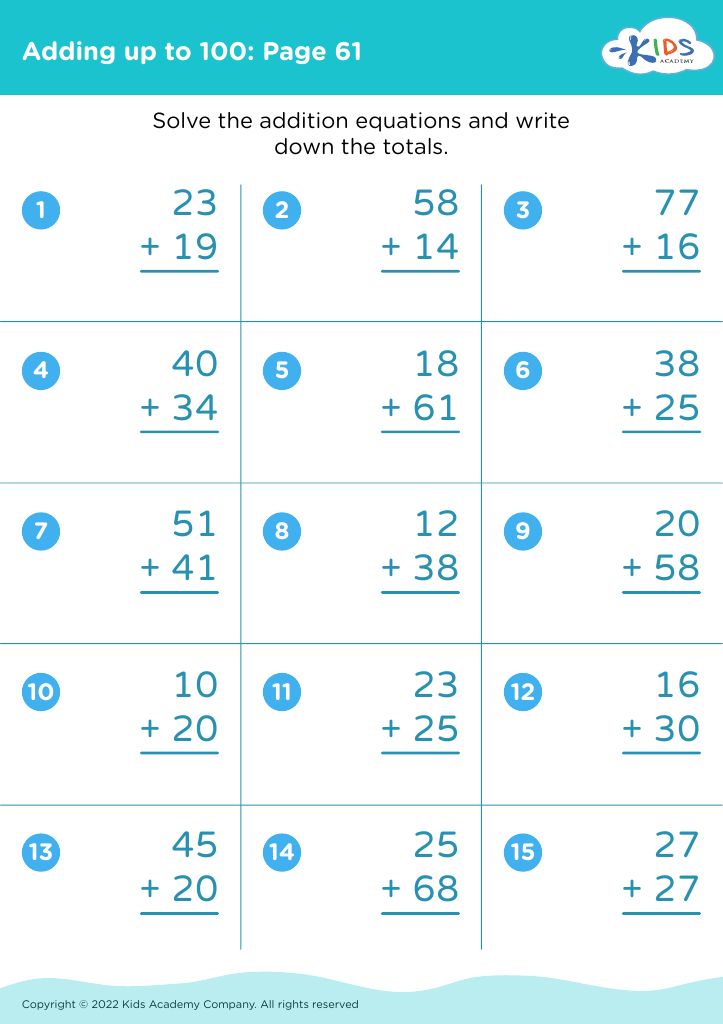
Adding up to 100: Page 61

Adding up to 100: Page 61

Adding up to 100: Page 61
Worksheet
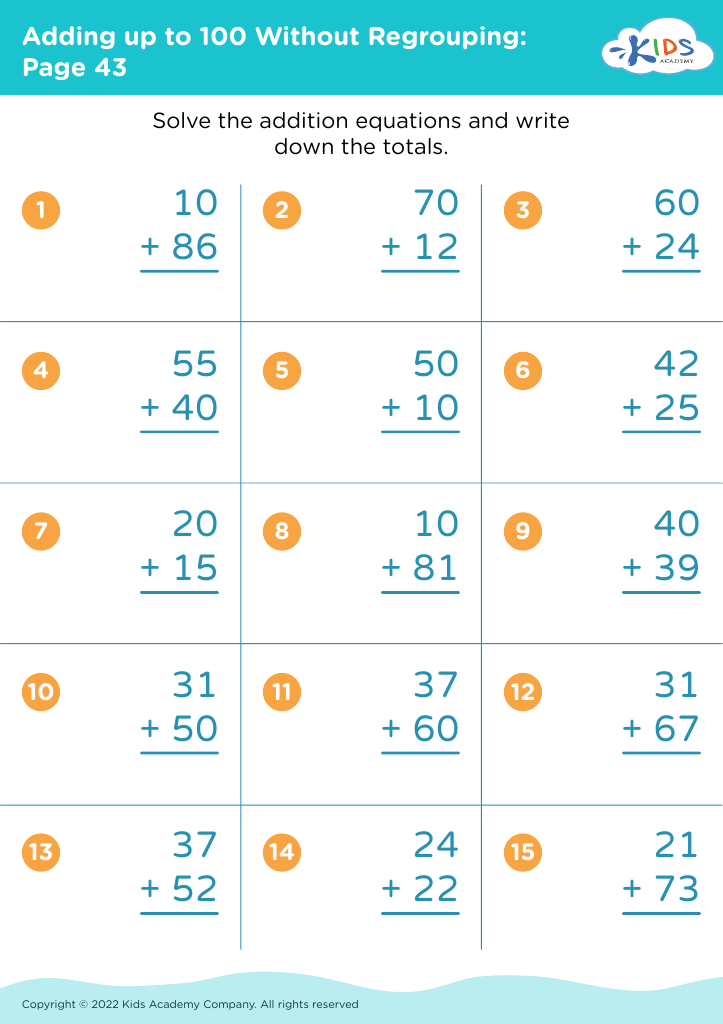
Adding up to 100 Without Regrouping: Page 43
Worksheet
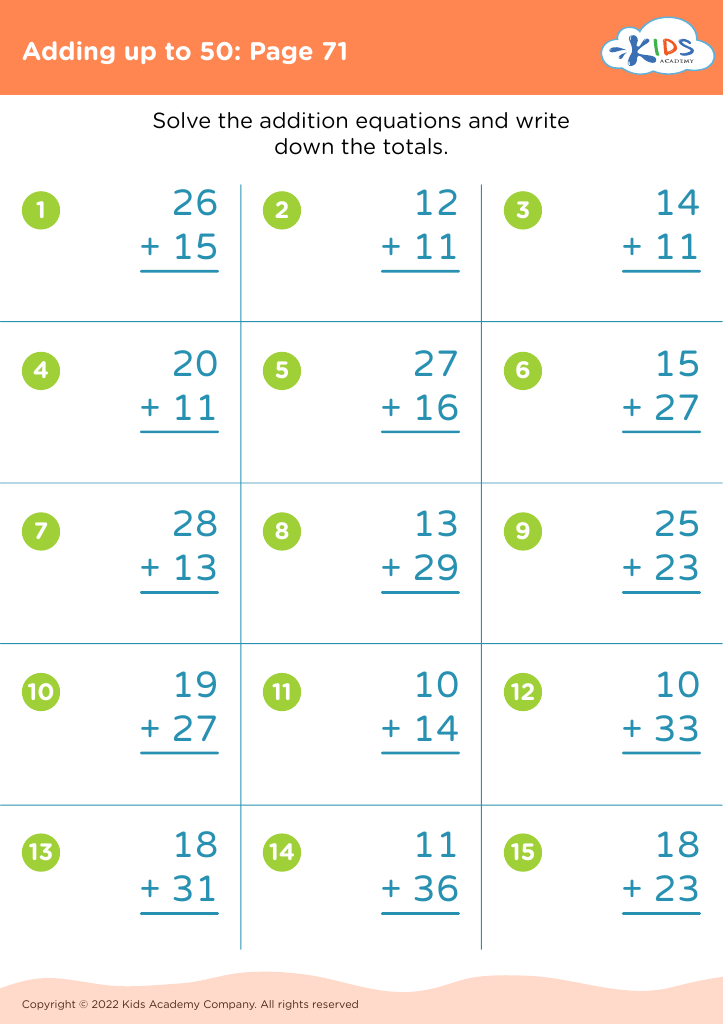
Adding up to 50: Page 71

Adding up to 50: Page 71

Adding up to 50: Page 71
Worksheet
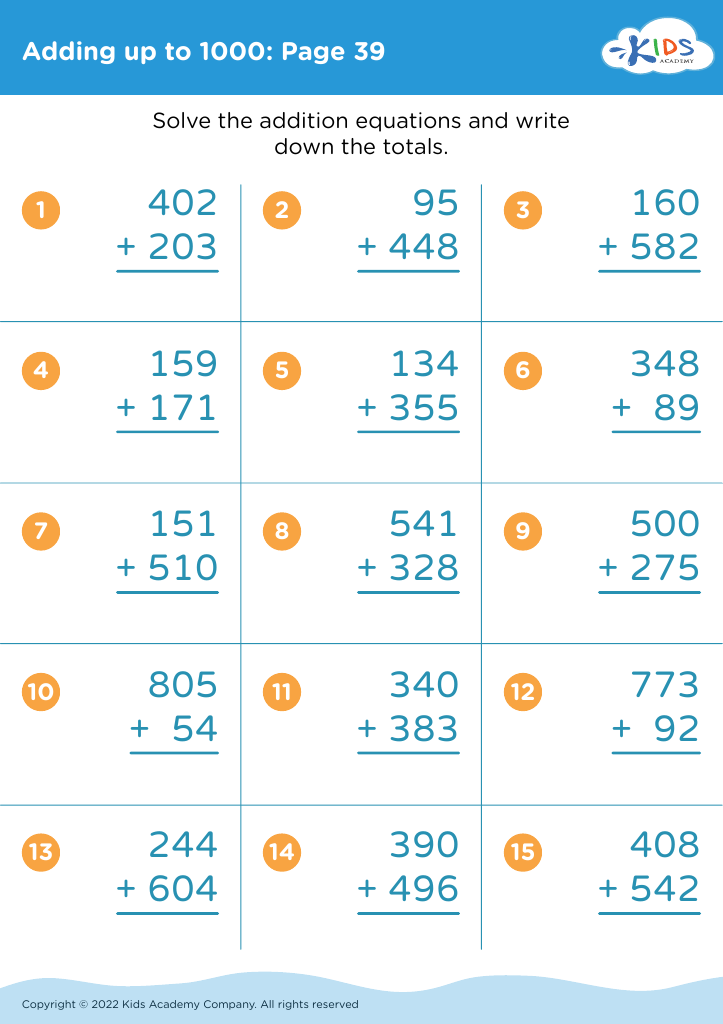
Adding up to 1000: Page 39

Adding up to 1000: Page 39

Adding up to 1000: Page 39
Worksheet
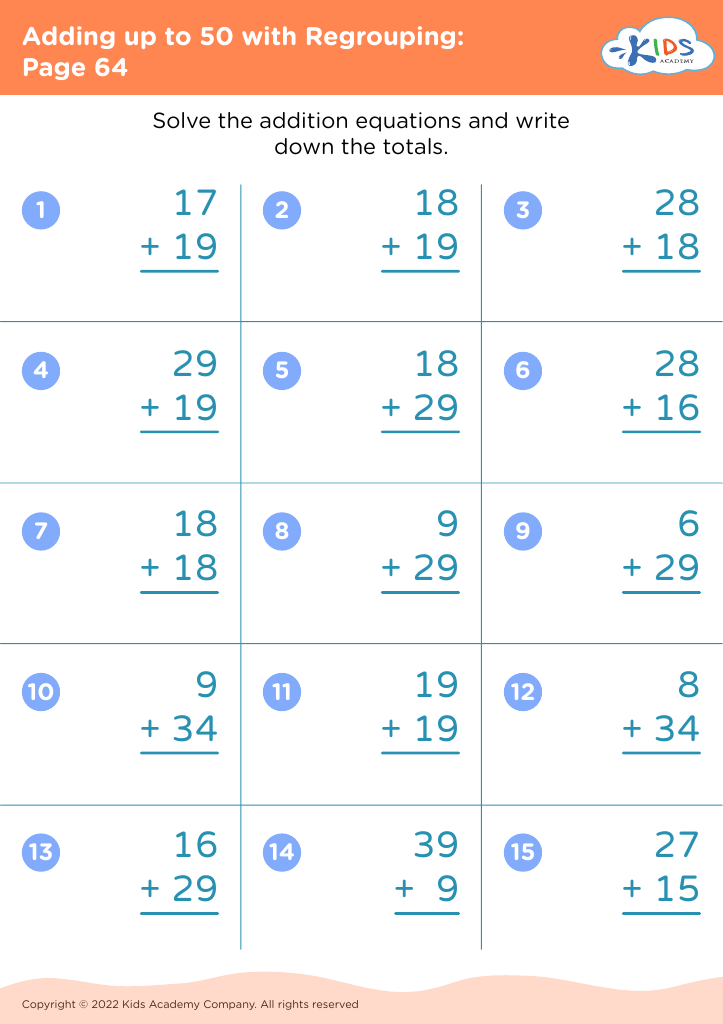
Adding up to 50 with Regrouping: Page 64
Worksheet
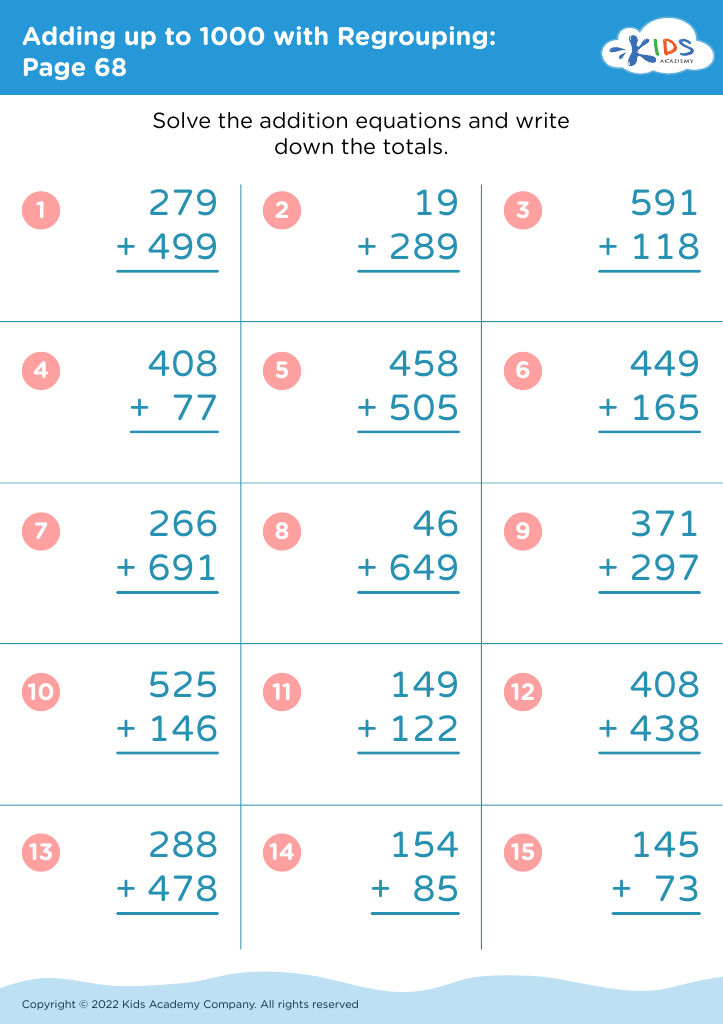
Adding up to 1000 with Regrouping: Page 68
Worksheet
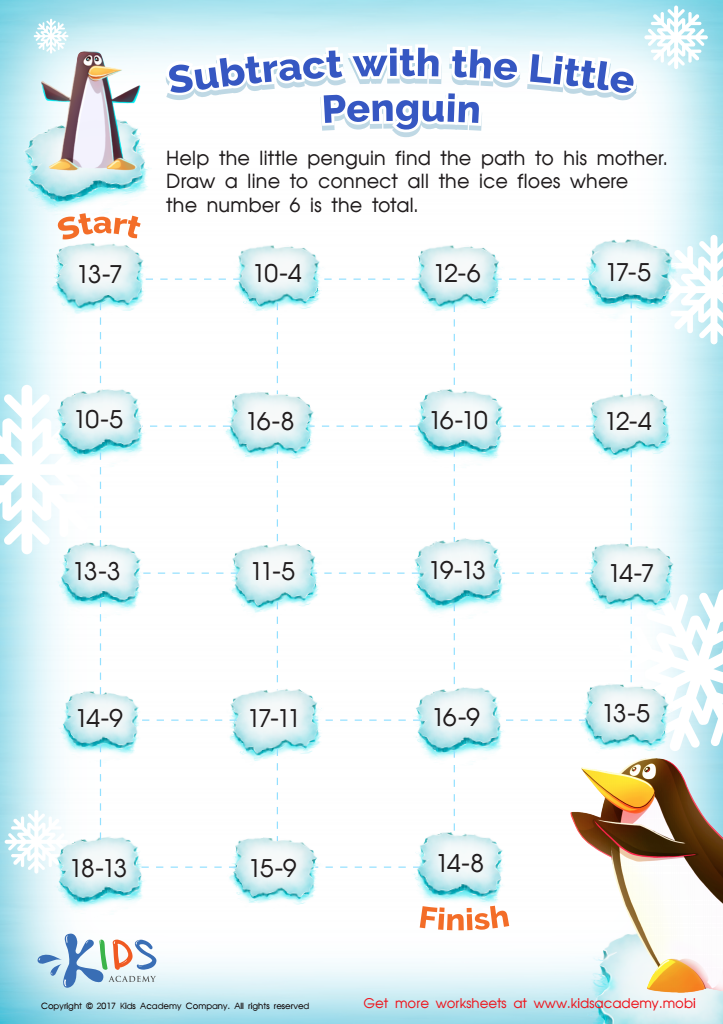
Subtraction puzzle worksheet

Subtract With The Little Penguin Substraction Worksheet
Uh oh! Little penguin needs help finding mommy! Delight your child with a fun subtraction puzzle. Complete each problem and guide little penguin home with this charming worksheet! Challenge and capture their hearts with this adorable game!
Subtract With The Little Penguin Substraction Worksheet

Worksheet
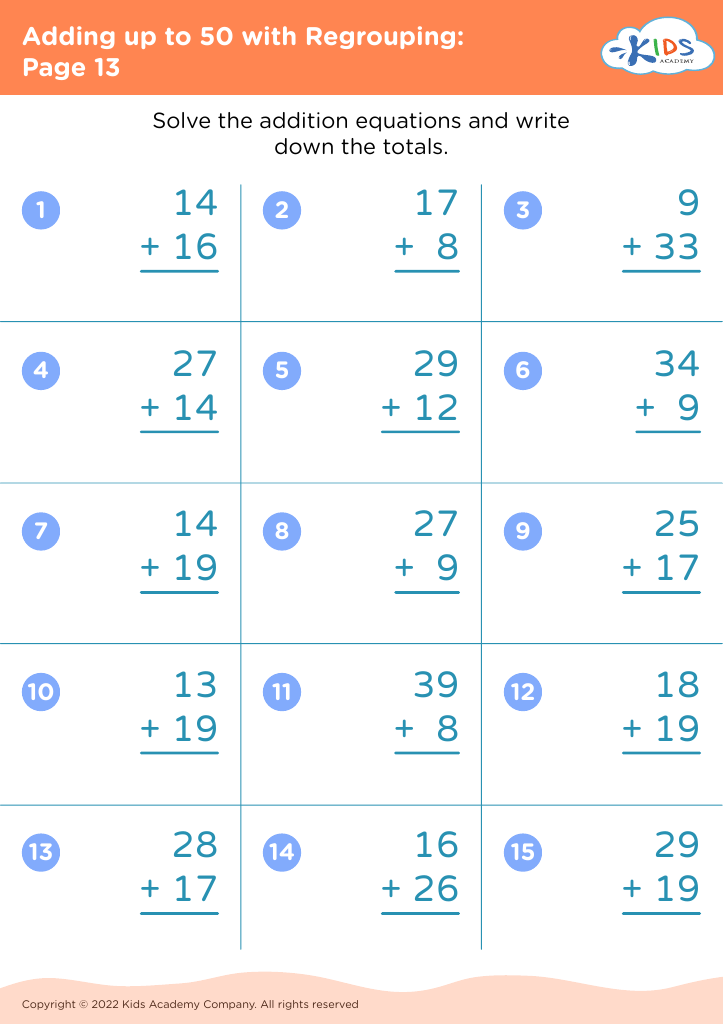
Adding up to 50 with Regrouping: Page 13
Worksheet


Cognitive development in children aged 7-8 is crucial as it lays the foundation for their future academic success and overall cognitive skills. During this stage, children enhance their ability to think logically and solve problems, essential skills when learning addition and subtraction. Mastering these fundamental arithmetic operations goes beyond merely developing mathematical skills—it fosters critical thinking, perseverance, and spatial awareness.

Parents and teachers should care about cognitive development related to addition and subtraction because these concepts introduce children to patterns and relationships in numbers, promoting a deeper understanding of mathematics. Furthermore, strong arithmetic skills boost confidence, reduce anxiety towards math, and encourage a positive attitude toward learning.

Supporting children in comprehending addition and subtraction sets the stage for more complex mathematical concepts in later grades, such as multiplication and division. It also allows for the development of strategic thinking, as children learn to manipulate numbers and improve their reasoning abilities.

Involving parents in this developmental process strengthens home-school connections, ensures consistent support, and fosters a positive learning environment. When parents and educators prioritize cognitive development in math, they equip children with the necessary tools to thrive academically and personally in a rapidly changing world.