Identifying shapes Addition & Subtraction Worksheets for Ages 7-8
25 filtered results
-
From - To
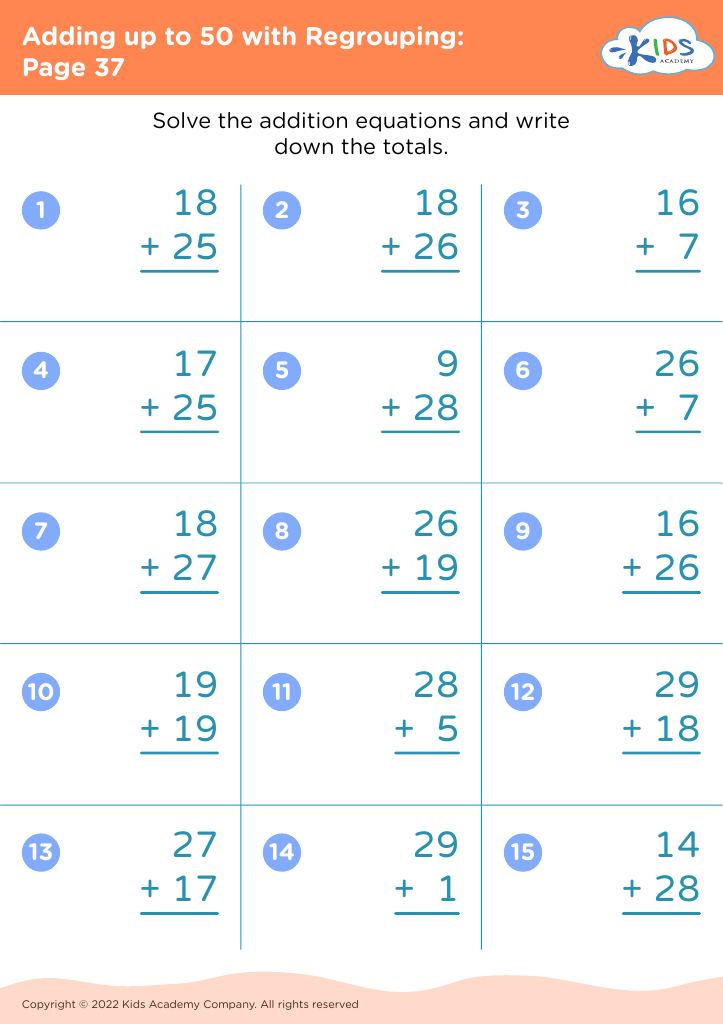
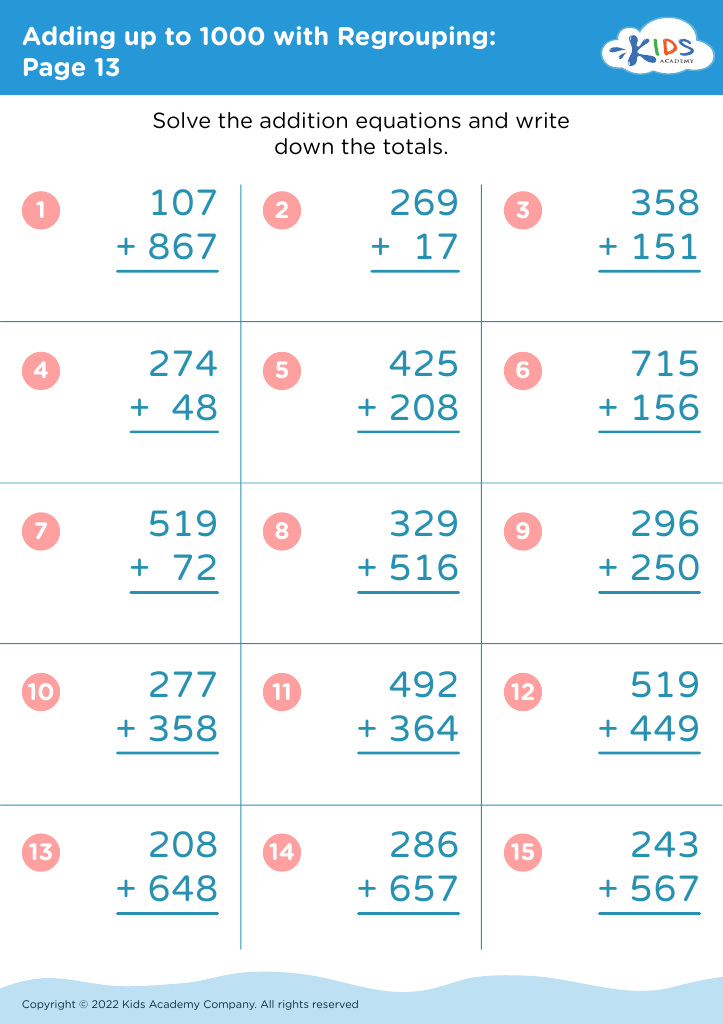
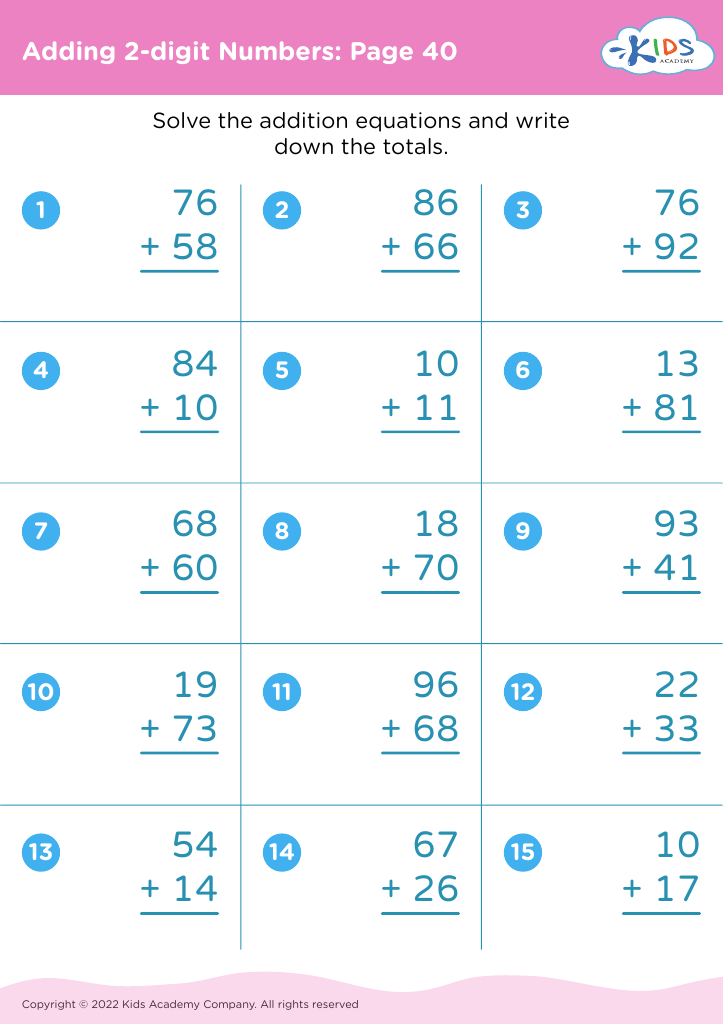
Discover our engaging "Identifying Shapes Addition & Subtraction Worksheets" designed specifically for children ages 7-8. These worksheets combine essential math skills with shape recognition, providing a fun and interactive way for young learners to practice addition and subtraction. Each worksheet features vibrant illustrations and age-appropriate exercises that challenge students to identify shapes while performing calculations. This comprehensive resource supports cognitive development and reinforces geometry concepts in a playful format. Perfect for in-home learning or classroom use, our worksheets promote critical thinking and problem-solving abilities, fostering a love for both math and shapes. Download and inspire your child's learning journey today!
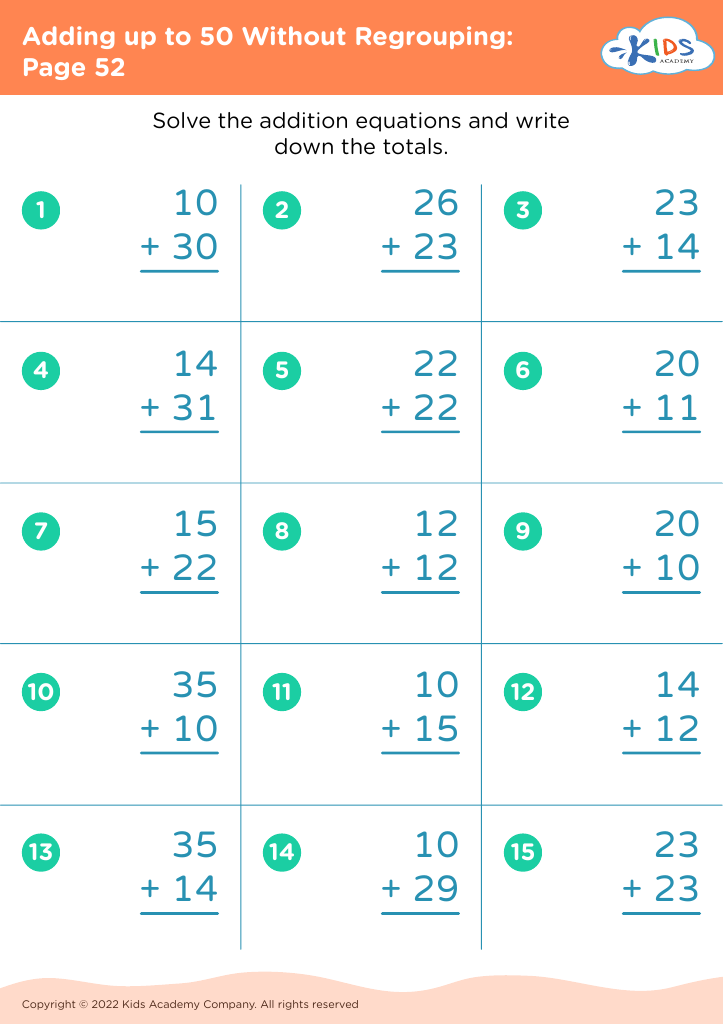
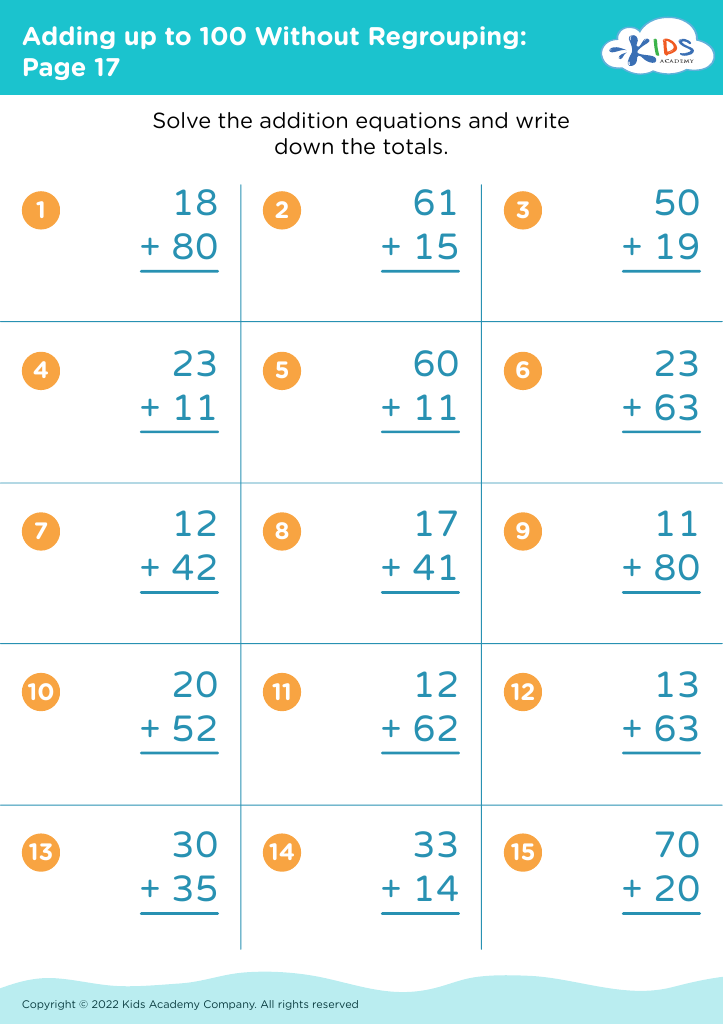
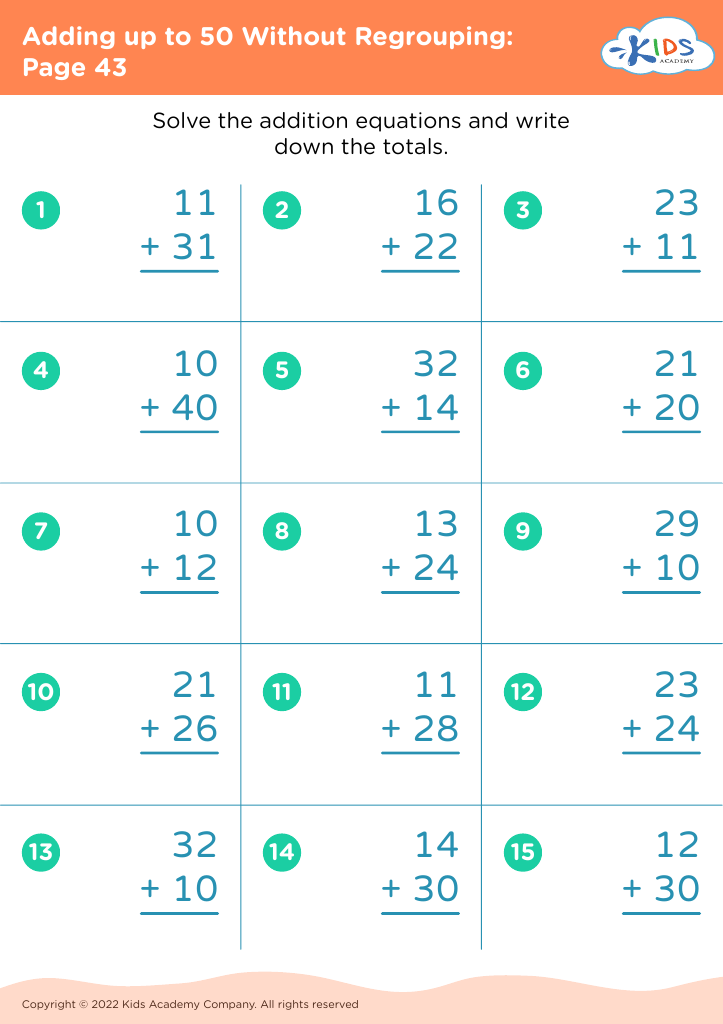
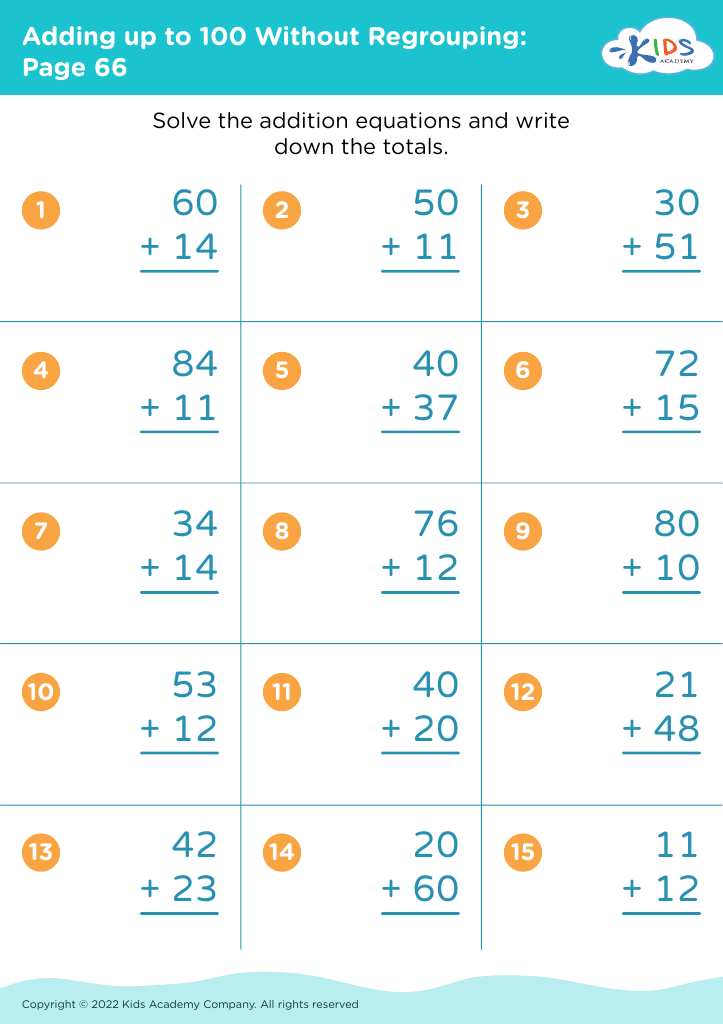
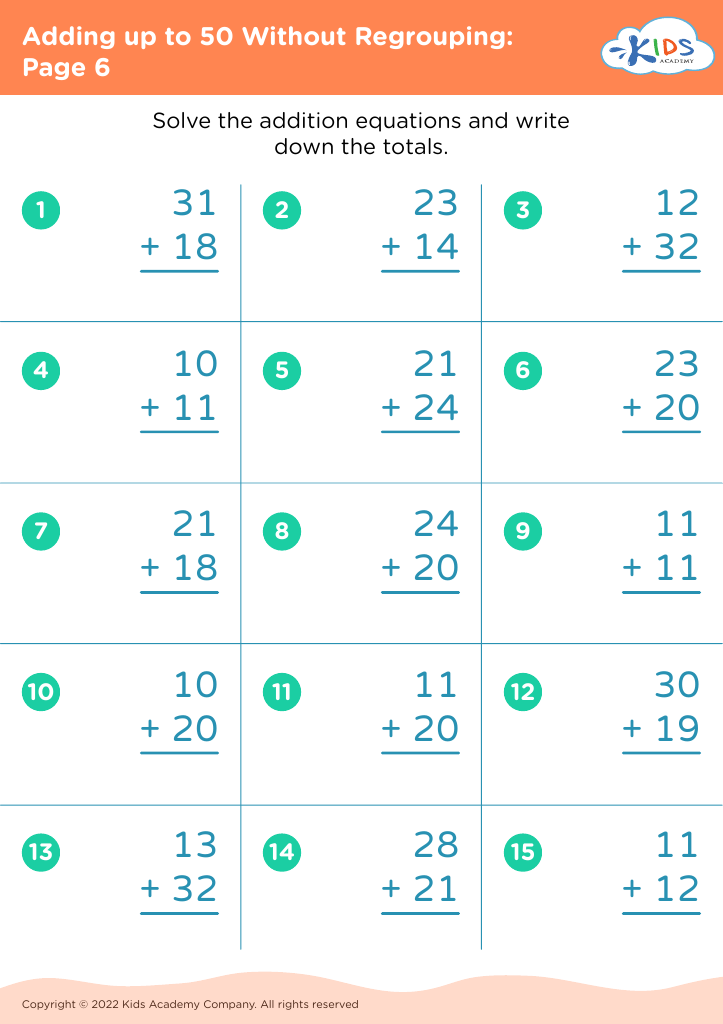
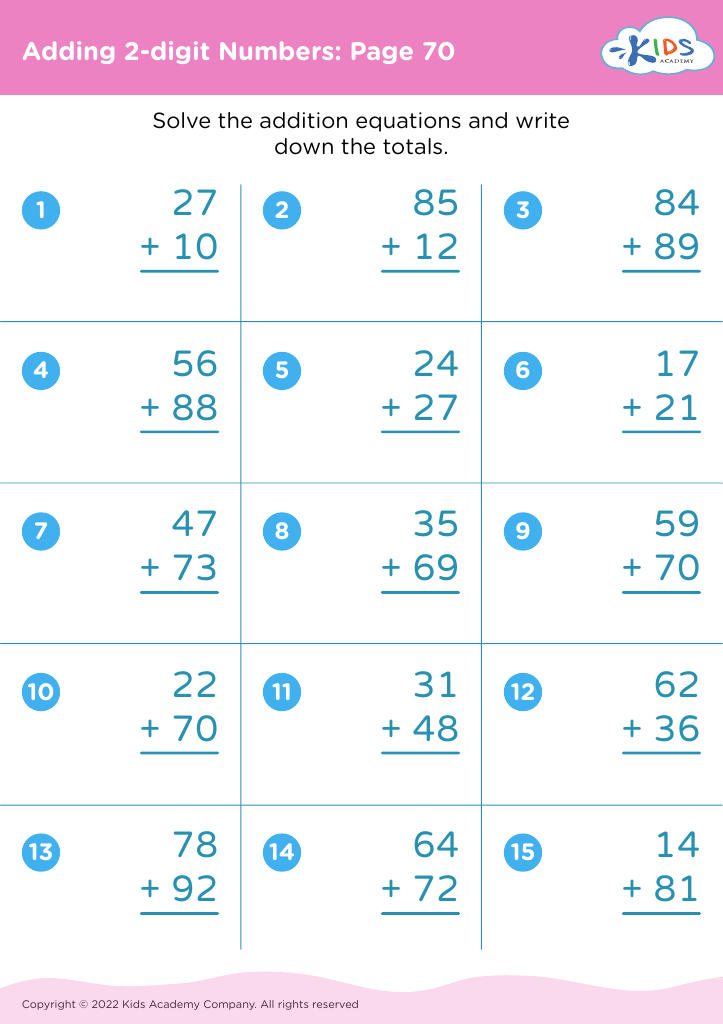
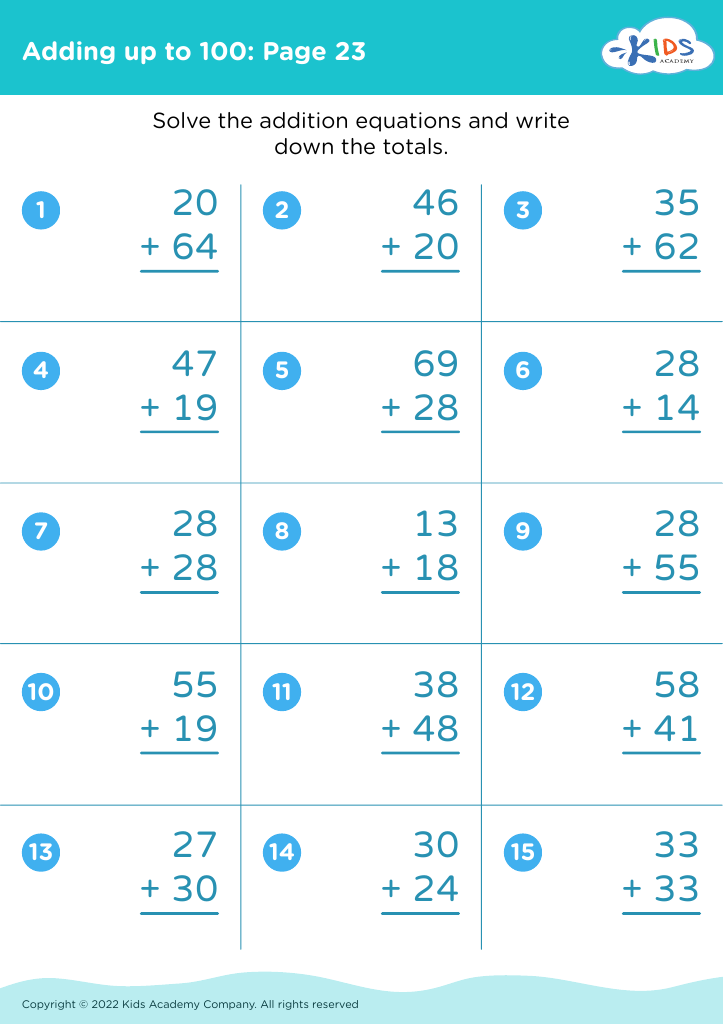
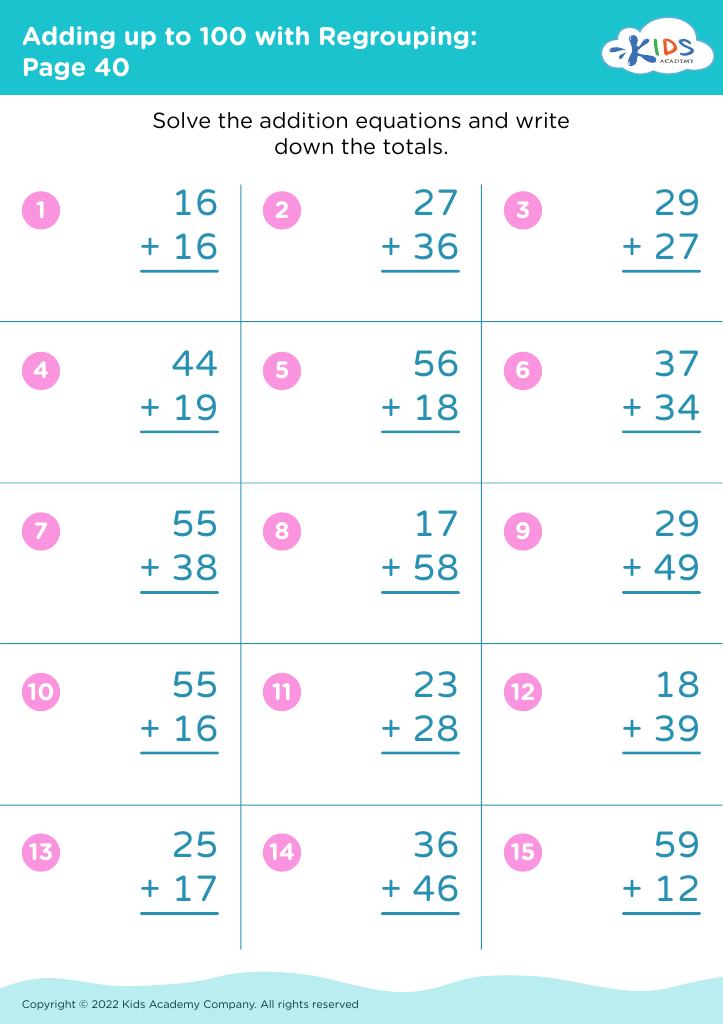
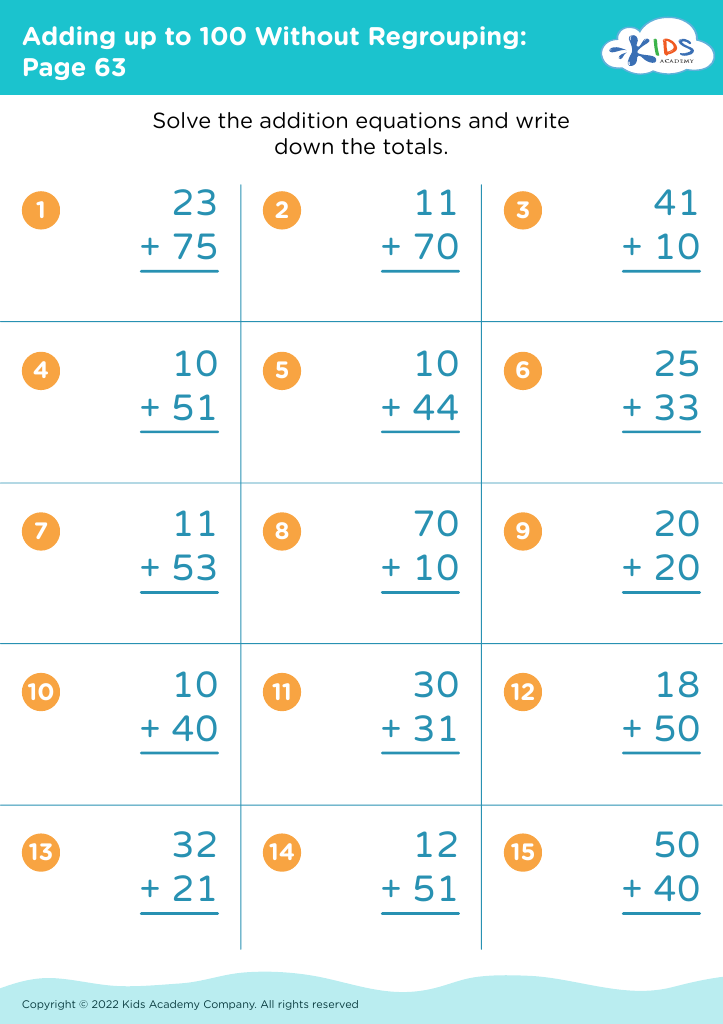
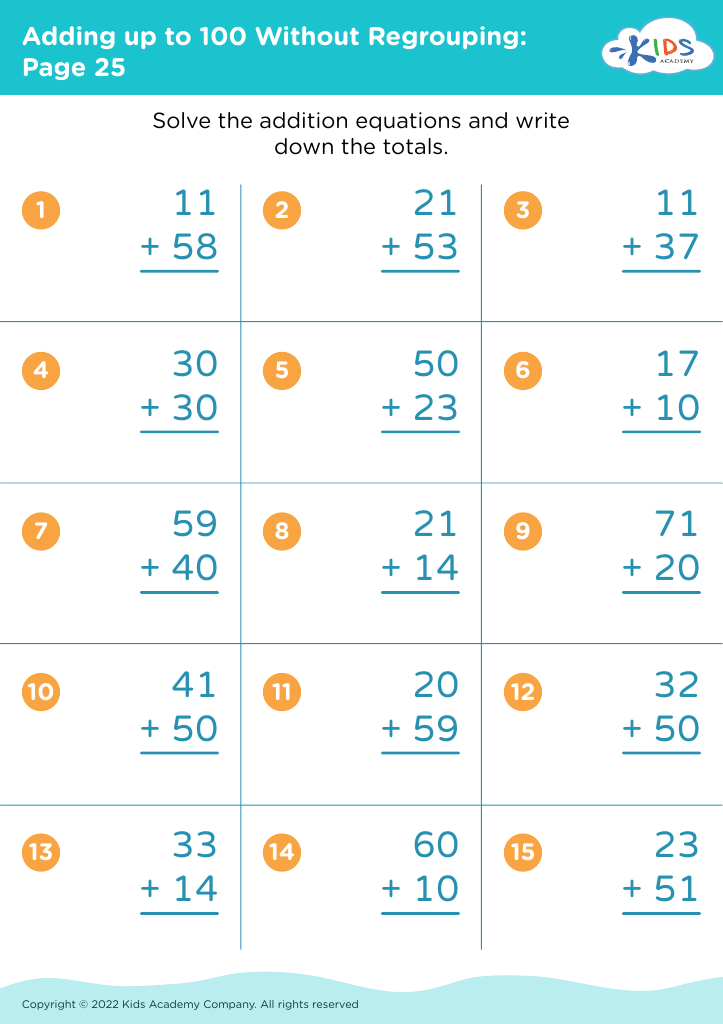
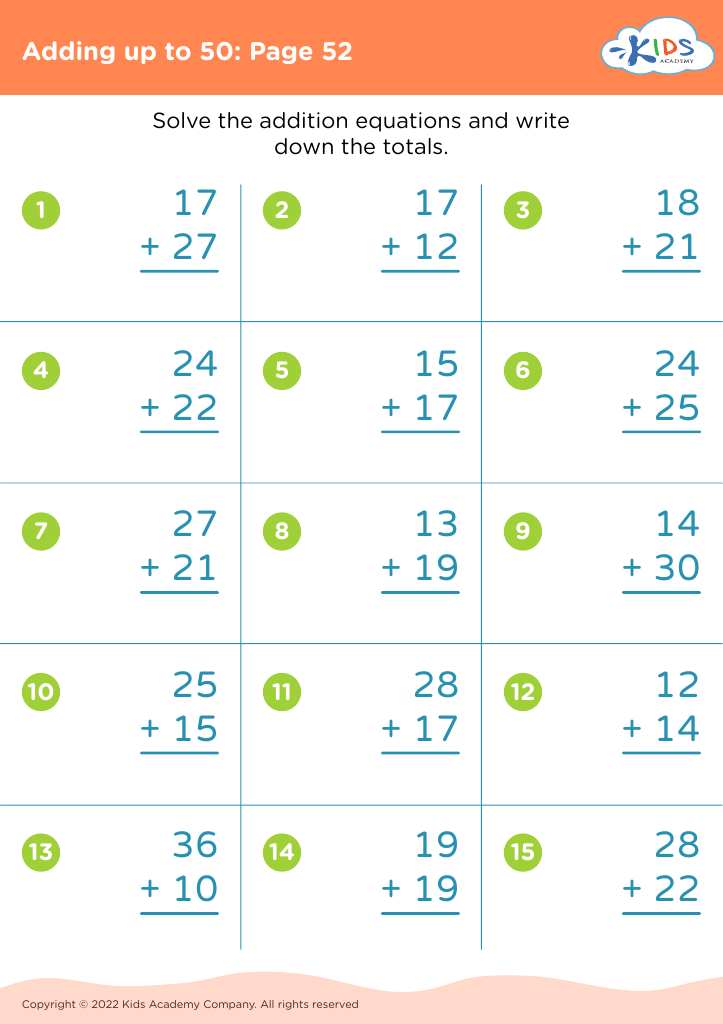
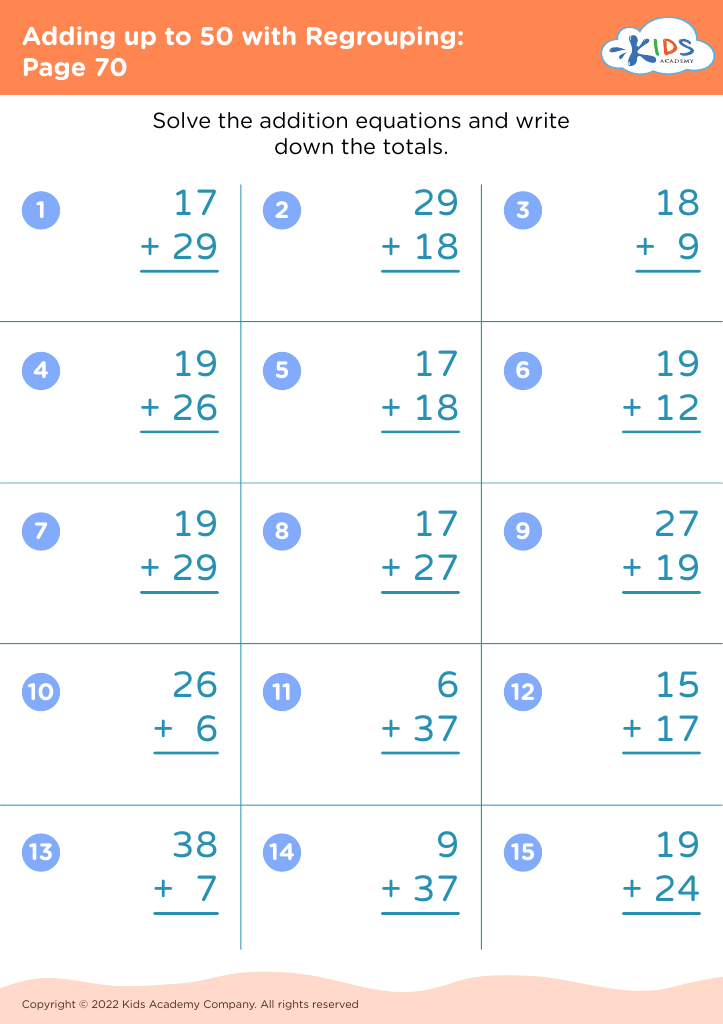
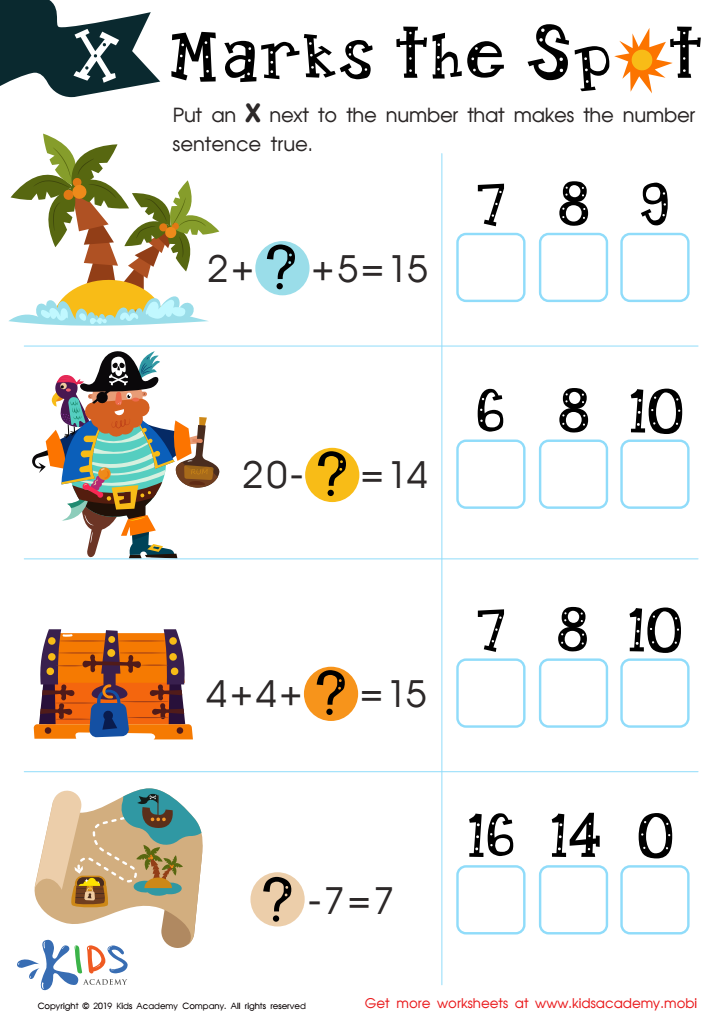
X Marks the Spot Worksheet
 Assign to My Students
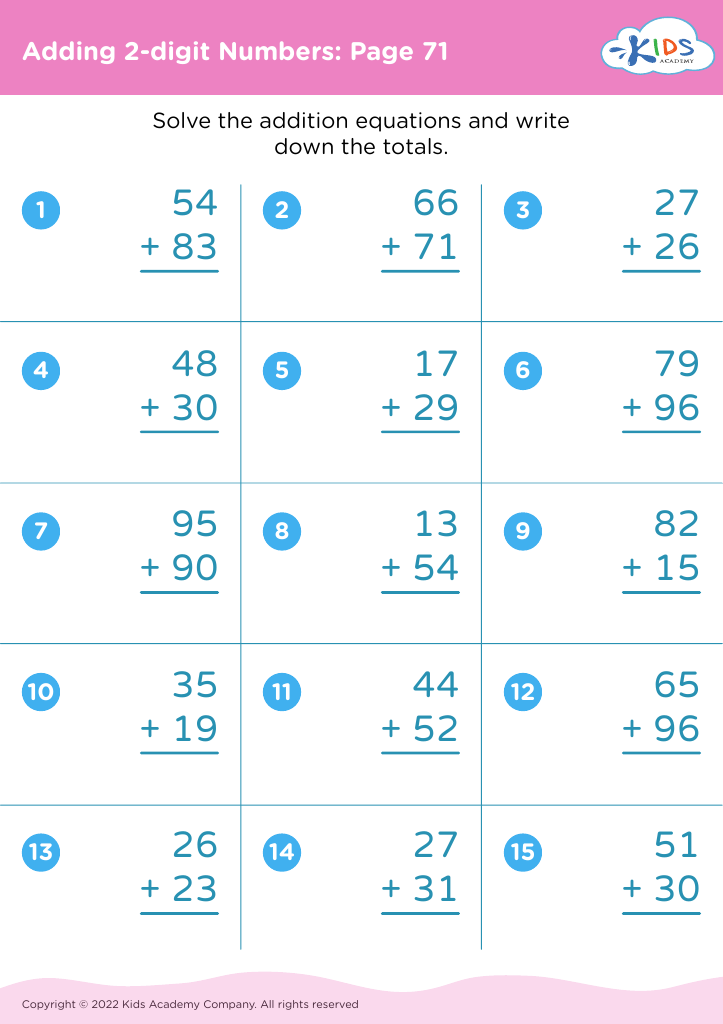
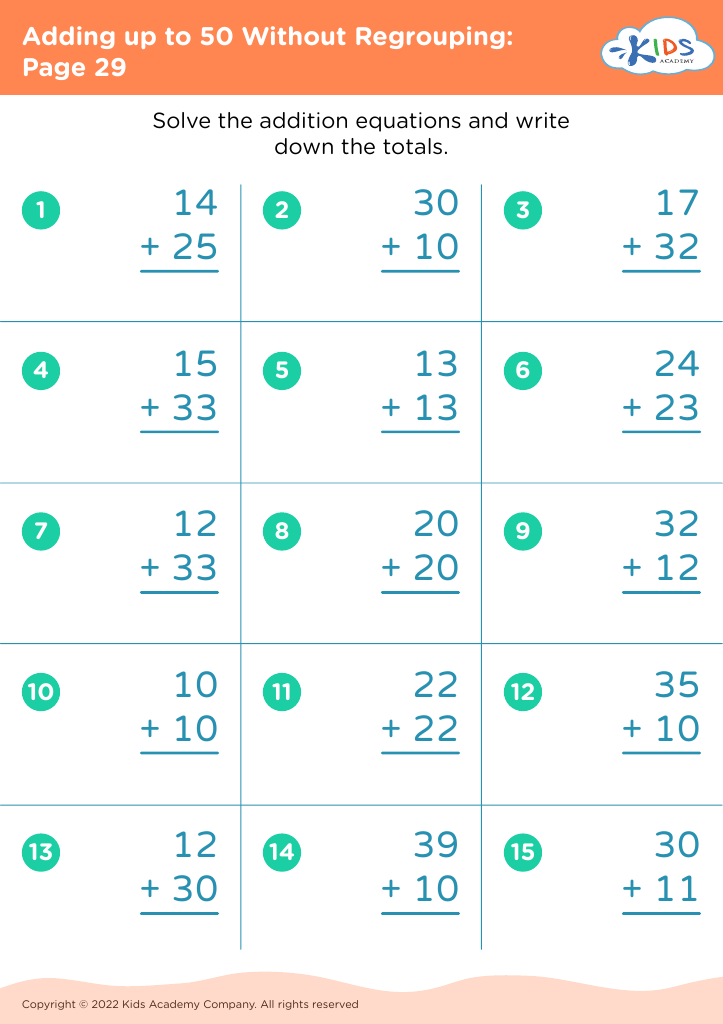
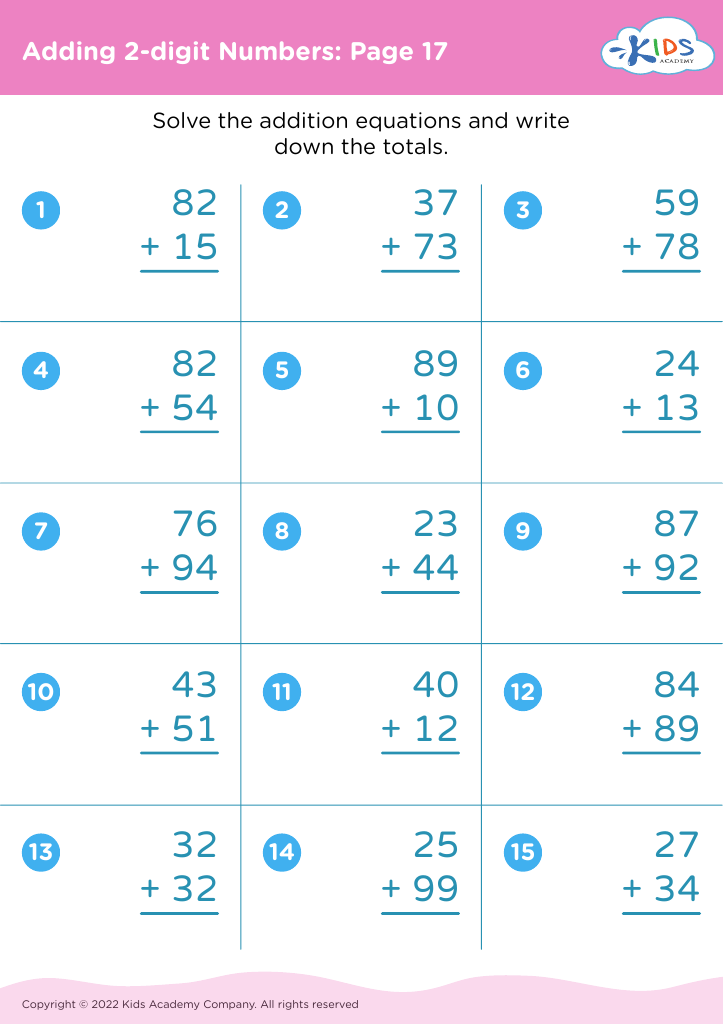
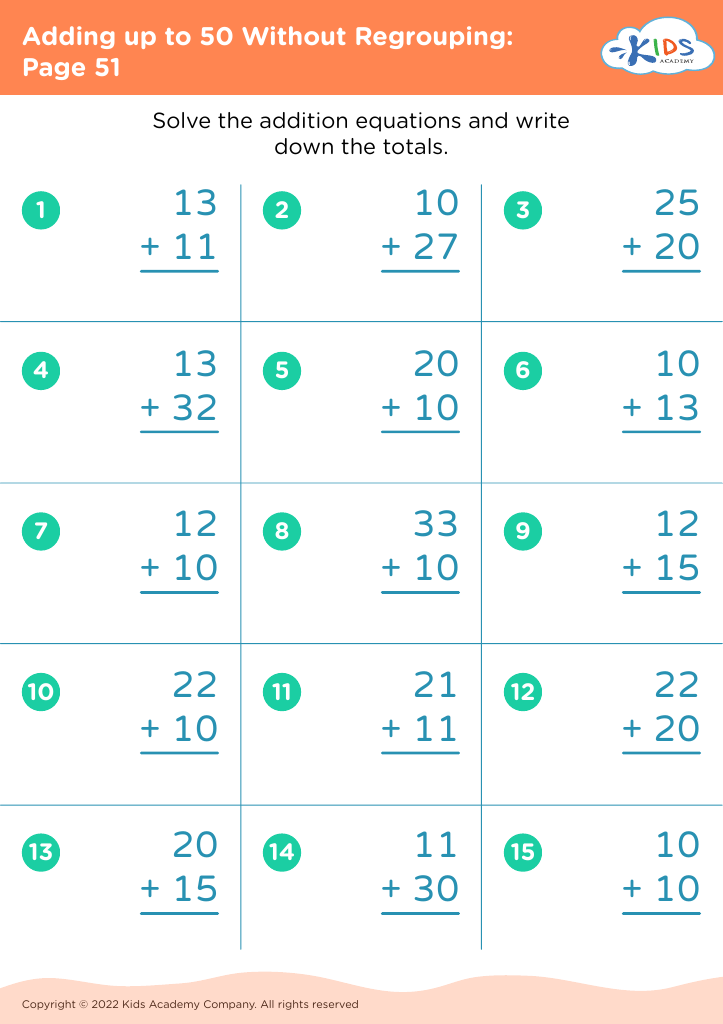
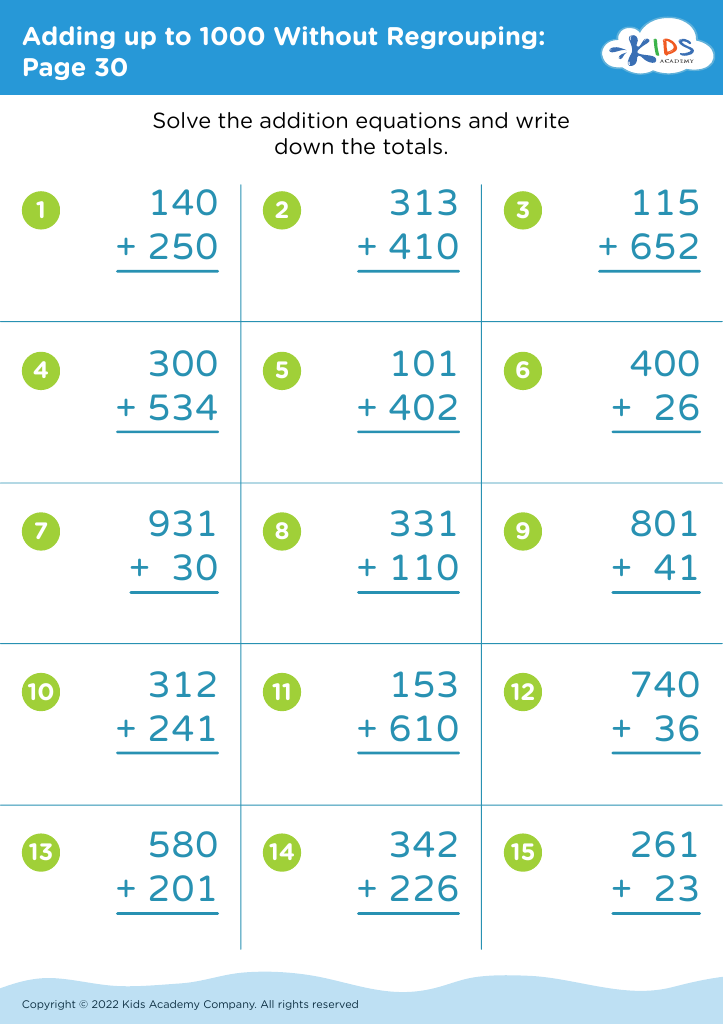
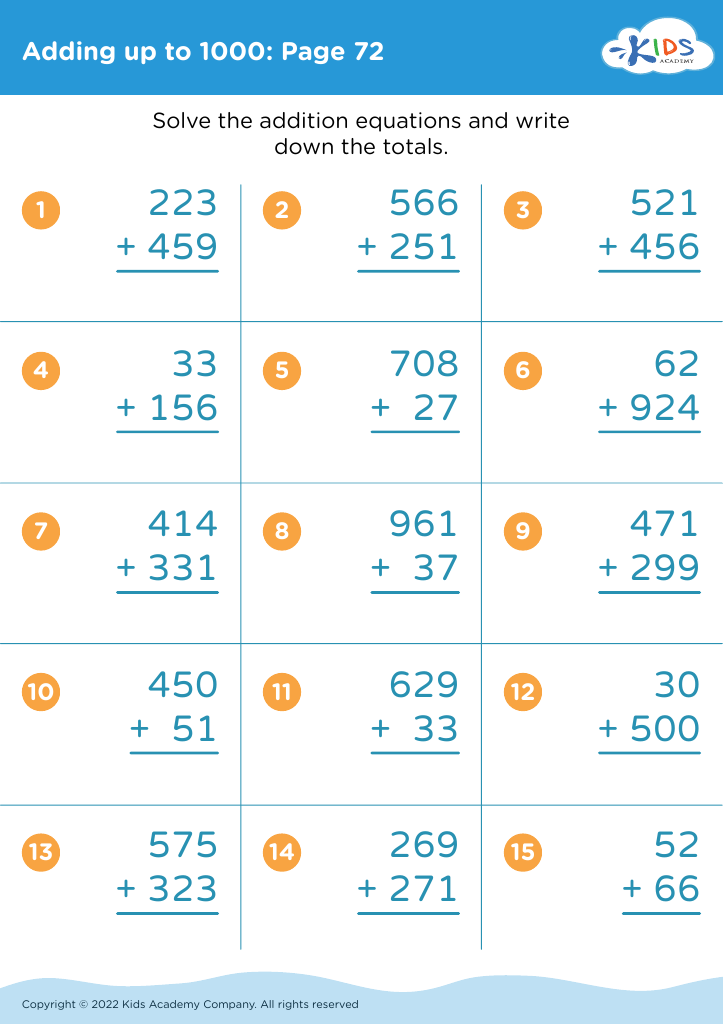
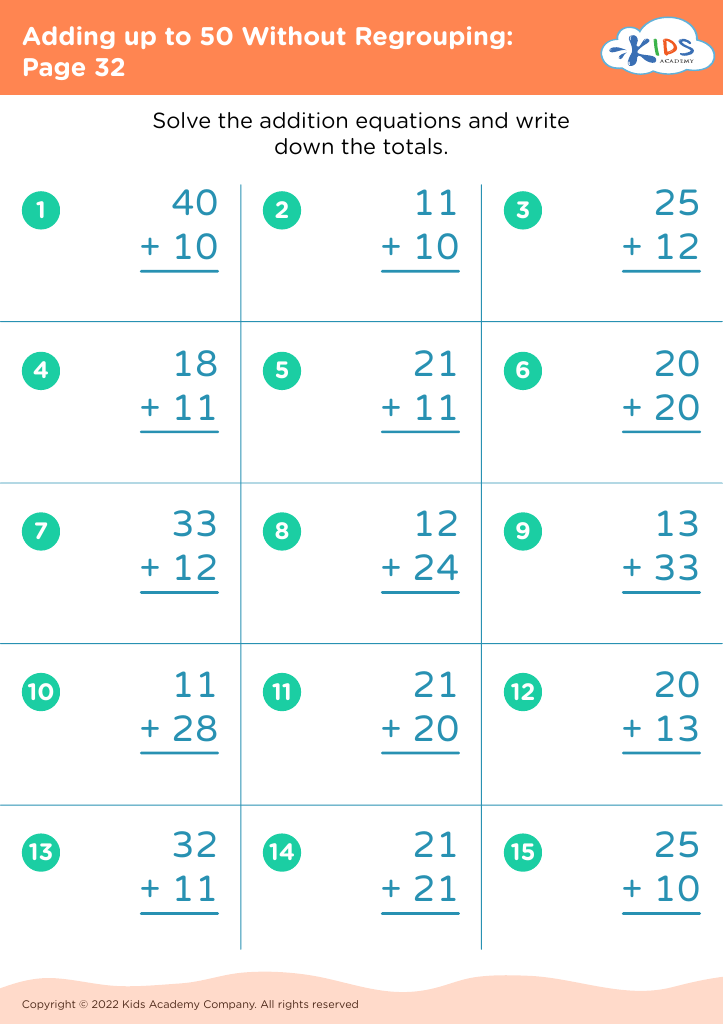
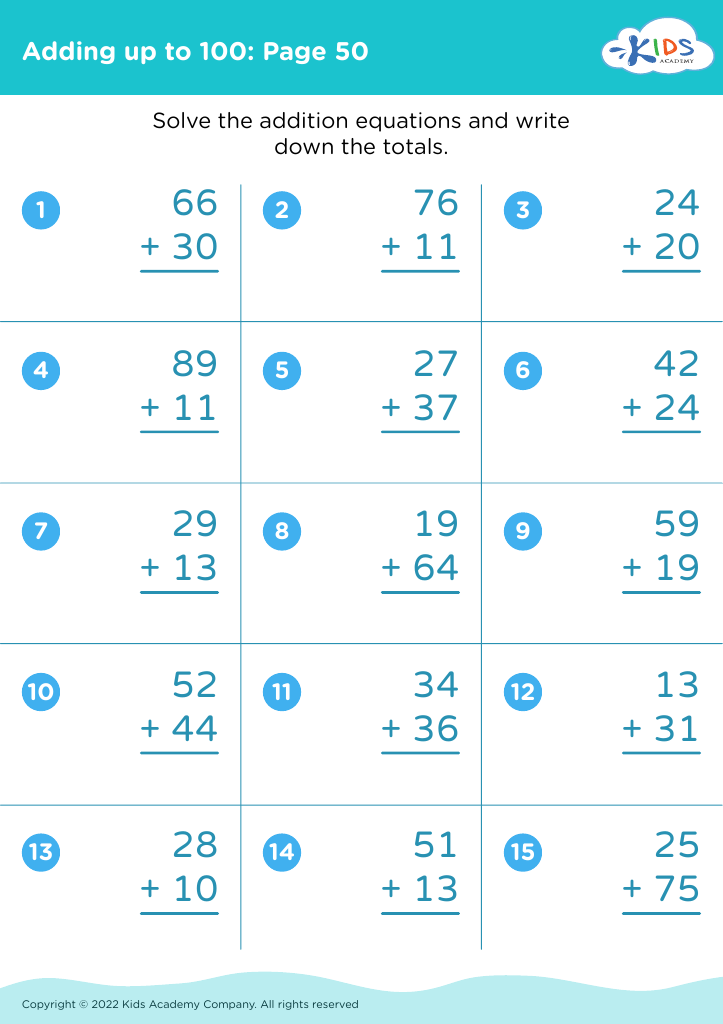








Identifying shapes and mastering addition and subtraction are fundamental skills that can profoundly impact a child’s educational journey, particularly for ages 7-8. At this developmental stage, children are honing their critical thinking and problem-solving abilities. Recognizing shapes not only builds spatial awareness—it also lays the groundwork for more complex subjects like geometry in later grades. Understanding the properties and nuances of shapes empowers children to connect mathematical concepts to real-world objects and scenarios.
Additionally, addition and subtraction create the foundation for all future mathematics. Proficiently performing these operations enhances a child's confidence and lays the groundwork for tackling more advanced topics, including multiplication and division. Engaging children in these skills through hands-on activities can make learning enjoyable and relatable, keeping them motivated.
Both parents and teachers play a critical role in reinforcing these concepts. By focusing on identifying shapes, addition, and subtraction, adults can help children develop a positive attitude towards math, promote long-term academic success, and foster essential life skills, such as logical reasoning and critical thinking. Ultimately, recognizing the importance of these foundational skills sets children on a path for effective learning and achievement as they navigate their educational experiences.








