Subtraction practice Addition & Subtraction Worksheets for Ages 7-8 - Page 3
60 filtered results
-
From - To
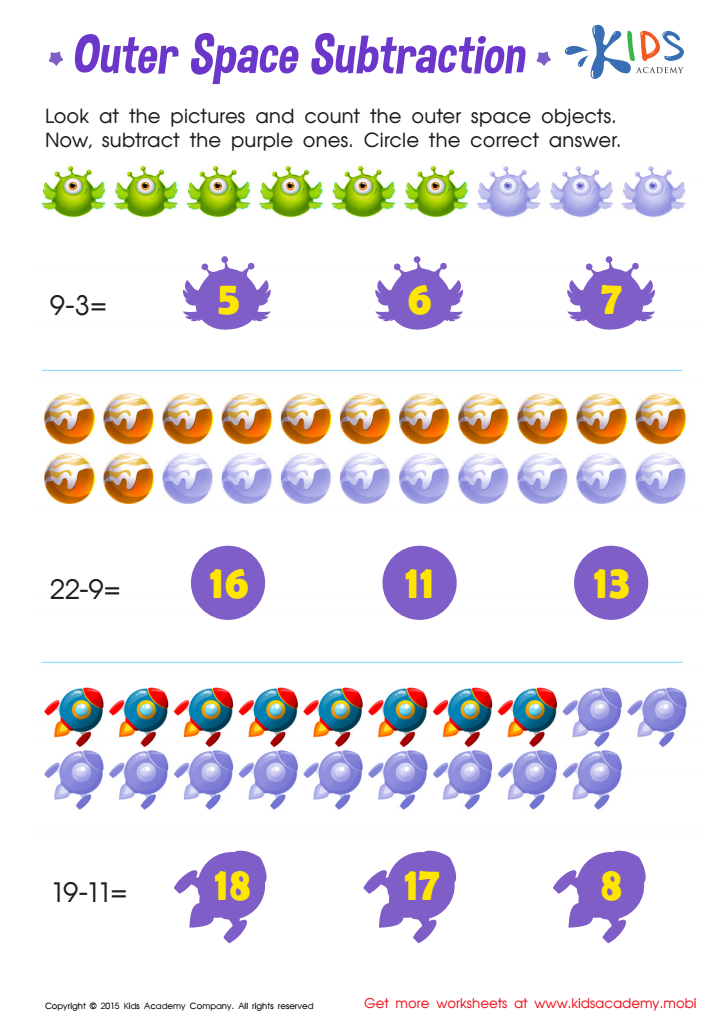
Outer Space Substraction Worksheet
 Assign to My Students
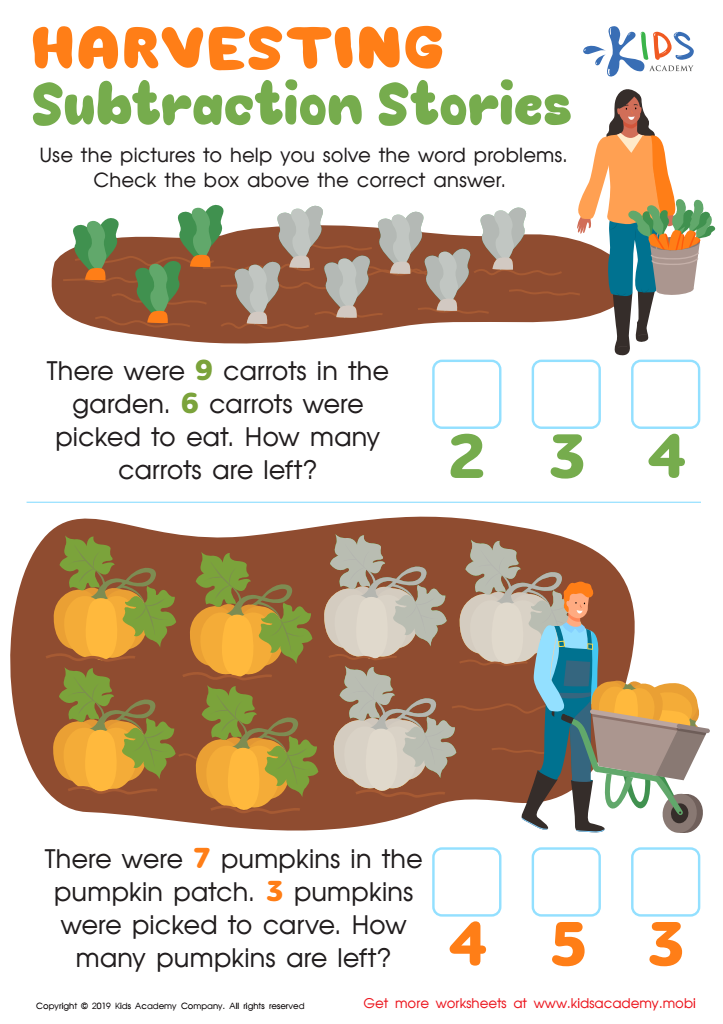
Harvesting Subtraction Stories Worksheet
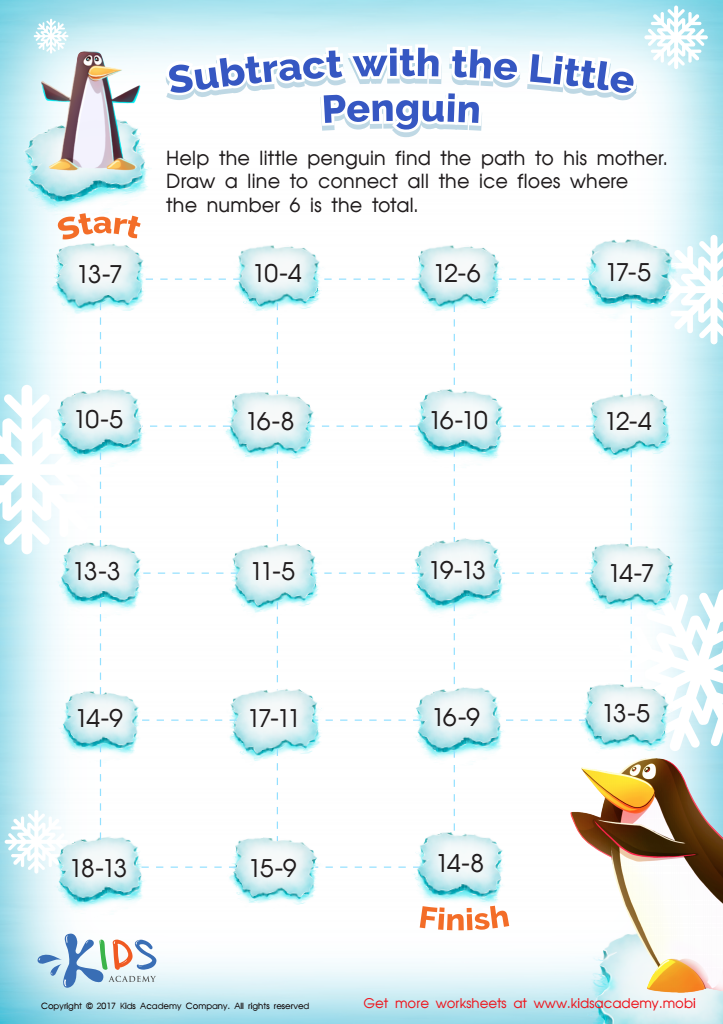
Subtract With The Little Penguin Substraction Worksheet
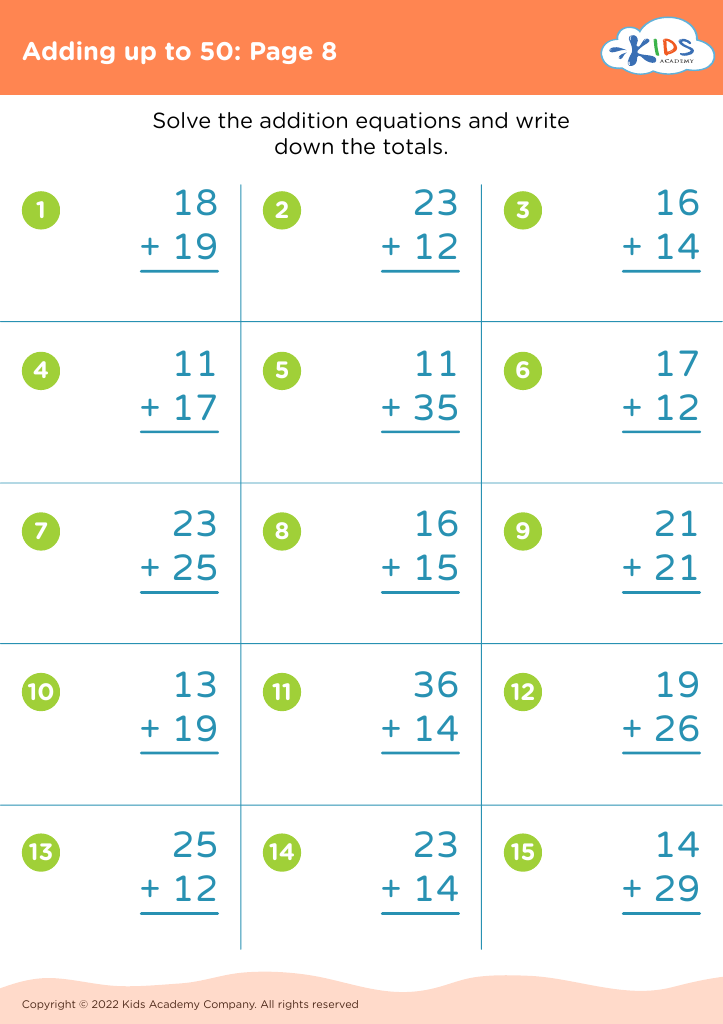
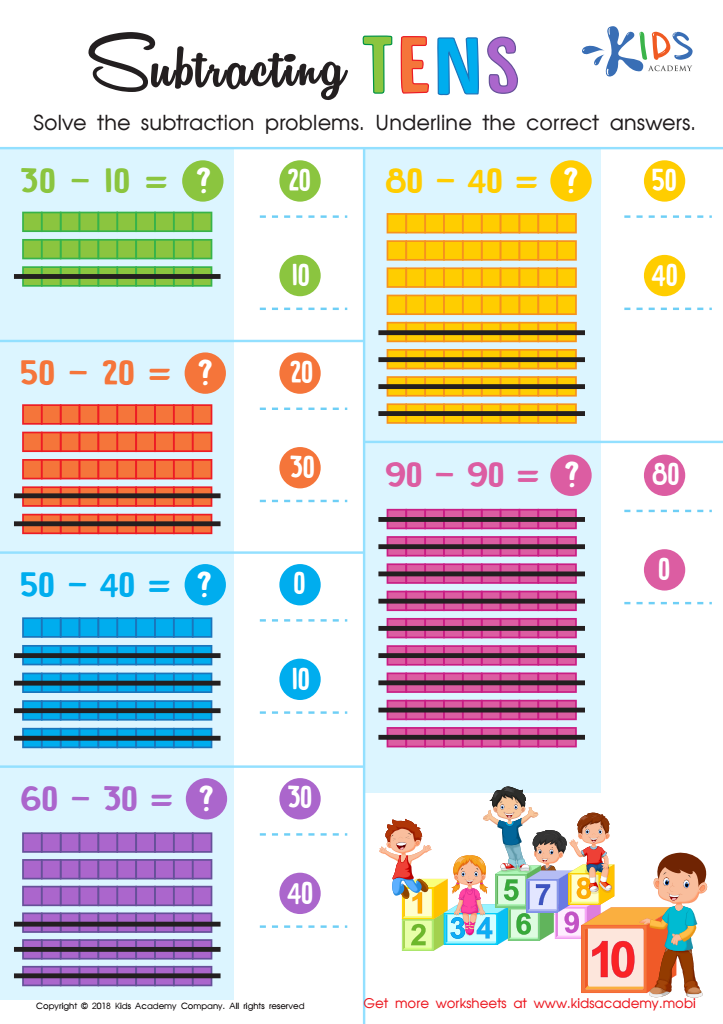
Subtracting Tens Worksheet
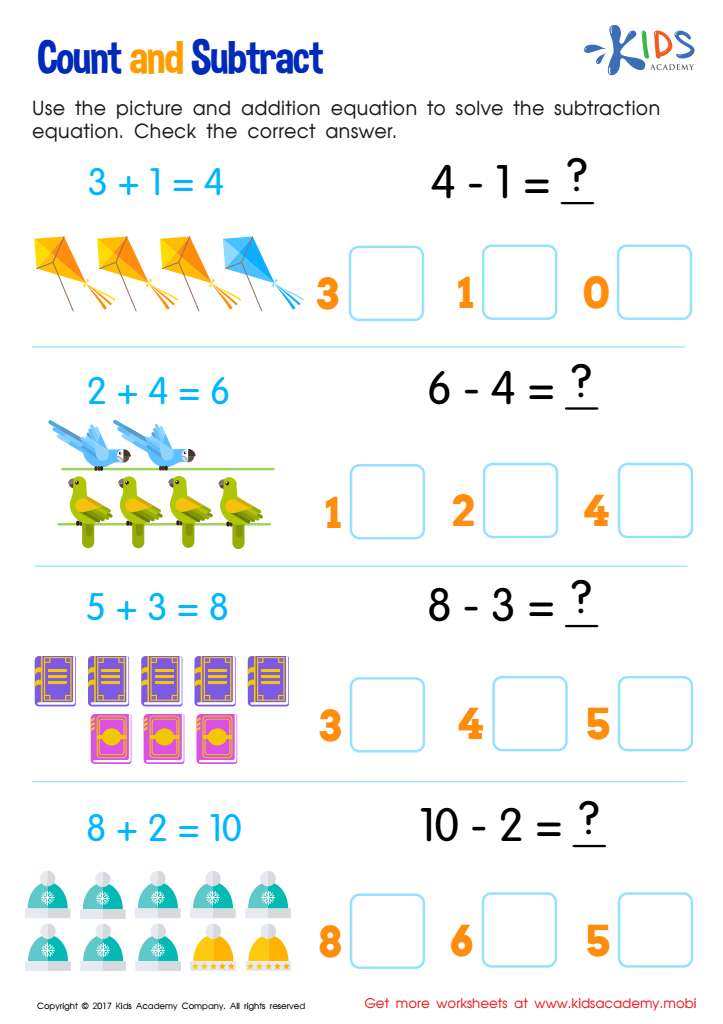
Count and Subtract Worksheet
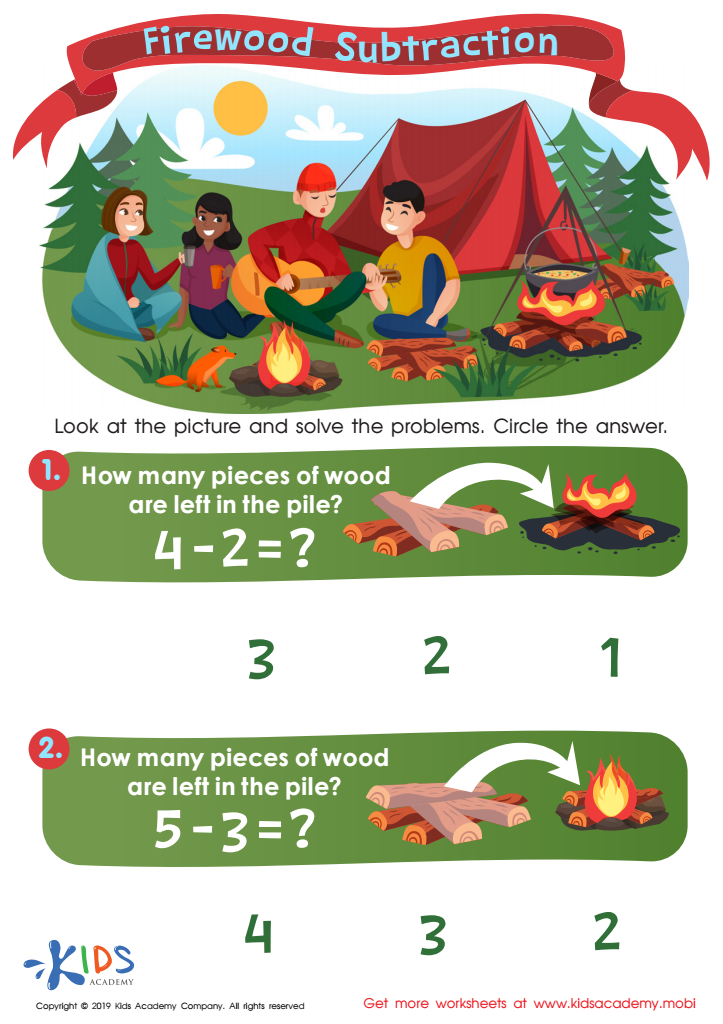
Firewood Subtraction Worksheet
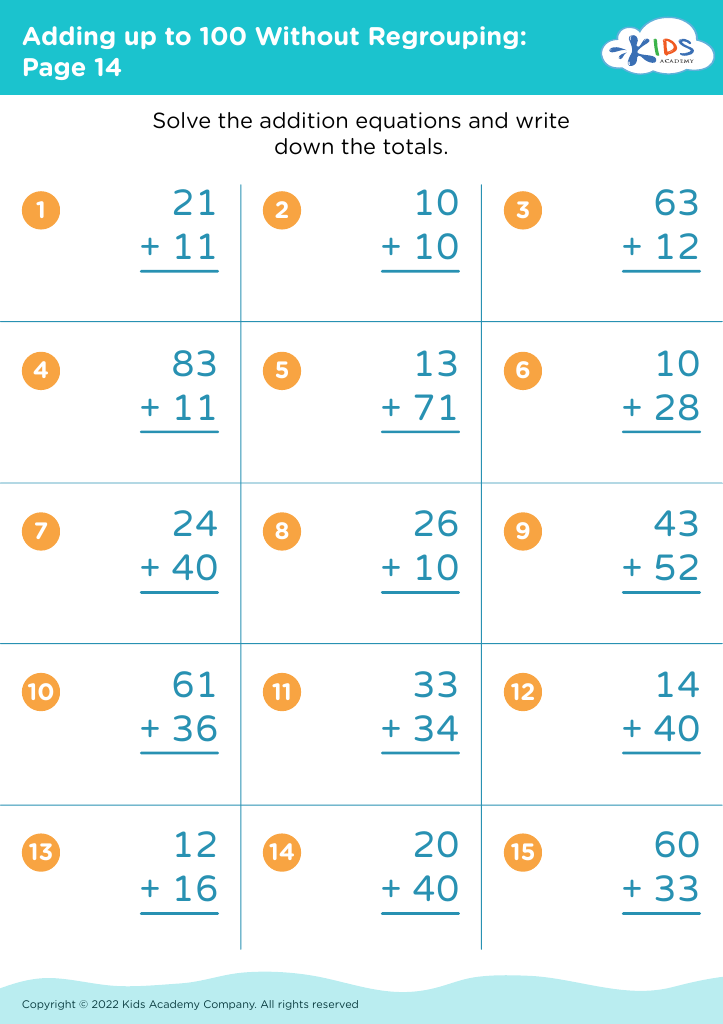
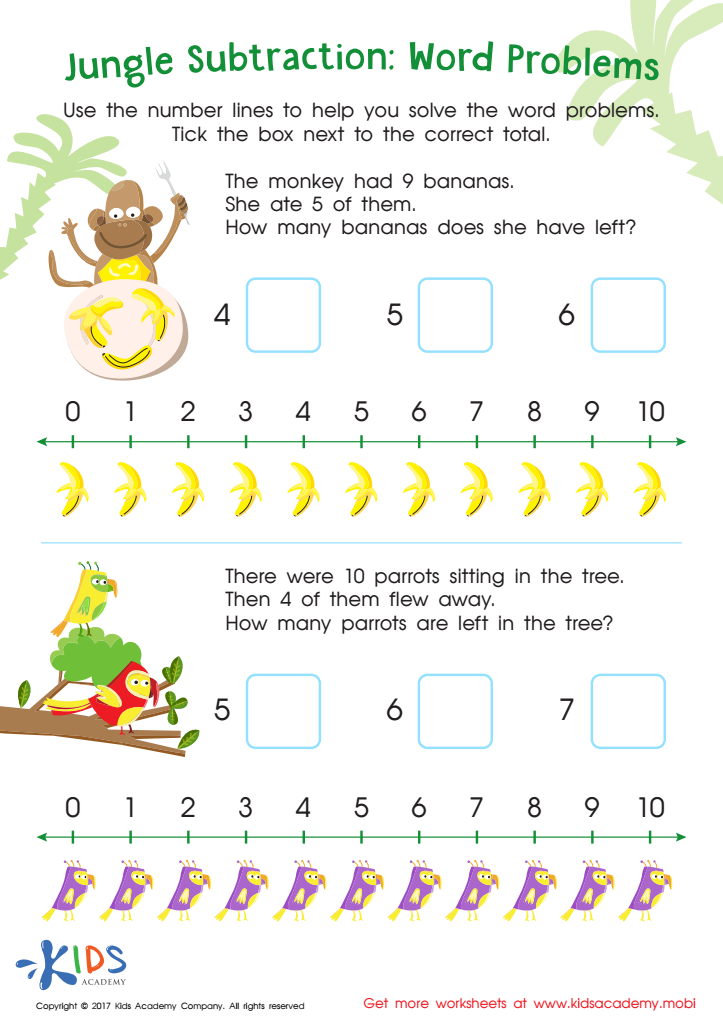
Jungle Subtraction Word Problems Substraction Worksheet
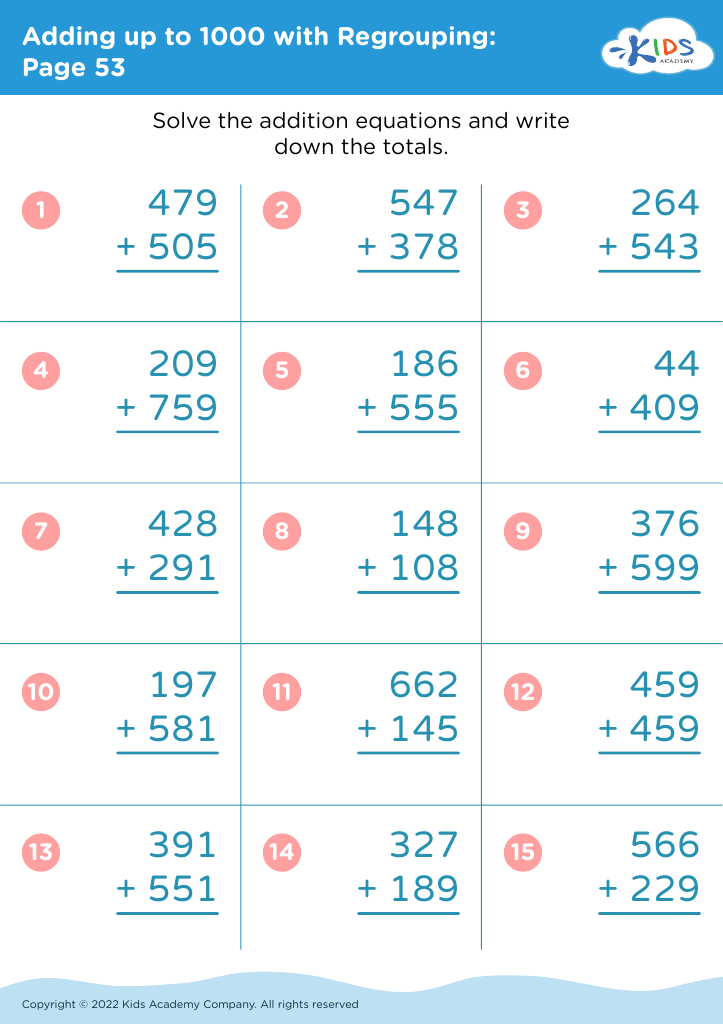








Parents and teachers should prioritize subtraction practice alongside addition for children aged 7-8, as this age marks a critical period for developing foundational math skills. Mastering both operations is crucial, as they are interconnected; understanding subtraction enhances a child's grasp of addition, fostering overall numerical fluency.
At this stage, children begin to engage in more complex problem-solving and critical thinking. Regular subtraction practice helps reinforce cognitive skills such as pattern recognition, logical reasoning, and the ability to analyze problems. These skills are not only essential for math but beneficial in other academic areas as well.
Furthermore, confidence in subtraction boosts a child's participation in class discussions and collaborative learning environments, fostering a positive attitude toward math. This can lead to improved academic performance and a better relationship with mathematics, mitigating the anxiety that often arises when faced with challenging concepts.
Lastly, incorporating subtraction into daily activities, such as counting items, budgeting allowances, or cooking, can provide practical applications, making learning meaningful and engaging. Therefore, consistent practice in both addition and subtraction is vital for building a strong mathematical foundation as children progress in their education.








