
Number Sequencing Counting Worksheets for Ages 7-8
4 filtered results
Difficulty Level
Grade
Age
-
From - To
Subject
Activity
Standards
Discover our engaging Number Sequencing Counting Worksheets for children aged 7-8! These worksheets are designed to bolster your child’s math skills through interactive exercises that promote understanding of number sequences. Ideal for reinforcing counting and enhancing critical thinking, each activity encourages kids to identify patterns and complete sequences, making learning fun and effective. Tailored to meet educational standards, our worksheets support different learning styles, ensuring every child can thrive. Whether at home or in the classroom, these resources make mathematics enjoyable! Explore our collection today and watch your child's confidence grow as they master number sequencing skills!
Favorites
With answer key
Interactive
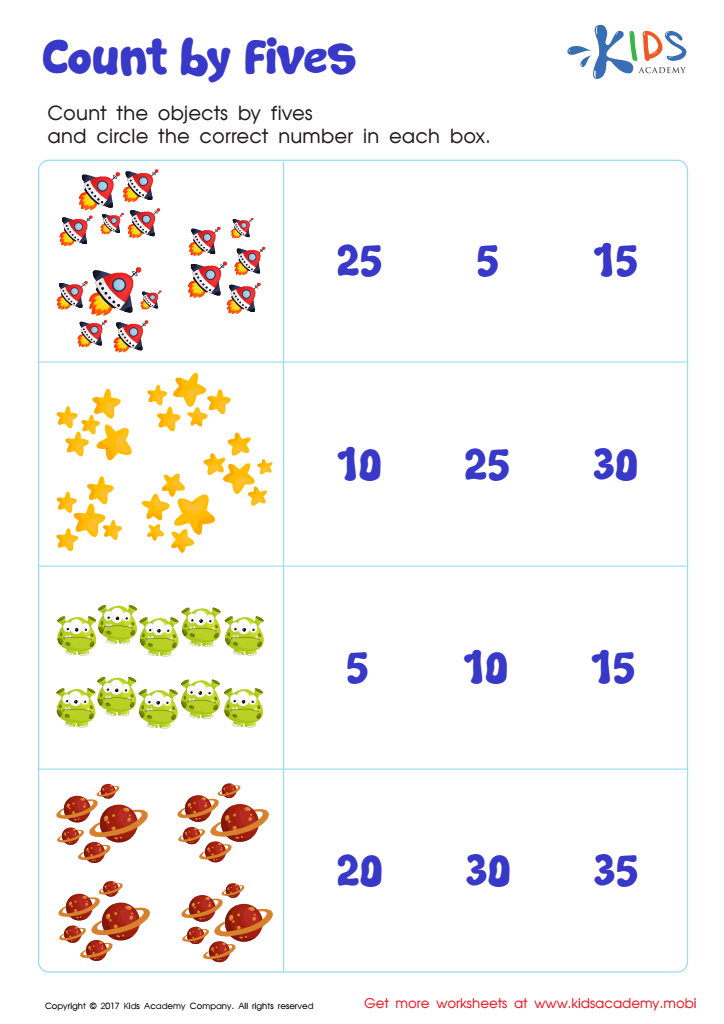
Skip Counting by 5s: Space Math Printable
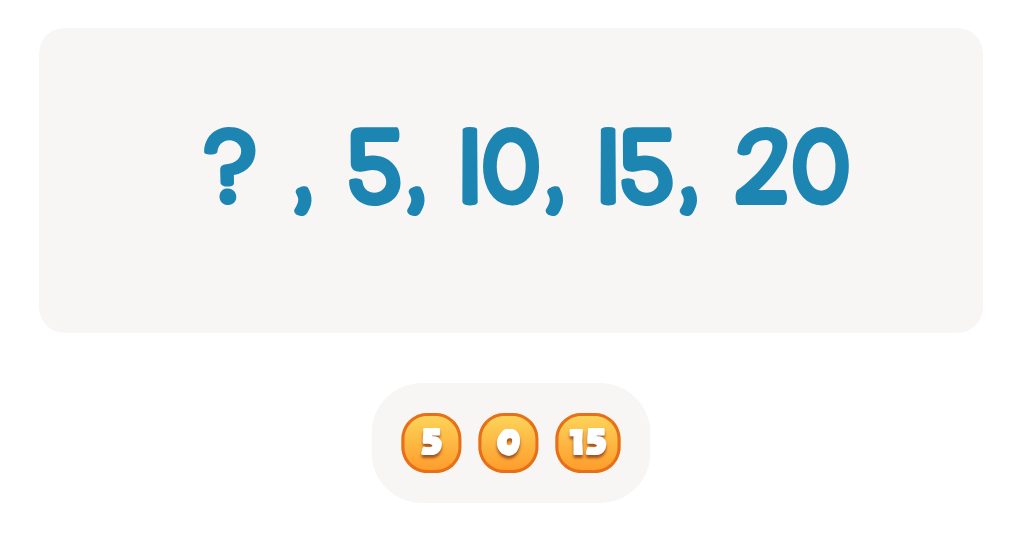
This worksheet will provide your child with fun and practice counting by 5's. It'll help them visually count numbers, use problem solving skills and make connections between individual and groups of numbers. Counting money and various math concepts will become easier with this invaluable skill. Blast off with this fun and educational worksheet featuring space graphics.
 Assign to My Students
Skip Counting by 5s: Space Math Printable
Worksheet


Count by 2's: Trains Worksheet
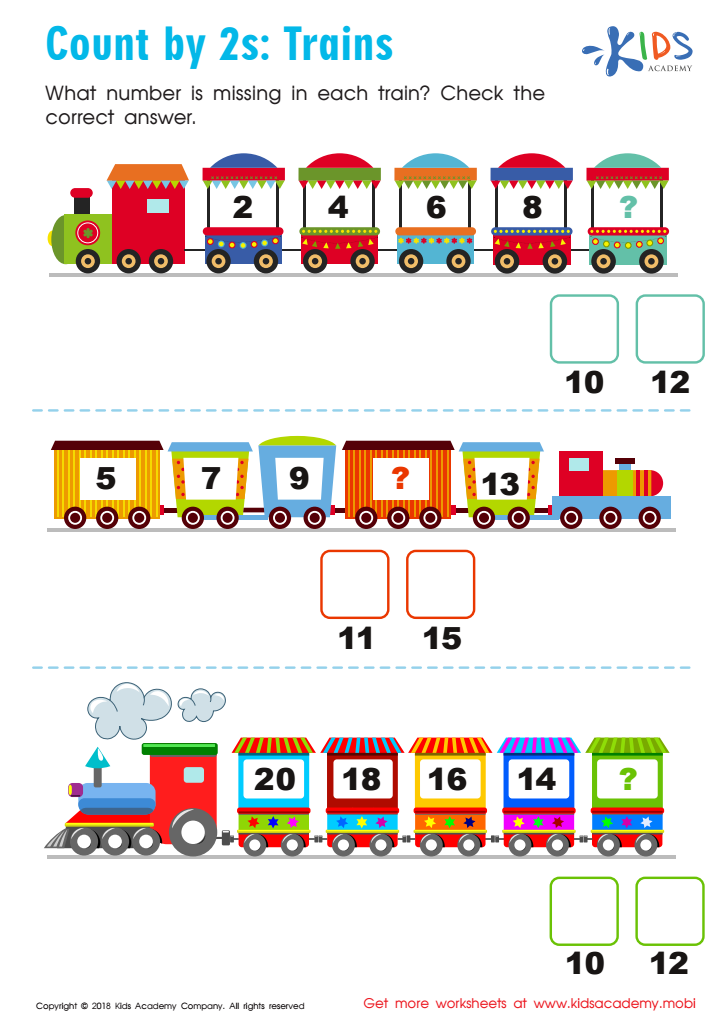
Teaching your kids quick computations? Get them skip-counting by 2s! They'll love filling in the colors of the train while counting, and it will help with 'counting up' or backward on paper or in their heads - essential for quick computations later.
Count by 2's: Trains Worksheet
Worksheet
Dot to Dot Worksheet for 3rd Grade
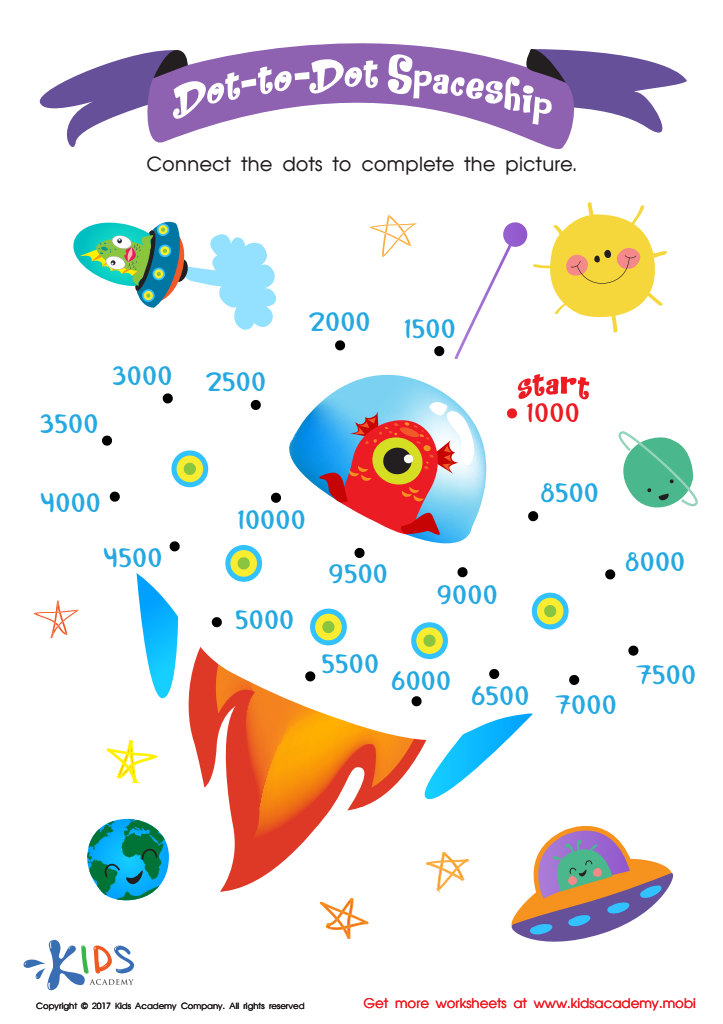
Let your 3rd grader develop better number skills with this dot-to-dot worksheet! They can have fun outlining a spaceship as they skip count by 500 up to 10,000. It's a great way to boost their number sense and make learning more exciting.
Dot to Dot Worksheet for 3rd Grade
Worksheet
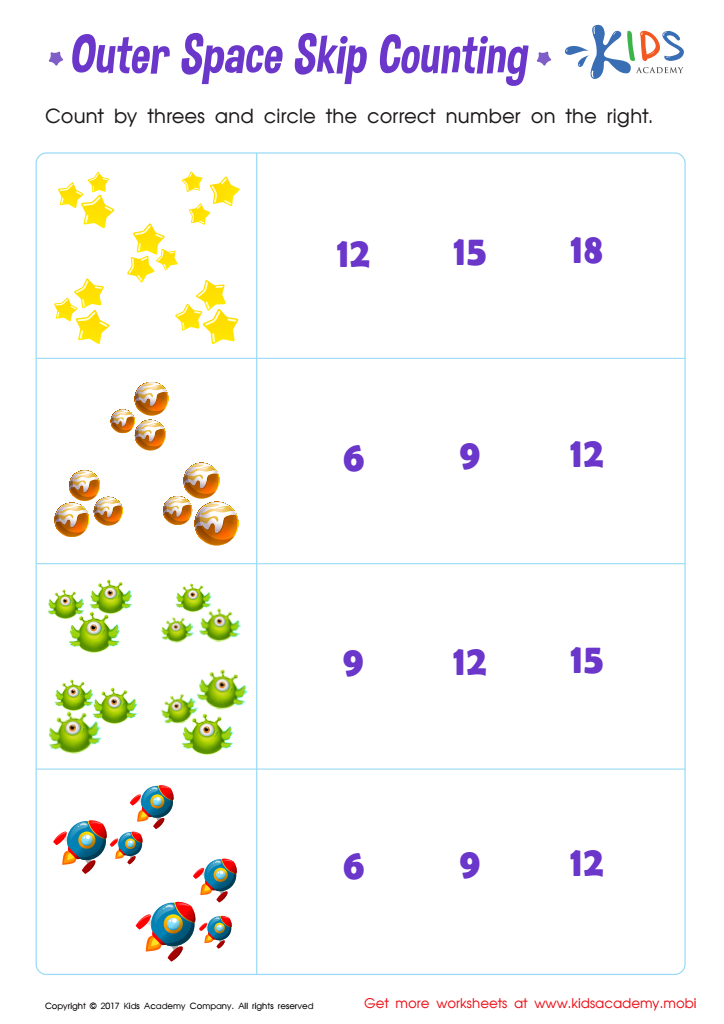
Skip Counting by 3s: Outer Space Skip Counting Printable
Want to set your child up for math success? Get them this printable worksheet that helps them practice counting in groups of 3’s, building a foundation for more advanced math skills. Skipping counting helps kids master logical reasoning and cognitive skills, making a connection between counting objects individually and in groups. The colorful images will keep them engaged and having fun - without realizing how hard they're working!
Skip Counting by 3s: Outer Space Skip Counting Printable
Worksheet
Join Kids Academy for Free
Who is primarily going to use this learning content?







Number sequencing and counting are fundamental skills that serve as the building blocks for a child's mathematical understanding. For children aged 7-8, these skills are essential not just academically but for cognitive development overall. Mastering number sequencing helps children recognize patterns, which is crucial for advanced math concepts such as addition, subtraction, and eventually multiplication and division. It enhances their logical thinking and problem-solving capabilities.
Parents and teachers should prioritize number sequencing and counting because these skills foster confidence in math, reducing anxiety around the subject. Children who excel in number sequencing can tackle more complex mathematical tasks with ease, setting a strong foundation for future learning. Additionally, these skills contribute to their everyday life, including telling time, handling money, and understanding measurements.
Engaging children in counting activities, whether through games, songs, or hands-on learning, also makes the process enjoyable and encourages a positive attitude toward math. By reinforcing number sequencing and counting at this critical developmental stage, parents and teachers will equip children with the tools necessary for academic success and lifelong learning, ultimately promoting a generation that is comfortable and proficient in mathematics.








