Shape Recognition Numbers Worksheets for Ages 7-8
3 filtered results
-
From - To
Discover the perfect tool to enhance your child's learning with our Shape Recognition Numbers Worksheets for Ages 7-8. Specially crafted to blend fun with educational value, these worksheets help kids master shape and number recognition while developing essential math skills. Each worksheet is colorful, engaging, and designed to support your child's learning journey. Strengthen their ability to identify different shapes and numbers, boost problem-solving skills, and foster a love for learning math. Ideal for both classroom activities and at-home practice, give your children the confidence to excel in their mathematical adventures!
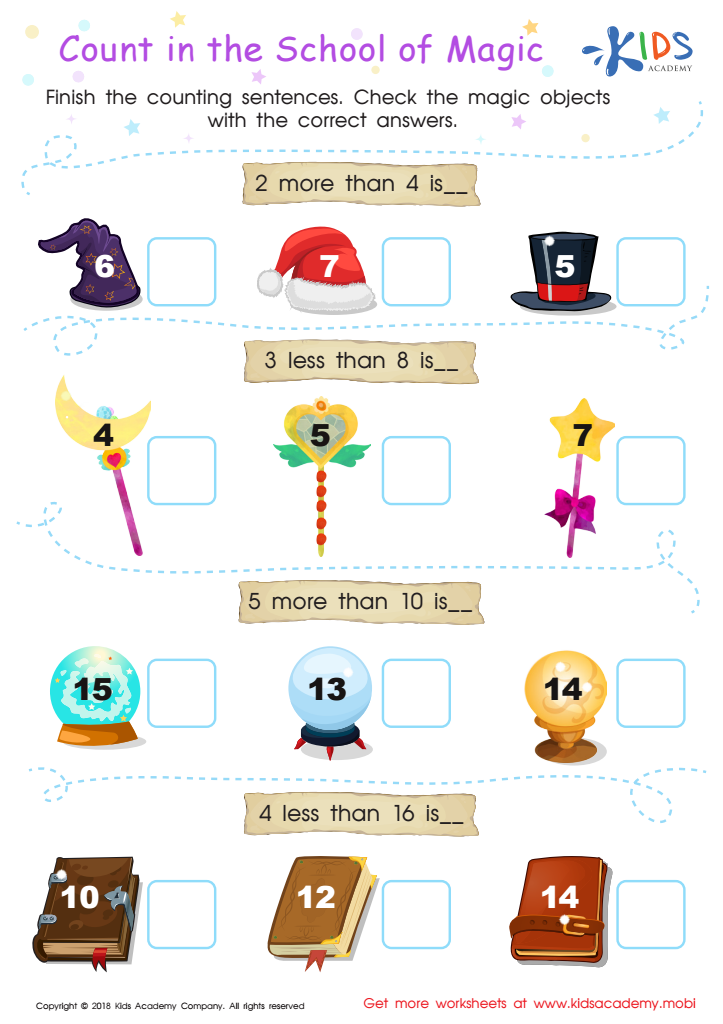
Count in the School of Magic Worksheet
 Assign to My Students
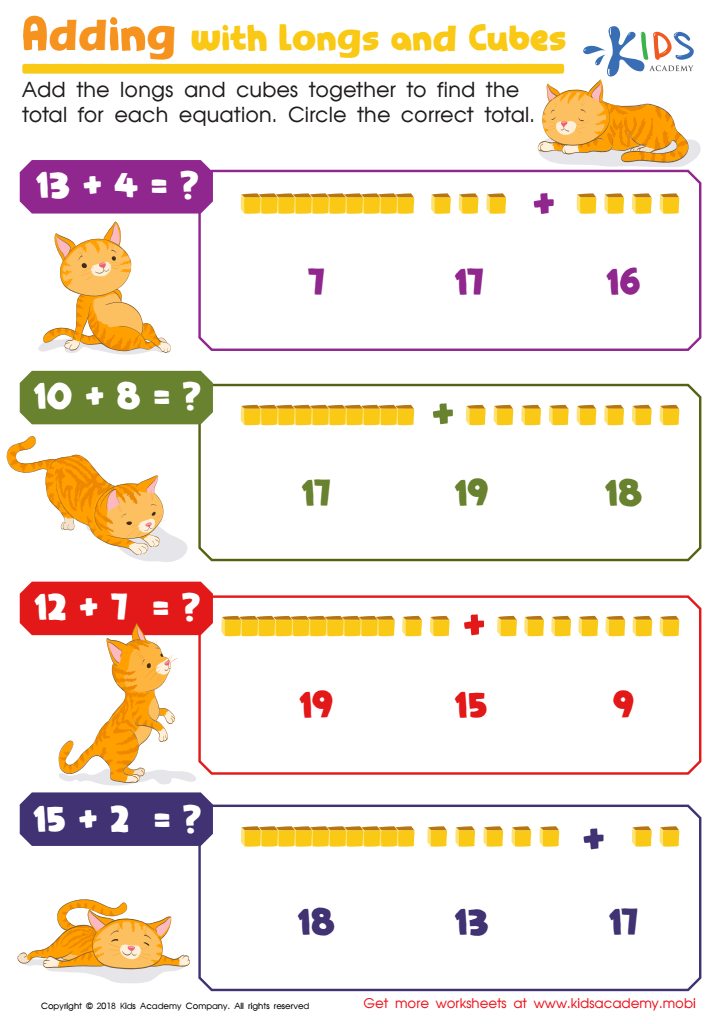
Adding With Longs and Cubes Worksheet
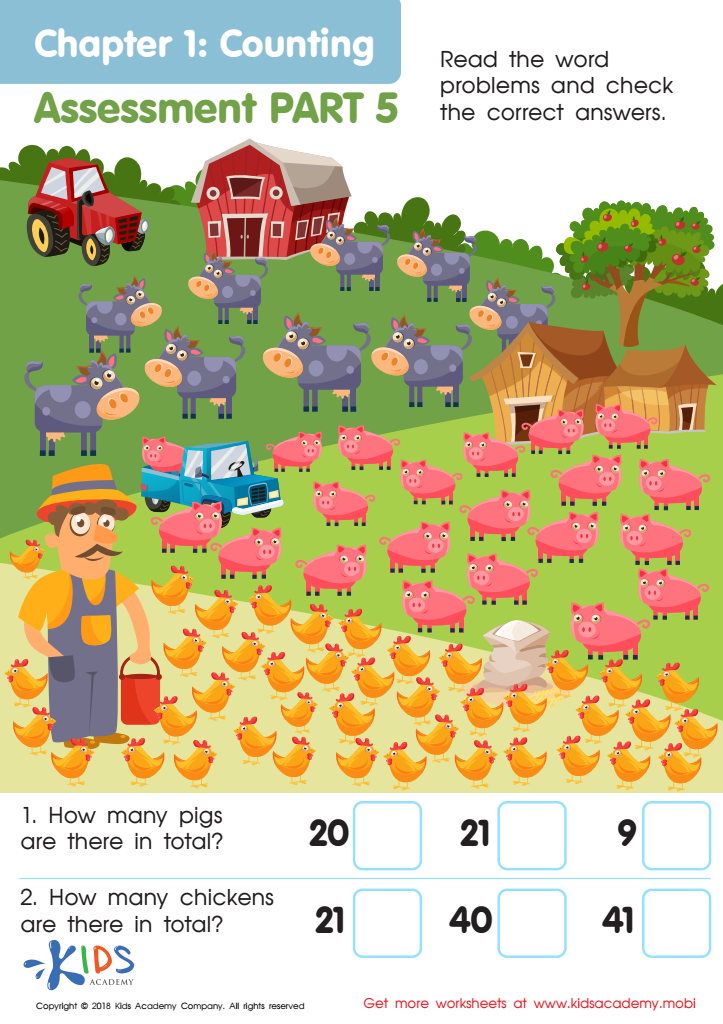
Counting: Assessment 5 Worksheet








For children ages 7-8, learning shape recognition and numbers is an essential cornerstone of cognitive and academic development. This skill set forms a critical bridge between basic early childhood learning and more complex subjects like geometry and algebra they will encounter in later years. Understanding shapes strengthens spatial awareness, which is key for problem-solving, creativity, and interpreting visual data.
Moreover, integrating shapes with numbers enhances mathematical understanding. Recognizing that geometric figures have quantitative properties—such as sides, angles, and symmetry—helps children grasp foundational math concepts in a concrete way. This dual recognition sharpens a child’s ability to understand more abstract ideas, such as measuring dimensions and calculating areas, which are critical for STEM learning.
In everyday life, shape and number recognition are indispensable. They aid in reading maps, assembling puzzles, or even participating in sports, promoting practical life skills that encourage independent thinking and confidence.
Therefore, it's important that parents and teachers place significant emphasis on shape recognition numbers at this age. This balanced educational approach nurtures the child's curiosity and builds a solid foundation for future learning and practical, real-world applications. The investment in these cognitive skills yields long-term benefits across various educational and personal facets of a child’s development.








