Observational skills Math Worksheets for Ages 7-8
6 filtered results
-
From - To
Enhance your child's learning with our engaging Observational Skills Math Worksheets, specially designed for children aged 7-8. These worksheets help boost critical thinking and problem-solving abilities through fun, interactive math exercises. By focusing on observational skills, students will practice identifying patterns, making comparisons, and interpreting data in creative ways. Each worksheet is crafted to align with age-appropriate curriculum standards, ensuring your child builds a strong foundation in mathematics. Perfect for home or classroom use, these worksheets enable children to learn at their own pace while developing essential skills for future success. Start exploring today and watch your child's confidence soar!
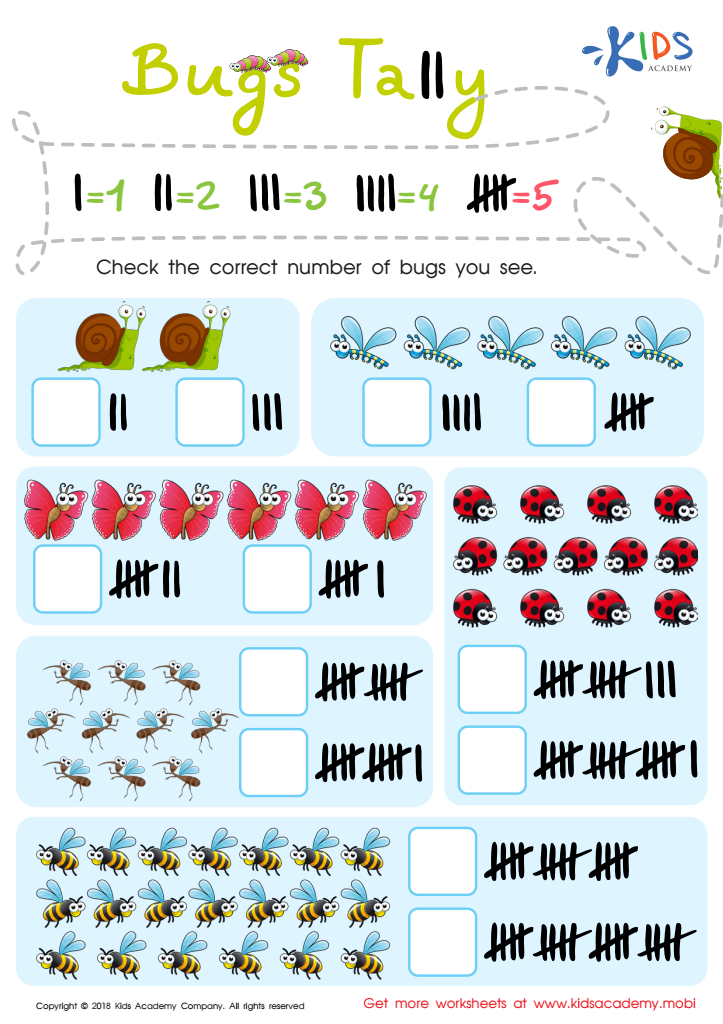
Bugs Tally Worksheet
 Assign to My Students
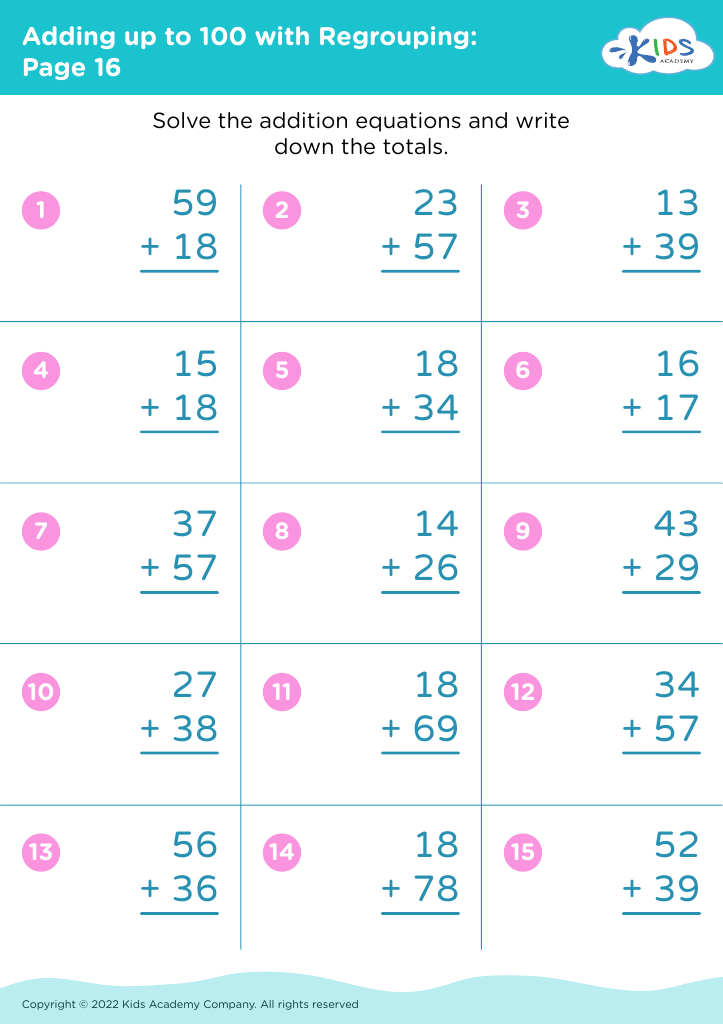
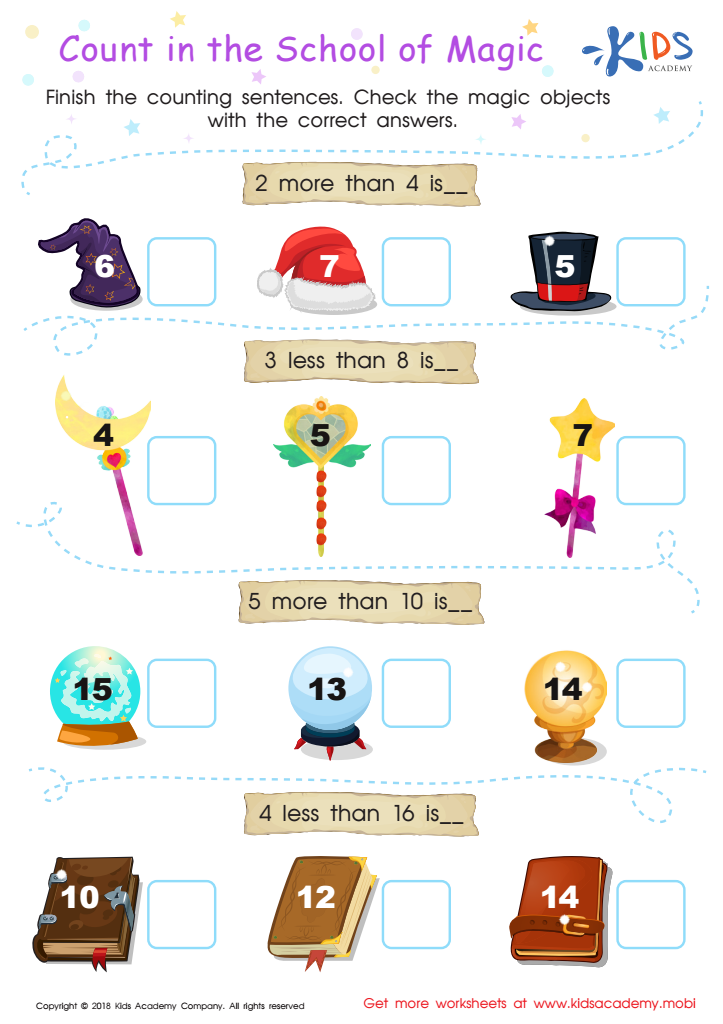
Count in the School of Magic Worksheet
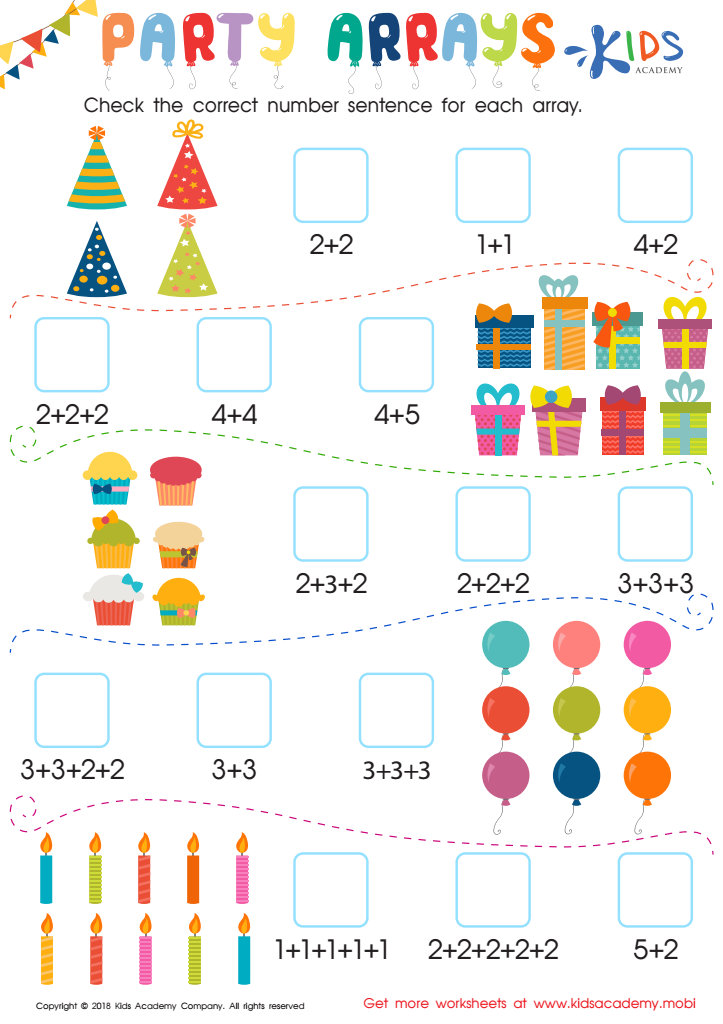
Party Arrays Worksheet
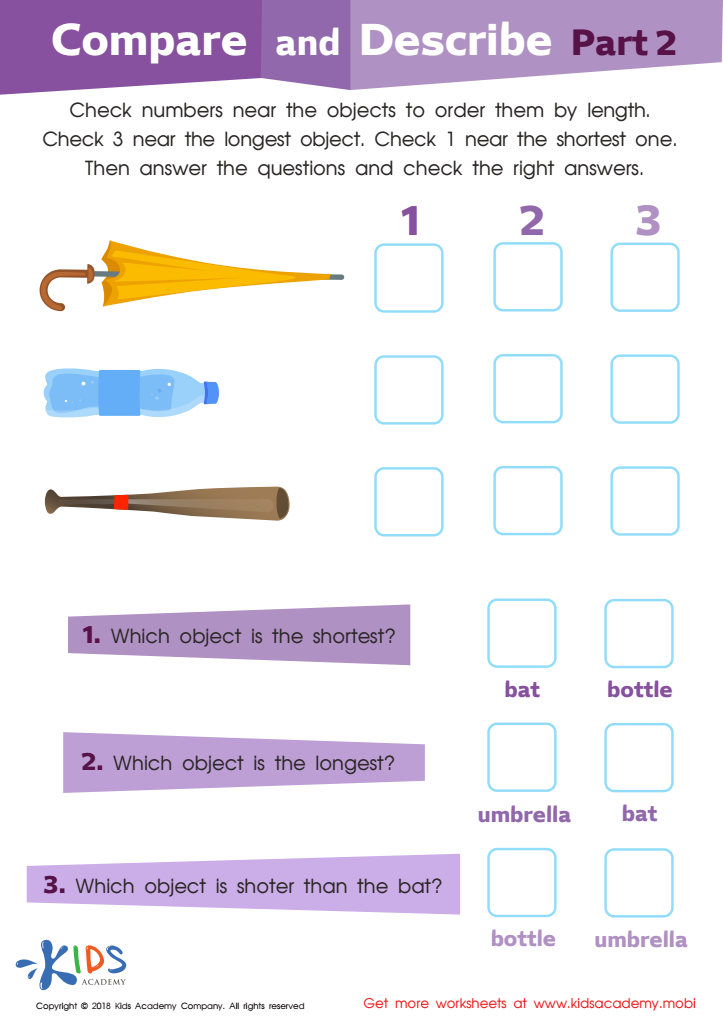
Compare and Describe: Part 2 Worksheet








Observational skills in math are critical for children ages 7-8 as they lay the foundation for more advanced mathematical concepts. At this age, children are developing their ability to think critically and analyze their surroundings. Enhancing their observational skills can foster a deeper understanding of numbers, shapes, patterns, and relationships.
Parents and teachers should care about nurturing these skills because they directly influence a child’s ability to solve problems effectively. Observational skills encourage curiosity and exploration, enabling children to engage with mathematical concepts in real-world situations. This hands-on approach not only makes learning more relatable but also helps children grasp abstract ideas by connecting them to concrete experiences.
Moreover, strong observational skills promote confidence and resilience. When children learn to carefully assess their environment, they become adept at noticing mathematical opportunities in everyday activities—whether counting apples at the grocery store or identifying patterns in nature. This leads to enhanced critical thinking and reasoning abilities, crucial for success in future math endeavors. Supporting children in cultivating their observational skills builds a solid foundation for lifelong learning and a positive attitude towards math, making it an essential focus for parents and educators alike.








