Shape Recognition Math Worksheets for Ages 7-8 - Page 2
76 filtered results
-
From - To
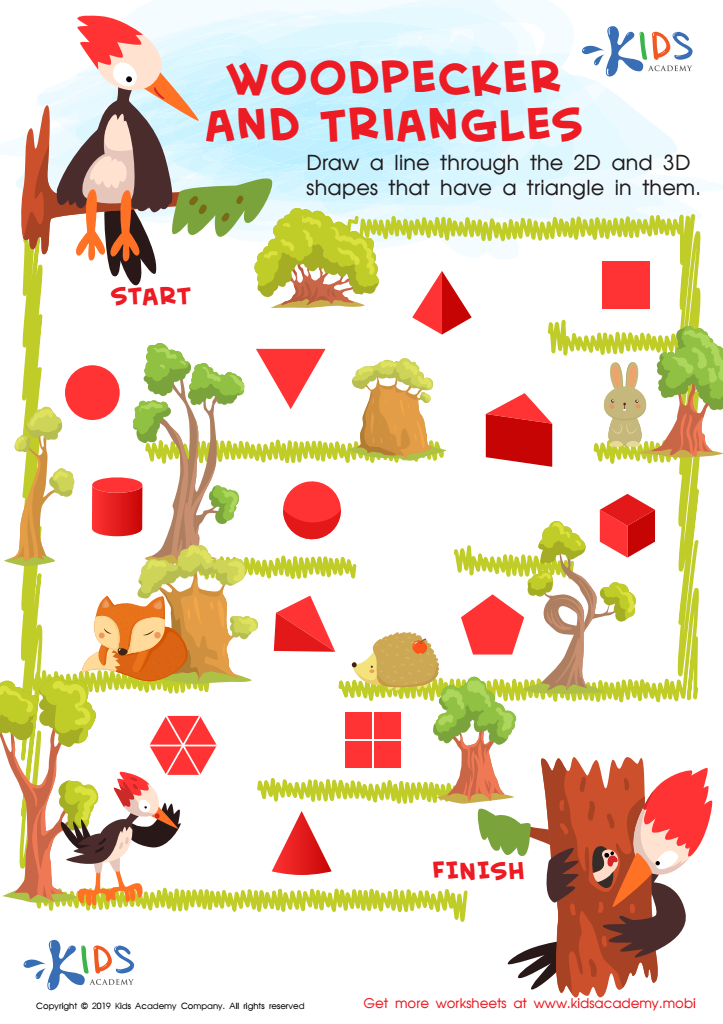
Woodpecker and Triangles Worksheet
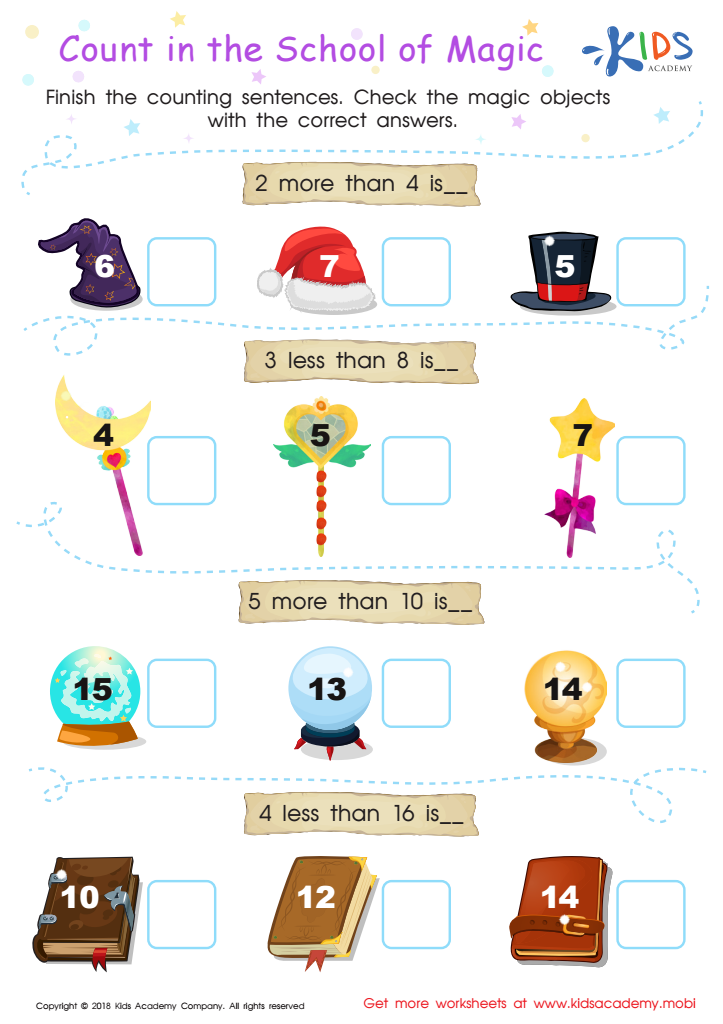
Count in the School of Magic Worksheet
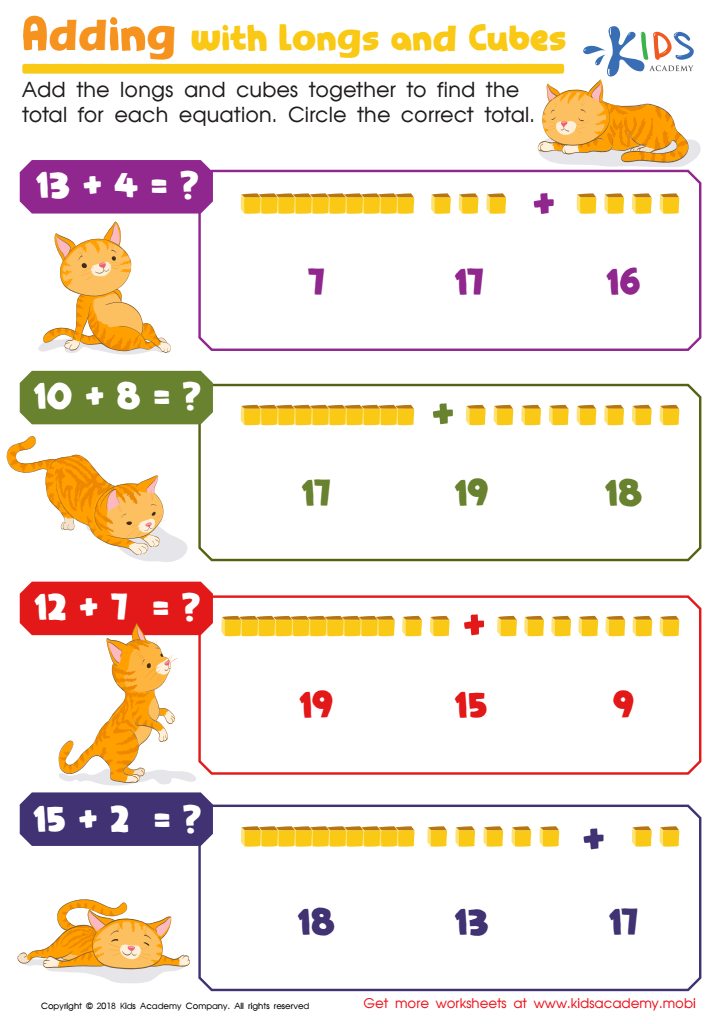
Adding With Longs and Cubes Worksheet
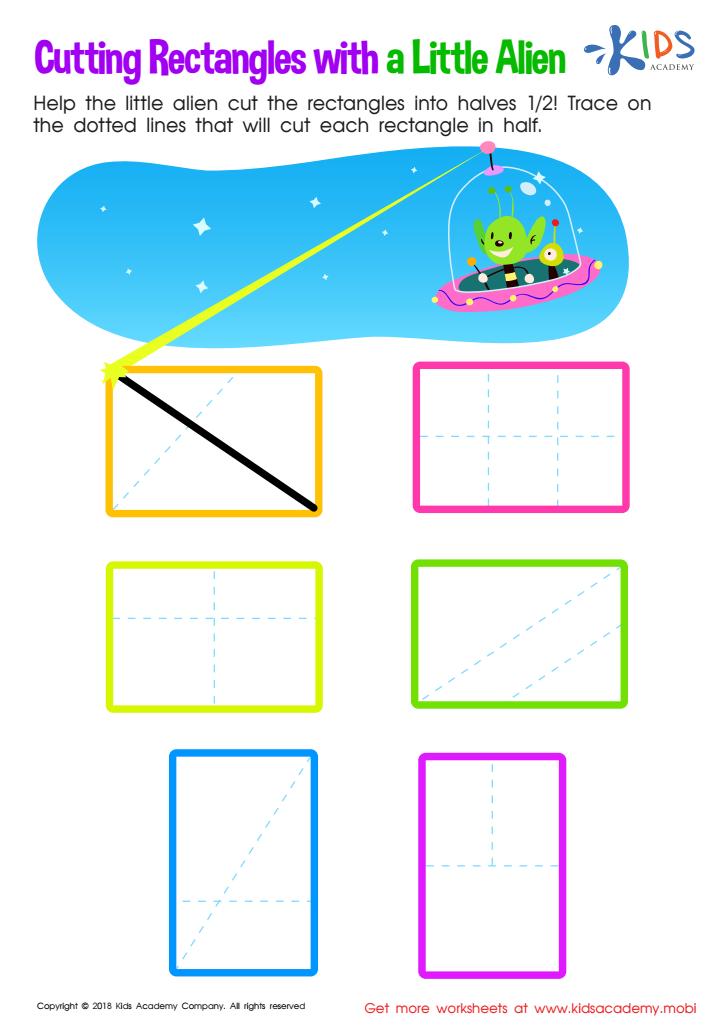
Cutting Rectangles with Alien Worksheet
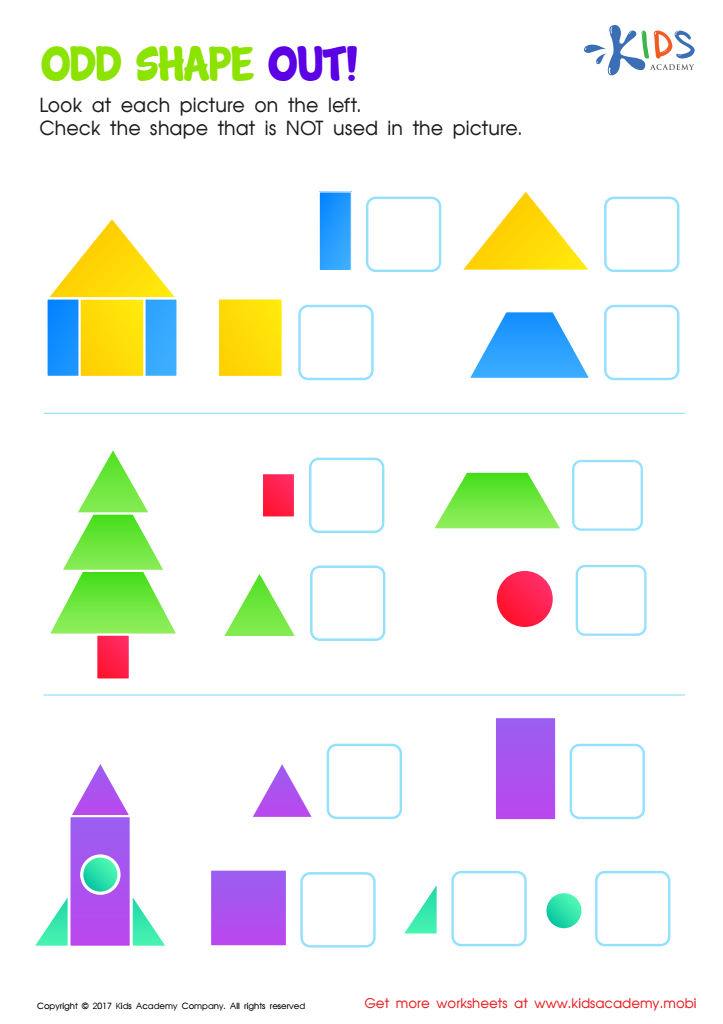
Odd Shape Out Worksheet for Grade 1
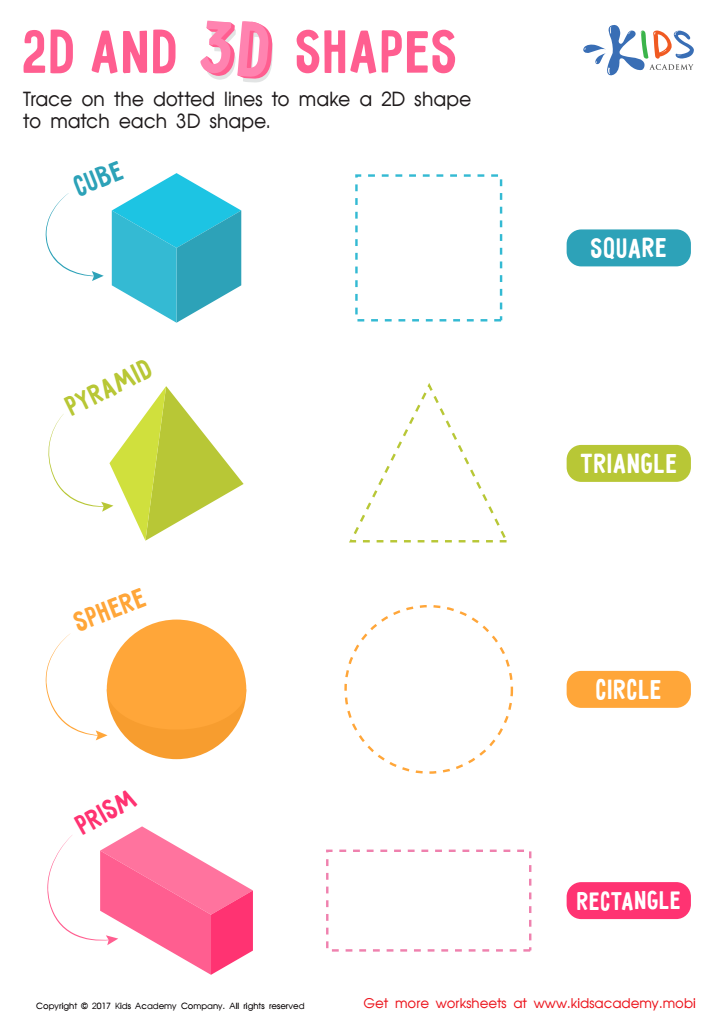
2D and 3D Shapes Worksheet
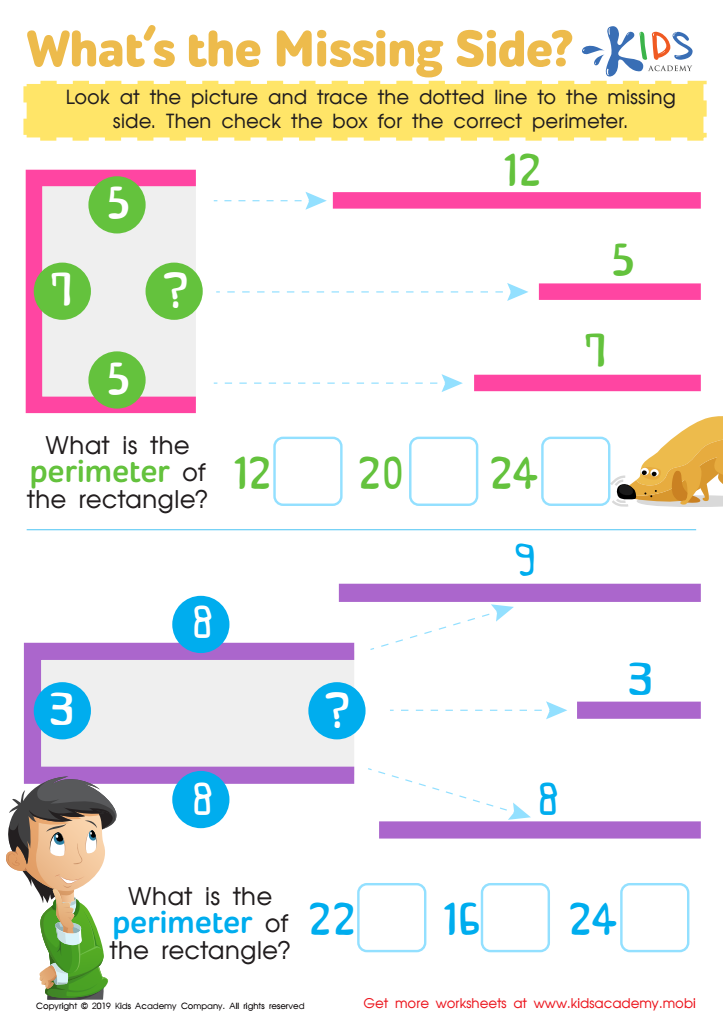
What's the Missing Side Worksheet
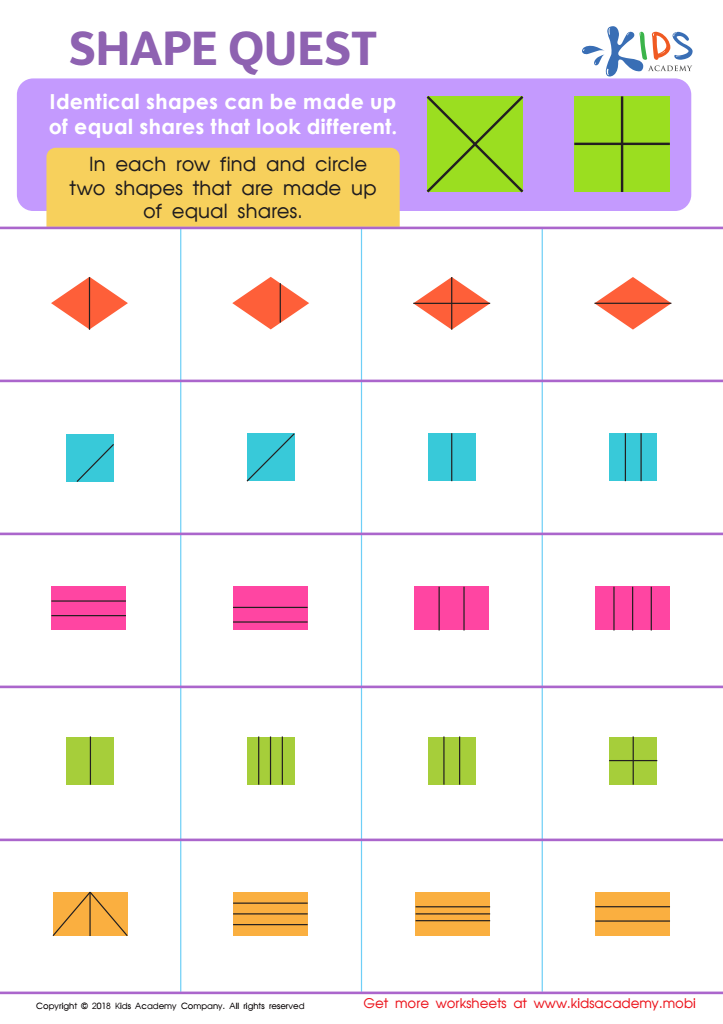
Shape Quest Worksheet
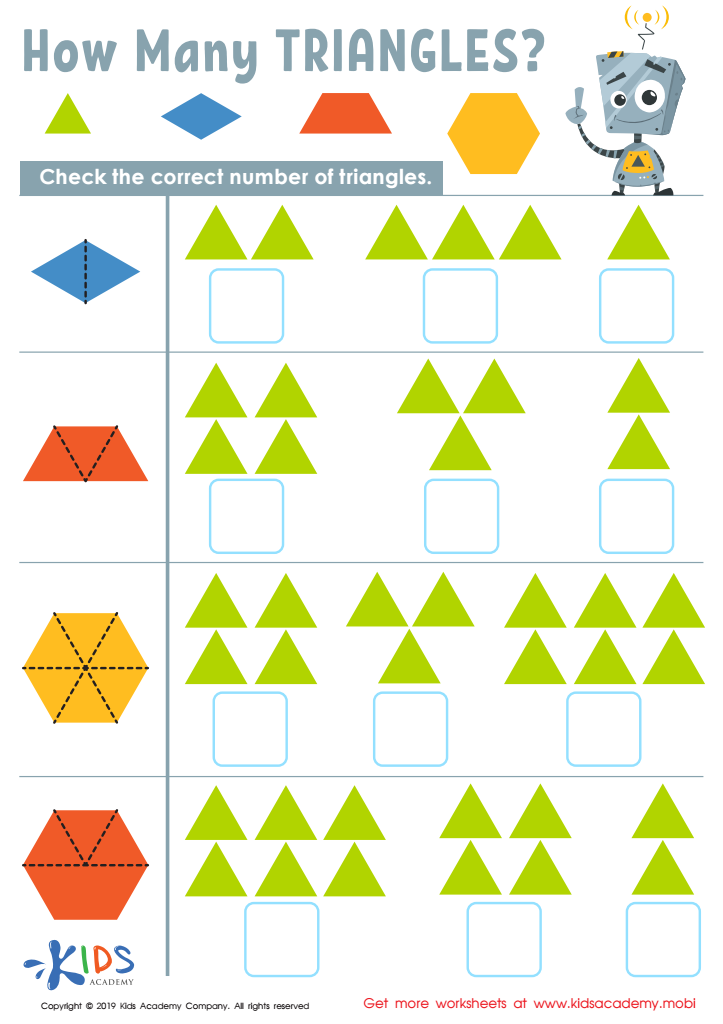
How Many Triangles Worksheet
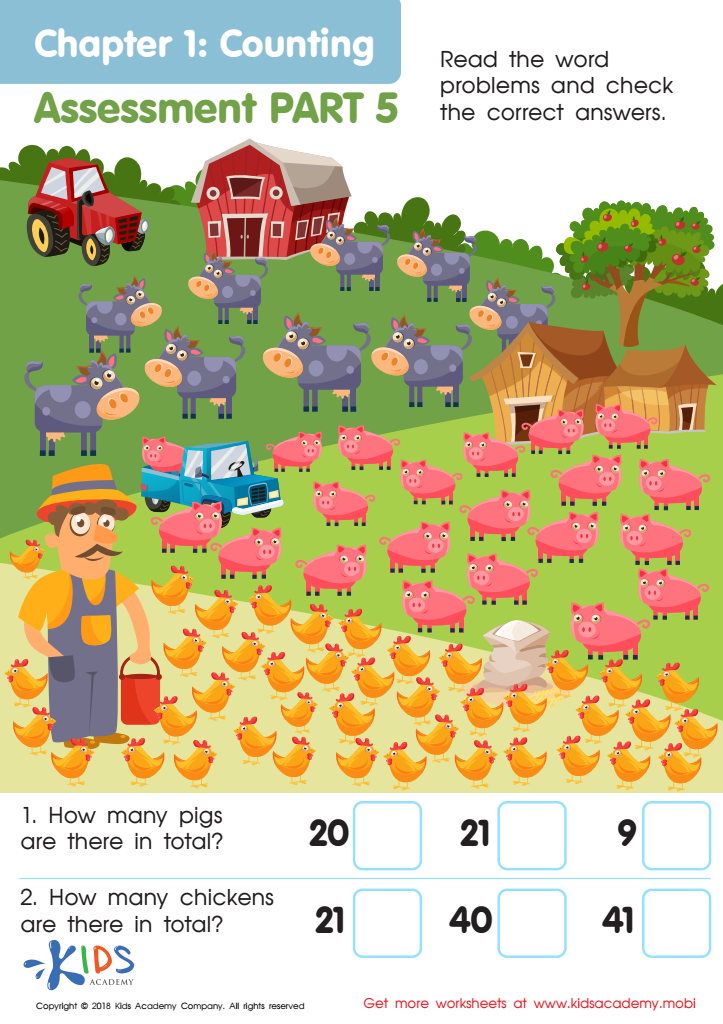
Counting: Assessment 5 Worksheet
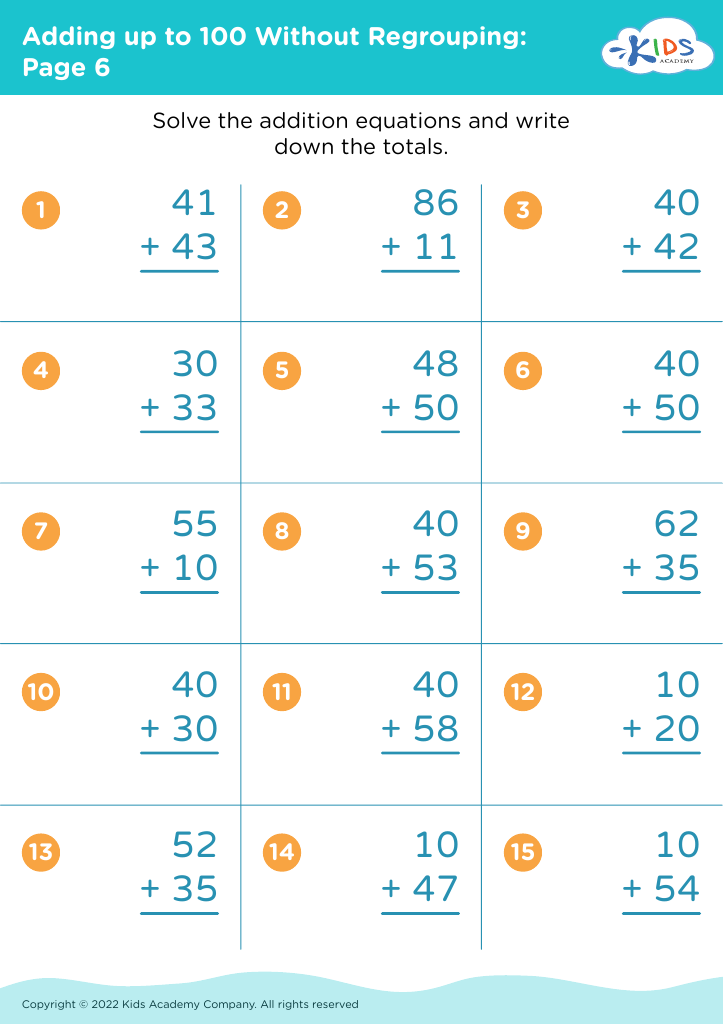
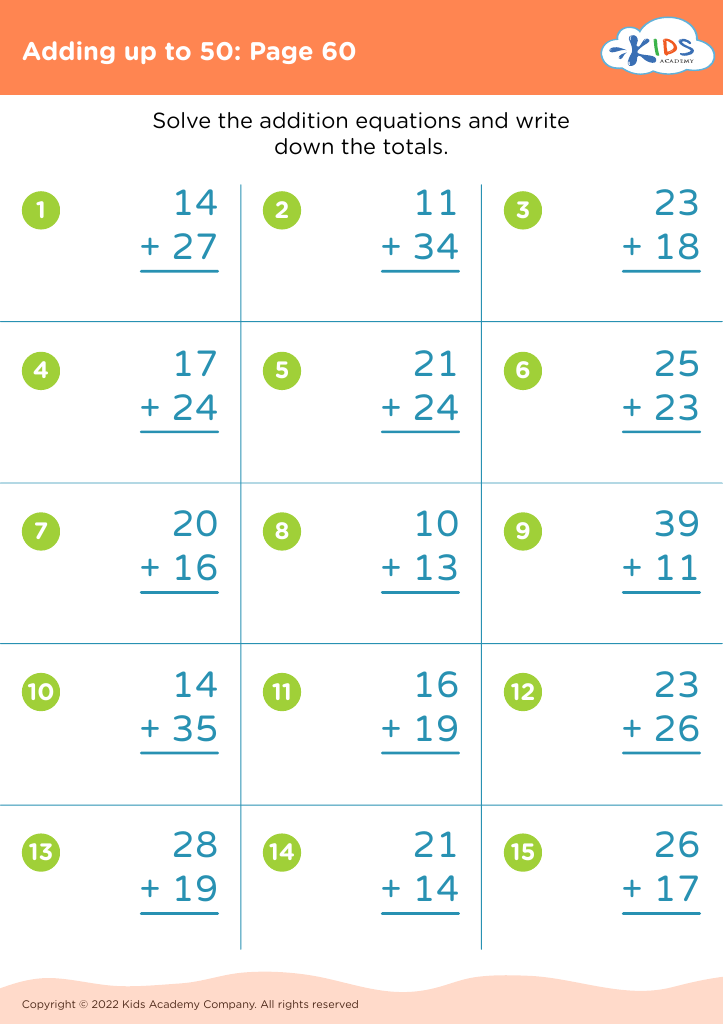
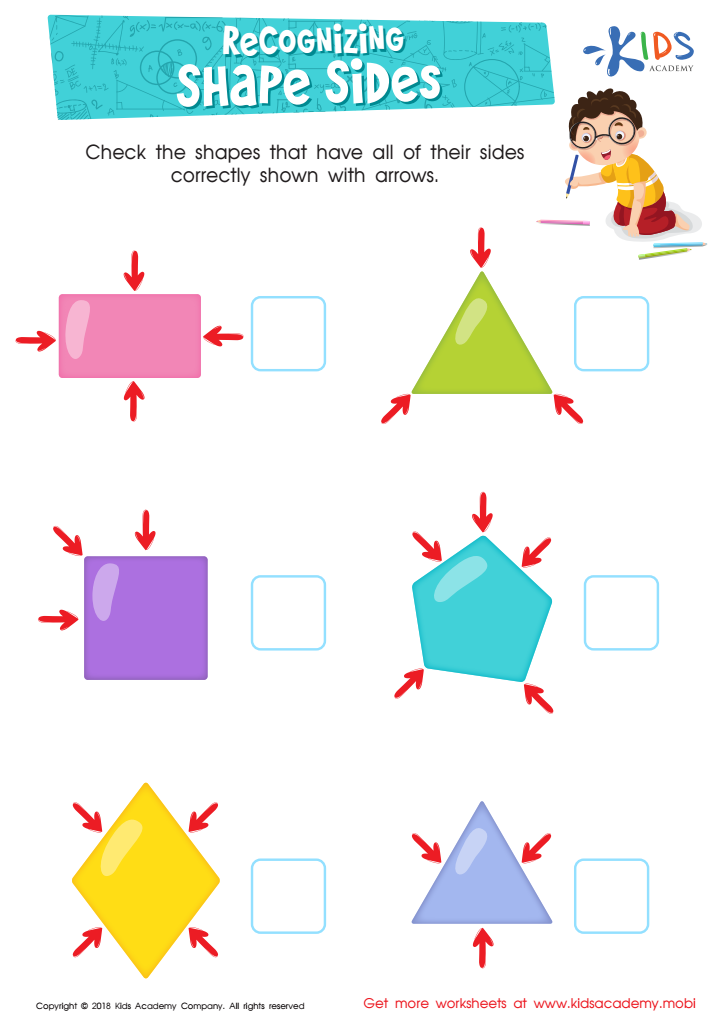
Recognizing Shape Sides Worksheet
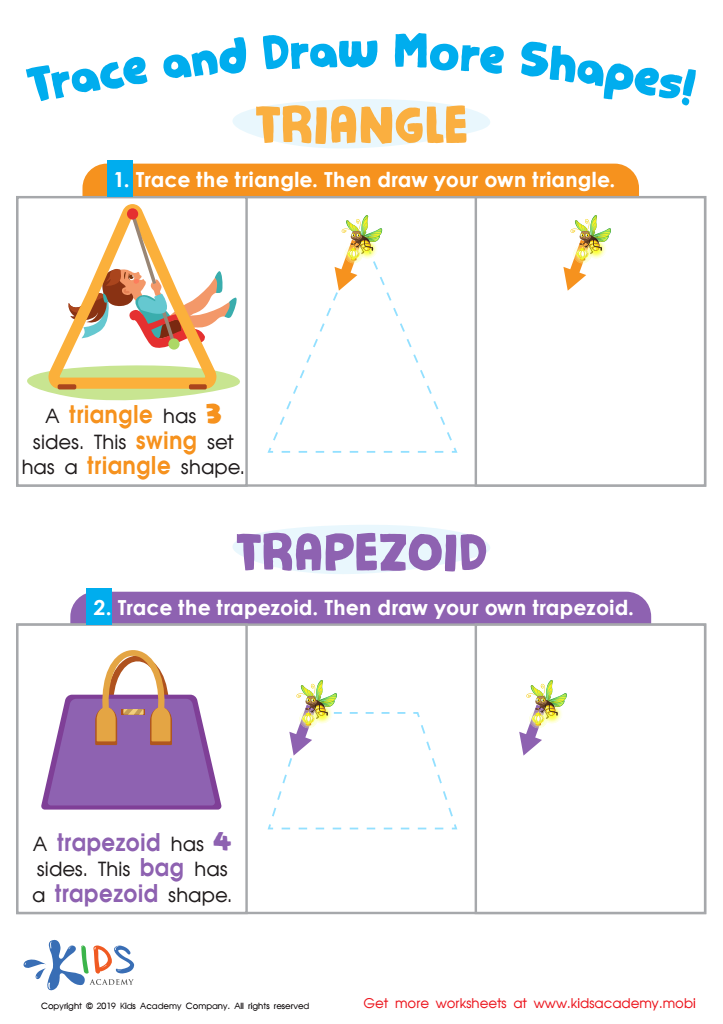
Trace and Draw More Shapes Worksheet
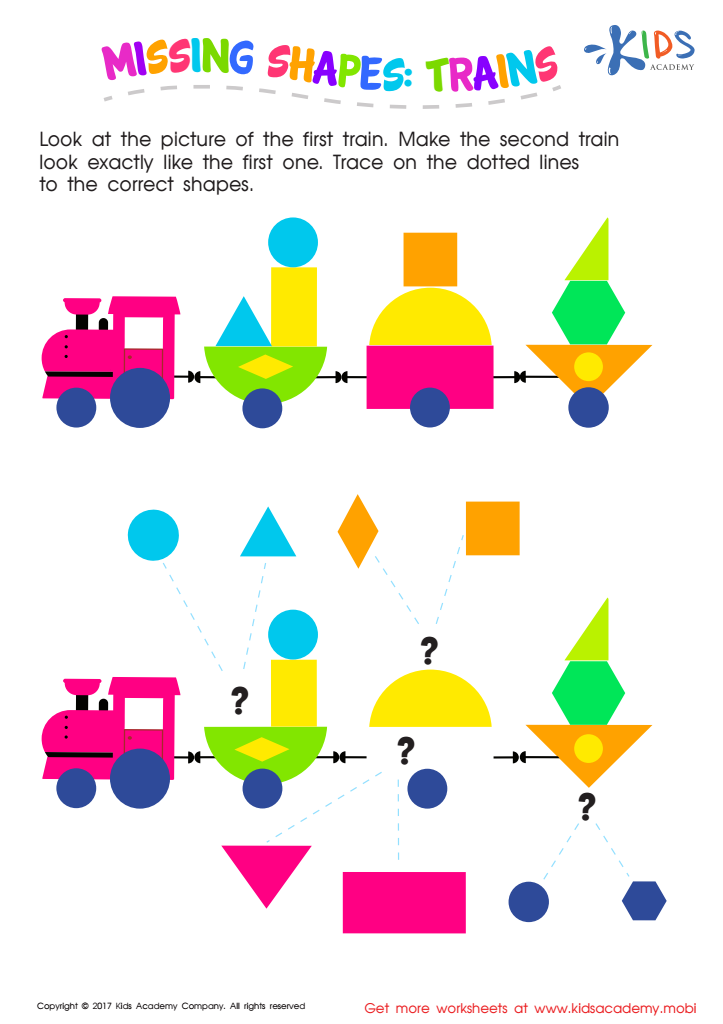
Missing Shapes: Trains Worksheet
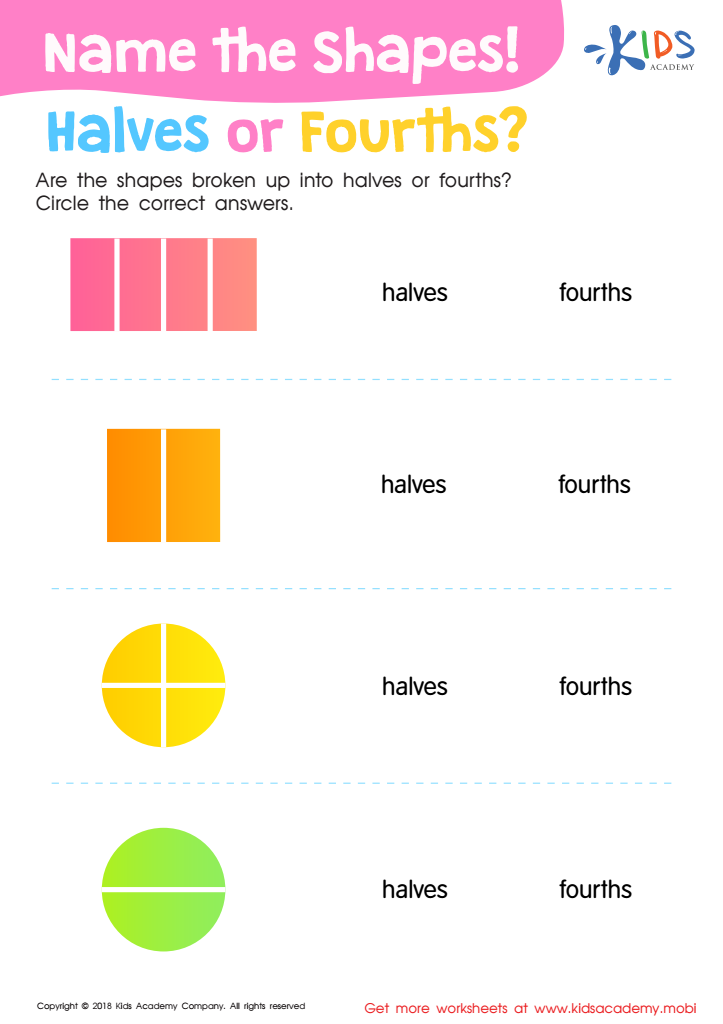
Name the Shapes Halves or Fourths? Worksheet
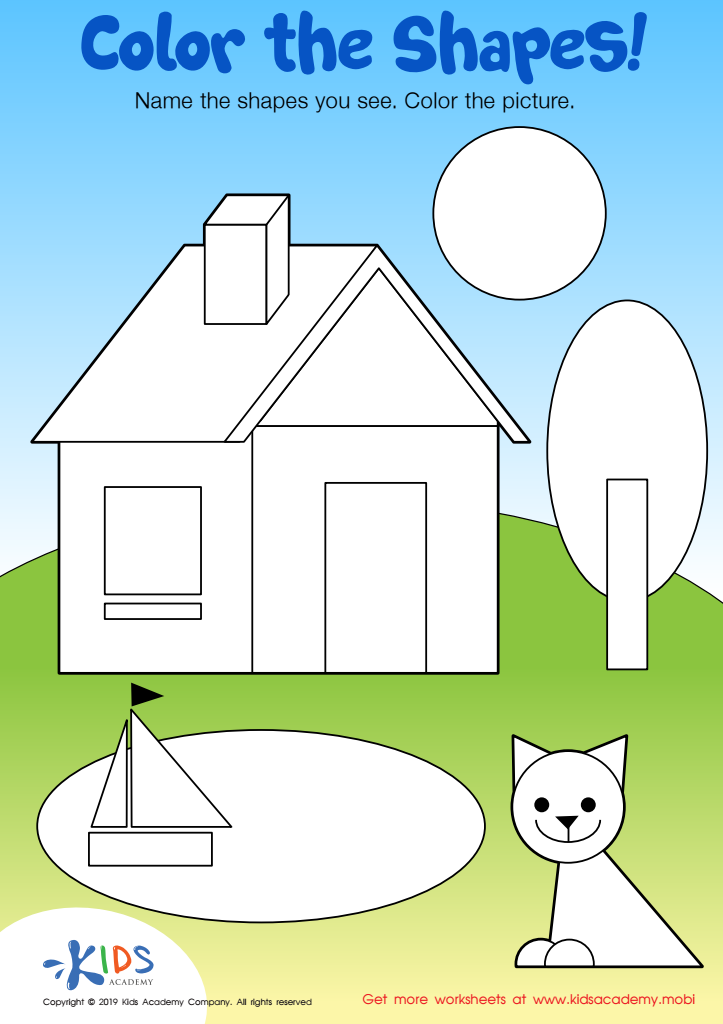
Color the Shapes Worksheet
 Assign to My Students








Shape recognition is a fundamental component of early mathematics education, particularly for children aged 7-8. At this developmental stage, children begin to build a strong foundation in geometry, which is critical for their spatial reasoning and critical thinking skills. Understanding different shapes and their properties helps children make connections between math concepts and the world around them, fostering a deeper engagement with their environment.
Parents and teachers should care about shape recognition because it contributes significantly to a child's overall cognitive development. Mastering shapes supports skills such as pattern recognition, which is essential for progression in areas like algebra and geometry in later grades. Additionally, shape recognition enhances problem-solving abilities as children learn to visualize and manipulate objects, preparing them for real-world applications.
Furthermore, integrating shape recognition into daily activities and learning experiences can promote engagement and motivation. Hands-on activities involving shapes can be both fun and educational, allowing children to explore math in interactive ways. By prioritizing shape recognition, parents and teachers not only equip children with essential mathematical knowledge but also encourage a lifelong appreciation for learning and logical reasoning, setting the stage for future academic success.








