Check out this FREE Trial Lesson on Math for age 7-8!

P

Favorites
With answer key
Interactive
  • 7-8
  • Understanding fractions
  • Math
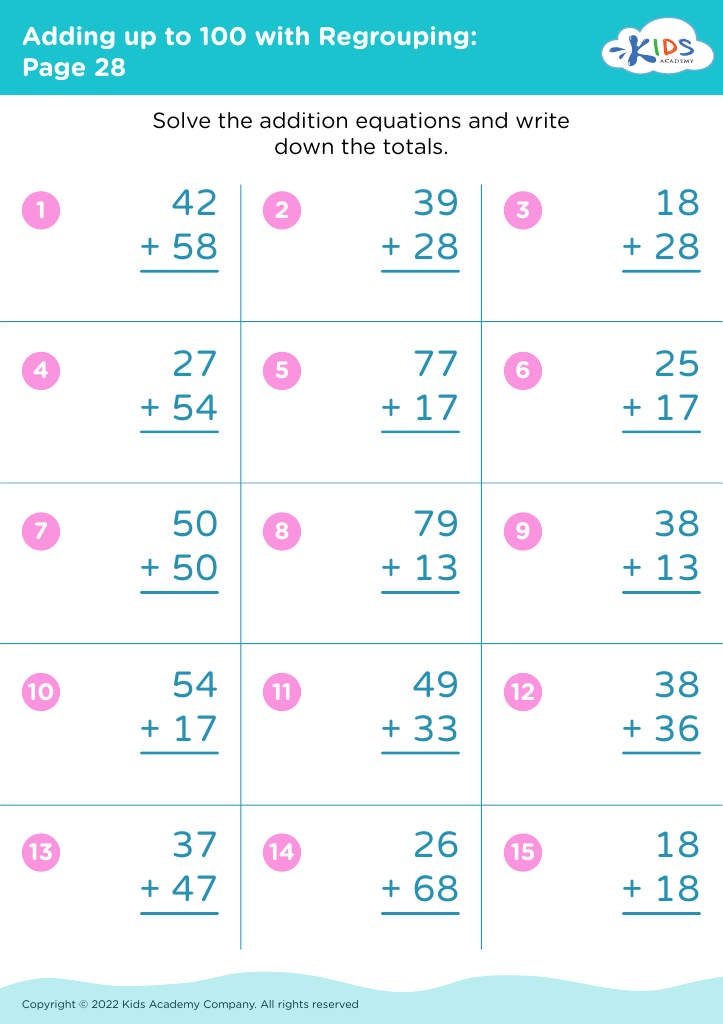
Adding up to 100 with Regrouping: Page 28
Worksheet
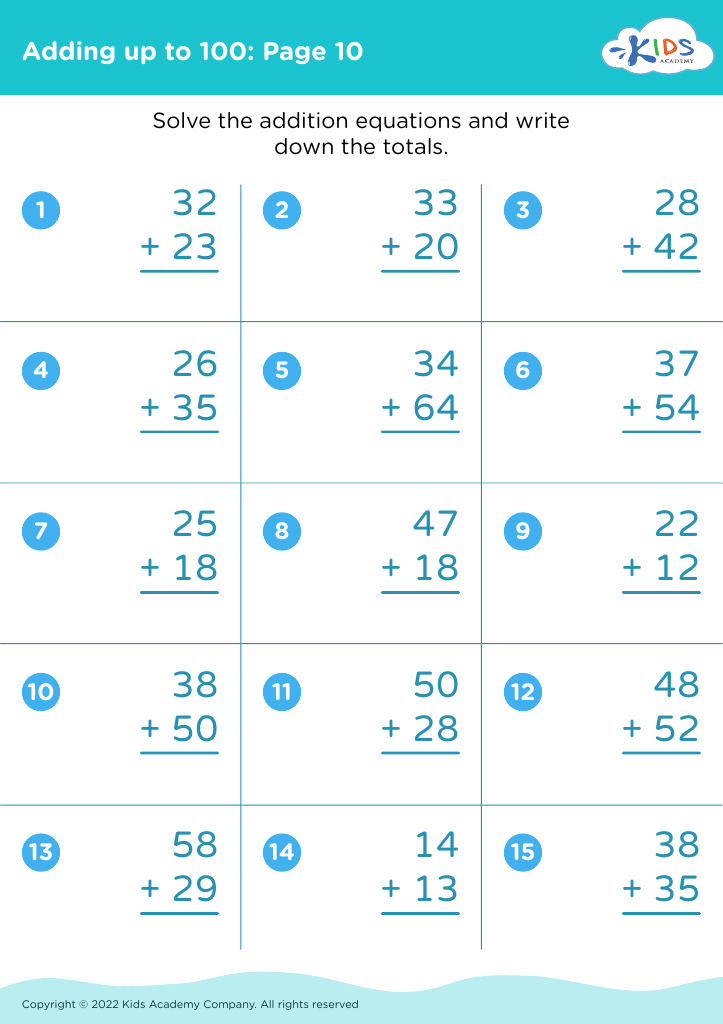
Adding up to 100: Page 10

Adding up to 100: Page 10

Adding up to 100: Page 10
Worksheet
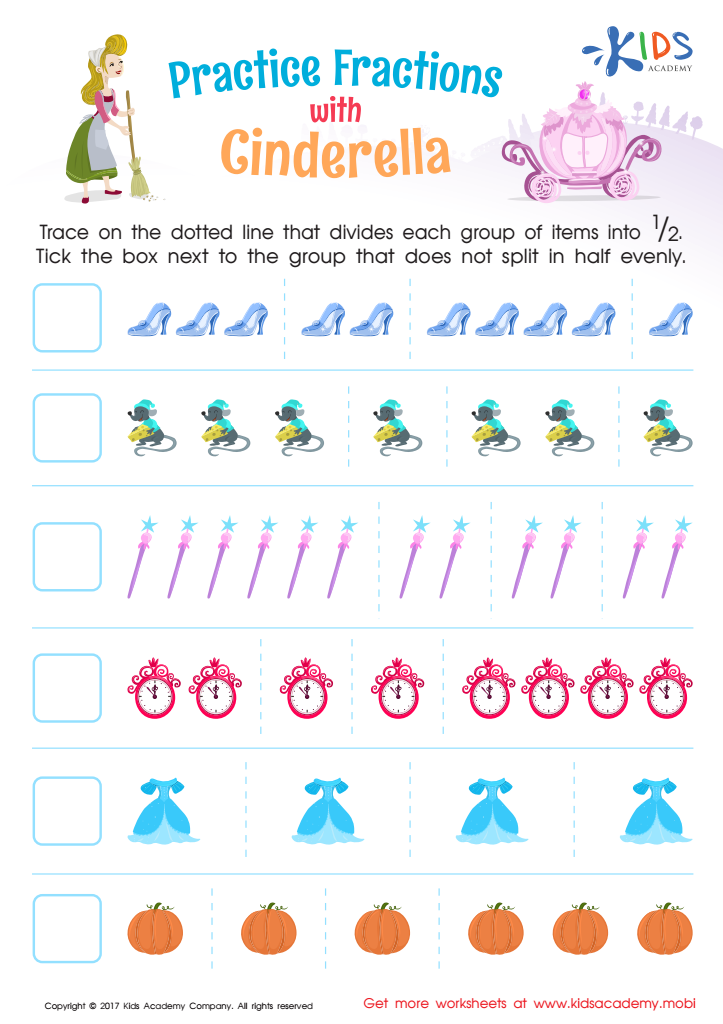
Cinderella Fraction Practice

Fractions: Cinderella Printable

Cinderella and ½ are the perfect pair to excite your child about learning fractions.
Fractions: Cinderella Printable
Worksheet
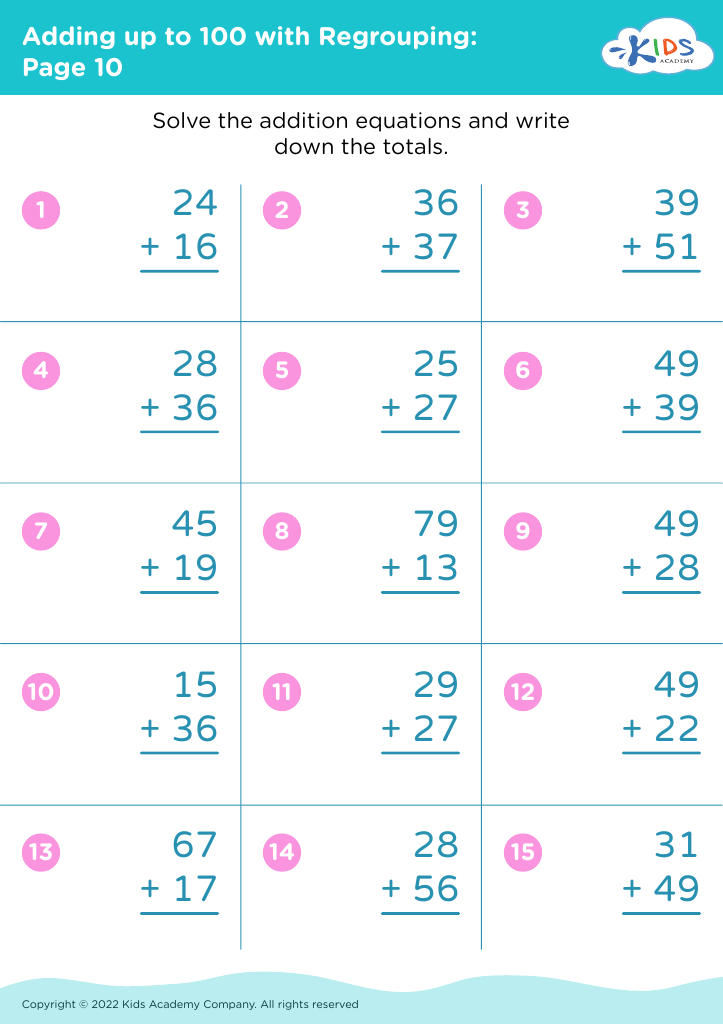
Adding up to 100 with Regrouping: Page 10
Worksheet
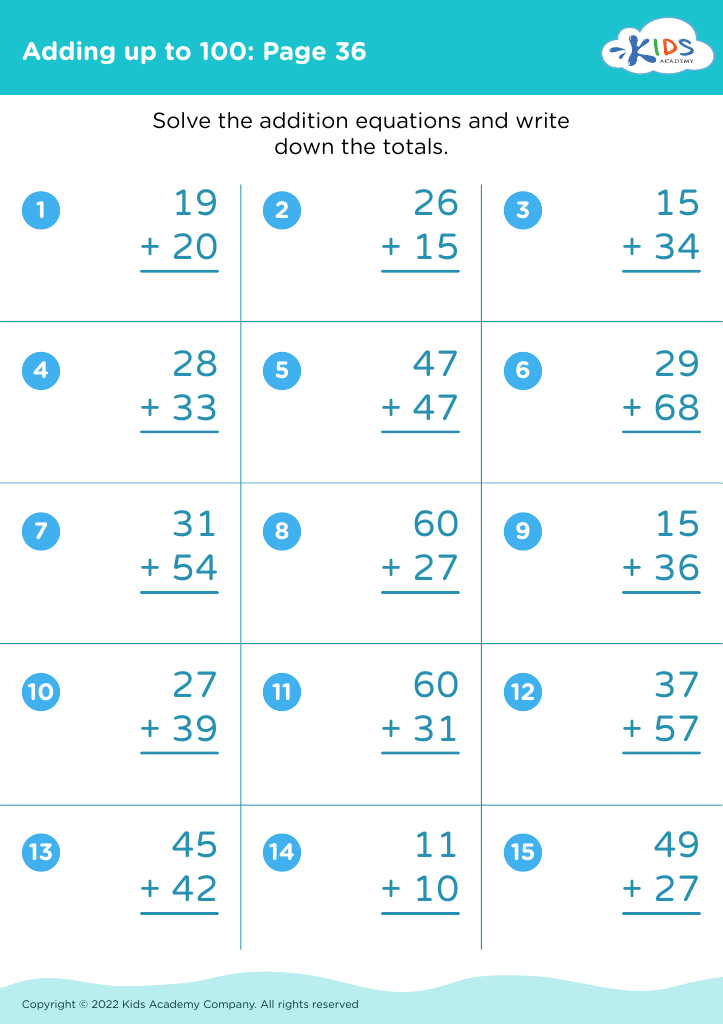
Adding up to 100: Page 36

Adding up to 100: Page 36

Adding up to 100: Page 36
Worksheet
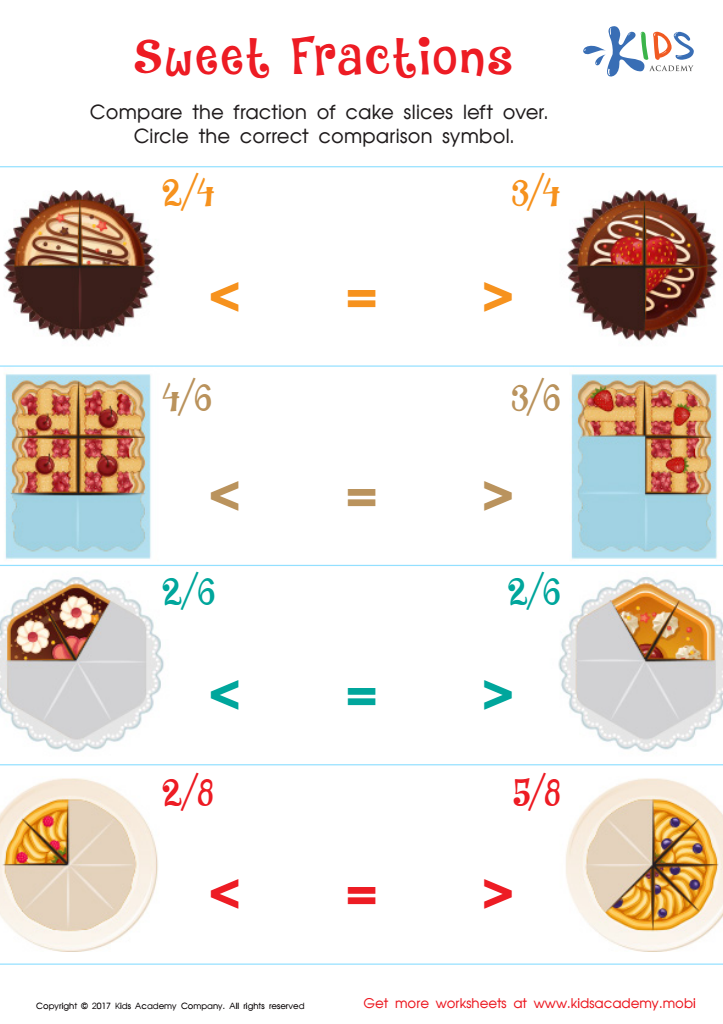
Сompare fractions worksheet for 3rd grade

Compare Fractions Worksheet
This compare fractions worksheet is great for 3rd graders to learn and understand fractions in a fun way. Let them explore fractions visually with the help of sweet treats!
Compare Fractions Worksheet
Worksheet
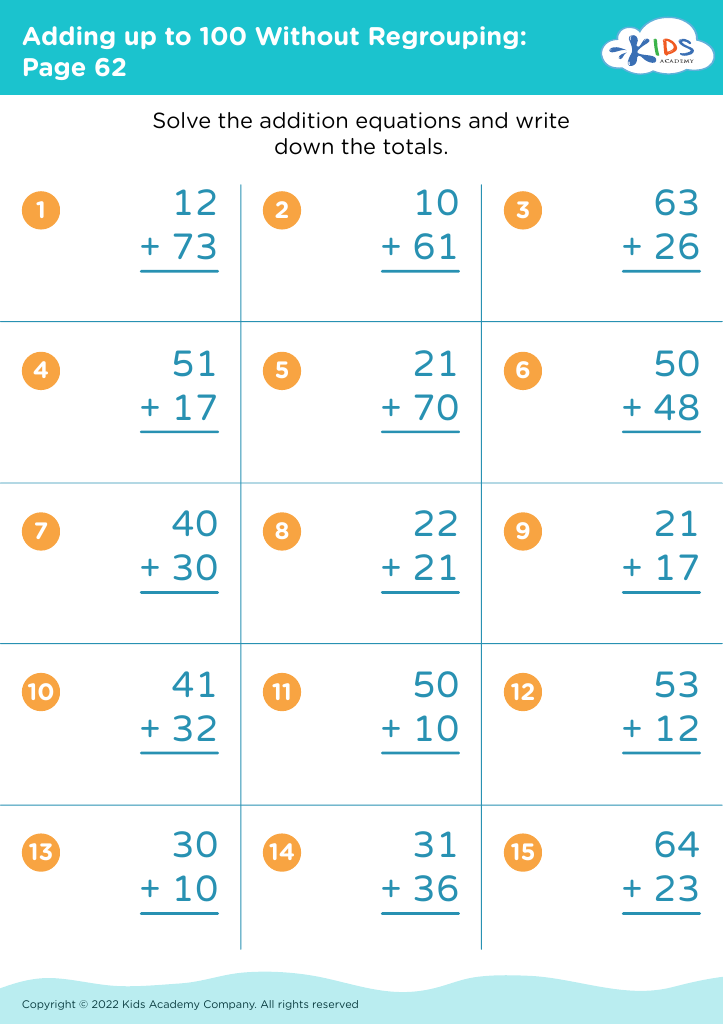
Adding up to 100 Without Regrouping: Page 62
Worksheet
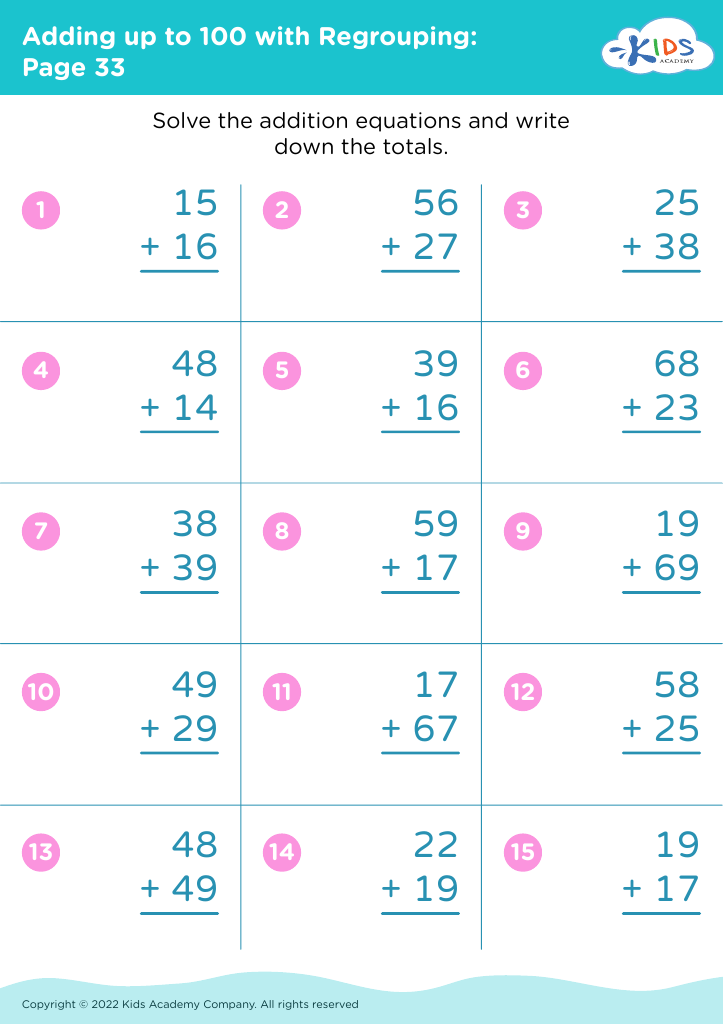
Adding up to 100 with Regrouping: Page 33
Worksheet
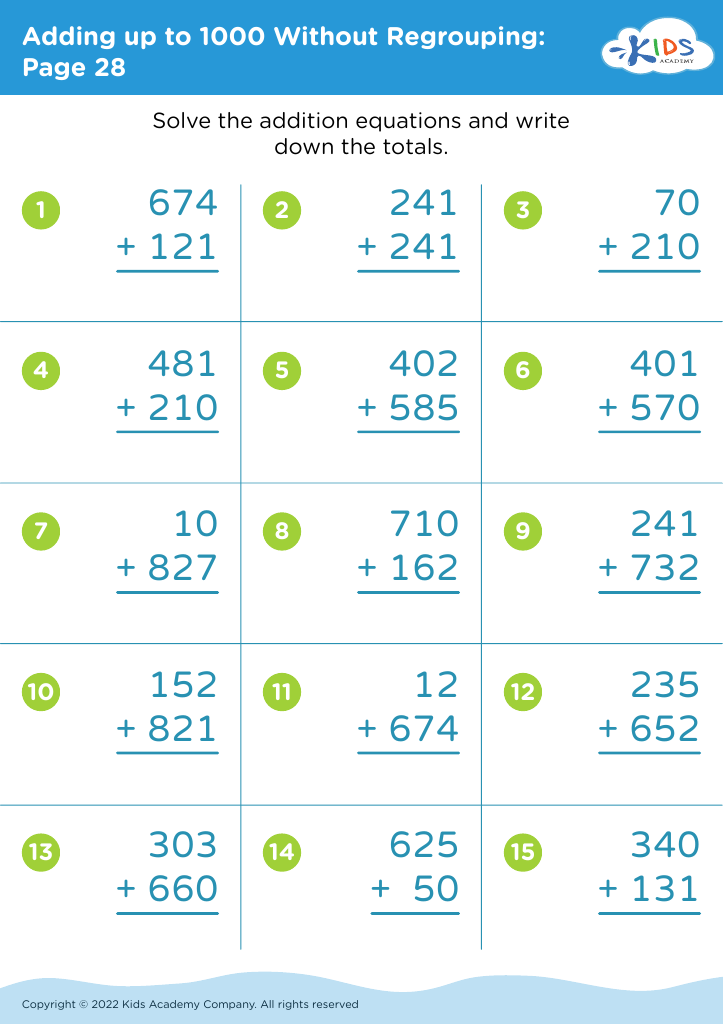
Adding up to 1000 Without Regrouping: Page 28
Worksheet
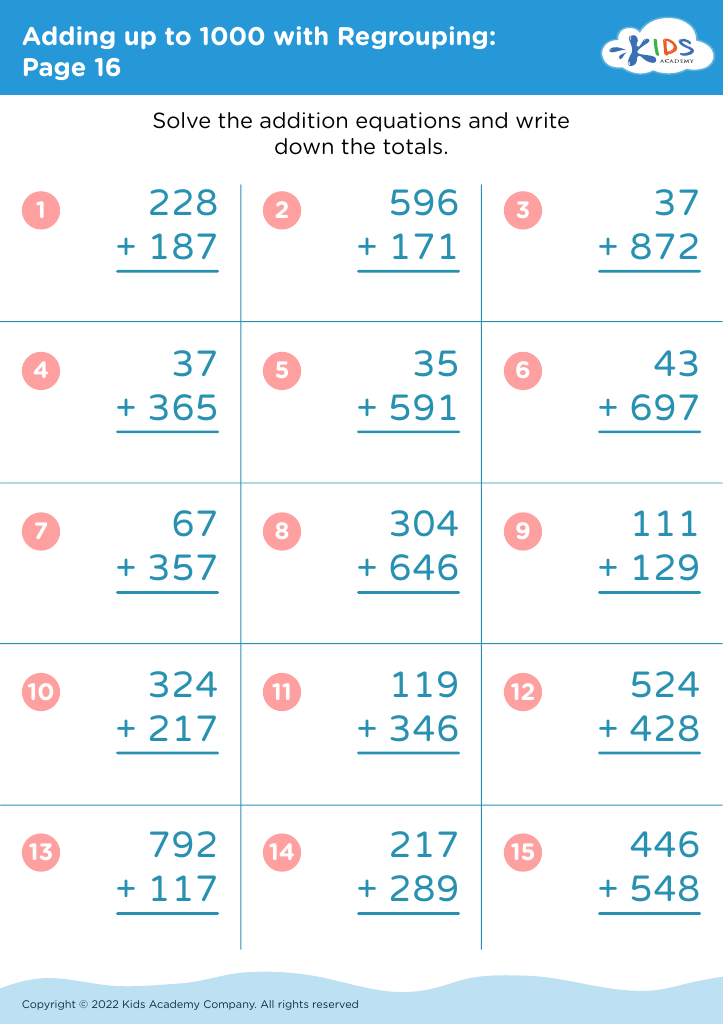
Adding up to 1000 with Regrouping: Page 16
Worksheet
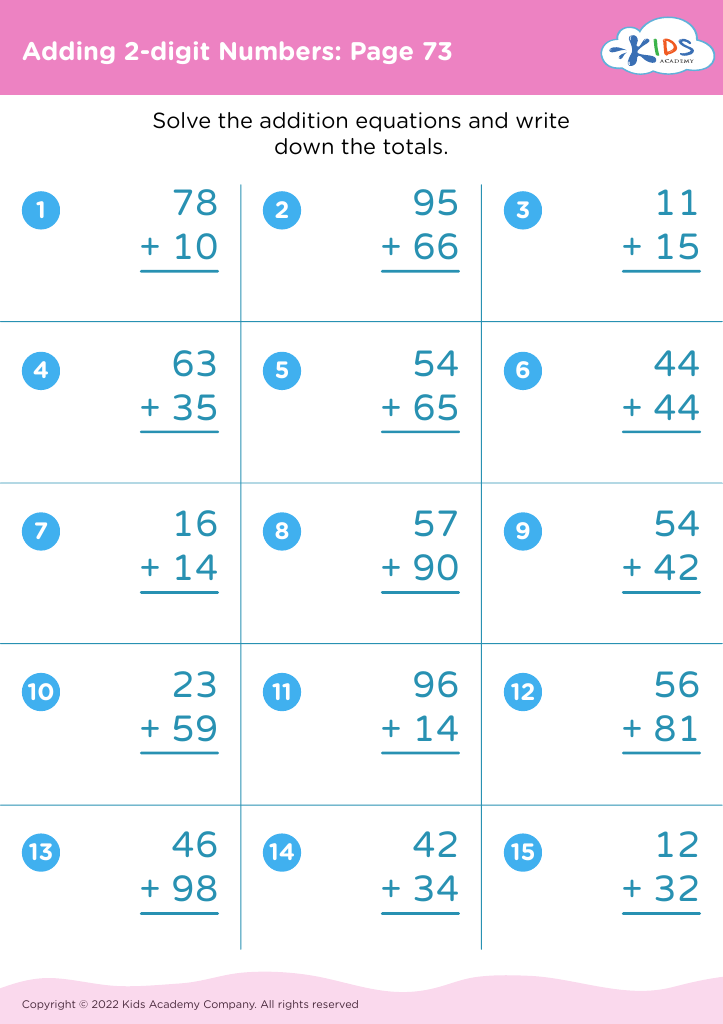
Adding 2-digit Numbers: Page 73

Adding 2-digit Numbers: Page 73

Adding 2-digit Numbers: Page 73
Worksheet
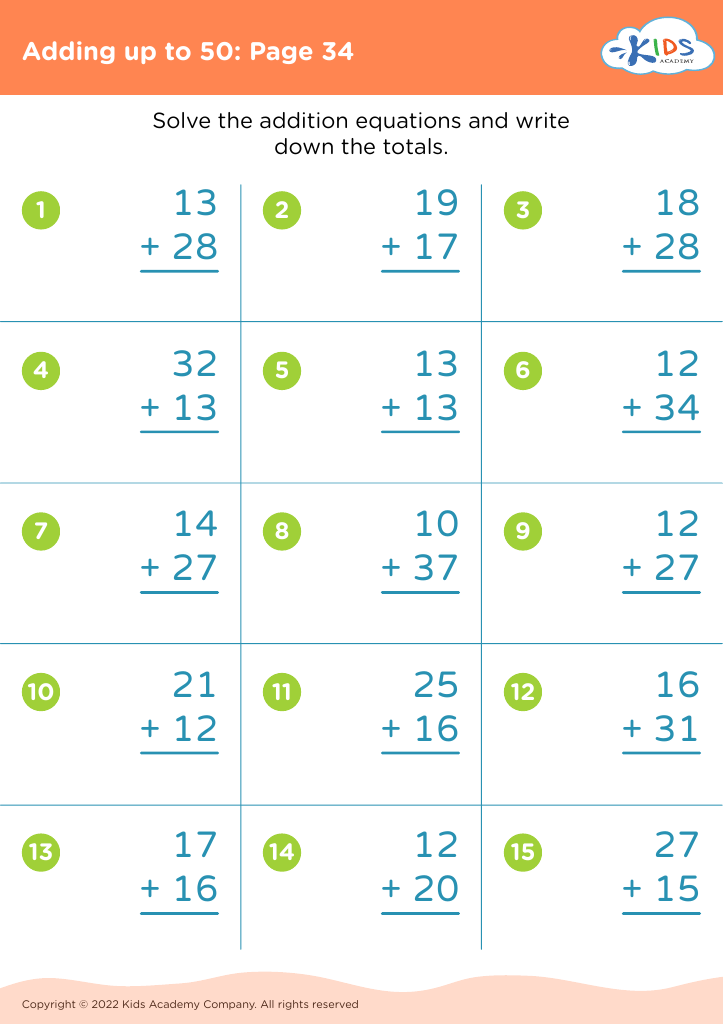
Adding up to 50: Page 34

Adding up to 50: Page 34

Adding up to 50: Page 34
Worksheet
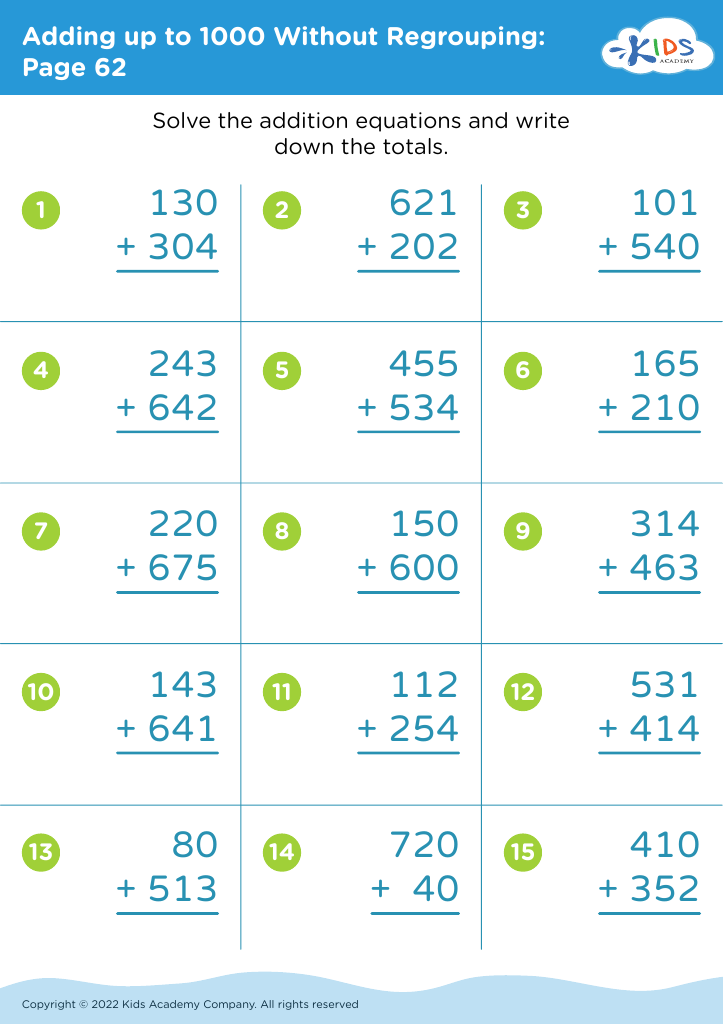
Adding up to 1000 Without Regrouping: Page 62
Worksheet
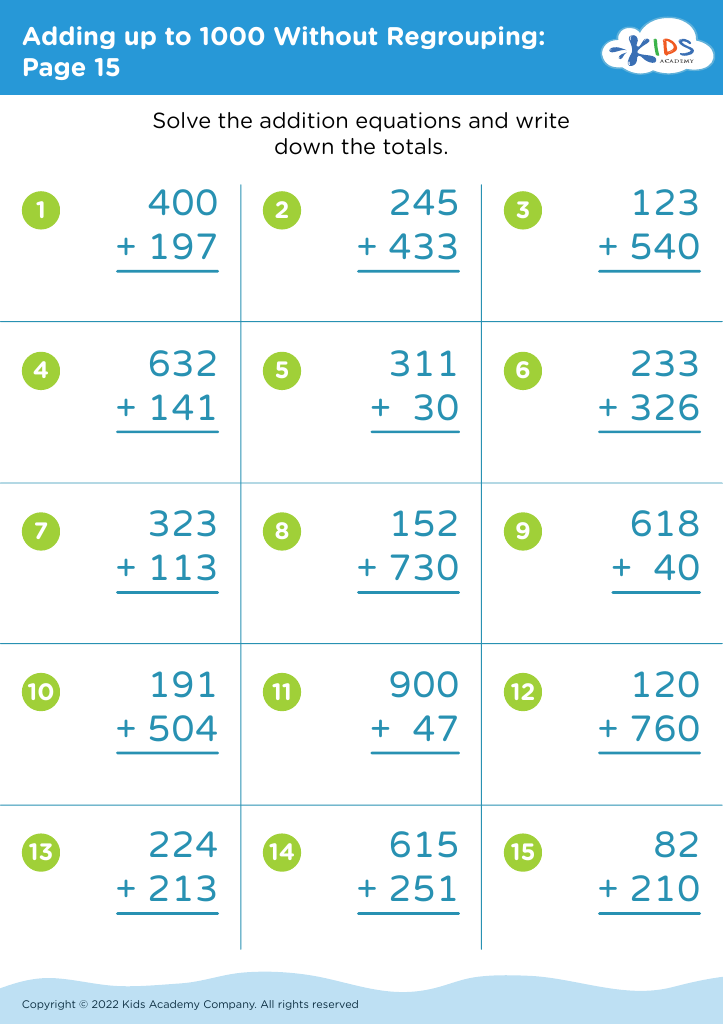
Adding up to 1000 Without Regrouping: Page 15
Worksheet
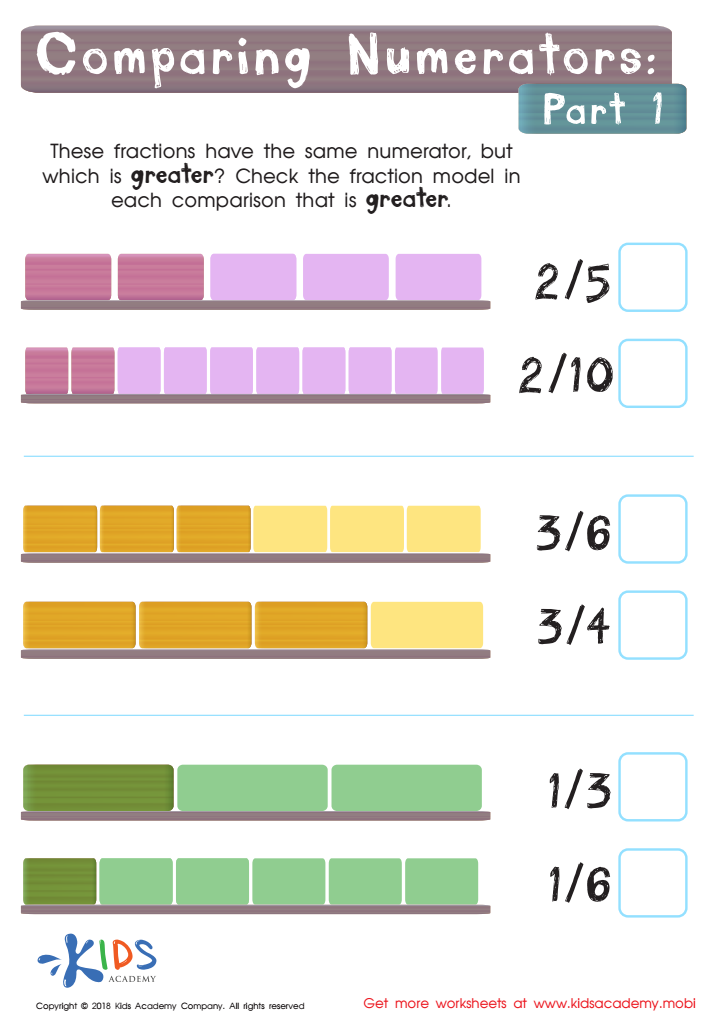
Comparing Numerators Part 1 Worksheet

Comparing Numerators Part 1 Worksheet

This worksheet has 3 fractions groups with the same numerator. Your child must determine which fraction is greater in each comparison. Check the fraction model to see the greater one.
Comparing Numerators Part 1 Worksheet

Worksheet
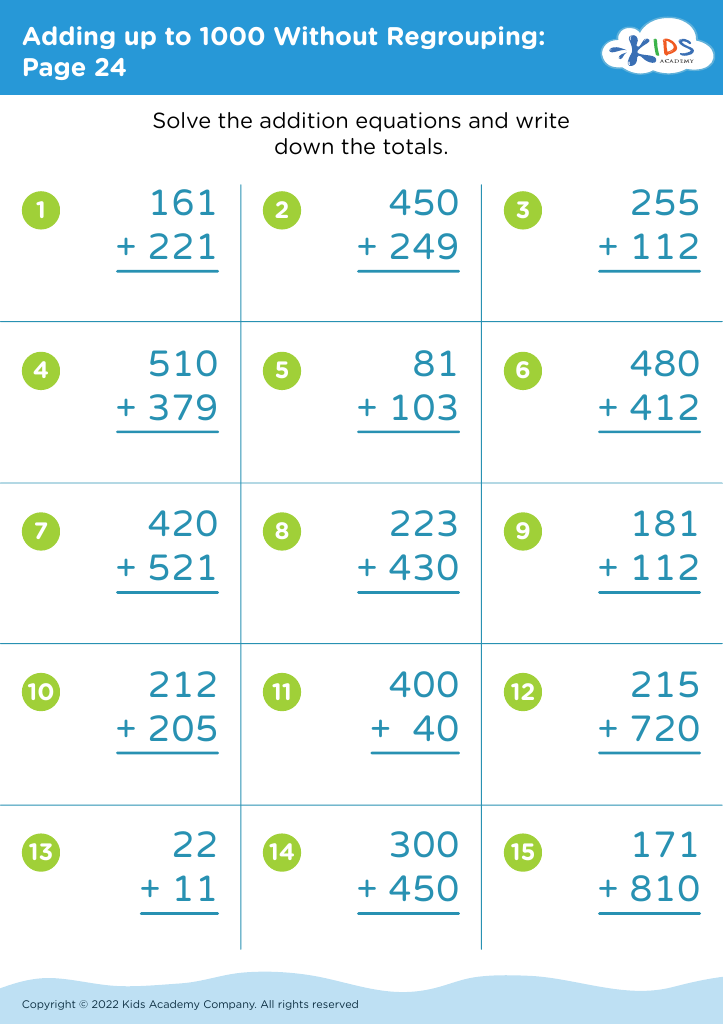
Adding up to 1000 Without Regrouping: Page 24
Worksheet


... 8 9

Understanding fractions is crucial for children ages 7-8 as it lays the foundation for their future mathematical learning and everyday problem-solving skills. At this age, children are transitioning from basic arithmetic to more complex concepts, and fractions offer a natural introduction to proportional reasoning. When children grasp fractions, they develop a deeper understanding of parts and wholes, which enhances their ability to comprehend percentages, ratios, and proportional relationships later on.

Furthermore, fractions are not just confined to math; they are prevalent in daily life. Cooking, measuring, and budgeting often involve fractional parts, and equipping children with these skills fosters confidence and independence in practical situations. When parents and teachers prioritize fraction education, they help children build logical thinking and analytical skills that are vital in multiple disciplines beyond mathematics.

Moreover, a solid foundation in fractions boosts performance in standardized testing and higher-level math, ensuring that students do not encounter significant barriers as they advance academically. Lastly, fostering enthusiasm for math through engaging fraction activities can spark a lifelong interest in learning. By emphasizing this critical area of study, parents and teachers play a pivotal role in nurturing not only academic success but also essential life skills in children.