Fine Motor Skills Numbers 0–10 Worksheets for Ages 7-8
15 filtered results
-
From - To
Enhance your child's fine motor skills with our engaging Numbers 0–10 Worksheets, perfect for ages 7-8! These worksheets are expertly designed to improve hand-eye coordination, dexterity, and number recognition through fun activities. Your child will enjoy tracing, coloring, and counting exercises that make learning numbers enjoyable and interactive. Our worksheets not only strengthen essential fine motor skills but also boost your child's confidence in their number abilities. Ideal for both classroom settings and at-home practice, these worksheets provide a great way to support your child's development in a fun and educational manner. Download now and watch your child's skills grow!

Number 10 Printable
 Assign to My Students
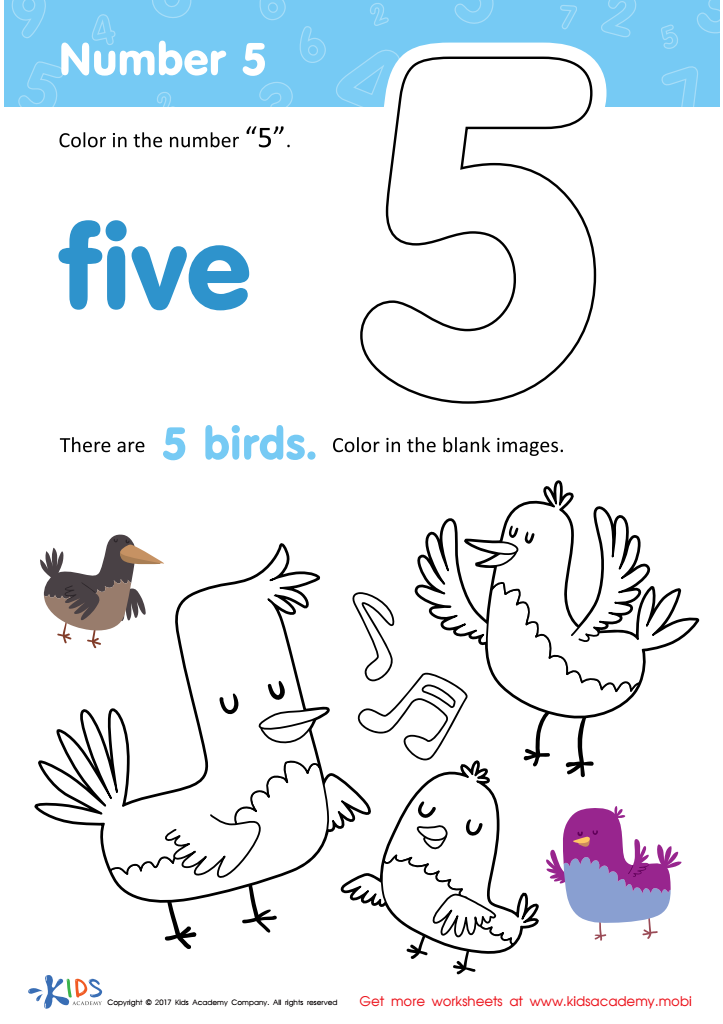
Number 5 Printable
Assign to My Students
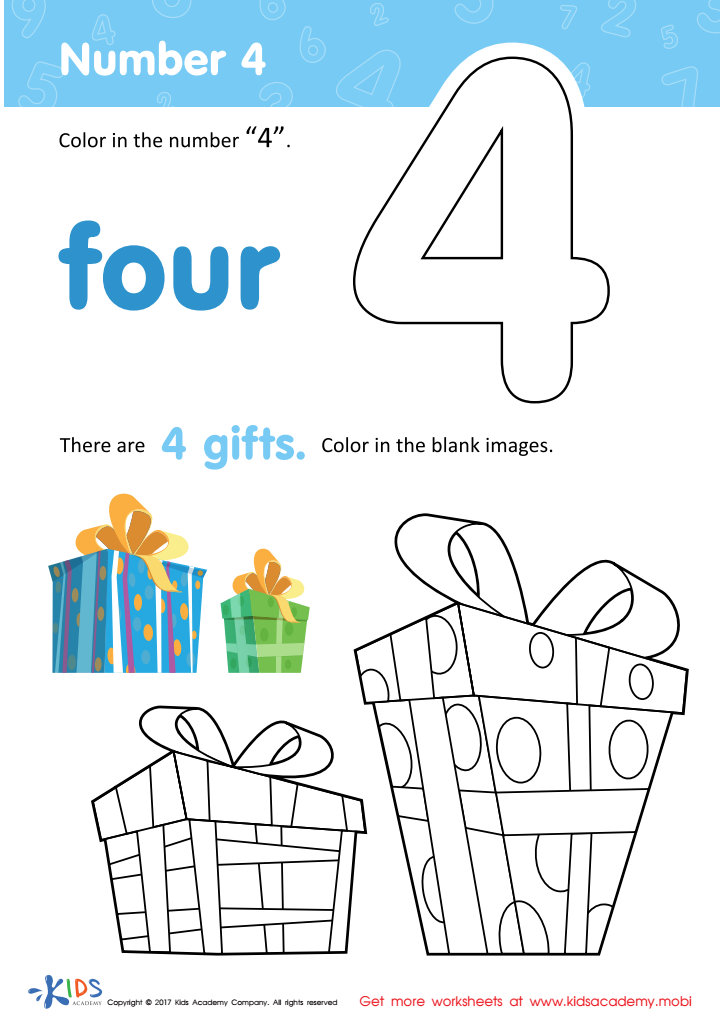
Number 4 Printable
Assign to My Students
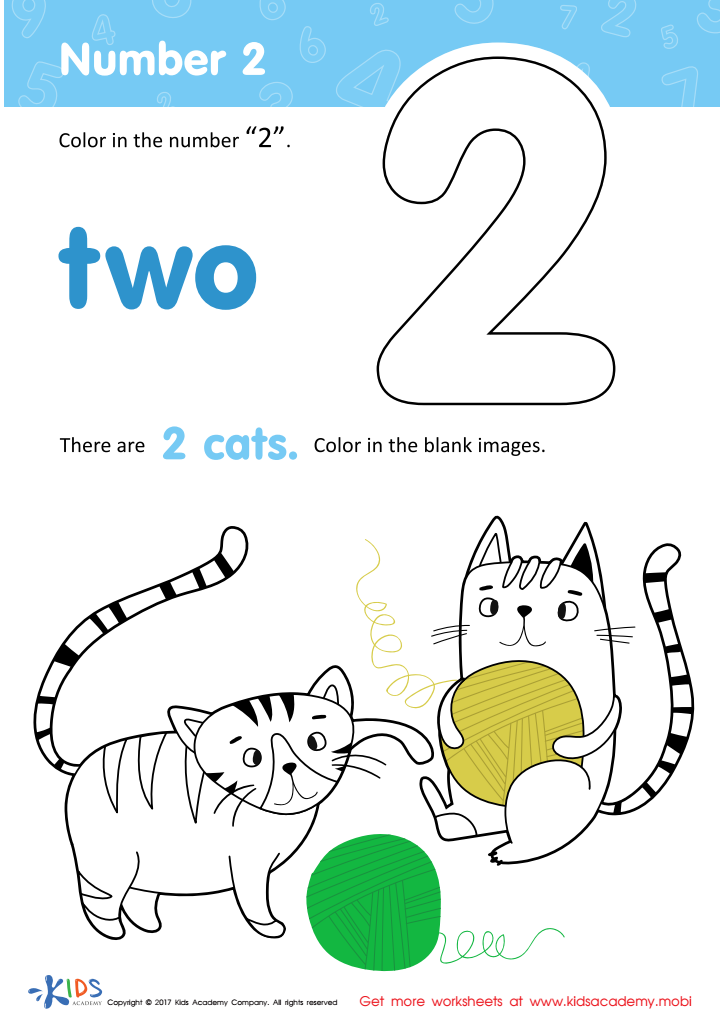
Number 2 Printable
Assign to My Students
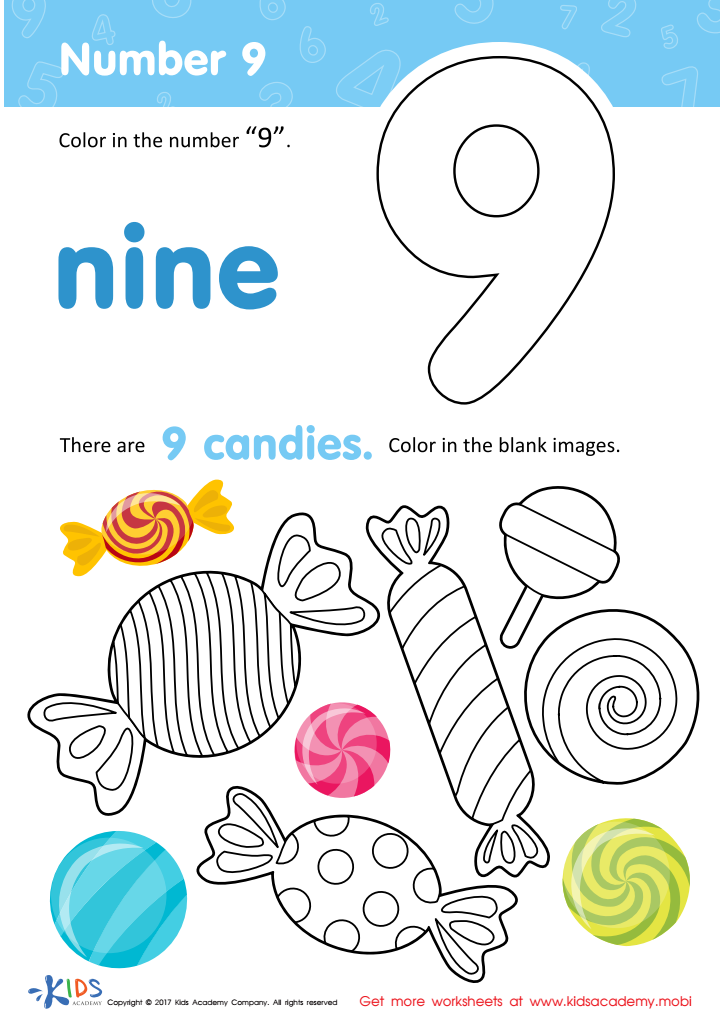
Number 9 Printable
Assign to My Students
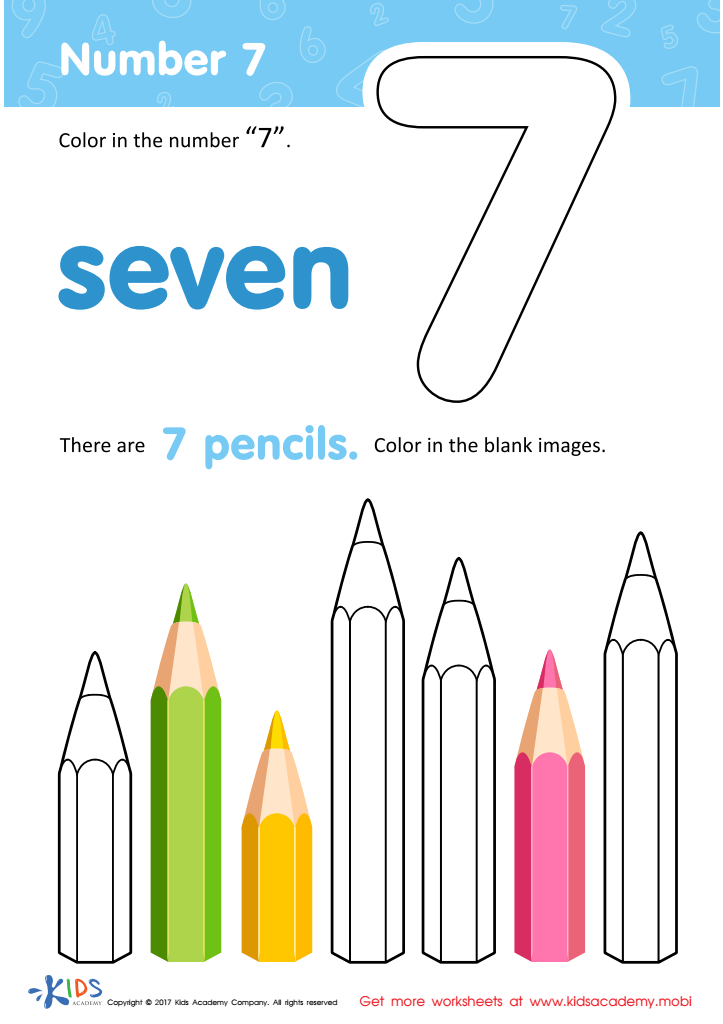
Number 7 Worksheet
Assign to My Students
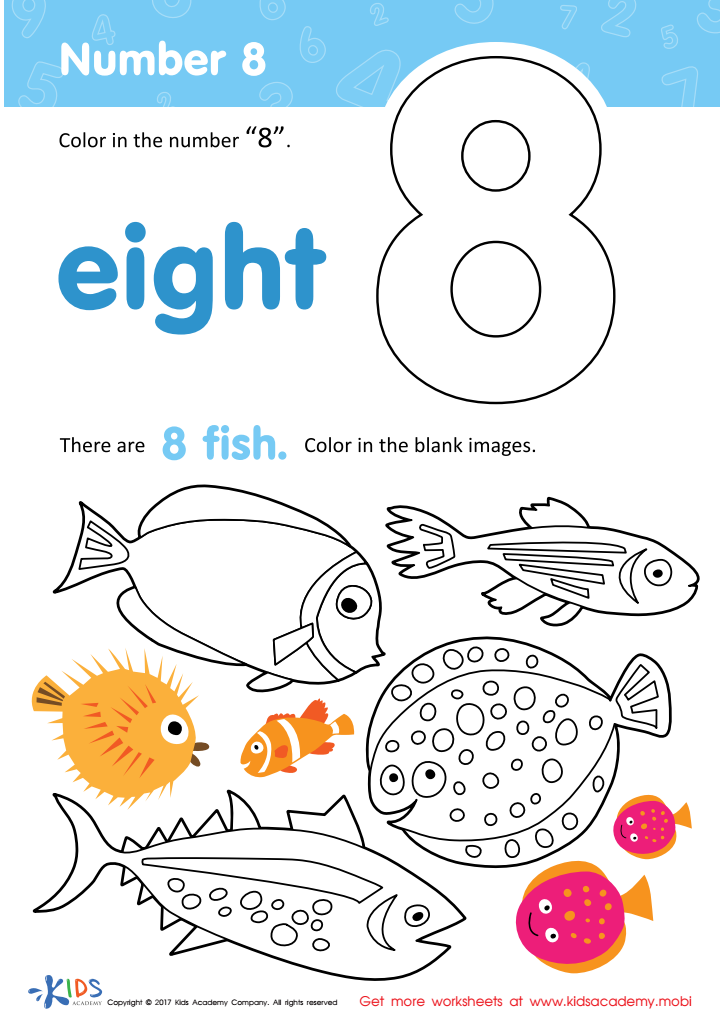
Number 8 Printable
Assign to My Students
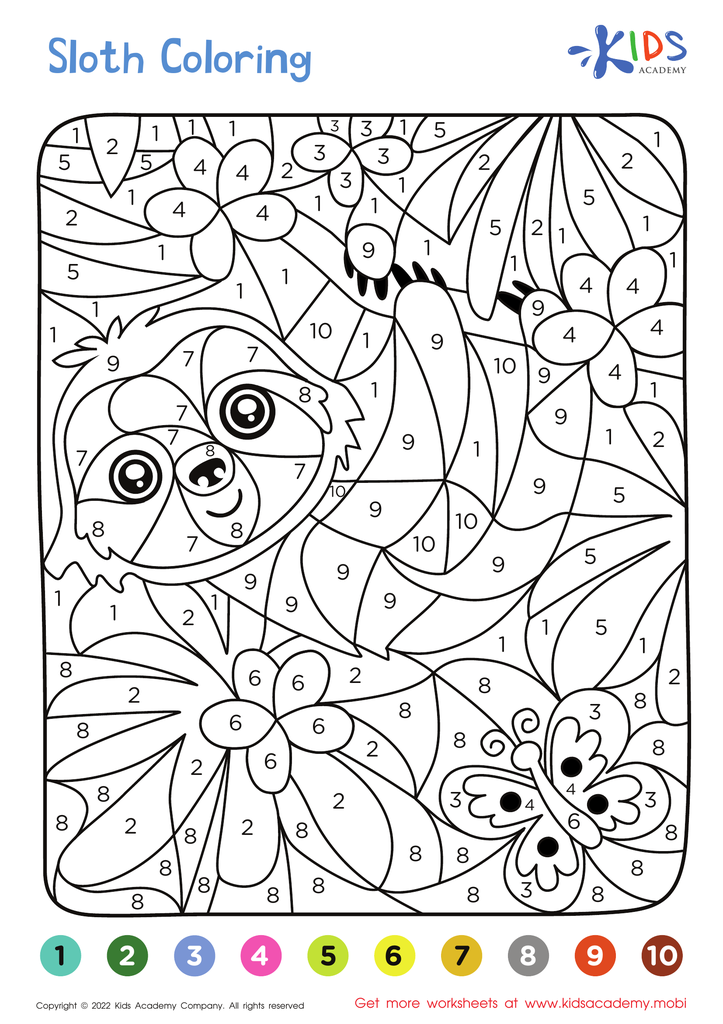
Sloth – Coloring by Numbers
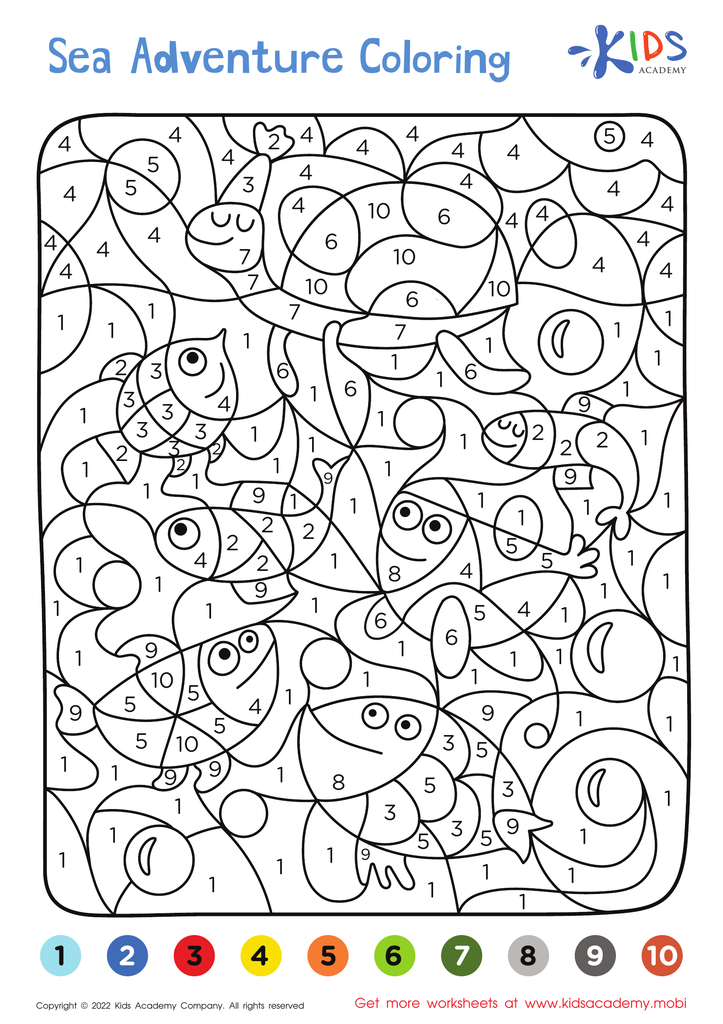
Sea Adventure – Coloring by Numbers
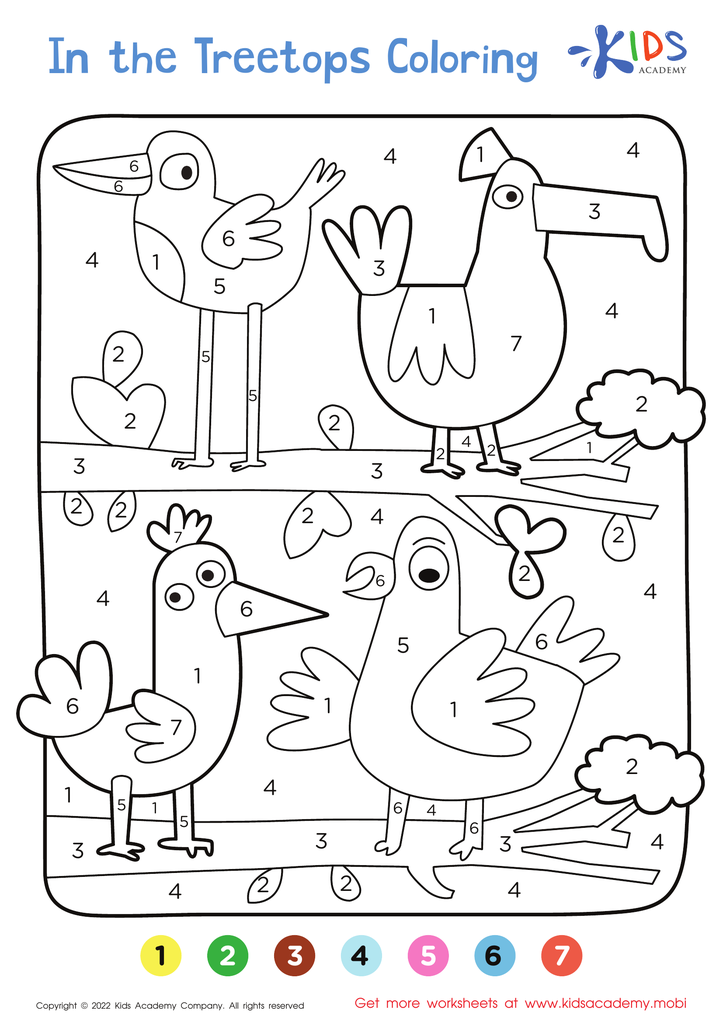
In the Treetops – Coloring Page
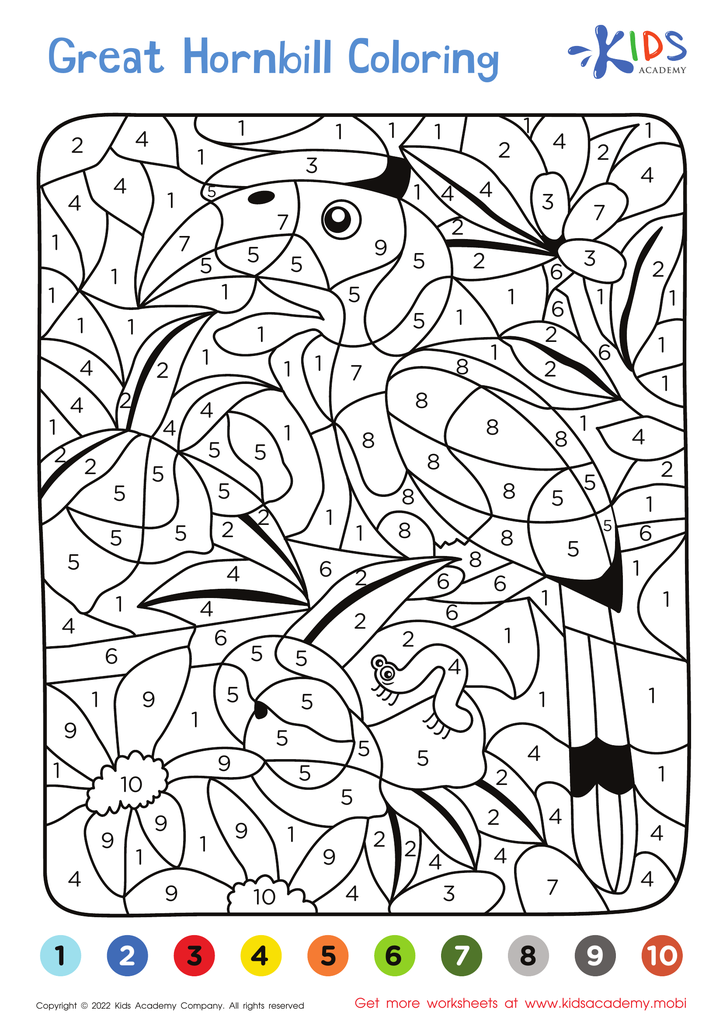
Great Hornbill – Coloring by Numbers
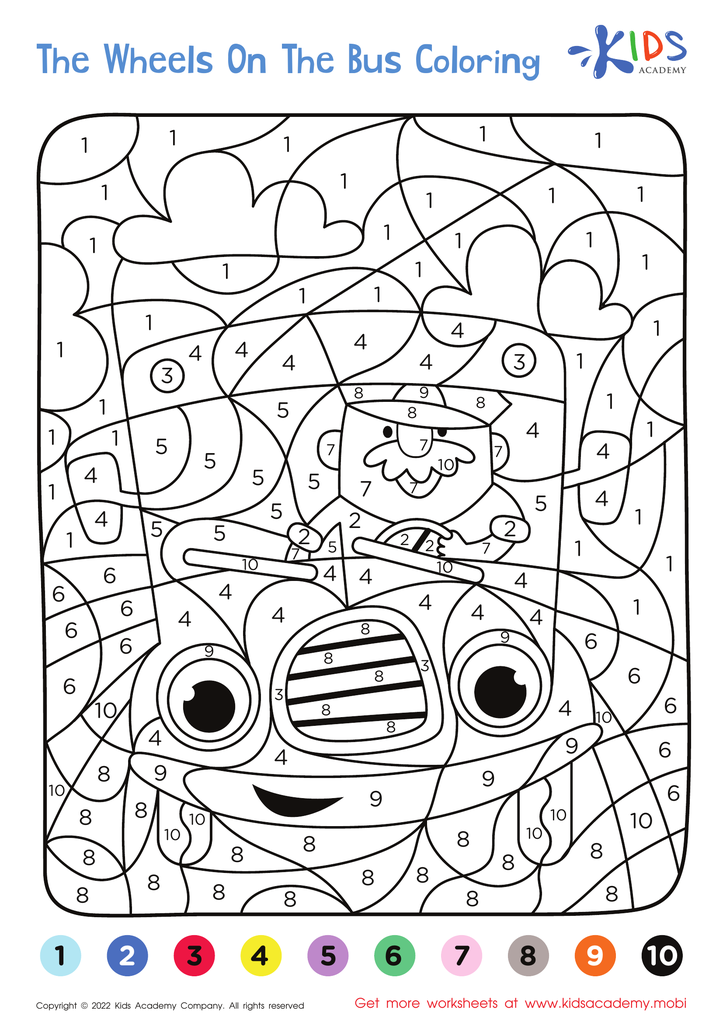
Wheels on the Bus – Coloring by Numbers
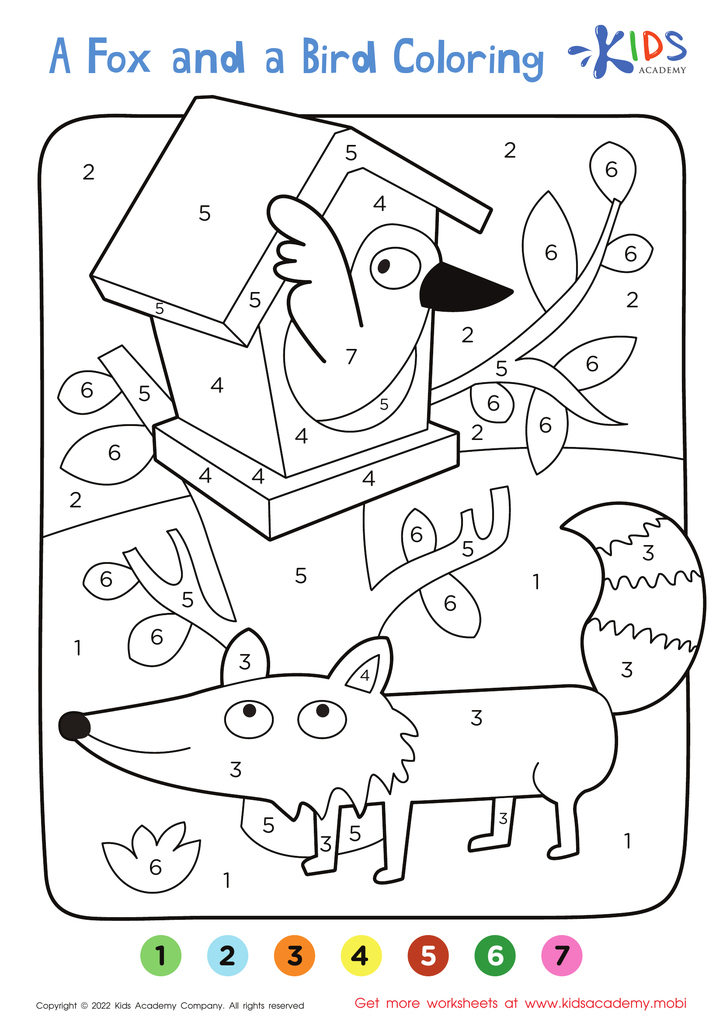
A Fox and a Bird – Coloring by Numbers
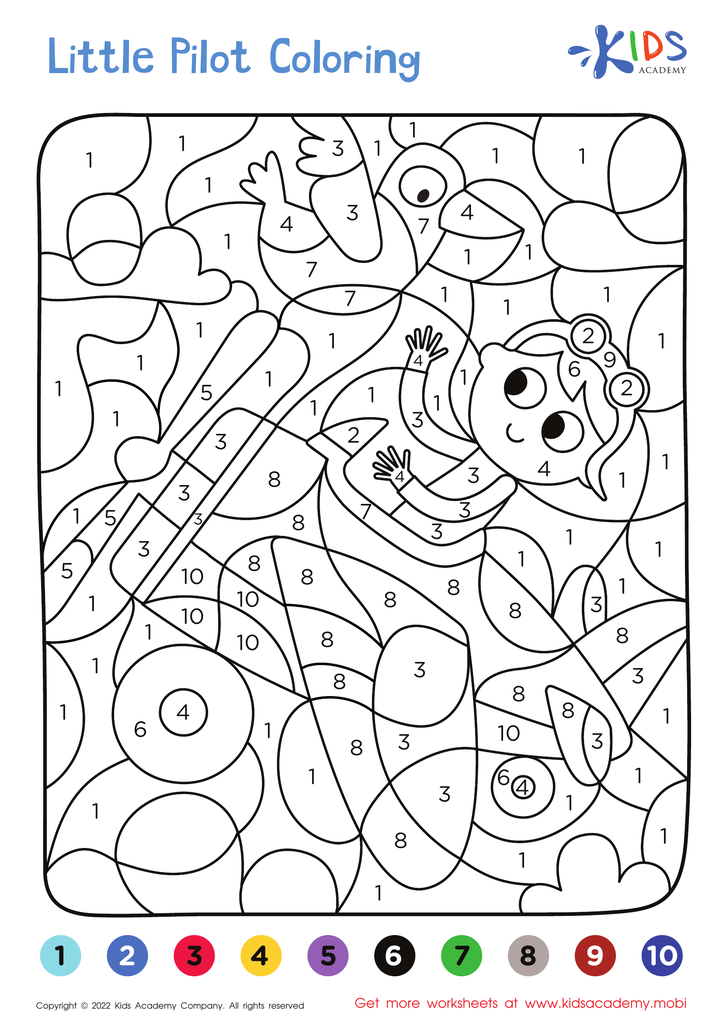
Little Pilot – Coloring by Numbers
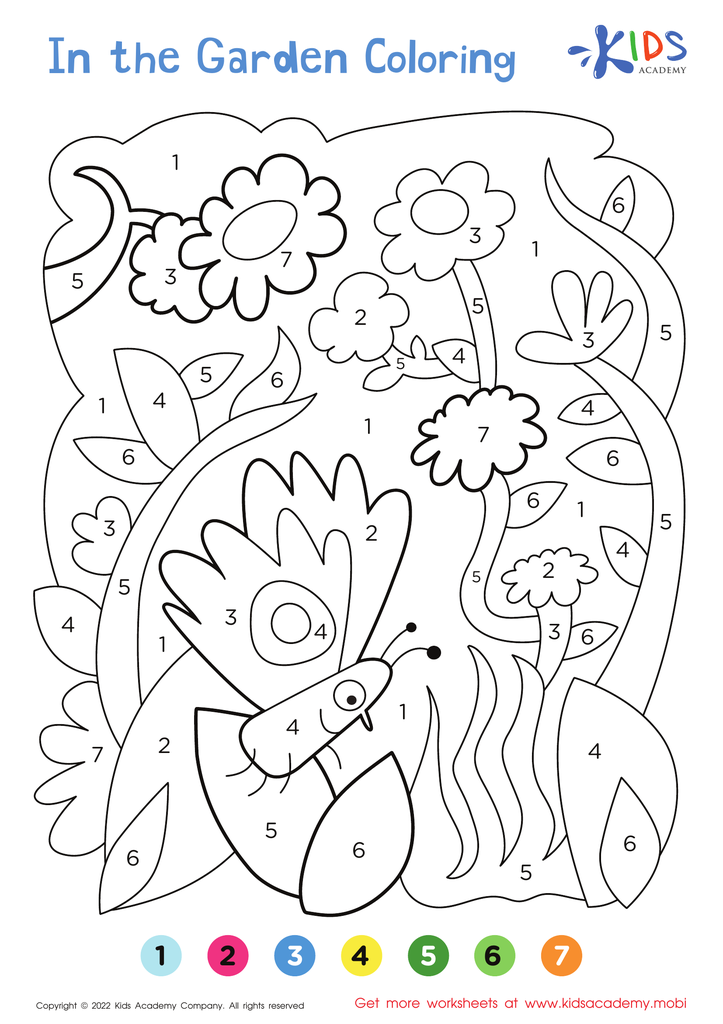
In the Garden – Coloring by Numbers








Fine motor skills are essential for children aged 7-8 as they facilitate a wide range of daily activities and academic tasks. For this age group, focusing on fine motor skills related to writing numbers 0-10 is particularly crucial. These skills help children develop the dexterity and control necessary for writing legibly and efficiently, which leads to greater success in subjects that require written work.
Proficiency in writing numbers also lays a strong foundation for math skills. By practicing number formation, children strengthen their hand-eye coordination and learn to maintain proper pencil grip. This not only makes them more confident in their arithmetic tasks but also accelerates their progress in understanding more complex mathematical concepts.
Moreover, fine motor skills extend beyond academics. They are important in everyday tasks such as tying shoelaces, buttoning clothes, or using utensils. Ensuring children have strong fine motor skills enhances their independence and self-esteem. In a classroom setting, teachers benefit from students who are less frustrated and more focused on learning rather than struggling with these basic tasks.
Therefore, parents and teachers should prioritize enhancing fine motor skills in children, using activities like tracing numbers, playing with clay, and drawing. This holistic approach promotes academic success and instills daily competence, setting the stage for lifelong learning and development.