Basic Math Skills Reading Worksheets for Ages 7-8
11 filtered results
-
From - To
Discover our engaging Basic Math Skills Reading Worksheets designed specifically for children ages 7-8! These worksheets provide fun and interactive activities that help young learners build foundational math skills while enhancing their reading abilities. Through a variety of exercises, kids will practice essential concepts such as addition, subtraction, and comprehension, reinforcing their understanding of math in context. Perfect for classroom use or at-home practice, our worksheets cater to different learning styles, ensuring that every child can develop confidence in their math skills. Explore our collection today and give your child the tools they need to succeed in math and reading!
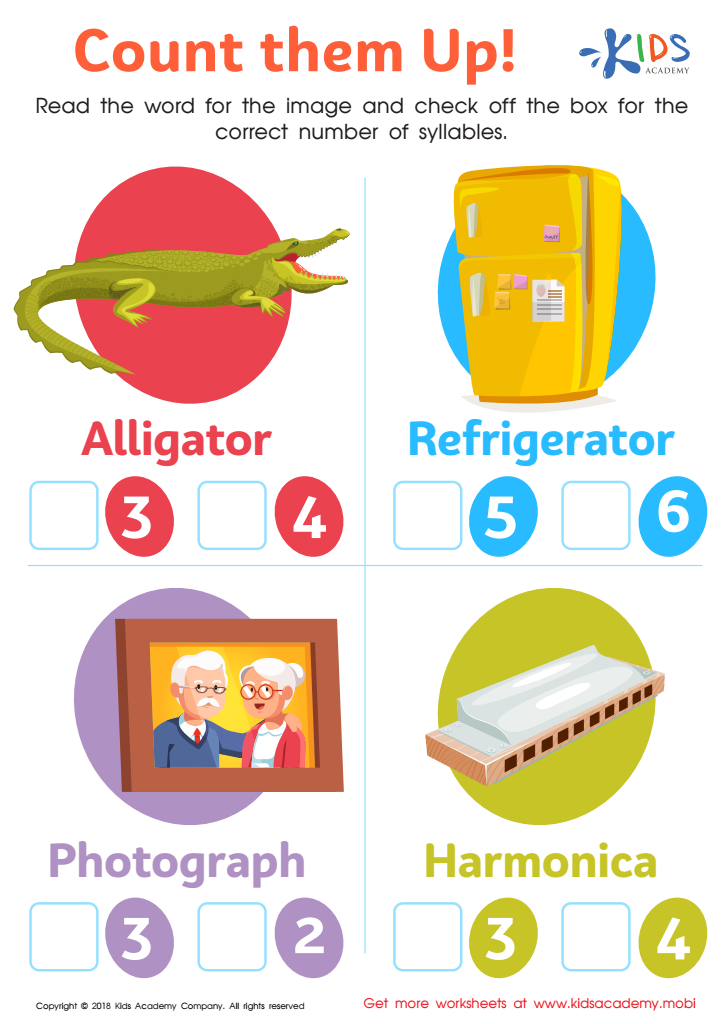
Count Them Up Worksheet
 Assign to My Students
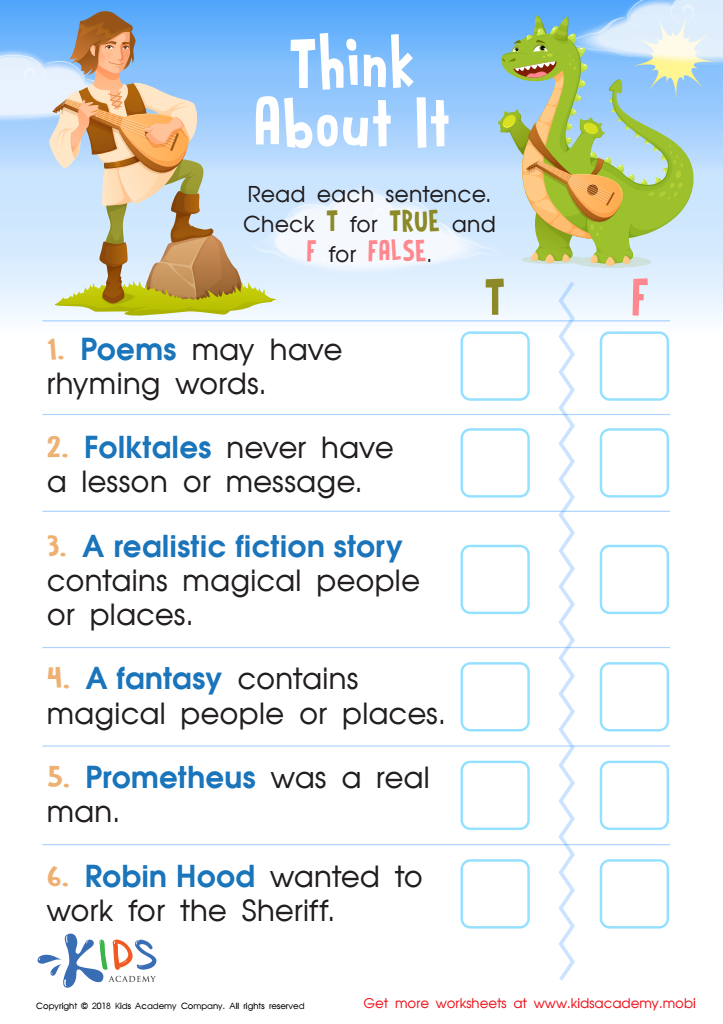
Think About It: Assessment Worksheet
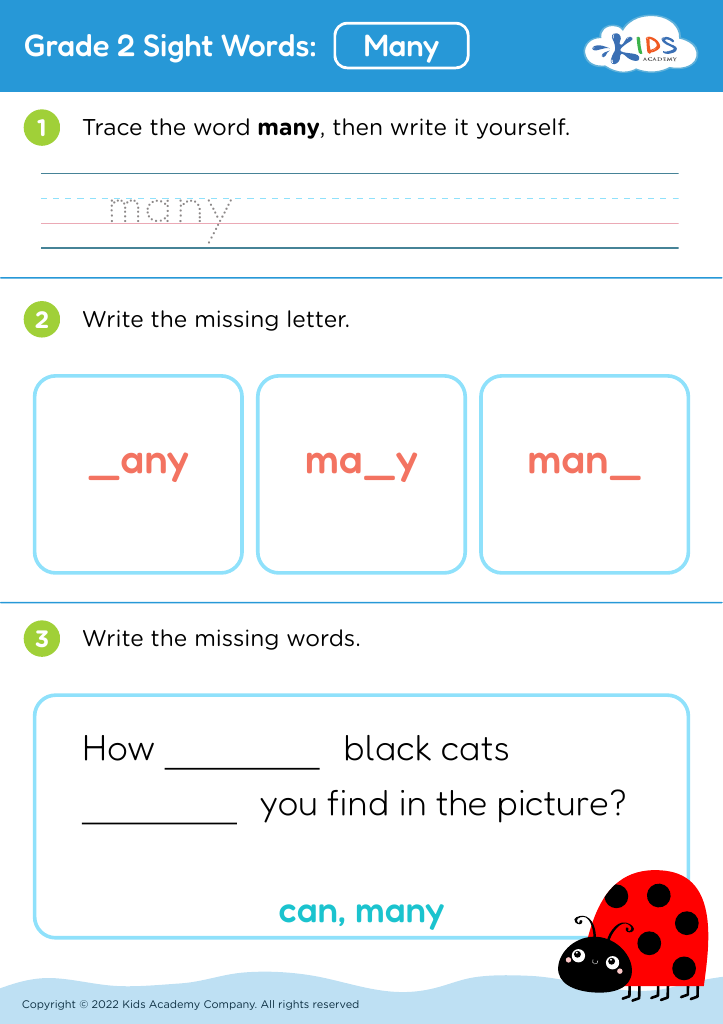
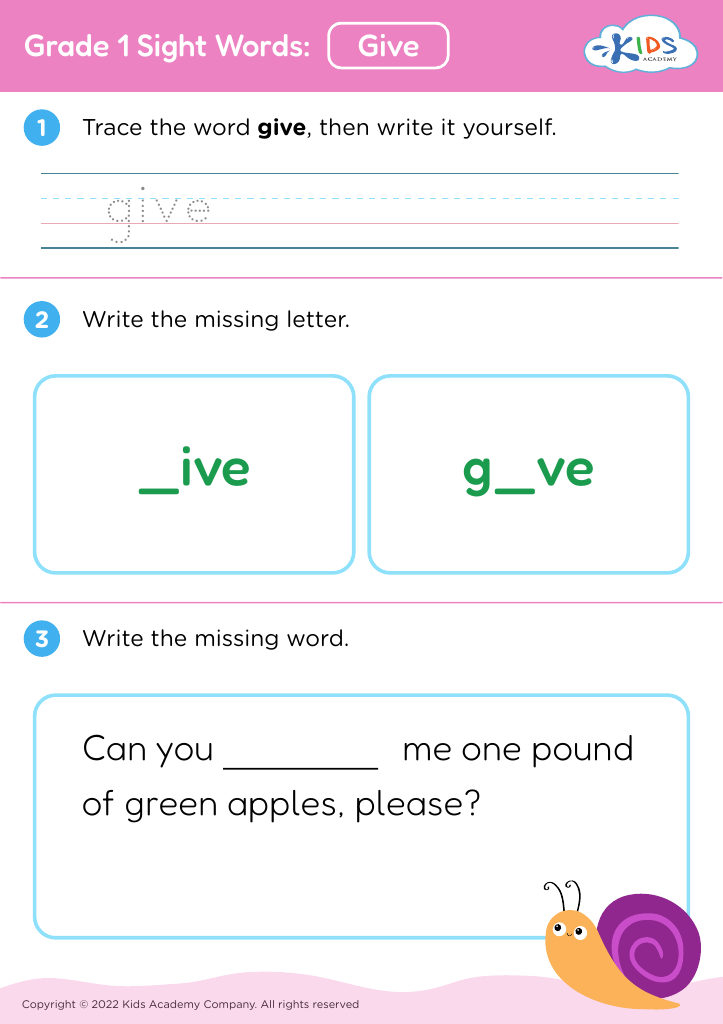
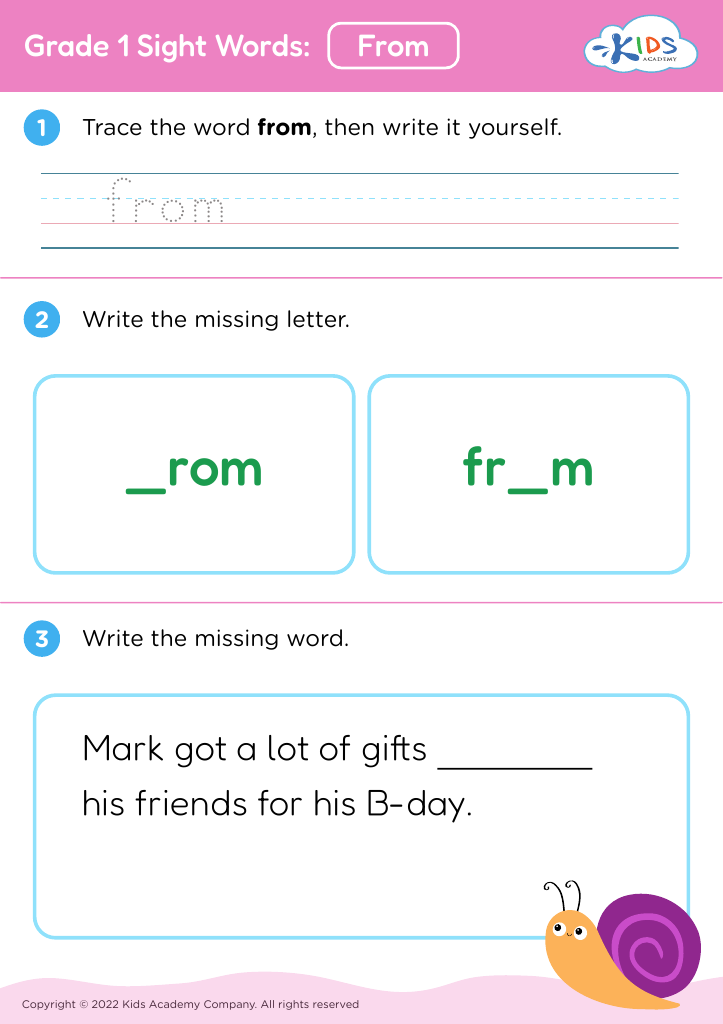
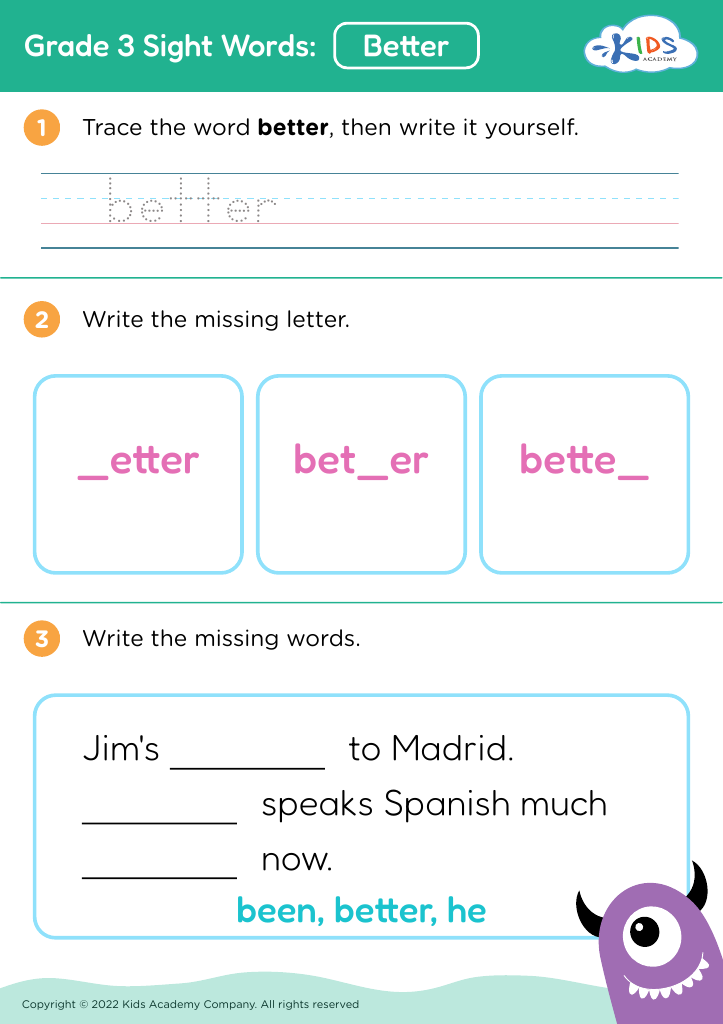






Basic math skills are crucial for children ages 7-8 as they form the foundation for their future academic success and everyday problem-solving abilities. During this developmental stage, children transition from simple counting to understanding more complex concepts such as addition, subtraction, and the beginnings of multiplication and division. Mastering these skills not only fosters confidence but also encourages a positive attitude towards learning mathematics.
Parents and teachers should care about enhancing math skills because these foundational abilities pave the way for more advanced topics in later grades, including algebra and geometry. Early mastery helps children understand relationships between numbers and develop critical thinking and analytical skills. Moreover, in today's data-driven world, proficiency in math is vital for many career paths, making it essential for children to be equipped with these skills from a young age.
Additionally, supporting basic math skills can enhance a child's overall academic performance, as math often correlates with success in other subjects, including science and finance. Investing time and resources in helping children develop strong math skills can empower them to face future challenges confidently and ensure a strong educational experience, setting the stage for lifelong learning.








