Fine Motor Skills Reading Worksheets for Ages 7-8 - Page 2
39 filtered results
-
From - To
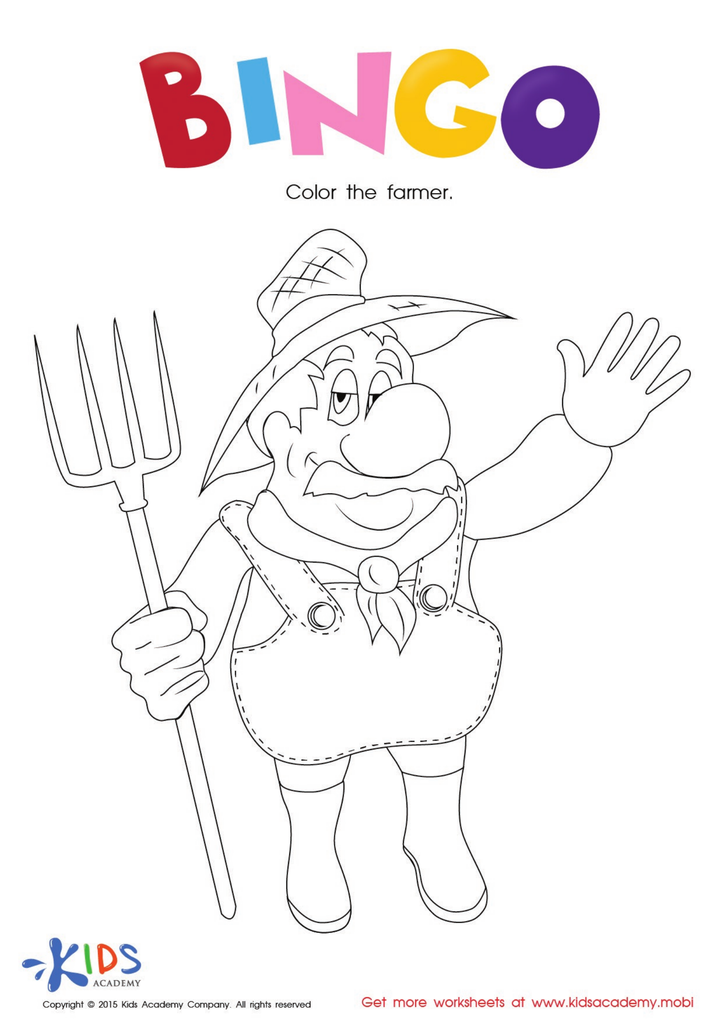
The Bingo Song: Coloring The Farmer Worksheet
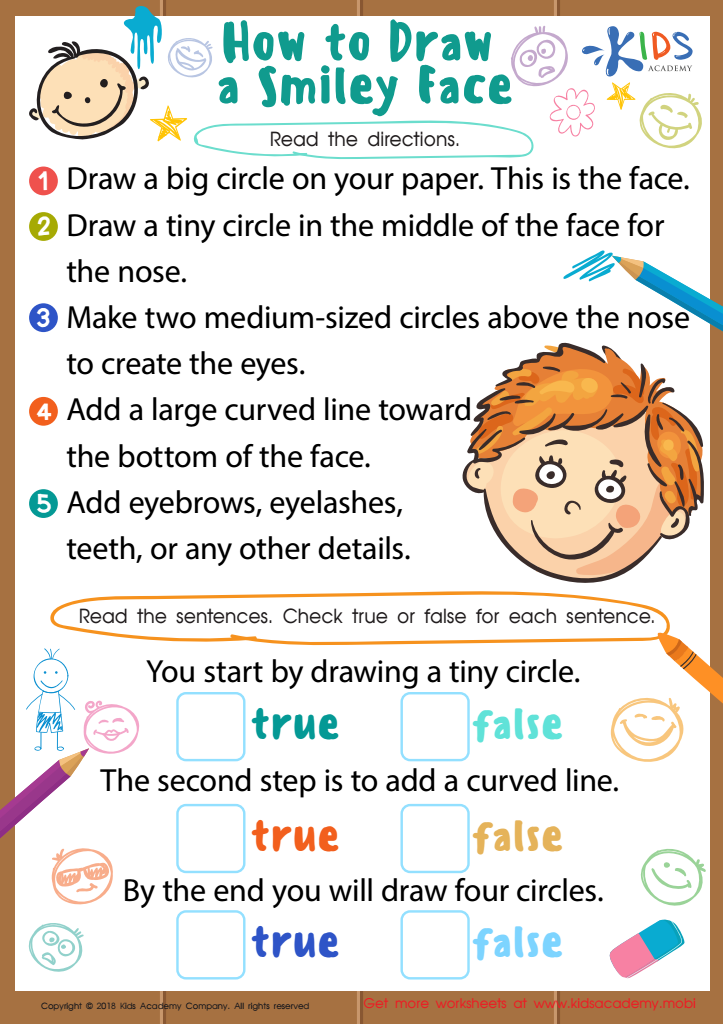
How to Draw a Smiley Face Worksheet

Happy Family Coloring Worksheet
 Assign to My Students
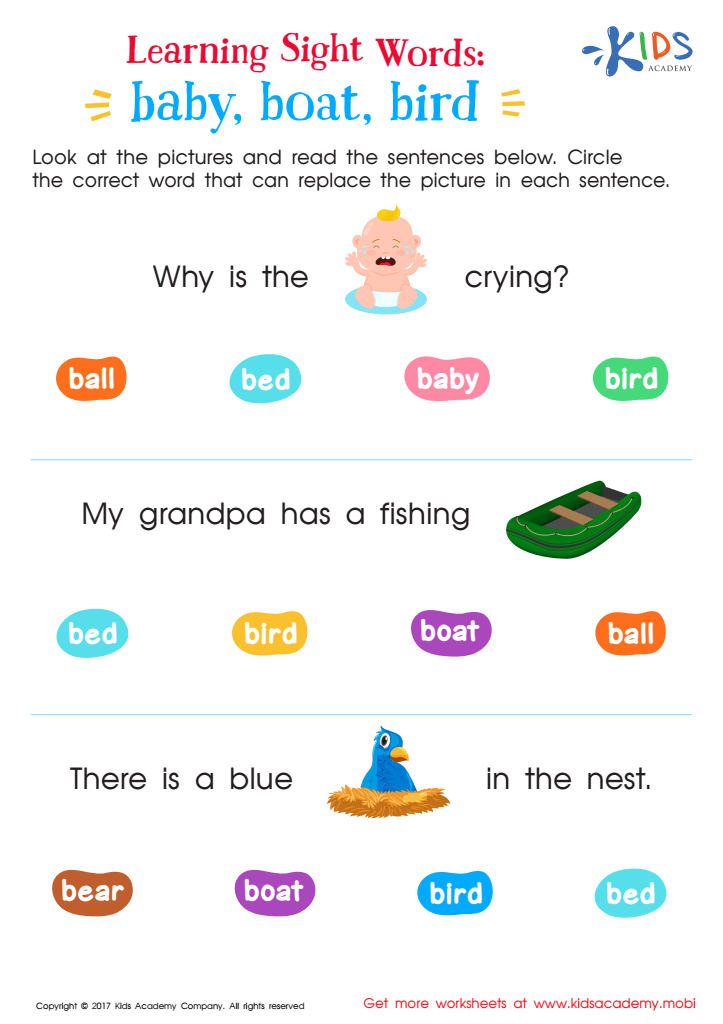
Baby, Boat, Bird Worksheet Sight Words Worksheet
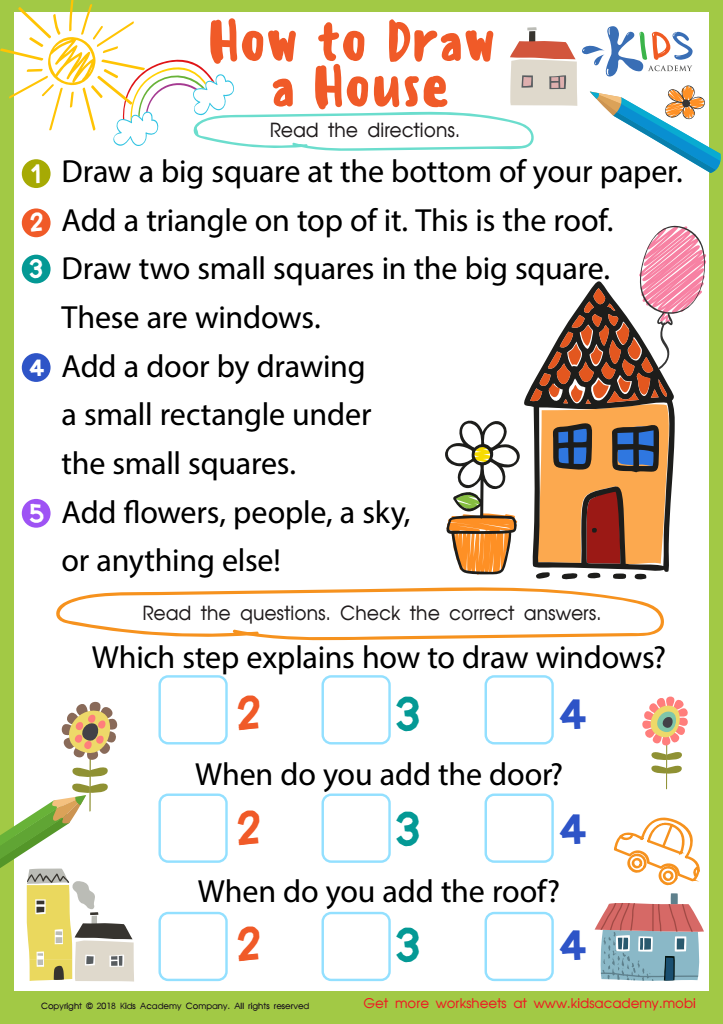
How to Draw House Worksheet

White and Pink Coloring Fun Worksheet
Assign to My Students
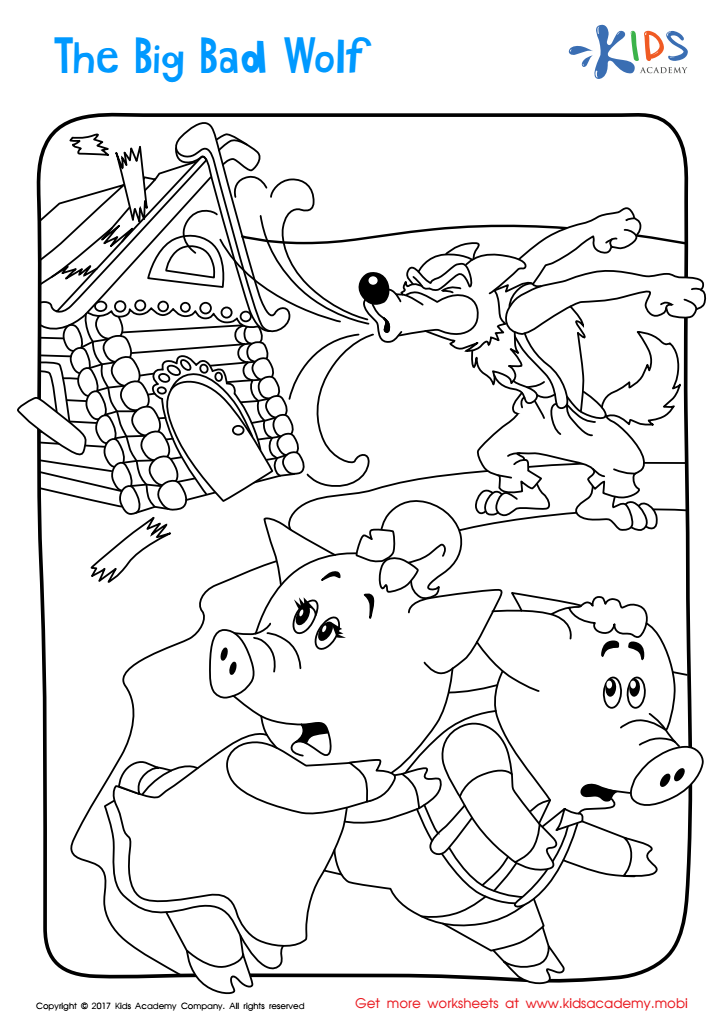
Big Bad Wolf Printable Coloring Page
Assign to My Students

The Bingo Song: Coloring The Dog Worksheet
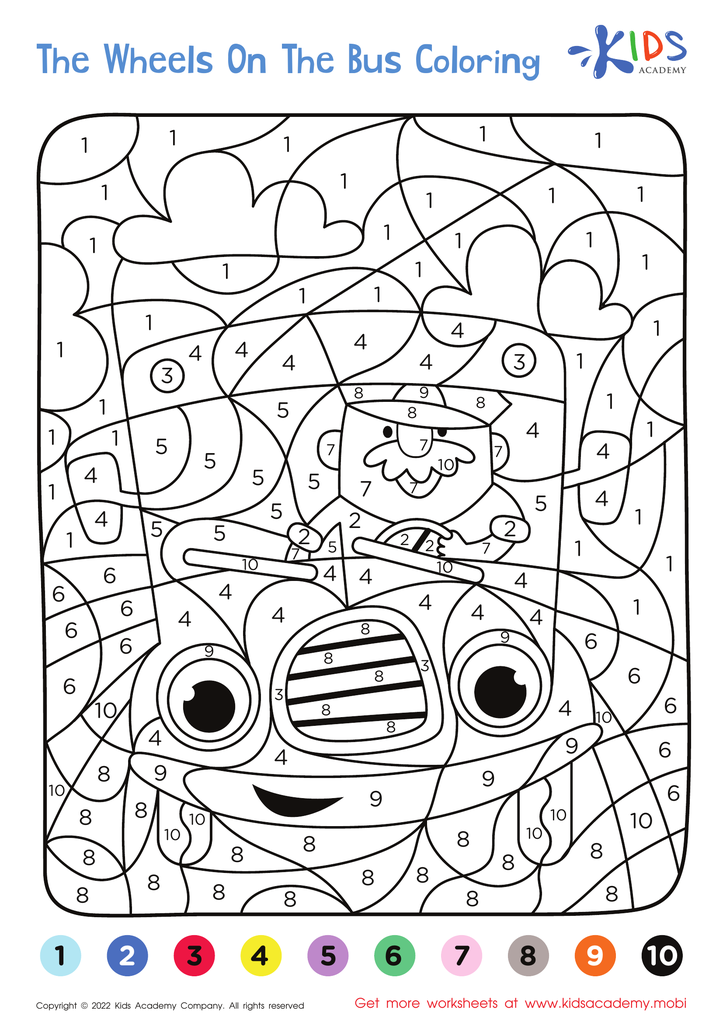
Wheels on the Bus – Coloring by Numbers
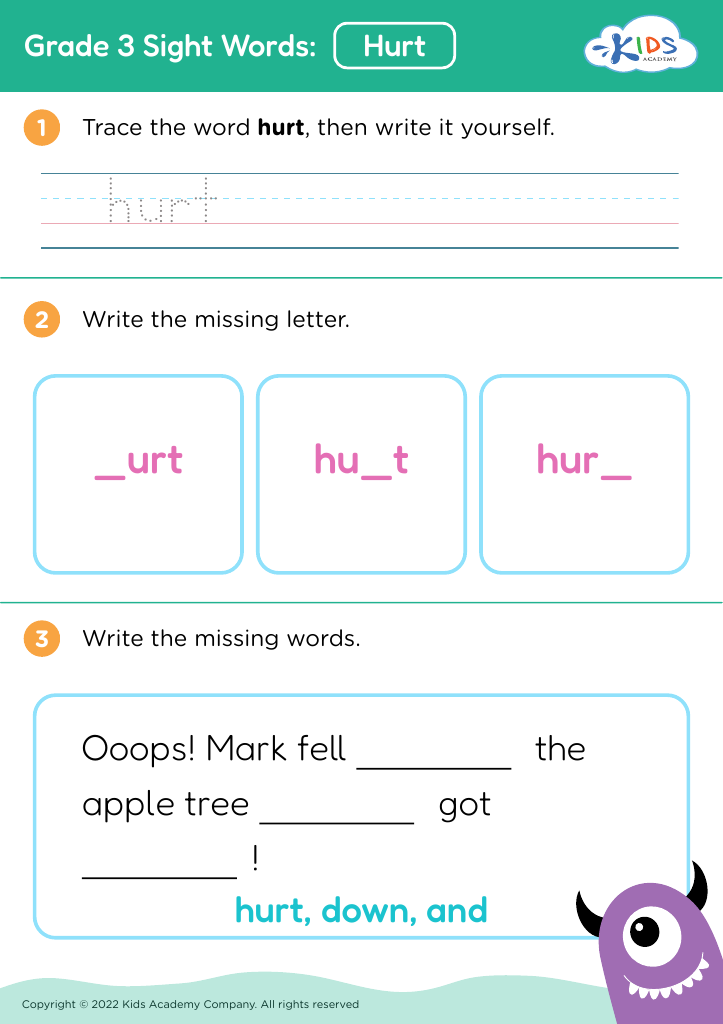
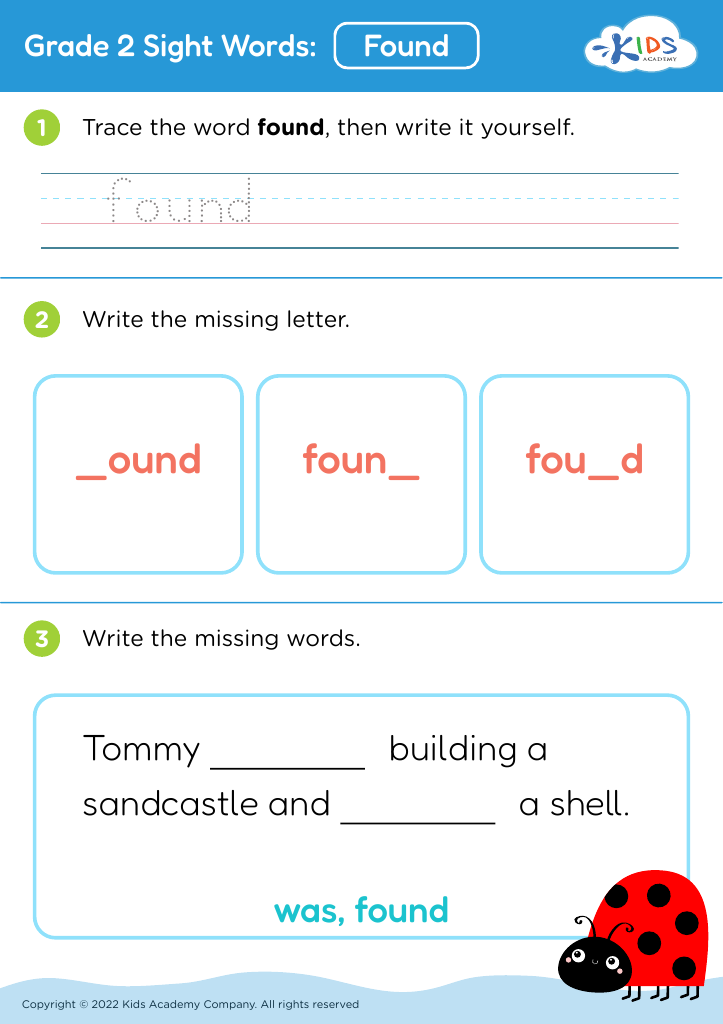
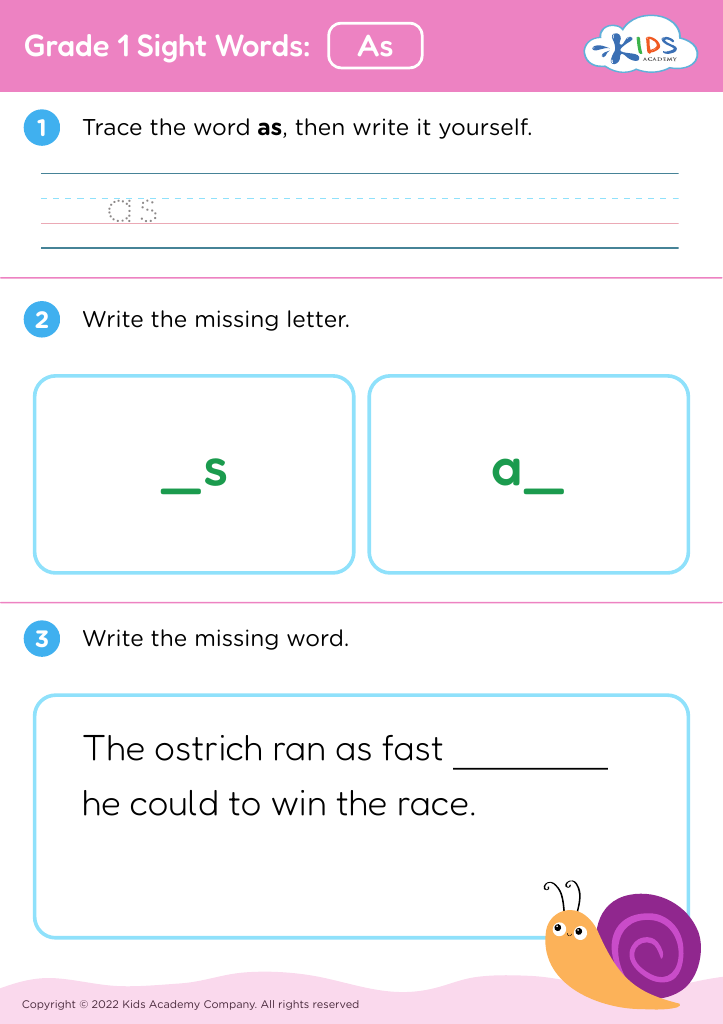
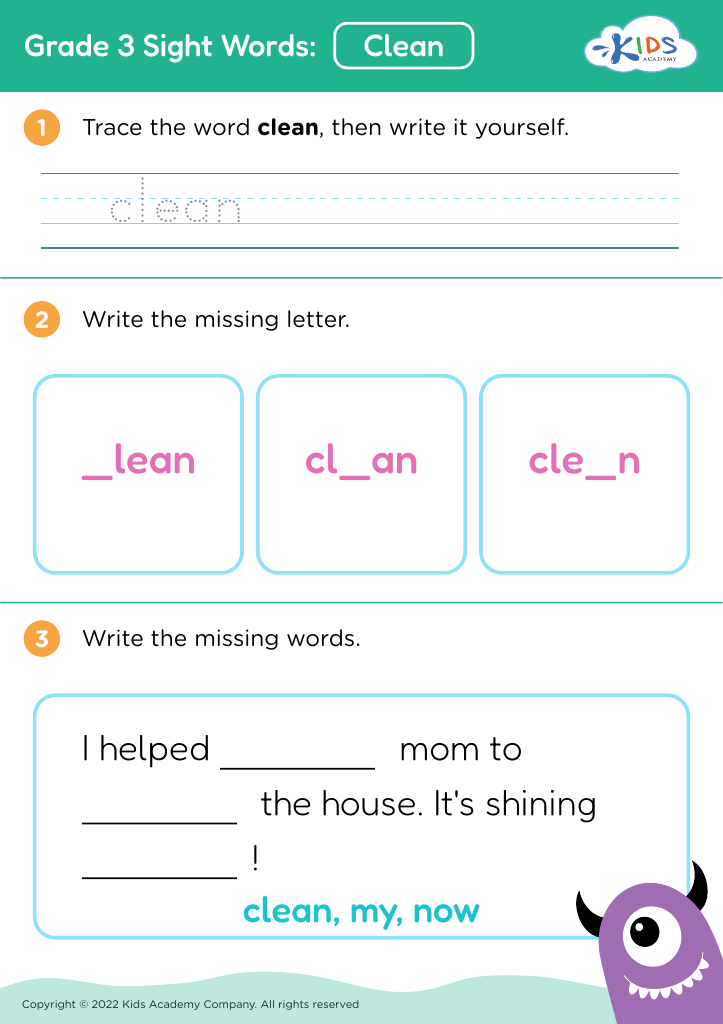








Fine motor skills are crucial for the development of children, particularly in the 7-8 age range, as they underpin many essential activities associated with learning and everyday life. These skills involve the coordinated efforts of the smaller muscles in the hands and fingers, enabling children to perform tasks such as writing, cutting, buttoning, and tying shoelaces.
For parents and teachers, focusing on the development of fine motor skills is particularly significant because these skills are directly linked to academic success. Writing, for example, is a fundamental aspect of education at this stage, and children with well-developed fine motor skills are better equipped to form letters correctly and maintain stamina for longer writing tasks. This can lead to improved handwriting speed, legibility, and overall academic performance.
Additionally, engaging in activities that enhance fine motor skills, such as playing with building blocks, crafting, or using tweezers to pick up small objects, can boost a child's cognitive development, problem-solving abilities, and hand-eye coordination. These activities not only promote physical development but also encourage creativity and concentration, enhancing overall learning experiences.
Thus, prioritizing the development of fine motor skills in children ages 7-8 empowers them to become more competent and confident learners, lays a solid foundation for future educational achievements, and facilitates independence in daily activities.








