Improve reading skills Reading Worksheets for Ages 7-8
10 filtered results
-
From - To
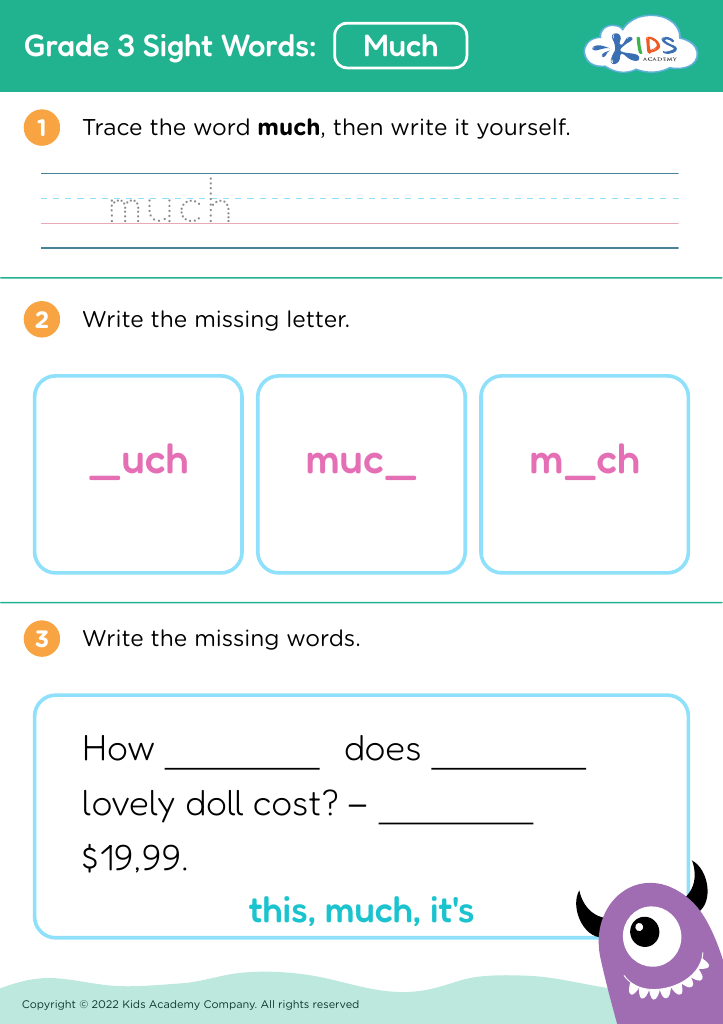
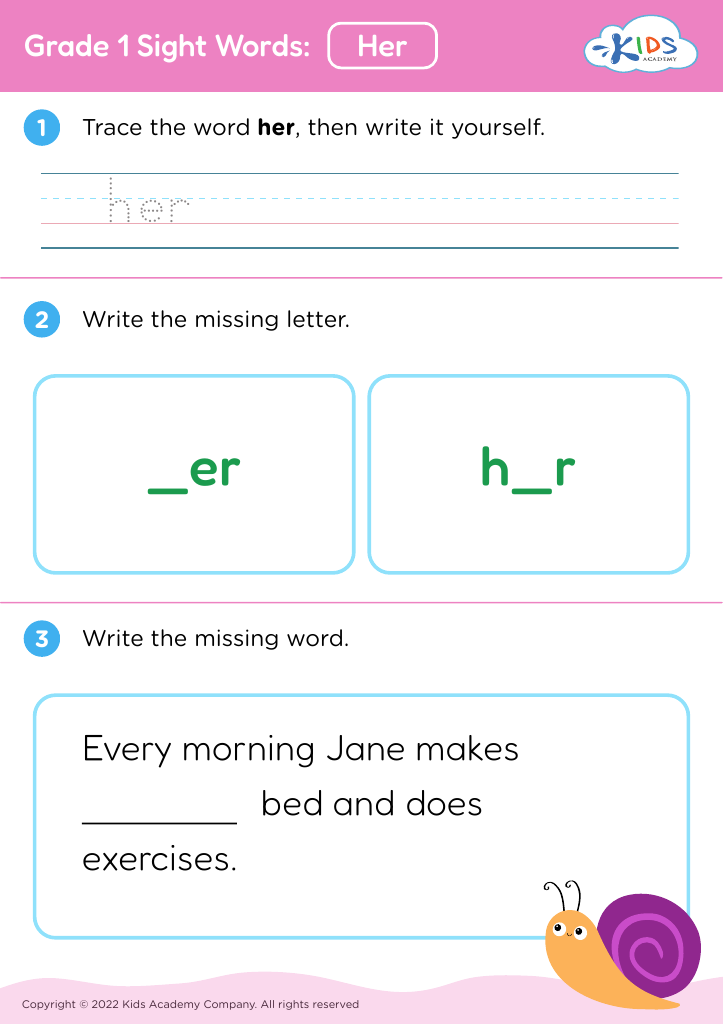
Enhance your child's reading abilities with our engaging worksheets designed specifically for ages 7-8. At Kids Academy, we understand the importance of building solid reading skills in early learners. Our printable worksheets focus on phonics, vocabulary, comprehension, and fluency, providing fun and interactive activities to keep children motivated. With exercises that encourage critical thinking and word recognition, your young reader will gain confidence and skills to excel in their literacy journey. Explore our extensive collection of resources, perfect for classroom or home use, and watch your child’s reading proficiency soar. Transform learning into a joyful experience with Kids Academy!
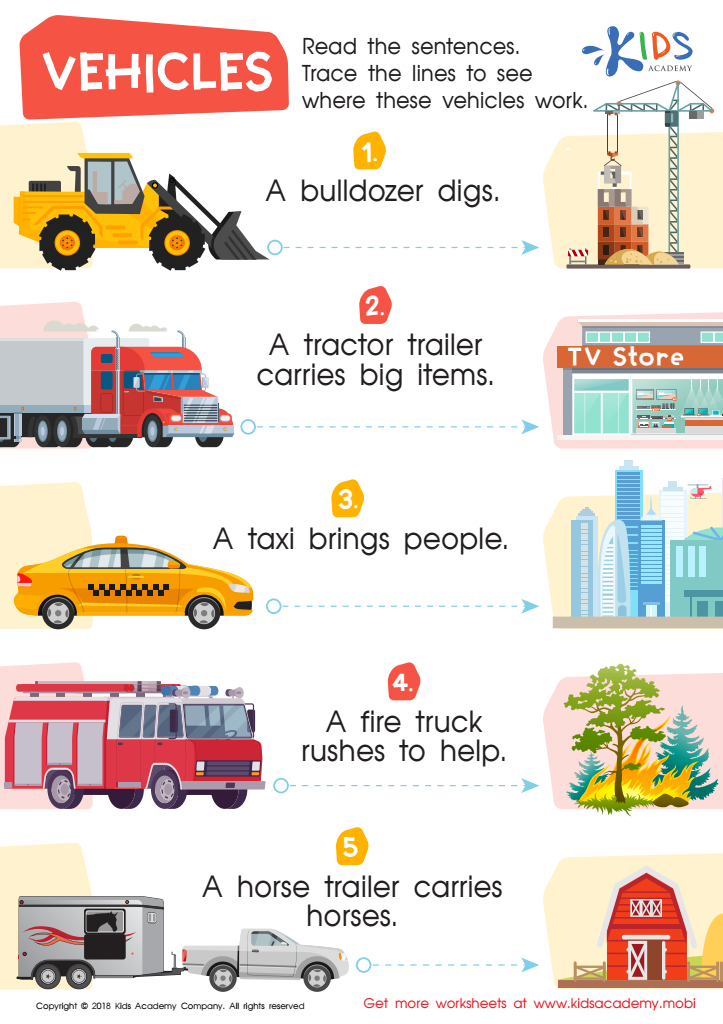
Vehicles Worksheet
 Assign to My Students
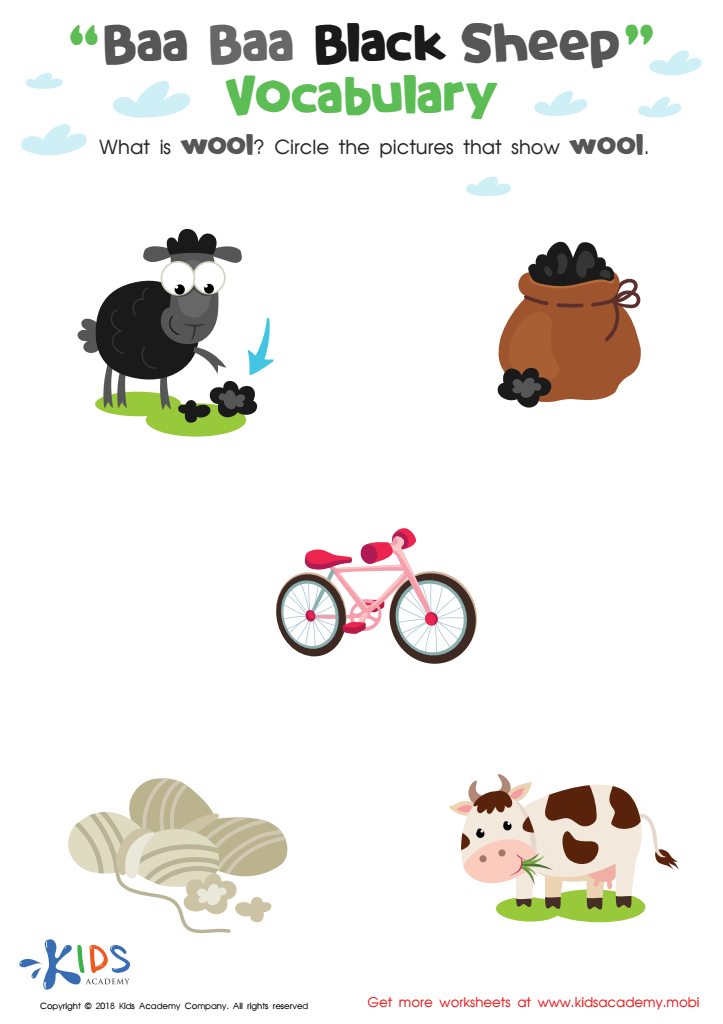
Baa Baa Black Sheep: Vocabulary Worksheet
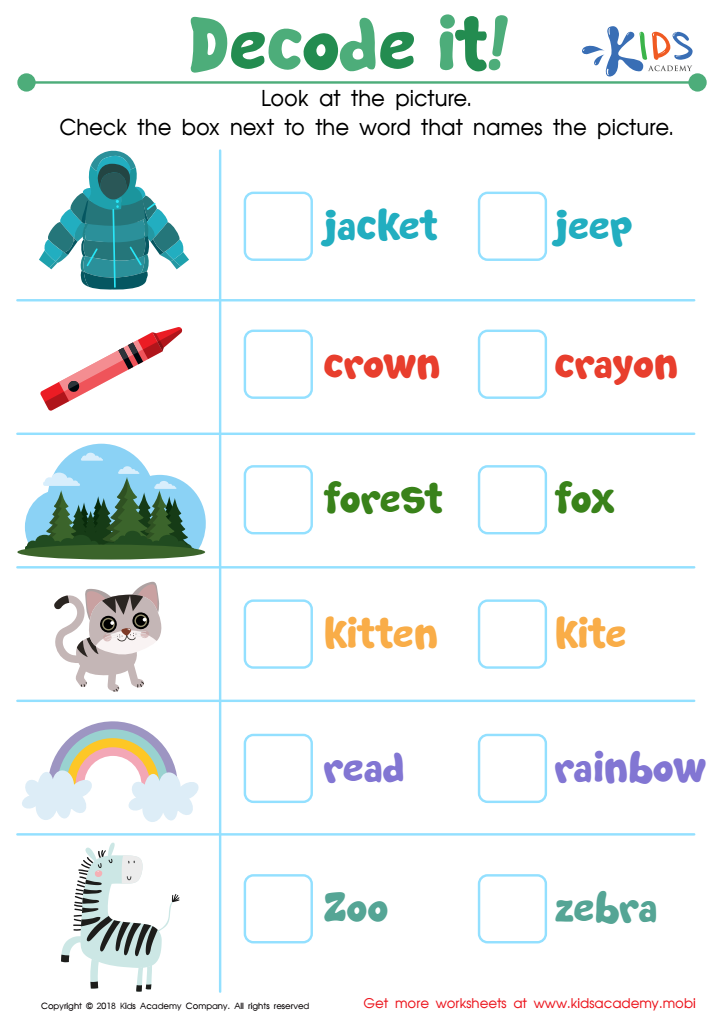
Reading: Decode It Worksheet
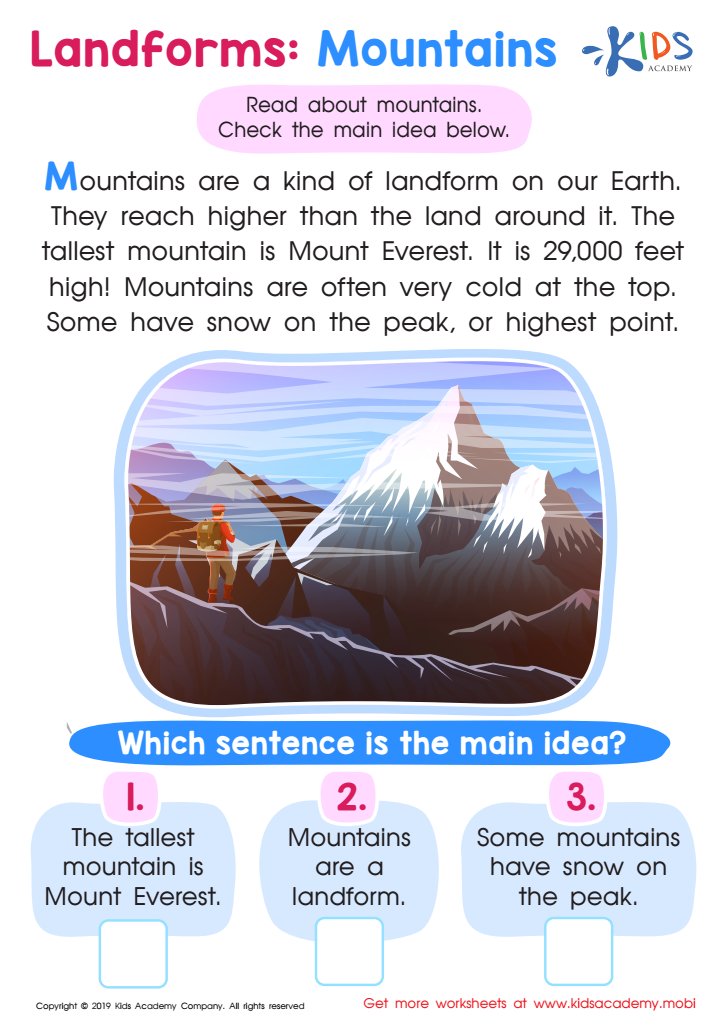
Landforms: Mountains Worksheet
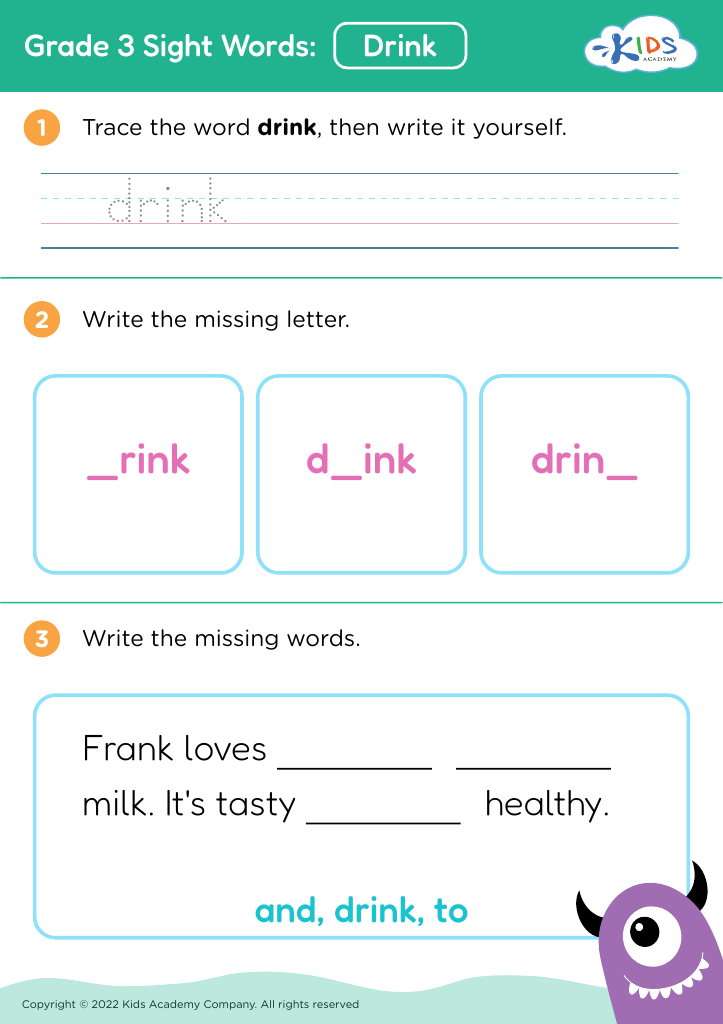
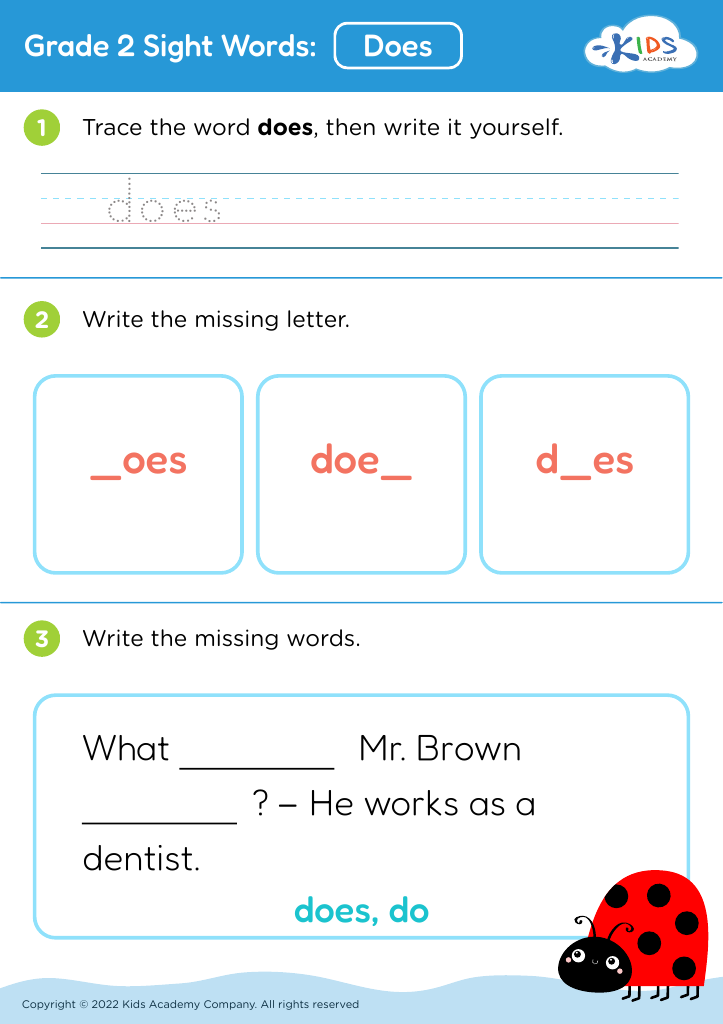
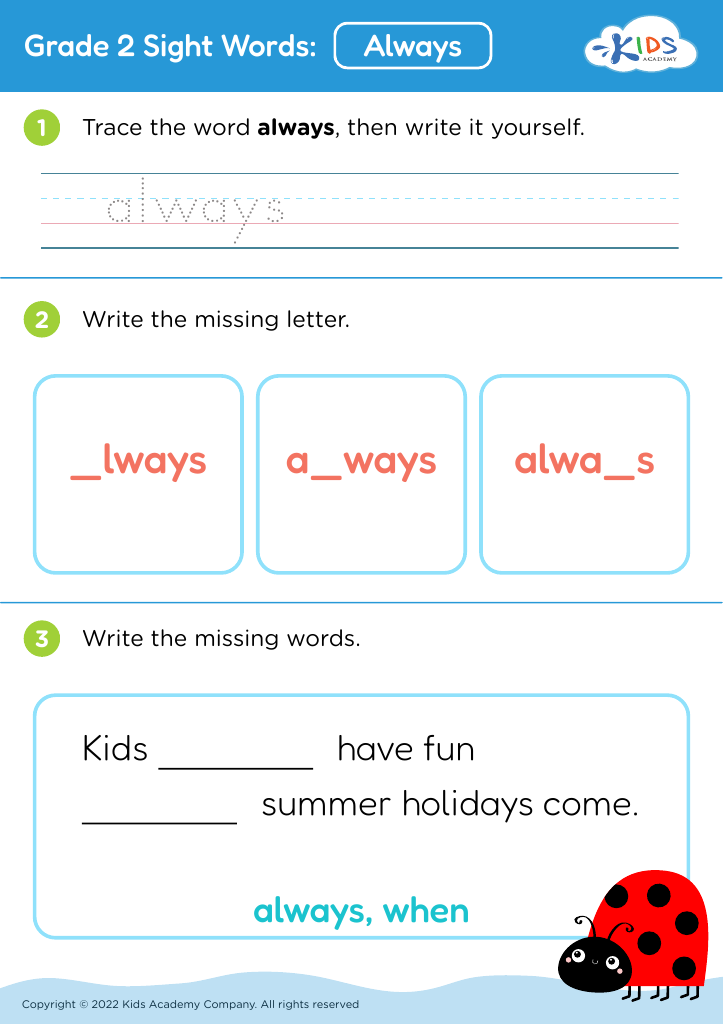
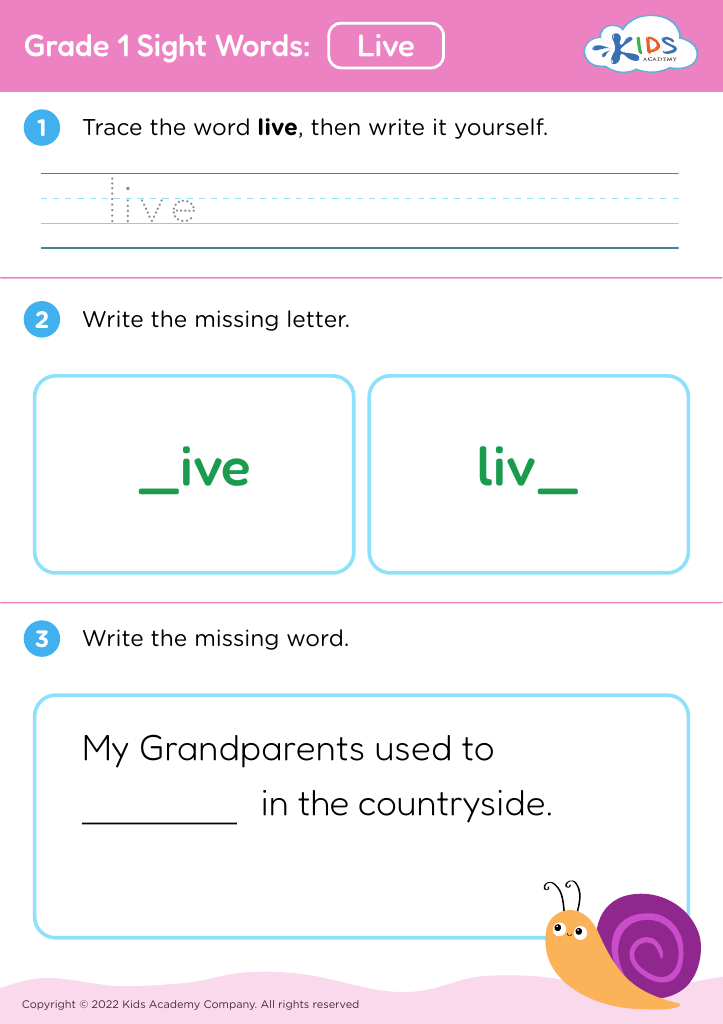







Improving reading skills for children aged 7-8 is vital for their academic and social development. At this age, children transition from learning to read to reading to learn, which means proficient reading skills become essential for comprehending subjects across the curriculum. Strong reading abilities enhance vocabulary, foster critical thinking, and improve comprehension, allowing them to engage fully with a variety of texts.
Parents and teachers play a crucial role in promoting these reading skills. By encouraging daily reading habits, providing diverse reading materials, and creating a supportive learning environment, they help cultivate a love for reading. This love is foundational, as it not only integrates knowledge across disciplines but also boosts self-esteem and confidence in young learners.
Furthermore, proficient reading skills help identify and address any learning challenges early on. Intervention at this stage can significantly alter a child's educational trajectory, ensuring they do not fall behind. In essence, the investment in developing these skills reaps long-term benefits, impacting a child's future educational success, social interactions, and overall quality of life. Therefore, prioritizing reading skills development is a responsibility that aligns with the shared goals of parents and educators in fostering lifelong learners.








