Moral understanding Reading Worksheets for Ages 7-8
6 filtered results
-
From - To
Discover our engaging Moral Understanding Reading Worksheets designed specifically for children aged 7-8. These worksheets help young learners explore essential life lessons and ethical reasoning through captivating stories and relatable scenarios. By integrating moral dilemmas into reading activities, kids enhance their comprehension skills while developing critical thinking and empathy. Each worksheet encourages discussions around values such as honesty, kindness, and respect, making reading both educational and meaningful. Ideal for home or classroom use, our resources foster a love for reading while nurturing a strong moral compass in young minds. Encourage your child's growth with our thoughtfully crafted materials today!
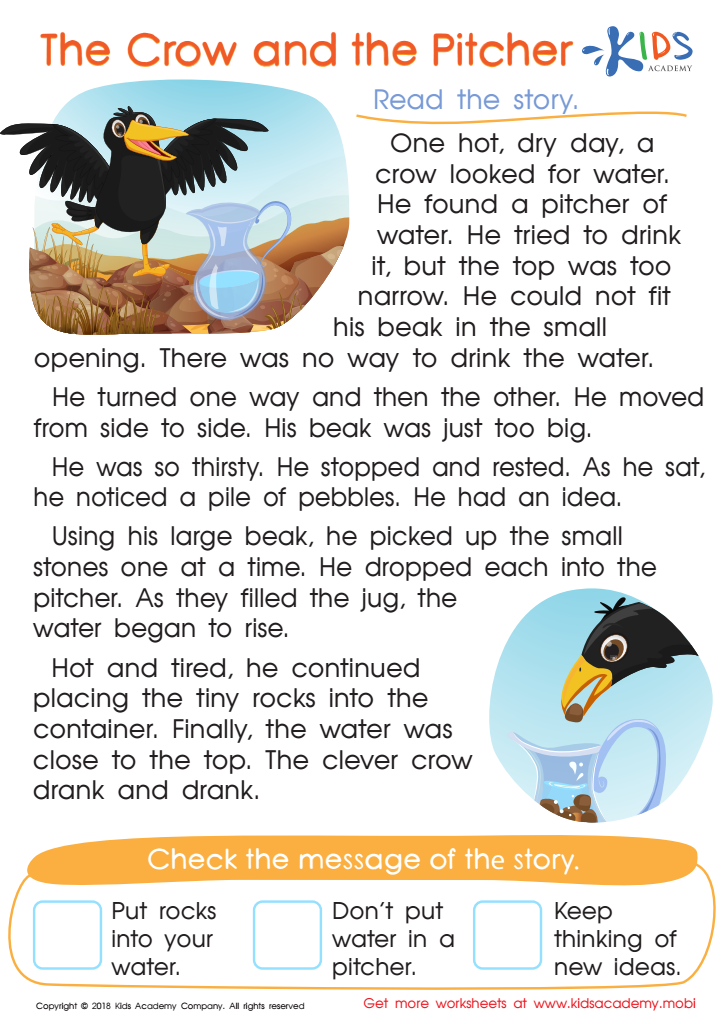
The Crow and the Pitcher Worksheet
 Assign to My Students
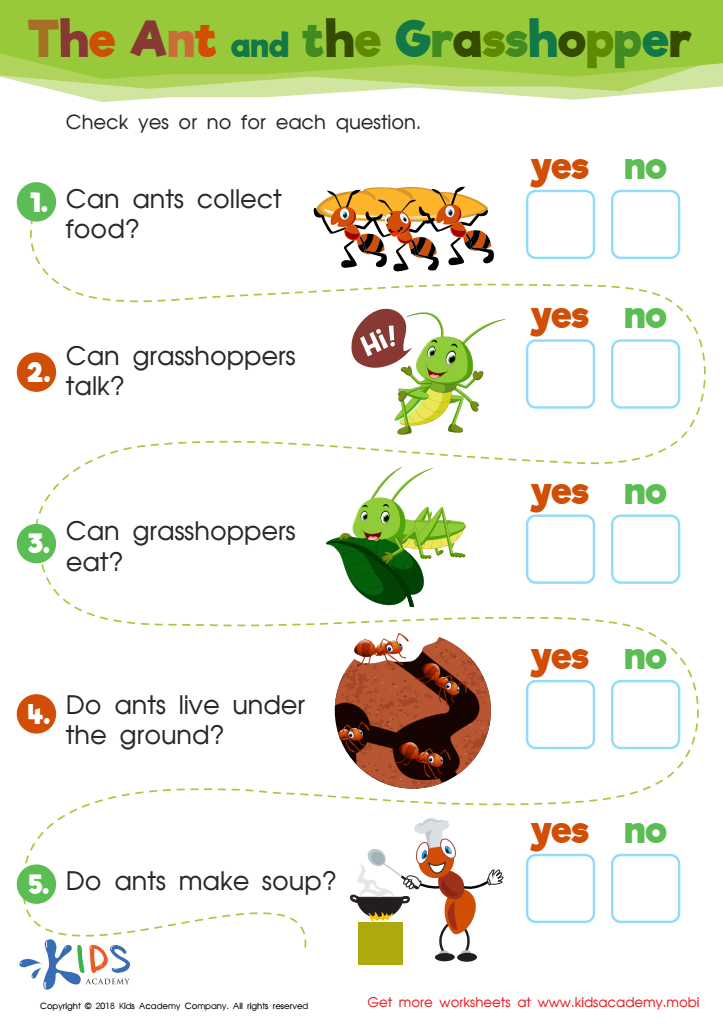
The Ant and The Grasshopper Worksheet
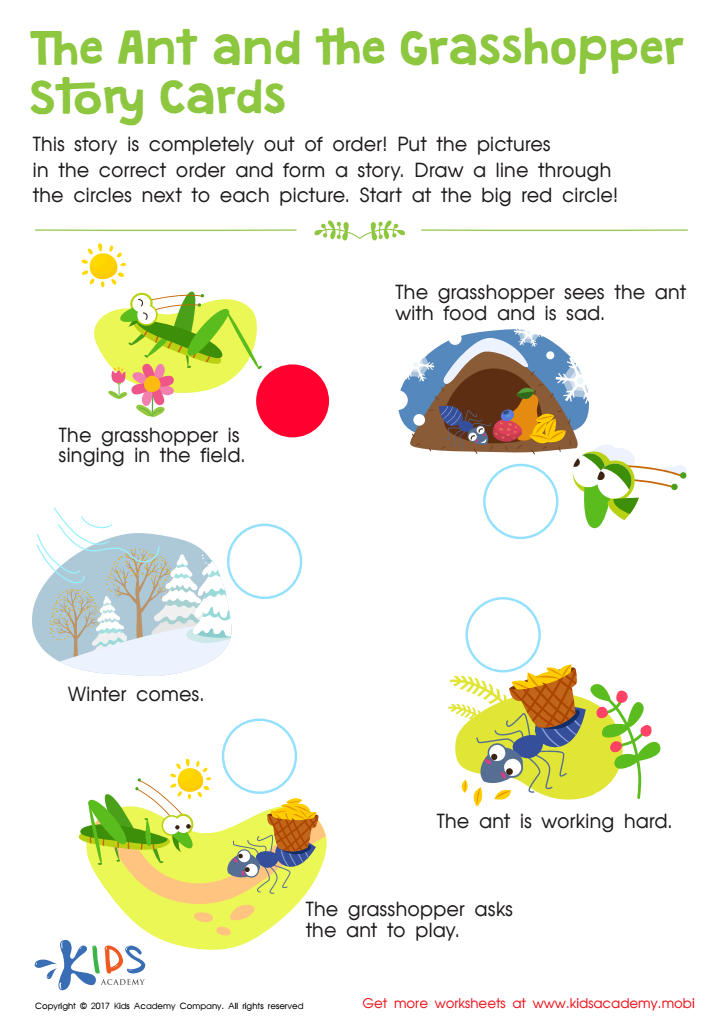
The Ant and The Grasshopper Worksheet
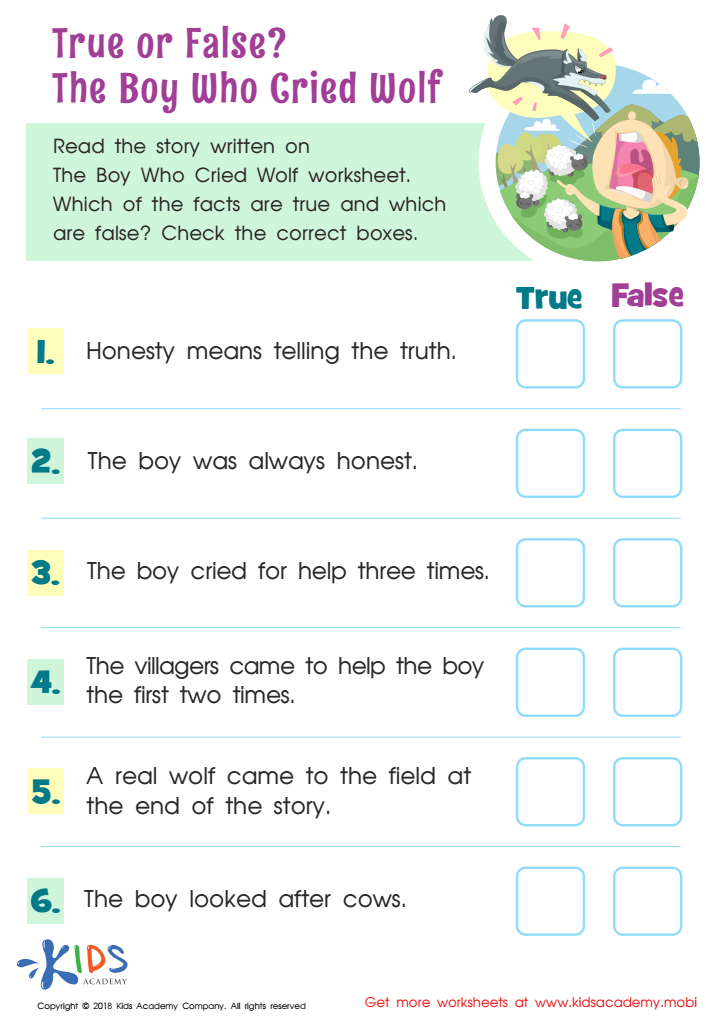
True or False? The Boy Who Cried Wolf Worksheet
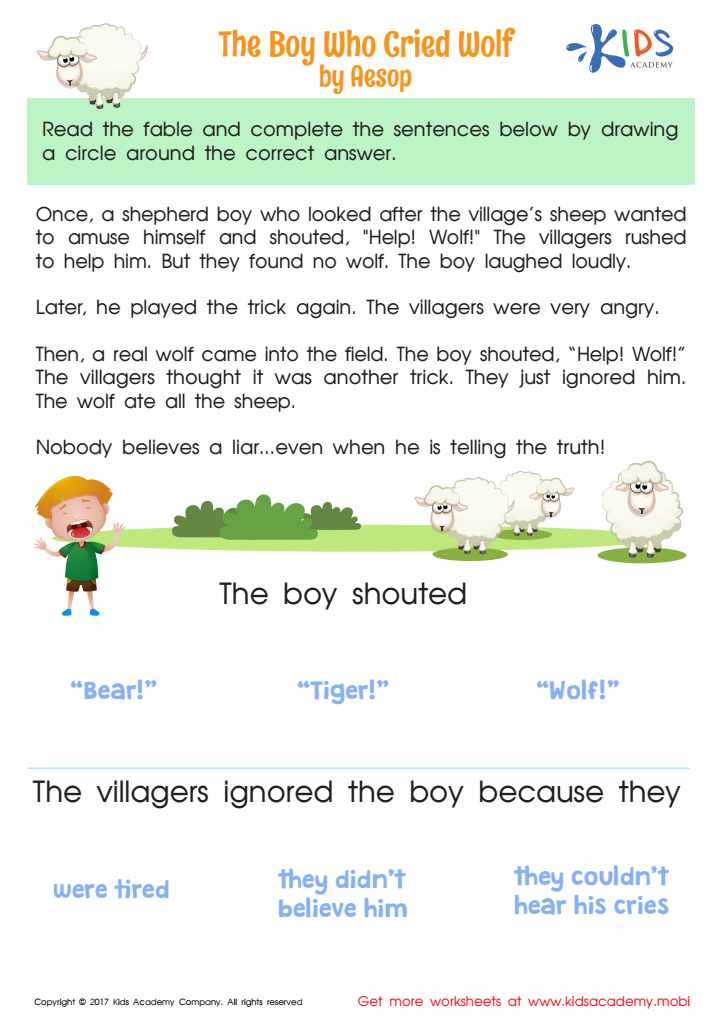
The Boy Who Cried Wolf Worksheet
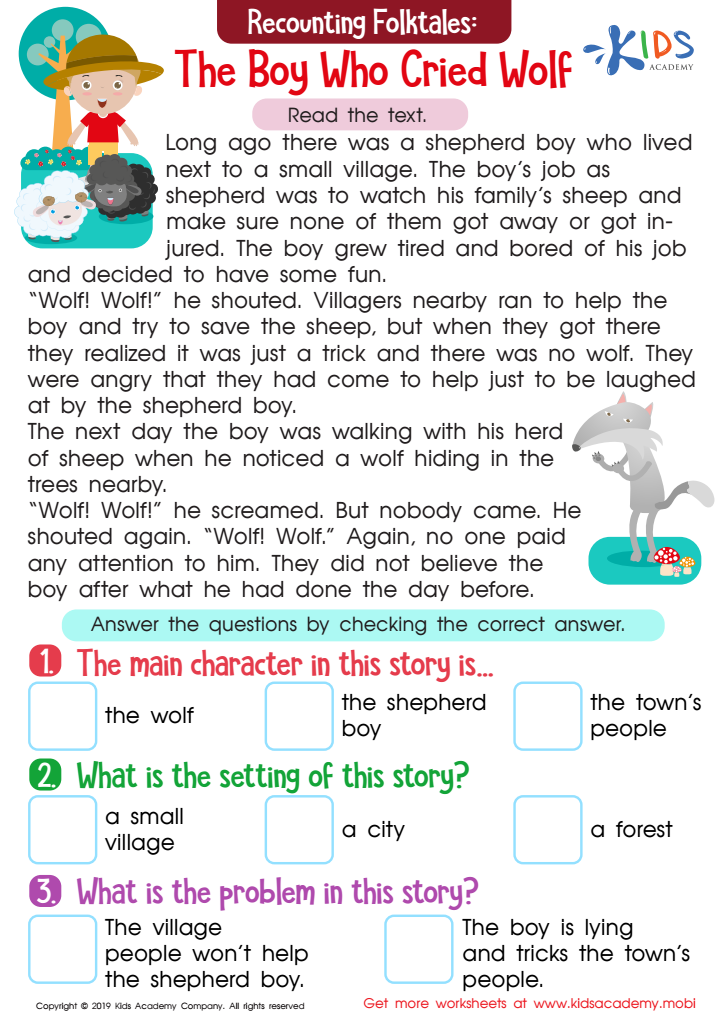
The Boy Who Cried Wolf Part 1 Worksheet







Moral understanding is crucial in the reading development of children aged 7-8, as it shapes their character and social awareness. At this stage, children not only comprehend stories but also begin to analyze characters' motivations, decisions, and their consequences. Engaging with literature that highlights moral dilemmas allows young readers to empathize with diverse perspectives, fostering emotional intelligence and ethical reasoning.
Understanding morality through reading enhances critical thinking skills. As children explore themes of fairness, kindness, and the impact of choices, they develop the ability to discuss values and articulate their thoughts. This dialogue can lead to richer conversations between parents, teachers, and children, reinforcing the lessons learned in literature.
Moreover, cultivating moral understanding through reading promotes a culture of respect and responsibility. Children learn how to navigate social relationships and complex situations in a safe context. By providing access to diverse stories with ethical narratives, parents and teachers can guide children in becoming compassionate, socially aware individuals.
In summary, investing in moral understanding in literacy for 7-8-year-olds equips them with lifelong skills that nurture empathy, character, and critical analytical abilities—preparing them not just as students, but as conscientious members of society.








