
Number Recognition Reading Worksheets for Ages 7-8
26 filtered results
Difficulty Level
Grade
Age
-
From - To
Subject
Activity
Standards
Enhance your child's number recognition skills with our engaging Number Recognition Reading Worksheets designed for ages 7-8. These printable resources offer a fun and interactive way to familiarize young learners with numbers through captivating illustrations and relatable themes. Each worksheet features a mix of activities, including matching, tracing, and filling in the blanks, which reinforce number identification in a meaningful context. Perfect for supplementary learning at home or as part of classroom activities, our worksheets encourage active participation while building confidence in numeracy skills. Help your child master number recognition in an enjoyable and effective way with Kids Academy’s comprehensive worksheets!
Favorites
With answer key
Interactive
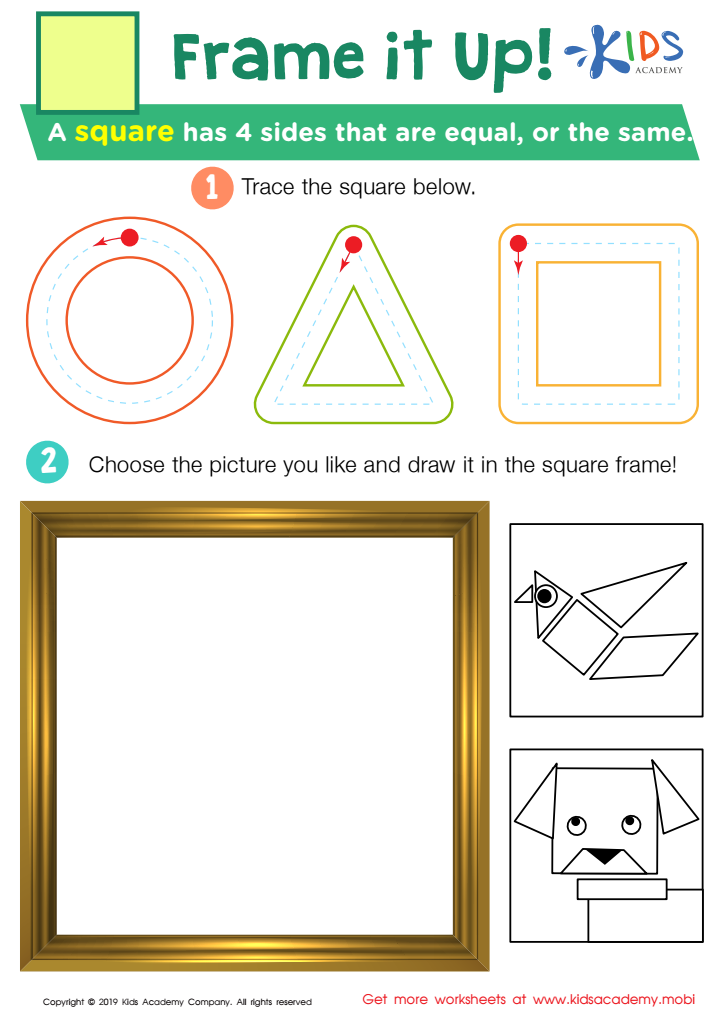
Frame it Up Worksheet
This worksheet helps kids learn the difference between squares and other shapes. It guides them to trace a square and draw a picture inside it. Examples of shapes-based drawings are included. Kids will have fun and clear up any confusion about squares.
 Assign to My Students
Frame it Up Worksheet
Worksheet
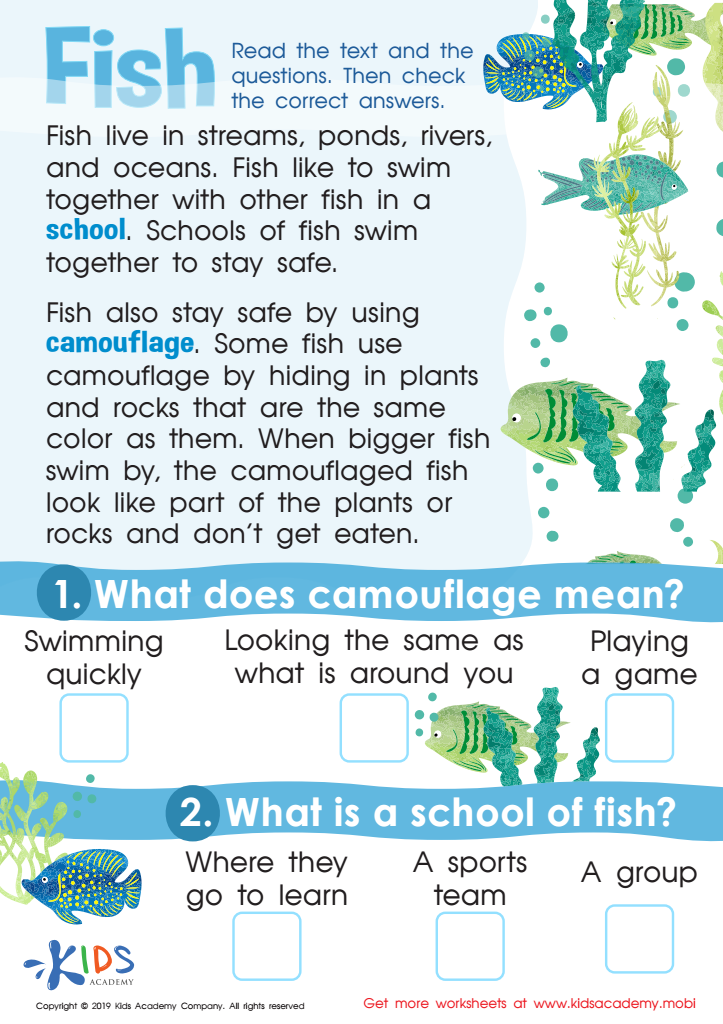
Fish Worksheet
Kids love learning about the creatures that live in water! This free PDF worksheet covers fish, teaching kids larger vocabulary and contextual reading comprehension. Questions prompt them to choose the right answer from multiple choices, just like in a classroom. It's a fun way to boost their reading skills and comprehension without them even realizing it!
Fish Worksheet
Worksheet
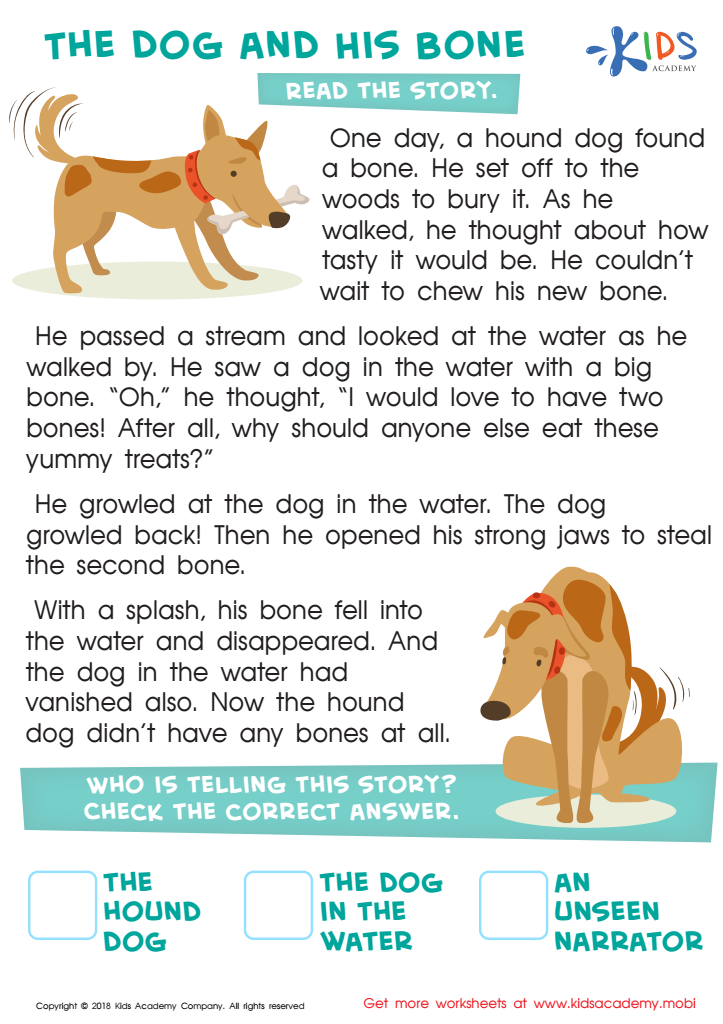
The Dog and His Bone Worksheet
Read the story of The Dog and His Bone to your kids, making sure they take in the details. Ask them the questions in this worksheet and help them check the answers. Encourage them to think carefully.
The Dog and His Bone Worksheet
Worksheet
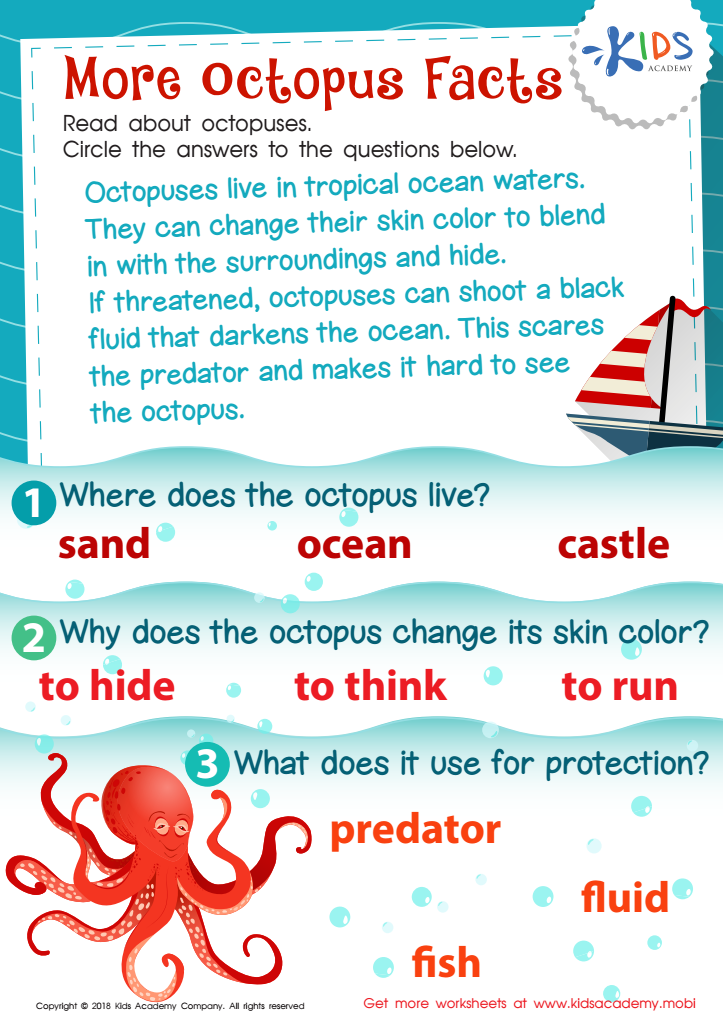
More Octopus Facts Worksheet
This worksheet will help your kids learn about the Octopus. Read the text carefully and have kids read with you. Now, ask them questions based on it and help them answer them by circling the right choices. Teaching your kids facts about animals will help them in the long run.
More Octopus Facts Worksheet
Worksheet
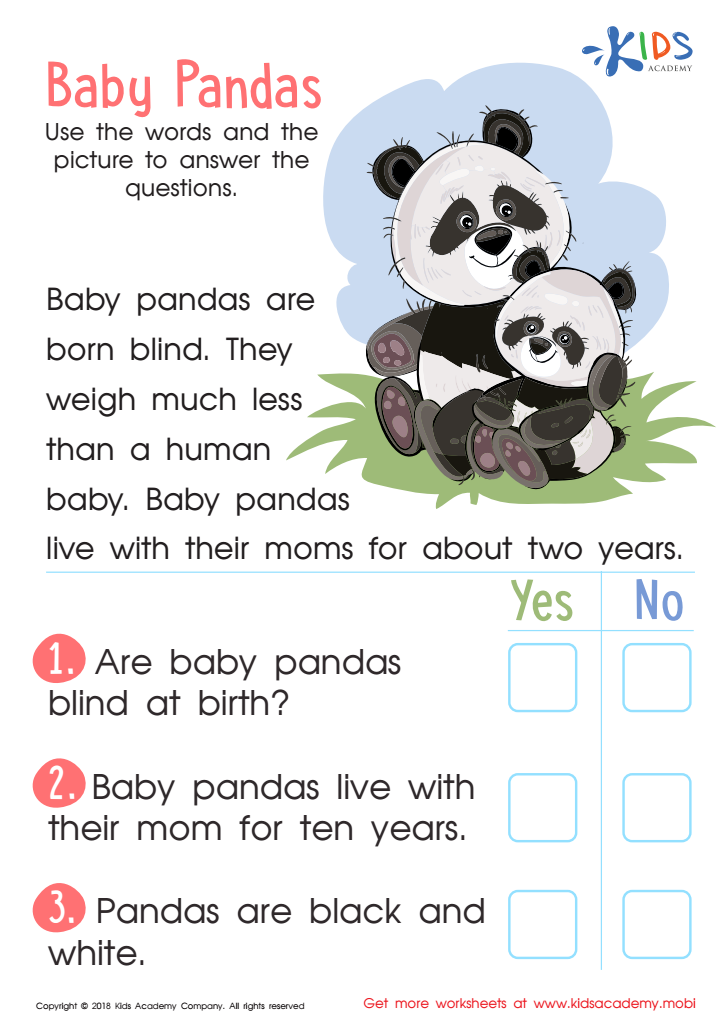
Baby Pandas Worksheet
Kids can't usually see pandas in person, but they can learn more about them with this fun worksheet! It includes a passage and picture, plus questions at the end to check kids' reading comprehension. Just ask them to read the text, check the "yes" and "no" boxes, and enjoy the fascinating facts about baby pandas!
Baby Pandas Worksheet
Worksheet
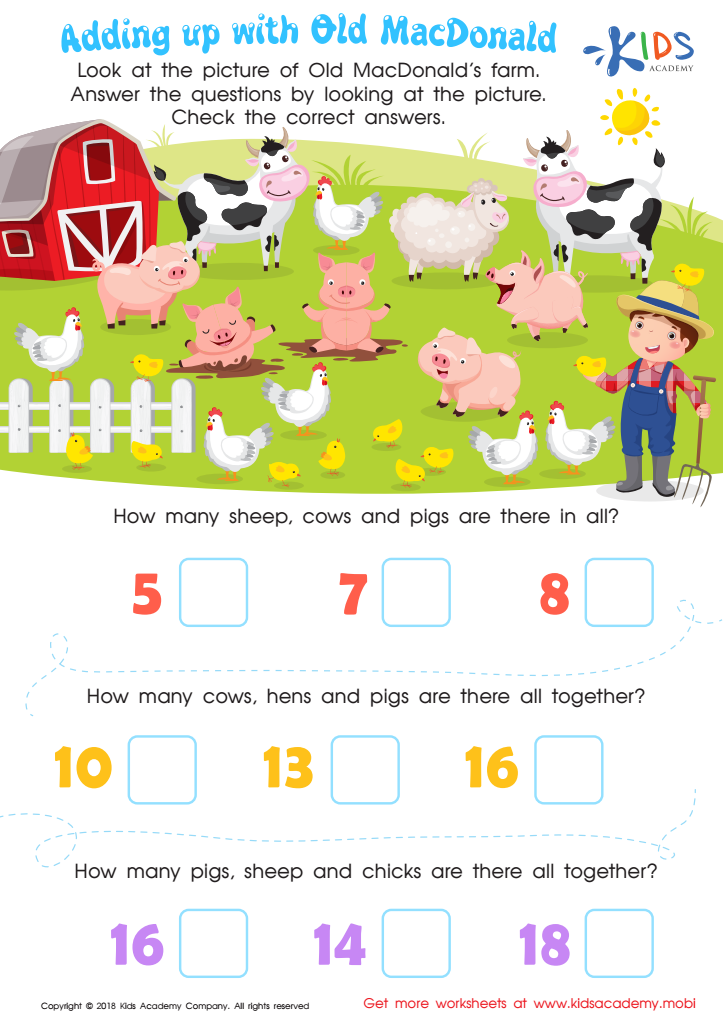
Adding Up with Old MacDonald Worksheet
Old MacDonald needs help counting his animals! Give your little math whiz a fun challenge with a free PDF worksheet. They'll love counting the animals and doing basic addition with two or three addends. Who knew math could be so much fun on the farm?
Adding Up with Old MacDonald Worksheet
Worksheet
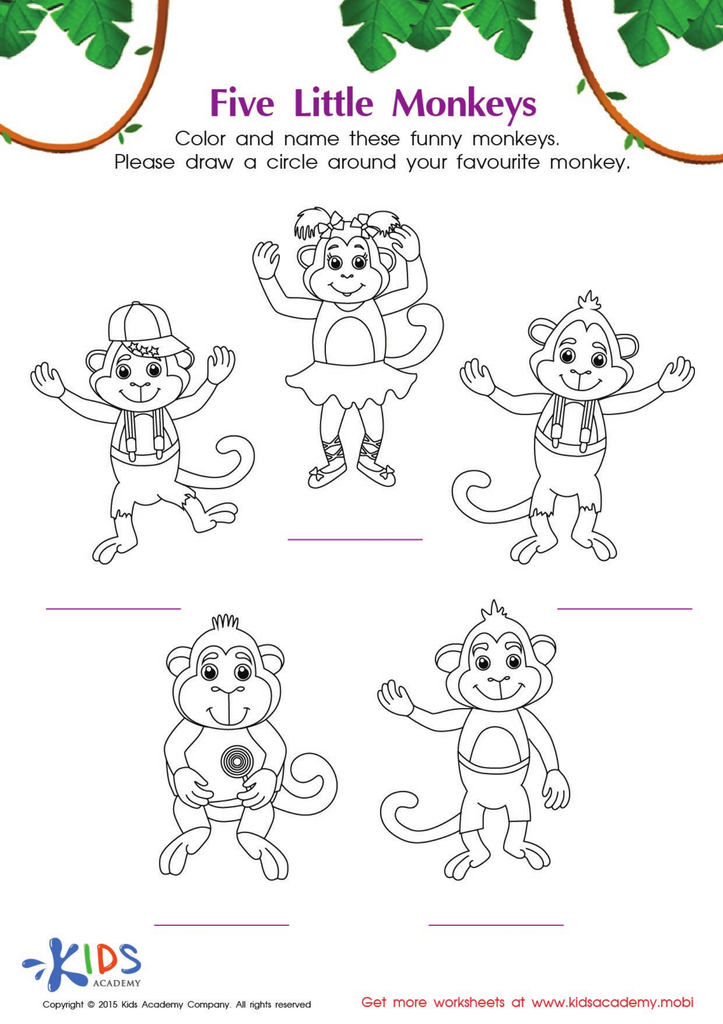
The Five Little Monkeys Coloring Worksheet
Let your child have fun coloring these naughty yet adorable little monkeys! Print out this page and encourage your kid to invent names and write in the names. Sing the Five Little Monkeys nursery rhyme and check out more coloring pages on Kids Academy!
The Five Little Monkeys Coloring Worksheet
Worksheet
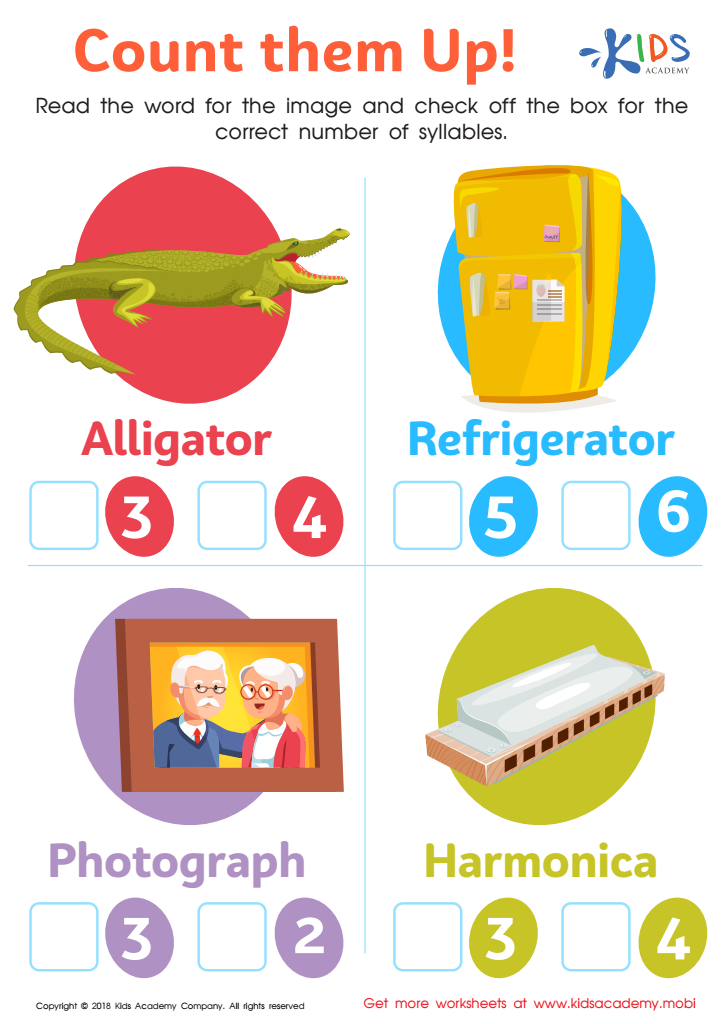
Count Them Up Worksheet
This worksheet has four colorful pictures. Ask your students to identify and name each image, then count the syllables in the word. Make them repeat the word after you, and check off the box with the correct number of syllables. Mastering the art of counting goes beyond numbers. Get your students counting syllables with this activity!
Count Them Up Worksheet
Worksheet
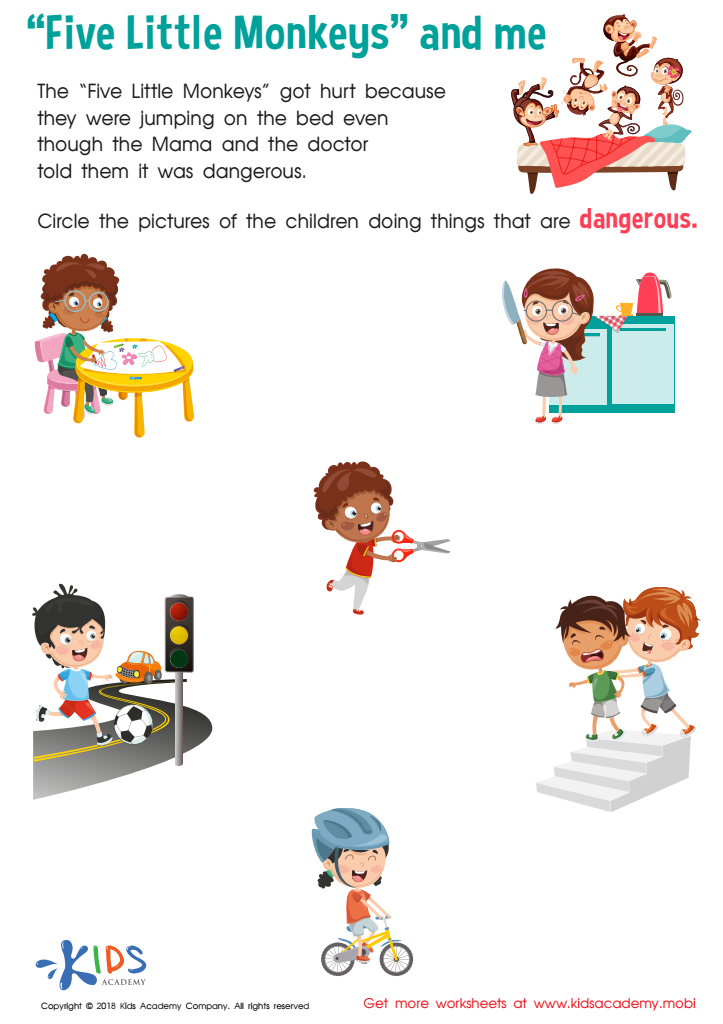
Five Little Monkeys and Me Worksheet
This free PDF worksheet provides preschoolers an understanding of danger and appropriate play. It allows them to recognize dangerous situations and why they can be risky, granting kids perspective from both parents and teachers. It's a fun, safe way to help them internalize what's dangerous and what's not.
Five Little Monkeys and Me Worksheet
Worksheet
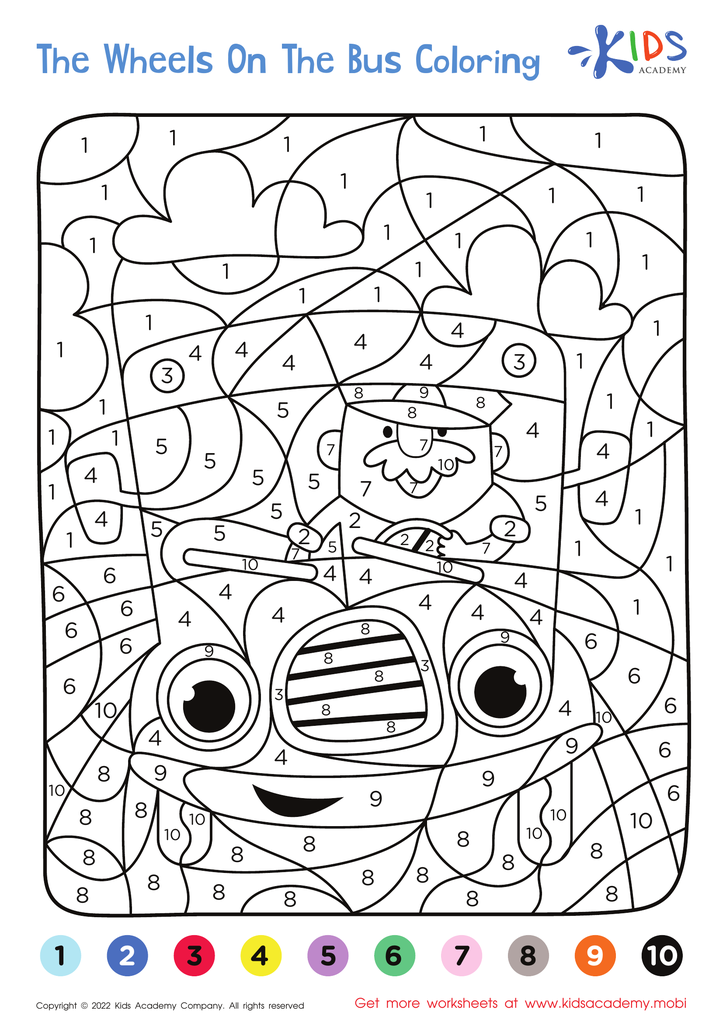
Wheels on the Bus – Coloring by Numbers
Download our free PDF page to color in the bus driver! Simply print, find the right colors, and start creating some fun! Have a great time and don't forget to share your masterpiece with us!
Wheels on the Bus – Coloring by Numbers
Worksheet
Join Kids Academy for Free
Who is primarily going to use this learning content?






Number recognition reading is a crucial skill for children aged 7-8, as it forms the foundation for their overall mathematical understanding and literacy. At this age, students begin to interact with more complex math concepts, such as addition, subtraction, and even basic multiplication. When children can recognize numbers quickly and accurately, they are better equipped to solve problems, analyze information, and grasp essential math patterns.
For parents and teachers, fostering number recognition is essential in building confidence in young learners. Recognizing numbers helps children follow directions in a classroom and understand everyday tasks involving numbers, like telling time, measuring ingredients in cooking, or managing money. Additionally, number recognition supports the development of critical thinking skills, as children begin to make connections between numbers and real-life situations.
Moreover, a strong foundation in number recognition can impact overall academic performance. Students with solid number recognition skills tend to excel not just in math but in other subjects requiring analytical thinking. By prioritizing number recognition reading, parents and teachers help children develop a comprehensive skill set that is vital for their educational growth and everyday life. Recognizing the importance of this skill ensures children are well-prepared for future learning endeavors.








