Phonics practice Reading Worksheets for Ages 7-8
5 filtered results
-
From - To
Our Phonics Practice Reading Worksheets for Ages 7-8 are designed to boost young learners' reading skills through engaging exercises. Each worksheet focuses on essential phonics concepts, helping children improve their understanding of letter sounds, word patterns, and phonemic awareness. These activities aim to strengthen their foundational reading abilities while making learning enjoyable and effective. Perfect for use at home or in the classroom, these printable worksheets provide valuable practice for mastering early reading skills. Developed by education experts, our resources ensure your child advances confidently in their reading journey. Download and print now to support your child's literacy growth.
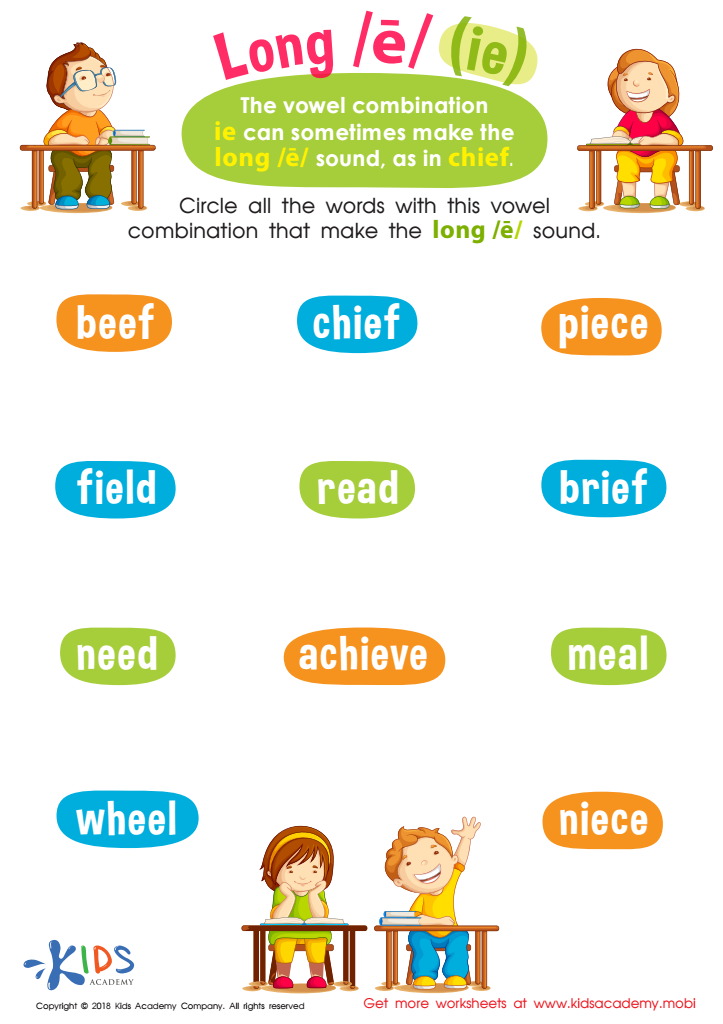
Reading: Long E and IE Worksheet
 Assign to My Students
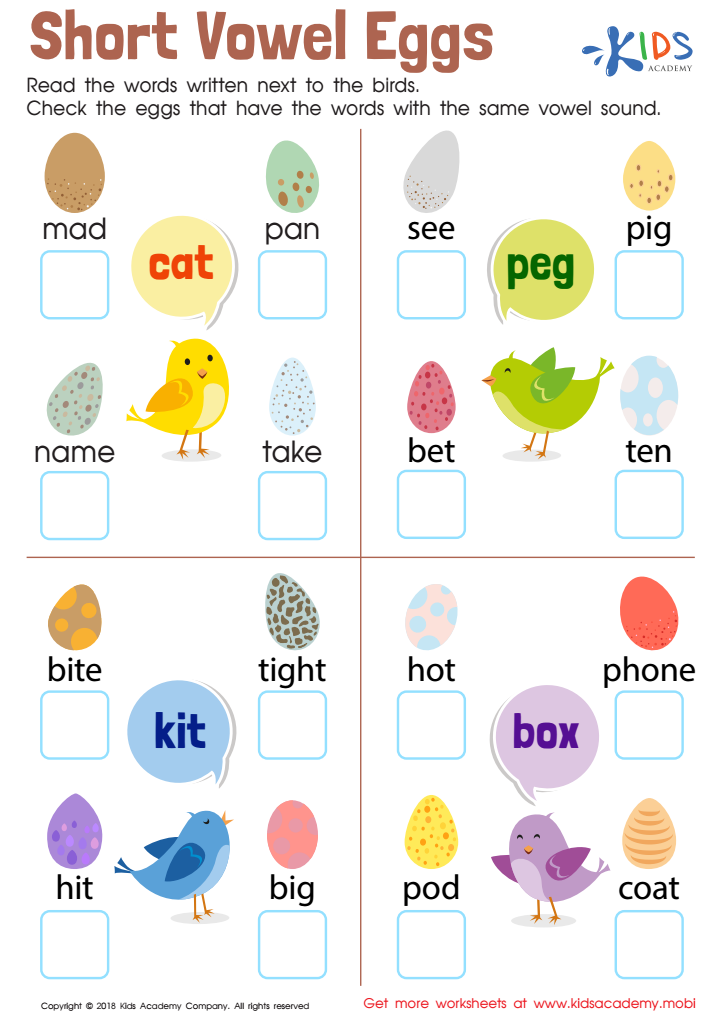
Short Vowel Eggs Worksheet
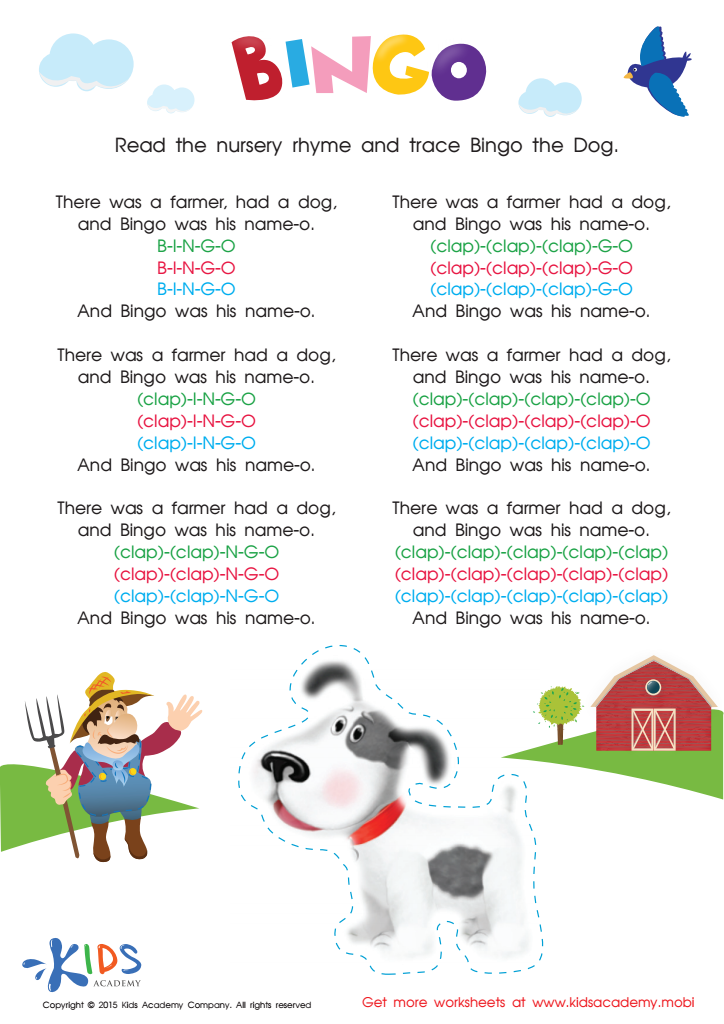
Nursery Rhymes: The Bingo Song Worksheet
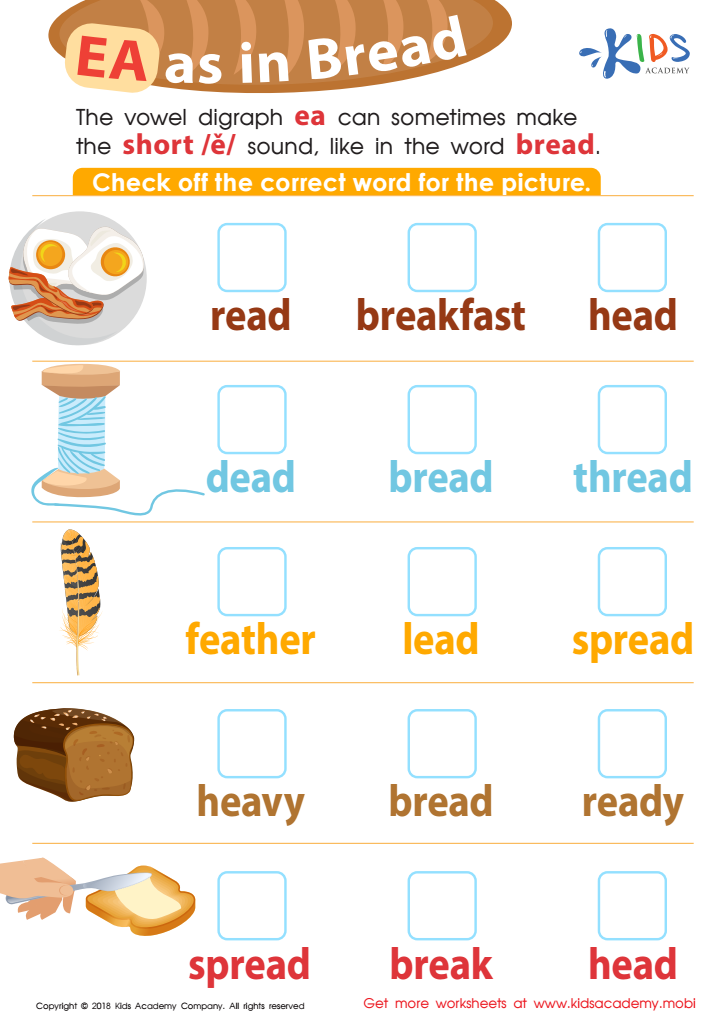
Reading: EA as in Bread Worksheet
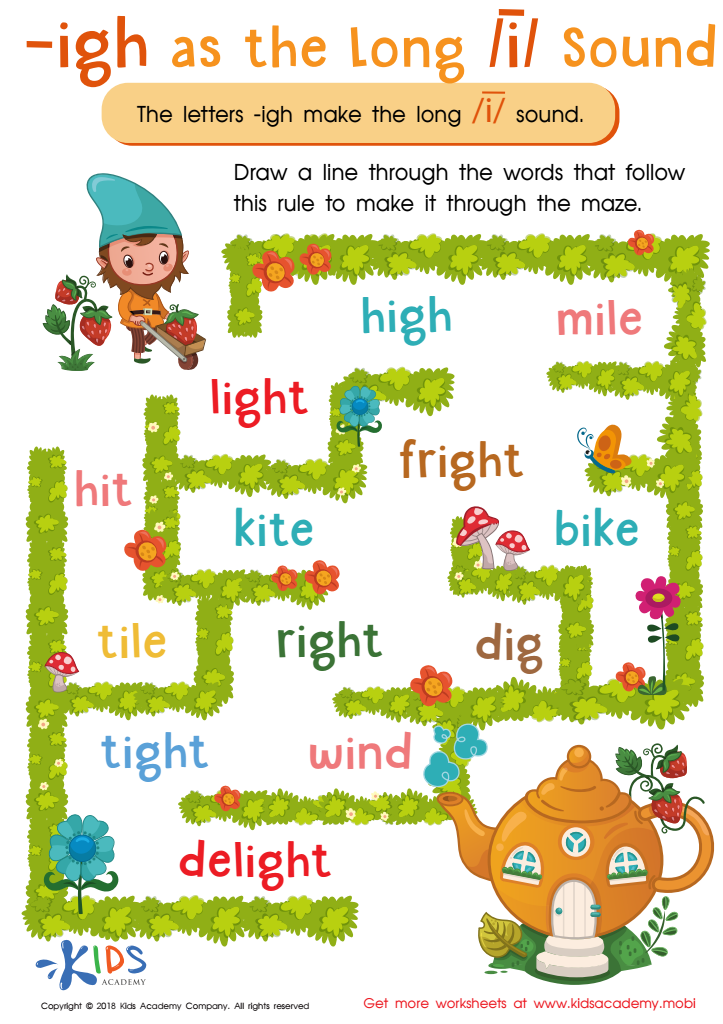
Reading: IGH as Long I Worksheet








Phonics practice is crucial for 7-8 year olds as it forms the foundation for their reading skills. During these formative years, children transition from learning to read to reading to learn. Phonics is the method of teaching reading by correlating sounds with letters or groups of letters.
For parents and teachers, emphasizing phonics offers numerous benefits. It helps children decode words, making reading more accessible and less frustrating. Children equipped with phonics skills can better understand and enjoy reading, fostering a lifelong love for books. Phonics also enhances spelling abilities; when children recognize sound patterns, they're more likely to spell words correctly, boosting their writing confidence.
Moreover, fluency and comprehension are intertwined with phonics skills. As children improve their ability to decode words quickly and accurately, they read more fluently, allowing them to focus on the meaning of the text rather than struggling with individual words.
In classrooms where phonics is practiced regularly, there is often a noticeable improvement in reading achievement. For parents, incorporating phonics practice at home complements school learning and provides key one-on-one support. Teachers and parents therefore play critical roles in ensuring continuous and consistent exposure to phonics, ultimately examining bright and proficient readers.








