Learning about ecosystems Animals Worksheets for Ages 7-8
4 filtered results
-
From - To
Explore the amazing world of ecosystems with our engaging Animals Worksheets for ages 7-8! Specially designed to foster curiosity and knowledge, these worksheets help children discover various animals and their unique habitats. Each activity is crafted to enhance their understanding of the crucial roles animals play in ecosystems, promoting critical thinking and science skills. From identifying animal characteristics to exploring food chains, our fun, interactive worksheets make learning enjoyable and memorable. Perfect for classroom or home use, these resources support comprehensive education about the interdependence of living organisms within their environments. Unlock a world of adventure and knowledge today!
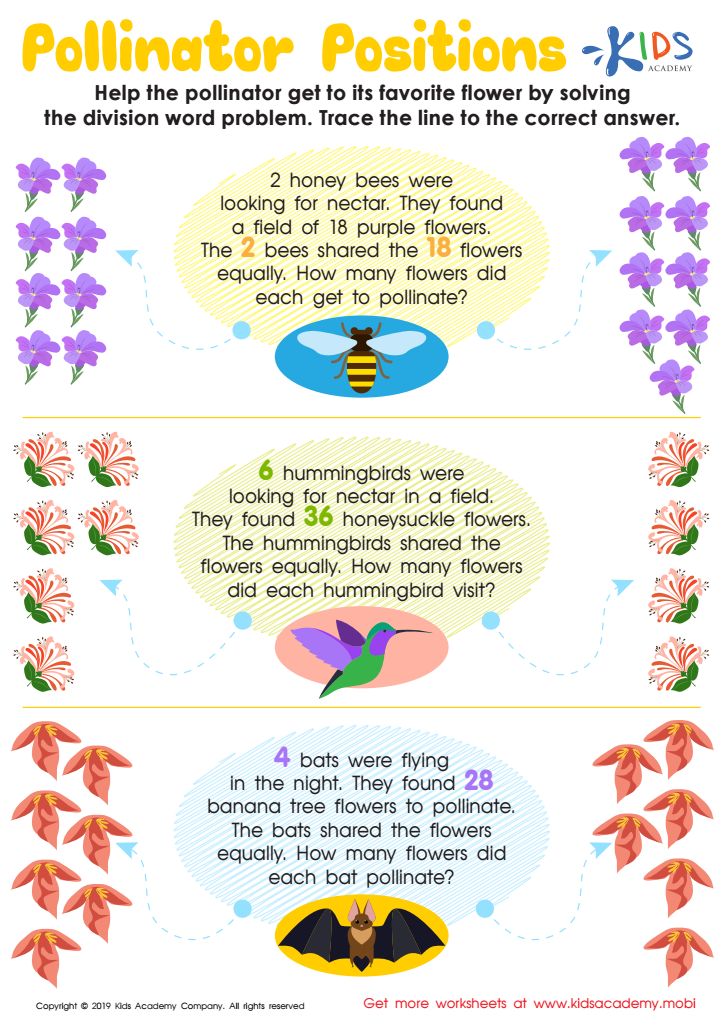
Pollinator Positions Worksheet
 Assign to My Students
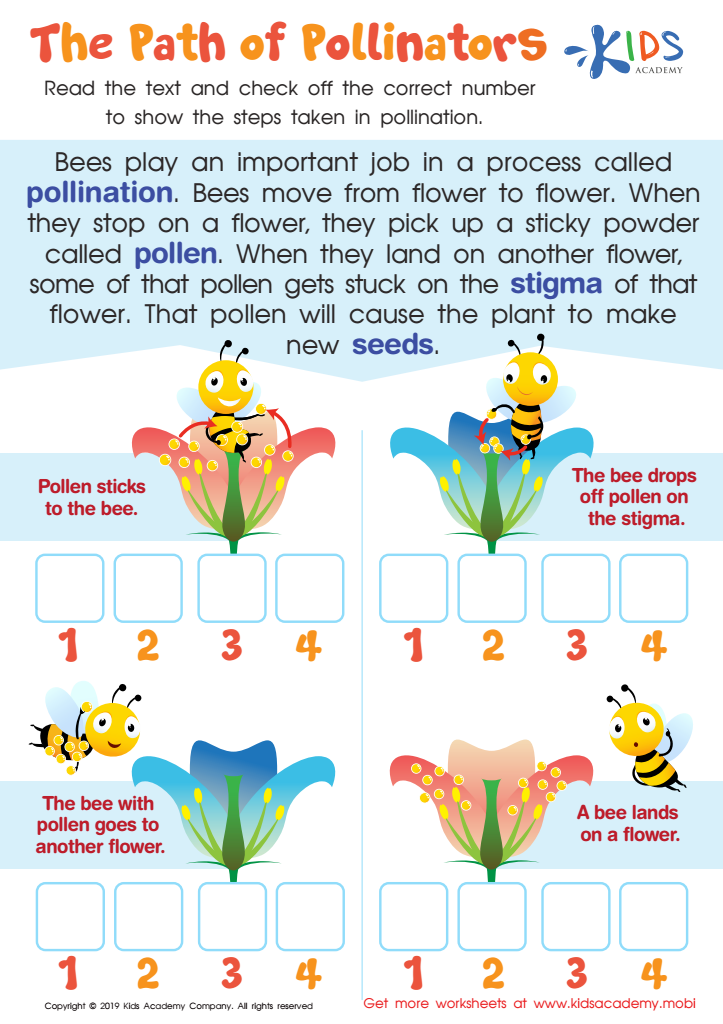
The Path of Pollinators Worksheet
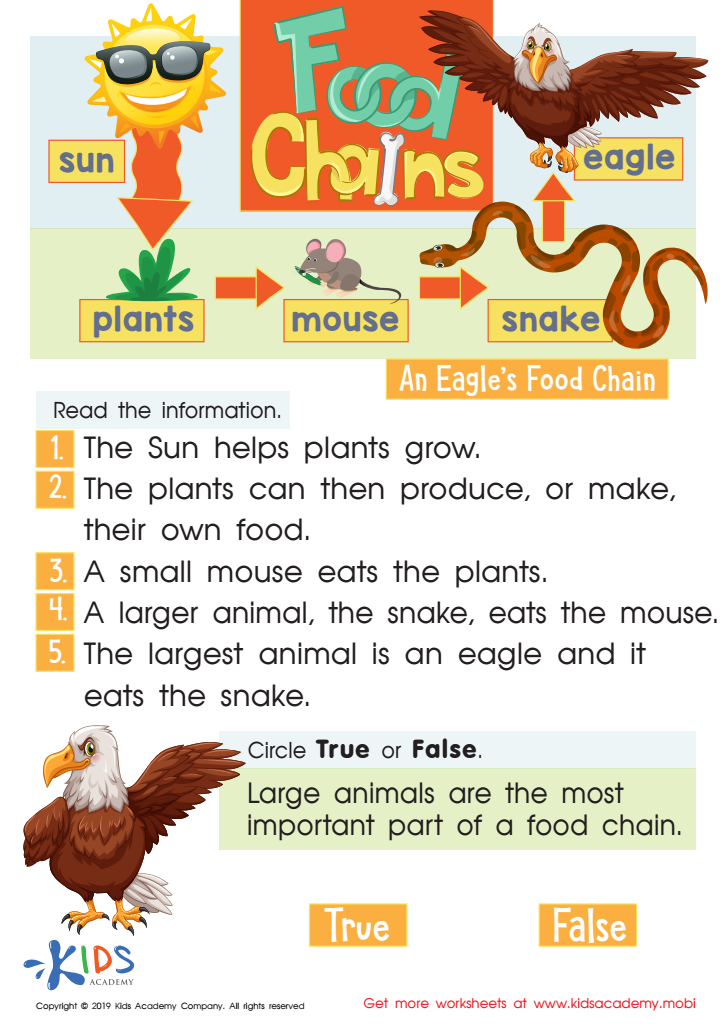
Food Chains Worksheet
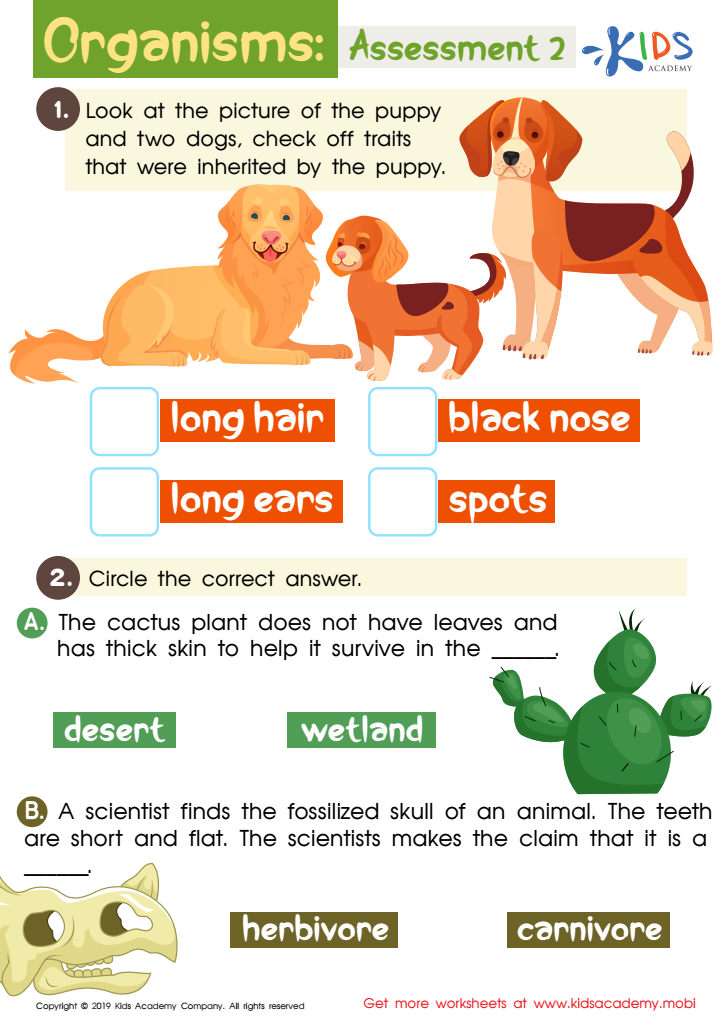
Organisms: Assessment 2 Worksheet






%20(1).jpg)
Parents and teachers should care about teaching ecosystems and animals to children ages 7-8 because early exposure to these concepts fosters a deep appreciation for the natural world, promoting environmental stewardship from a young age. Understanding ecosystems and the interdependence of animals encourages critical thinking and curiosity about how living organisms interact within their habitats.
This foundational knowledge lays the groundwork for more complex science learning in the future. Learning about predators, prey, and the food chain, for instance, introduces basic principles of biology and ecology. Moreover, these lessons can instill empathy and teach children the importance of preserving biodiversity.
Additionally, engaging students with hands-on activities such as observing local wildlife or creating small ecosystem models can make learning interactive and enjoyable, enhancing retention and understanding.
Parents and teachers also have the opportunity to weave important values like responsibility, respect for nature, and awareness of human impact on the environment into these lessons. Teaching about ecosystems at an early age can inspire future scientists and informed citizens who advocate for a healthier planet. Therefore, understanding ecosystems and animals is not just about academic learning; it's an investment in cultivating a generation that respects and protects the Earth.








