Classification skills Science Worksheets for Ages 7-8
5 filtered results
-
From - To
Enhance your child's learning experience with our engaging Classification Skills Science Worksheets, designed specifically for ages 7-8. These interactive worksheets assist young learners in developing essential classification skills by exploring the characteristics and properties of various objects and organisms, fostering critical thinking and observation abilities. With fun activities that include sorting, grouping, and labeling, these resources promote active participation and curiosity about the natural world. Parents and educators can easily incorporate these worksheets into their curriculum, providing a rich educational background that builds a strong foundation in science. Discover a world of learning and support your child’s growth today!
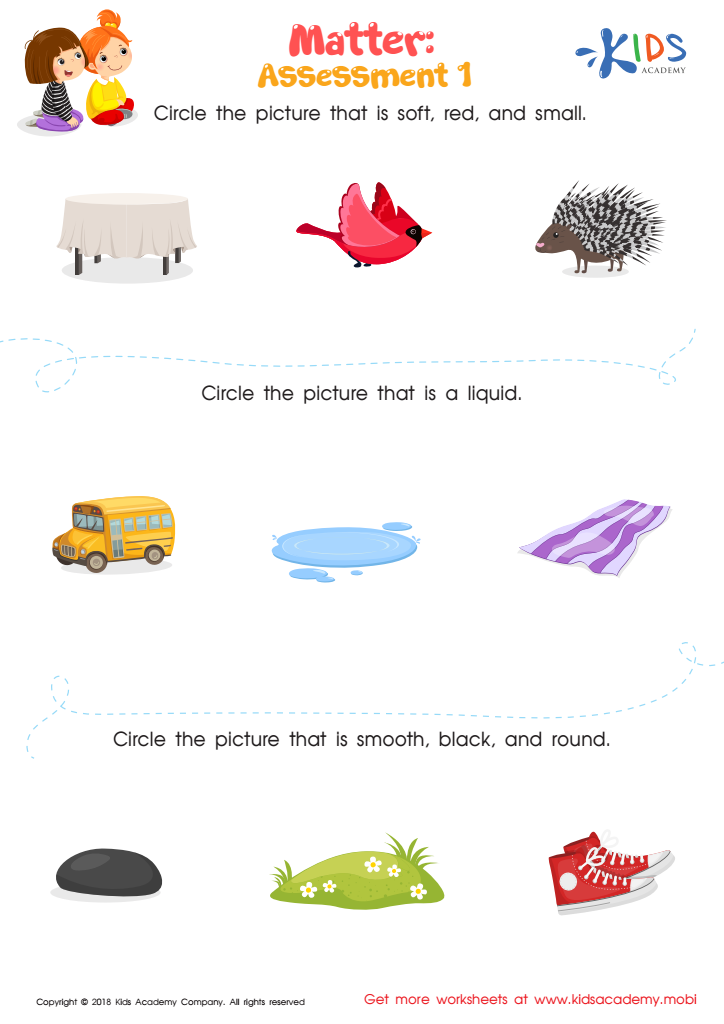
Matter: Assessment 1 Worksheet
 Assign to My Students
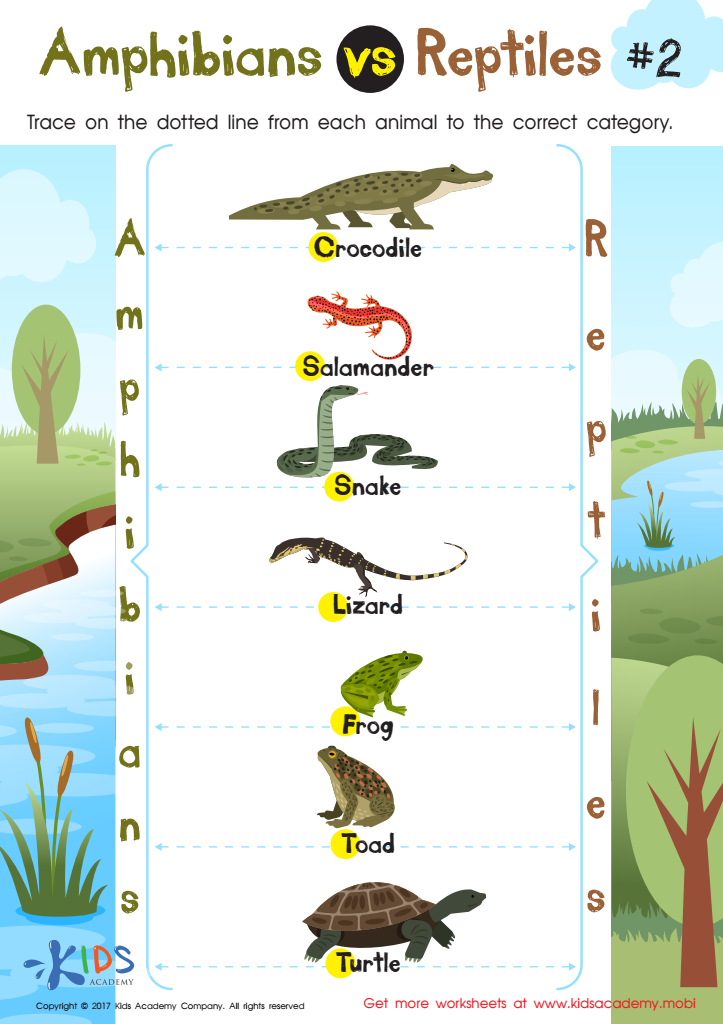
Amphibians vs Reptiles Worksheet for 3rd Grade
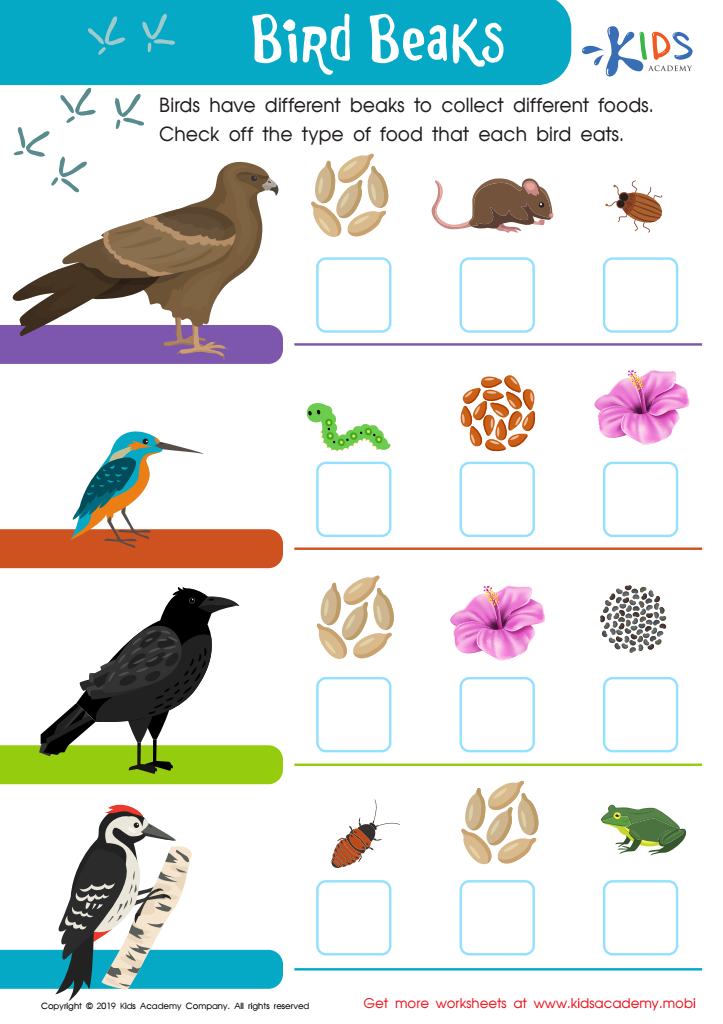
Bird Beaks Worksheet
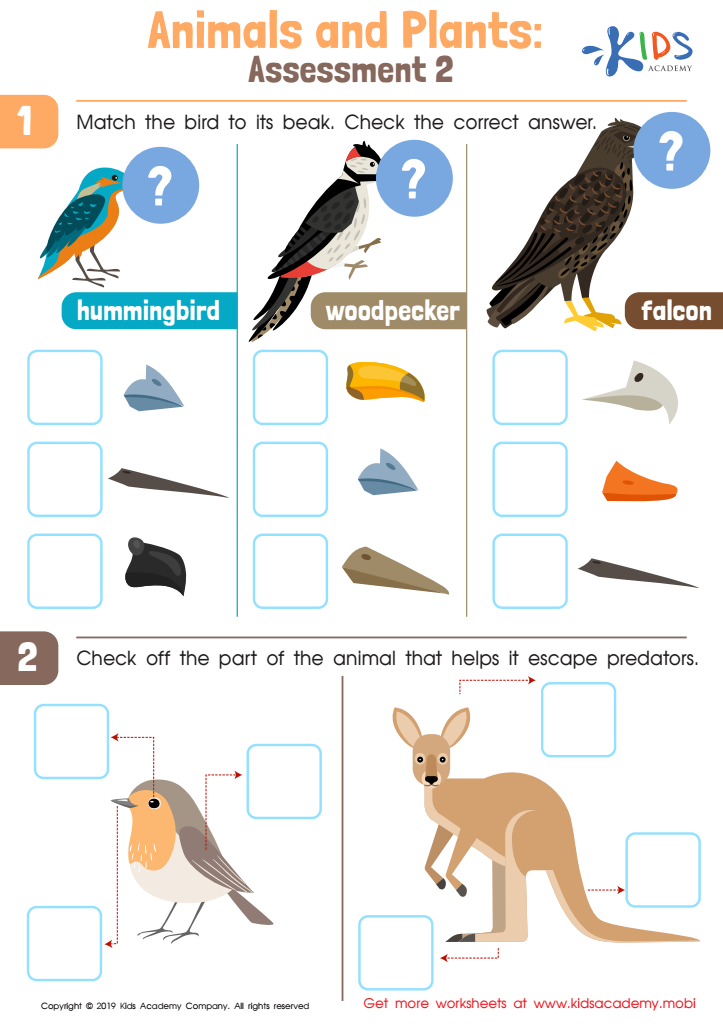
Animals and Plants: Assessment 2 Worksheet
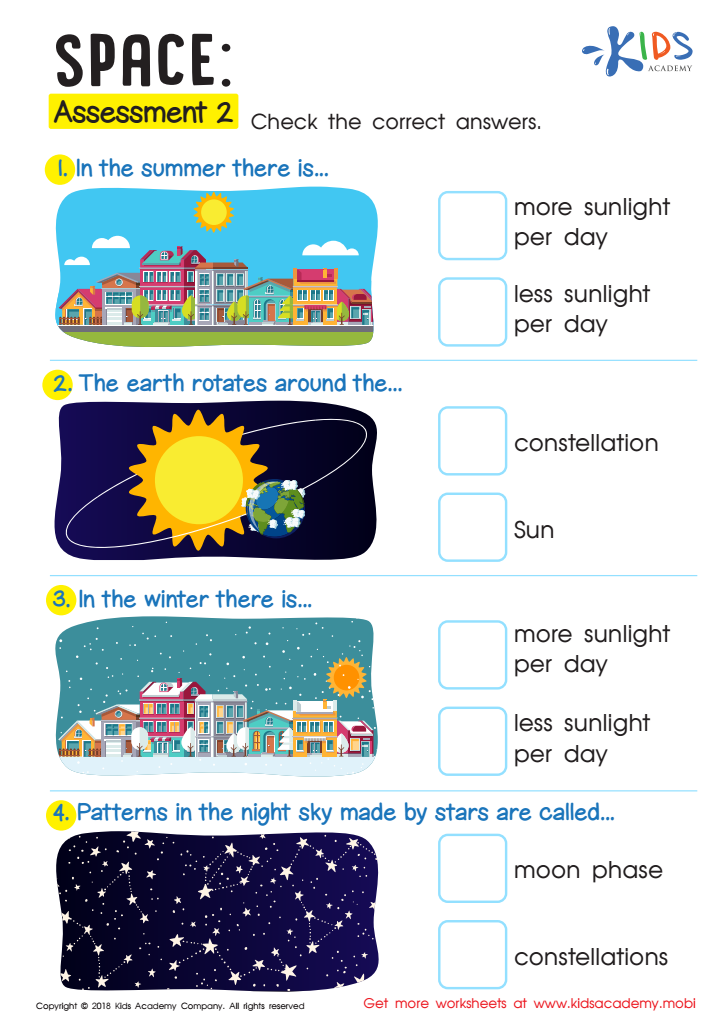
Space: Assessment 2 Worksheet






Classification skills in science are crucial for children aged 7-8, as they serve as foundational tools for understanding the world around them. At this developmental stage, children are naturally curious and eager to explore. Teaching them classification helps enhance their observational skills by encouraging them to categorize plants, animals, and other items based on shared characteristics. This fosters analytical thinking and promotes critical reasoning.
Additionally, classification introduces children to key scientific concepts that facilitate a greater understanding of biodiversity and ecological relationships. By understanding how to group different species or objects, children learn about similarities and differences, which cultivates a respect for nature and promotes environmental awareness.
Learning classification also supports language development, as children expand their vocabulary while learning about various categories and characteristics. Furthermore, these skills enhance problem-solving abilities, enabling children to draw conclusions based on organized data.
For parents and teachers, promoting classification skills aligns with the goal of nurturing inquisitive, knowledgeable, and thoughtful individuals. As children master these skills, they not only gain confidence in their abilities but also develop a lifelong love for science and learning, laying the groundwork for future exploration and education.







