Identifying Animals Science Worksheets for Ages 7-8
3 filtered results
-
From - To
Explore our engaging "Identifying Animals Science Worksheets" designed specifically for children aged 7-8! These worksheets offer a fun and interactive way for young learners to discover and recognize various animals while enhancing their scientific literacy. Each activity is thoughtfully crafted to promote critical thinking, observation skills, and an understanding of animal habitats and behaviors. Ideal for classroom use or at-home learning, these printables make science exciting and accessible. From matching animals to their environments to completing fun facts, students will strengthen their knowledge and spark a lifelong curiosity about the natural world. Start your adventure in animal identification today!
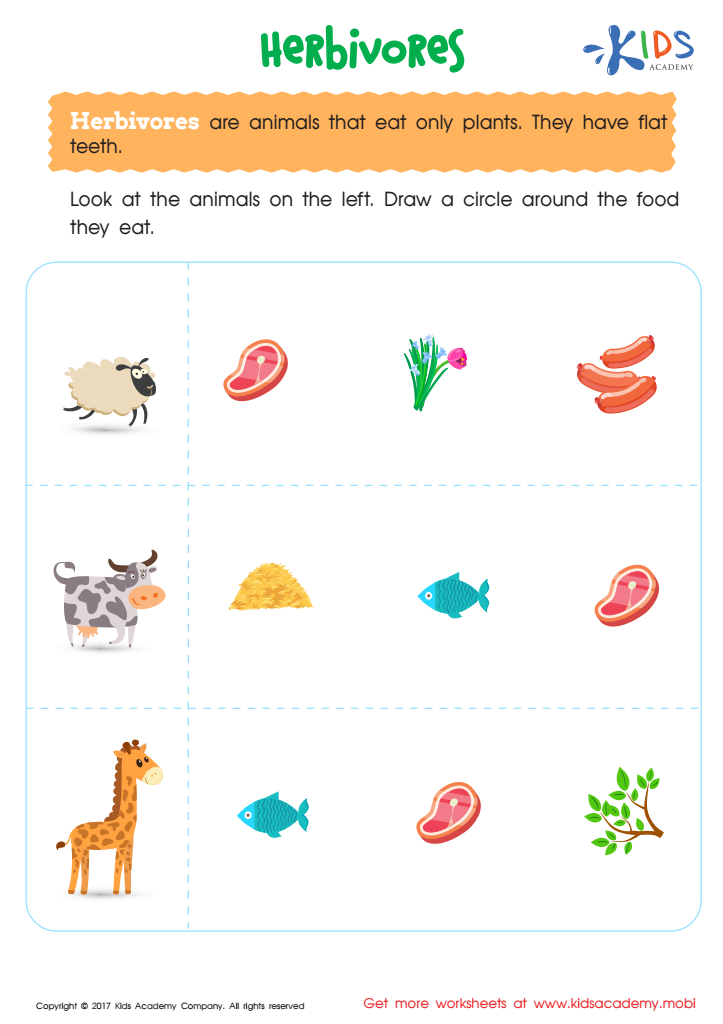
Herbivores Printable
 Assign to My Students
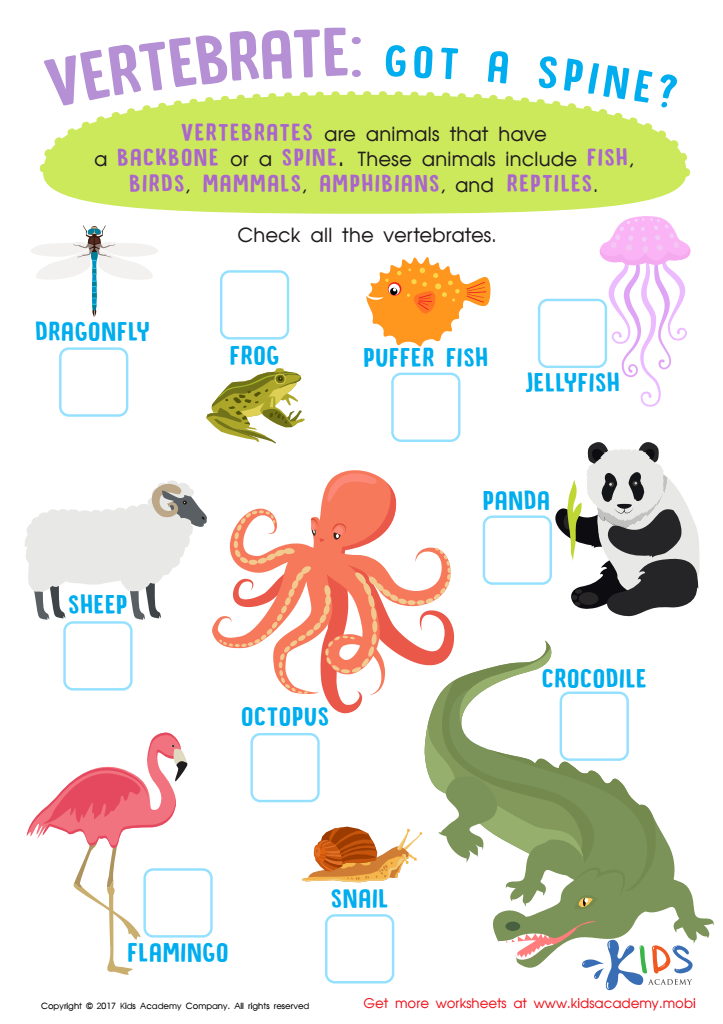
Vertebrates Animals Worksheet for 3rd Grade
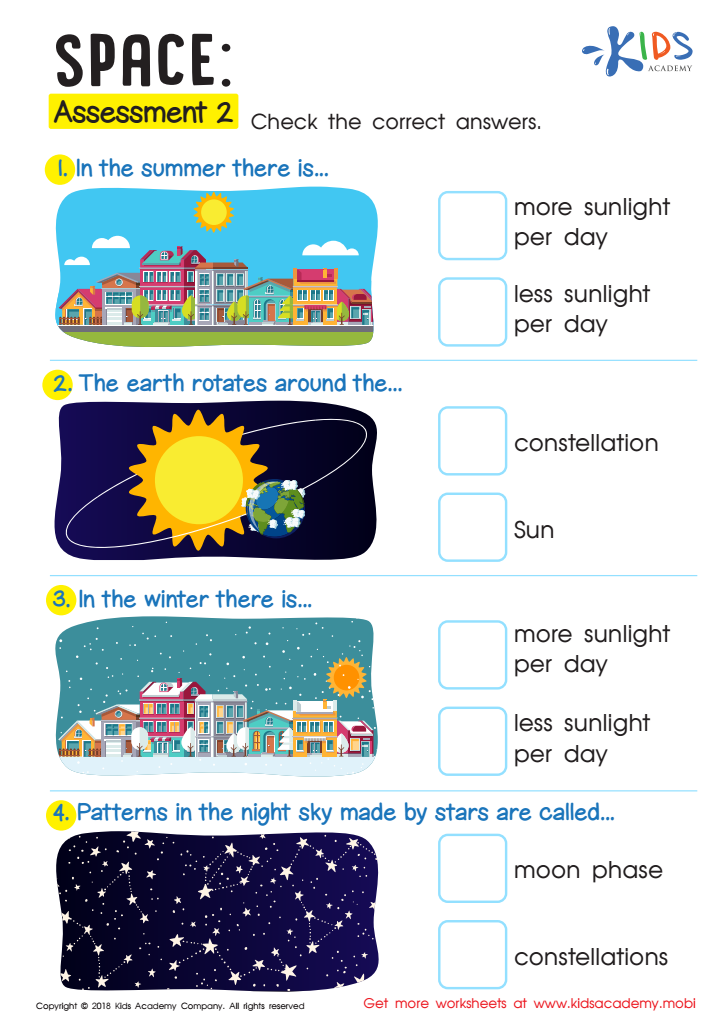
Space: Assessment 2 Worksheet








Identifying animals is a fundamental aspect of science education for children aged 7-8, and both parents and teachers play a crucial role in this learning process. At this age, children are naturally curious about the world around them, making it an ideal time to introduce them to the diversity of animal life. Understanding animal identification helps foster observation skills, promotes critical thinking, and enhances their awareness of ecosystems.
Engaging with animal identification encourages children to ask questions about habitats, diets, and behaviors, leading to a deeper appreciation for nature. This knowledge is foundational for exploring topics like conservation, biodiversity, and environmental science, which are vital in a world facing ecological challenges.
Moreover, learning about different animals can boost children’s vocabulary and improve their language skills, as they articulate their understanding and discoveries. It also offers an interdisciplinary approach, linking science with art, technology, and social studies through discussions about the role of animals in various cultures.
Lastly, when parents and teachers show enthusiasm for identifying animals, it cultivates a nurturing environment that fosters a lifelong love of learning and curiosity, empowering children to be informed stewards of the planet's future.







