Science vocabulary enhancement Science Worksheets for Ages 7-8
3 filtered results
-
From - To
Boost your child's scientific vocabulary with our engaging Science Vocabulary Enhancement Worksheets for ages 7-8. Designed to make learning fun, these worksheets introduce young learners to essential science terms through interactive activities and vivid illustrations. Each activity is crafted to stimulate curiosity and reinforce understanding in topics such as biology, physics, and earth science. Perfect for classroom use or at-home study, these worksheets help kids develop a solid foundation in scientific language, improving both their verbal and written skills. Download today and watch your child's love for science grow!
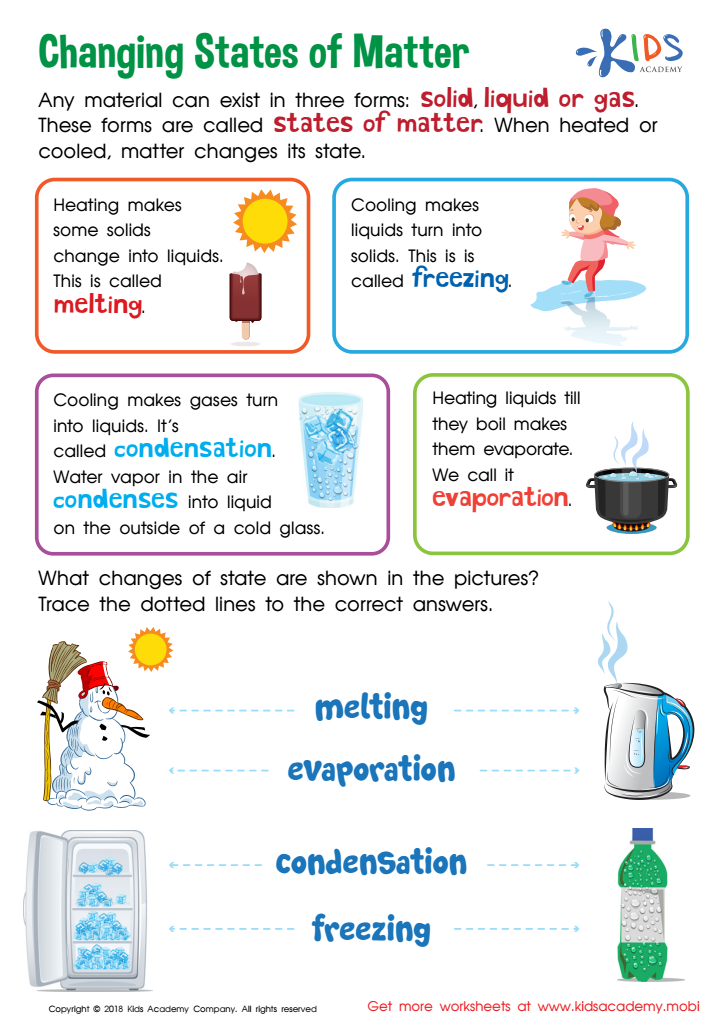
States of Matter Worksheet
 Assign to My Students
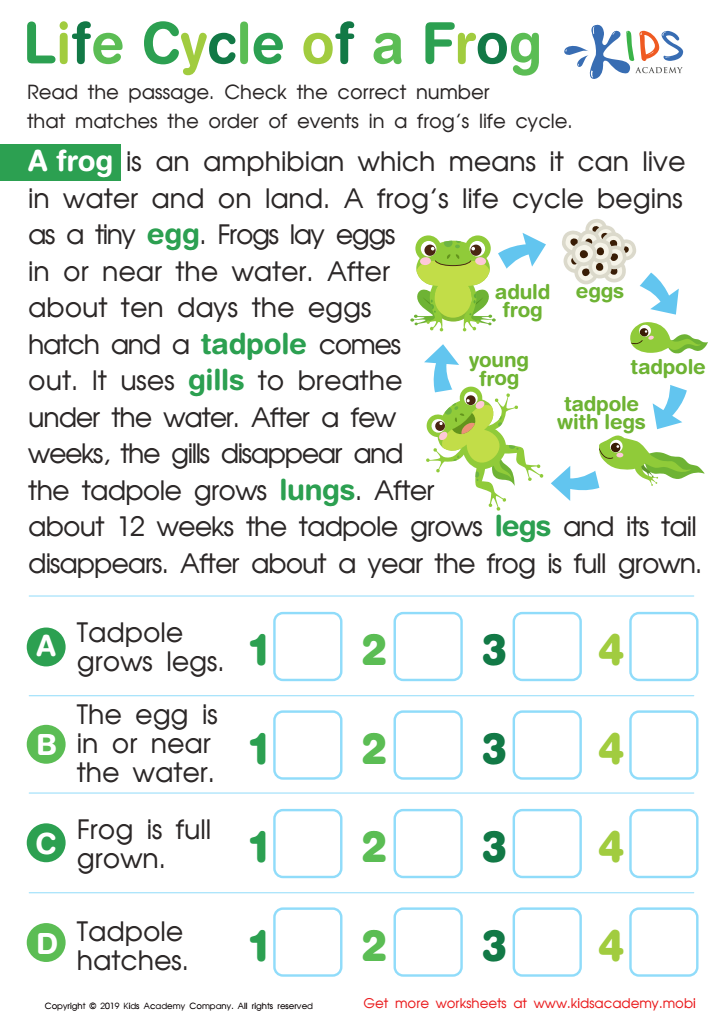
Life Cycle of a Frog Worksheet
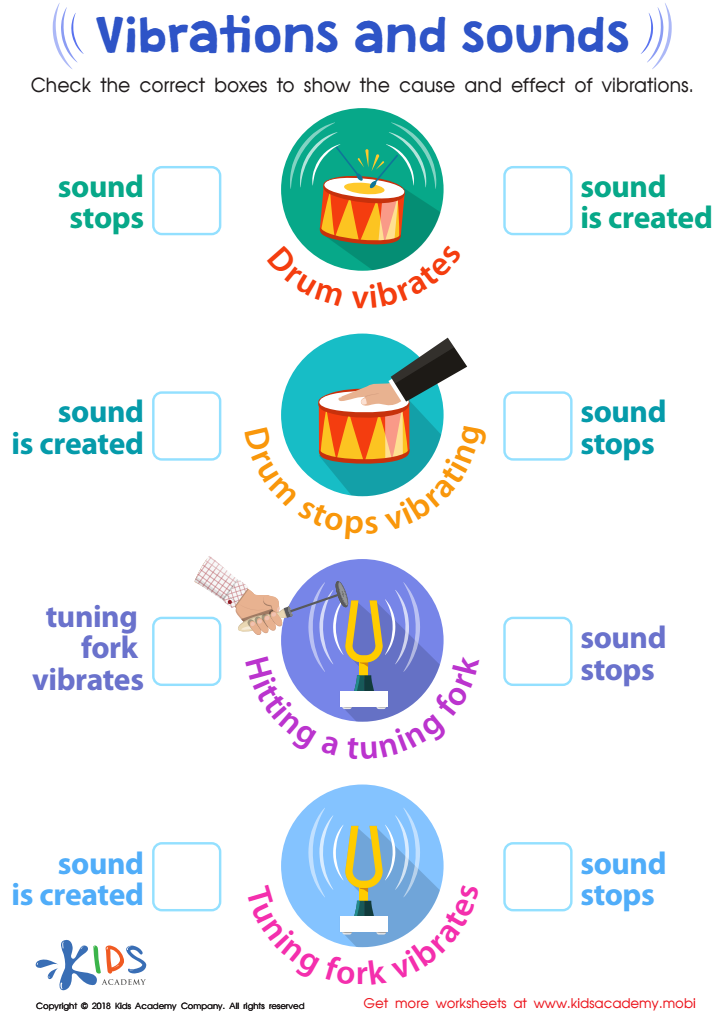
Vibrations and Sounds Worksheet


.jpg)





Enhancing science vocabulary for ages 7-8 is crucial for both cognitive development and academic success. At this age, children's brains are incredibly receptive to new information, making it an ideal time to introduce complex concepts through tailored vocabulary. A solid foundation in science vocabulary not only boosts their understanding of scientific principles but also enhances critical thinking and problem-solving skills. For example, knowing terms like "evaporation," "habitat," or "gravity" lays the groundwork for more complex topics they'll encounter later.
For parents, fostering a science-rich environment stimulates curiosity and encourages a lifelong love of learning. It allows children to relate everyday observations to scientific ideas, thereby making learning more relevant and engaging. Whether it’s a conversation about the weather or a trip to the zoo, everyday moments become educational opportunities.
Teachers benefit enormously as well. With a strong science vocabulary, classroom discussions become richer and more interactive. Children are better equipped to participate, ask insightful questions, and engage with the subject matter more deeply. This not only improves individual learning outcomes but also creates a more vibrant and inclusive classroom atmosphere.
Ultimately, enhancing science vocabulary at a young age sets the foundation for future academic and career pursuits, promoting a more scientifically literate and empowered generation.







