Analyzing data Our Planet and Environment Worksheets for Ages 7-8
5 filtered results
-
From - To
Explore our engaging "Analyzing Data: Our Planet and Environment Worksheets" designed for 7-8-year-olds! These fun and interactive worksheets introduce young learners to essential data analysis skills while fostering a love for the planet. With activities covering key environmental topics, children will learn how to interpret data, recognize patterns, and make meaningful connections to the world around them. Our worksheets provide hands-on experiences that promote critical thinking and problem-solving, making learning both enjoyable and enlightening. Perfect for classrooms or home education, these resources help young minds become informed and responsible stewards of the environment. Start your journey in understanding our planet today!
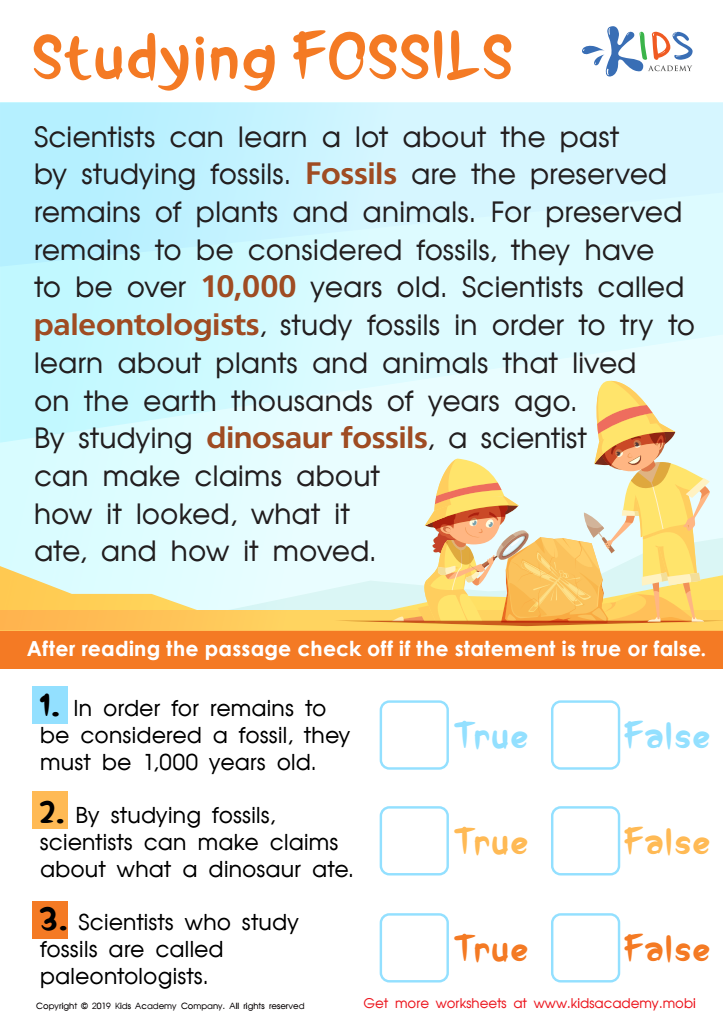
Studying Fossils Worksheet
 Assign to My Students
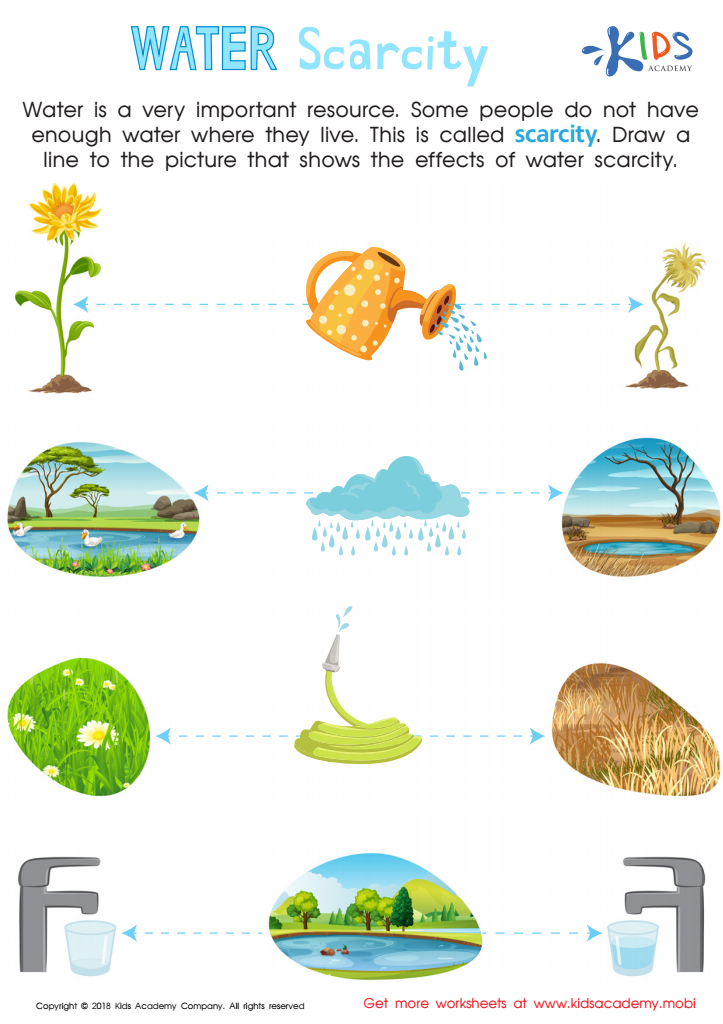
Water Scarcity Worksheet
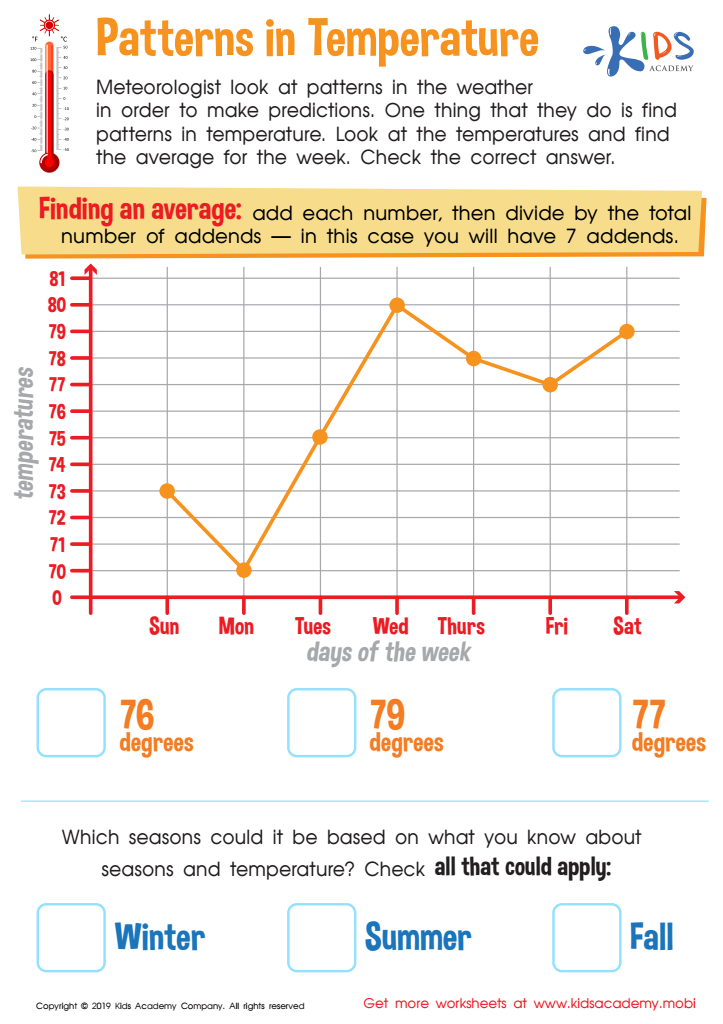
Patterns in Temperature Worksheet
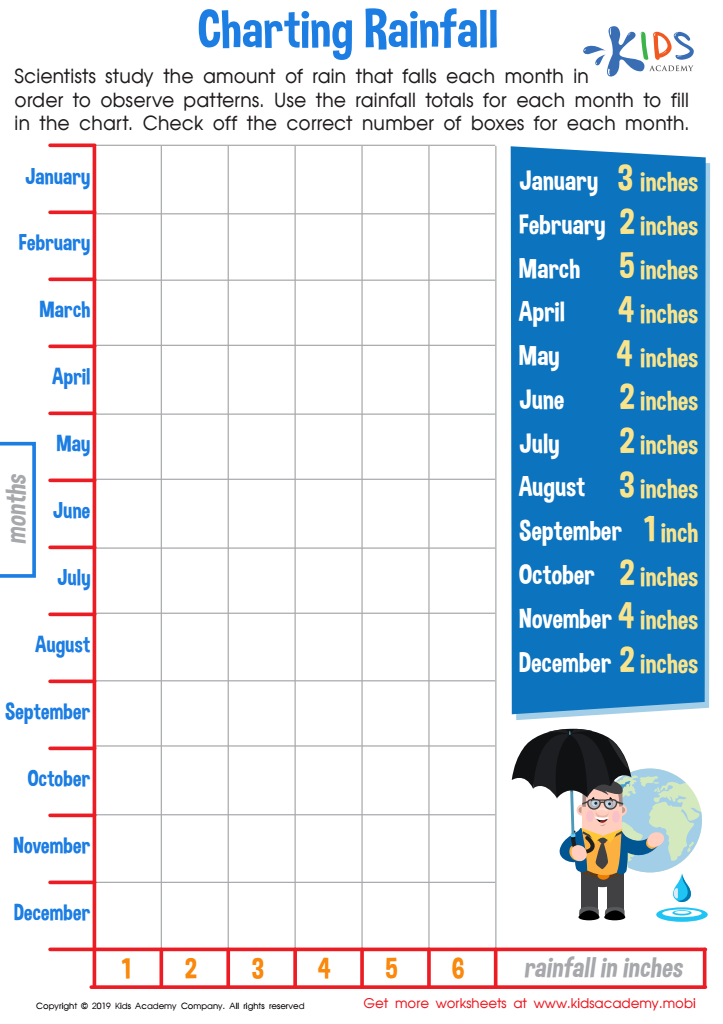
Charting Rainfall Worksheet
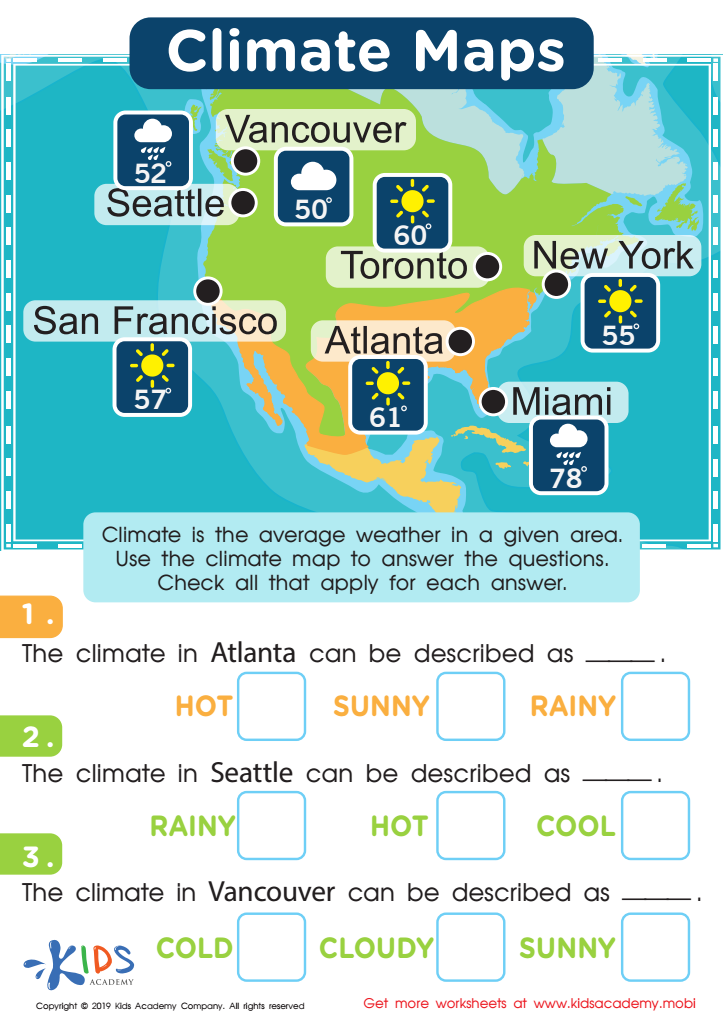
Climate Maps Worksheet







Analyzing data about our planet and environment is essential for parents and teachers of children aged 7-8, as it shapes young minds to understand critical global issues. At this age, children are naturally curious, making it the perfect opportunity to cultivate a sense of responsibility towards the environment. Engaging in data analysis teaches children how to observe, interpret, and make sense of the world around them, fostering essential critical thinking and problem-solving skills.
By examining data related to climate change, pollution patterns, or biodiversity, children gain an understanding of the consequences of human actions and the significance of sustainability. This awareness encourages them to develop eco-friendly habits early on, such as recycling or conserving energy.
Moreover, involving parents in these discussions creates a shared commitment to environmental stewardship at home and in the community. It allows families to engage in meaningful conversations, cultivating a generation that values nature and understands its fragility. Ultimately, educating young learners about data analysis in the context of our planet empowers them to become informed citizens who can advocate for change, lead sustainable practices, and contribute positively to the world around them.







