Vocabulary Building Plants and Animals Worksheets for Ages 7-8
5 filtered results
-
From - To
Enhance your child's vocabulary with our engaging Vocabulary Building Plants and Animals Worksheets tailored for ages 7-8! These worksheets are designed to develop essential language skills while exploring the fascinating world of plants and animals. Each activity encourages young learners to describe, categorize, and connect terms related to nature, promoting both comprehension and retention. Your child will enjoy fun exercises such as matching words, identifying key characteristics, and engaging in creative tasks that fuel their curiosity. Perfect for classroom use or at-home learning, these worksheets will make vocabulary growth an exciting adventure in science! Get ready to inspire young minds today!
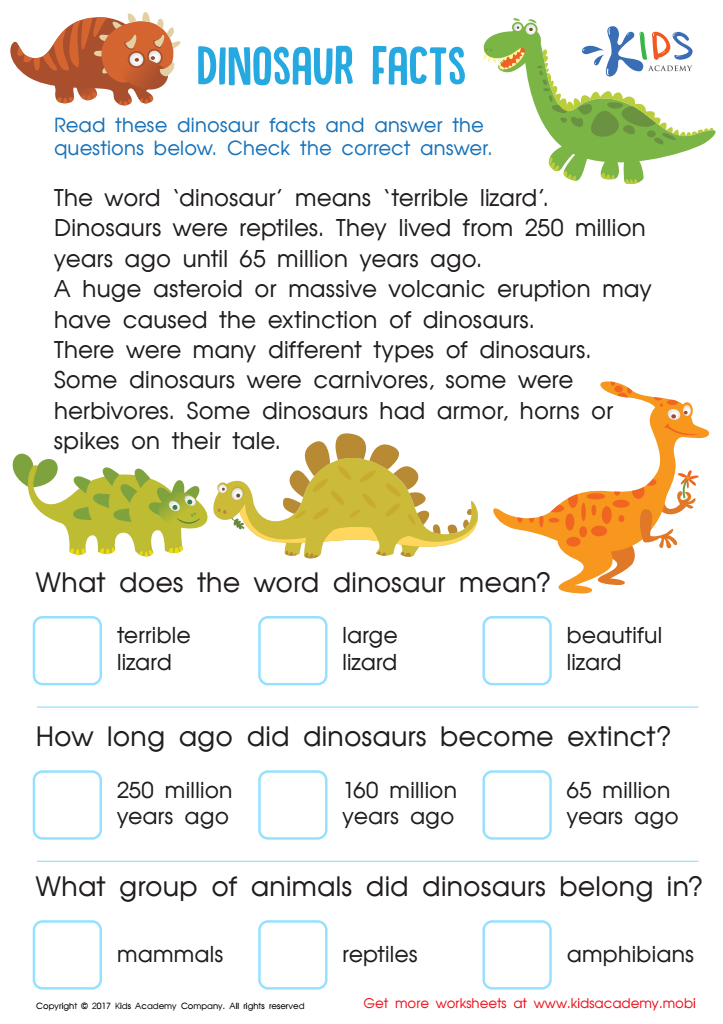
Dinosaur Facts Worksheet
 Assign to My Students

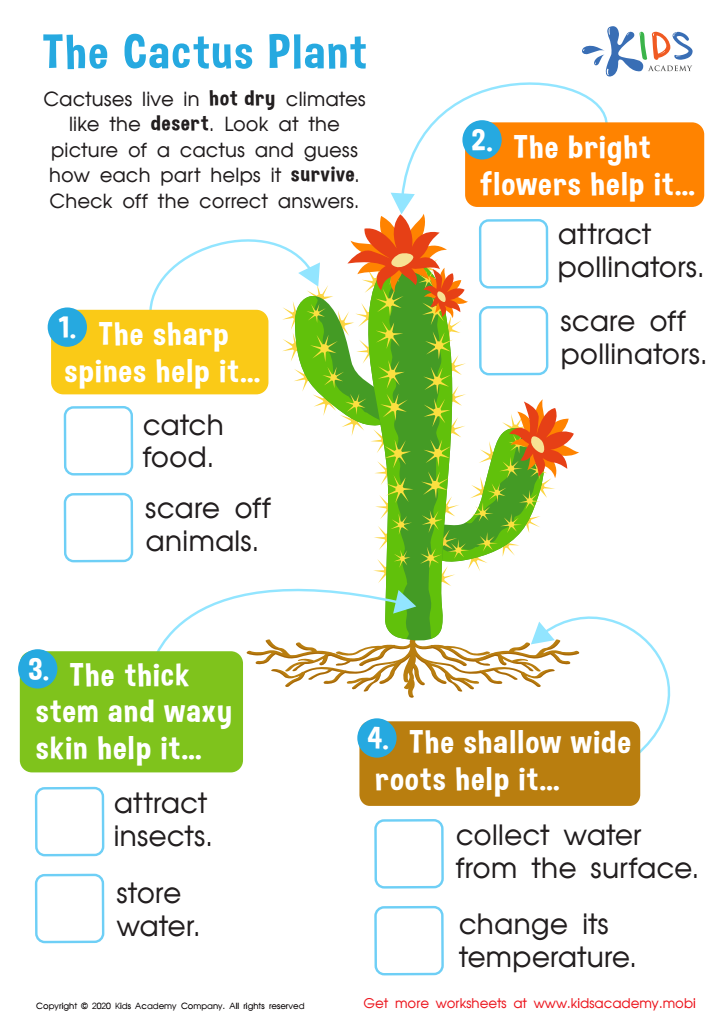
The Cactus Plant Worksheet
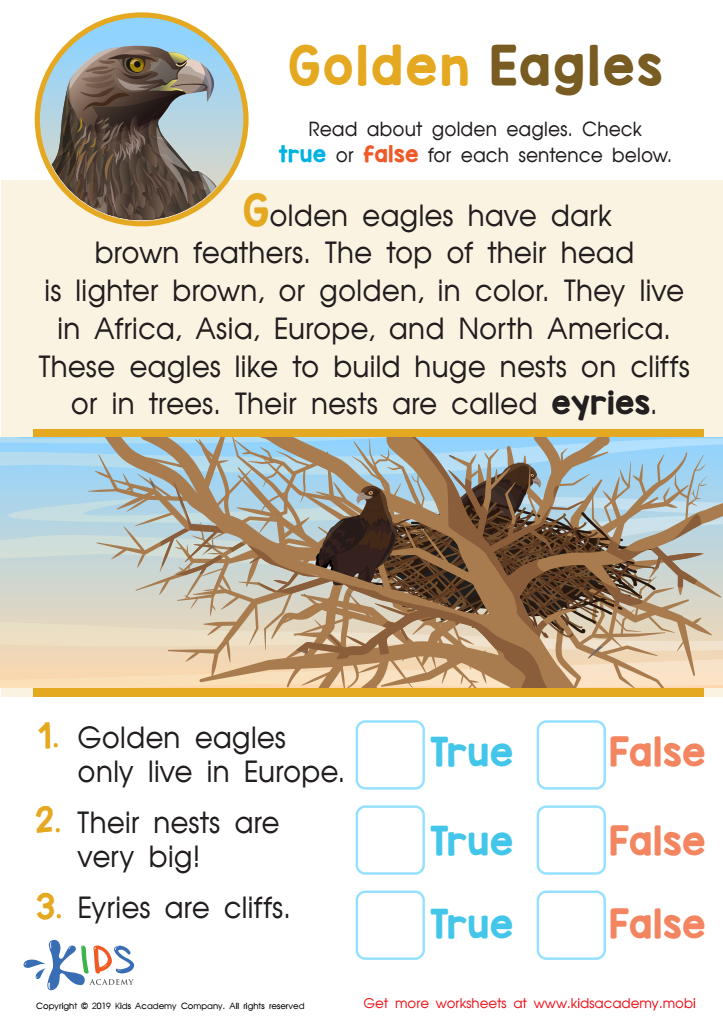
Golden Eagles Worksheet
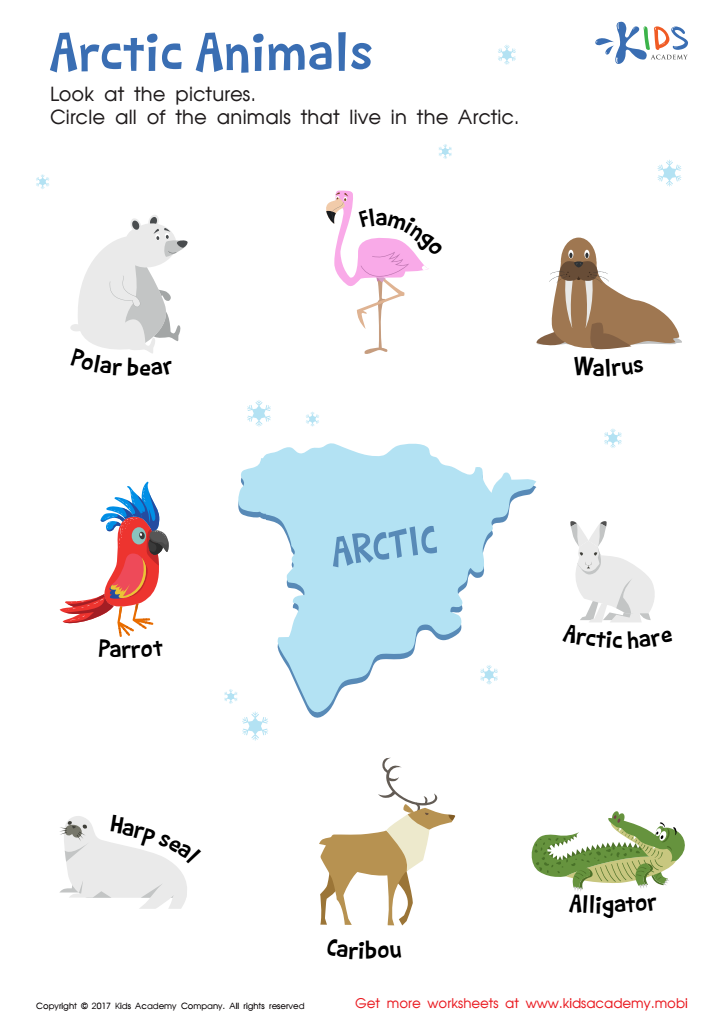
Arctic Animals Worksheet
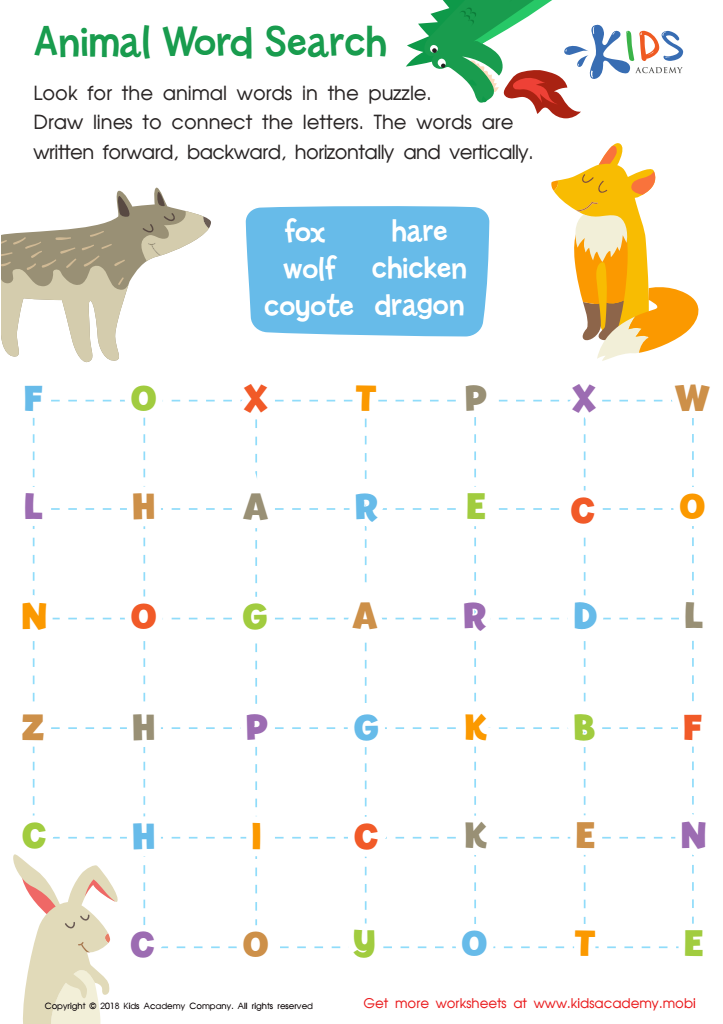
Animal Word Search Worksheet







Vocabulary building around plants and animals for ages 7-8 is essential for several reasons. First, at this developmental stage, children are naturally curious about the world around them. By introducing them to specific vocabulary related to flora and fauna, parents and teachers can nurture this curiosity, urging children to explore their environment and understand the intricacies of nature.
Furthermore, familiarity with vocabulary linked to plants and animals enhances literacy skills. As children learn to read more complex texts, a rich vocabulary base helps them comprehend stories and articles more effectively. This linguistic foundation supports academic success across subjects, encouraging a love for reading and learning.
Additionally, enhancing vocabulary related to the natural world promotes environmental awareness and stewardship. As children learn about various species and ecosystems, they develop a sense of responsibility and care for the planet, fostering a future generation that values conservation and sustainability.
Moreover, engaging discussions surrounding plants and animals can strengthen the parent-child or teacher-student bond, fostering a nurturing learning environment. Ultimately, vocabulary building in this area is a vital asset that supports educational development, encourages curiosity, and instills essential values in young learners.








