Multiplication practice Social Studies Worksheets for Ages 7-8
9 filtered results
-
From - To
Enhance your child’s learning experience with our engaging Multiplication Practice Social Studies Worksheets for ages 7-8. These designed worksheets seamlessly combine essential multiplication practice with fascinating social studies themes, fostering both math skills and curiosity about the world. Each worksheet features age-appropriate exercises that promote number fluency while connecting vital historical and cultural concepts. Ideal for homeschool settings or classroom use, these interactive resources help children build confidence in math while exploring teamwork, community, and geography. Make learning enjoyable and effective with our collection that encourages kids to discover, practice, and succeed! Start empowering young learners today!
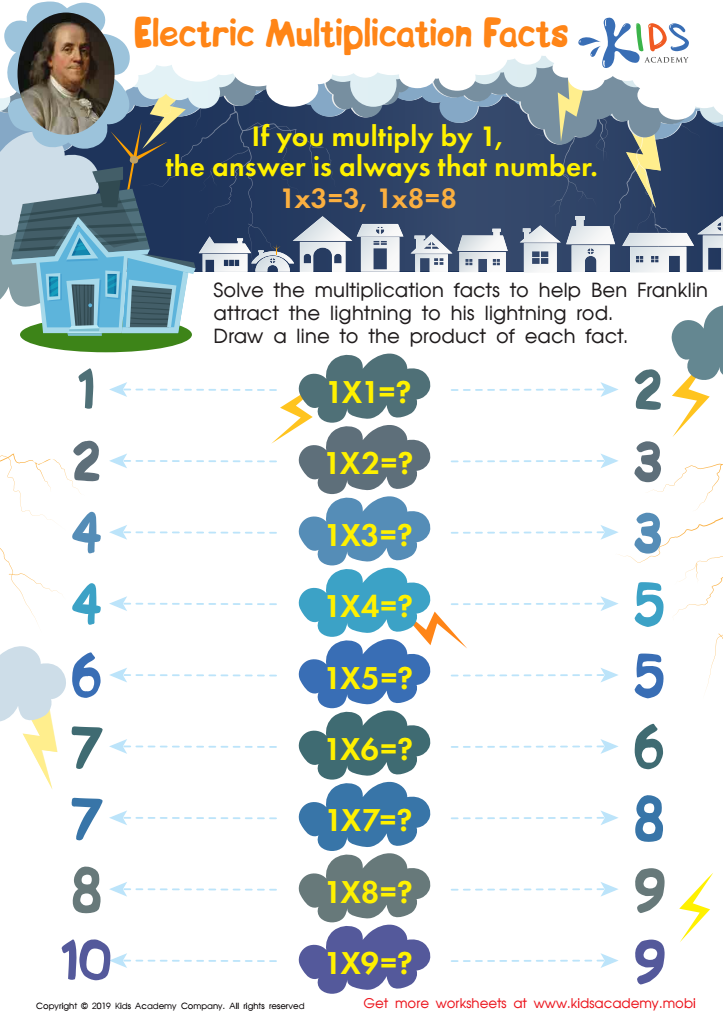
Electric Multiplication Facts Worksheet
 Assign to My Students
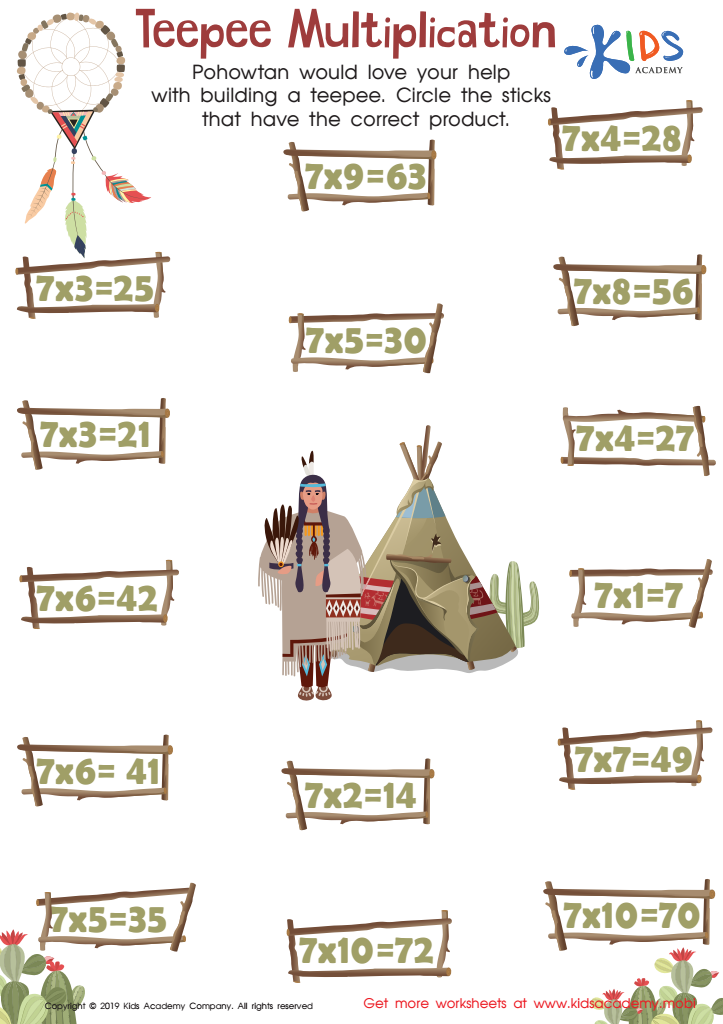
Teepee Multiplication Worksheet
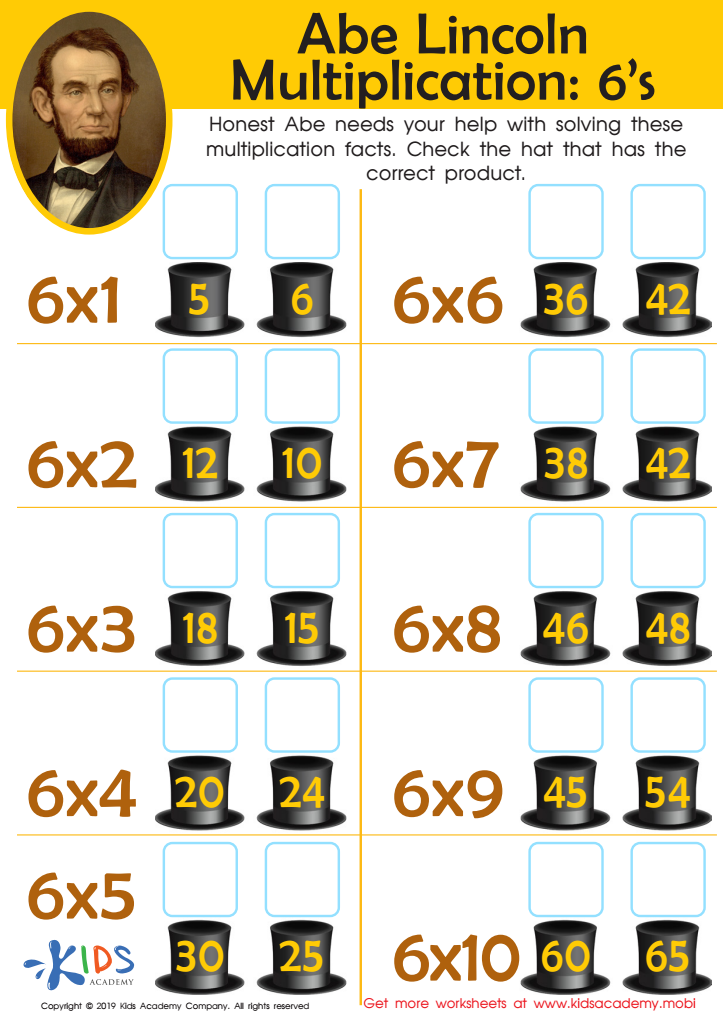
Abe Lincoln Multiplication: 6’s Worksheet
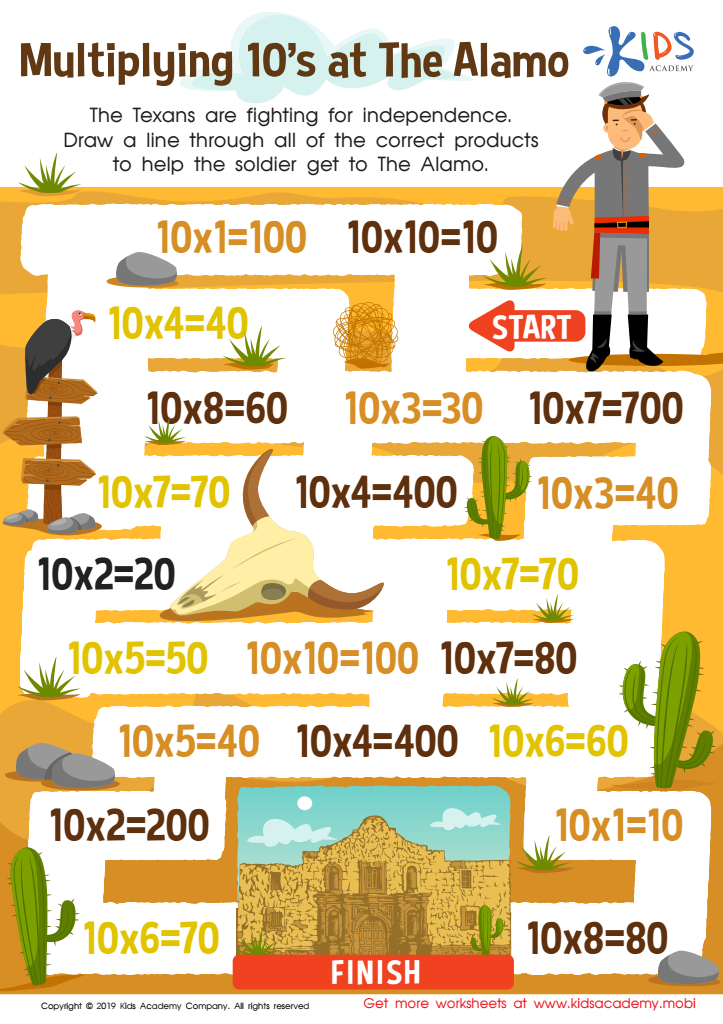
Multiplying 10’s at The Alamo Worksheet
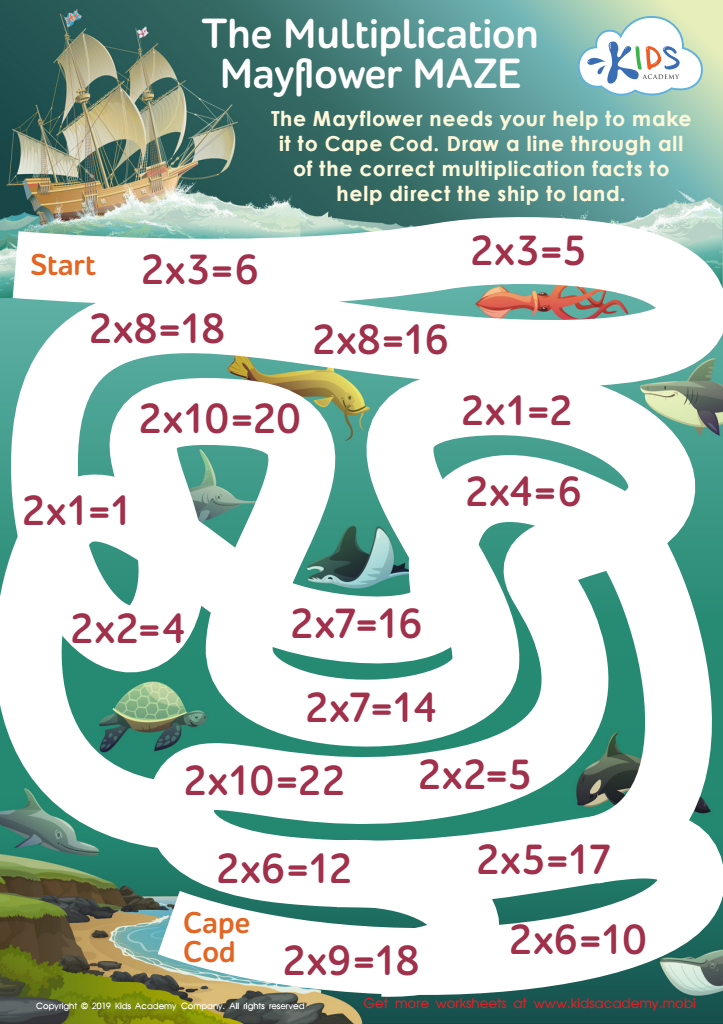
The Multiplication Mayflower Maze Worksheet
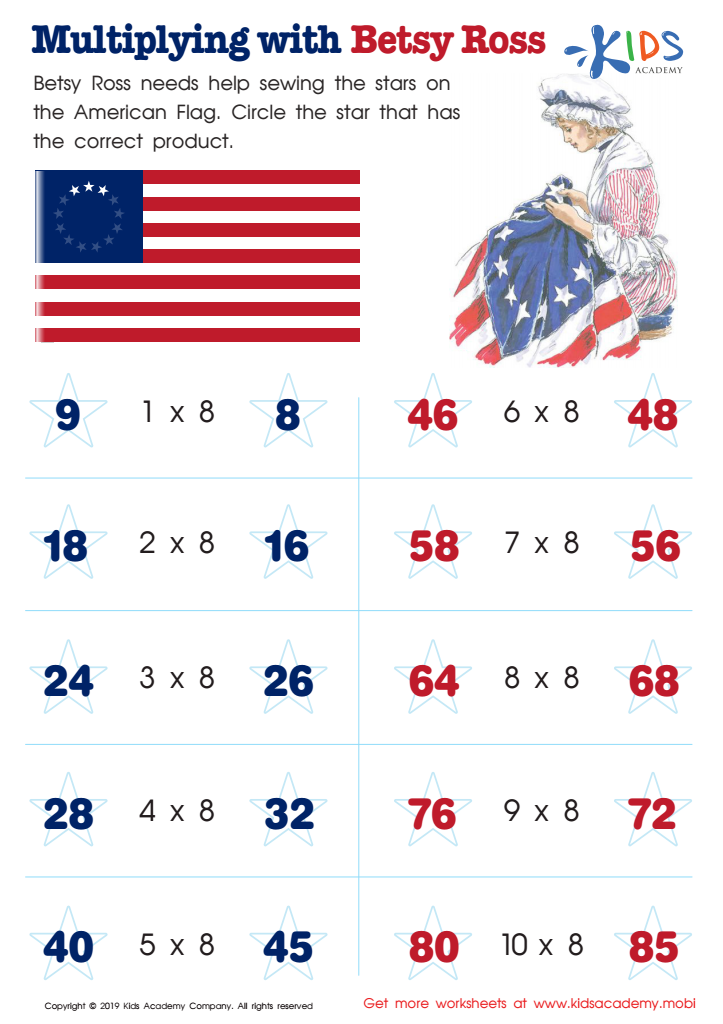
Multiplying with Betsy Ross Worksheet
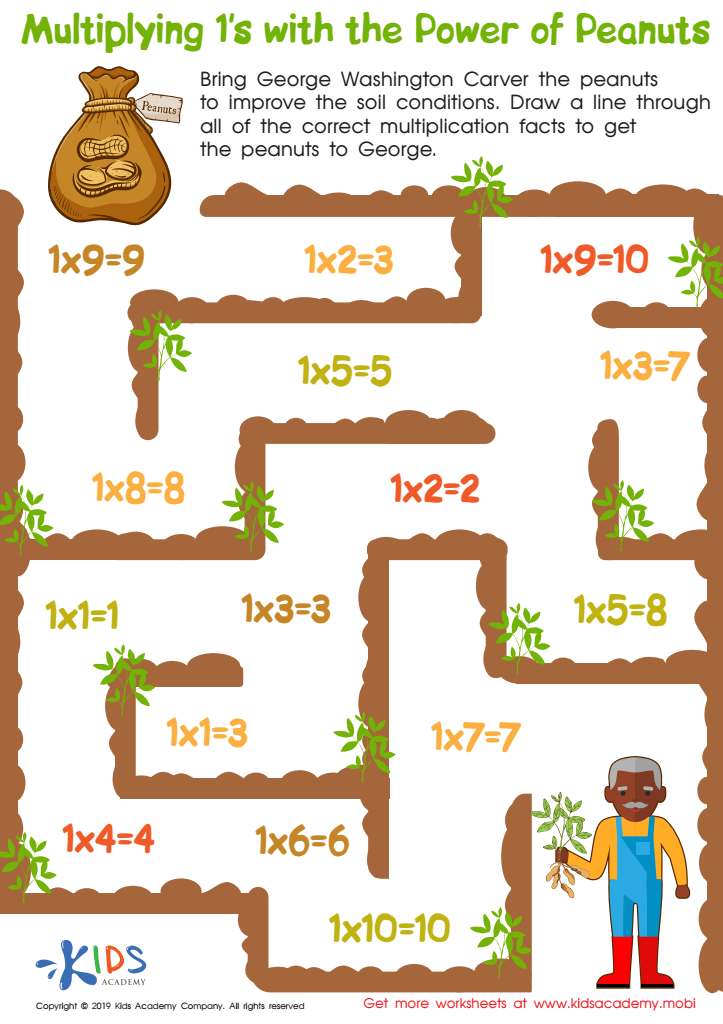
Multiplying 1’s With the Power of Peanuts Worksheet
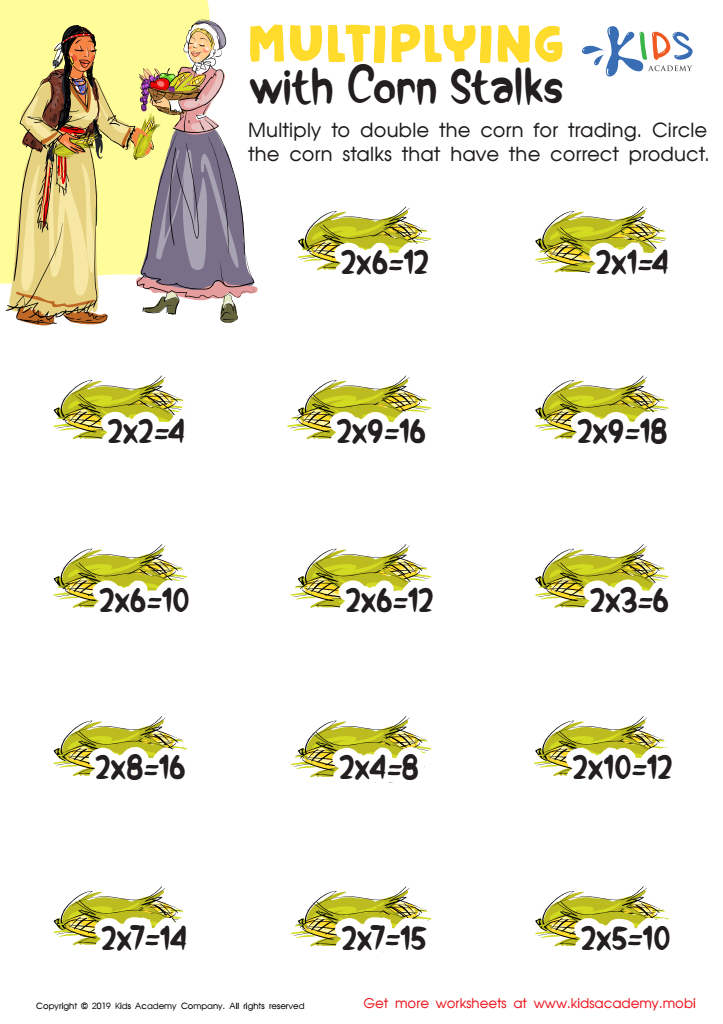
Multiplying With Corn Stalks Worksheet
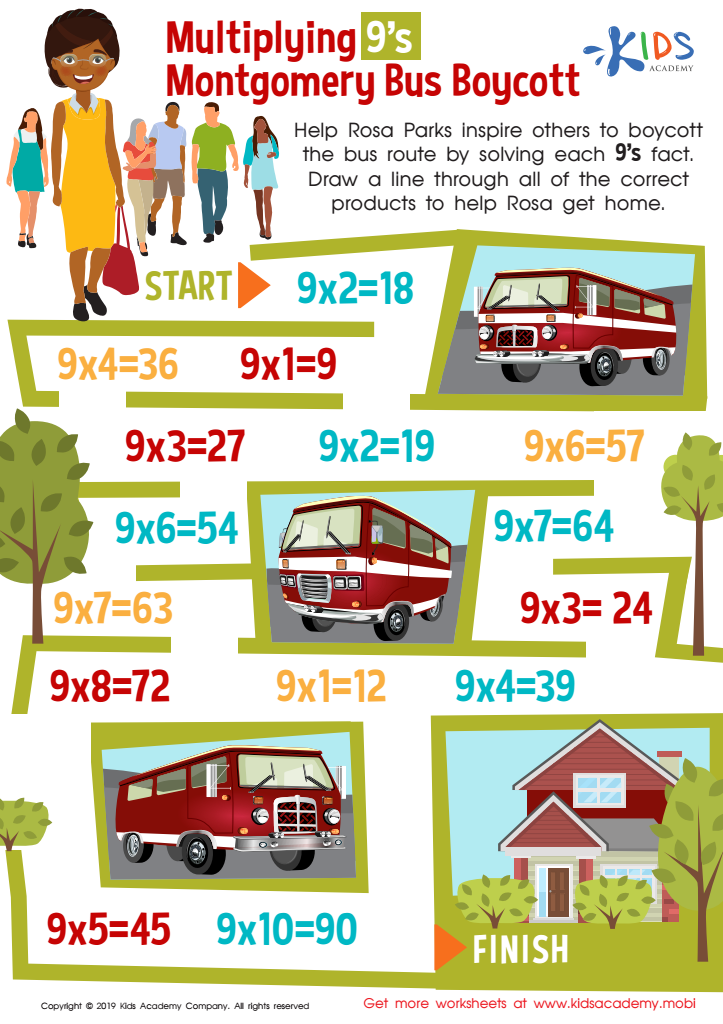
Multiplying 9’s Montgomery Bus Boycott Worksheet


.jpg)


.jpg)
Parents and teachers should care about integrating multiplication practice into Social Studies for children aged 7-8 because it enhances critical thinking skills while providing context for both subjects. Learning multiplication is fundamental to developing mathematical fluency, which is crucial for more advanced concepts later on. When combined with Social Studies, students can see real-world applications of math in historical timelines, population studies, and economic data, making multiplication relevant and engaging.
For instance, when discussing the population of different countries or calculating resource distribution, multiplication reinforces math concepts while deepening understanding of social dynamics. This interdisciplinary approach helps children relate numerical concepts to everyday life and historical contexts, fostering a more comprehensive understanding of both math and social awareness.
Additionally, engaging students with interactive and hands-on activities—such as creating charts or graphs based on historical data—encourages collaboration and enhances communication skills. By emphasizing the importance of multiplication within Social Studies, educators can make learning holistic and foster a more profound appreciation for both subjects. Ultimately, this practice supports early critical thinking and problem-solving skills, empowering children to become more adept in analyzing information across various disciplines, setting a strong foundation for their future education.








