Cursive Writing Worksheets for Ages 7-8 - Page 2
26 filtered results
-
From - To
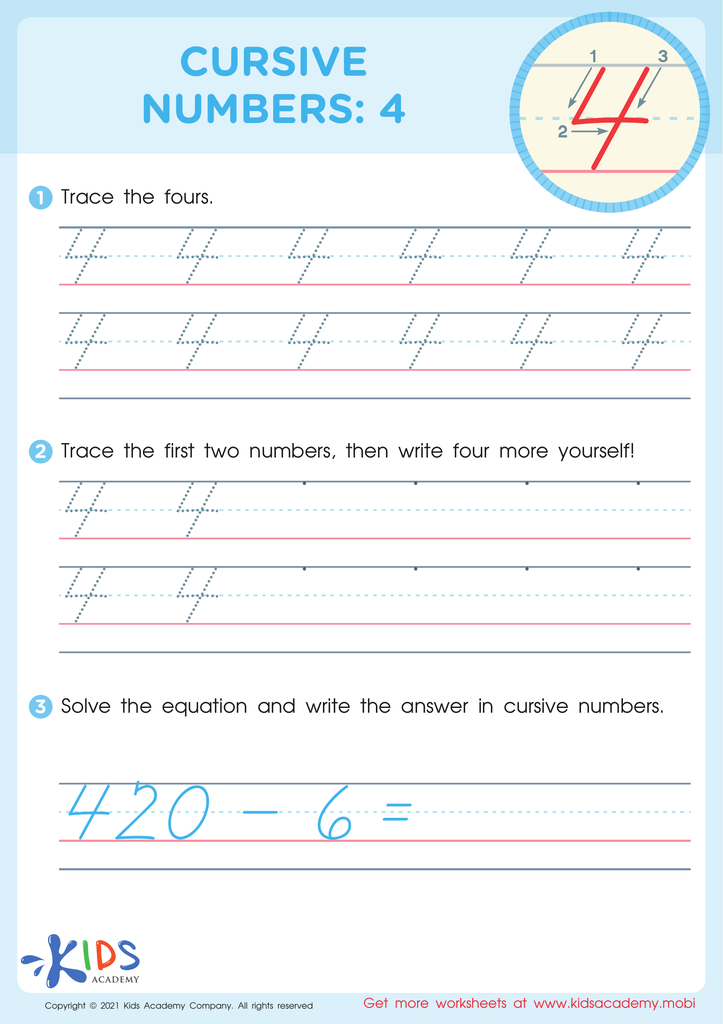
Cursive Numbers: 4 Worksheet
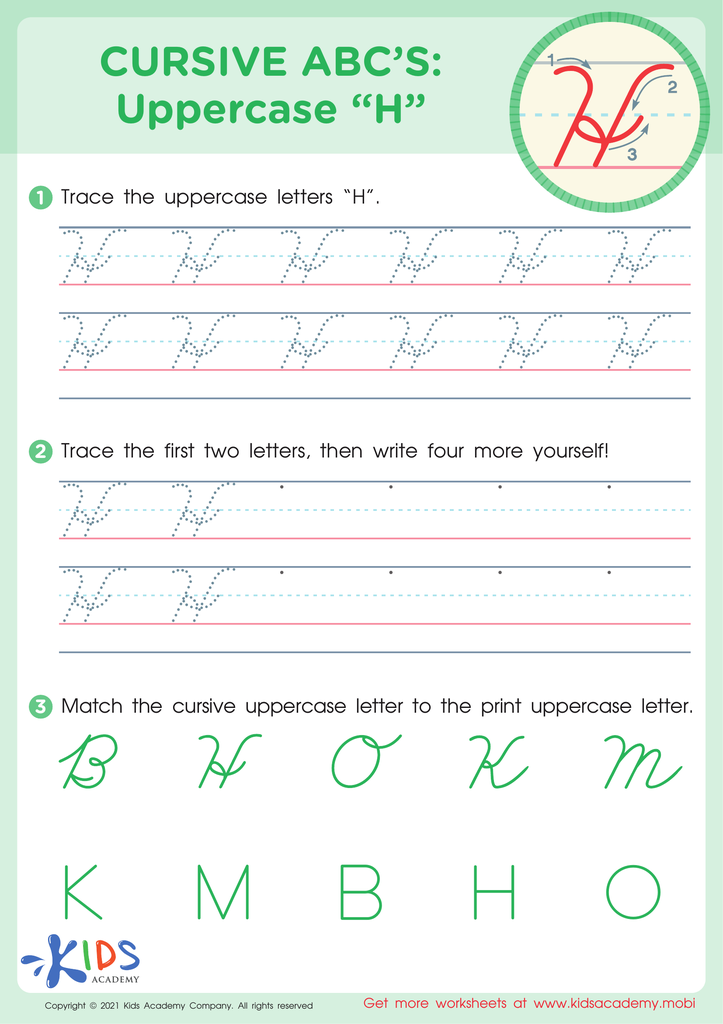
Cursive ABCs: Uppercase H





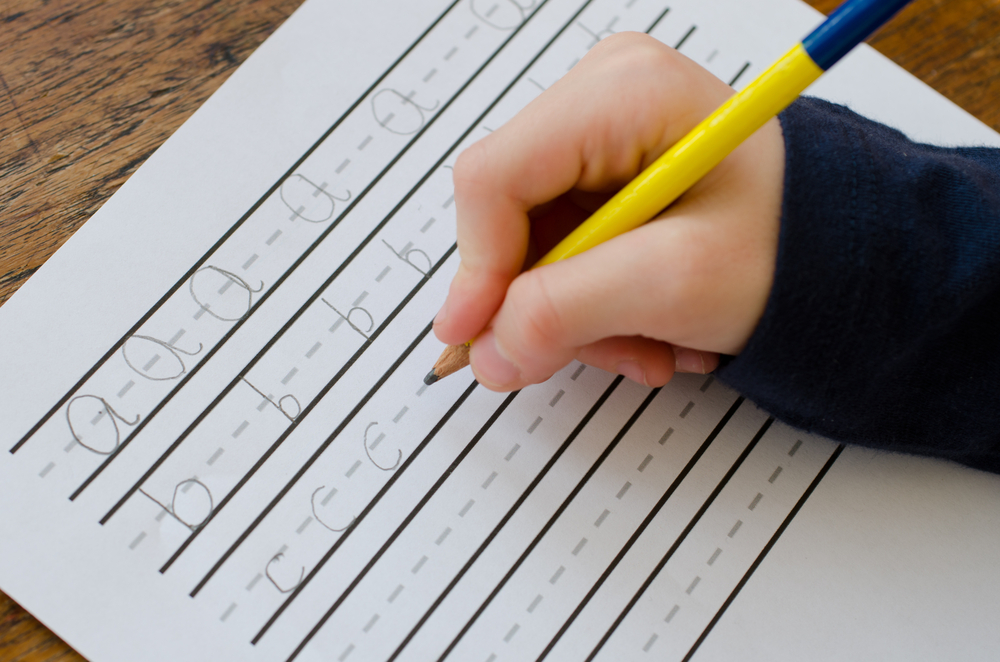
Cursive writing, often seen as a fading art, holds significant value for children aged 7-8, especially in the context of educational development. First, writing in cursive enhances fine motor skills. As children practice ( flowing ) movements with a pen or pencil, they improve hand-eye coordination, which is crucial for other academic tasks.
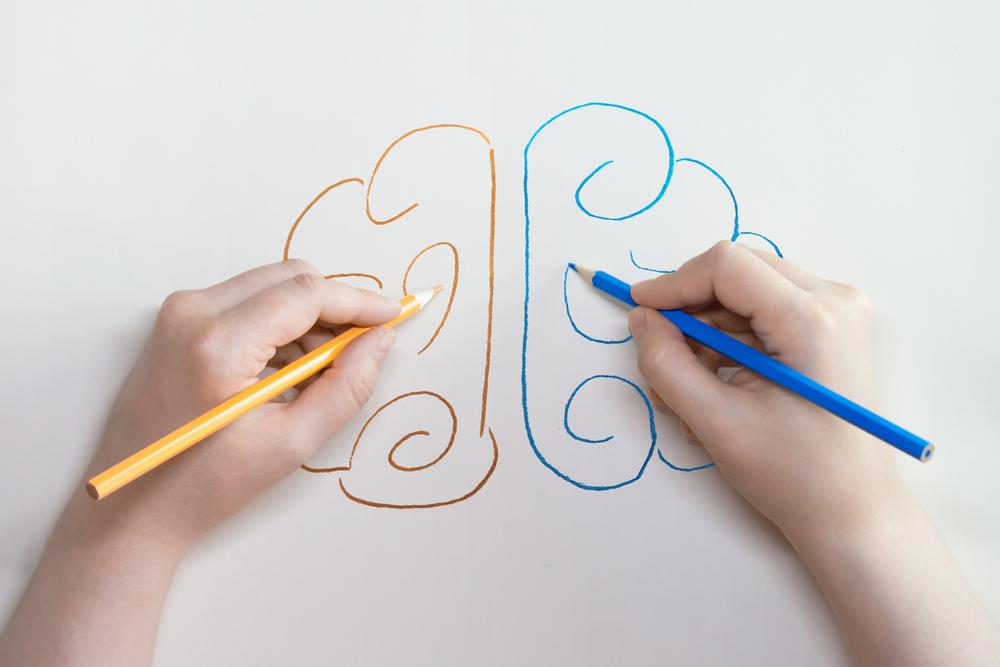
Additionally, cursive writing promotes cognitive development by engaging different parts of the brain. The fluid motion required for cursive helps deepen memory retention and improves overall literacy skills. As children connect the letters while writing, they build stronger neural pathways associated with language.
Moreover, cursive teaches children the importance of personalization in writing. By developing their unique cursive styles, they gain a sense of identity and self-expression, crucial for their social development. Cursive allows pupils to create notes and letters, an engaging way to communicate thoughts and feelings.
Finally, familiarity with cursive can enhance students' ability to read historical documents and literature in their original forms. As many primary sources are penned in cursive, teaching this skill enriches their understanding of history and culture.
For these reasons, both parents and teachers should prioritize cursive writing in early education.








