
Letter Tracing ABC Letters Worksheets for Ages 7-9
6 filtered results
Difficulty Level
Grade
Age
-
From - To
Subject
Activity
Standards
Unlock the joy of learning with our "Letter Tracing ABC Letters Worksheets" designed for children aged 7-9! These engaging worksheets provide a fun way for kids to enhance their handwriting skills while familiarizing themselves with the alphabet. Each sheet focuses on individual letters, combining inviting illustrations and interactive tracing activities that promote fine motor skills and letter recognition. Ideal for classroom use or at-home practice, our worksheets cater to the diverse learning needs of young learners. Foster confidence in writing and creativity with our thoughtfully crafted resources that make learning both effective and enjoyable. Explore the joy of tracing today!
Favorites
With answer key
Interactive
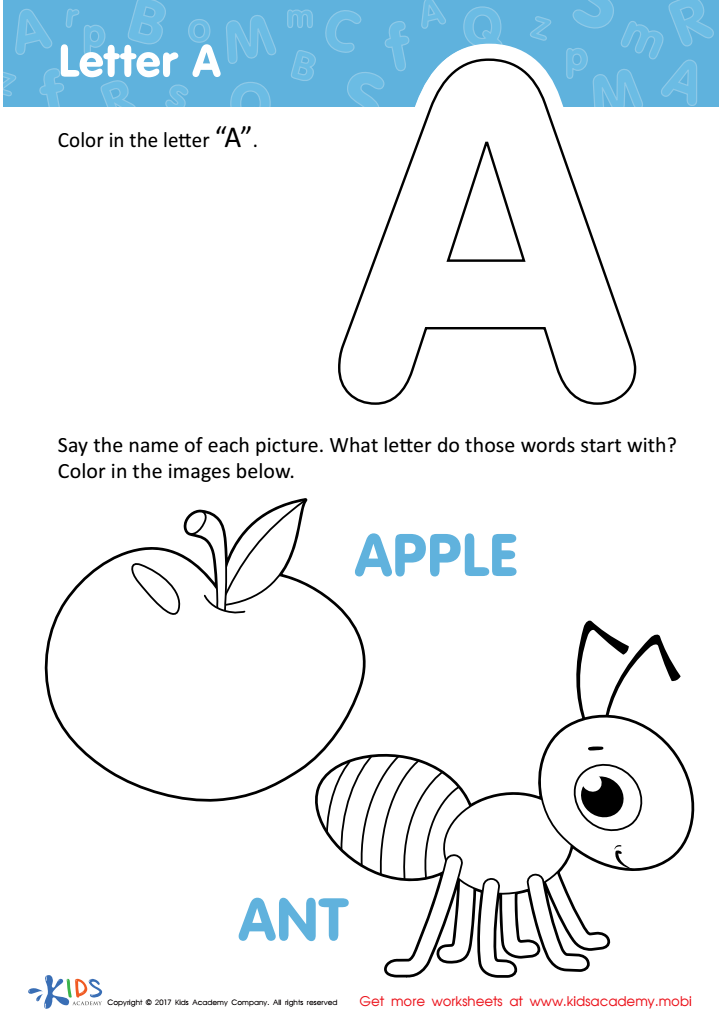
Letter A Coloring Sheet
This letter "A" coloring page is great for introducing kids to the alphabet! Let them exercise their creativity while they learn to recognize letters and sounds - it's a fun and easy way to help them get started.
Download (PDF)
 Assign to My Students
Assign to My Students
Letter A Coloring Sheet
Worksheet



Letter V Coloring Sheet
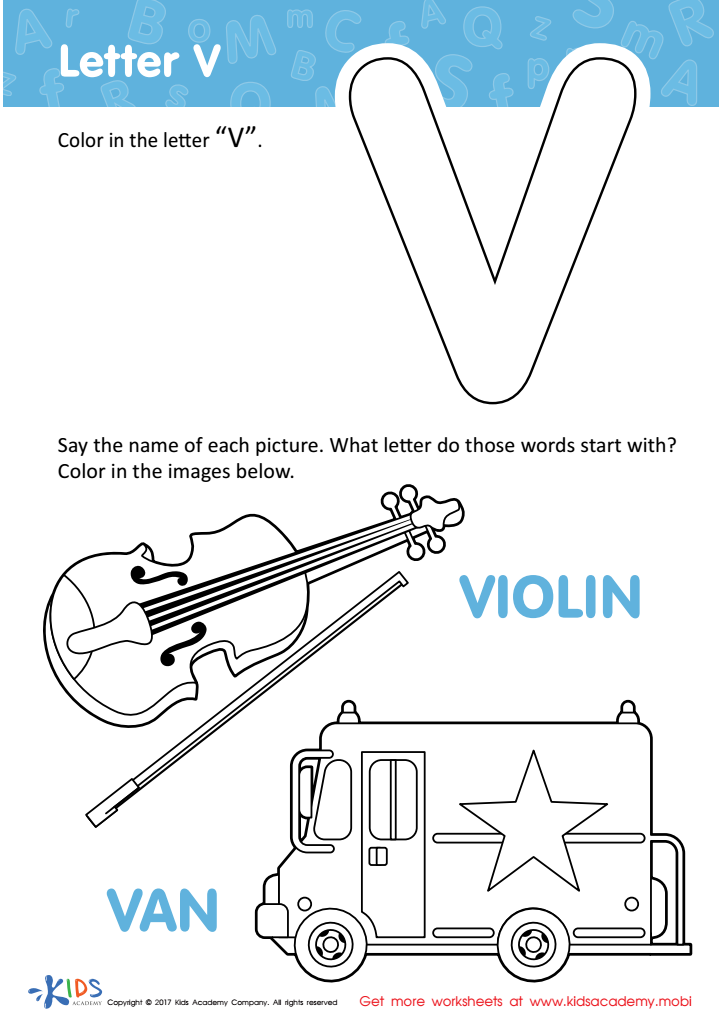
This fun letter V coloring page can boost your child's knowledge of the letter "V" and its sound. Help them pronounce it correctly, too!
Download (PDF)
Assign to My Students
Assign to My Students
Letter V Coloring Sheet
Worksheet
Letter D Coloring Sheet
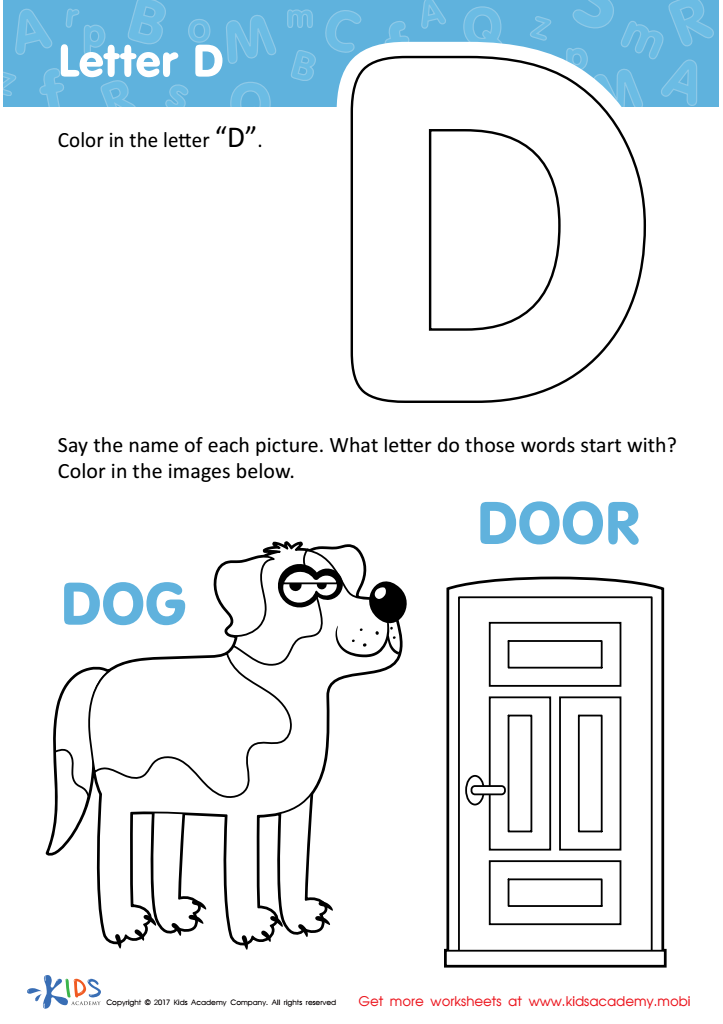
Coloring with this letter "D" page is a great way to encourage your child's creativity while they learn the letter "D" and its sound. It's a fun activity to stimulate their imagination!
Download (PDF)
Assign to My Students
Assign to My Students
Letter D Coloring Sheet
Worksheet
Letter O Coloring Sheet
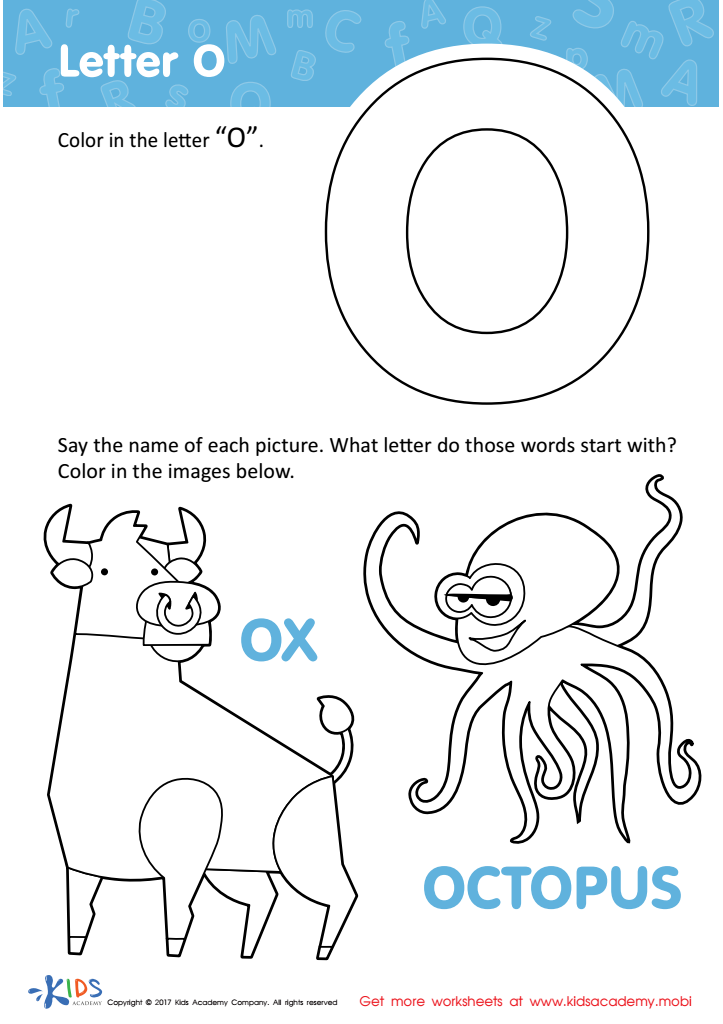
Oh my! The letter "O" is so much fun. Coloring in the octopus and ox on this delightful letter "O" coloring page can help your child have fun while strengthening their recognition of the letter and sound.
Download (PDF)
Assign to My Students
Assign to My Students
Letter O Coloring Sheet
Worksheet
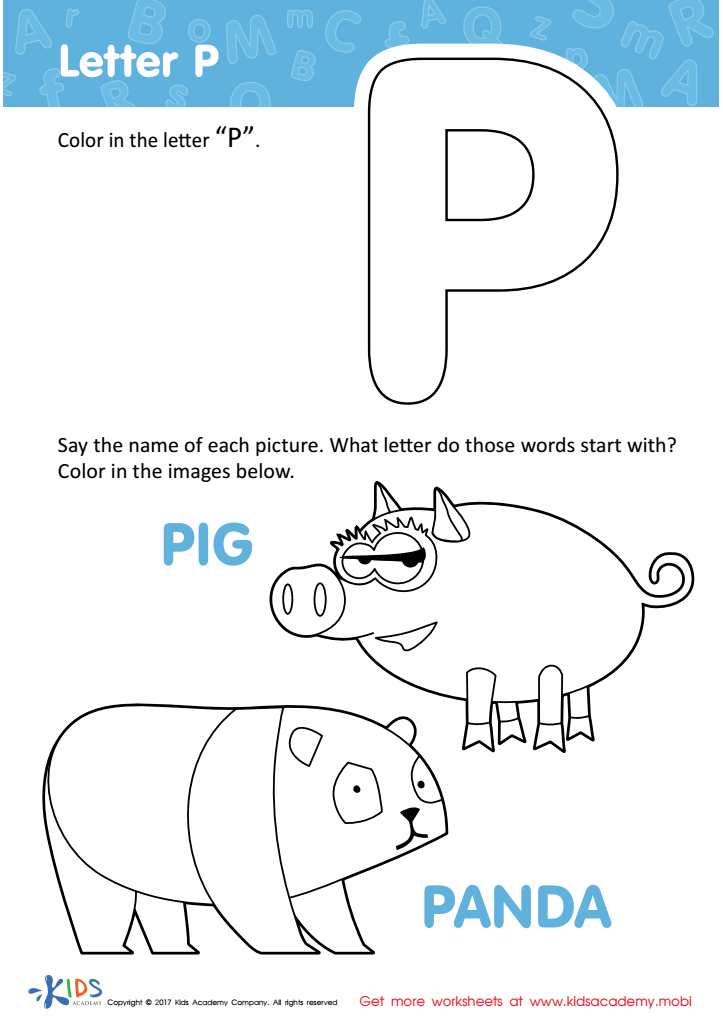
Letter P Coloring Sheet
Encourage your child's creativity and letter recognition with this "P" coloring page! Through coloring animals such as pigs and pandas, your little one will get to know the sound of the letter "P" and have fun too!
Download (PDF)
Assign to My Students
Assign to My Students
Letter P Coloring Sheet
Worksheet
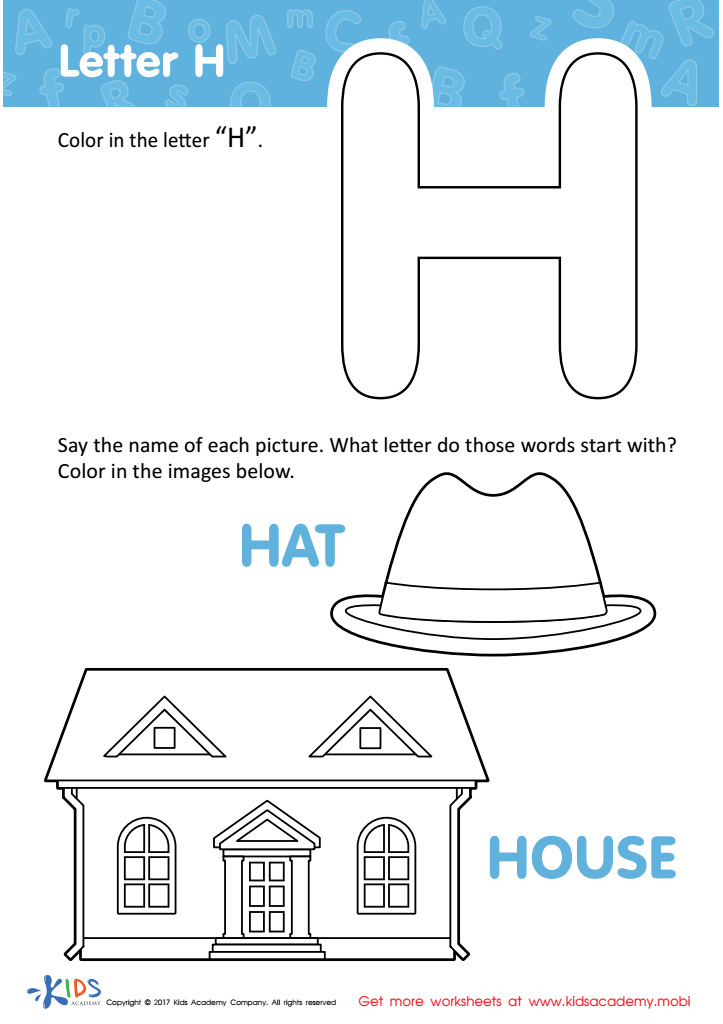
Letter H Coloring Sheet
This fun "H" coloring page will help your child recognize the letter and sound of "H"! With a hat and house to color, your little learner will have a blast picking colors and creating designs, all while learning about the letter "H"!
Download (PDF)
Assign to My Students
Assign to My Students
Letter H Coloring Sheet
Worksheet
Join Kids Academy for Free
Who is primarily going to use this learning content?







Parents and teachers should care about letter tracing for children aged 7-9 because it plays a critical role in their literacy development and motor skills. This foundational activity helps improve handwriting by promoting proper letter formation, encouraging fluidity, and enhancing overall writing confidence. Mastery of letter tracing leads to better spelling and reading proficiency, as students create a visual and tactile connection with each letter's shape and sound.
Moreover, practicing letter tracing engages fine motor skills, which are essential for various academic and everyday tasks, from writing and drawing to using tools and playing sports. At this stage, children are also developing their focus and patience—traits stimulated by focused tracing activities, which require concentration and careful repetition.
Additionally, integrating letter tracing into lesson plans allows for differentiated learning experiences, catering to diverse educational needs. With the rise of technology, blending traditional tracing with digital formats can capture children's interest while providing immediate feedback. Overall, emphasizing letter tracing in early education forms a critical part of developing competent, confident learners ready for future academic challenges. By supporting this skill, parents and teachers set a strong foundation for lifelong learning.







