Letter Tracing Practice Alphabet Worksheets for Ages 7-9
3 filtered results
-
From - To
Enhance your child's writing skills with our engaging "Letter Tracing Practice Alphabet Worksheets for Ages 7-9"! These carefully designed worksheets provide a fun and effective way for young learners to master letter formation, improve fine motor skills, and build confidence in their handwriting. With a variety of tracing activities and colorful illustrations, kids will enjoy each step of their alphabet journey. Perfect for classroom settings or at-home practice, our printable worksheets make learning the alphabet both educational and entertaining. Give your child the tools they need to succeed in their writing efforts with these comprehensive tracing sheets!
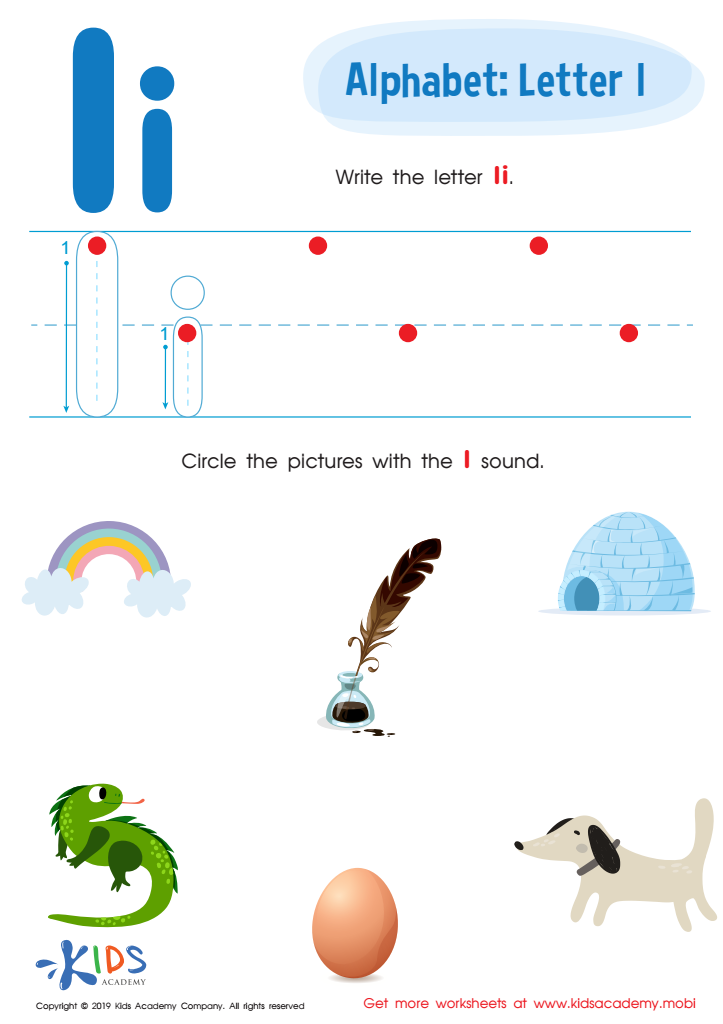
Letter I Tracing Worksheet
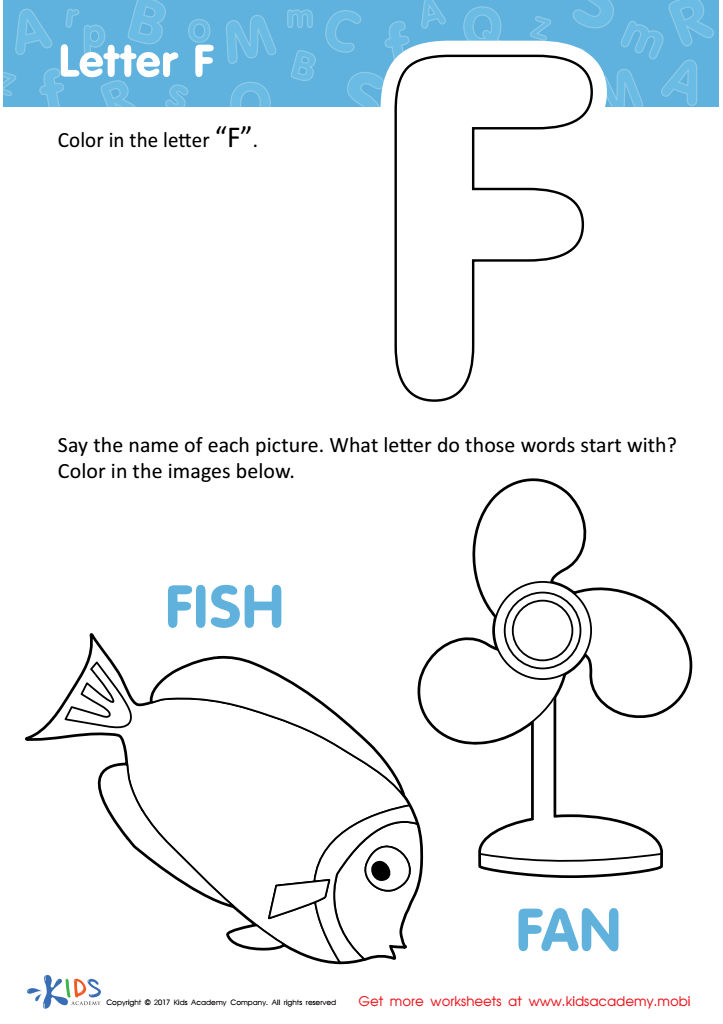
Letter F Coloring Sheet
 Assign to My Students
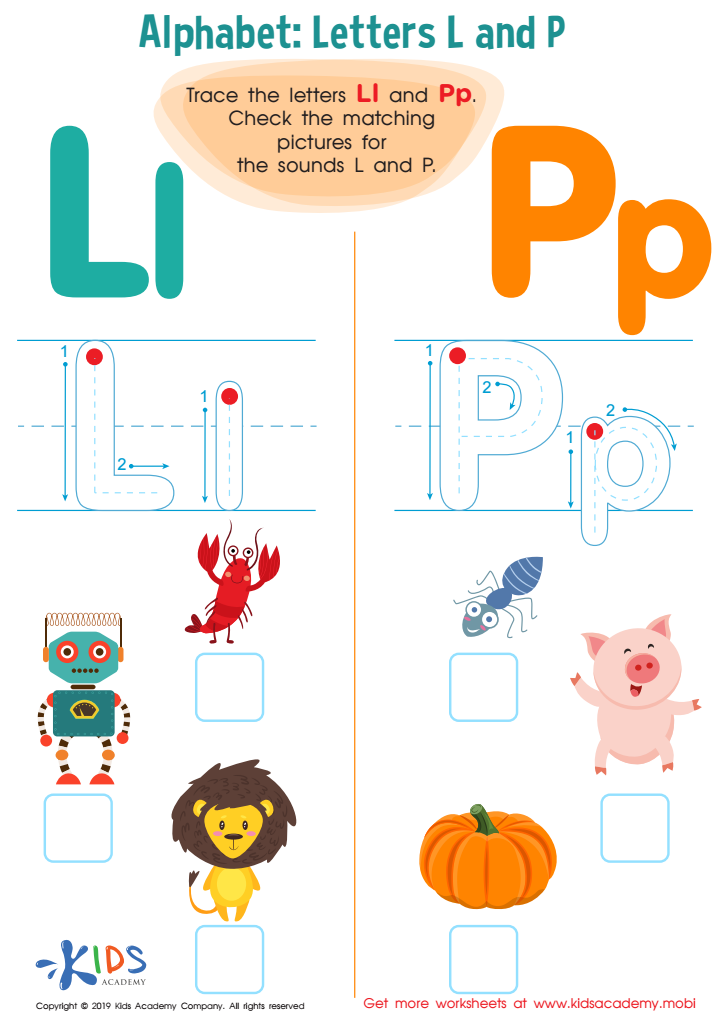
Letter L and P Tracing Worksheet






Letter tracing practice is fundamental for children aged 7-9 because it enhances fine motor skills, phonemic awareness, and reading readiness. By engaging in letter tracing, children develop the muscle memory needed for legible handwriting, laying the foundation for future writing tasks. Fine motor control is refined as kids maneuver their pencils, an essential skill not just for writing but for daily tasks like buttoning clothes or using utensils.
Moreover, letter tracing reinforces the relationship between sounds and their written counterparts, promoting phonemic awareness. This understanding is crucial for decoding words, an early reading skill. By repeatedly forming letters, children become more familiar with the alphabet, enhancing their ability to recognize letters and understand their sounds, a key component of effective reading and writing instruction.
Additionally, mastering letter formation through tracing boosts children's confidence. Successfully completing each letter traces fosters a sense of accomplishment, motivating them to tackle more advanced writing and reading activities. This increased confidence can translate to more practice and better skills in the long run. Teachers and parents should encourage letter tracing practice because it's not just about forming letters—it's about building a strong foundation for literacy and fine motor skills that support broader educational development.







