Alphabet Recognition Letter Recognition Worksheets for Ages 7-9 - Page 2
32 filtered results
-
From - To
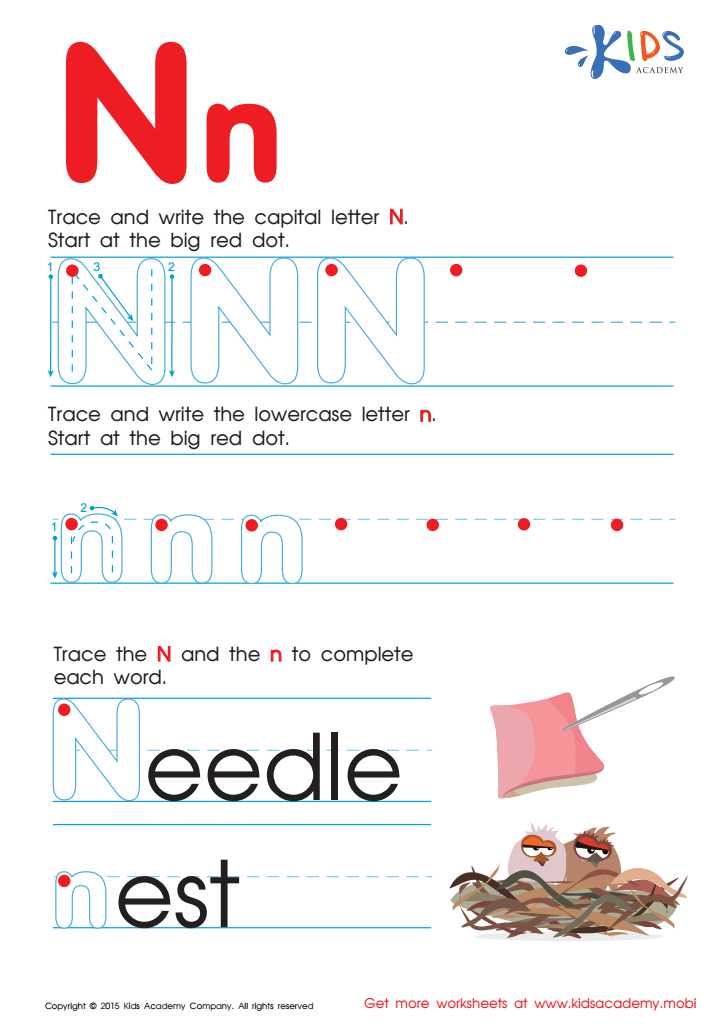
Letter N Tracing Page
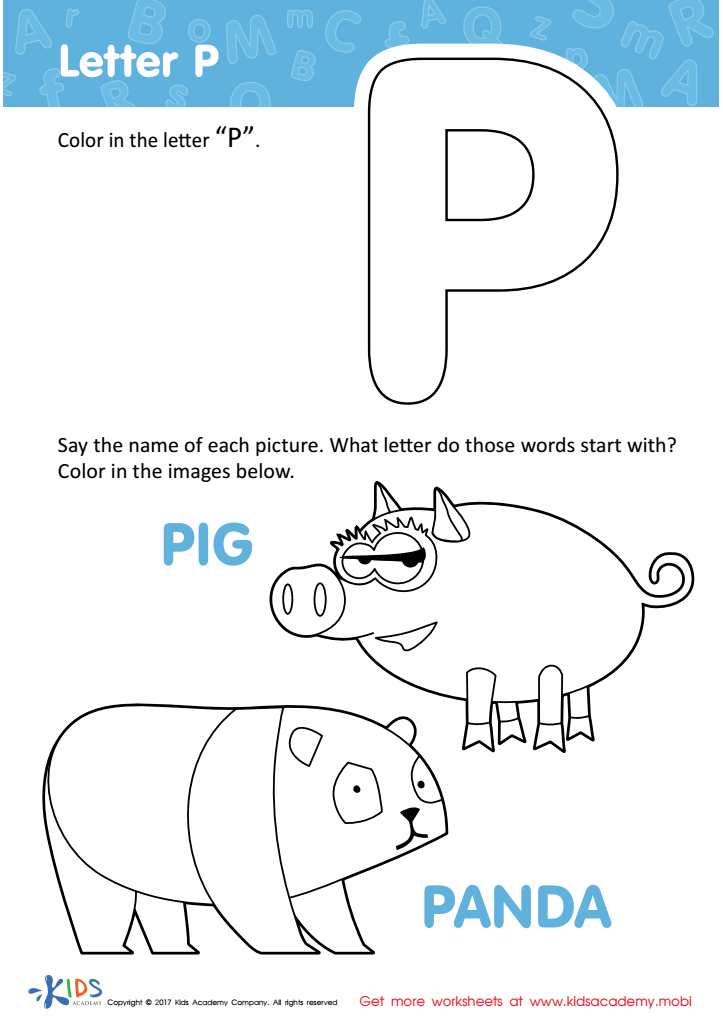
Letter P Coloring Sheet
 Assign to My Students
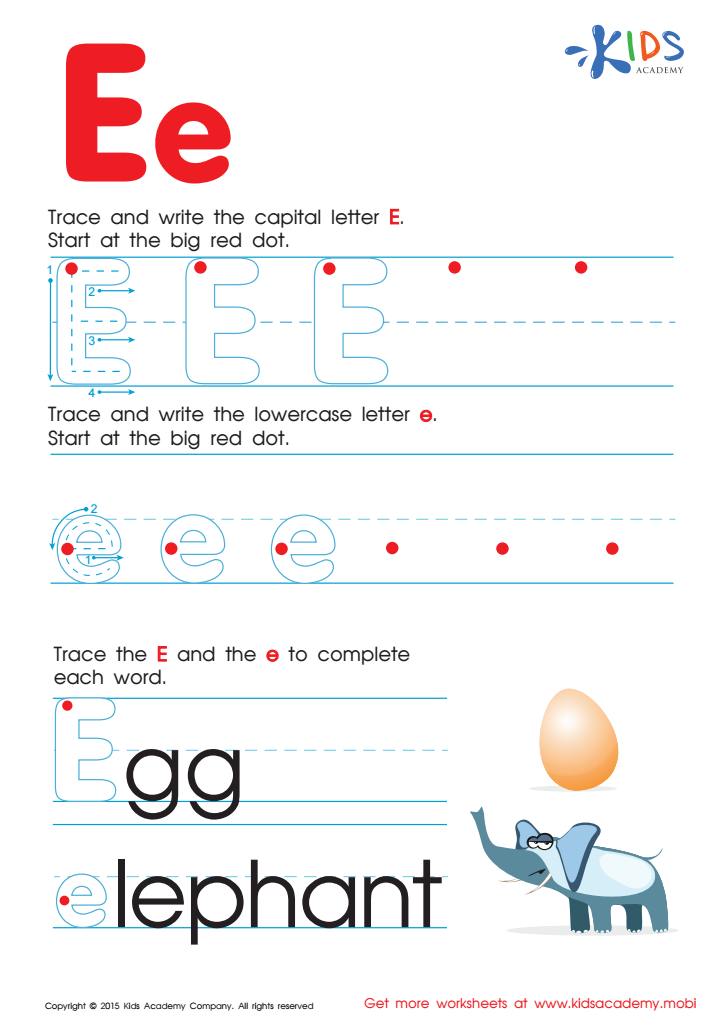
Letter E Tracing Page
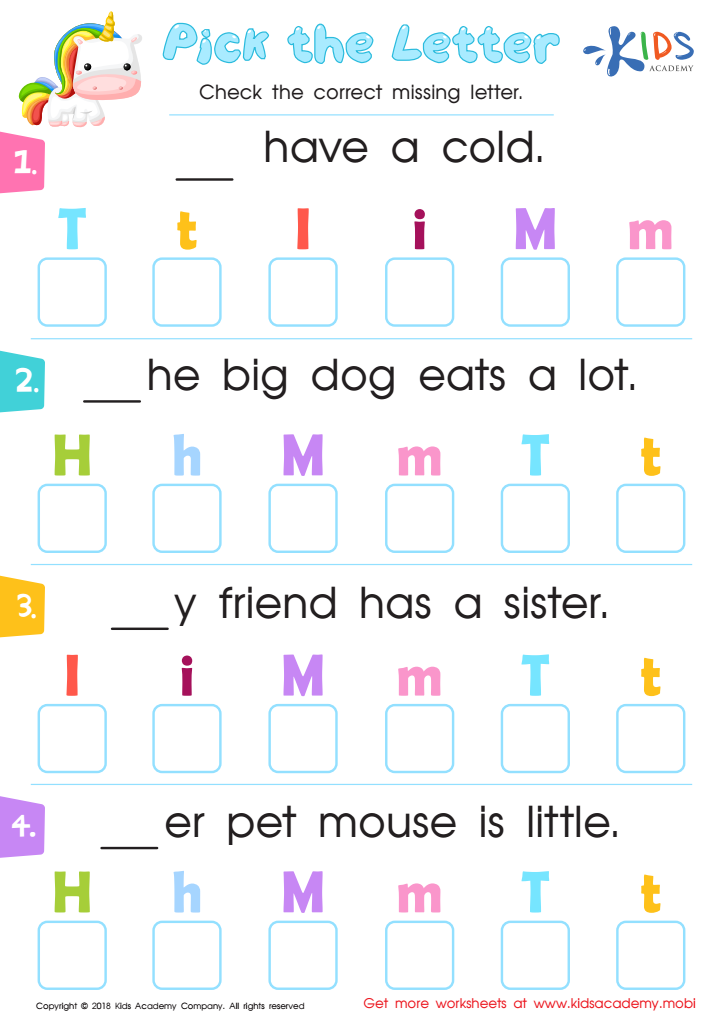
Pick the Letter Worksheet
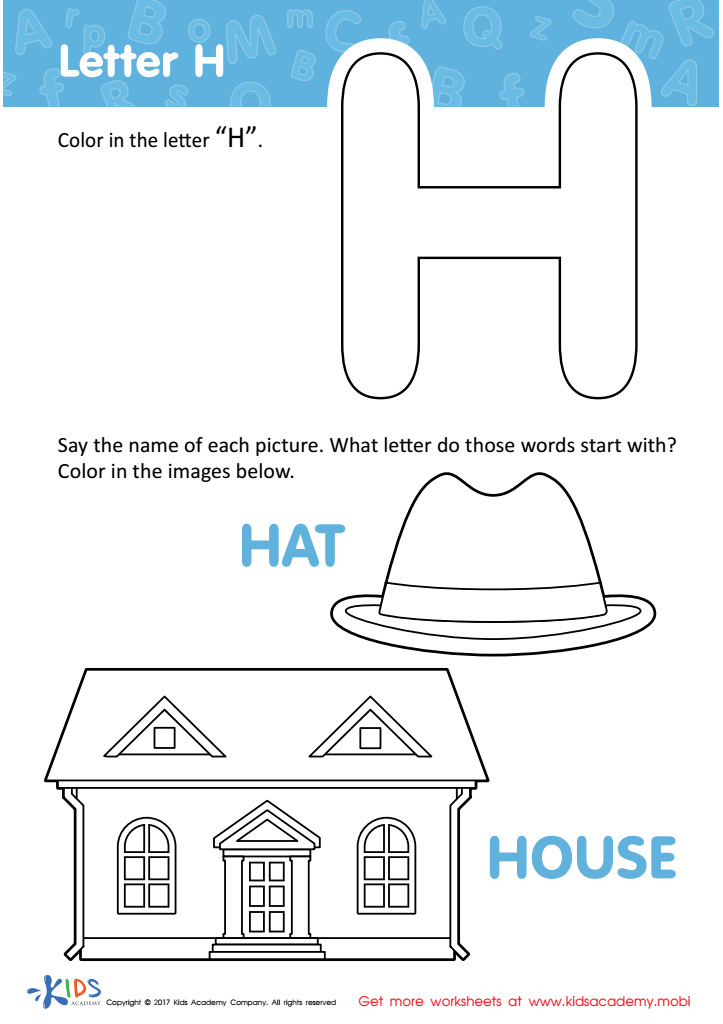
Letter H Coloring Sheet
Assign to My Students
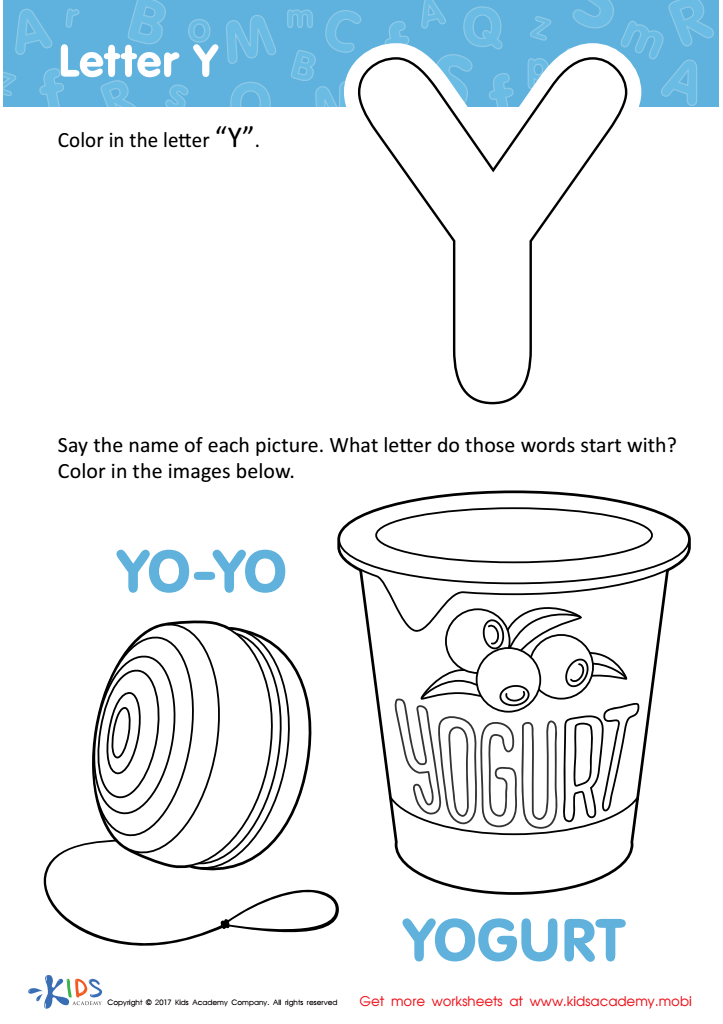
Letter Y Coloring Sheet
Assign to My Students
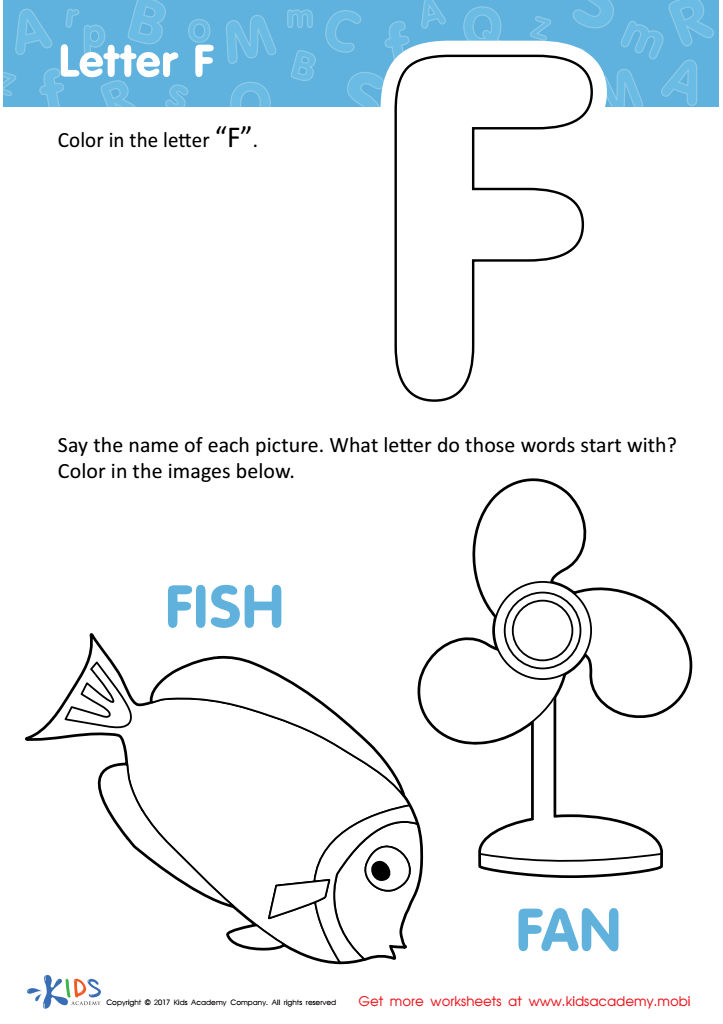
Letter F Coloring Sheet
Assign to My Students
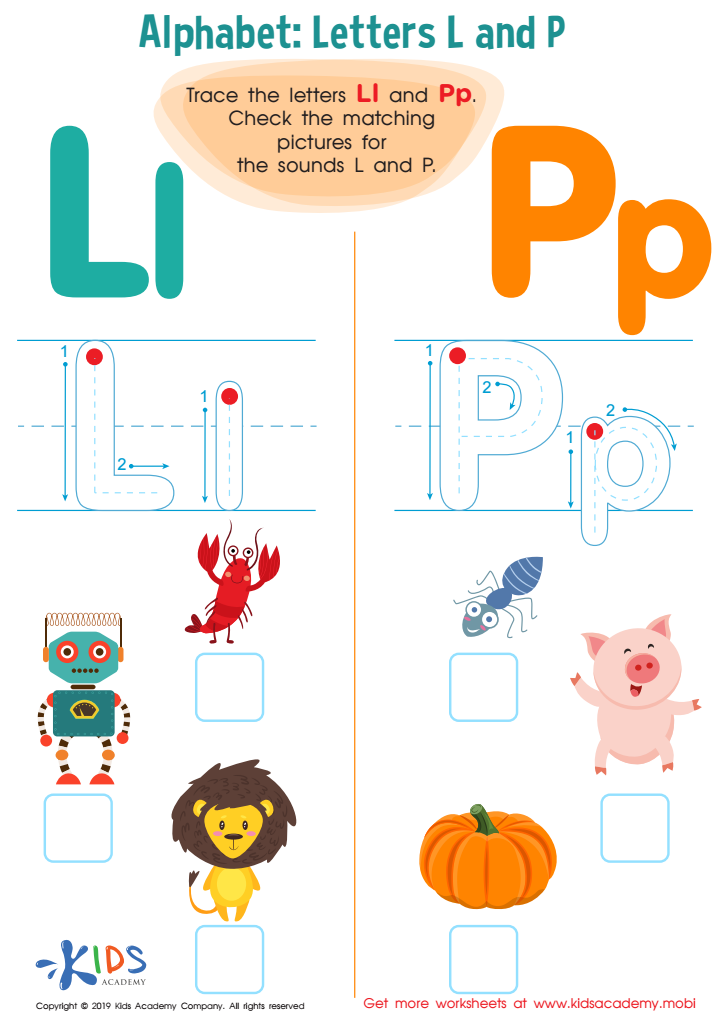
Letter L and P Tracing Worksheet








Alphabet and letter recognition are critical skills for children aged 7-9 as they lay the groundwork for effective reading and writing. By this age, children are transitioning from "learning to read" to "reading to learn," which means a solid grasp of the alphabet is essential for academic success and confidence in literacy tasks.
Understanding alphabet and letter recognition helps children decode new words, a skill that is fundamental in reading fluency. It aids children in making connections between spoken language and written text, allowing them to understand phonetics, spelling patterns, and word structure. This foundational knowledge ultimately boosts comprehension, enabling children to understand and absorb more complex materials across various subjects.
Moreover, strong letter recognition also supports effective writing skills. Children can easily transcribe their thoughts into text when they can quickly and accurately recognize letters. This makes writing less laborious and more enjoyable, encouraging creative expression and effective communication.
In essence, alphabet and letter recognition are critical components of literacy. Parents and teachers who prioritize these skills provide children with essential tools for academic success, effective communication, and lifelong learning. Investing time in solidifying these skills can yield substantial cognitive and educational benefits, shaping well-rounded, confident learners.







