Fine Motor Skills Letter Recognition Worksheets for Ages 7-9 - Page 2
46 filtered results
-
From - To
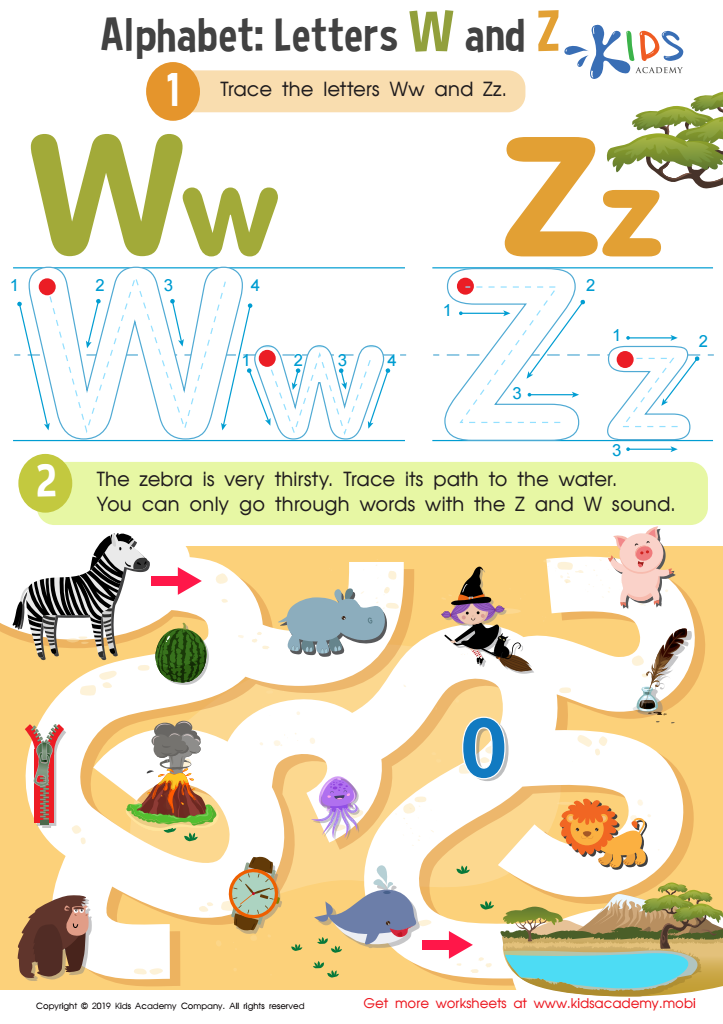
Letters W and Z Tracing Worksheet
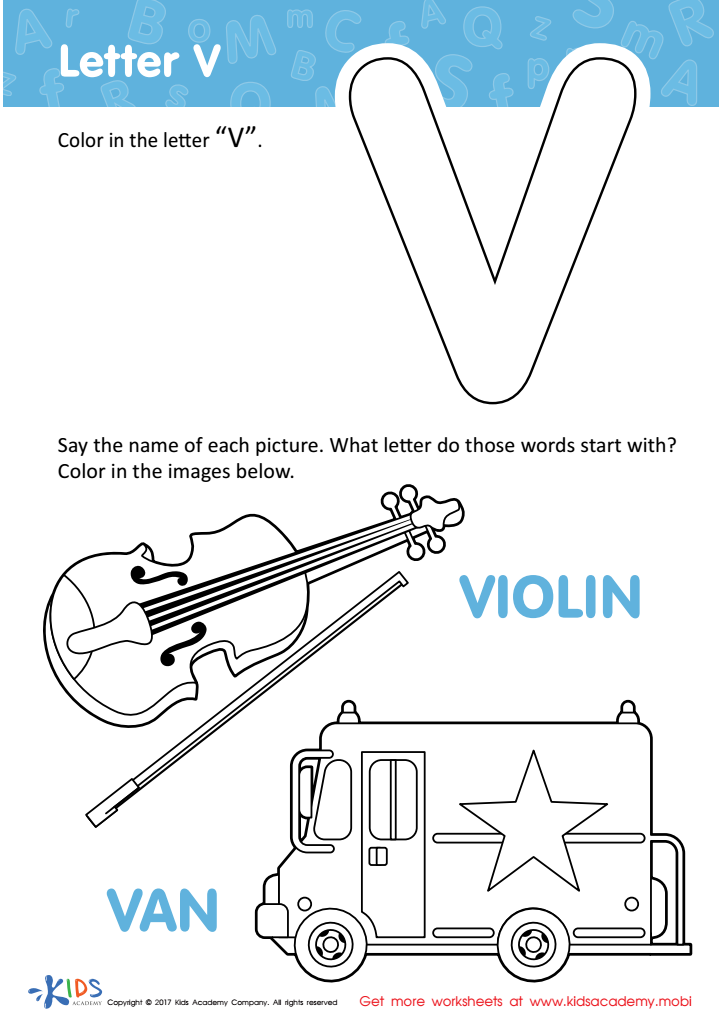
Letter V Coloring Sheet
 Assign to My Students
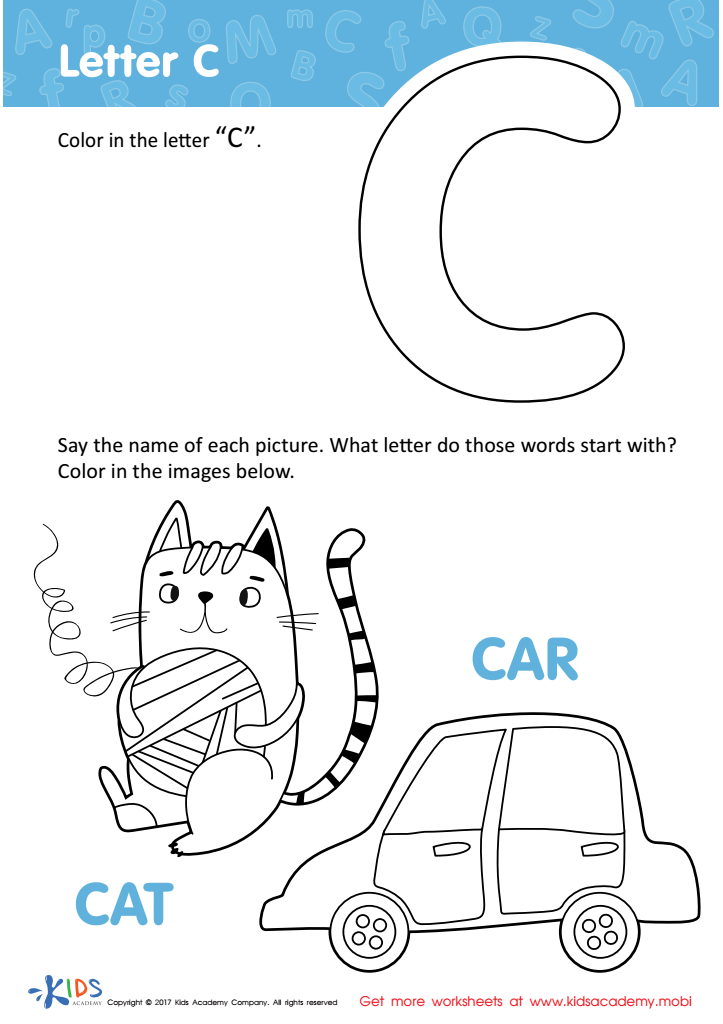
Letter C Coloring Sheet
Assign to My Students
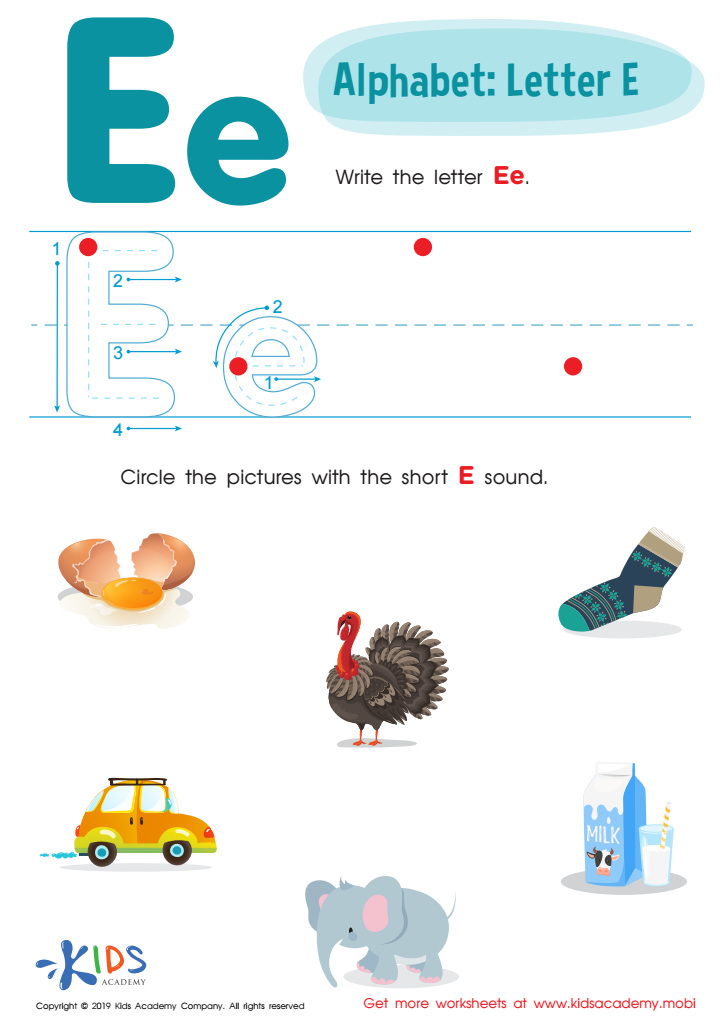
Letter E Tracing Worksheet
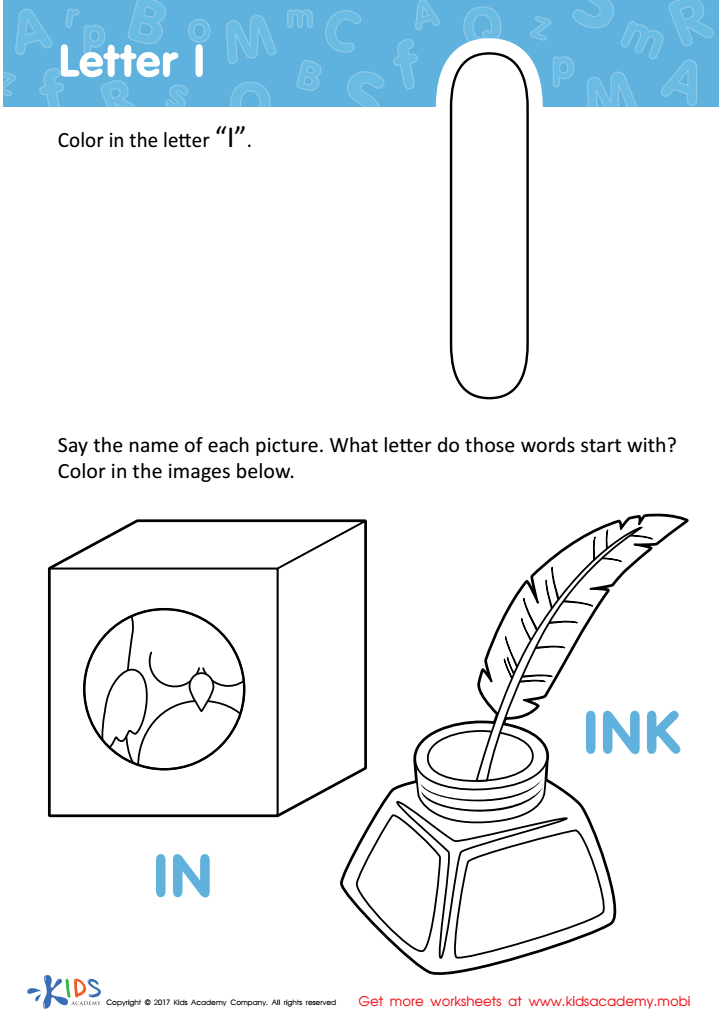
Letter I Coloring Sheet
Assign to My Students

Letters X and Q Tracing Worksheet
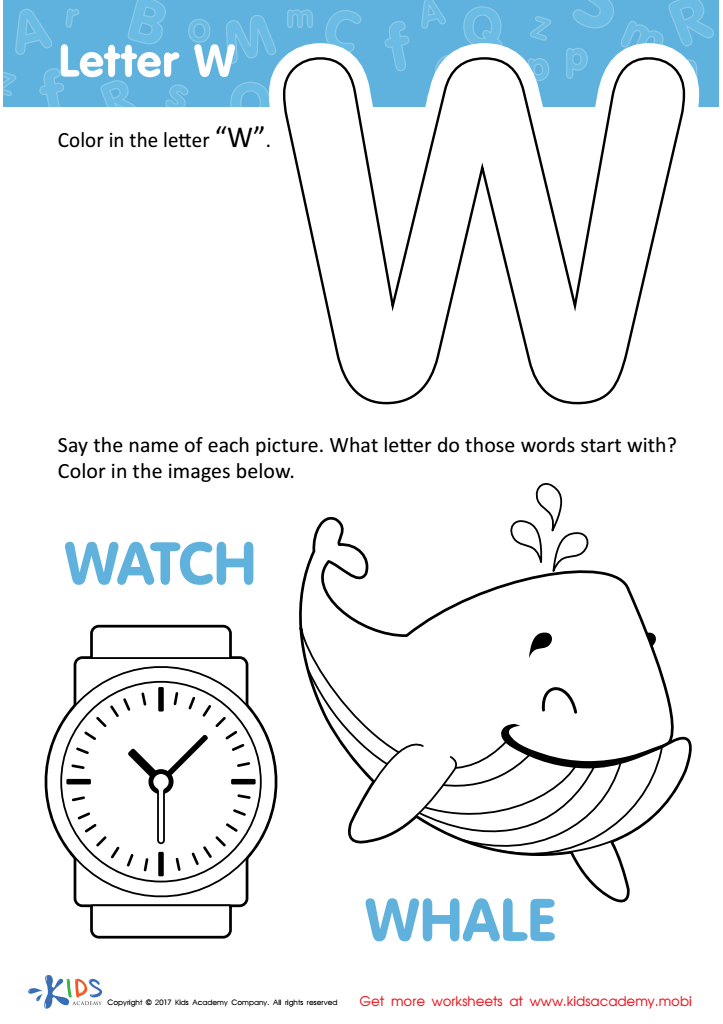
Letter W Coloring Sheet
Assign to My Students

Letter N Tracing Page
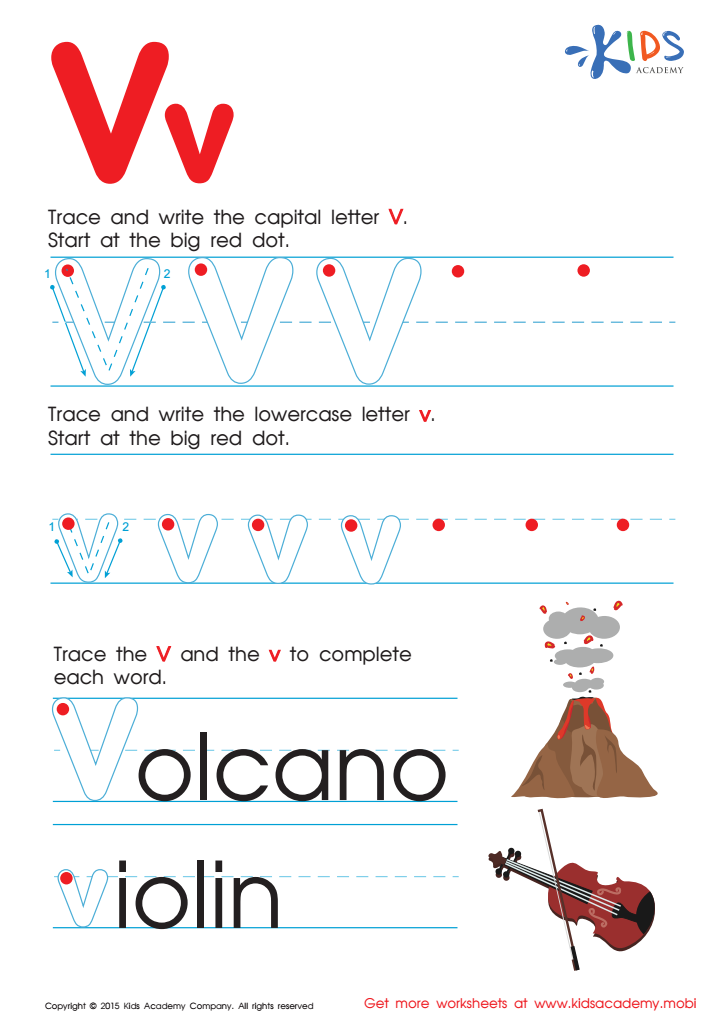
Letter V Tracing Page
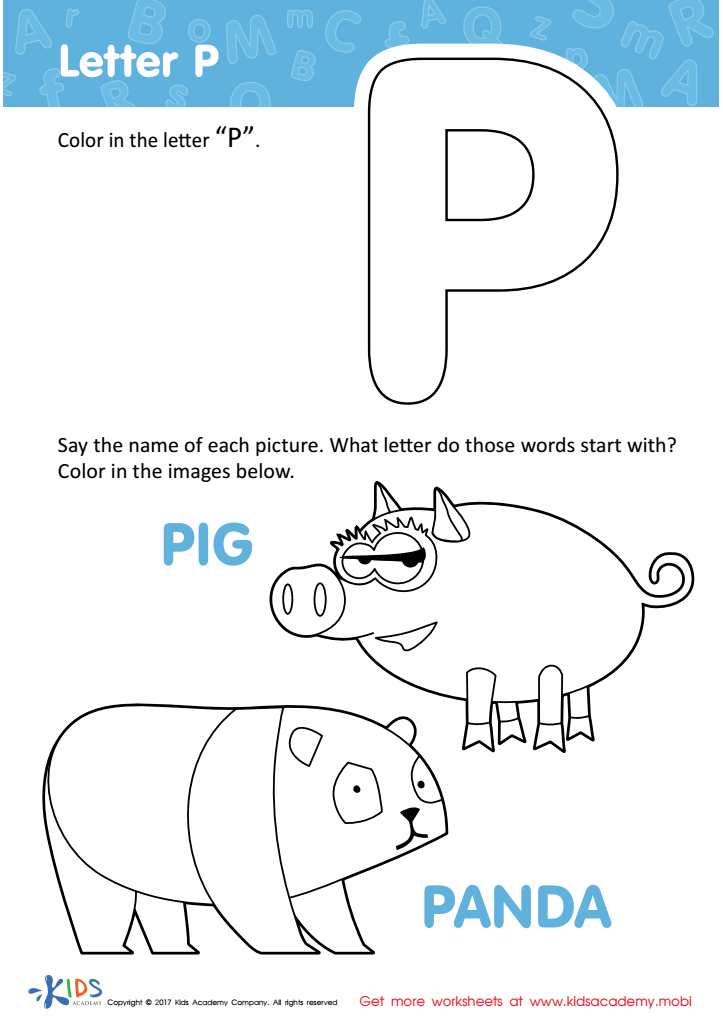
Letter P Coloring Sheet
Assign to My Students
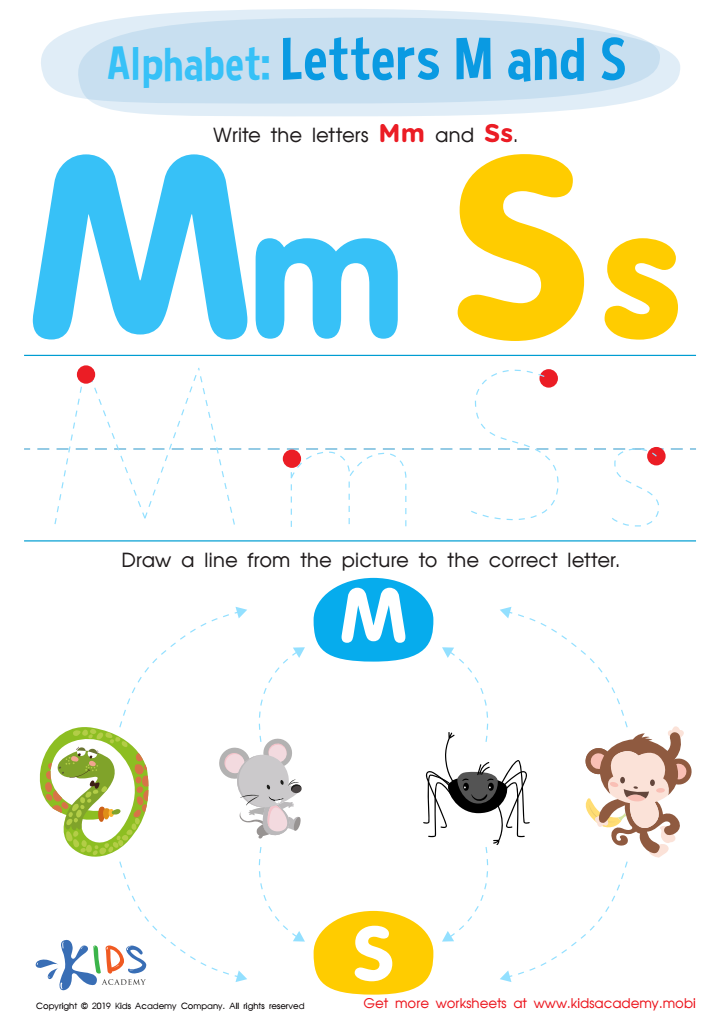
Letters M and S Tracing Worksheet
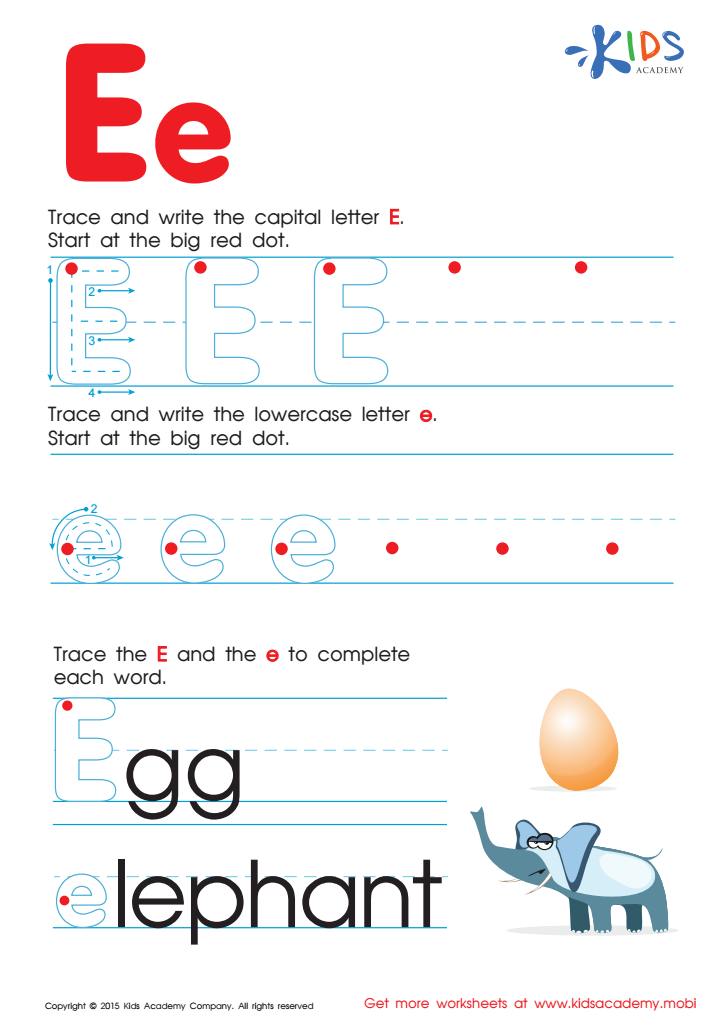
Letter E Tracing Page

Letter A Tracing Worksheet
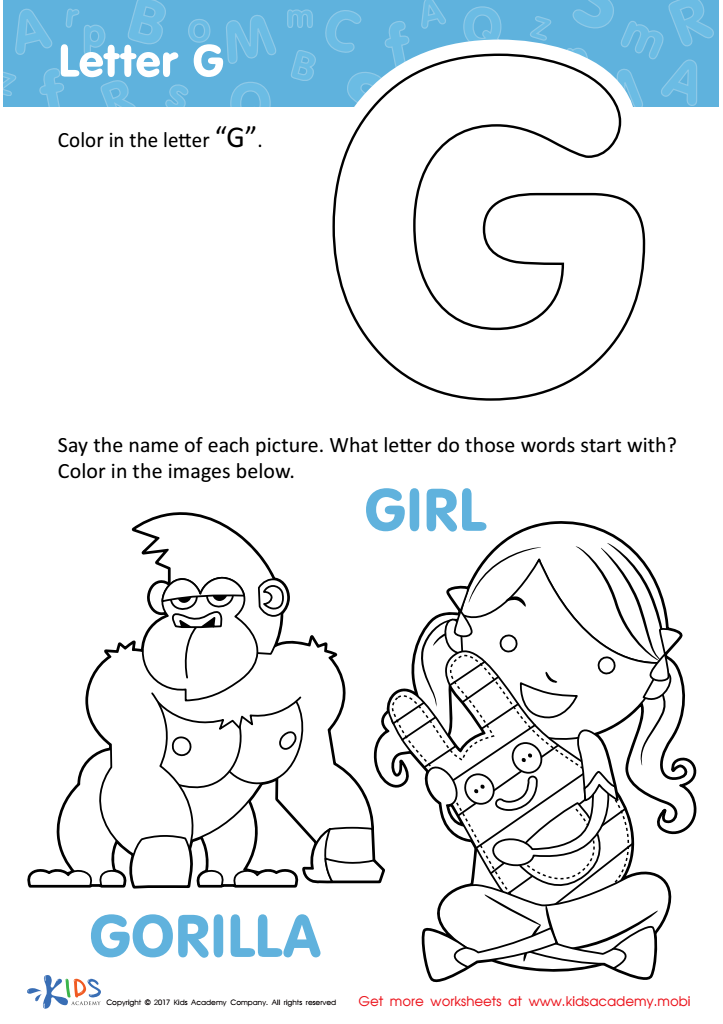
Letter G Coloring Sheet
Assign to My Students
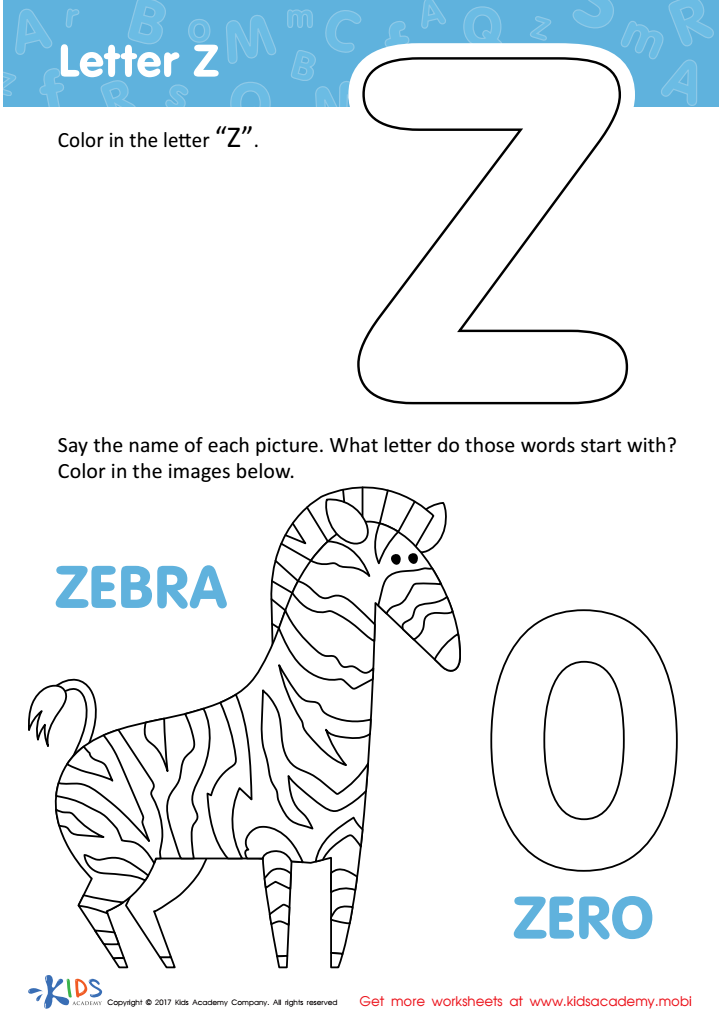
Letter Z Coloring Sheet
Assign to My Students
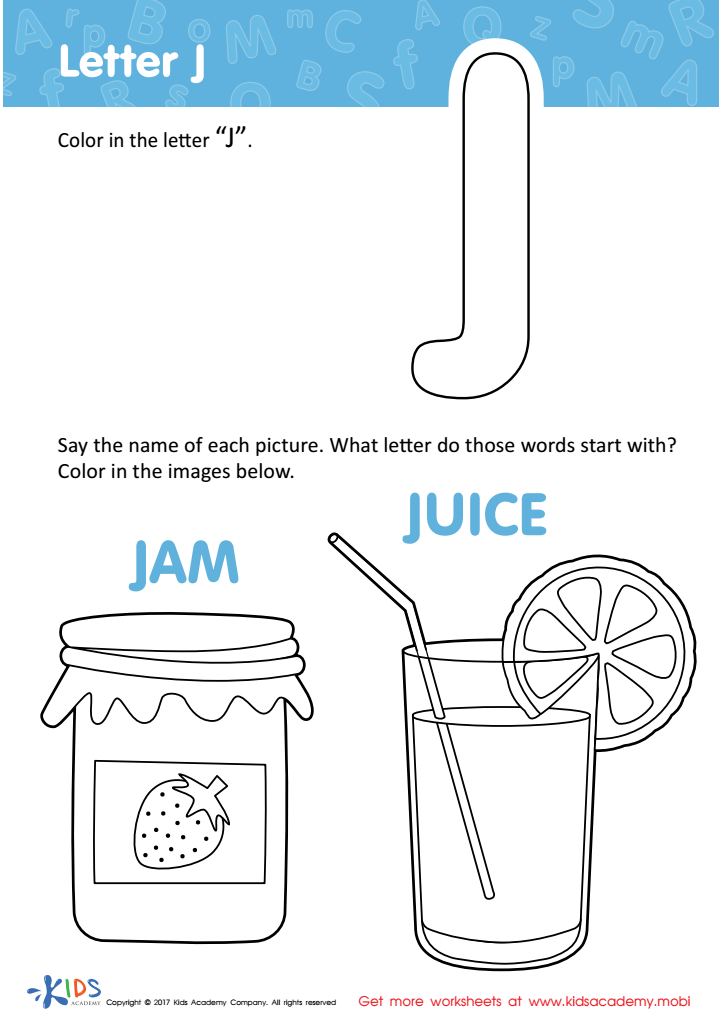
Letter J Coloring Sheet
Assign to My Students
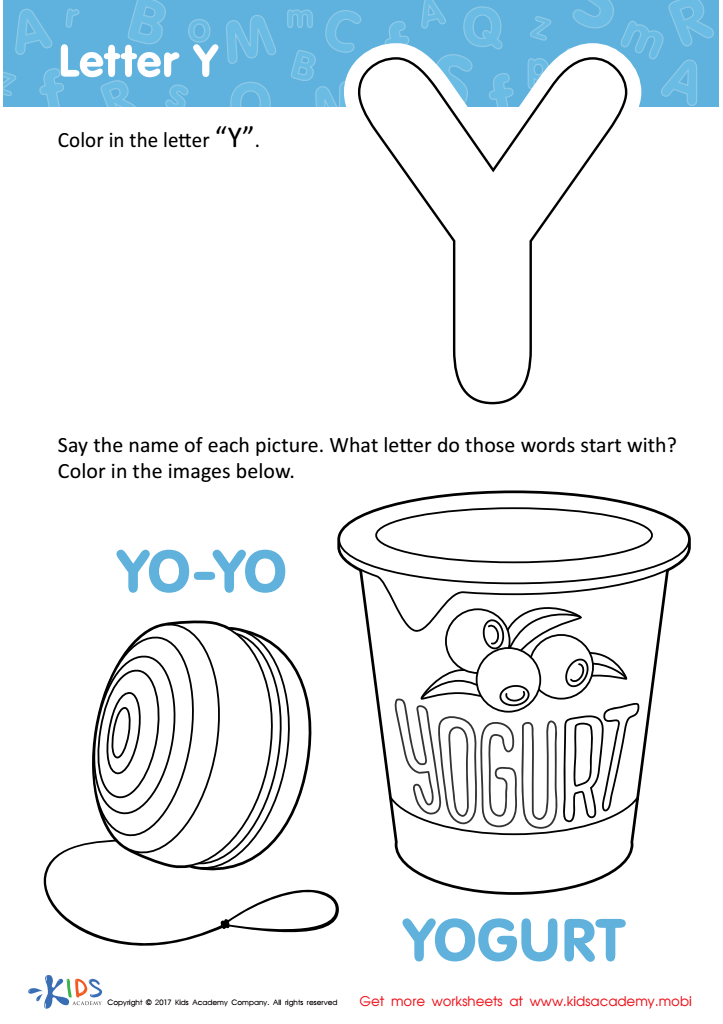
Letter Y Coloring Sheet
Assign to My Students
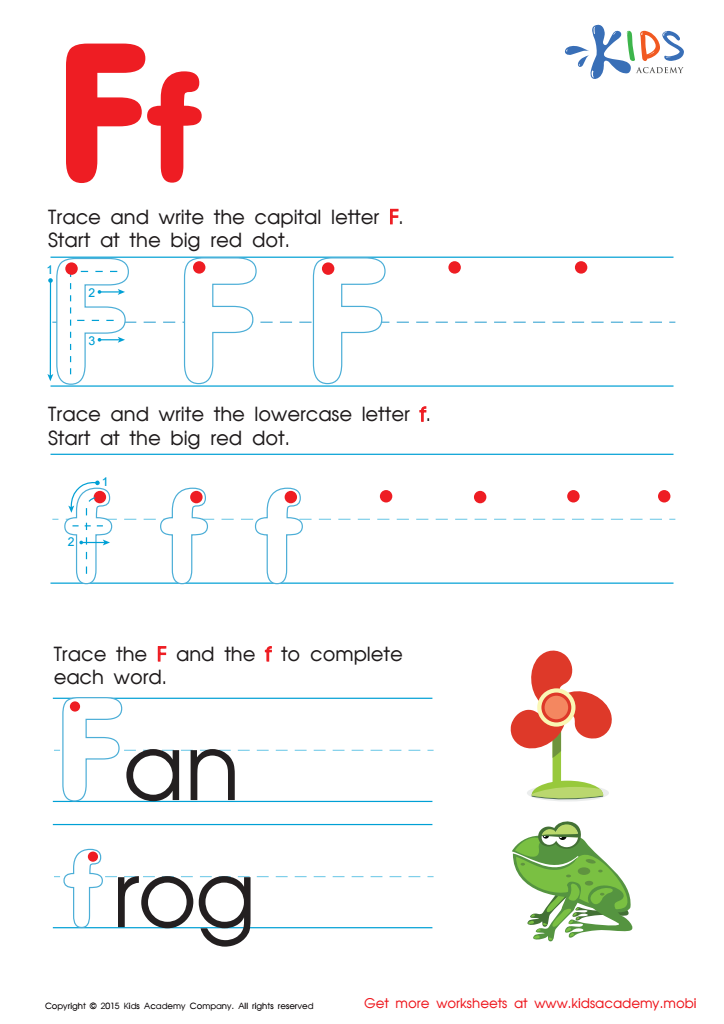
Letter F Tracing Page
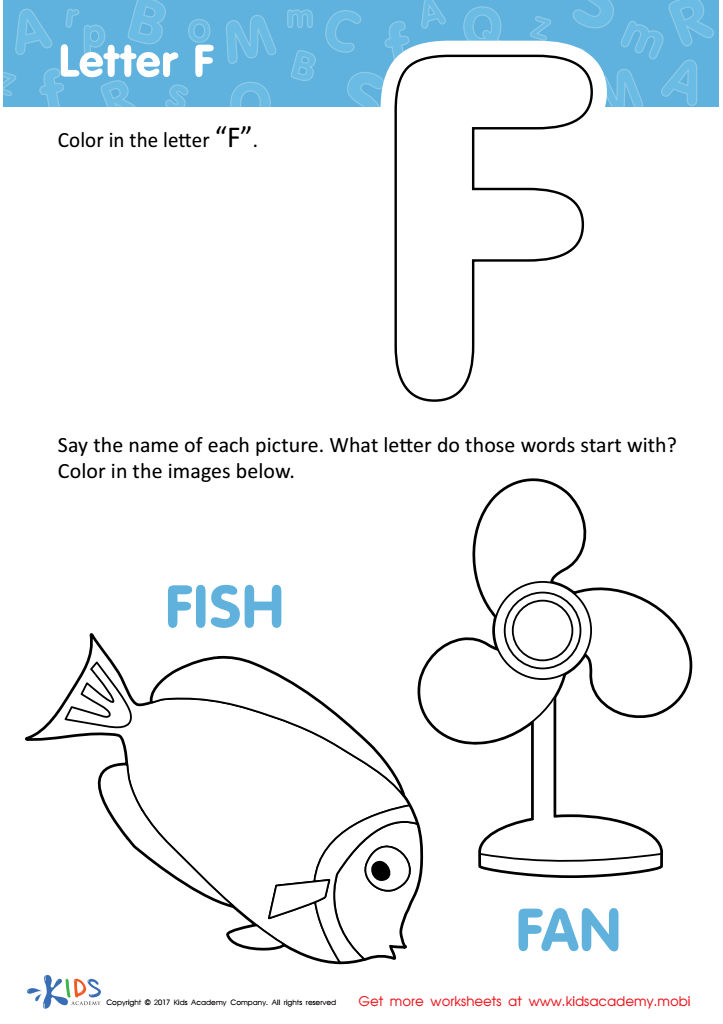
Letter F Coloring Sheet
Assign to My Students
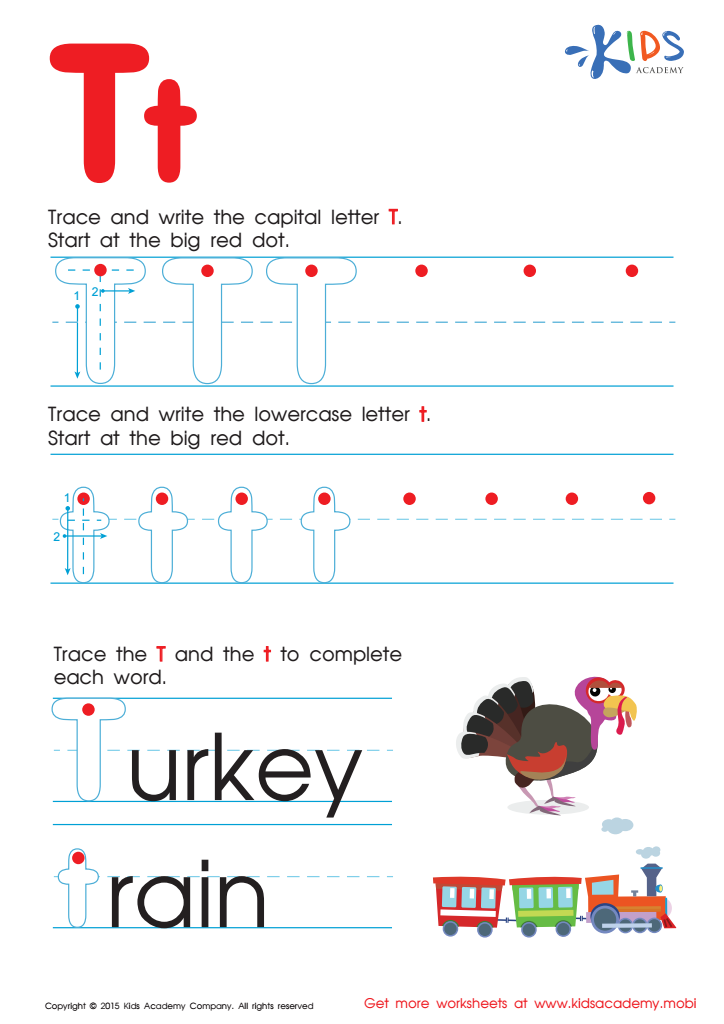
Letter T Tracing Page

Letter N Coloring Sheet
Assign to My Students

Letter D Tracing Page








Fine motor skills and letter recognition play a crucial role in the development of children ages 7-9, and addressing these skills is essential for parents and teachers alike. Fine motor skills are the small movements made by the hands and fingers that facilitate tasks such as writing, drawing, and using tools. In this age group, these skills underpin academic success, as children transition from mastering basic writing to creating coherent sentences and engaging in more complex literacy tasks.
Letter recognition, the ability to identify and name letters, is fundamental in building reading and writing proficiency. During ages 7-9, children are often developing their reading fluency and engaging in spelling activities. Improved letter recognition fuels their confidence and independence in literacy, enabling them to decode words and express themselves effectively.
When parents and teachers prioritize these skills, they nurture children's overall academic performance and support emotional and cognitive growth. Effective fine motor activities, combined with intentional letter recognition exercises, prepare students for future learning experiences. This foundation leads to higher literacy rates and ensures children are equipped with the necessary tools to thrive in their education and daily lives. Thus, investing time and resources in these areas has profound, long-lasting effects on a child's development.







