Vocabulary development Phonics Worksheets for Ages 7-9
6 filtered results
-
From - To
Enhance your child's vocabulary with engaging phonics worksheets designed for ages 7-9! Our selection of printable activities focuses on various vocabulary development skills, empowering young learners to improve their language skills in a fun and interactive way. Each worksheet incorporates phonics concepts to help students decode words and build their vocabulary effortlessly. From word searches to fill-in-the-blanks, our resources cater to diverse learning styles, ensuring maximum engagement and retention. Perfect for home or classroom use, these worksheets nurture a love for reading and enhance comprehension abilities. Explore our collection to support your child's language development journey today!
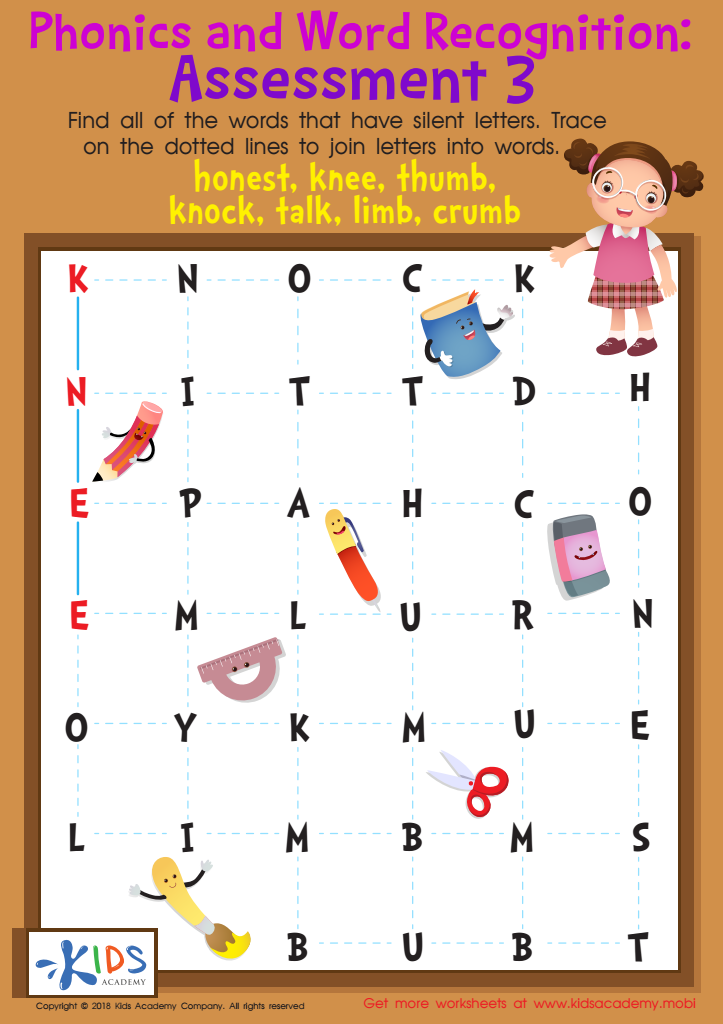
Phonics and Word Recognition: Assessment 3 Worksheet
 Assign to My Students
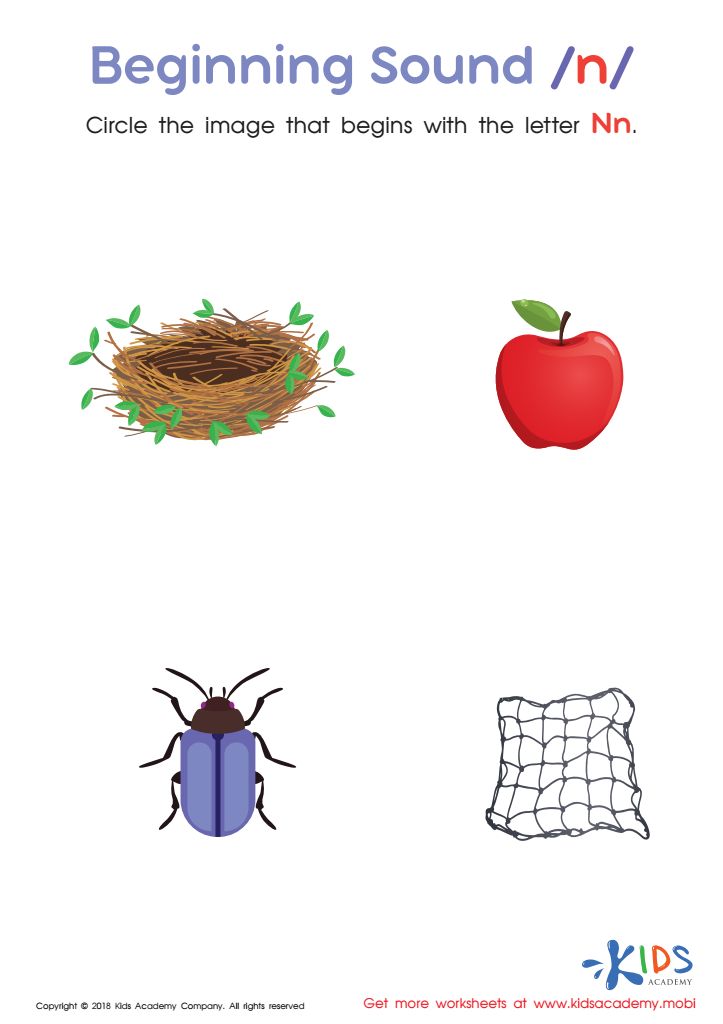
Beginning Sound «n» Worksheet
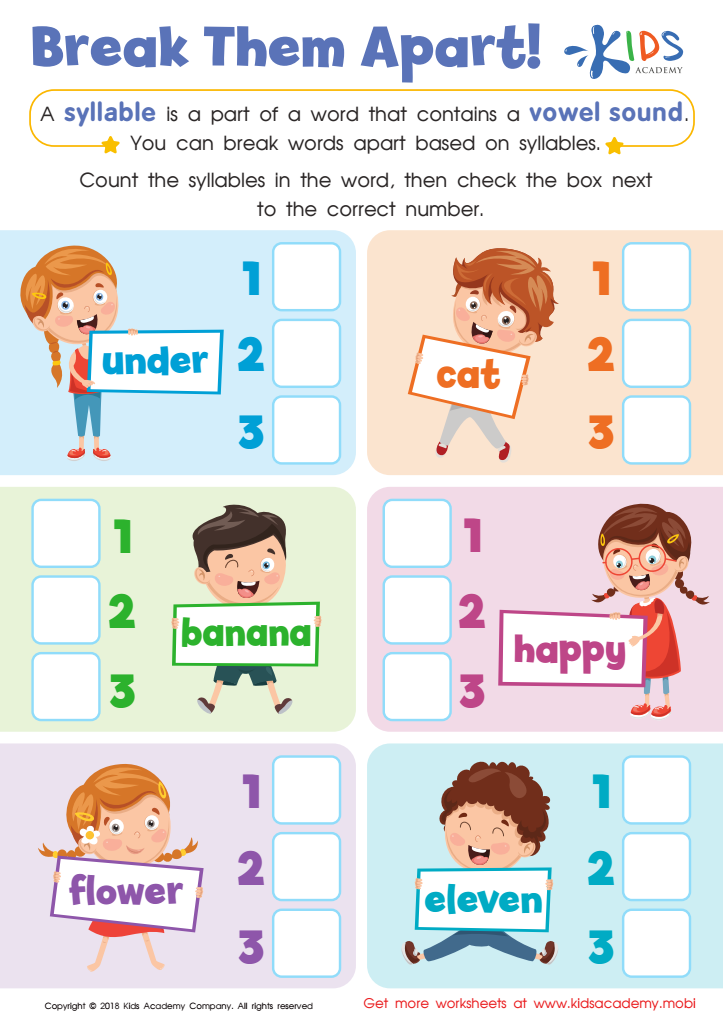
Reading: Break Them Apart Worksheet
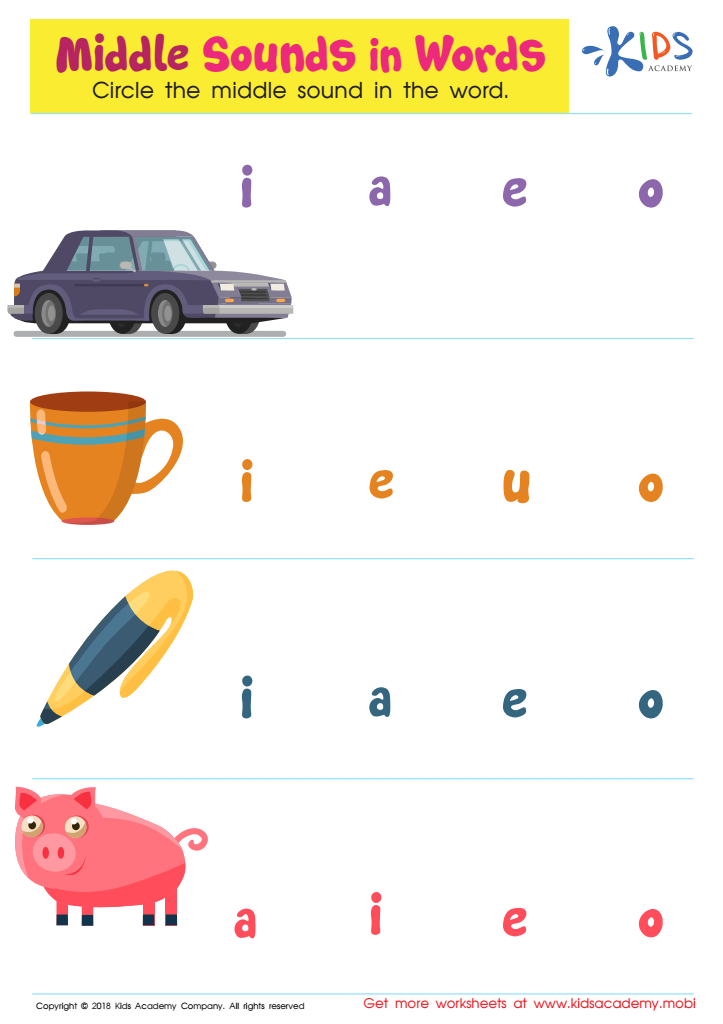
Middle Sounds in Words Worksheet
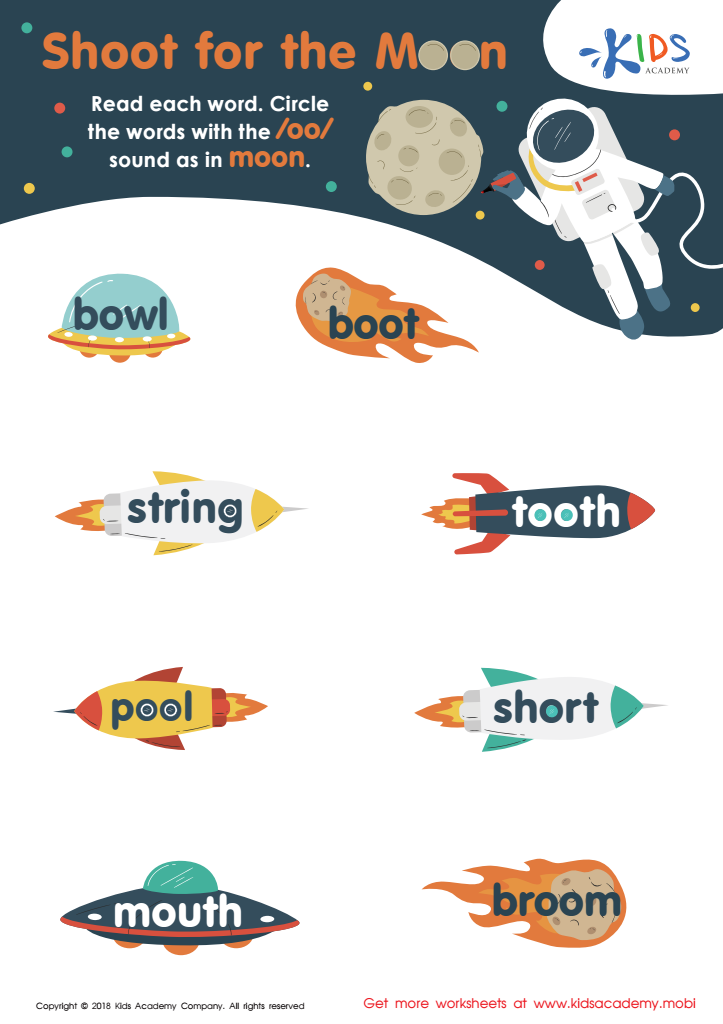
Reading: Shoot for the Moon Worksheet
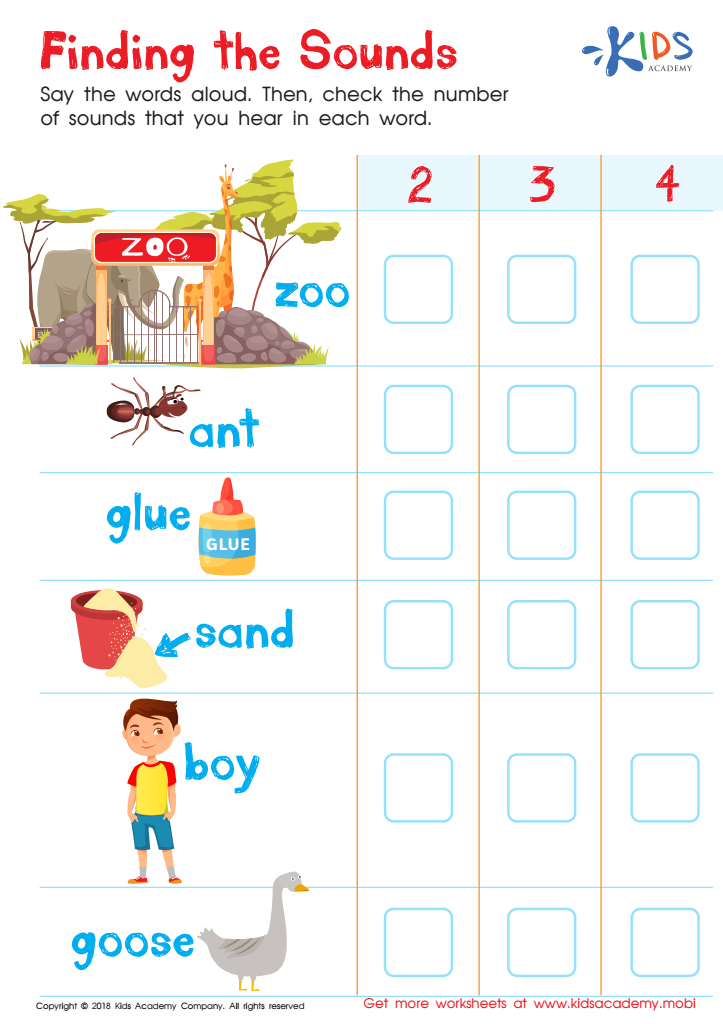
Finding the Sounds Worksheet








Vocabulary development and phonics are crucial for children aged 7-9, as these skills serve as foundational elements for reading and overall literacy proficiency. At this age, children are transitioning from "learning to read" to "reading to learn." A strong vocabulary allows them to comprehend texts more deeply and engage with more complex ideas. When children grasp multifaceted words, they enhance their communication skills, enabling them to express thoughts and feelings more effectively.
Phonics plays a complementary role by helping children sound out words and understand the relationship between letters and sounds. Mastery of phonics enhances decoding skills, enabling children to tackle unfamiliar words with confidence. As they cultivate their reading fluency through phonics, they become more proficient in acquiring new vocabulary in context.
Parents and teachers should prioritize these areas because they greatly impact academic success in all subjects. Children with robust vocabulary and phonics skills tend to perform better in standardized assessments and classroom activities. Furthermore, these skills foster a lifelong love for reading and curiosity, creating engaged learners who are better prepared for future educational challenges. Therefore, investing in vocabulary development and phonics is vital for shaping proficient readers and confident communicators.







