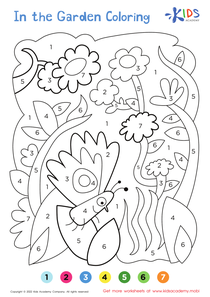
Color Identification Animals Worksheets for Ages 7-9
4 filtered results
-
From - To
Discover our engaging Color Identification Animals Worksheets designed specifically for children ages 7 to 9! These fun and educational resources help young learners enhance their color recognition skills while exploring a variety of animal images. Each worksheet is crafted to encourage creativity and critical thinking, as students identify and match colors to the animals they encounter. Perfect for homeschooling or classroom activities, these worksheets foster an interactive learning environment and promote artistic expression. Let your children have fun while developing essential cognitive skills through captivating animal illustrations. Explore our collection today and inspire a love for learning with vibrant, hands-on coloring activities!
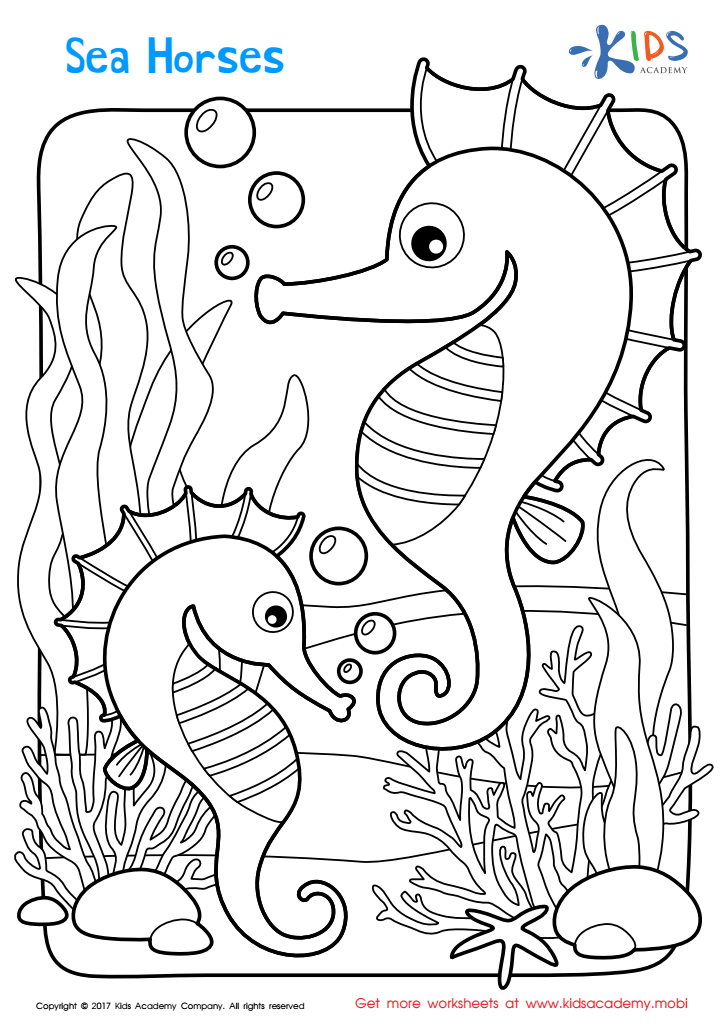
Sea Horses Printable
 Assign to My Students
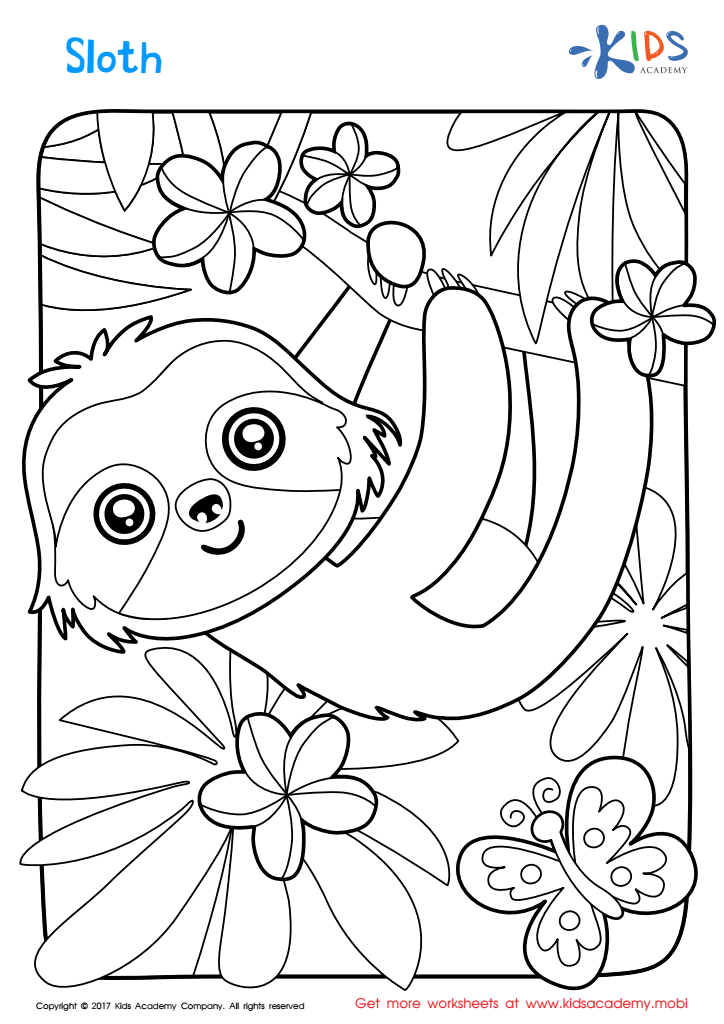
Sloth Worksheet
Assign to My Students
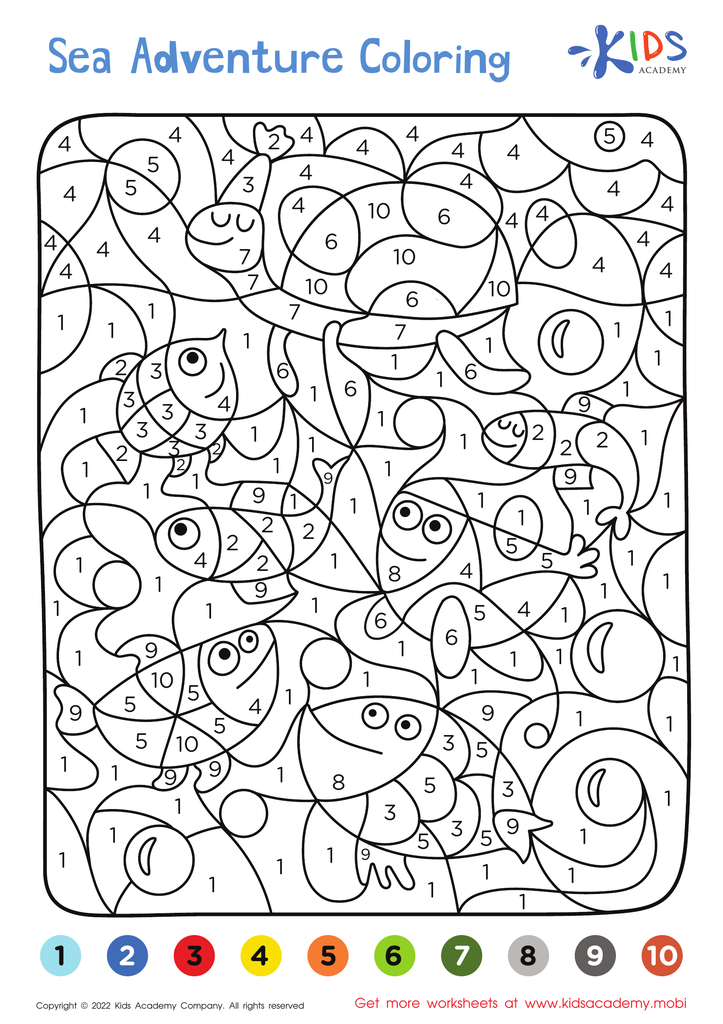
Sea Adventure – Coloring by Numbers
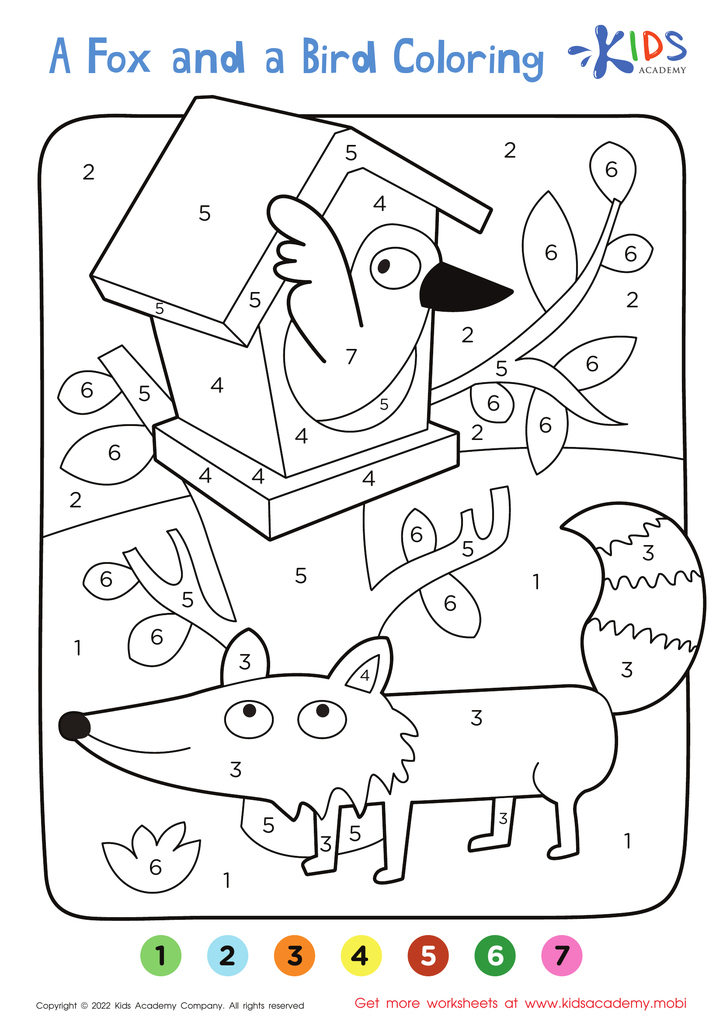
A Fox and a Bird – Coloring by Numbers








Teaching color identification through animals for children aged 7-9 provides foundational learning that can significantly enhance their cognitive and sensory development. At this age, children are still honed in on visual discrimination skills; incorporating animals helps make learning relatable and engaging. Color identification not only enriches vocabulary as children learn the names of various creatures but also promotes curiosity about the natural world, fostering a deeper appreciation for biodiversity.
Moreover, identifying colors in animals can integrate lessons around science, art, and even math. For instance, discussions about animal habitats, ecosystems, and adaptations can arise while learning colors, making the topic interdisciplinary. This approach supports critical thinking and enhances creativity, as children can be encouraged to create art involving colorful animals or engage in interactive activities like sorting or categorizing.
Additionally, consistent color identification activities can aid in the establishment of neural pathways, ultimately supporting smarter cognitive functions, like memory and recall. Both parents and teachers play a crucial role in this learning journey. By emphasizing the importance of color identification in regards to animals, adults are thus nurturing not only knowledge but also imagination—a key component for lifelong learning and success.