Alphabet Recognition Worksheets for Ages 7-9
47 filtered results
-
From - To
Discover engaging and educational Alphabet Recognition Worksheets uniquely designed for children ages 7-9. Our resources at Kids Academy combine fun activities with essential learning, helping young learners master the alphabet with ease. Each worksheet promotes letter identification, handwriting practice, and early reading skills through interactive exercises and vibrant illustrations. Perfect for reinforcing classroom lessons or enhancing homeschool curriculums, our worksheets cater to both beginners and those needing extra practice. Invest in your child’s literacy journey today with our customizable and printable materials, ensuring success in a supportive and enjoyable learning environment. Explore more at our website!
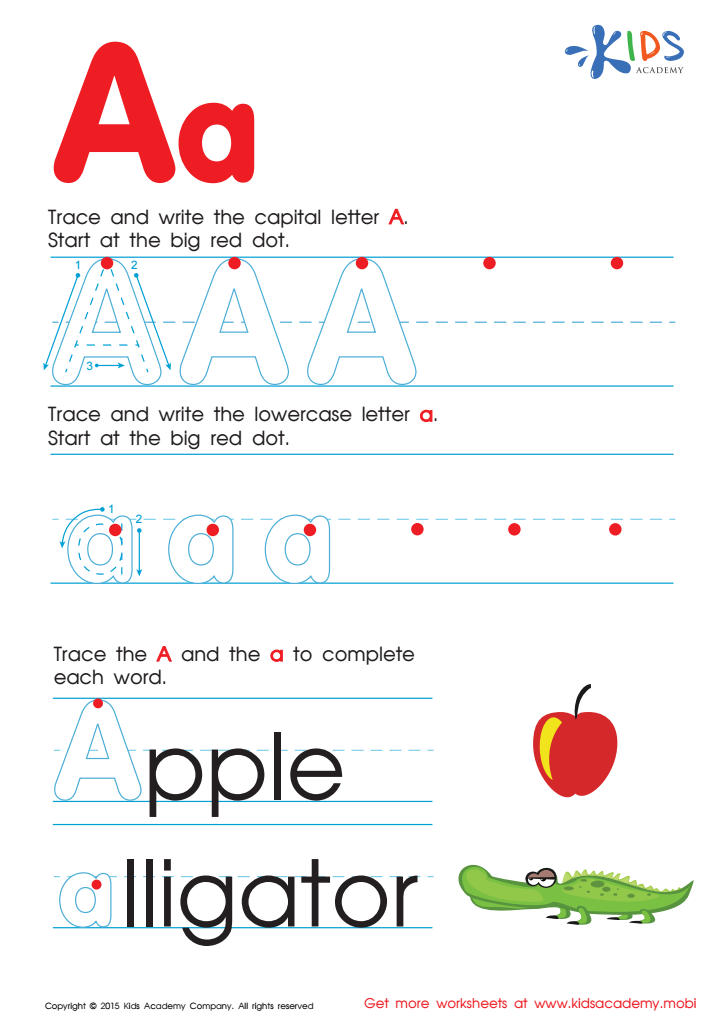
Letter A Tracing Page
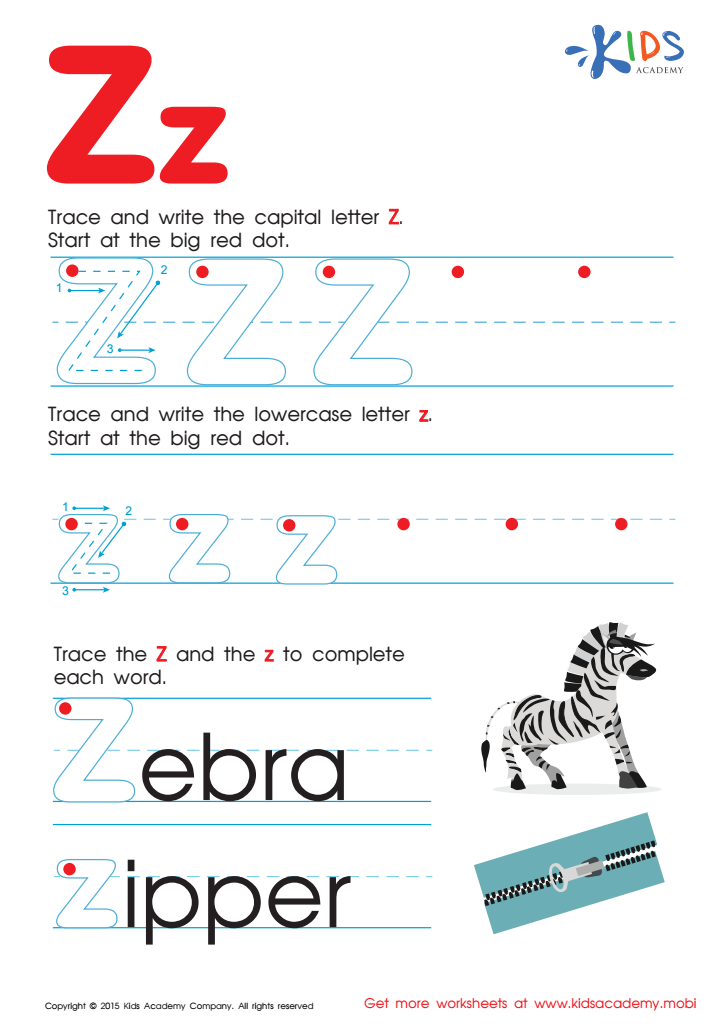
Letter Z Tracing Page
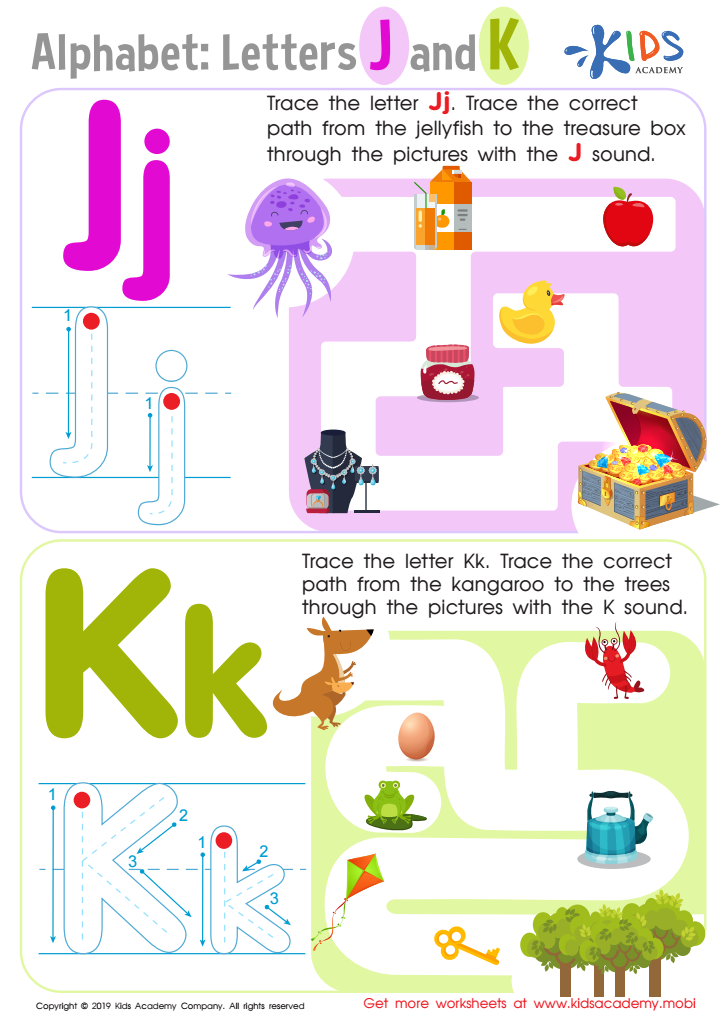
Letters J and K Tracing Worksheet
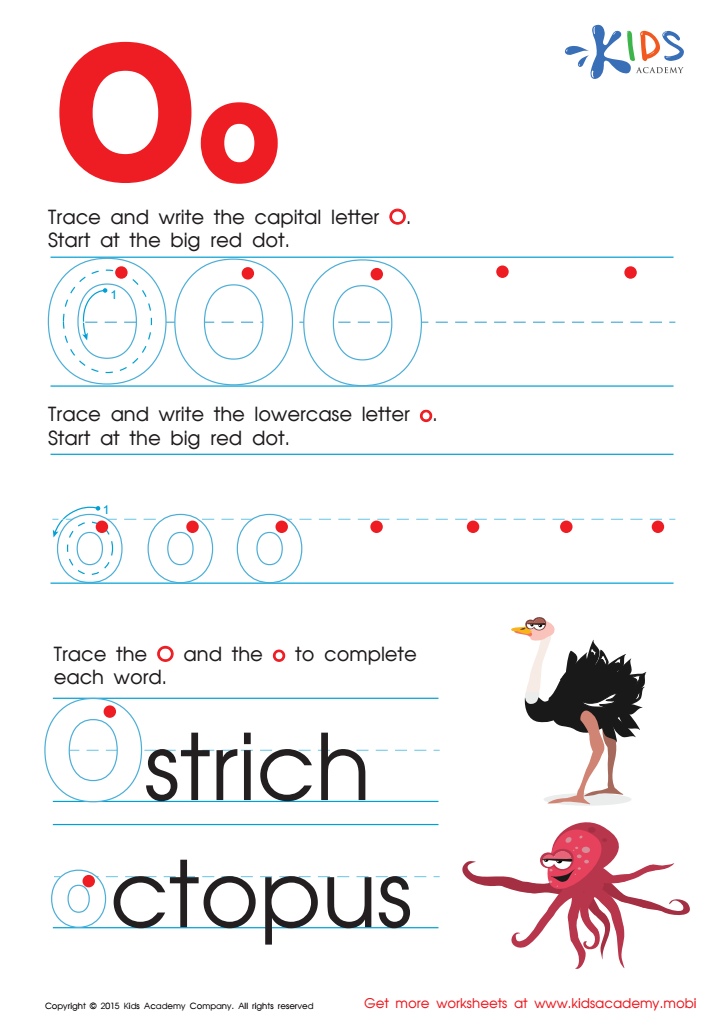
Letter O Tracing Page
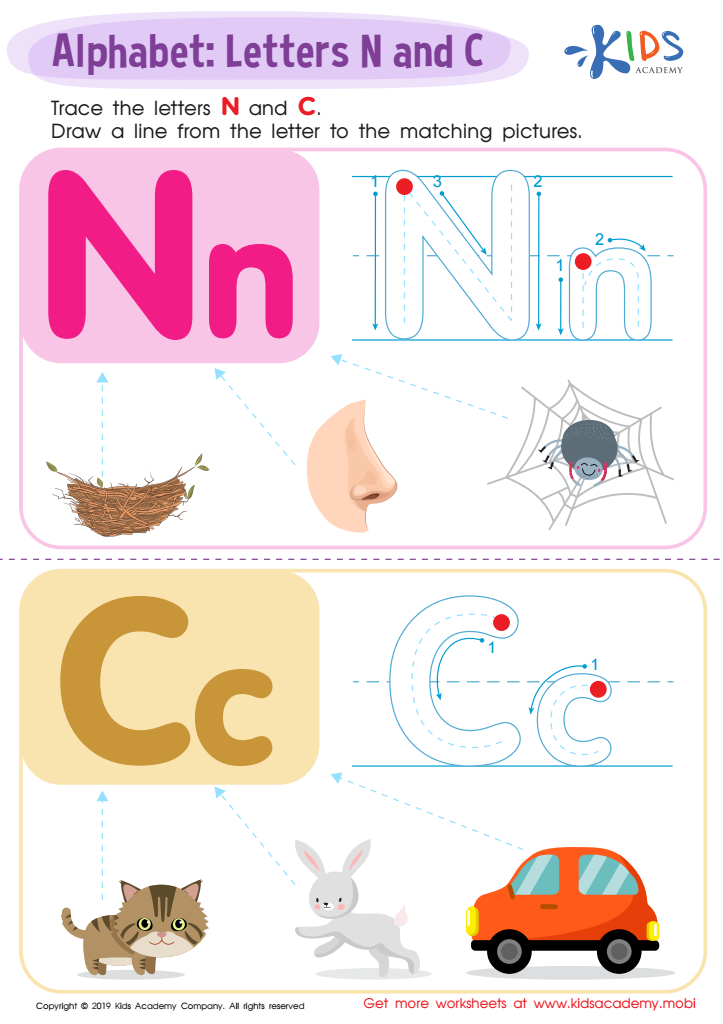
Letter N and C Tracing Worksheet
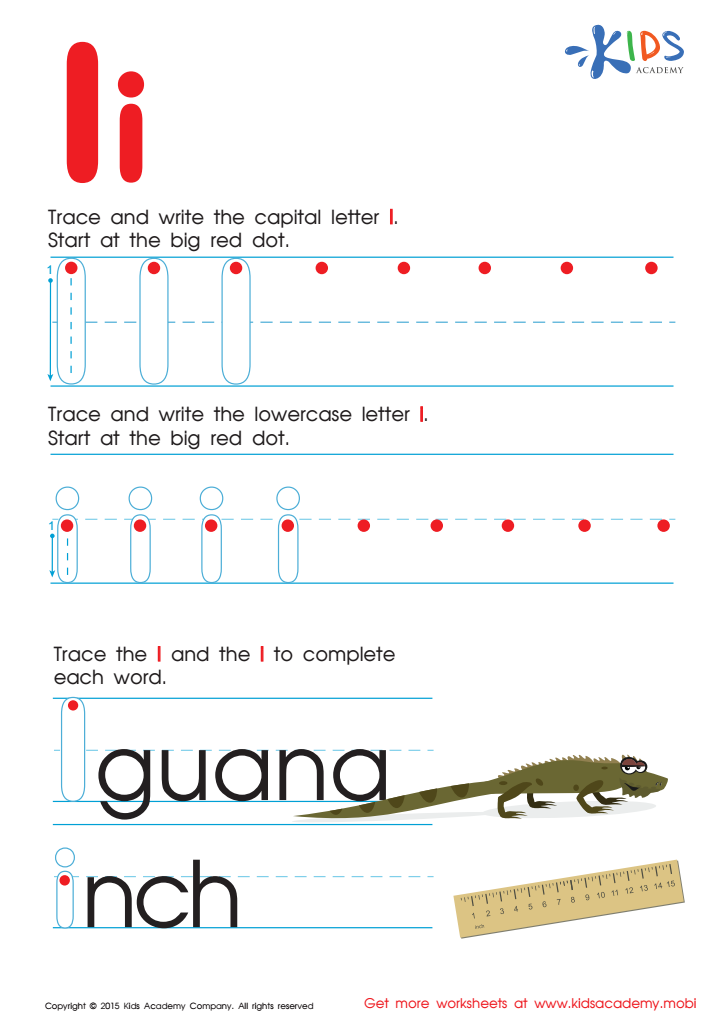
Letter I Tracing Page
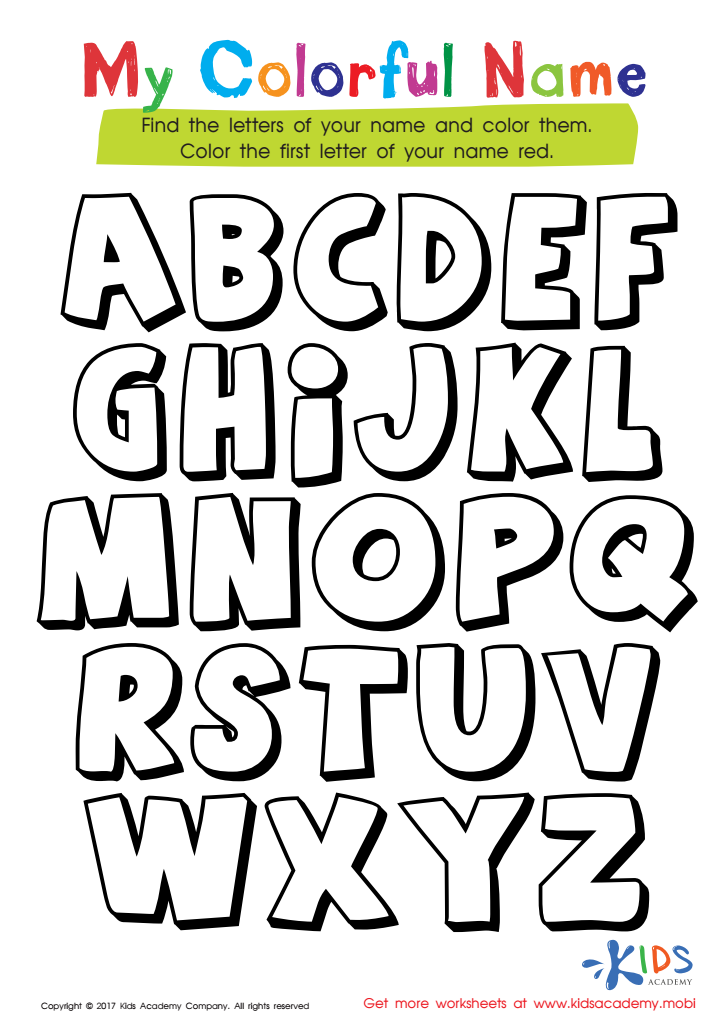
My Colorful Name Worksheet
 Assign to My Students
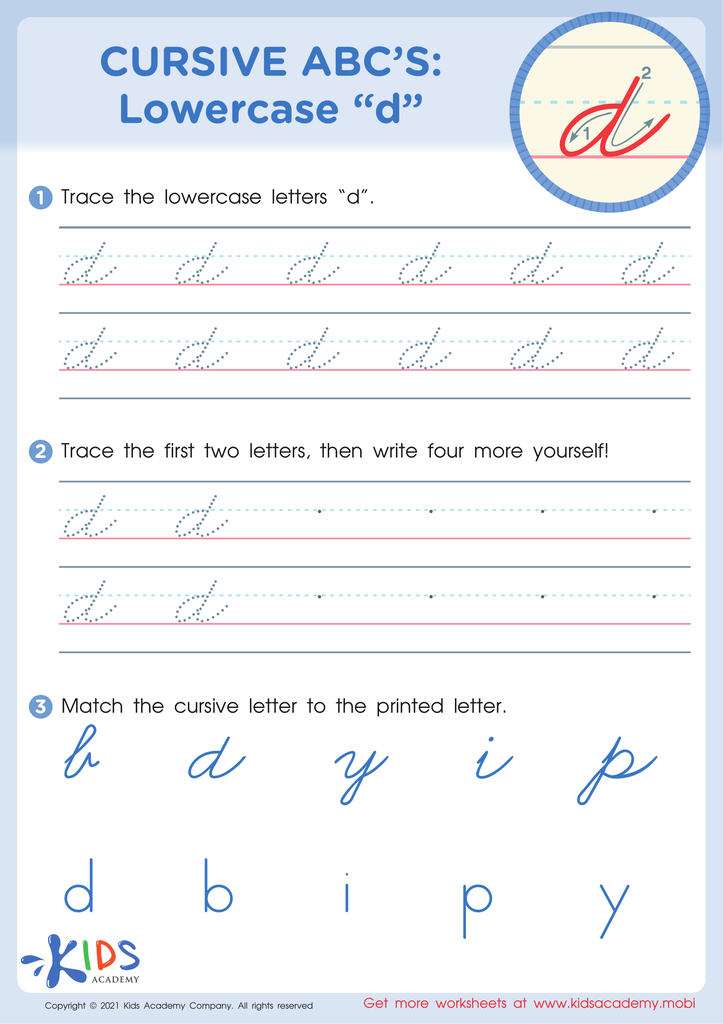
Cursive ABCs: Lowercase d
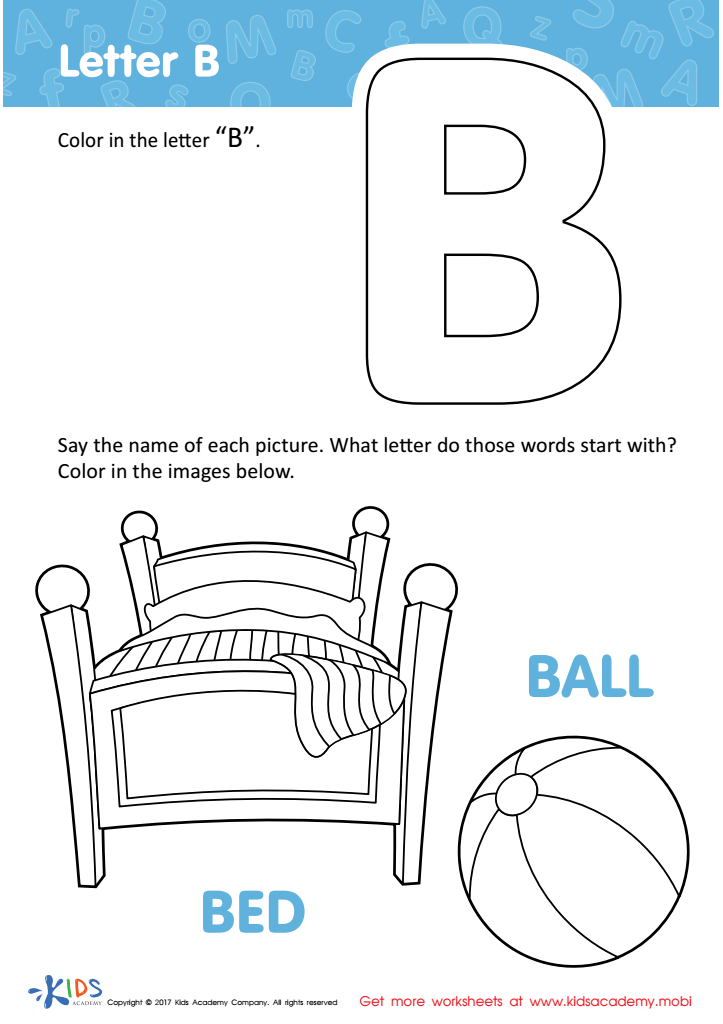
Letter B Coloring Sheet
Assign to My Students
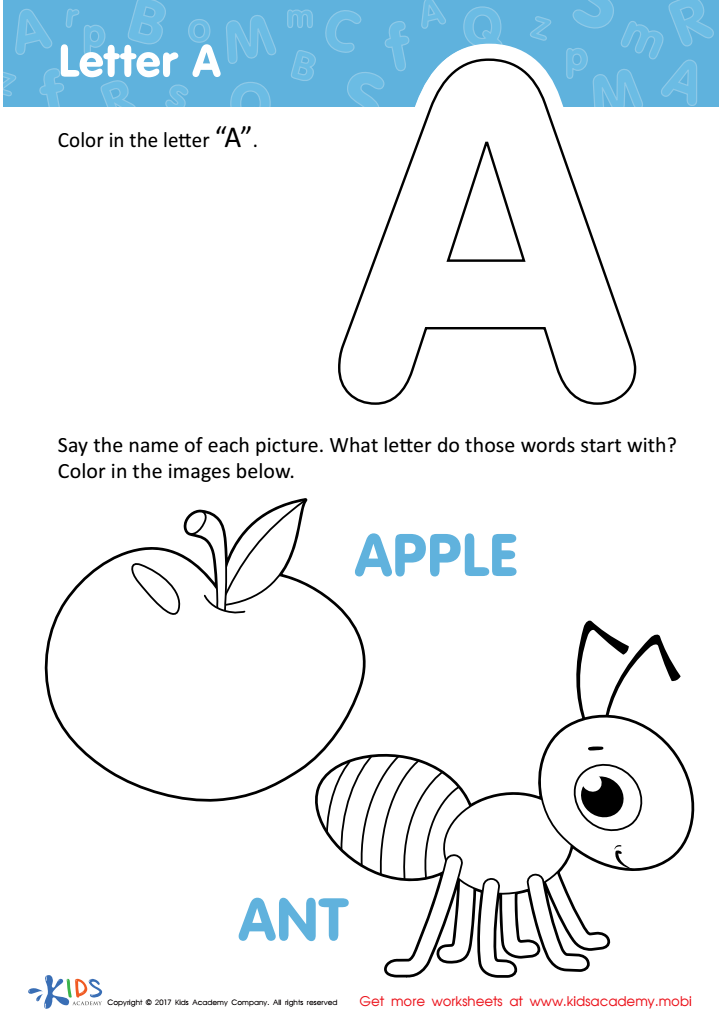
Letter A Coloring Sheet
Assign to My Students
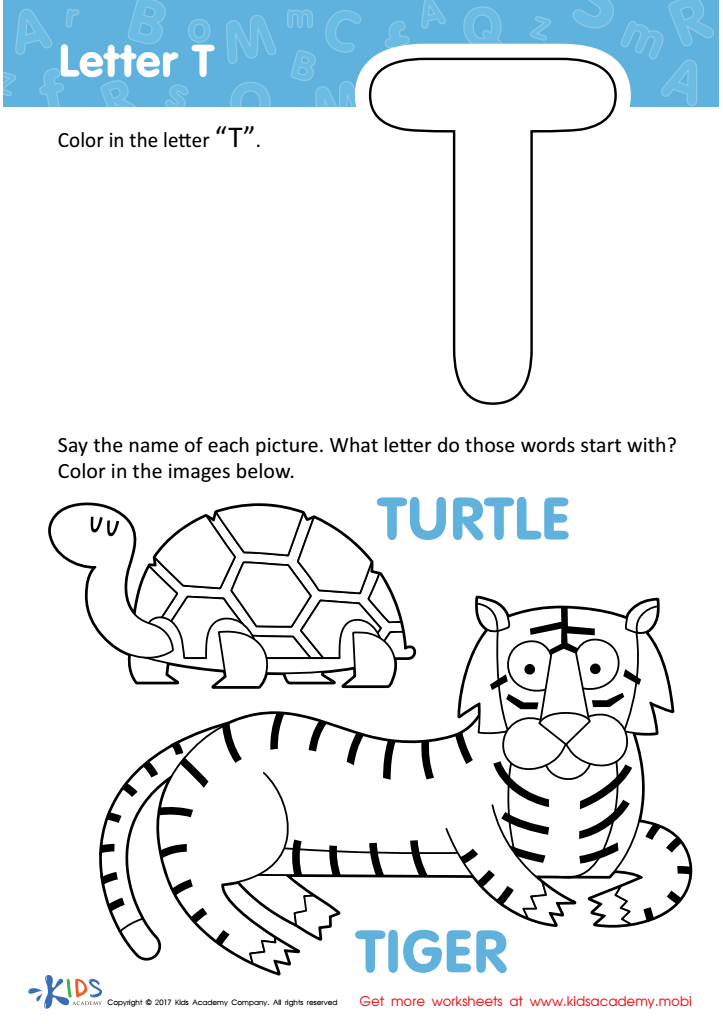
Letter T Coloring Sheet
Assign to My Students
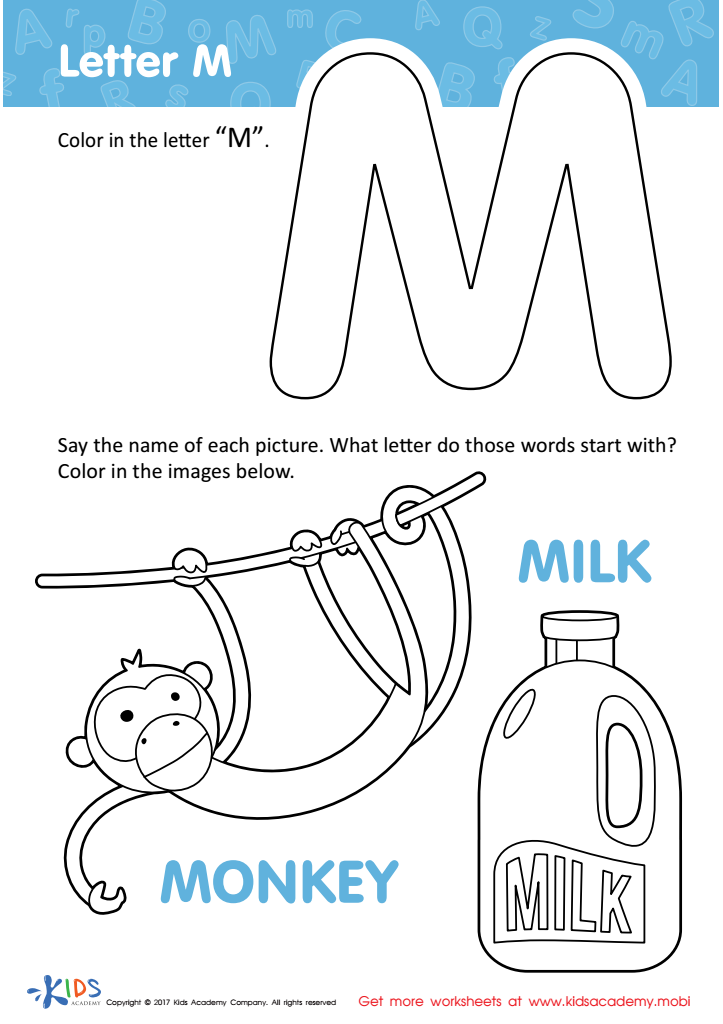
Letter M Coloring Sheet
Assign to My Students
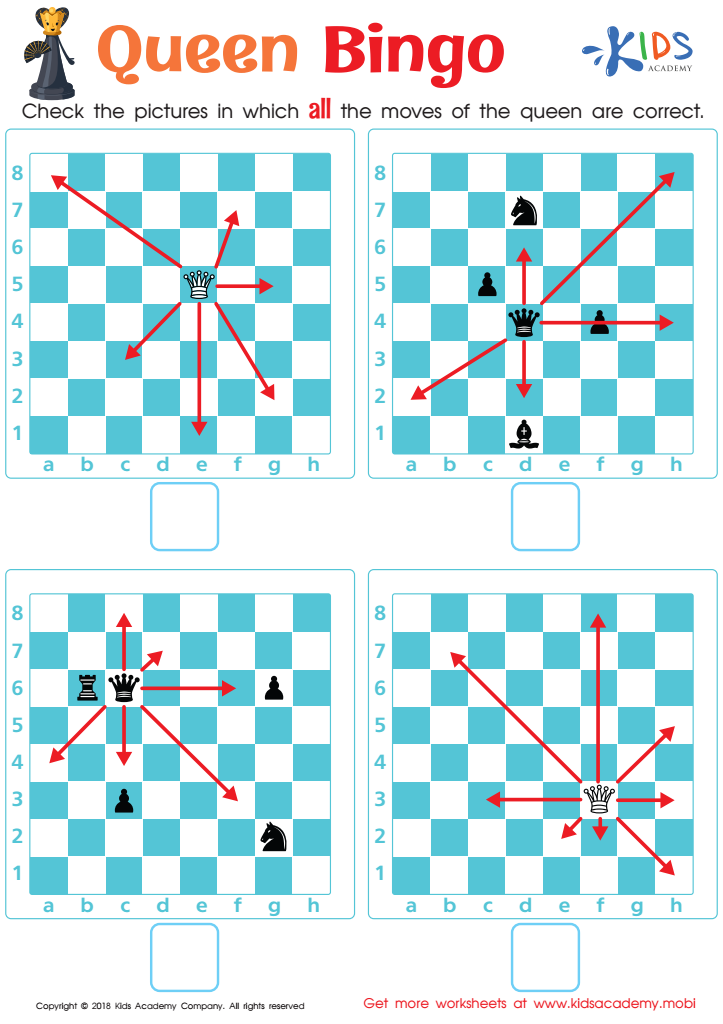
Queen Bingo Worksheet
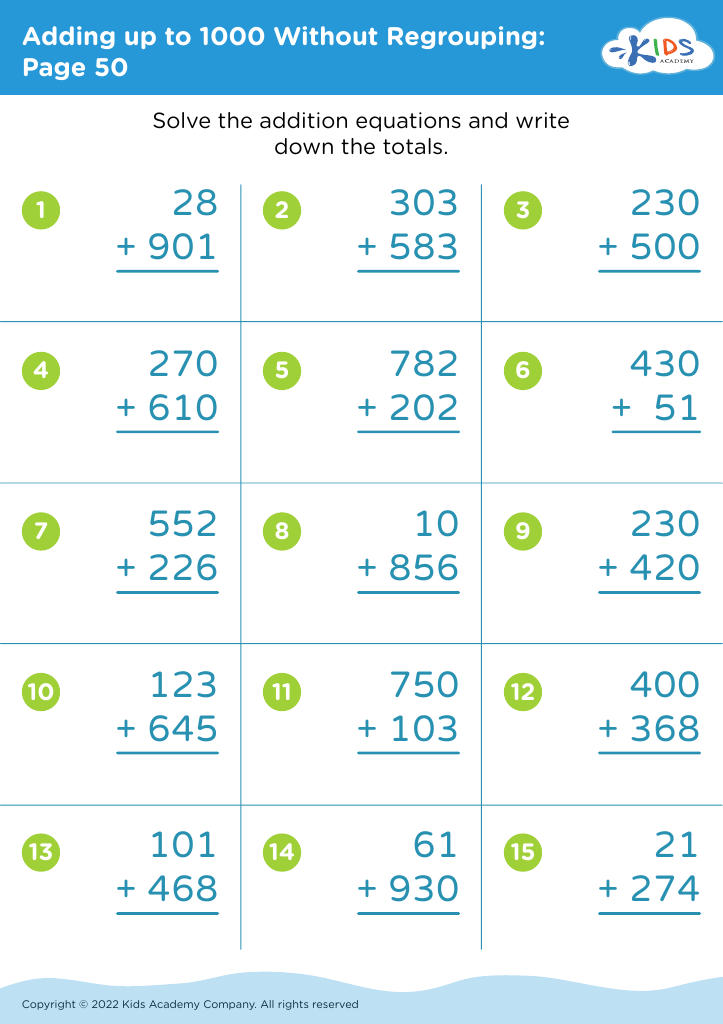
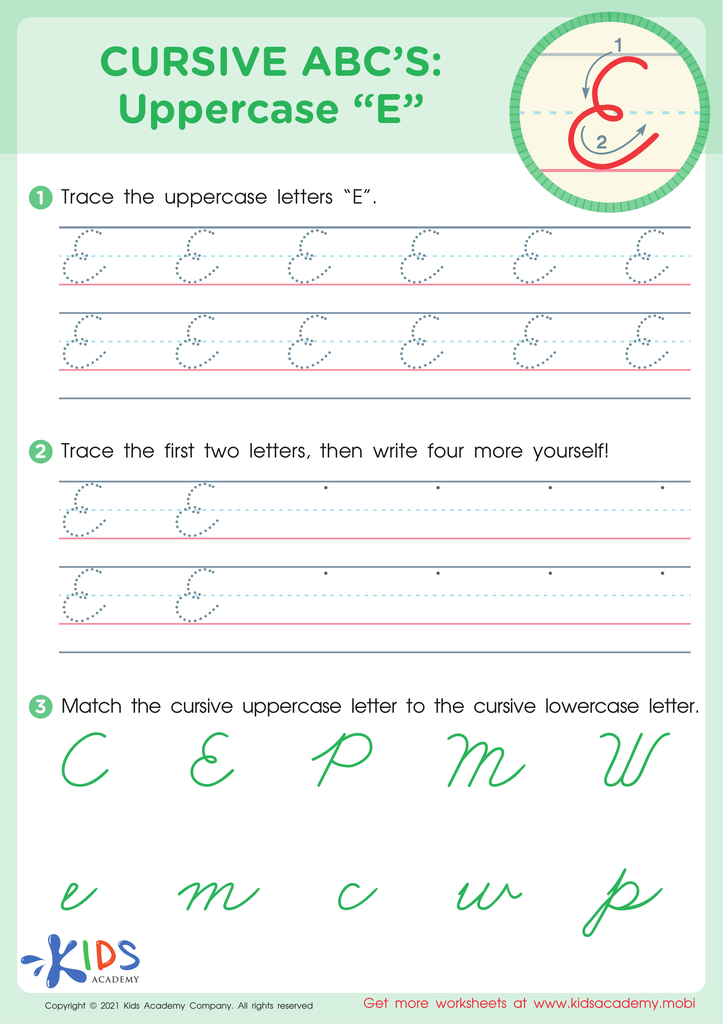
Cursive ABCs: Uppercase E
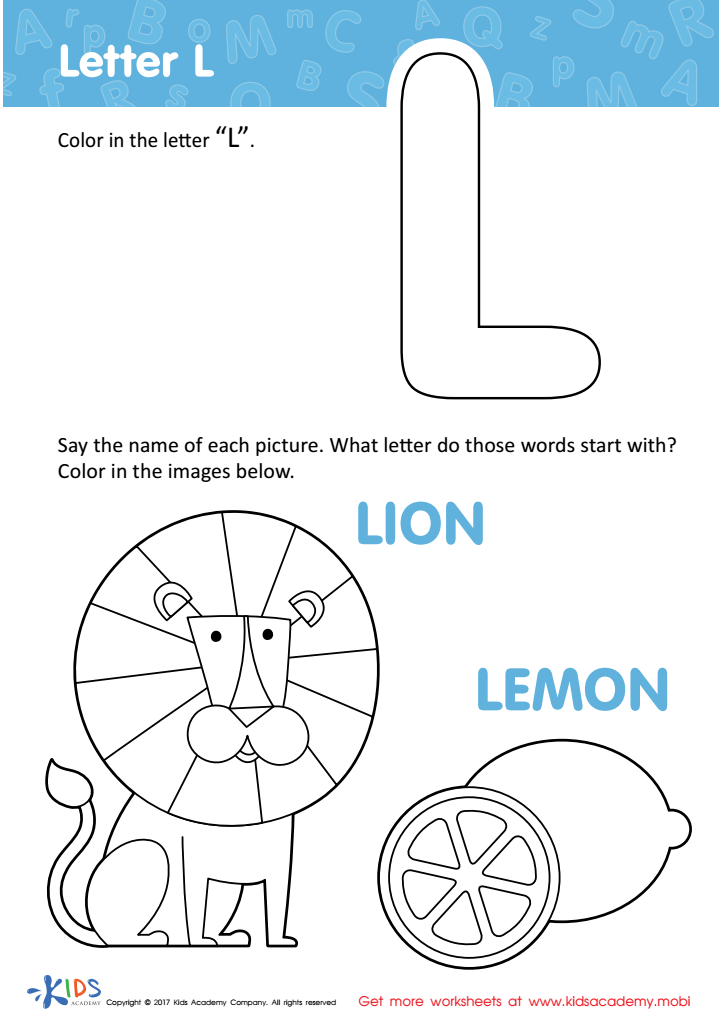
Letter L Coloring Sheet
Assign to My Students
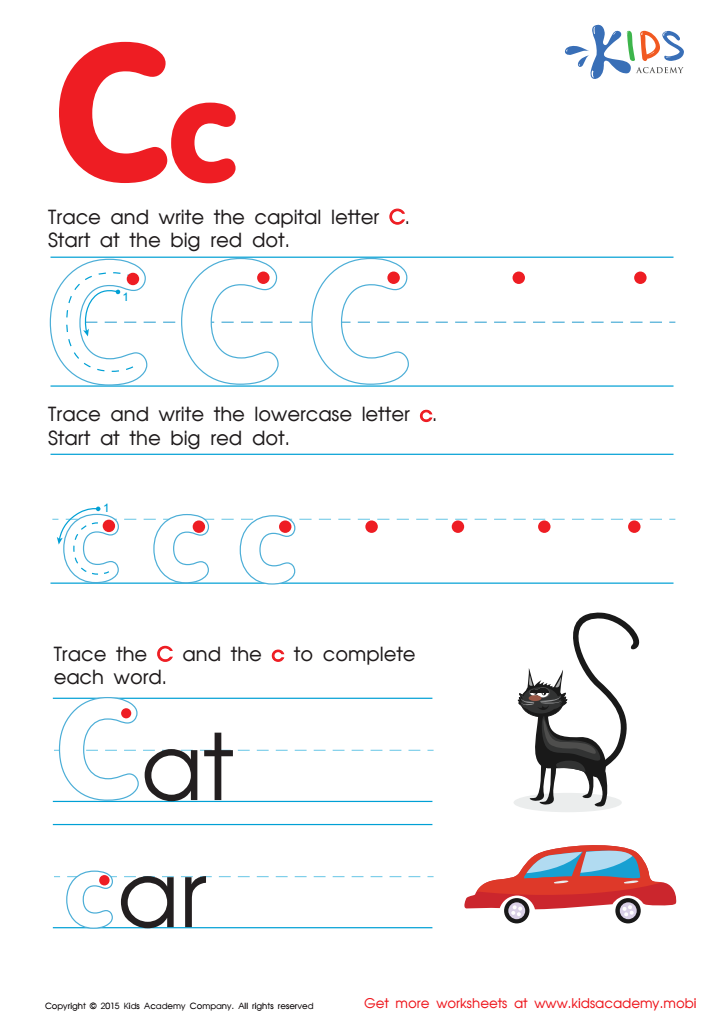
Letter C Tracing Page
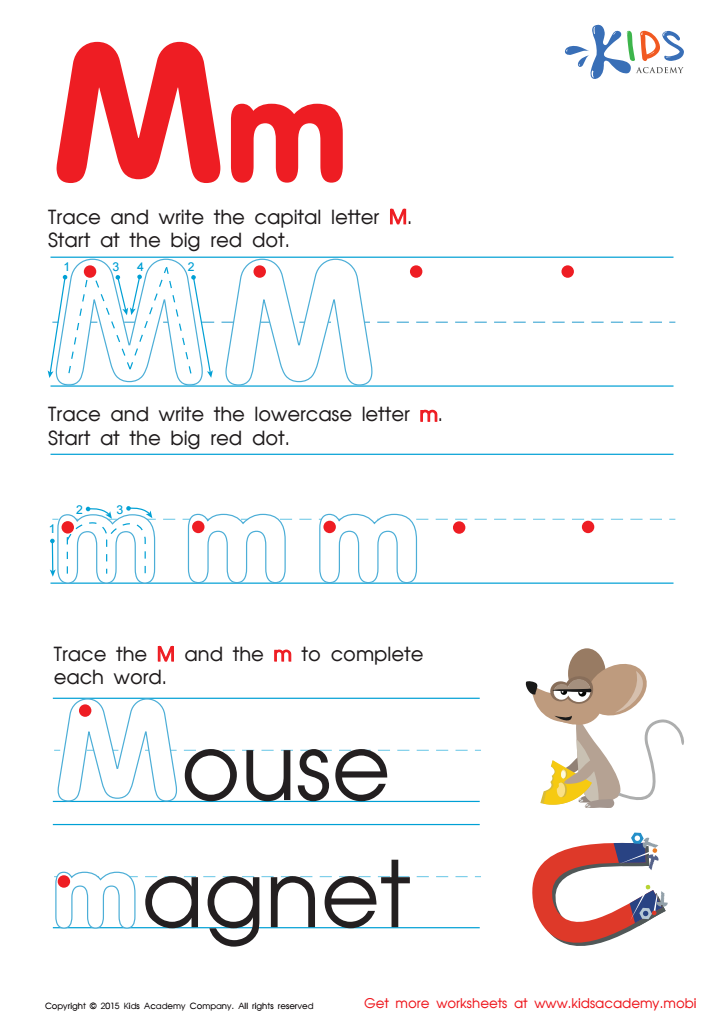
Letter M Tracing Page
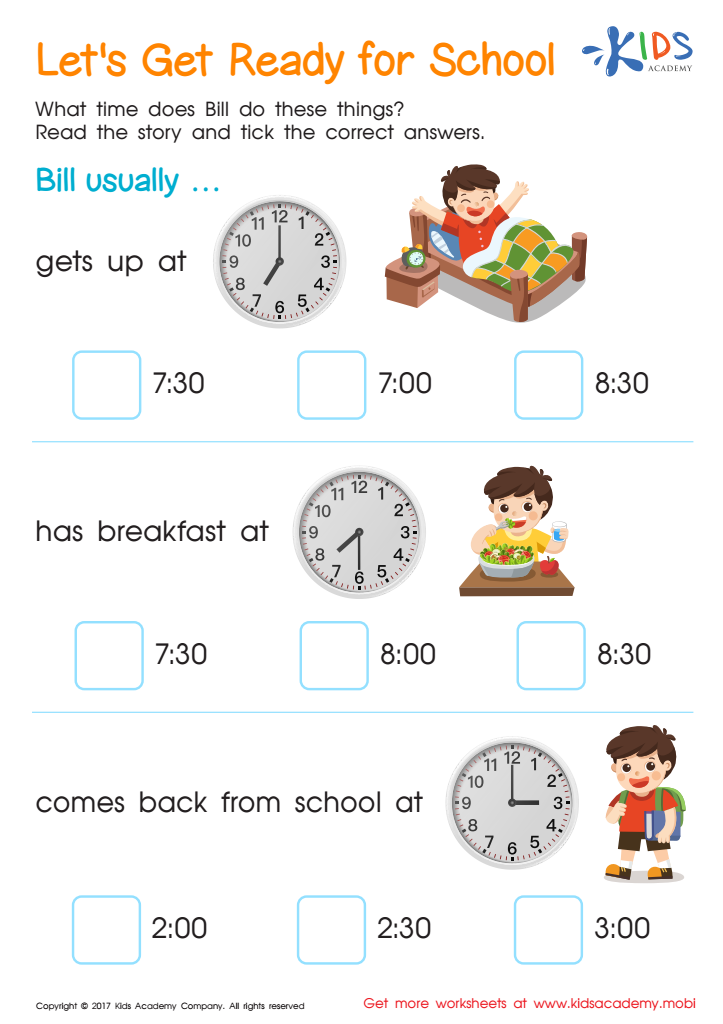
Lets Get Ready For School Time Printable
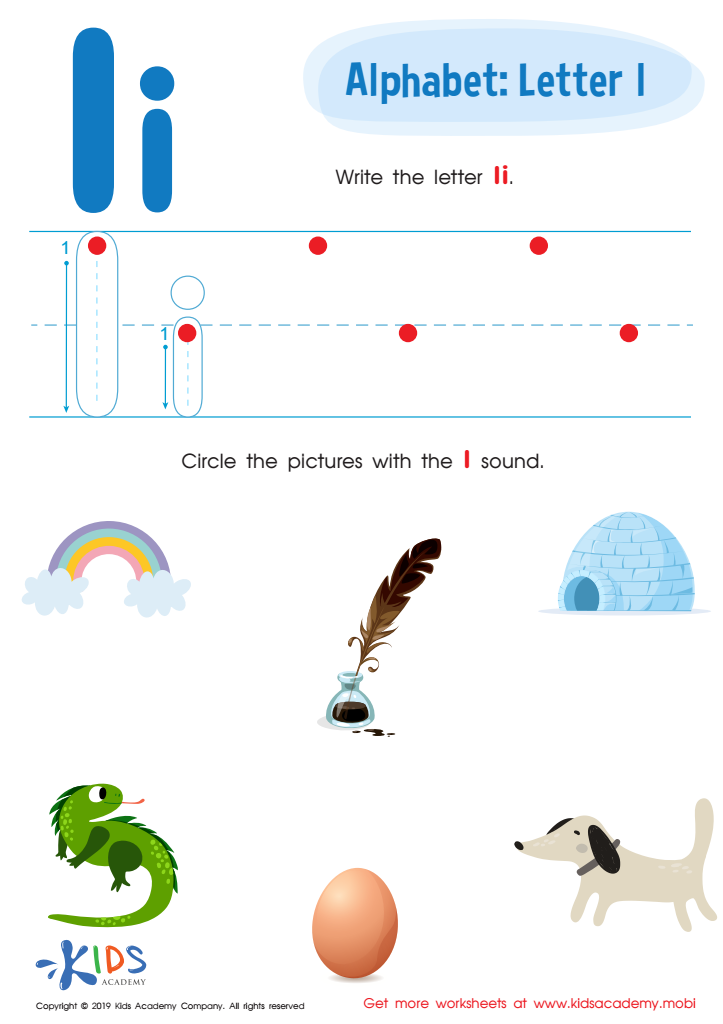
Letter I Tracing Worksheet
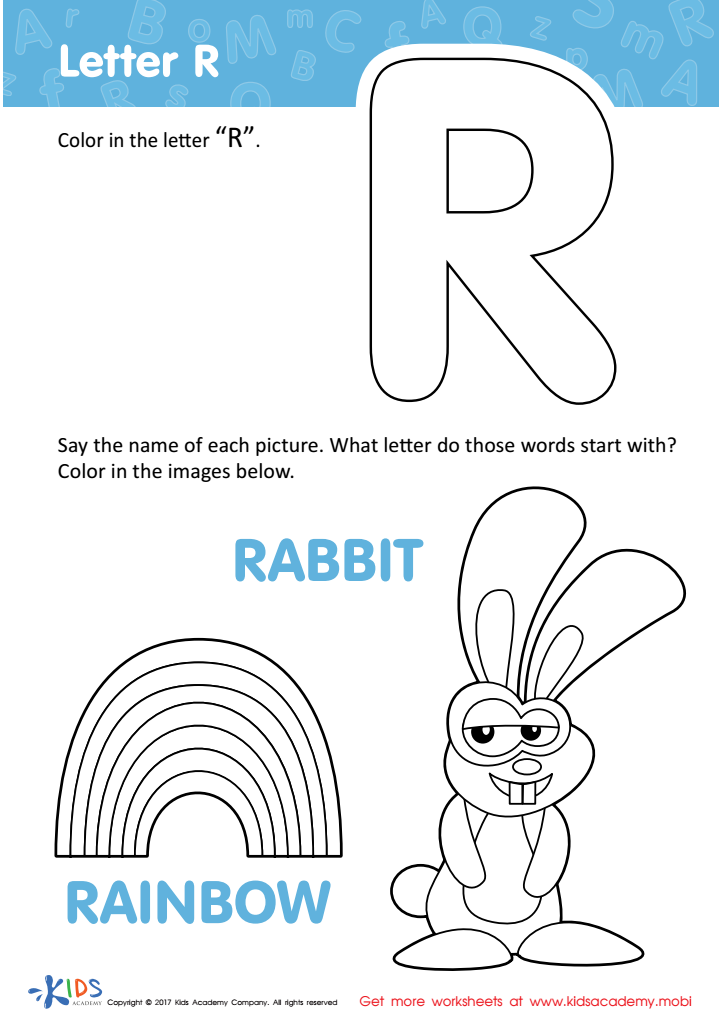
Letter R Coloring Sheet
Assign to My Students
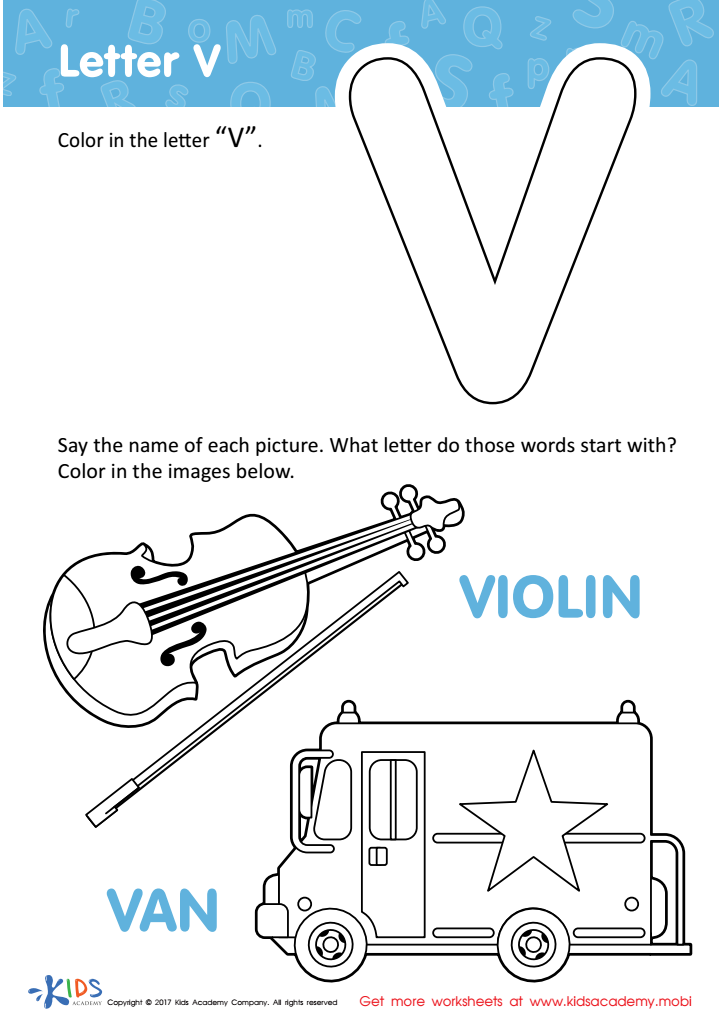
Letter V Coloring Sheet
Assign to My Students




.jpg)



Alphabet recognition is a cornerstone in early literacy development that influences a child's educational trajectory profoundly. For children aged 7-9, mastery of this fundamental skill translates directly to their ability to comprehend and engage with more complex reading and writing tasks. At this stage, students are transitioning from learning to read to reading to learn. Strong alphabet recognition enables them to decode words, improving their phonemic and phonological awareness which is critical for fluent reading. This foundational proficiency supports vocabulary development, comprehension, and overall academic progress.
Furthermore, confidence in alphabet recognition parallels higher self-esteem in classroom participation and other literacy activities. When children recognize letters effortlessly, they are more inclined to read independently and frequently, fostering a habit that is pivotal for lifelong learning.
For teachers and parents, investing in strategies that enhance alphabet recognition reaps long-term benefits. It equips children with the tools they need for educational success and reduces potential future struggles with literacy-related tasks. By giving attention to this skill, caregivers and educators are laying a robust foundation that supports not just reading and writing, but also critical thinking and problem-solving abilities. Hence, consistently nurturing alphabet recognition in young learners is essential for their academic and personal development.








