Categorizing objects Worksheets for Ages 7-9
4 filtered results
-
From - To
Explore our engaging categorizing objects worksheets designed specifically for children aged 7-9! These worksheets provide an interactive way for young learners to enhance critical thinking and organizational skills by sorting objects into categories based on various attributes. With colorful illustrations and diverse themes, kids will enjoy classifying items like animals, food, and toys while building vocabulary and problem-solving abilities. Perfect for home or classroom use, these printable resources promote confidence in categorization skills and prepare students for more advanced topics. Help your child embrace the joy of learning through play! Download now and start the adventure of discovery today!
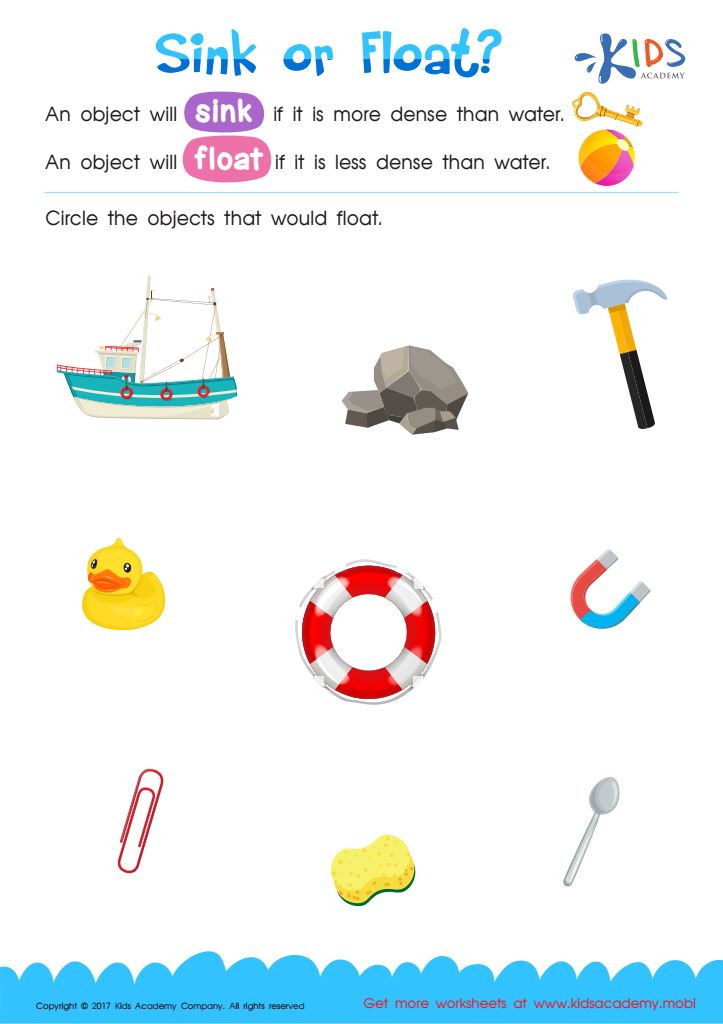
Sink or Float Printable
 Assign to My Students
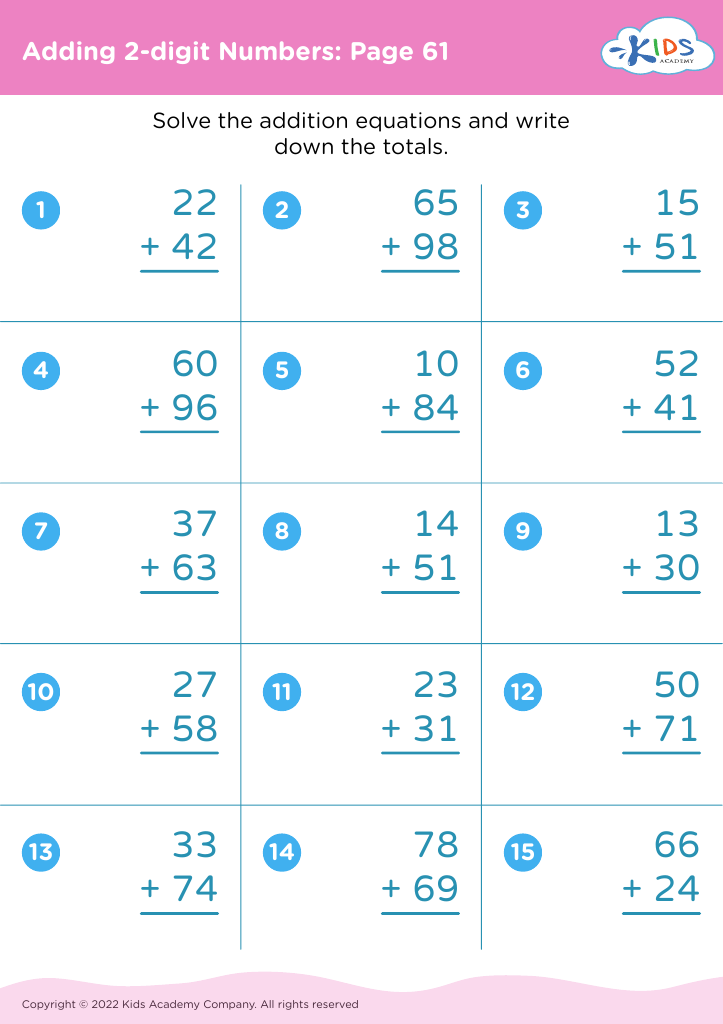
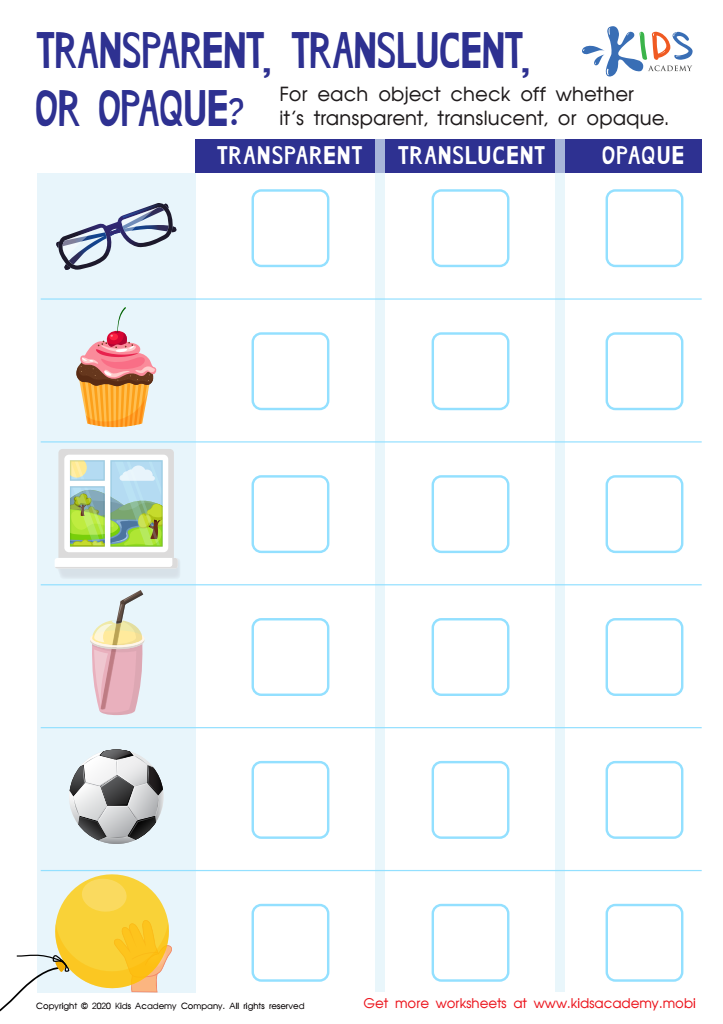
Transparent, Translucent, or Opaque Worksheet
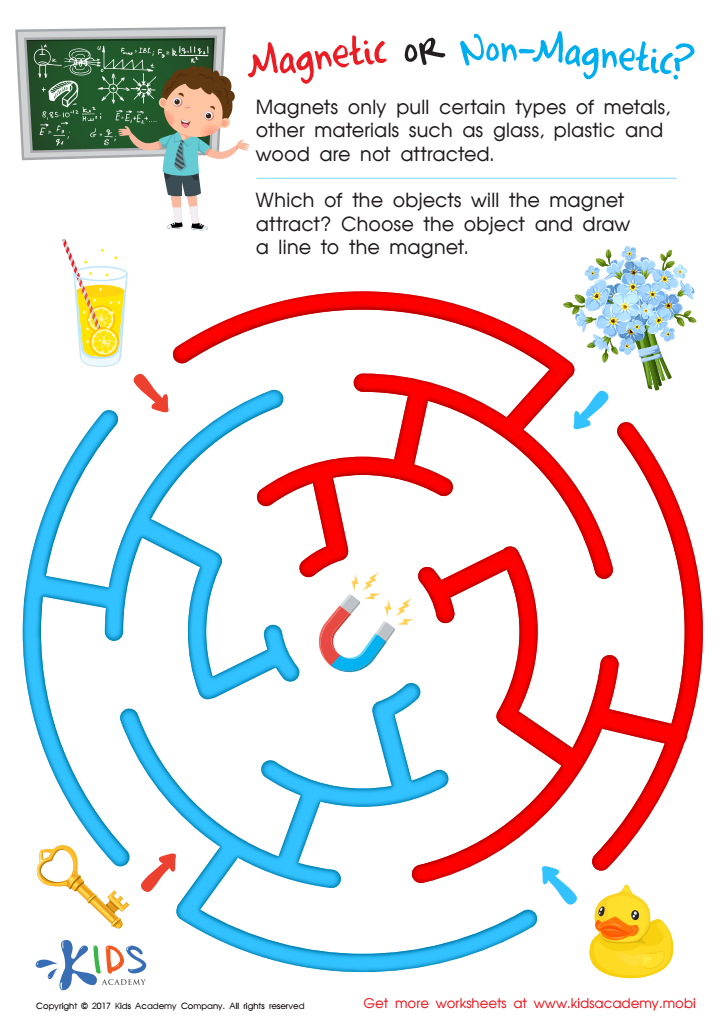
Magnetic or Non–Magnetic Worksheet






Categorizing objects is an essential skill for children aged 7-9 that has significant implications for their cognitive development and academic performance. At this age, children begin to develop more complex thinking skills, and categorization helps them recognize patterns and relationships among objects, which is crucial for problem-solving.
Parents and teachers should care about this skill because categorization fosters critical thinking and analytical abilities. When children learn to categorize, they enhance their comprehension of concepts across various subjects, including science, math, and language arts. For example, organizing animals by habitat not only improves scientific understanding but also enriches vocabulary and encourages communication skills.
Moreover, categorization teaches children to make informed decisions and judge similarities and differences, critical for interpersonal relationships as well. Being able to classify objects or ideas also assists in enhancing memory retention, as children create mental frameworks to store information more effectively.
Promoting categorization activities, such as sorting games and collaborative projects, can open up opportunities for teamwork and communication, key components of social development. Ultimately, facilitating the ability to categorize helps children become thoughtful, engaged learners prepared for future academic challenges and real-world situations.








