Discover our engaging "Comparing Quantities Worksheets for Ages 7-9" at Kids Academy! Perfectly designed for young learners, these printable worksheets enhance math skills by making comparing numbers, weights, volumes, and more an enjoyable adventure. Each worksheet provides fun, interactive exercises with vibrant illustrations to help kids understand the concept of greater than, less than, and equal to. Our educational resources are crafted to align with school curriculums, ensuring your child receives quality practice in a playful and effective manner. Download now to stimulate your child’s learning journey and boost their confidence in math!

Check out this FREE "Comparing quantities" Trial Lesson for age 7-9!

Comparing Numbers based on Place Value

Favorites
With answer key
Interactive
  • 7-9
  • Comparing quantities
Comparing Number Representations Worksheet

Comparing Number Representations Worksheet

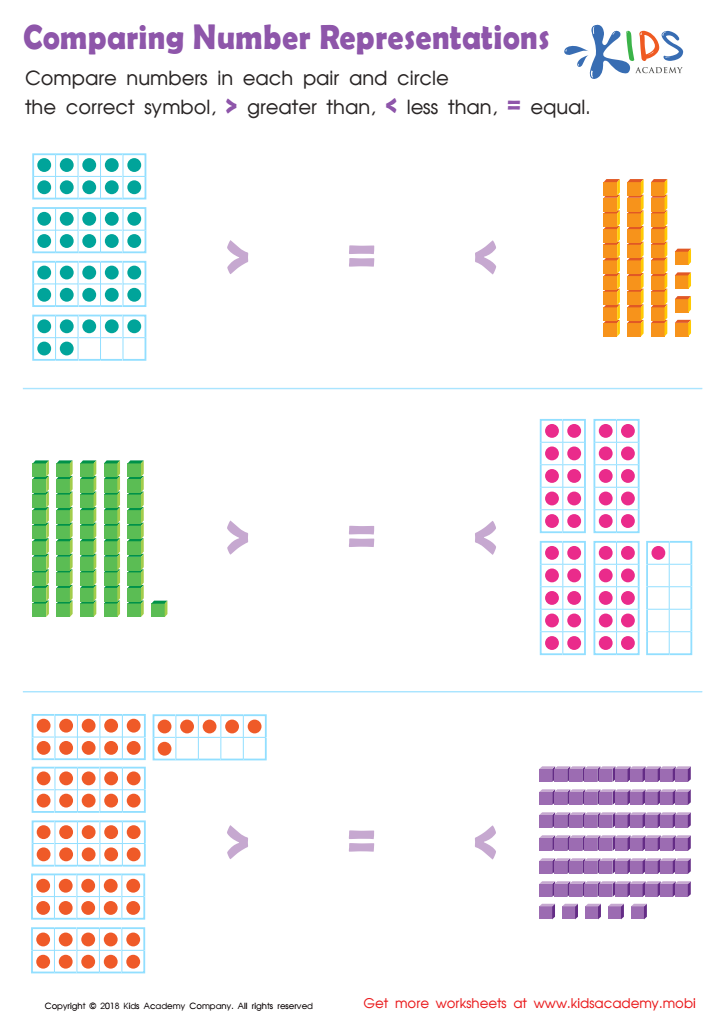
Children need number representation skills to develop efficient computation and number sense. This free worksheet gives them practice with ten frames and place value blocks. They compare numbers and select the right comparative symbol: <, > or =. This helps them build a solid foundation for math.
Comparing Number Representations Worksheet
Worksheet
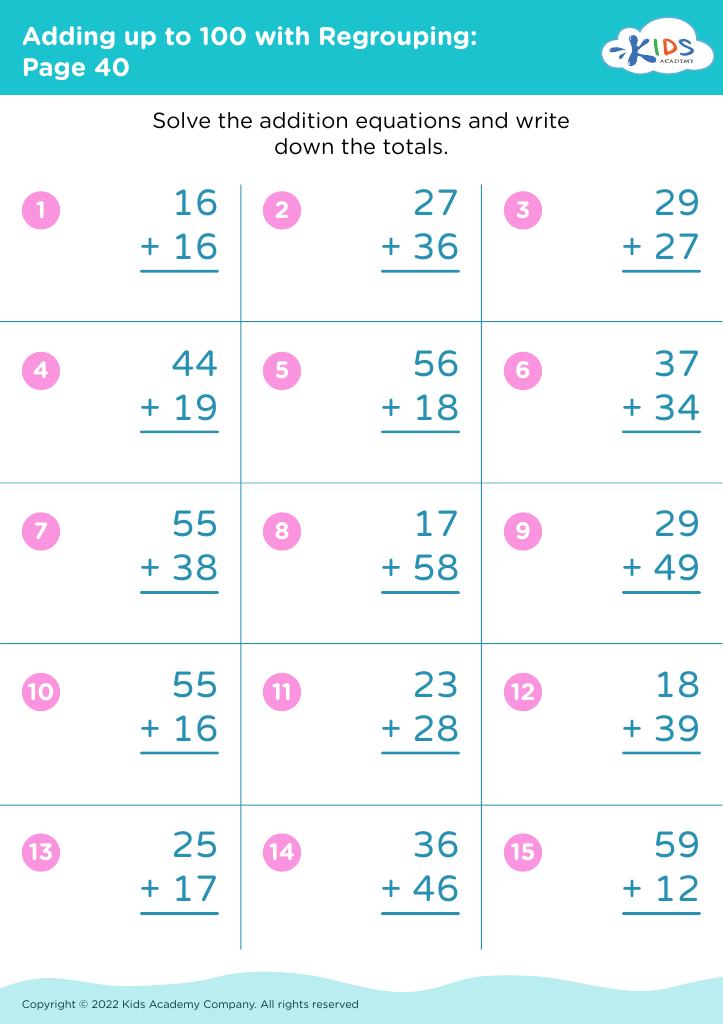
Adding up to 100 with Regrouping: Page 40
Worksheet
Fruit Math: Picture Graphs Worksheet
Fruit Math: Picture Graphs Worksheet
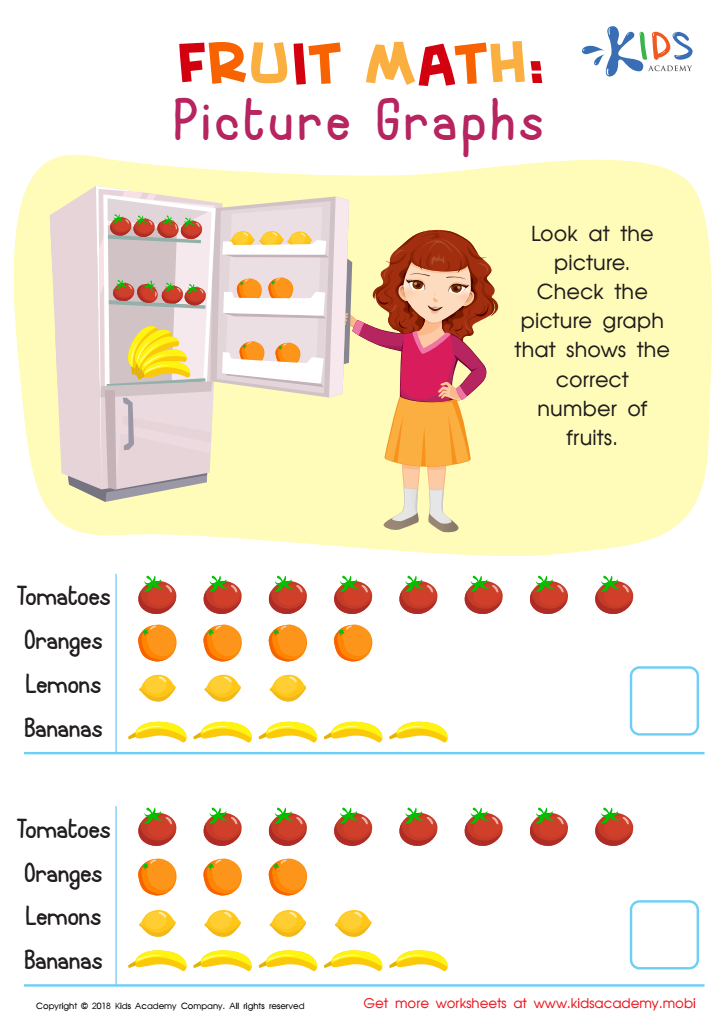
Help your child learn to draw graphs by having them look at pictures. Ask them to identify a graph that accurately portrays the data and have them explain why. This will prepare them to easily draw more complex graphs in the future. For example, have them look at the picture with the number of fruits in the colorful worksheet and explain why the graph is accurate.
Fruit Math: Picture Graphs Worksheet
Worksheet
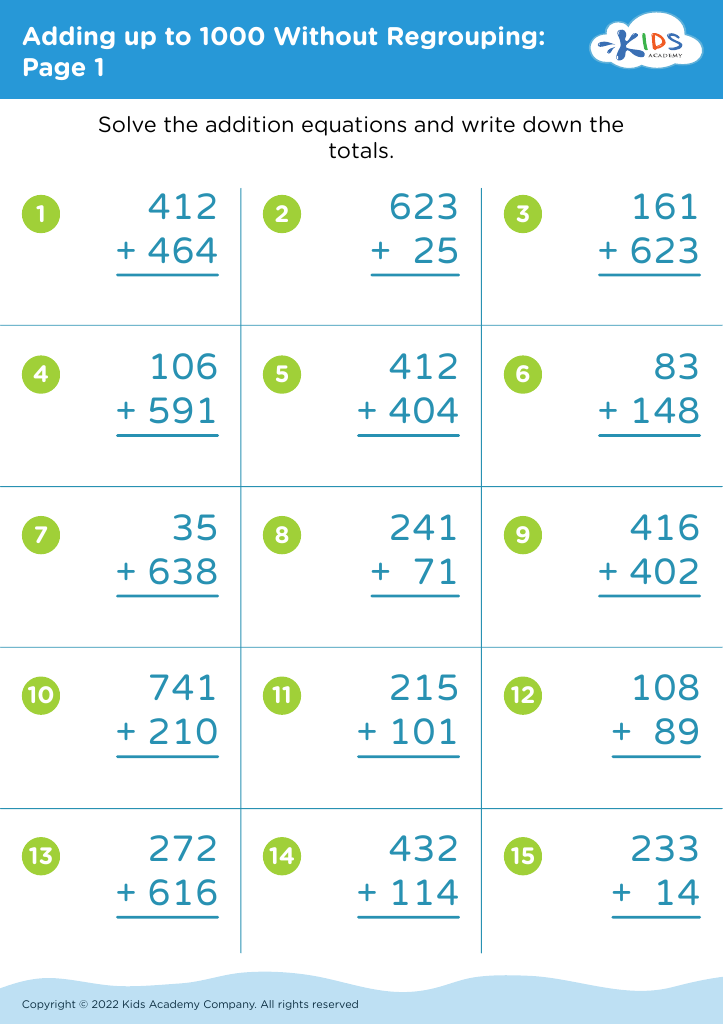
Adding up to 1000 Without Regrouping: Page 1
Worksheet
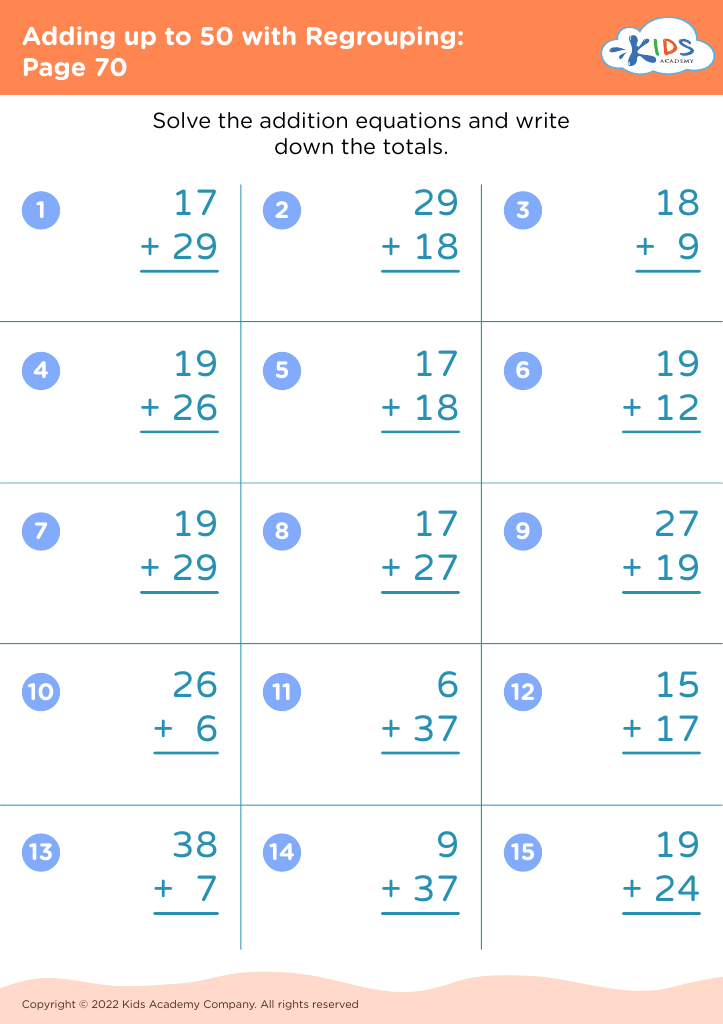
Adding up to 50 with Regrouping: Page 70
Worksheet
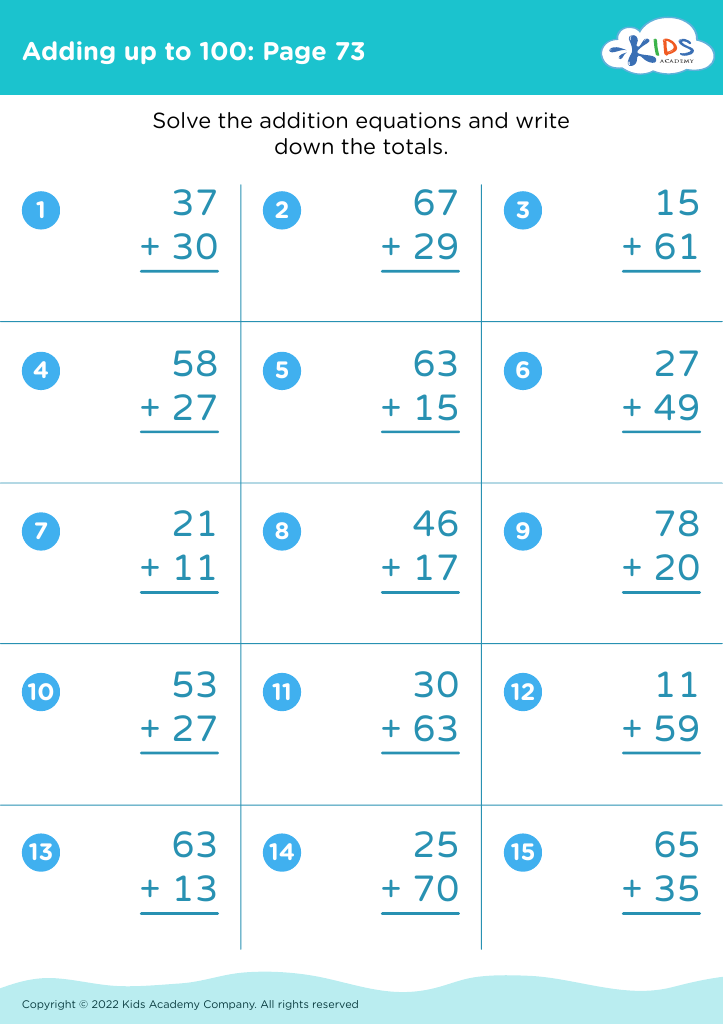
Adding up to 100: Page 73

Adding up to 100: Page 73

Adding up to 100: Page 73
Worksheet
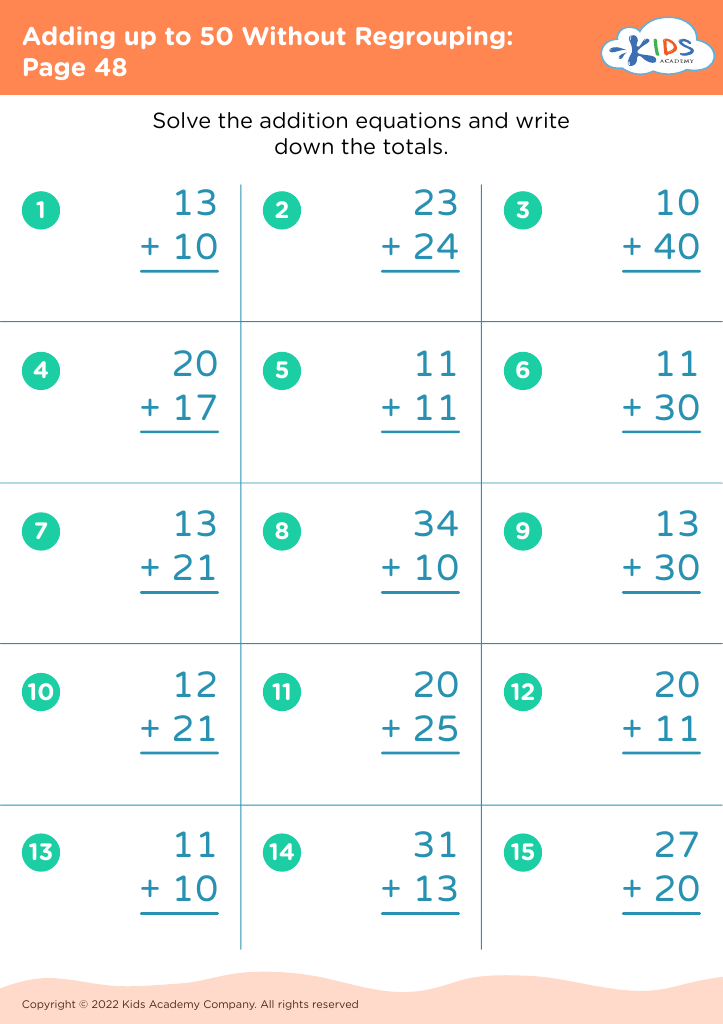
Adding up to 50 Without Regrouping: Page 48
Worksheet
Recycling - More or Less Worksheet
Recycling - More or Less Worksheet
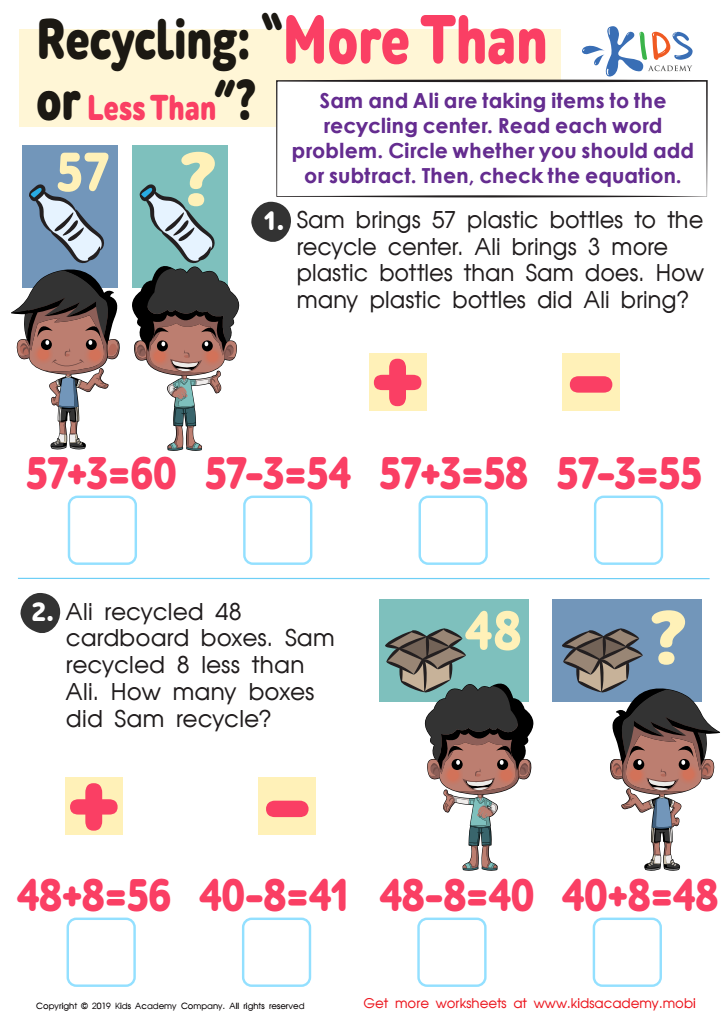
Your child can compare numbers and solve word problems with this free worksheet. Help them understand what's being asked as Sam and Ali take items to the recycling center. They can choose the correct equation to match the word problem and apply their skills in reading and pulling out the appropriate information.
Recycling - More or Less Worksheet
Worksheet
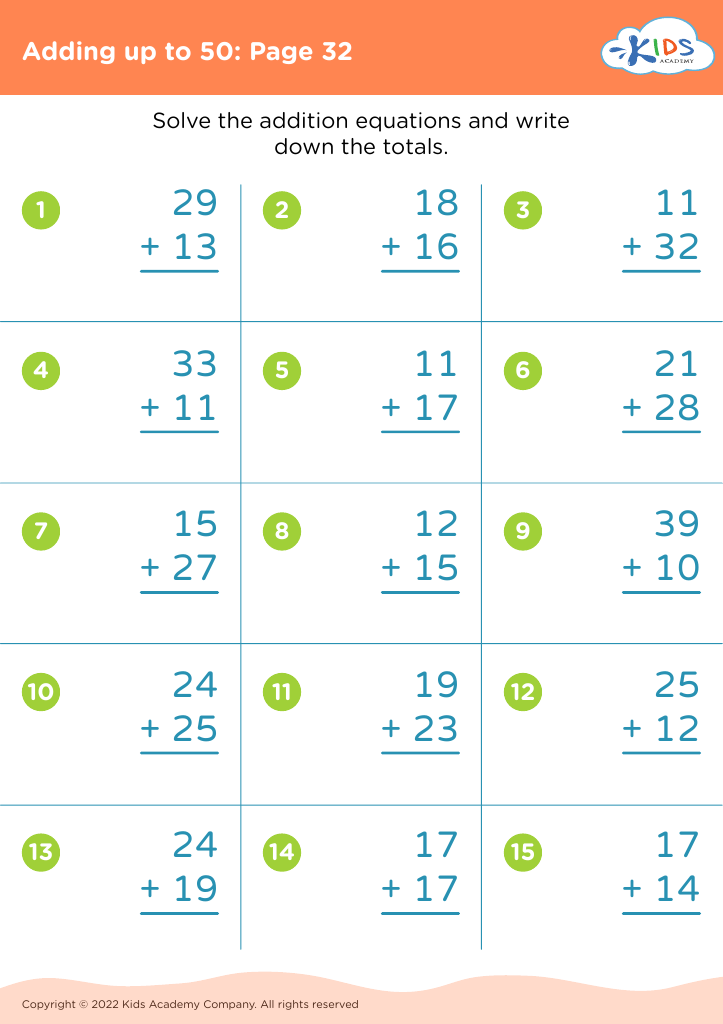
Adding up to 50: Page 32

Adding up to 50: Page 32

Adding up to 50: Page 32
Worksheet
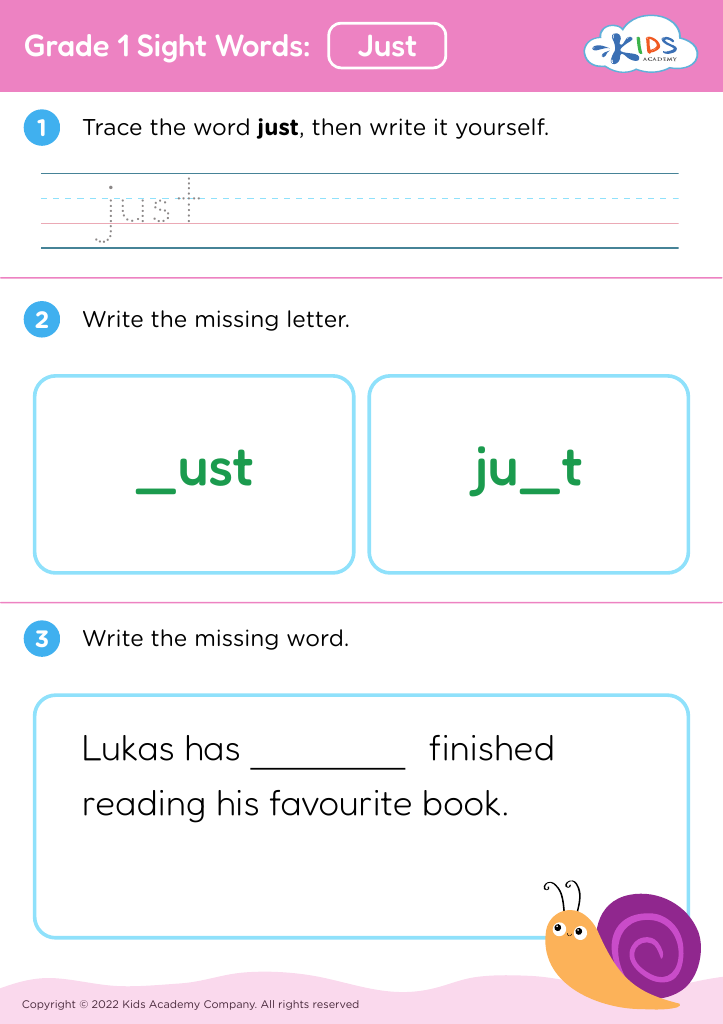
Grade 1 Sight Words: Just

Grade 1 Sight Words: Just

Grade 1 Sight Words: Just
Worksheet
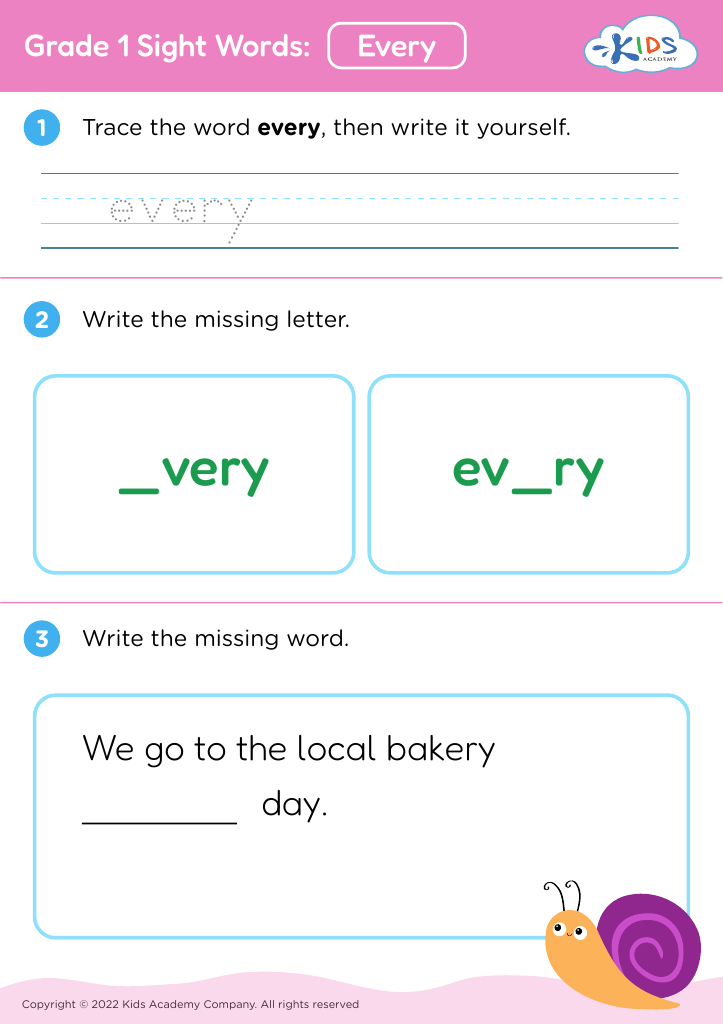
Grade 1 Sight Words: Every

Grade 1 Sight Words: Every

Grade 1 Sight Words: Every
Worksheet
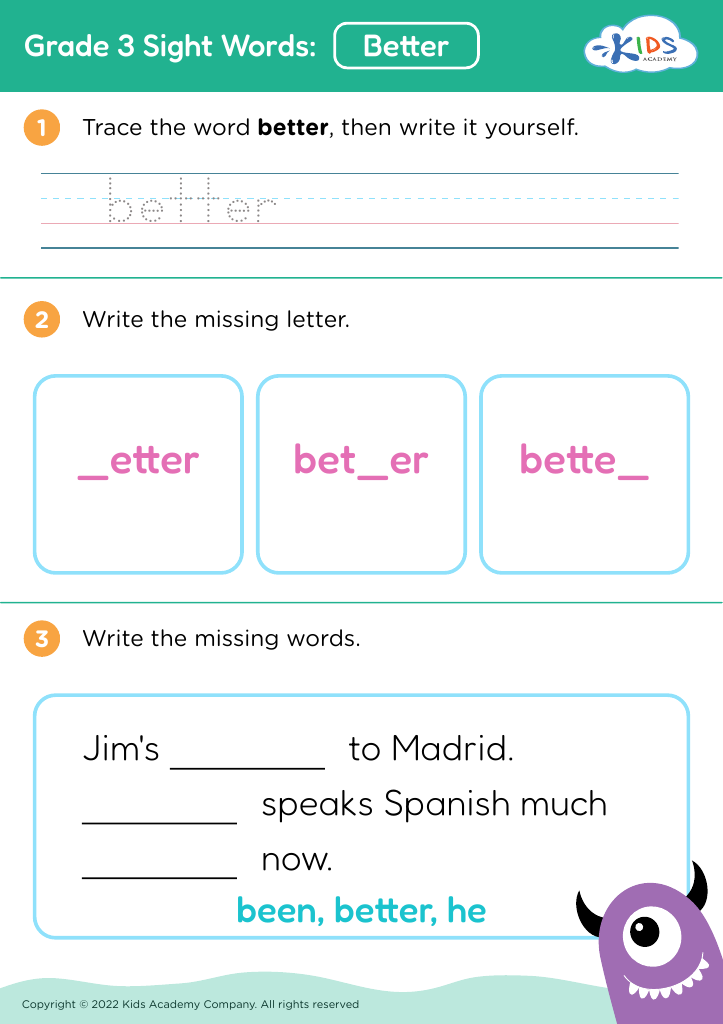
Grade 3 Sight Words: Better

Grade 3 Sight Words: Better

Grade 3 Sight Words: Better
Worksheet


Understanding the concept of comparing quantities is crucial for children aged 7-9 as it forms the foundation for many mathematical skills and real-life applications they will encounter throughout their education. At this stage, children develop their ability to group, count, and compare items, which helps in enhancing their cognitive skills and logical reasoning.

When parents and teachers focus on teaching comparing quantities, they help children grasp basic mathematical relations such as "more than," "less than," and "equal to." These concepts are essential, not only for arithmetic but also for understanding more complex topics like fractions, measurements, and data interpretation in the future. Moreover, these comparisons encourage analytical thinking; children begin to observe patterns, make predictions, and solve problems based on their comparisons.

In a broader sense, such activities are linked to real-life skills. Shopping, cooking, and even managing time all require a basic understanding of quantity comparisons. By mastering these skills early, children become more proficient in everyday tasks and develop confidence in handling numbers. Importantly, parent-teacher collaboration enriches the learning experience, ensuring children receive reinforcement both at home and in school. Therefore, emphasizing the significance of comparing quantities at an early age sets the groundwork for academic success and practical life skills.