Filters

247 filtered results

Clear all filters
Favorites
With answer key
Interactive

247 filtered results

Difficulty Level

Grade


Check out this FREE "Counting skills" Trial Lesson for age 7-9!

Standard Addition

Favorites
With answer key
Interactive
  • 7-9
  • Counting skills
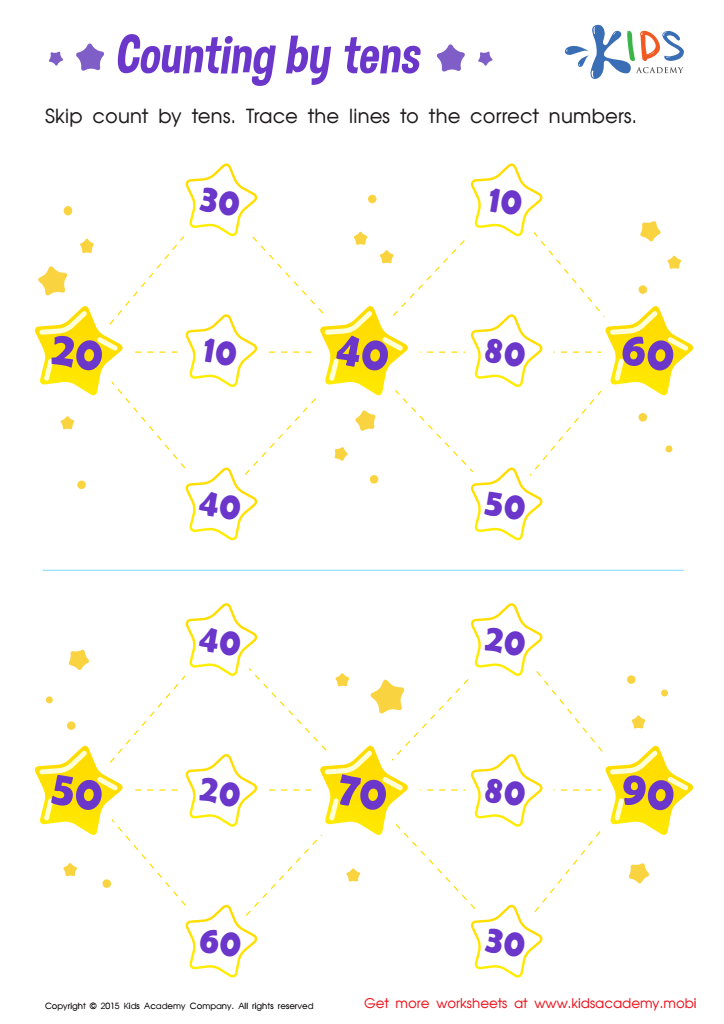
Kindergarten Counting by Tens

Learn Dozens: Counting by Tens Printable

Kindergartners need to learn skip counting - counting in number groups - to increase number sense and be ready for more advanced math. Our kindergarten worksheet featuring a starry trip to outer space will help your child practice this valuable skill. Your child will choose correct answers to trace the lines to the stars, building fluency in skip counting. They'll also strengthen problem solving and see the pattern it creates. Get your little learner to the next level with this skip counting worksheet!
Learn Dozens: Counting by Tens Printable
Worksheet
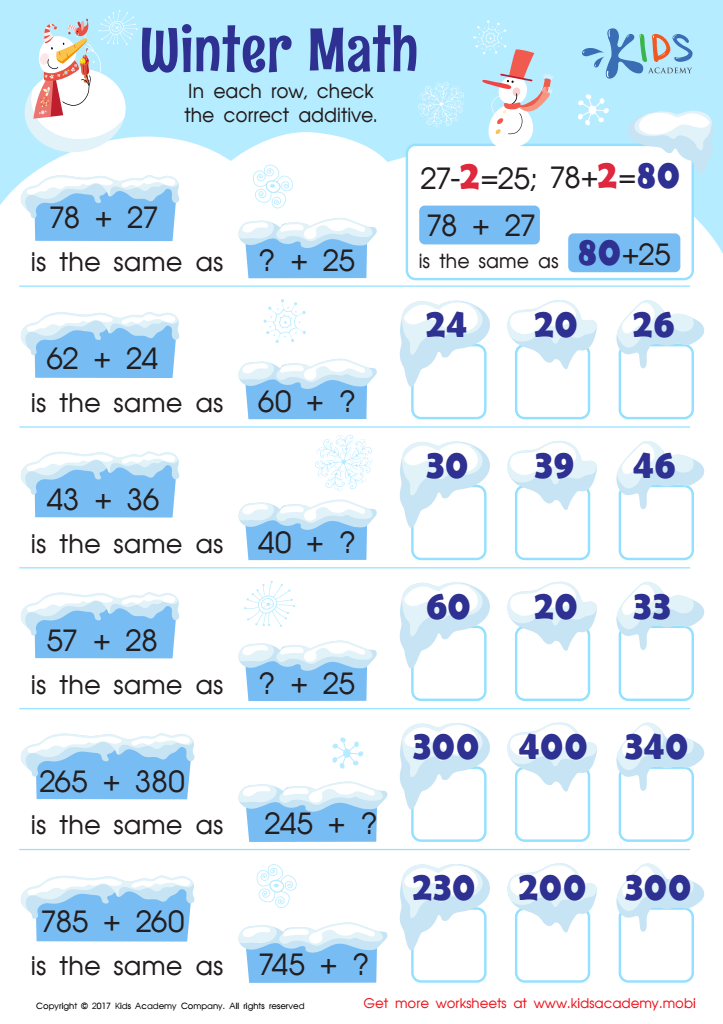
Free addition PDF worksheet for 3rd grade

Free Addition Worksheet

Perfect for a wintry day, challenge your 3rd grader to compare addition equations and fill in the missing numbers in the PDF. This winter-themed worksheet is sure to bring a smile while your 3rd grader practices their addition skills. Perfect for a blustery day, challenge your child to compare addition equations and complete the missing numbers in the PDF.
Free Addition Worksheet
Worksheet
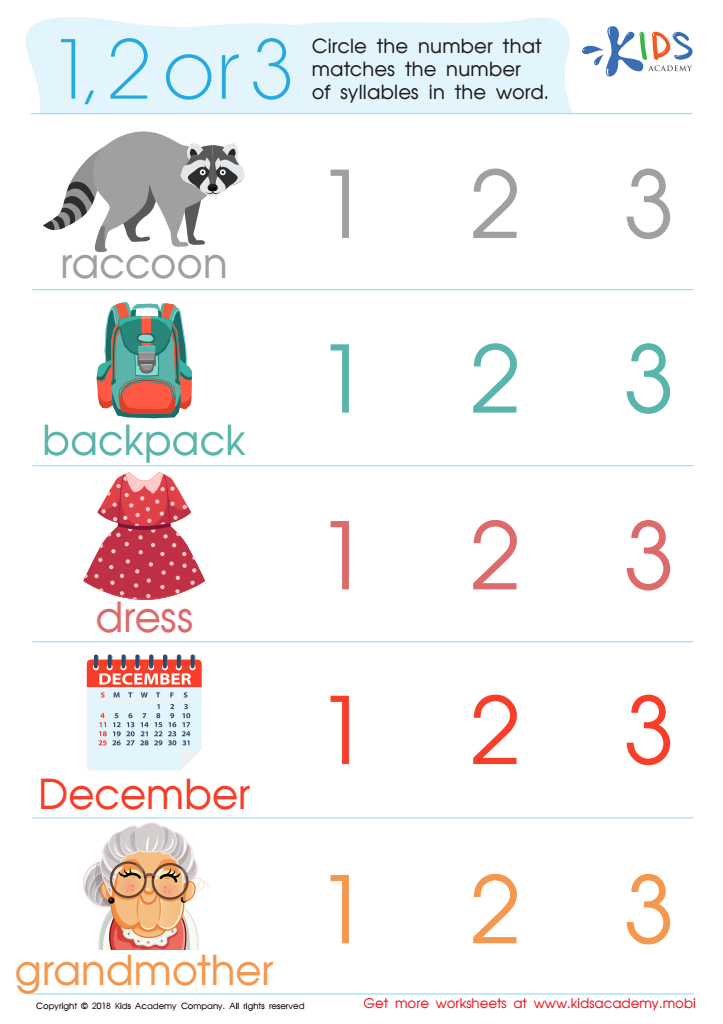
1, 2 or 3? Worksheet

1, 2 or 3? Worksheet

Do your kids know about syllables? Test their understanding with this worksheet. Read the words aloud and ask them to say them with you. Help them circle the number that matches the number of syllables in each word. Perfect for expanding knowledge or testing how much they've already learned.
1, 2 or 3? Worksheet
Worksheet
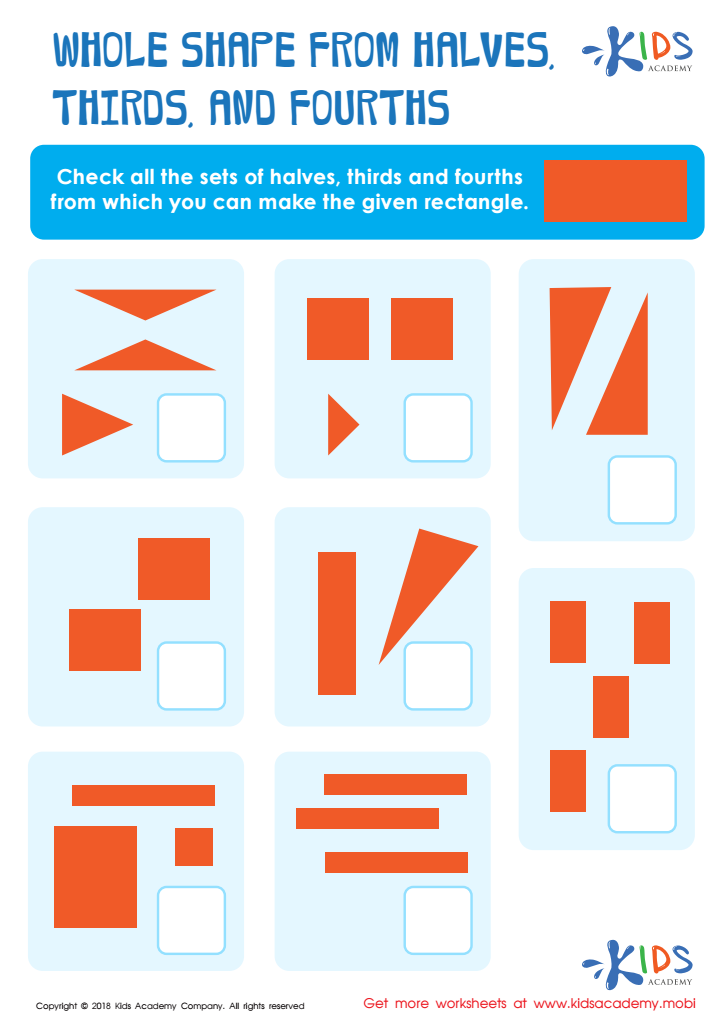
Whole Shape from Halves, Thirds and Fourths Worksheet
Whole Shape from Halves, Thirds and Fourths Worksheet
Explain to your students that they can make a new shape by combining halves, thirds, and fourths of a shape. Show them the worksheet with the rectangle at the top and ask them to find which sets of halves, thirds, and fourths make it. Have them check all the correct sets.
Whole Shape from Halves, Thirds and Fourths Worksheet
Worksheet
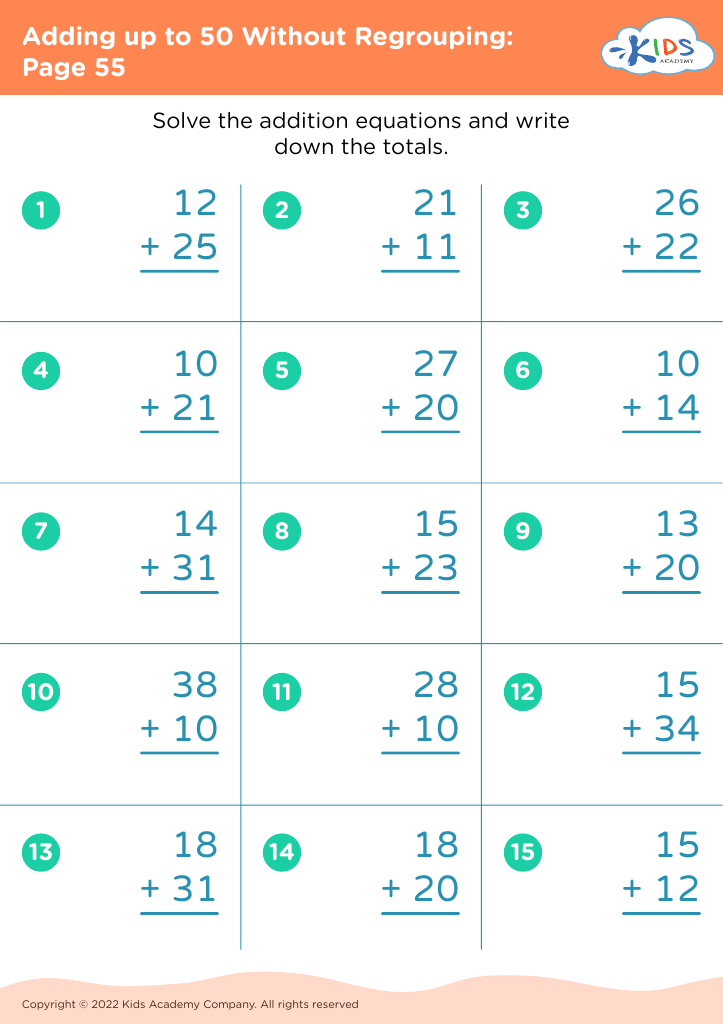
Adding up to 50 Without Regrouping: Page 55
Worksheet
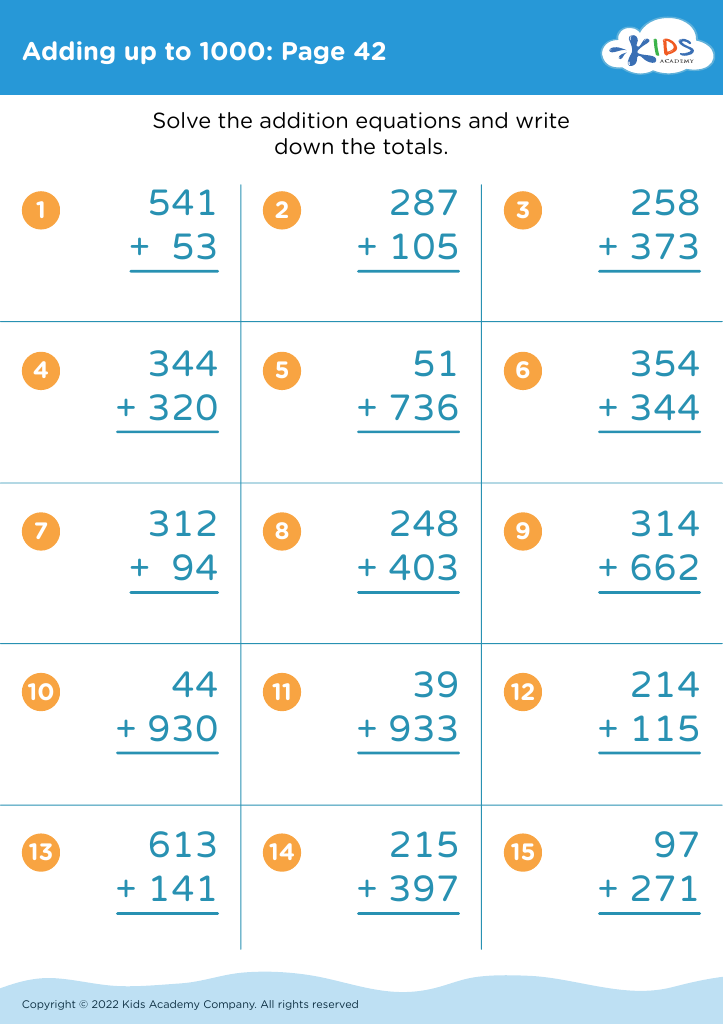
Adding up to 1000: Page 42

Adding up to 1000: Page 42

Adding up to 1000: Page 42
Worksheet
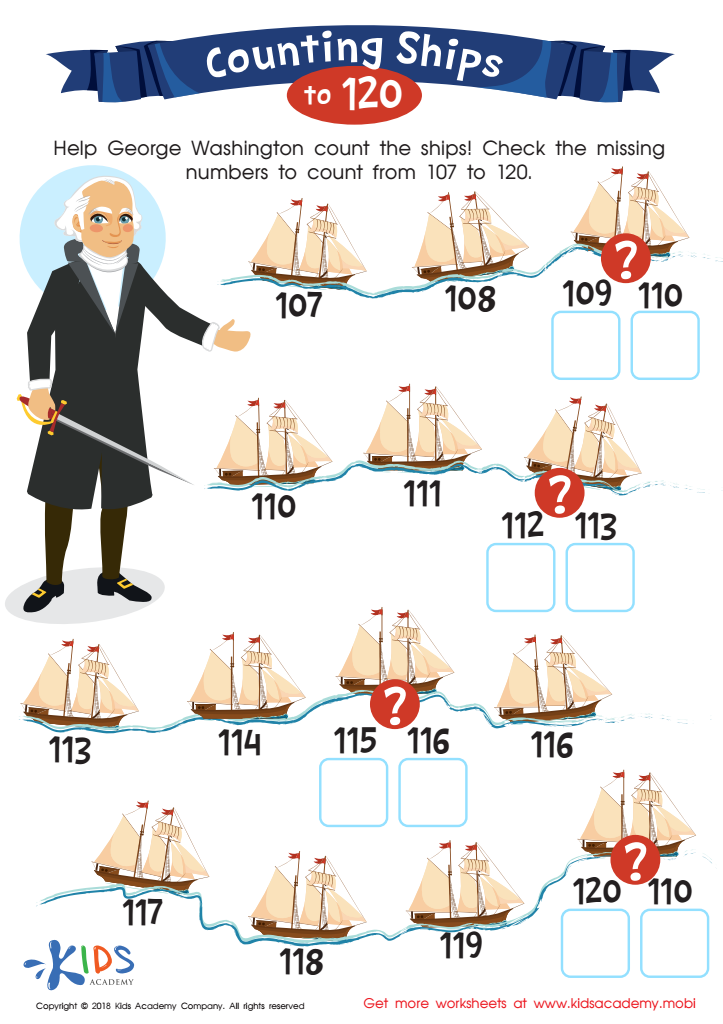
Counting Ships to 120 Worksheet
Counting Ships to 120 Worksheet

Introduce your child to George Washington and his contributions to our country's history. If they already know their numbers, have them help George count the ships! Challenge them to fill in the missing numbers between 107 and 120.
Counting Ships to 120 Worksheet
Worksheet
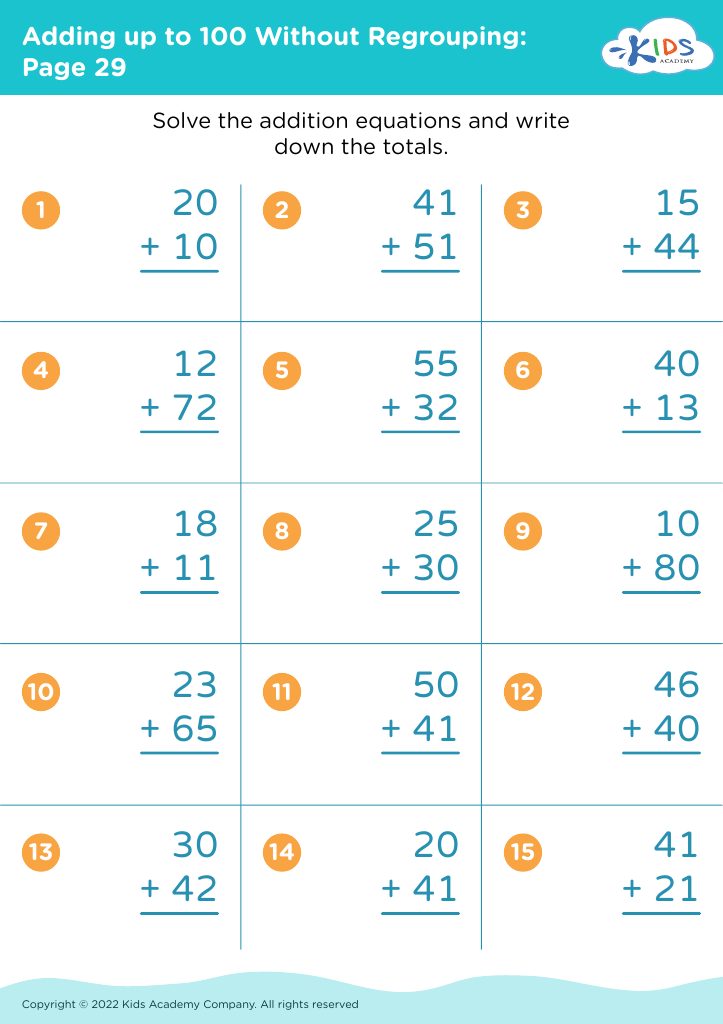
Adding up to 100 Without Regrouping: Page 29
Worksheet
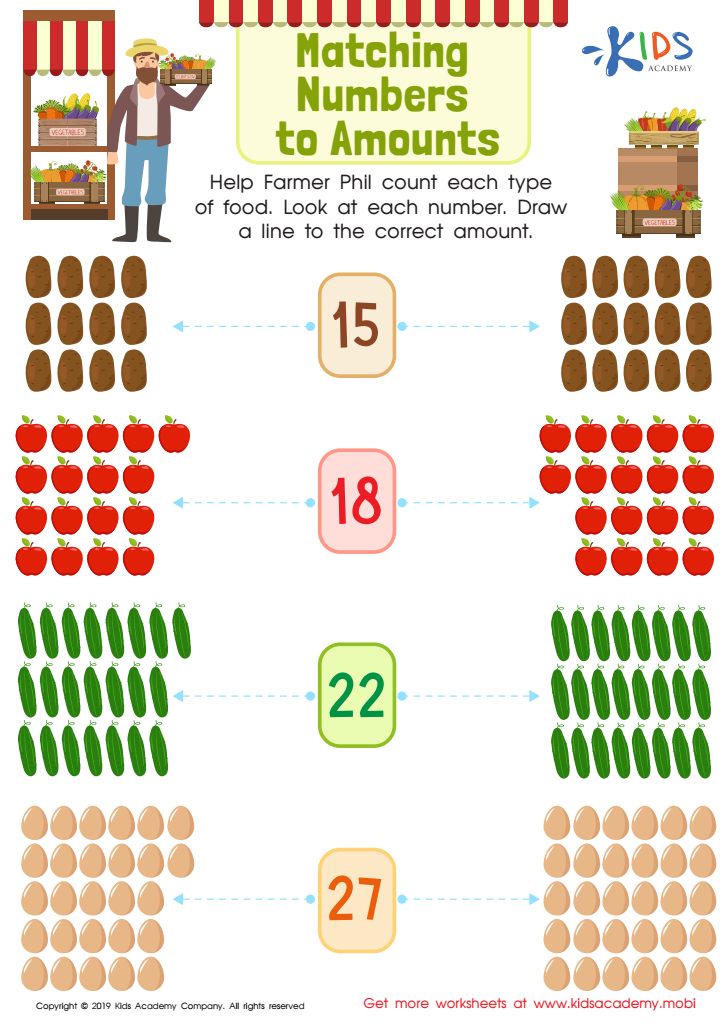
Matching Numbers to Amounts Worksheet

Matching Numbers to Amounts Worksheet

Farmer Phil needs your kid's help! Ensure they know the basics of math such as counting, adding and subtracting. Before beginning, help your child identify and count the different foods in the picture. Then, draw a line to the correct amount.
Matching Numbers to Amounts Worksheet
Worksheet
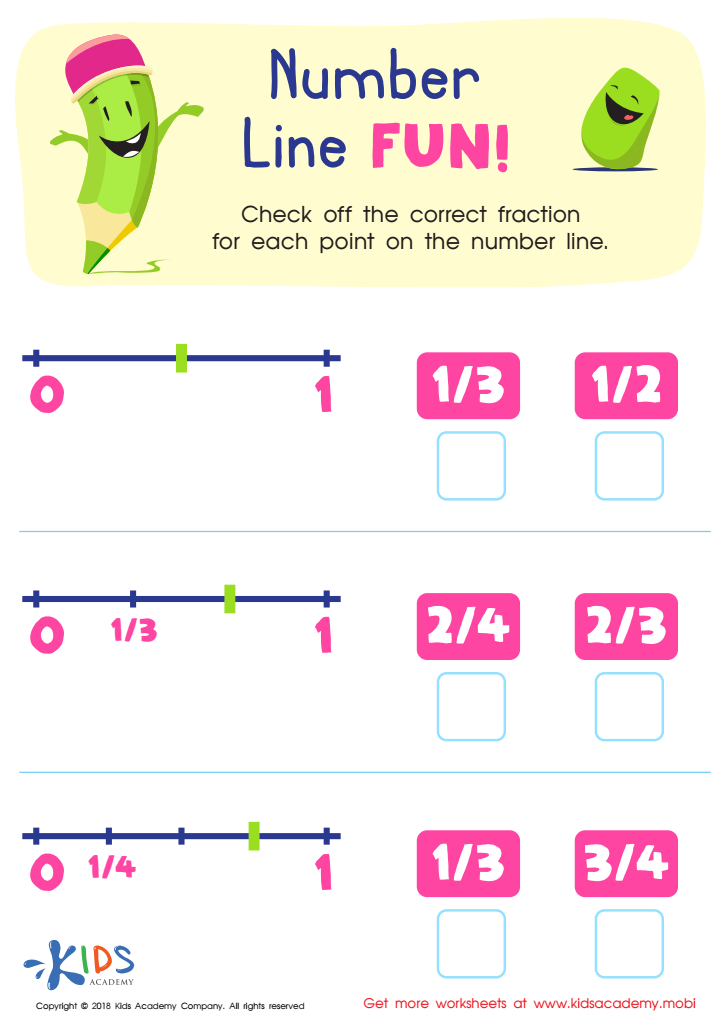
Number the Line Fun Worksheet

Number Line Fun Worksheet
Give your child a hand in math with this worksheet. It contains three number lines with points to which they should assign correct fractions. Support your child with this exercise and they'll get better at mathematics.
Number Line Fun Worksheet
Worksheet
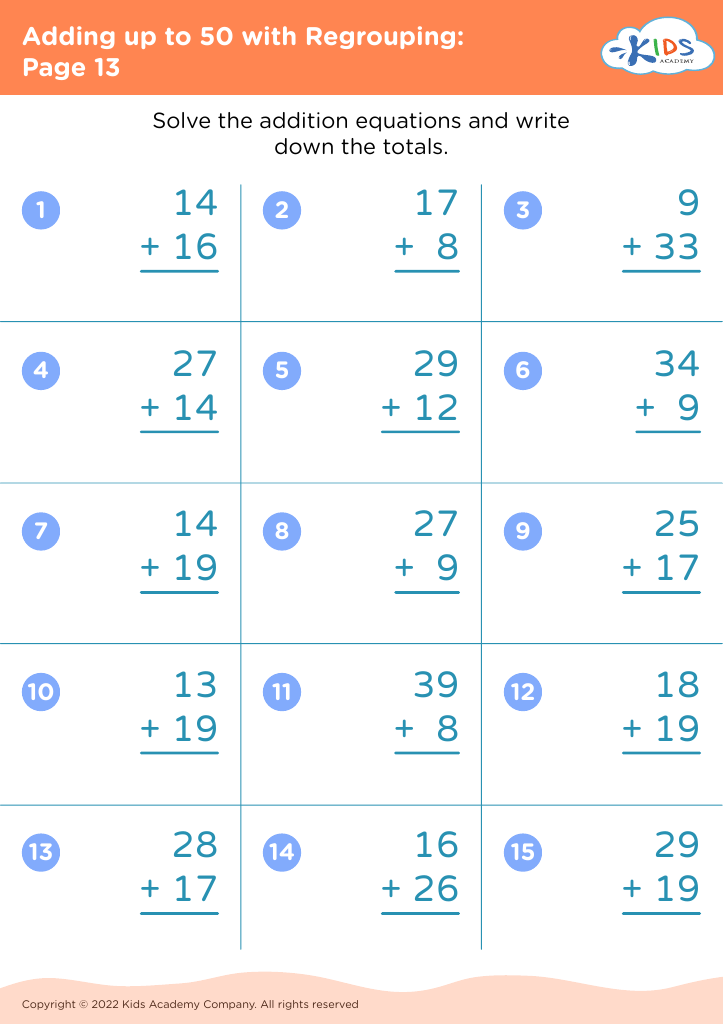
Adding up to 50 with Regrouping: Page 13
Worksheet
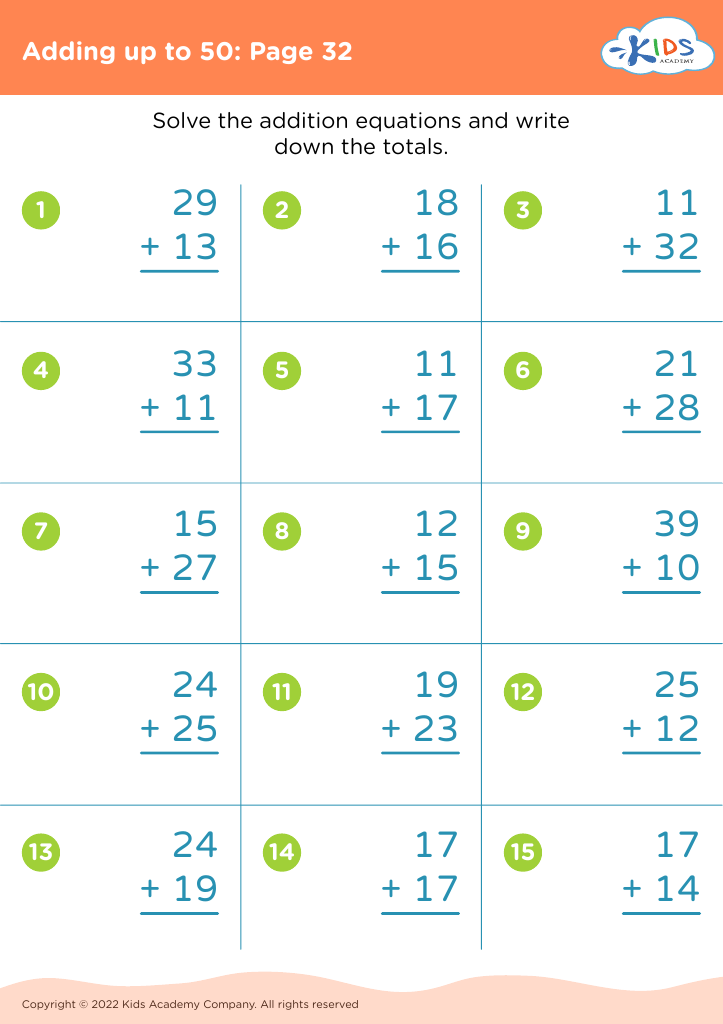
Adding up to 50: Page 32

Adding up to 50: Page 32

Adding up to 50: Page 32
Worksheet
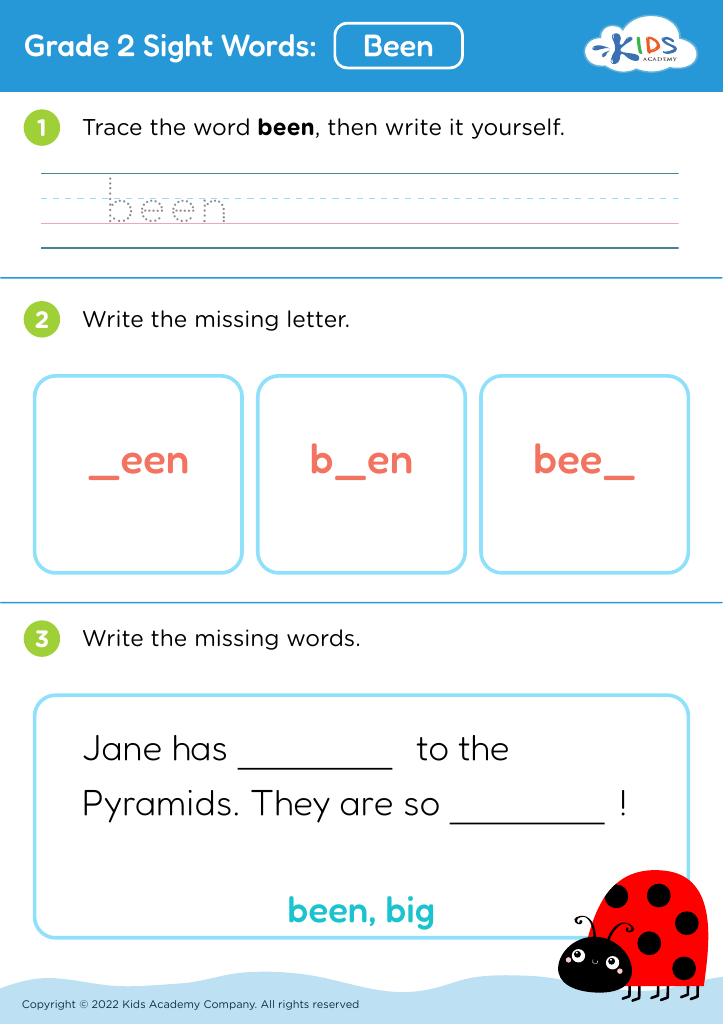
Grade 2 Sight Words: Been

Grade 2 Sight Words: Been

Grade 2 Sight Words: Been
Worksheet
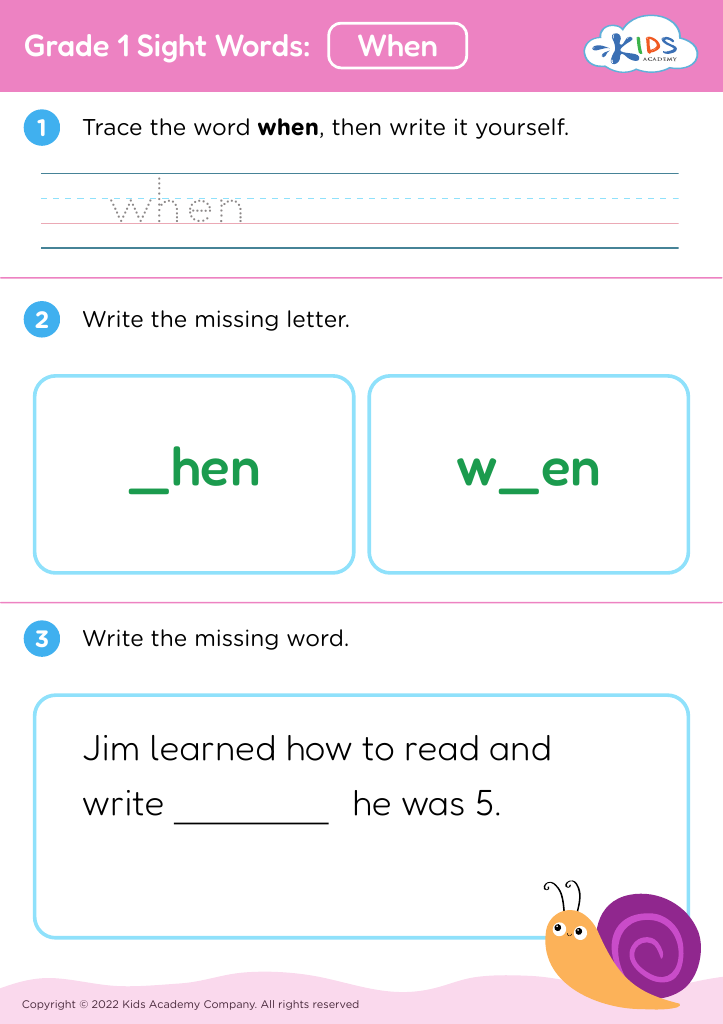
Grade 1 Sight Words: When

Grade 1 Sight Words: When

Grade 1 Sight Words: When
Worksheet
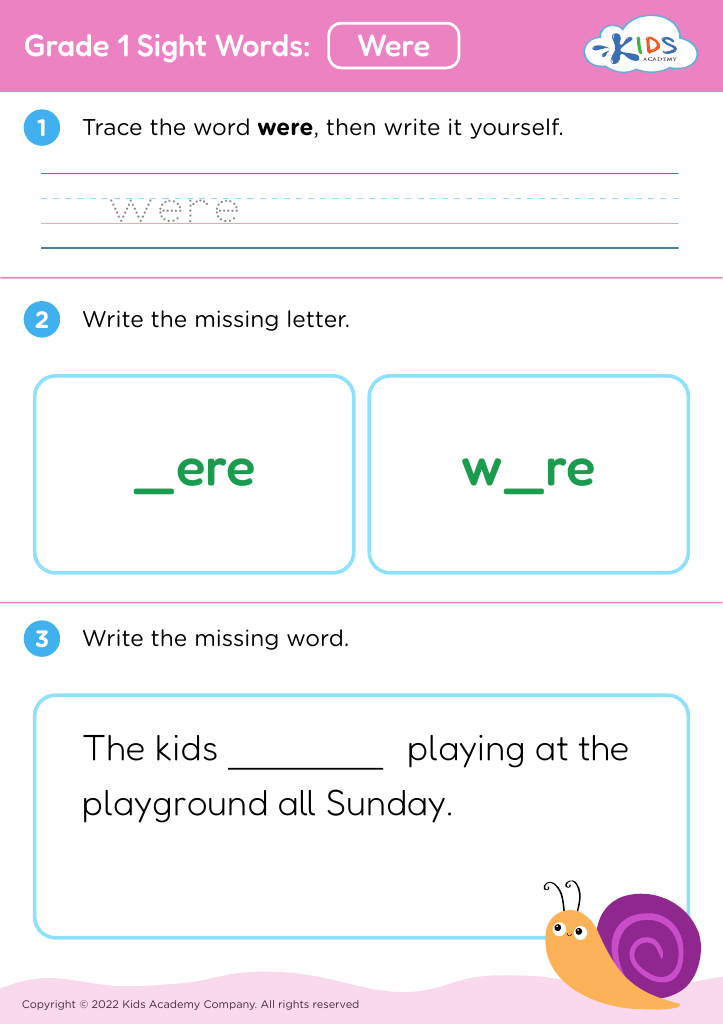
Grade 1 Sight Words: Were

Grade 1 Sight Words: Were

Grade 1 Sight Words: Were
Worksheet
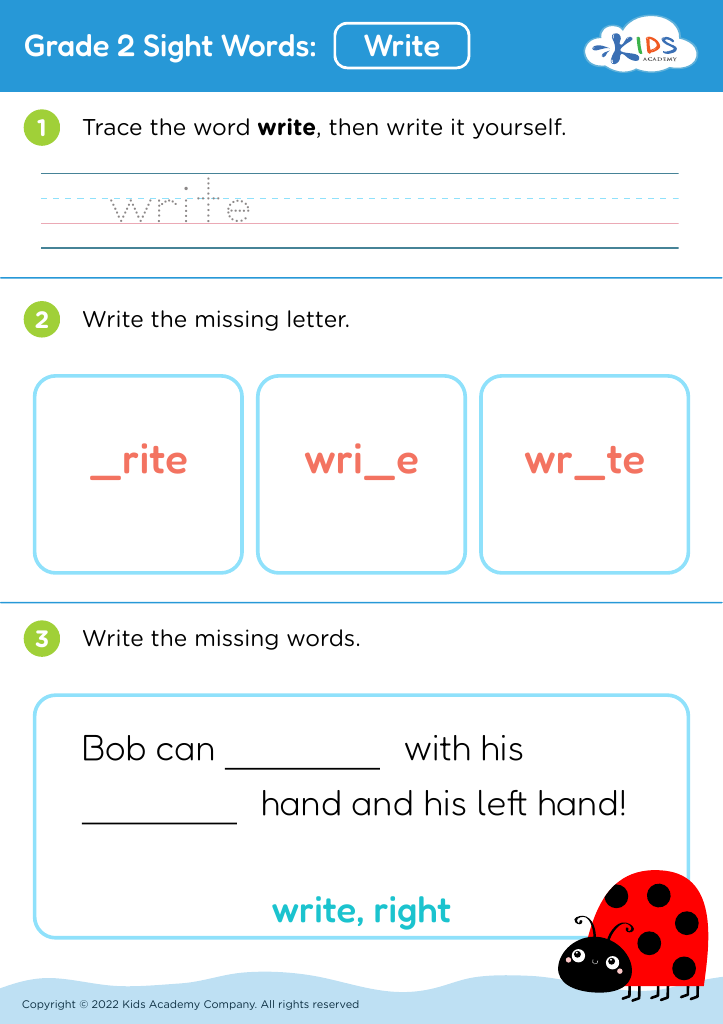
Grade 2 Sight Words: Write

Grade 2 Sight Words: Write

Grade 2 Sight Words: Write
Worksheet
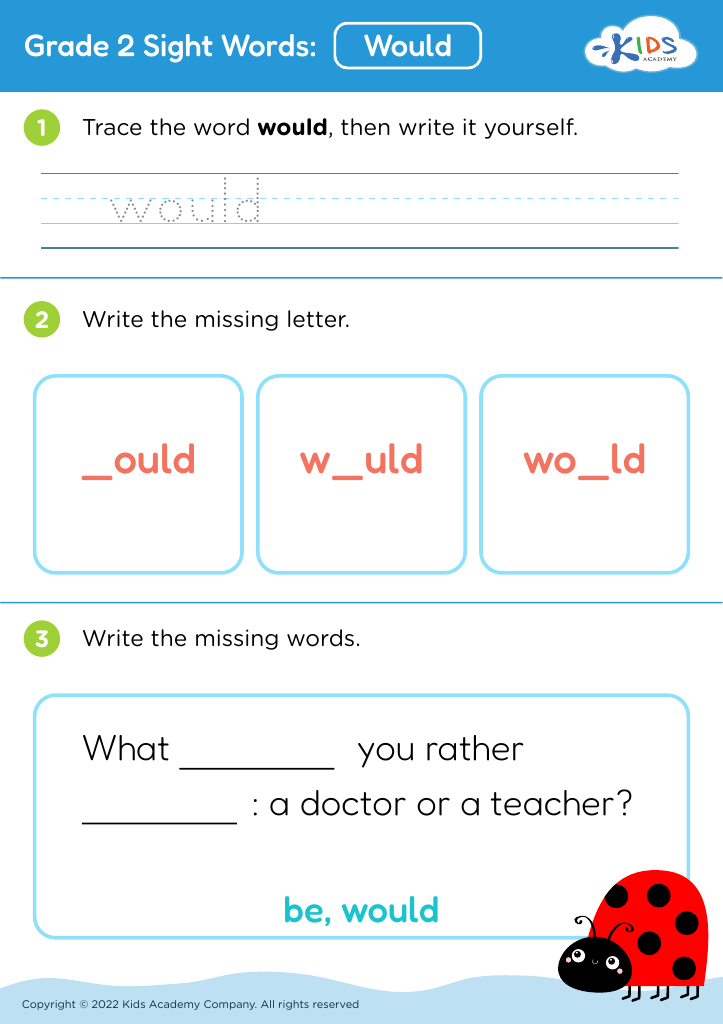
Grade 2 Sight Words: Would

Grade 2 Sight Words: Would

Grade 2 Sight Words: Would
Worksheet
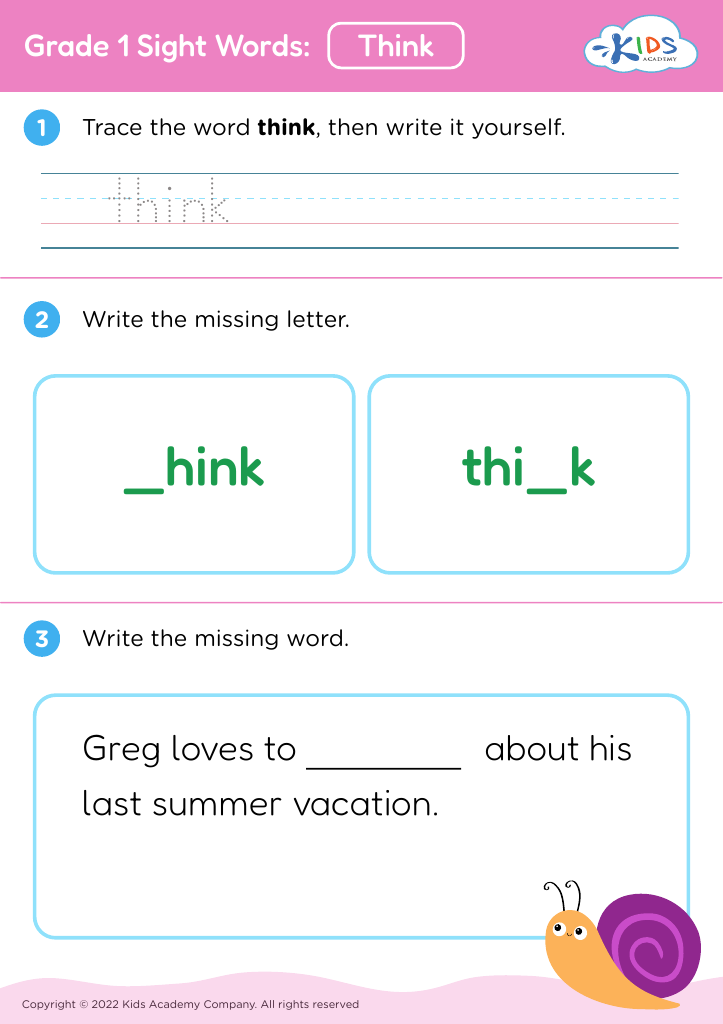
Grade 1 Sight Words: Think

Grade 1 Sight Words: Think

Grade 1 Sight Words: Think
Worksheet
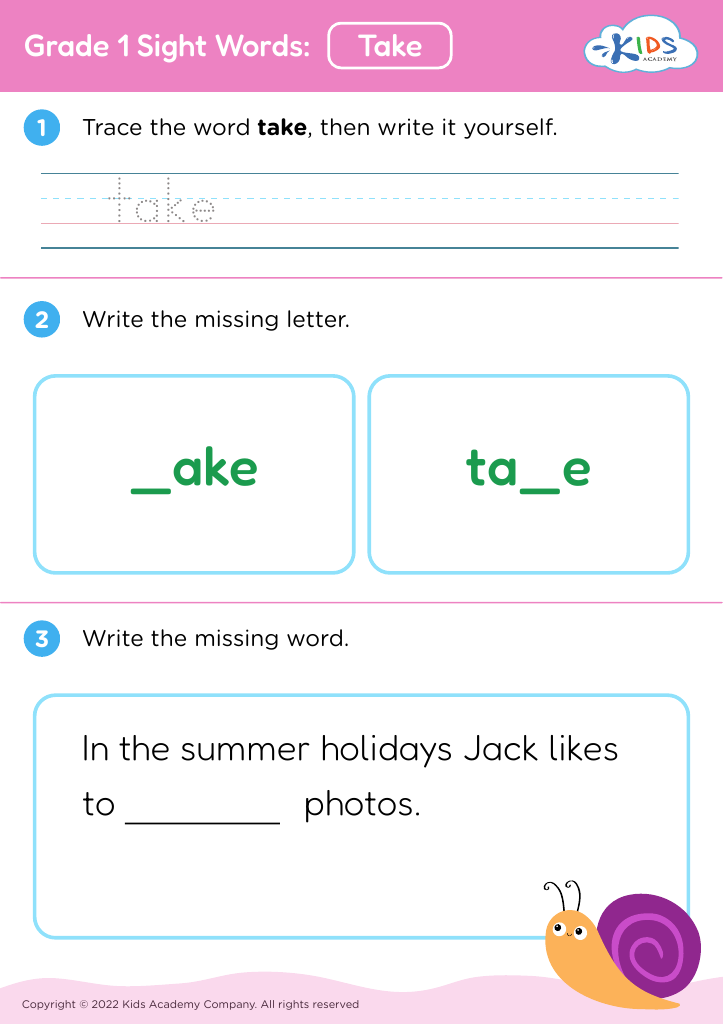
Grade 1 Sight Words: Take

Grade 1 Sight Words: Take

Grade 1 Sight Words: Take
Worksheet
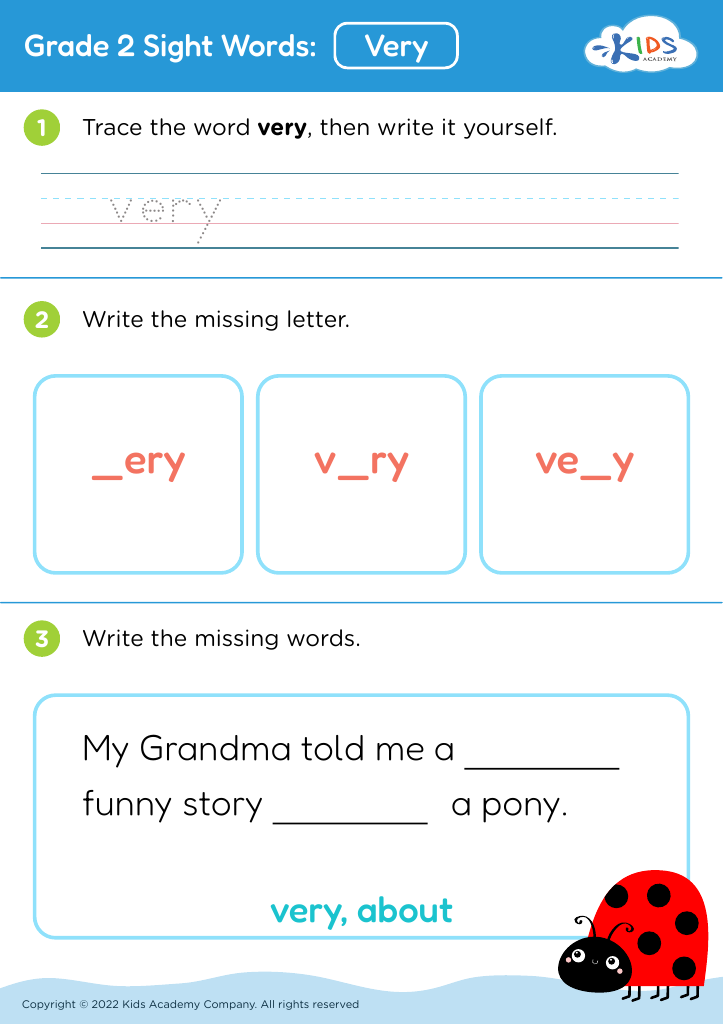
Grade 2 Sight Words: Very

Grade 2 Sight Words: Very

Grade 2 Sight Words: Very
Worksheet
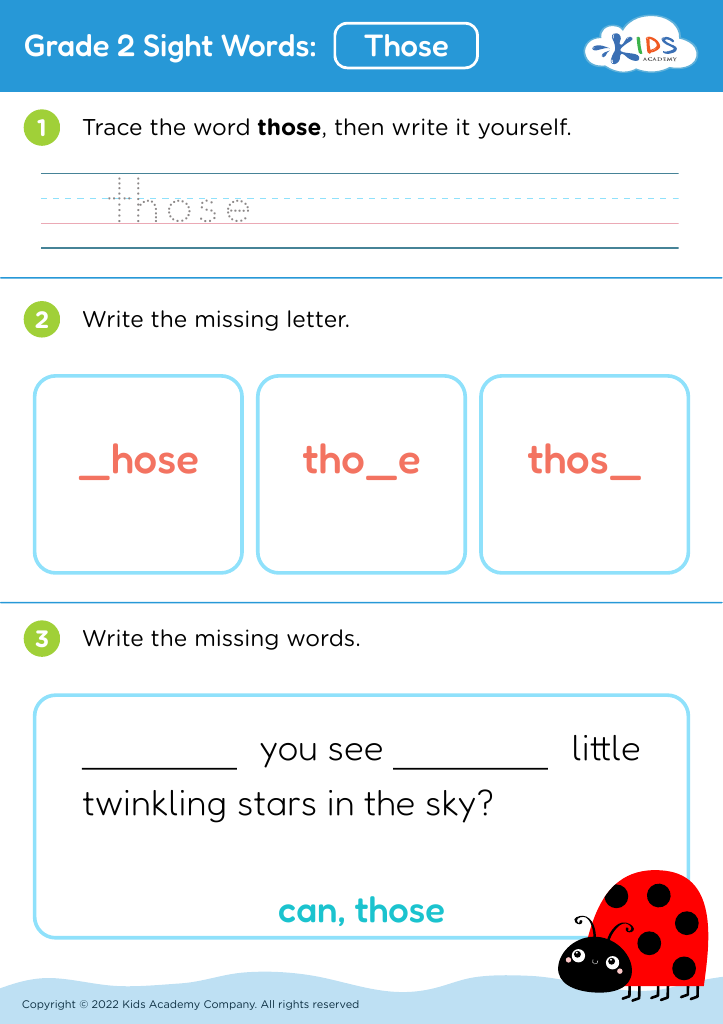
Grade 2 Sight Words: Those

Grade 2 Sight Words: Those

Grade 2 Sight Words: Those
Worksheet
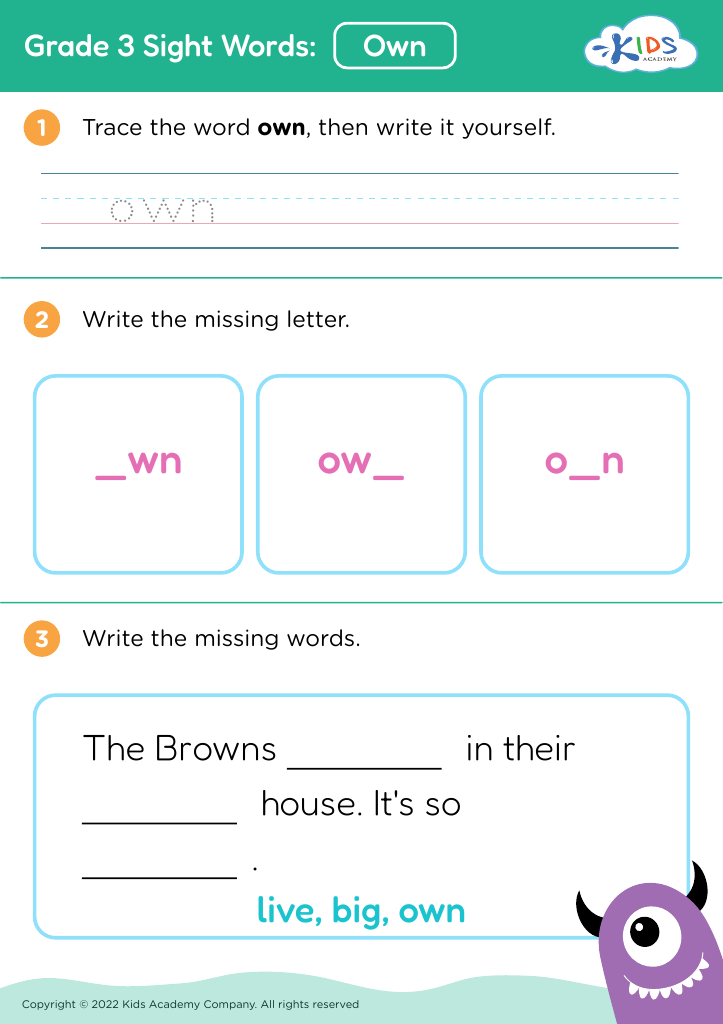
Grade 3 Sight Words: Own

Grade 3 Sight Words: Own

Grade 3 Sight Words: Own
Worksheet
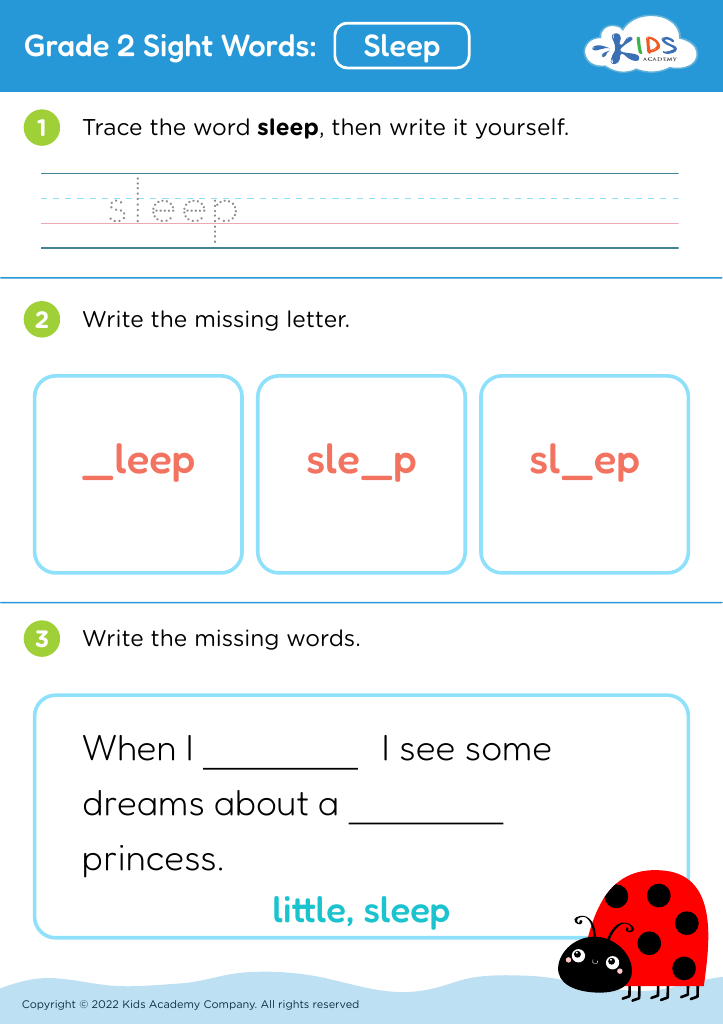
Grade 2 Sight Words: Sleep

Grade 2 Sight Words: Sleep

Grade 2 Sight Words: Sleep
Worksheet
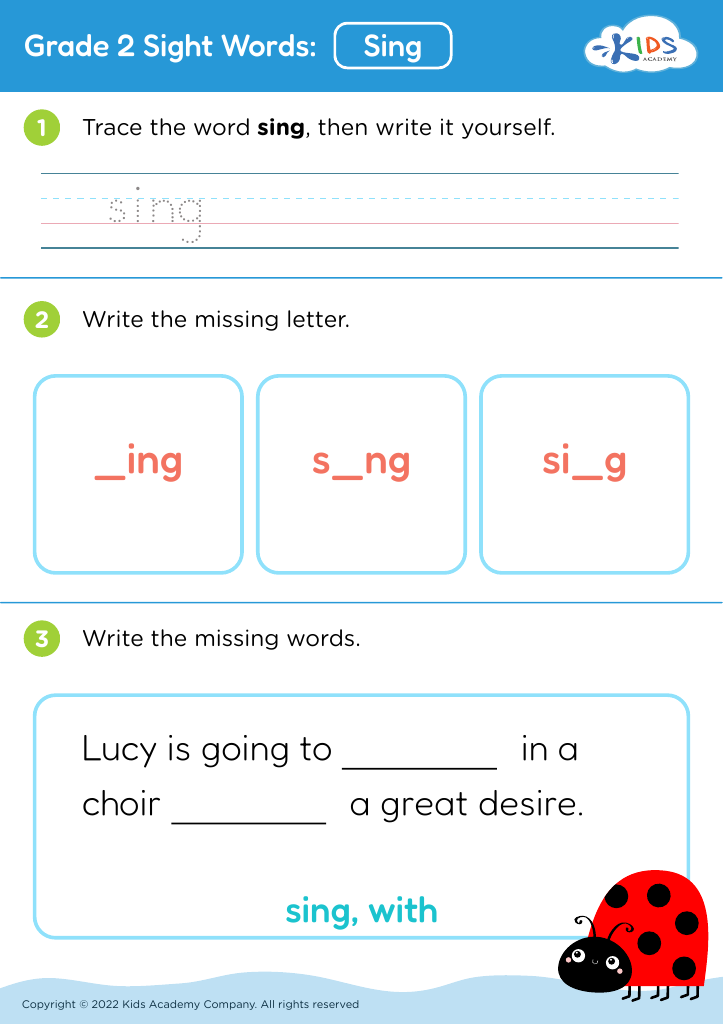
Grade 2 Sight Words: Sing

Grade 2 Sight Words: Sing

Grade 2 Sight Words: Sing
Worksheet


Counting skills are foundational in early education, particularly for children aged 7 to 9, as they serve as the building blocks for mathematics and critical thinking. At this age, children transition from basic counting to more complex concepts such as addition, subtraction, and understanding number relationships. Developing strong counting skills enhances their ability to solve problems, enabling them to engage with more advanced math topics as they progress in school.

Parents and teachers should care about these skills because they directly impact a child’s academic confidence and performance. When children are proficient in counting, they are more likely to participate actively in class and feel empowered in their mathematical abilities. Additionally, counting serves as an essential life skill, enabling children to make sense of the world around them, from managing money to understanding time and measurements.

Furthermore, reinforcing counting skills through fun and engaging activities helps foster a positive attitude towards learning. Collaborative games, real-life applications, and visual aids can make practice enjoyable. By supporting children in developing their counting skills, parents and teachers not only equip them with essential academic tools but also nurture a lifelong love of learning and problem-solving.