Developing fine motor skills Worksheets for Ages 7-9
5 filtered results
-
From - To
Welcome to our "Developing Fine Motor Skills Worksheets" for ages 7-9! Our engaging and interactive worksheets are designed to foster essential fine motor skills in young learners. These activities promote hand-eye coordination, dexterity, and concentration through a variety of fun tasks, from tracing and cutting to puzzles and drawing. Each worksheet is tailored to challenge and inspire creativity while supporting the physical and cognitive development of children. Ideal for home or classroom use, our resources make skill-building enjoyable and effective. Explore our collection today to help your child master fine motor skills and gain confidence in their abilities!
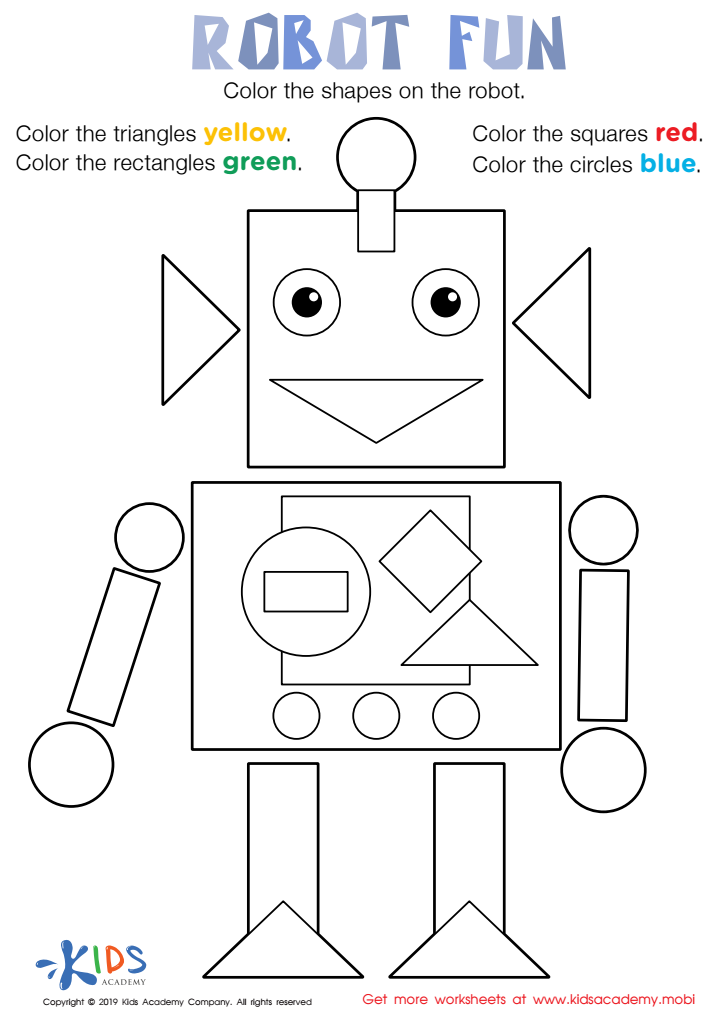
Robot Fun Worksheet
 Assign to My Students







Developing fine motor skills is crucial for children ages 7-9, as these skills play a significant role in their overall growth and academic success. During this stage, children refine their abilities to manipulate small objects with their hands, which is foundational for tasks ranging from handwriting to using tools in science experiments.
Strong fine motor skills enhance a child’s ability to perform daily activities, such as buttoning shirts, tying shoelaces, and managing school supplies. Mastering these tasks fosters independence and self-confidence, allowing children to navigate their environments more effectively. In the classroom, well-developed fine motor skills contribute to improved handwriting, which directly impacts academic performance and communication abilities.
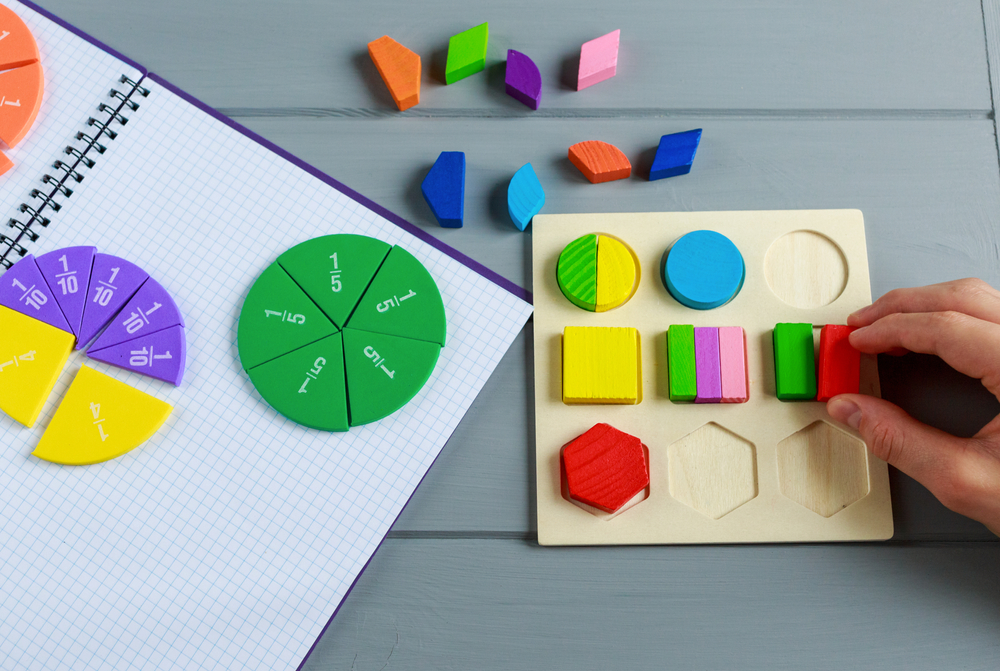
Additionally, these skills are closely linked to cognitive development; as children learn to control their hand movements, they also strengthen neural pathways in their developing brains. Engaging in activities that promote fine motor development—like art projects, puzzles, and hands-on learning tasks—can help enhance problem-solving skills and creativity.
Ultimately, parents and teachers should recognize the importance of fostering fine motor skills in children ages 7-9, as these skills are essential not only for academic achievement but also for building confidence and promoting a sense of accomplishment in managing everyday tasks.








