Developing logic skills Worksheets for Ages 7-9
4 filtered results
-
From - To
Enhance your child's reasoning abilities with our engaging Developing Logic Skills Worksheets designed for ages 7-9! These beautifully crafted worksheets provide fun and challenging activities that encourage critical thinking and problem-solving. From pattern recognition to sequencing and logical reasoning exercises, our resources aim to stimulate young minds and boost cognitive development. Ideal for both classroom and home use, these worksheets foster independent learning while making education enjoyable. Discover the perfect blend of fun and learning that will empower your child with essential logic skills. Explore our collection today and watch them soar in their thinking abilities!
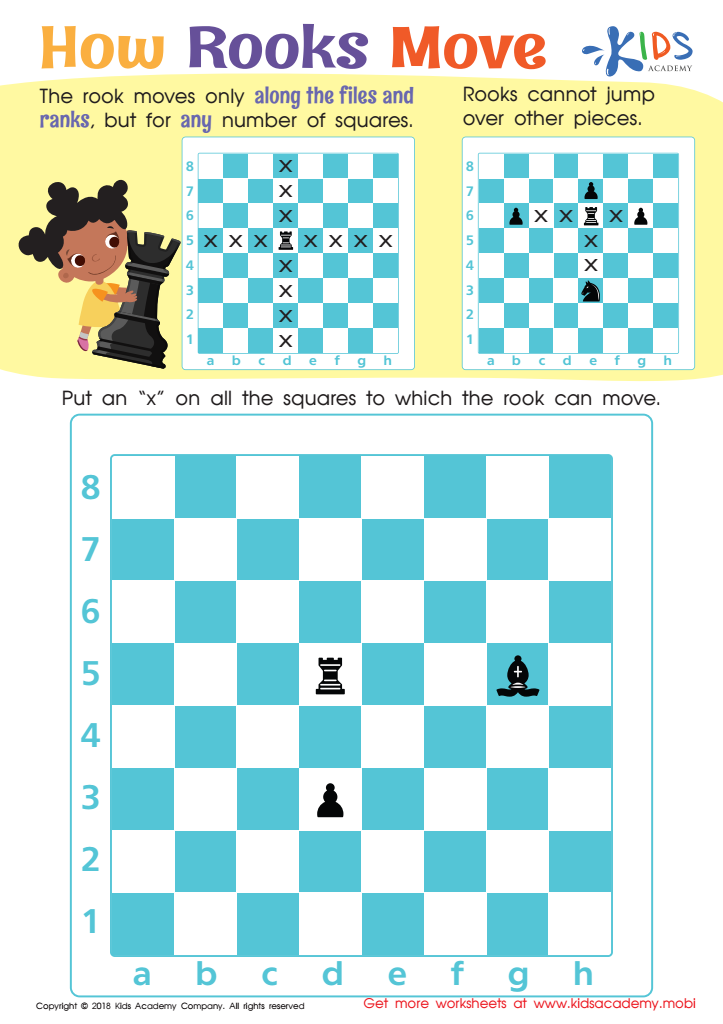
How Rooks Move Worksheet
 Assign to My Students
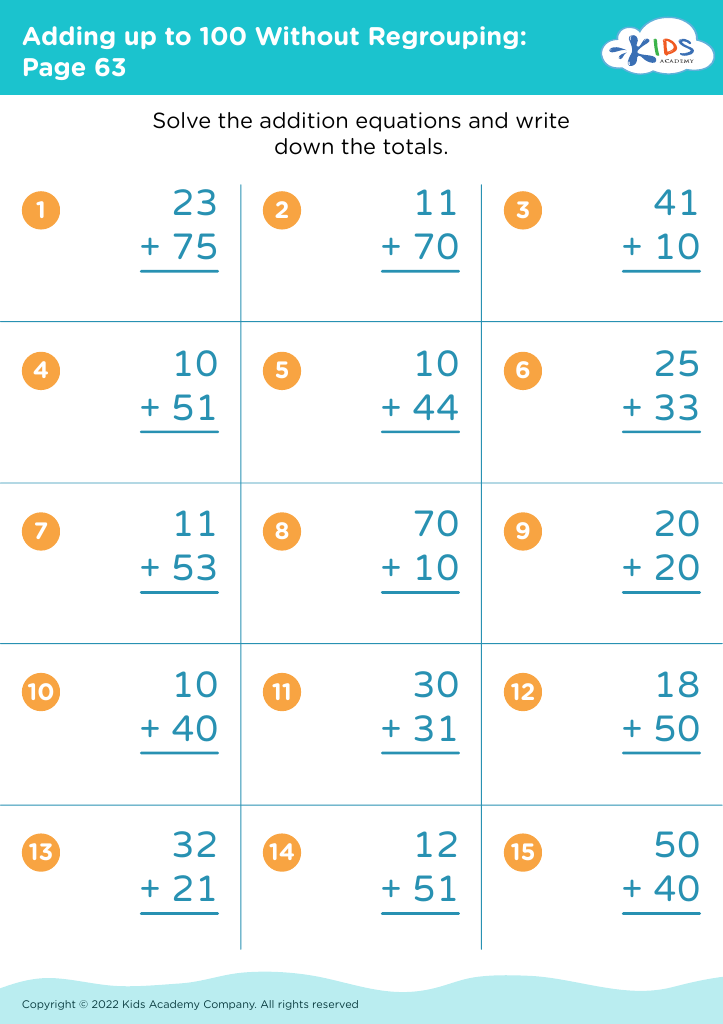
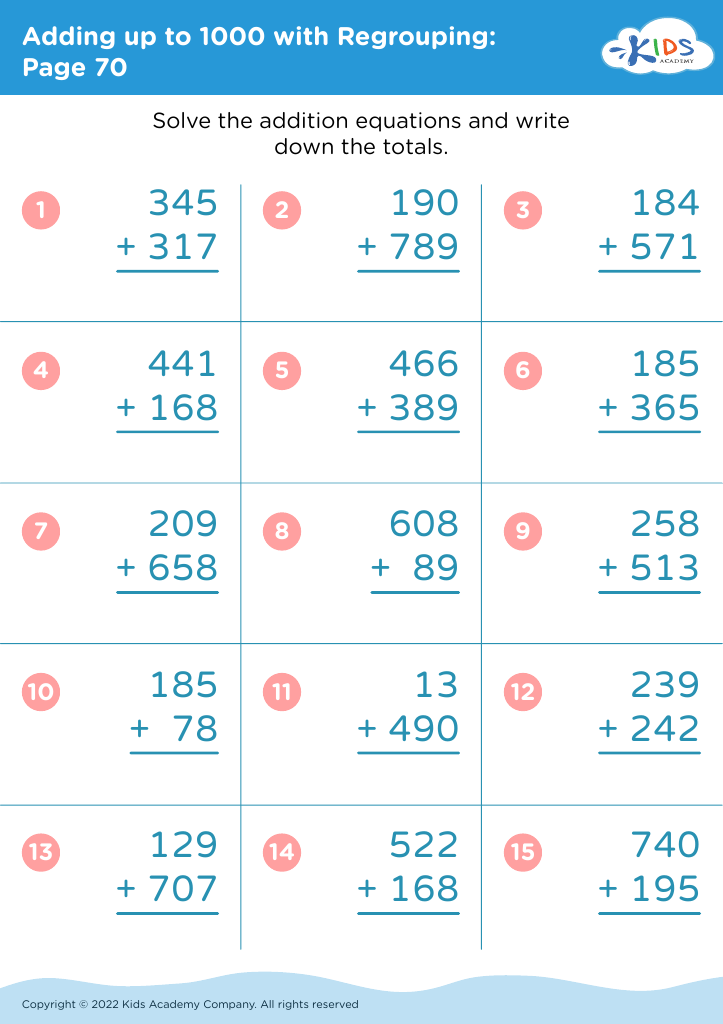
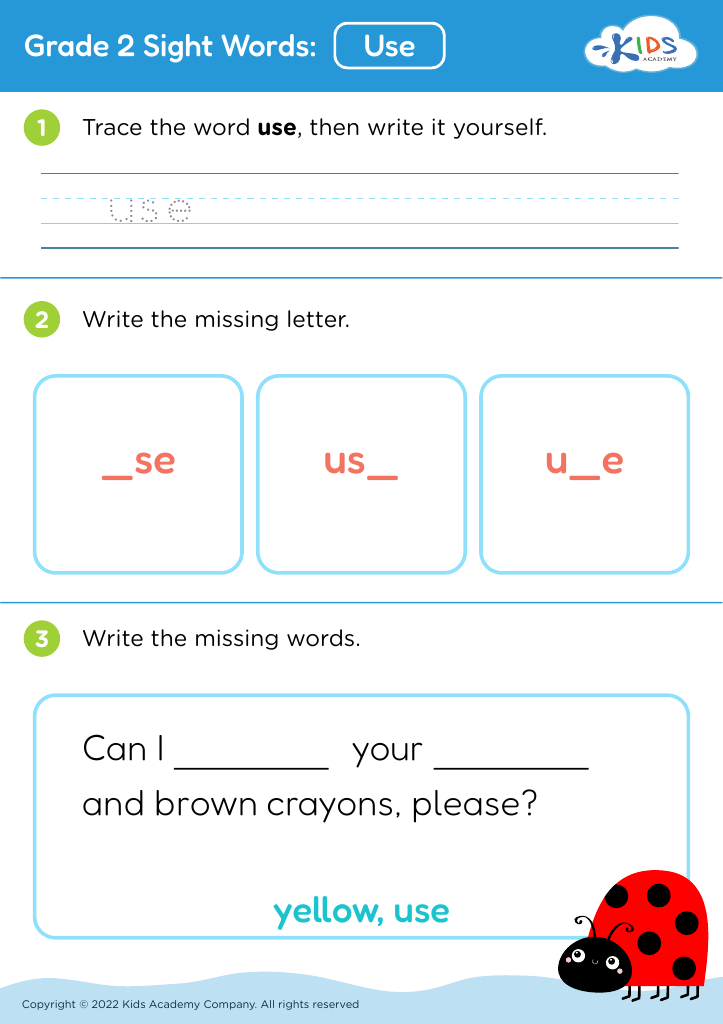








Developing logic skills in children ages 7 to 9 is crucial because this period is foundational for cognitive growth. During these formative years, children typically transition from concrete thought processes to more abstract reasoning. By nurturing their logic skills, parents and teachers can foster critical thinking, problem-solving capabilities, and decision-making skills which are essential not only for academic success but for everyday life situations.
At this age, children are eager to explore patterns, sequences, and relationships, making it an ideal time to engage them in logical reasoning exercises such as puzzles, games, and real-world scenarios. These activities promote analytical thinking, enabling children to evaluate information, draw conclusions, and mitigate risks.
Moreover, strong logic skills contribute to increased confidence and independence. When children learn to think critically, they become more equipped to tackle challenges and express their ideas effectively. This empowerment leads to a lifelong love for learning and a nurturing curiosity about the world around them.
Ultimately, parents and teachers play a pivotal role in instilling these essential skills, preparing children not just for academic pursuits, but for navigating the complexities of future personal and professional relationships and decisions.








