Fine motor skills development Worksheets for Ages 7-9
21 filtered results
-
From - To
Enhance your child's fine motor skills with our engaging worksheets designed specifically for ages 7-9! These printable activities promote hand-eye coordination, improve dexterity, and cultivate writing skills through fun exercises like coloring, tracing, cutting, and more. Our thoughtfully crafted worksheets encourage creativity while helping children develop confidence in their abilities. Ideal for home or classroom use, these resources support the essential skill-building necessary for academic success. Whether you're teaching handwriting or simply looking to keep your little learners engaged, our fine motor skills worksheets are perfect for nurturing their growth in a playful and educational way. Download them today!
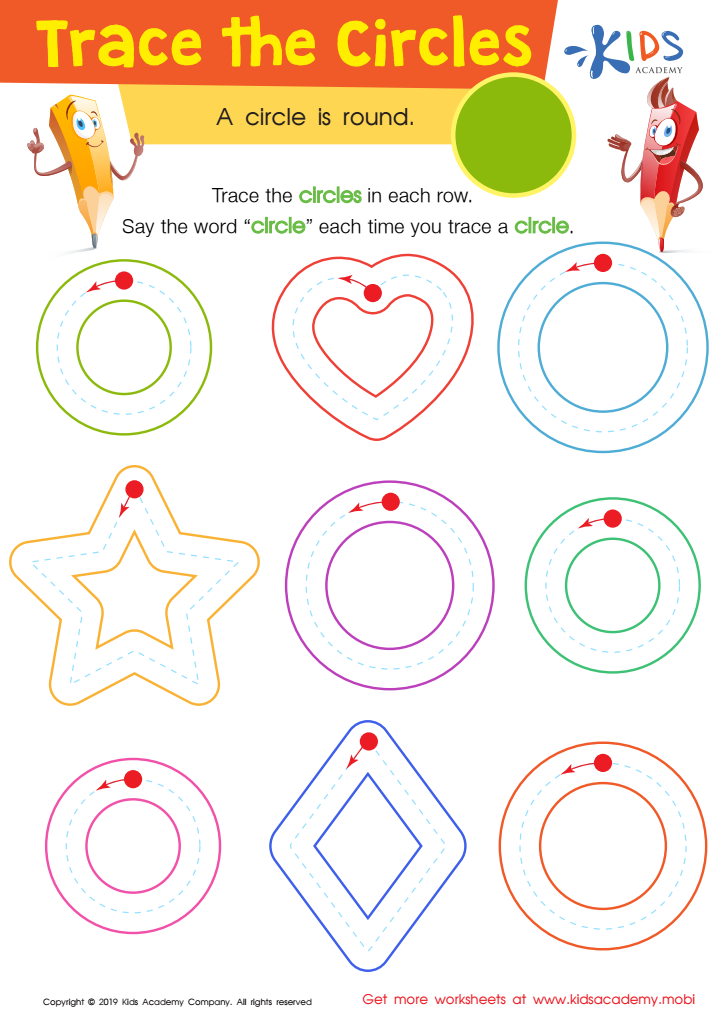
Trace The Circles Worksheet
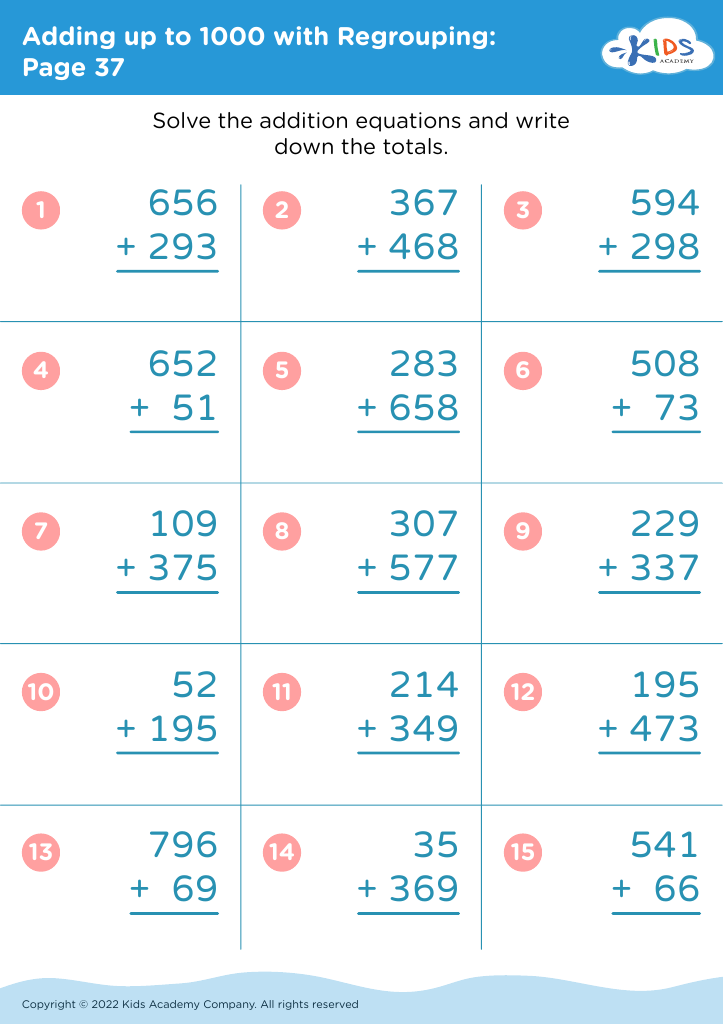
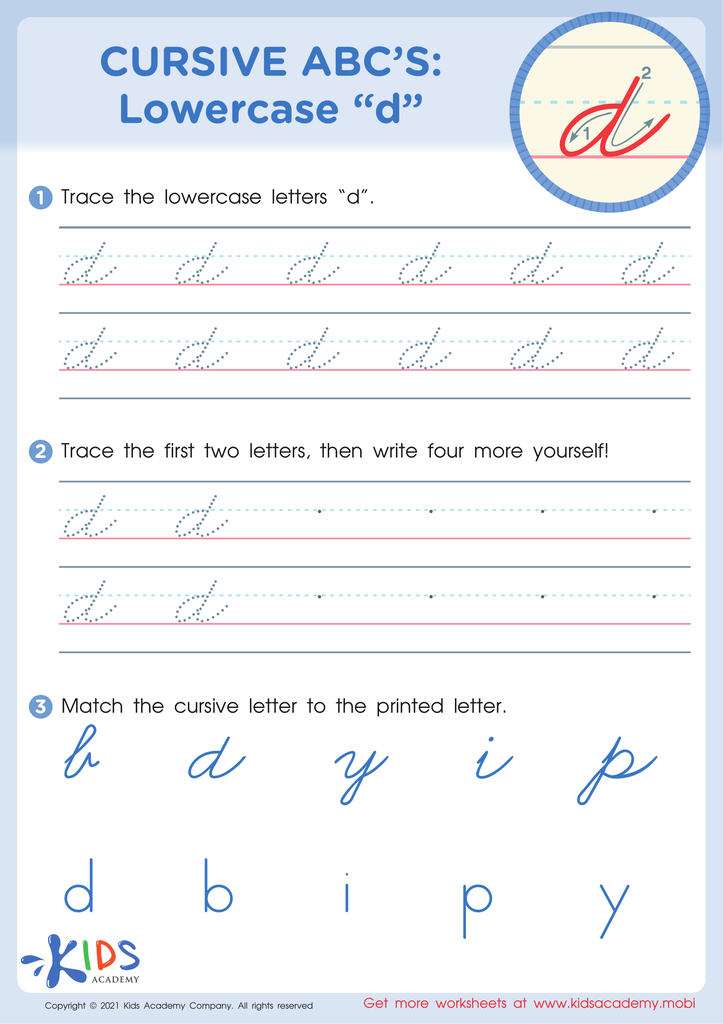
Cursive ABCs: Lowercase d
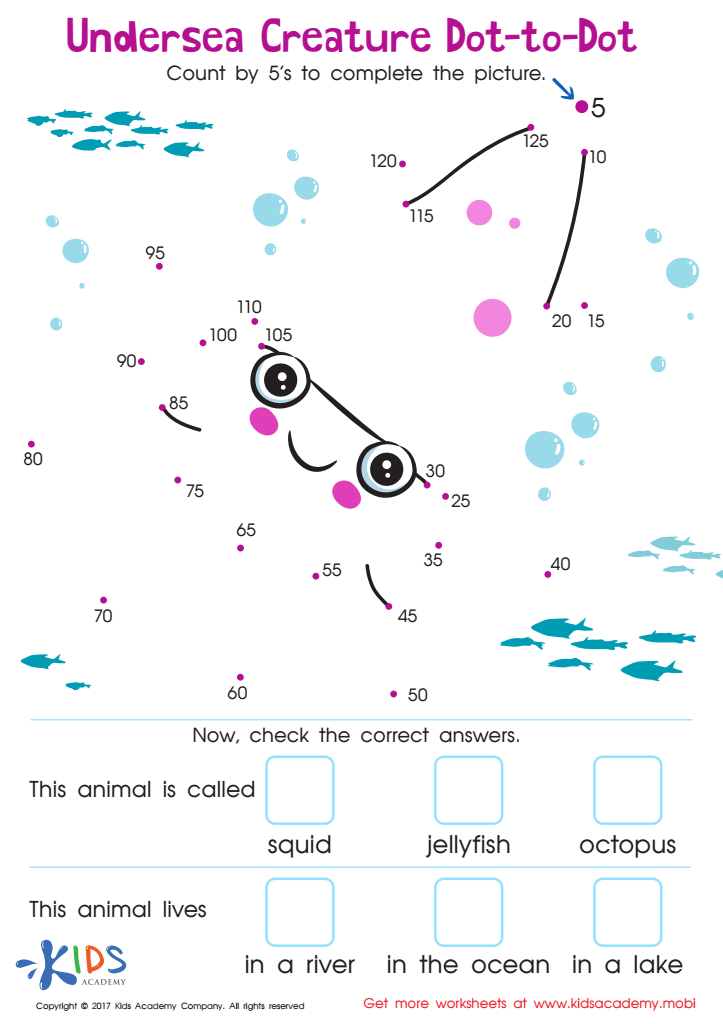
Undersea: Dot To Dot Worksheet
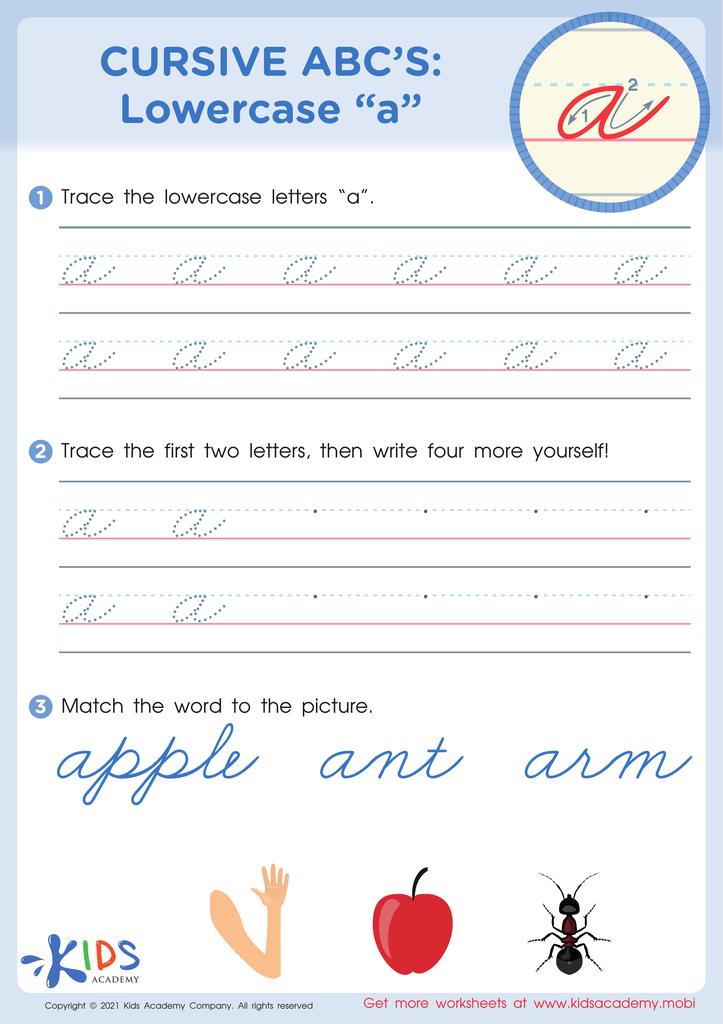
Cursive ABCs: Lowercase a
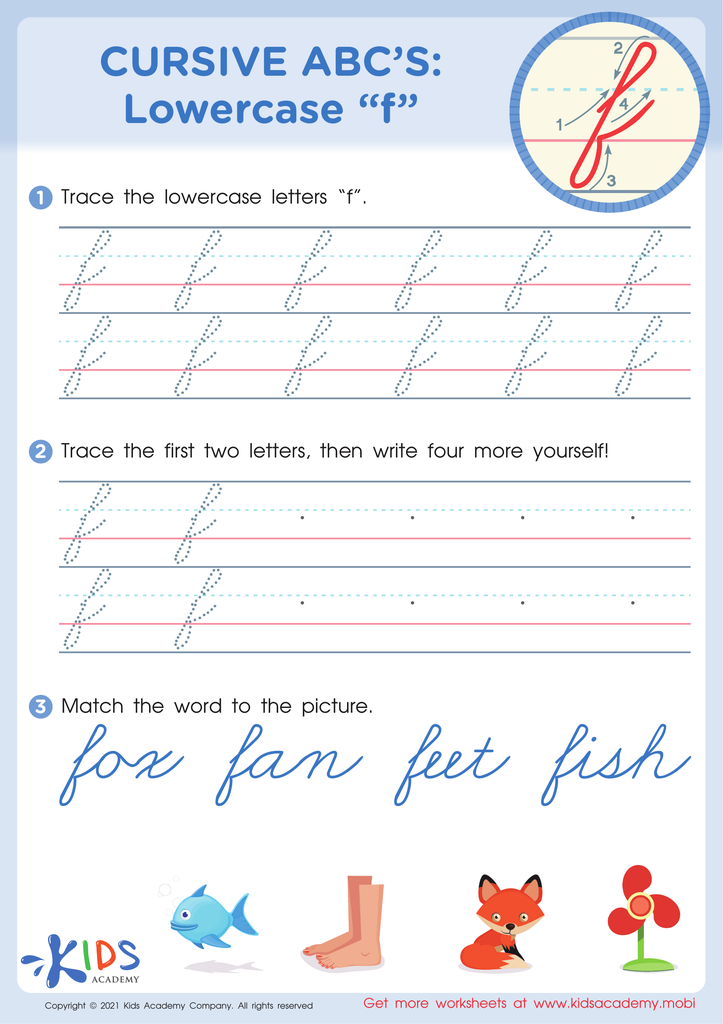
Cursive ABCs: Lowercase f
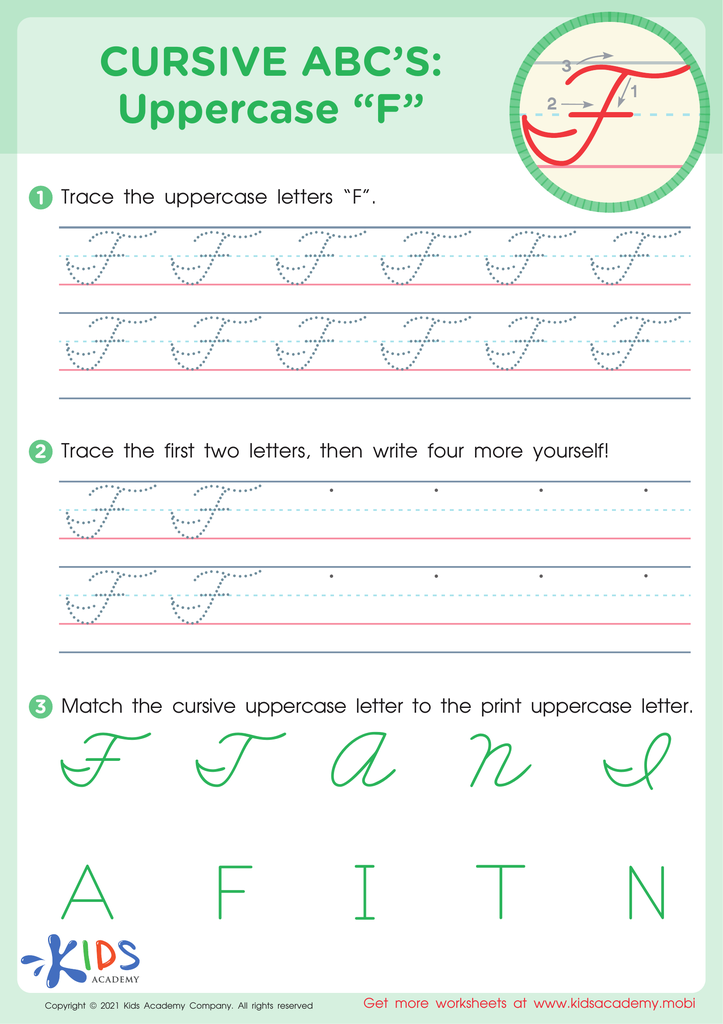
Cursive ABCs: Uppercase F
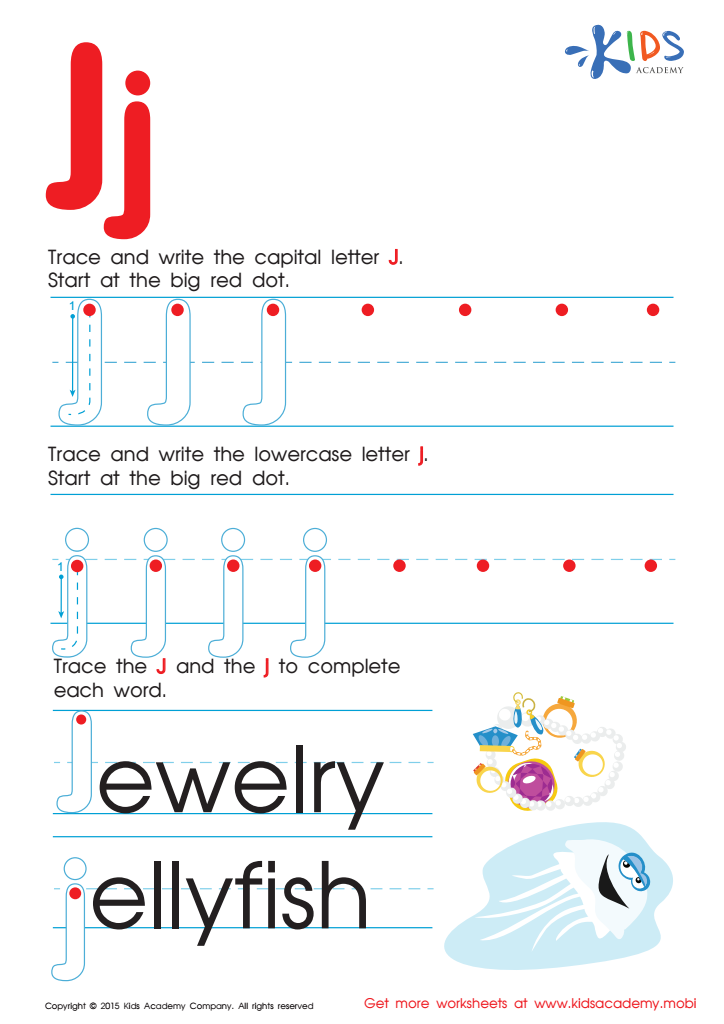
Letter J Tracing Page
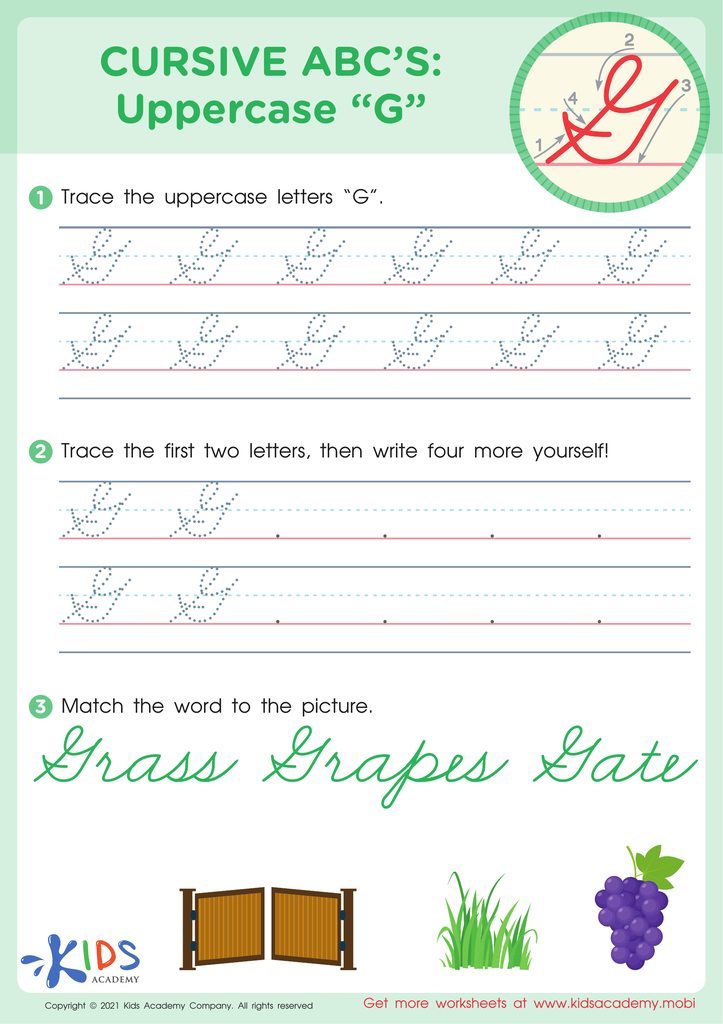
Cursive ABCs: Uppercase G
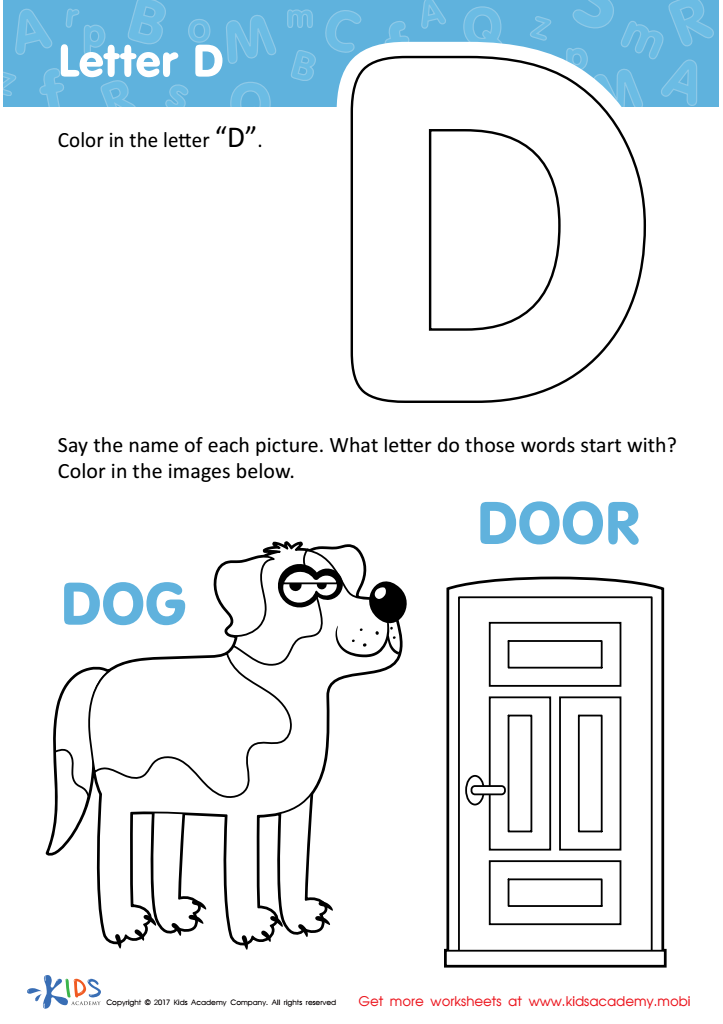
Letter D Coloring Sheet
 Assign to My Students

Night Sky Constellations: Aries Worksheet
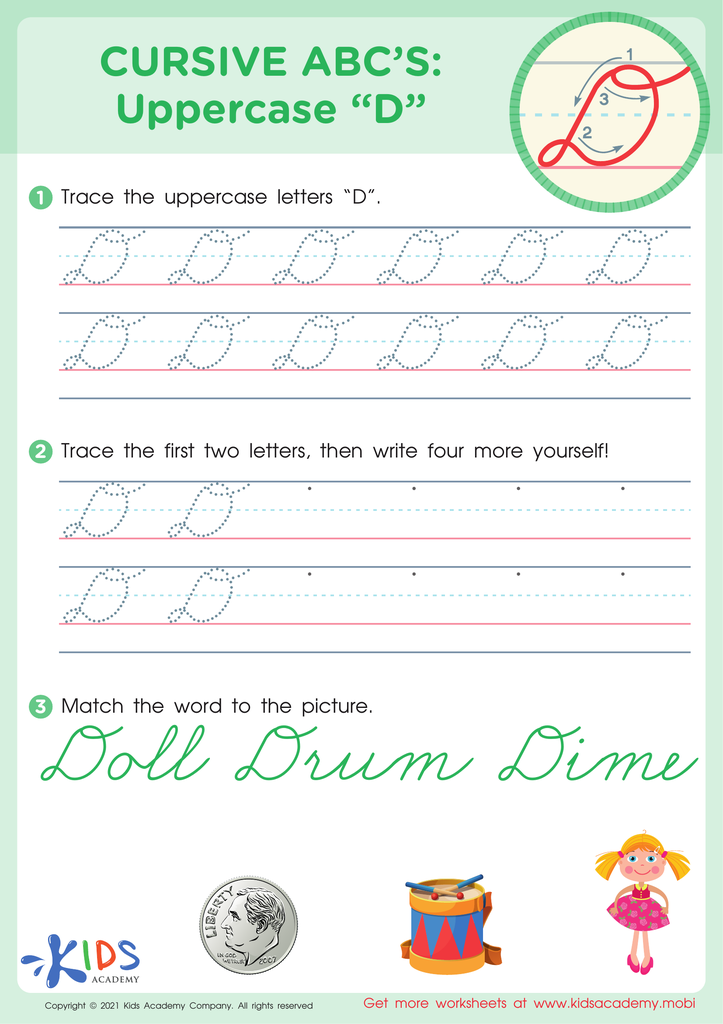
Cursive ABCs: Uppercase D
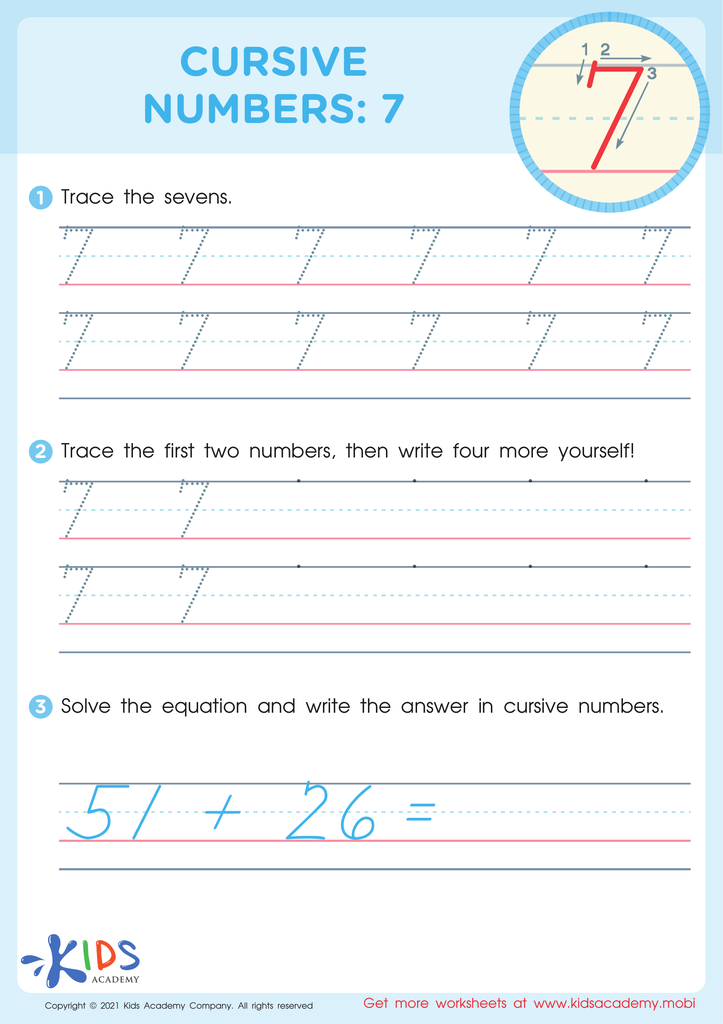
Cursive Numbers: 7 Worksheet
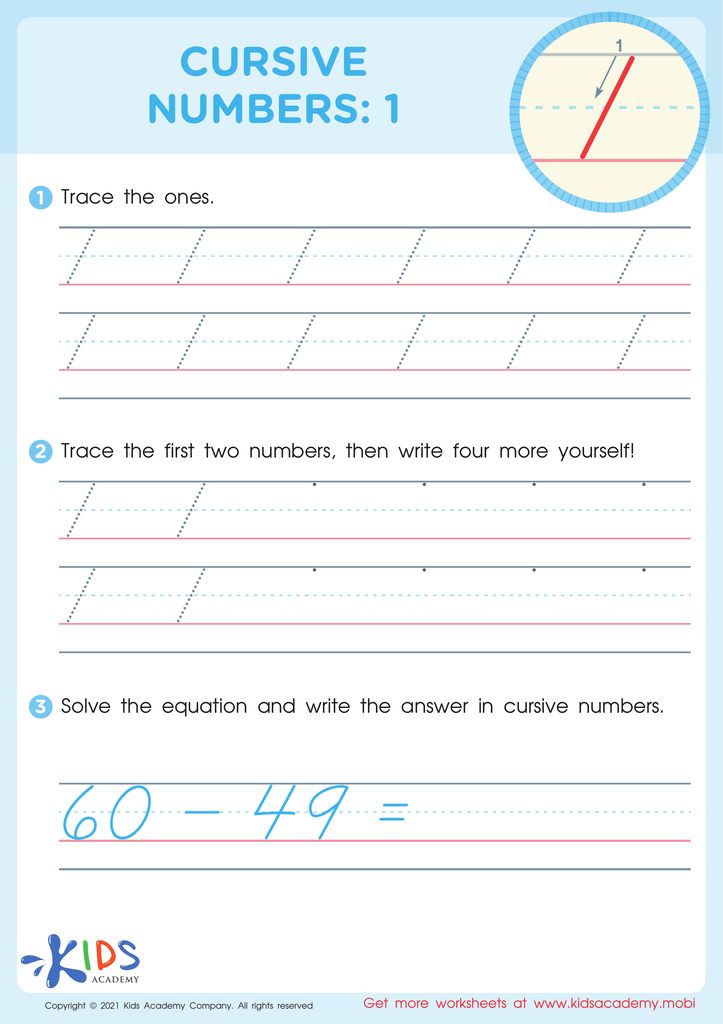
Cursive Numbers: 1 Worksheet
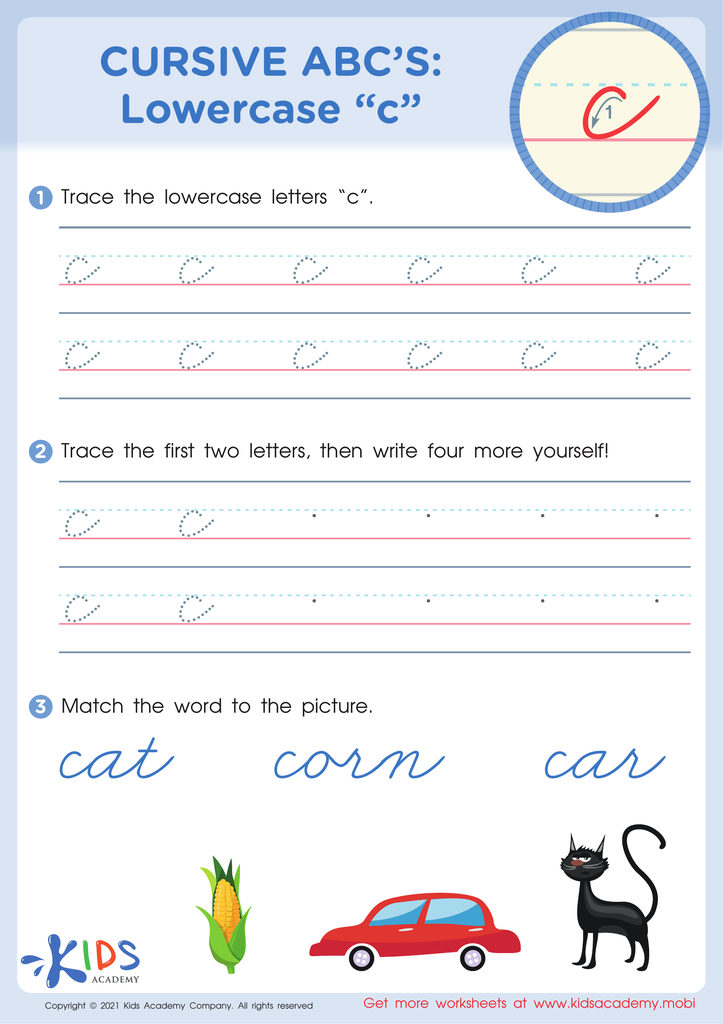
Cursive ABCs: Lowercase c
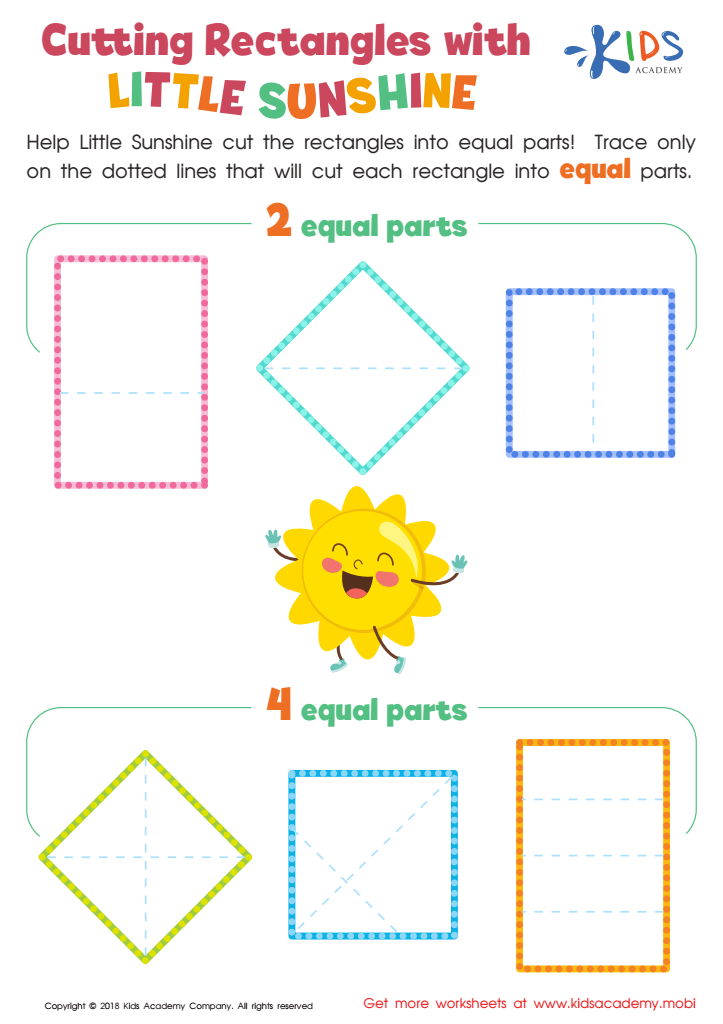
Cutting Rectangles with Little Sunshine Worksheet
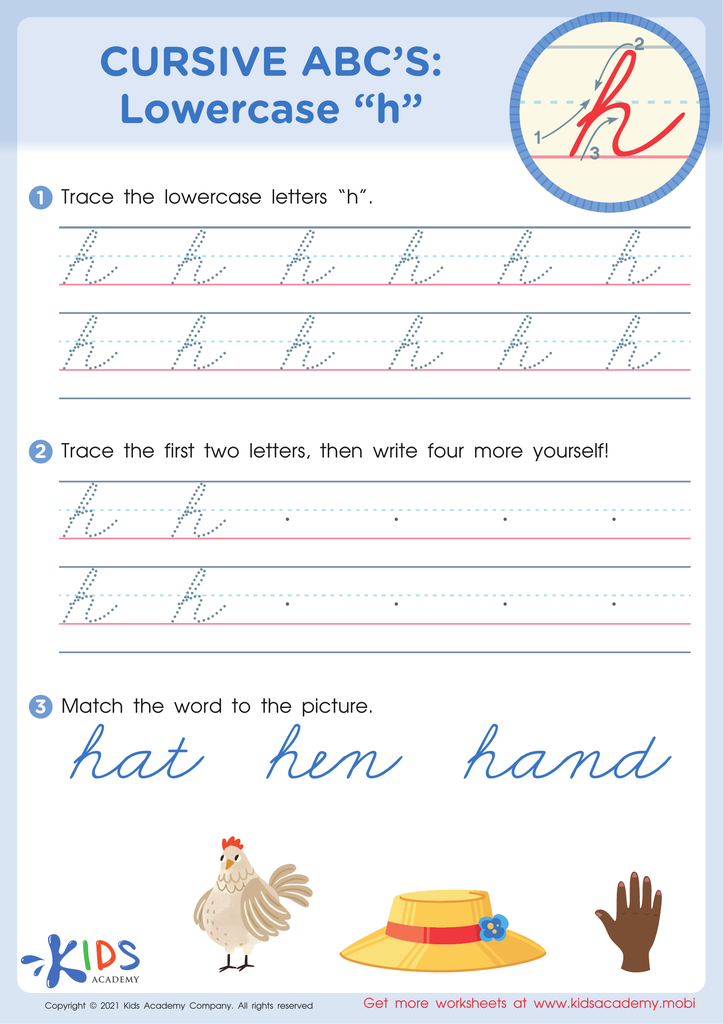
Cursive ABCs: Lowercase h
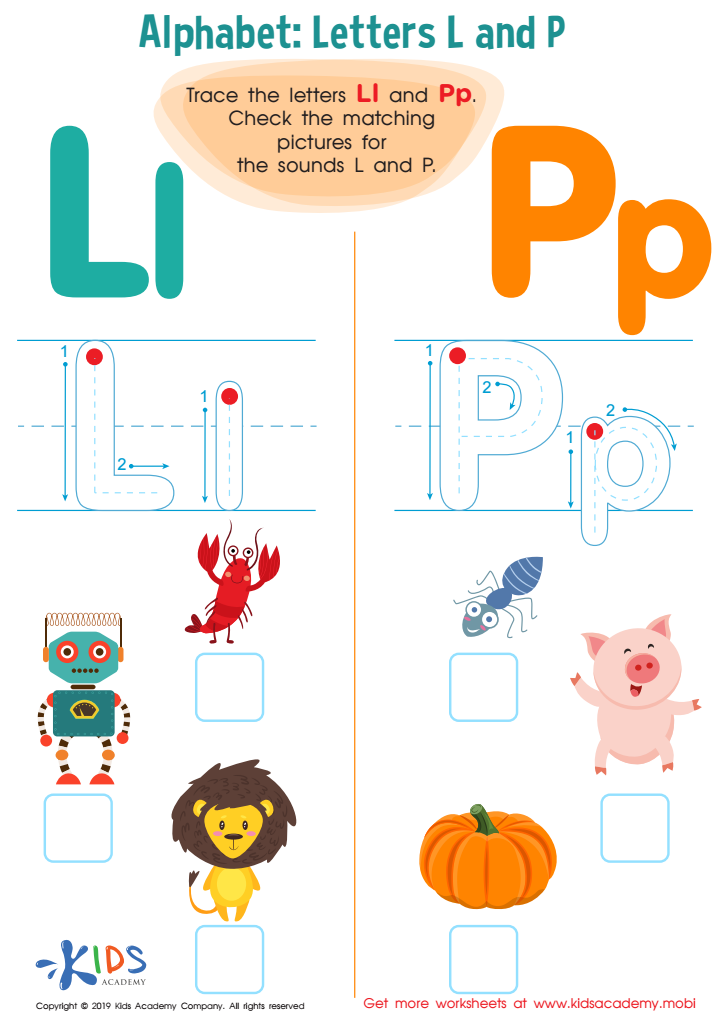
Letter L and P Tracing Worksheet
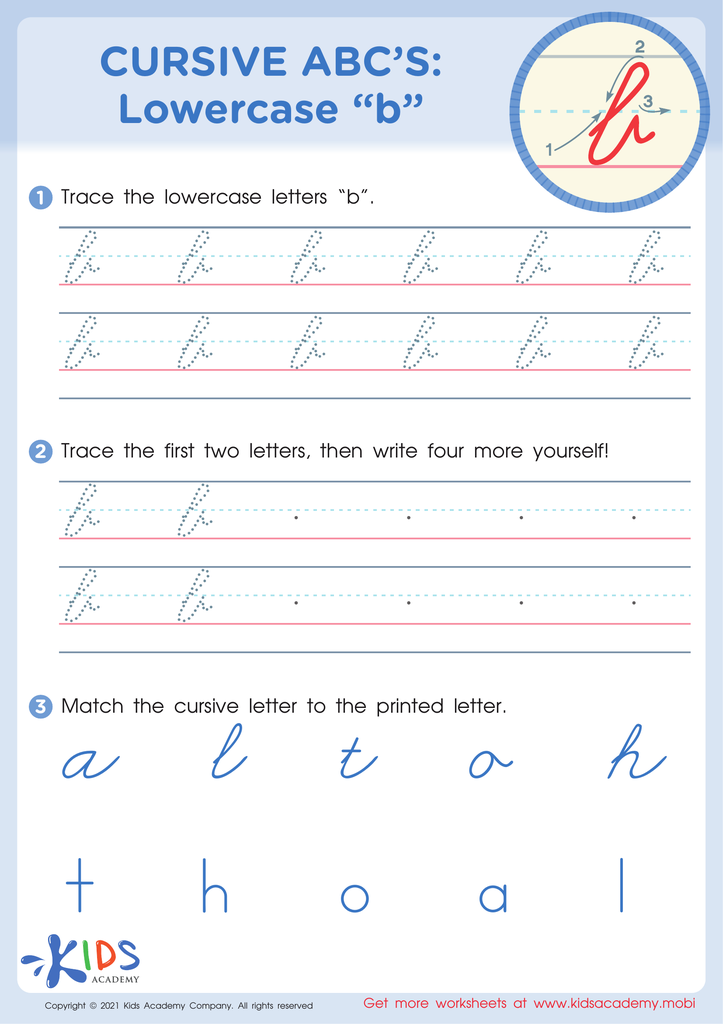
Cursive ABCs: Lowercase b
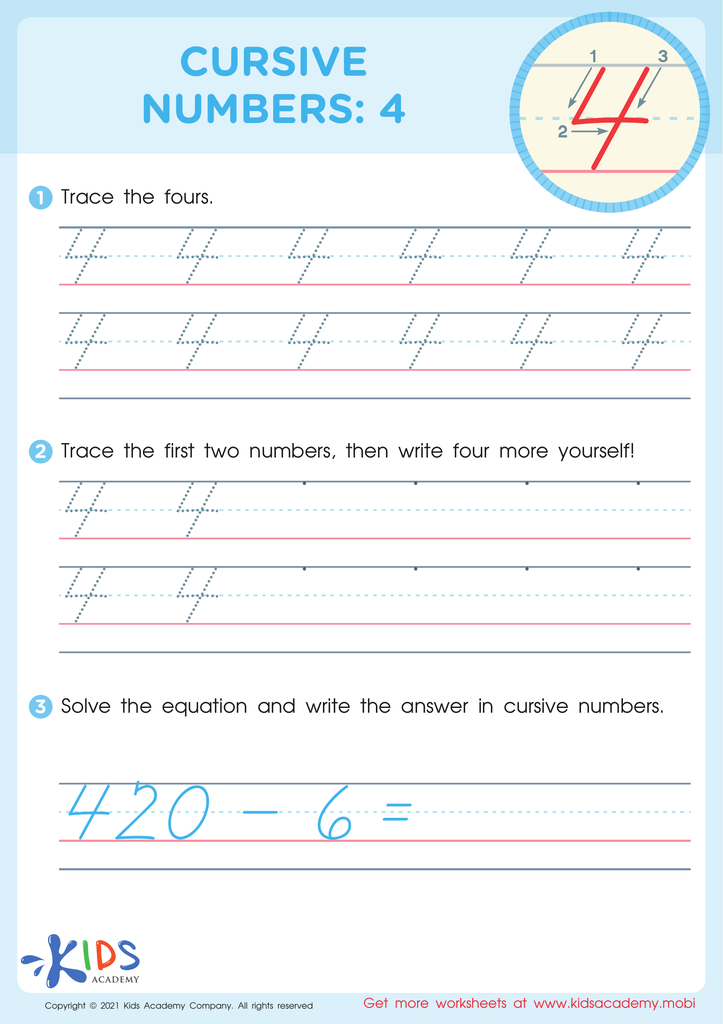
Cursive Numbers: 4 Worksheet








Fine motor skills, the ability to control small movements in hands and fingers, play a crucial role in the development of children aged 7-9. This stage is pivotal as it lays the foundation for essential everyday tasks, academic performance, and overall cognitive growth.
Firstly, fine motor skills directly impact a child's handwriting and creative expression. As children write, draw, or engage in arts and crafts, they refine their dexterity, hand-eye coordination, and precision. These skills are essential not only for academic work but also for effective communication and creativity.
Moreover, the ability to perform fine motor tasks influences a child's self-esteem and independence. As they master activities like buttoning clothes or tying shoelaces, they gain confidence in their capabilities, laying the groundwork for self-sufficiency as they grow.
From an educational perspective, strong fine motor skills enhance problem-solving abilities, promoting critical thinking through activities like puzzles and building blocks. Teachers and parents should actively encourage practices such as cutting, drawing, or playing musical instruments to foster this development.
In summary, nurturing fine motor skills in children aged 7-9 sets the stage for lifelong confidence, creativity, and academic achievement. Prioritizing these skills is key to holistic childhood development.








