Handwriting practice Worksheets for Ages 7-9 - Page 3
62 filtered results
-
From - To
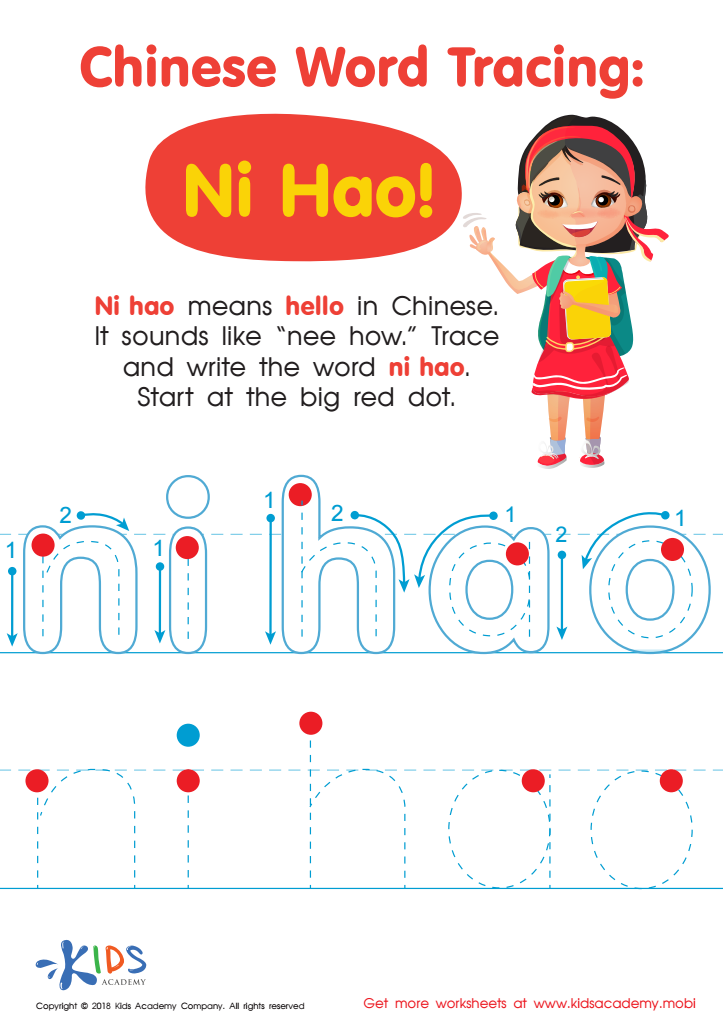
Chinese Word Tracing: Ni Hao Worksheet
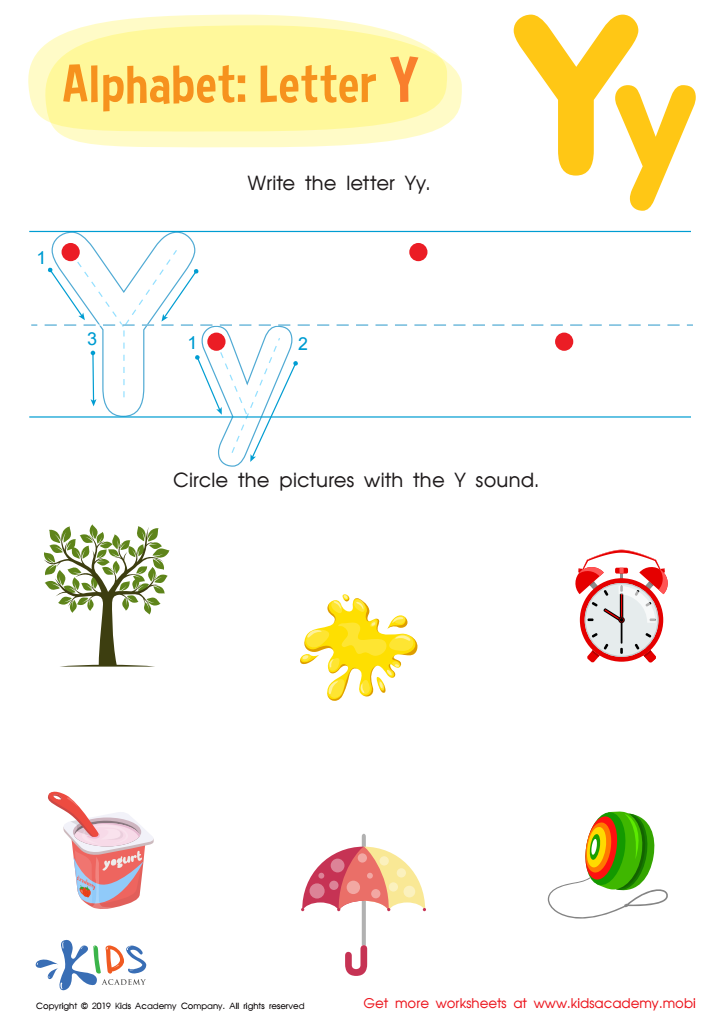
Letter Y Tracing Worksheet
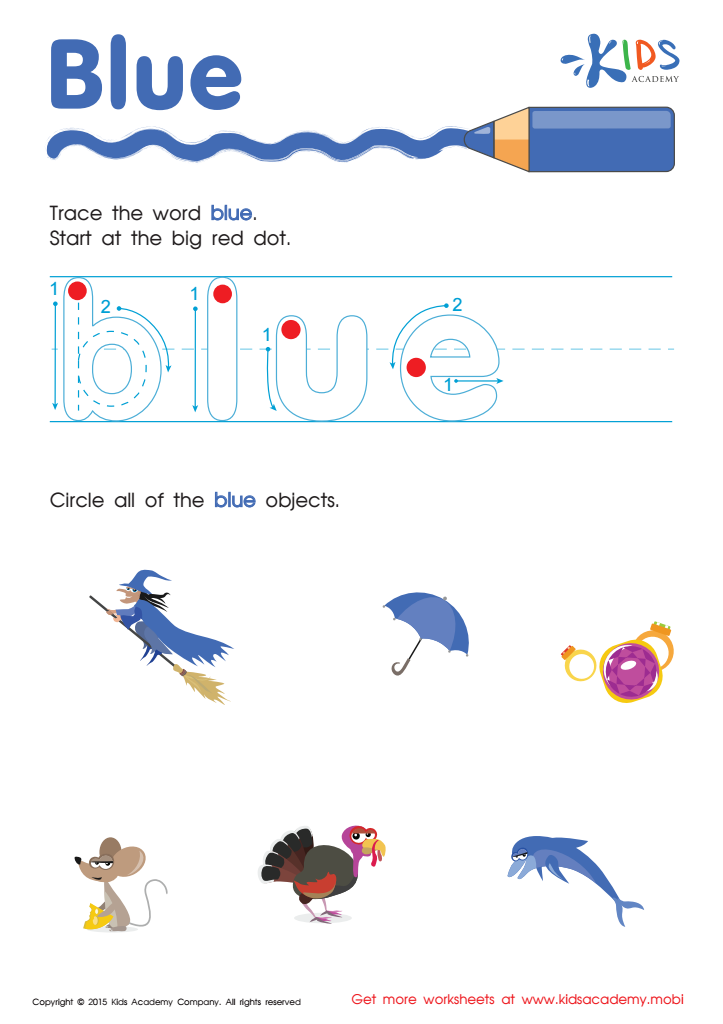
Blue Tracing Color Words Printable

Brown Tracing Color Words Worksheet
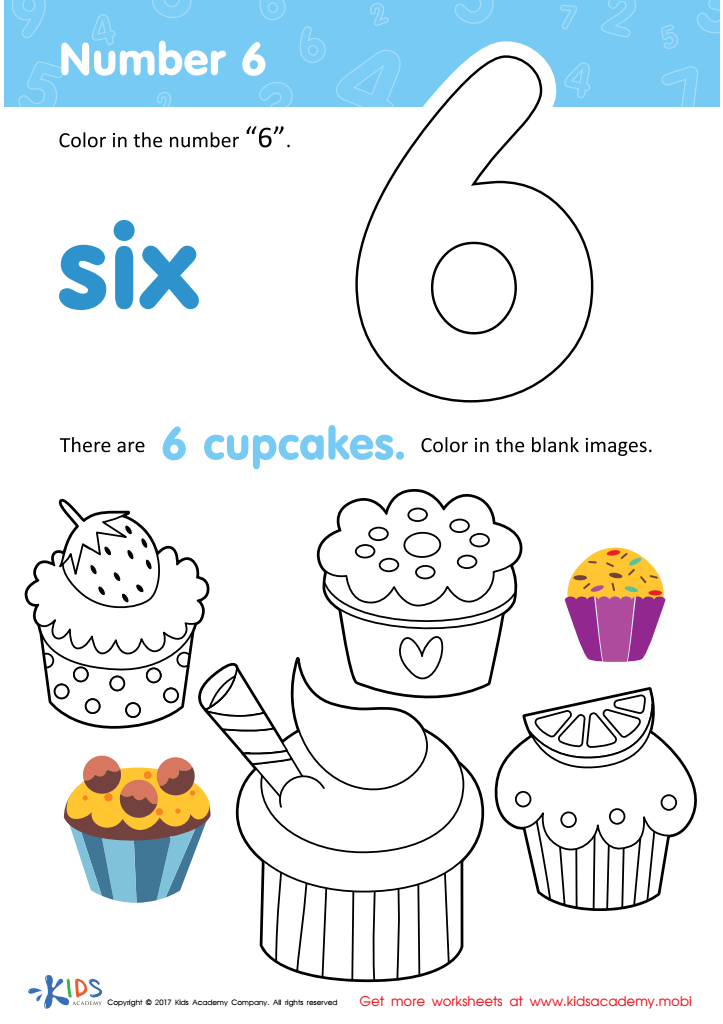
Number 6 Worksheet
 Assign to My Students
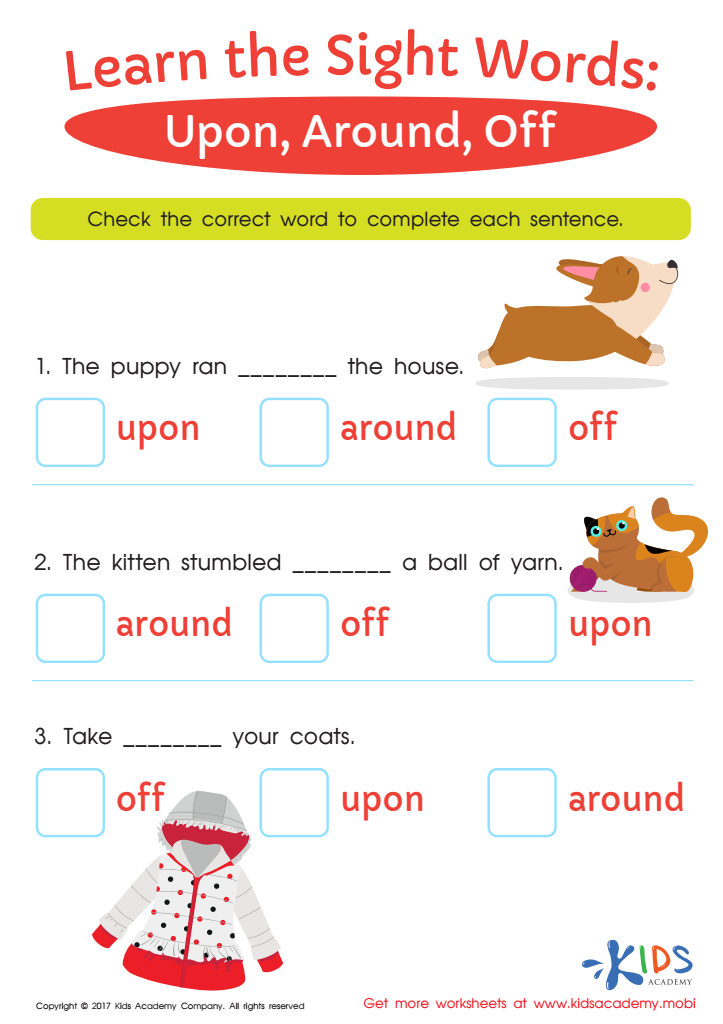
Upon, Around, Off Sight Words Worksheet
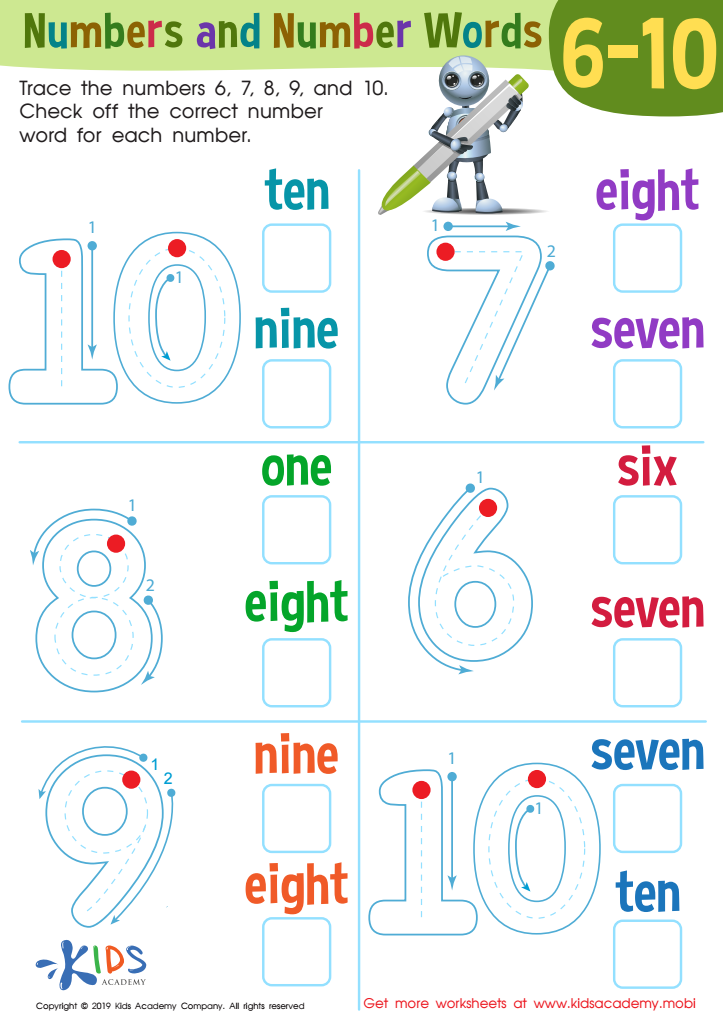
Numbers and Number Words 6–1 Worksheet
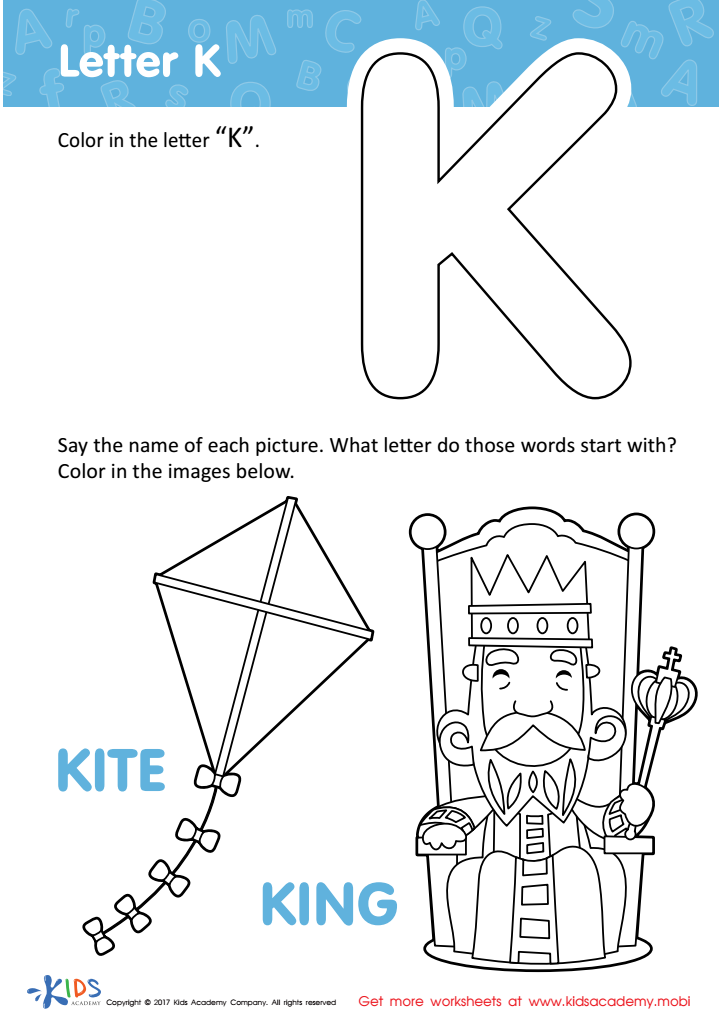
Letter K Coloring Sheet
Assign to My Students
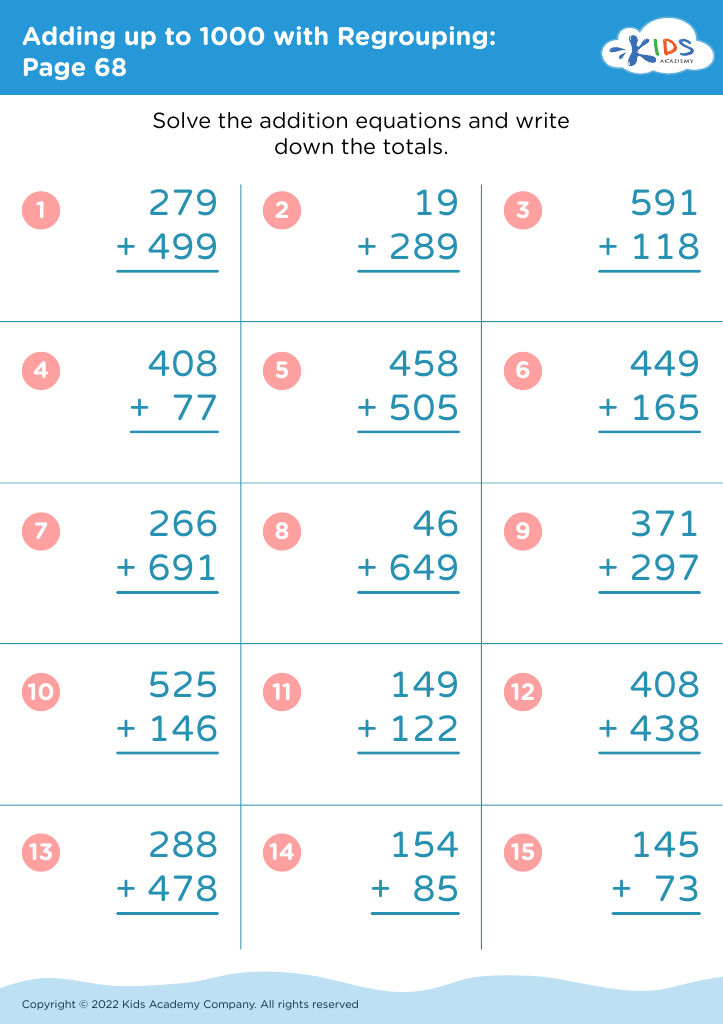
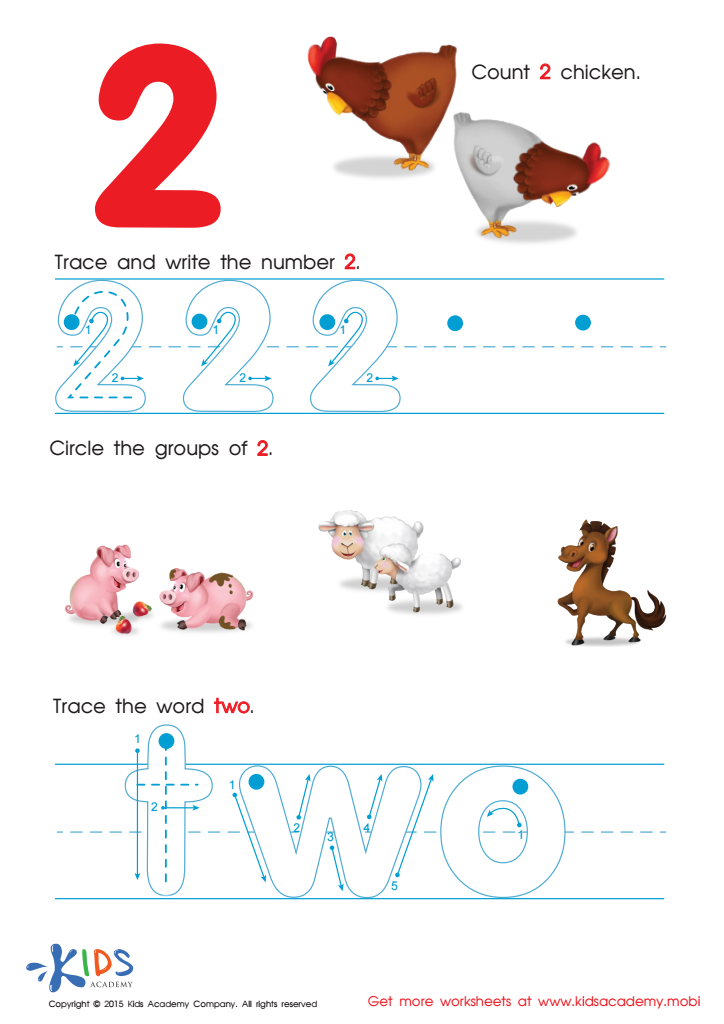
Learn to Write the Number 2 Worksheet
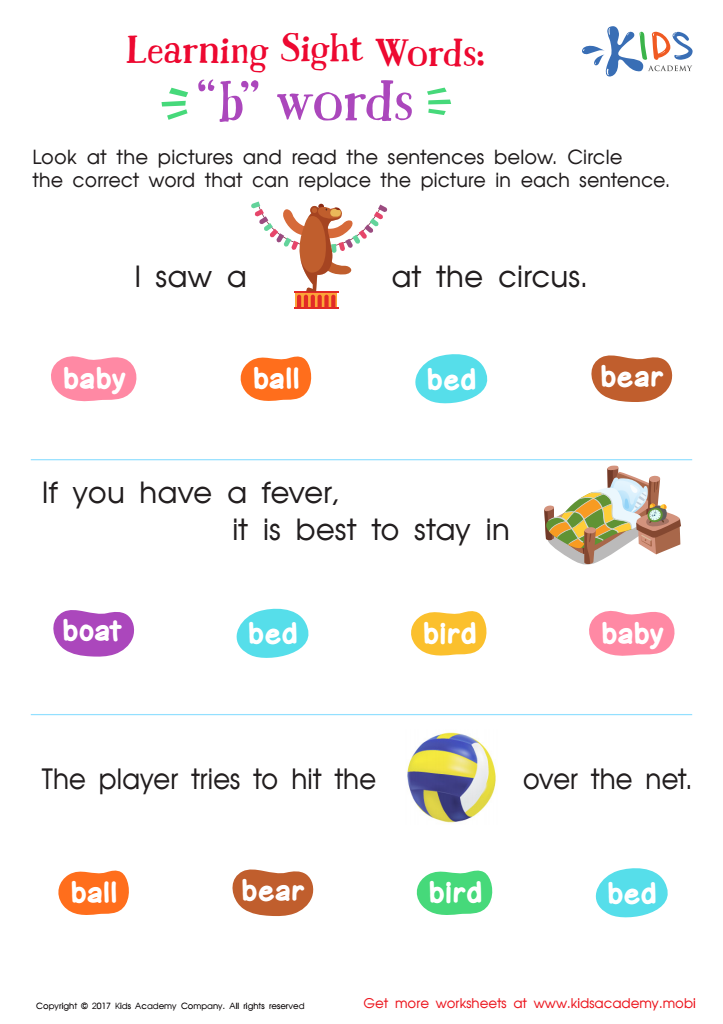
"B" Words Printable Sight Words Worksheet
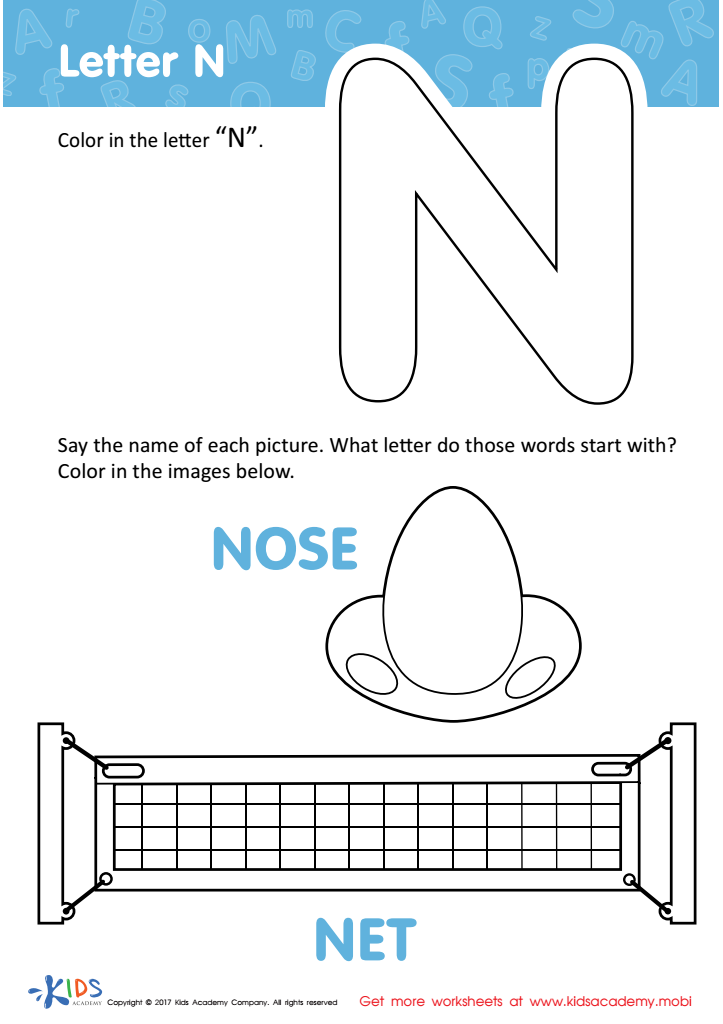
Letter N Coloring Sheet
Assign to My Students
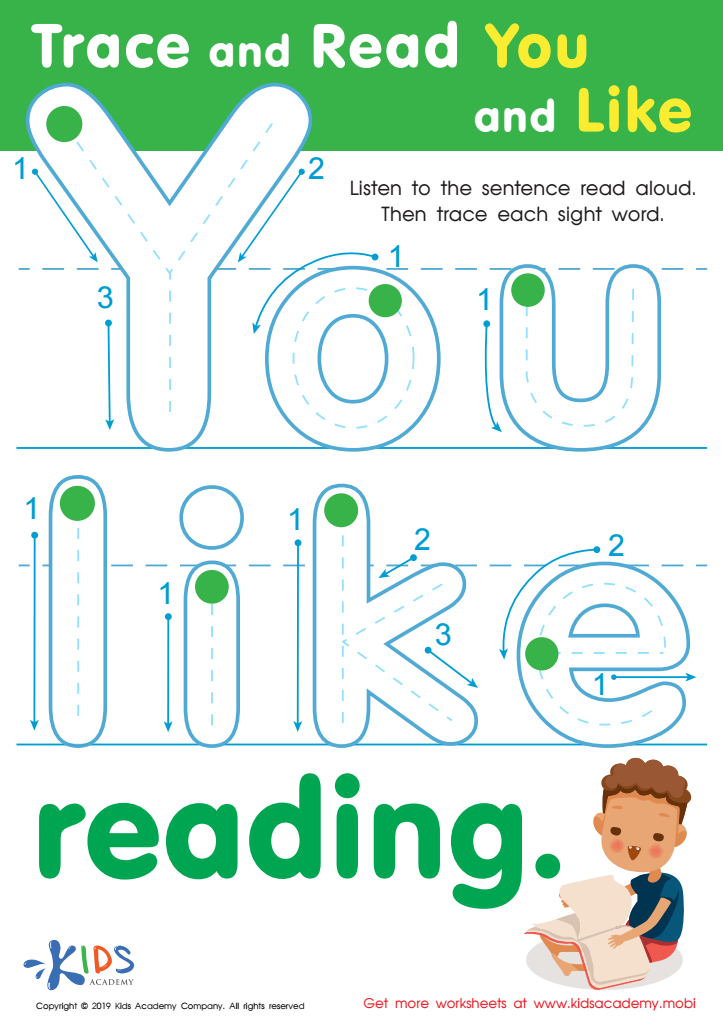
Trace Read You Like Worksheet
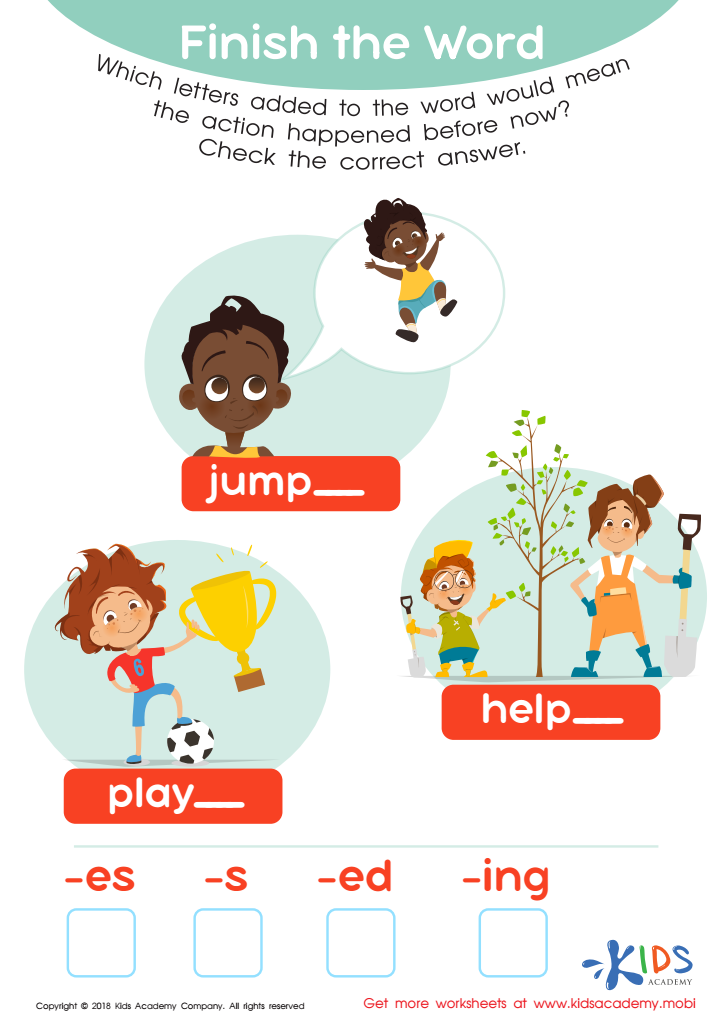
Finish the Word Worksheet








Handwriting practice for children aged 7-9 is crucial for their cognitive, academic, and motor development. First and foremost, handwriting aids cognitive development by enhancing neural pathways and improving memory retention. When children practice writing by hand, they engage in a complex cognitive process that boosts comprehension and recall of information more effectively than typing.
Academically, good handwriting is fundamentally linked to success in many school activities. Clear and legible handwriting allows children to effectively communicate their knowledge in written assignments, which is important for obtaining accurate assessments from teachers. Neat handwriting also leads to better note-taking skills, helping children study more efficiently.
From a motor development perspective, handwriting practice develops fine motor skills and hand-eye coordination. These skills are essential not only for writing but also for other daily tasks such as tying shoelaces, buttoning clothes, and manipulating small objects.
Furthermore, handwriting practice fosters a sense of achievement and boosts self-esteem. As children see their handwriting improve over time, they gain confidence in their abilities, which can translate to greater enthusiasm for learning and schoolwork overall.
In today’s tech-driven world, balancing digital and traditional skills like handwriting ensures comprehensive skill development, crucial for well-rounded growth. In summary, handwriting practice is essential for fostering cognitive, academic, and motor skill development, making it a key practice for parents and teachers to prioritize.








