Improve reading skills Worksheets for Ages 7-9 - Page 2
46 filtered results
-
From - To
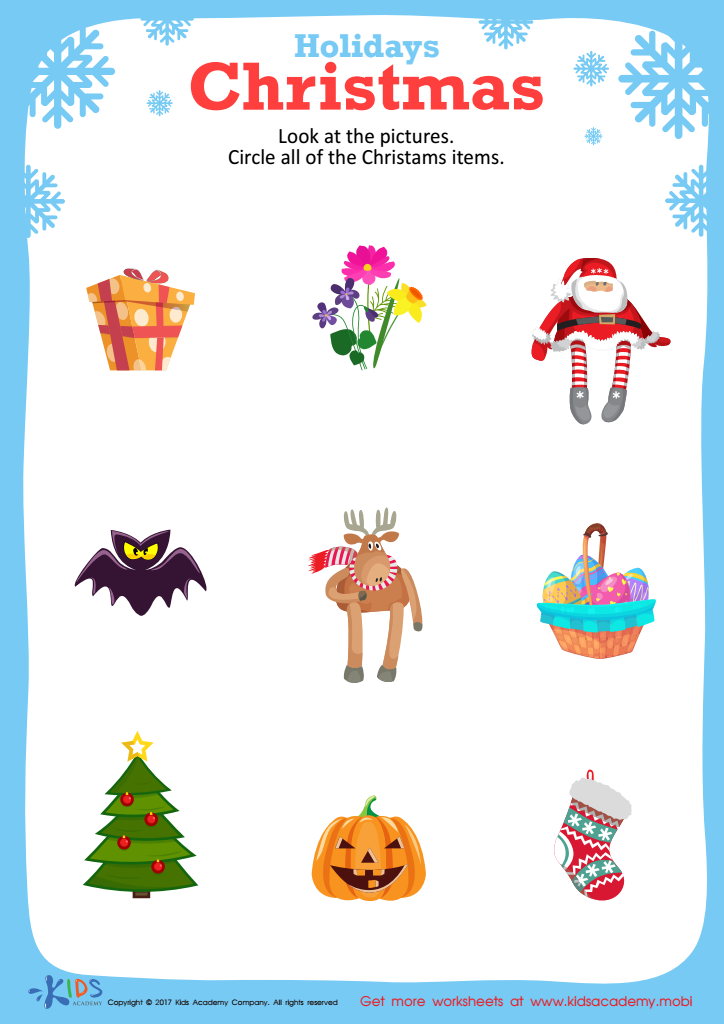
Christmas Holiday Worksheet
 Assign to My Students
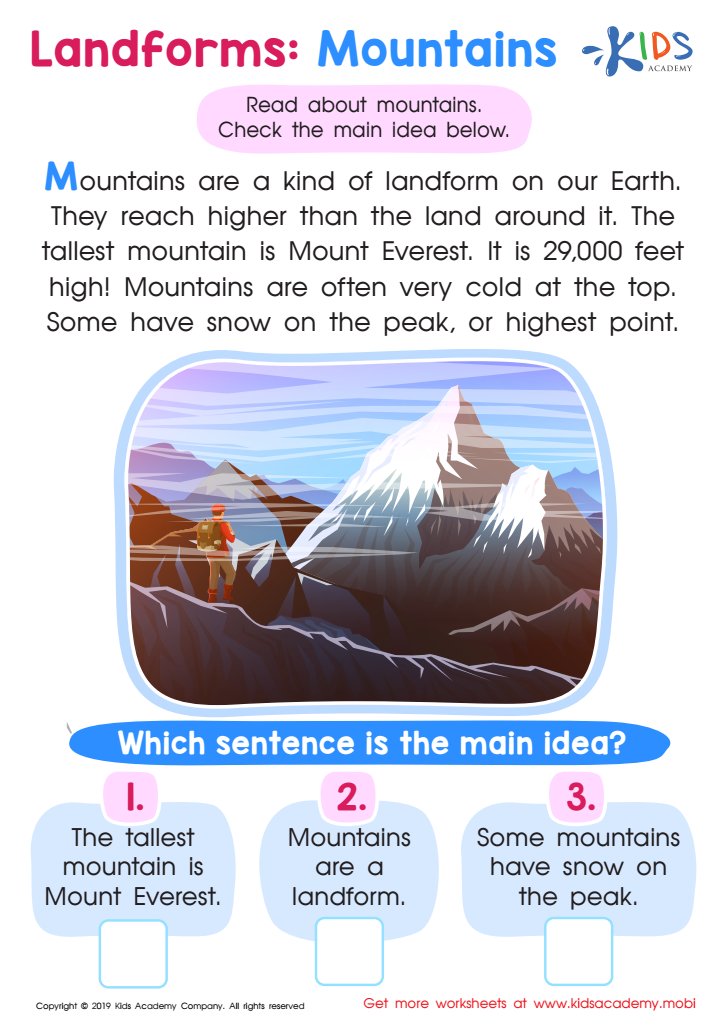
Landforms: Mountains Worksheet
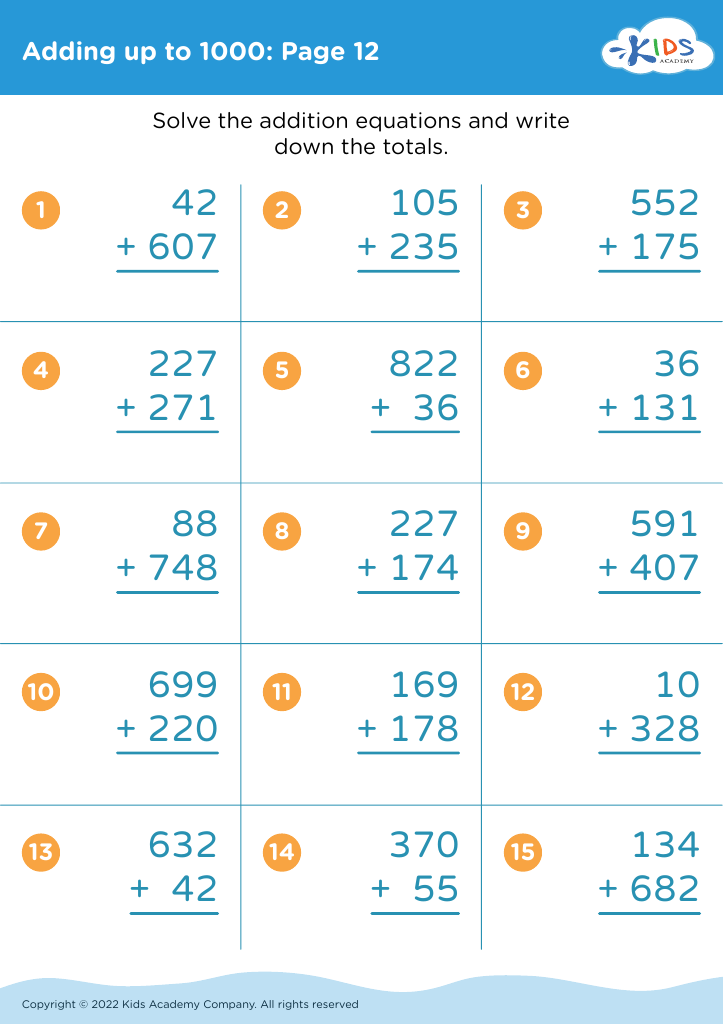
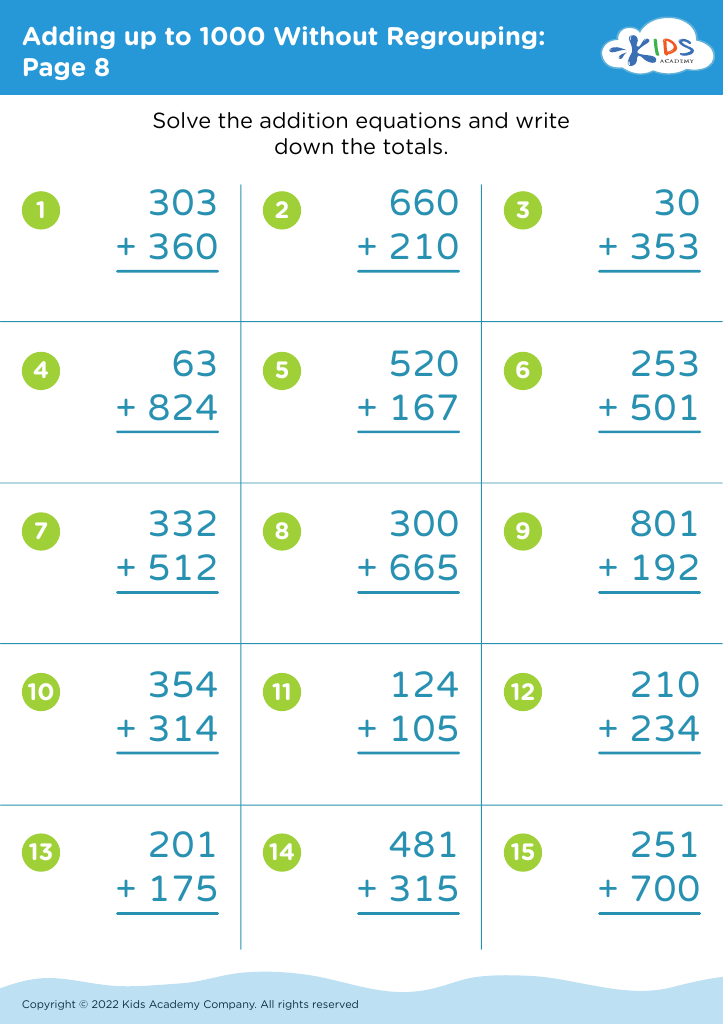
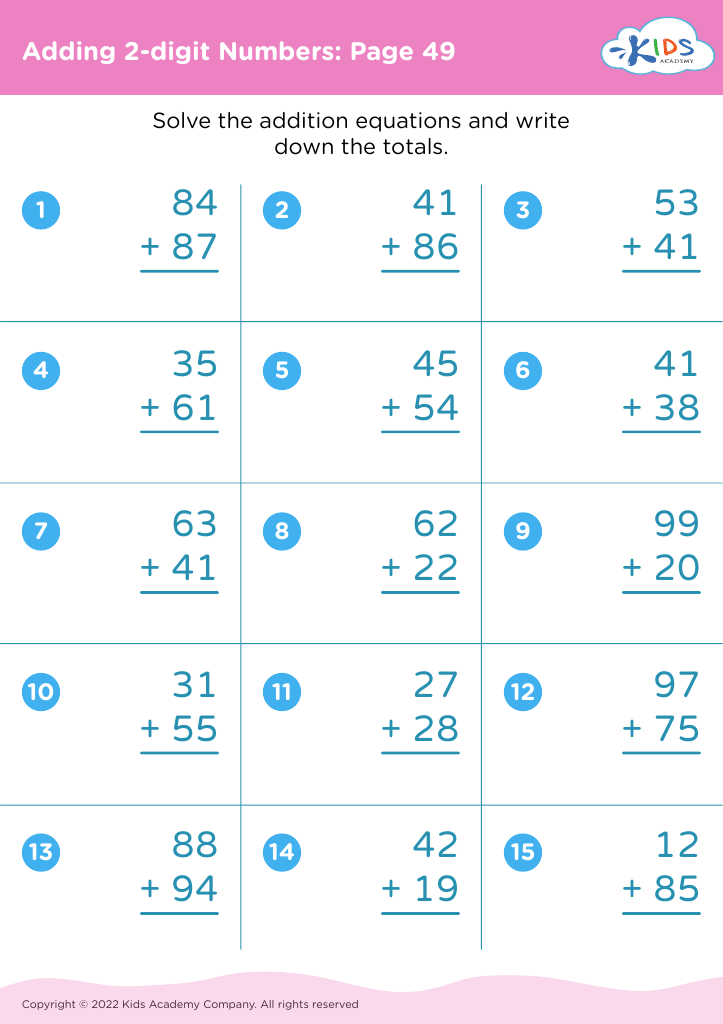
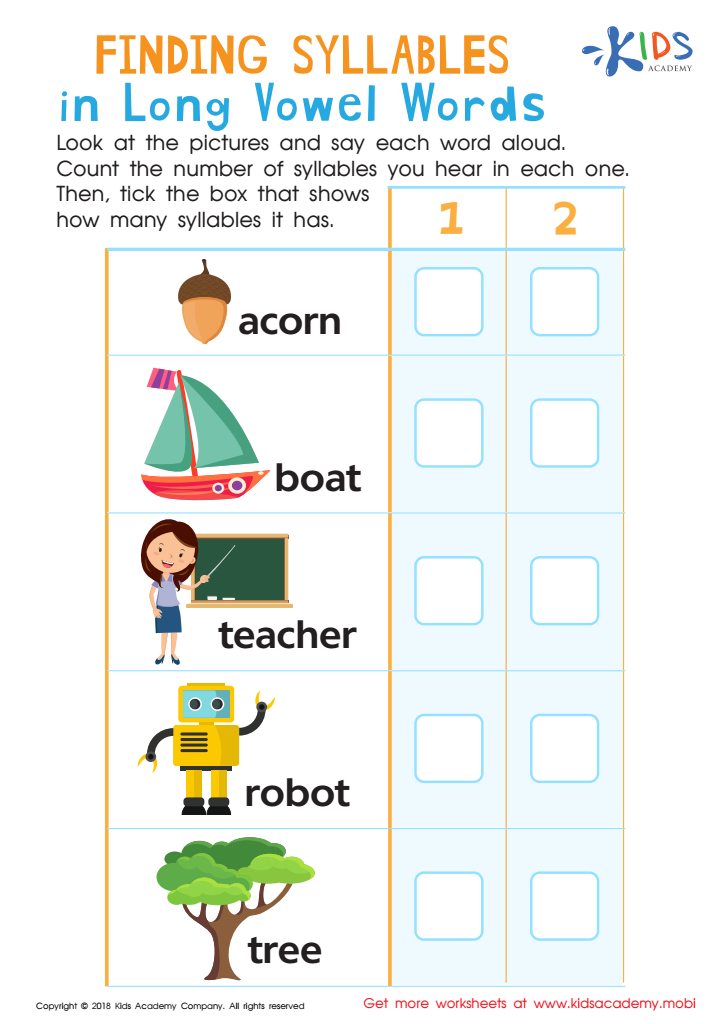
Finding Syllables in Long Vowel Words Worksheet
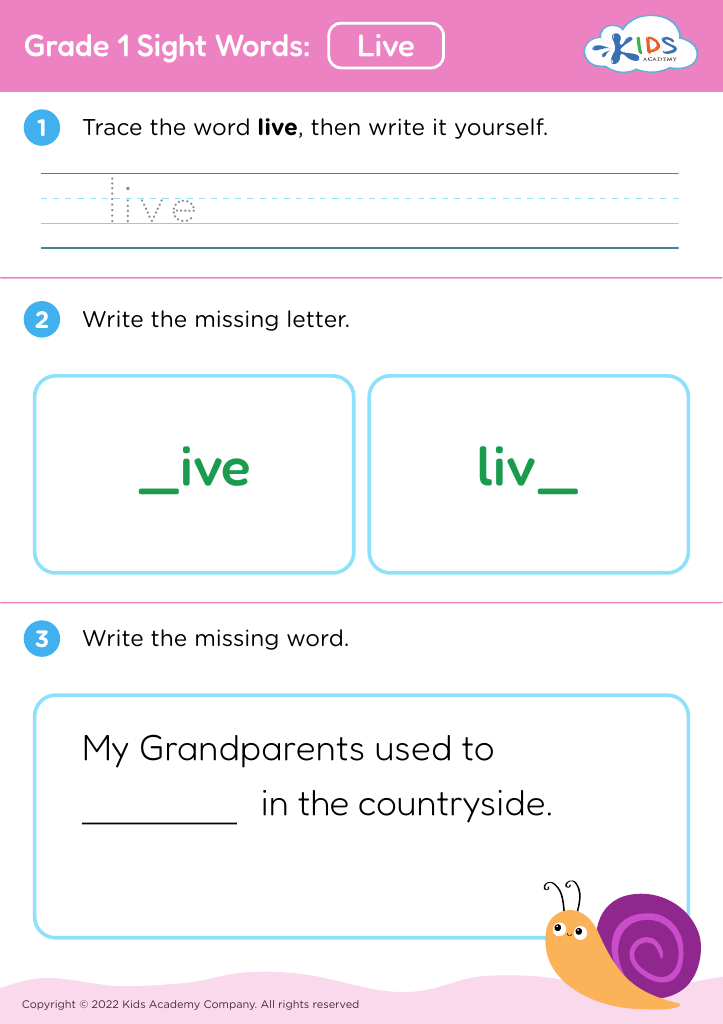
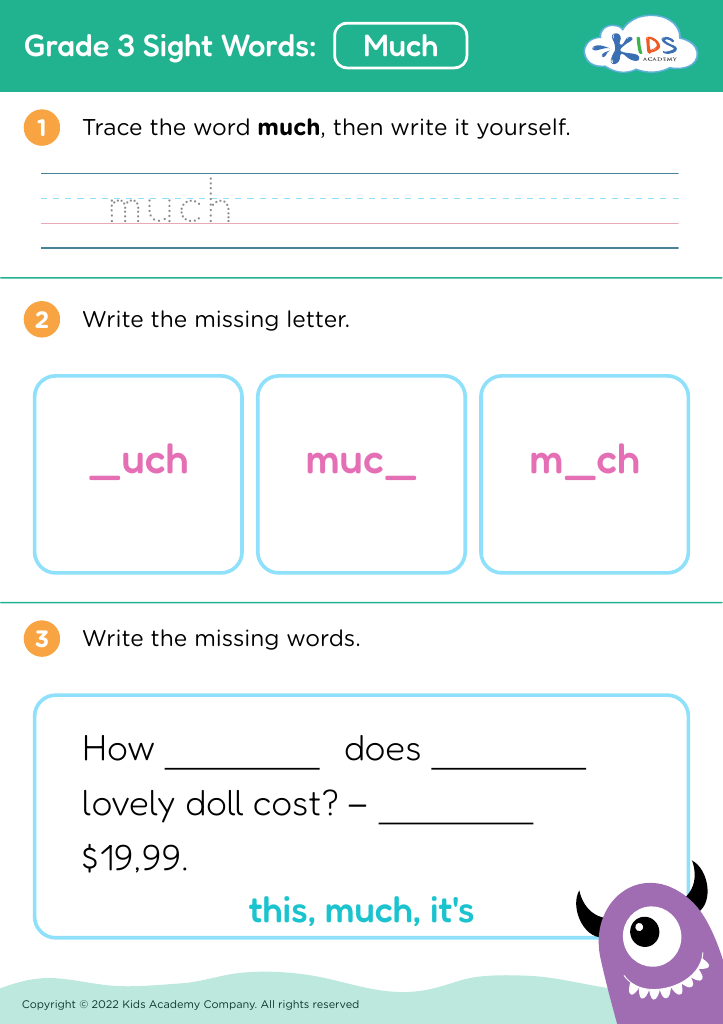
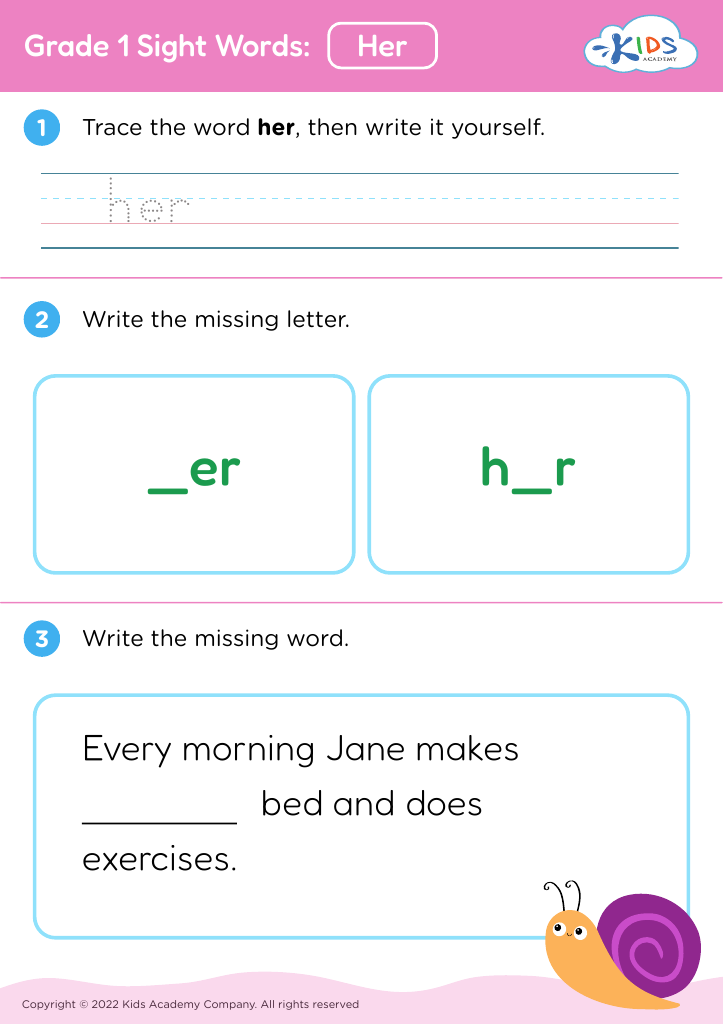
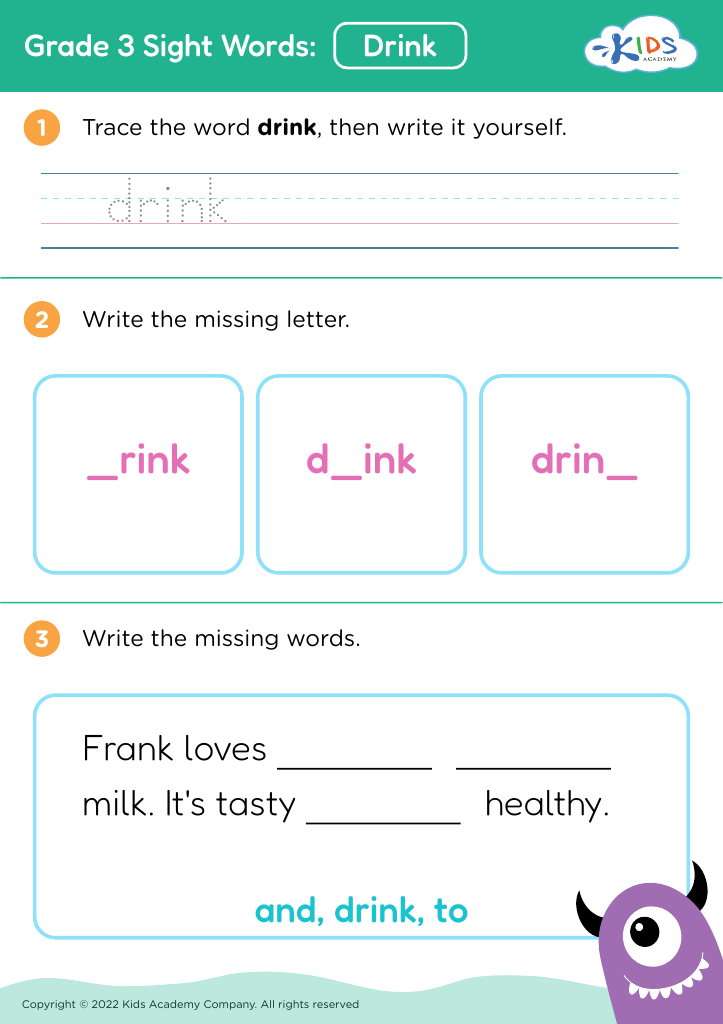
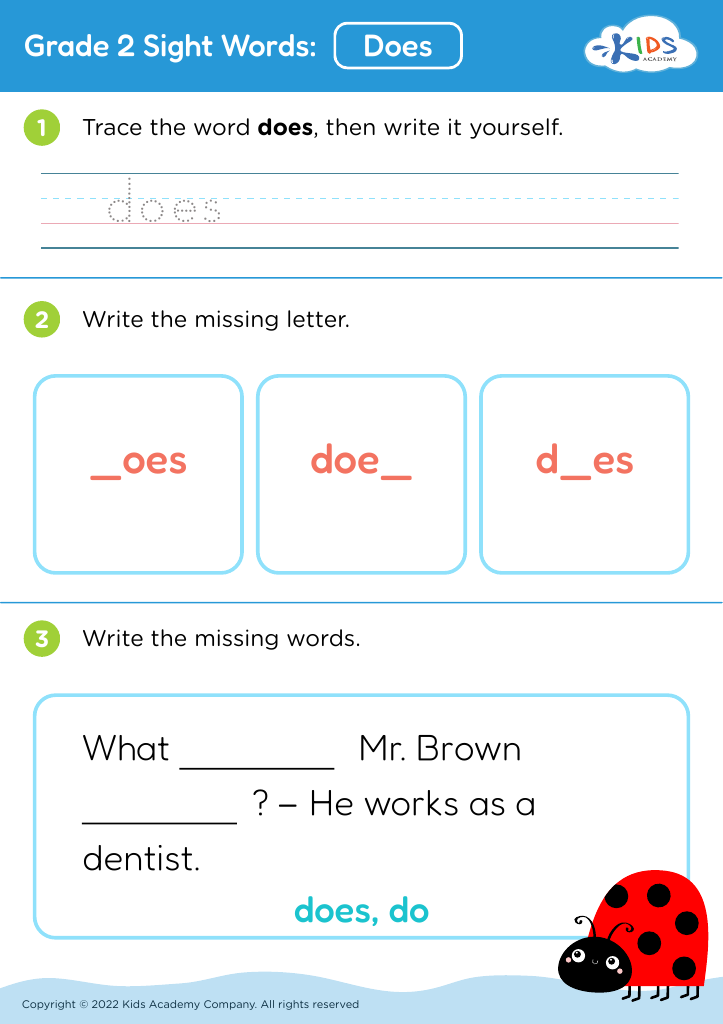
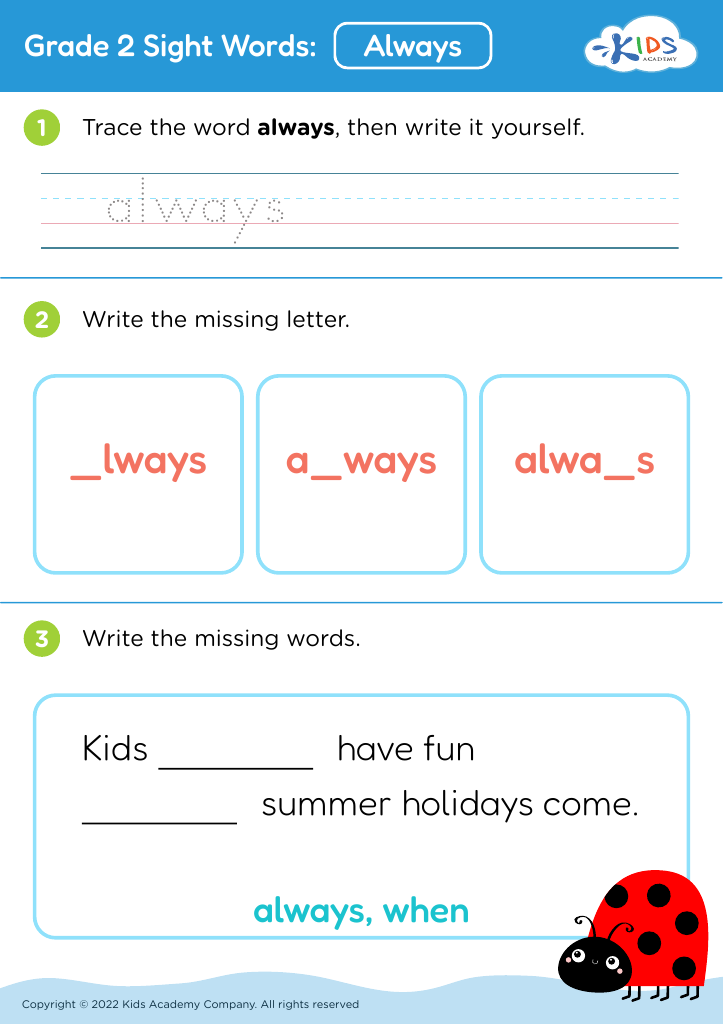







Parents and teachers should prioritize improving reading skills for children ages 7-9 because it lays the foundation for future academic success and lifelong learning. During this critical developmental period, reading is not just about recognizing words but also about comprehension, vocabulary expansion, and critical thinking. Early reading skills are predictive of later academic achievements; students who read proficiently by third grade are more likely to excel in all subjects, including math and science, because reading is integral to understanding content across the curriculum.
Additionally, strong reading skills enhance cognitive development by stimulating imagination, fostering empathy, and introducing children to new ideas and perspectives. As children read, they learn about the world around them and develop the ability to think more creatively and critically.
Socially, children with strong reading skills tend to have better communication skills and engage more confidently with their peers and adults. They are more likely to participate in discussions, express their ideas clearly, and listen effectively to others.
Finally, improving reading skills at a young age instills a lifelong love of reading, which offers endless educational and recreational benefits. Books become a source of comfort, adventure, and learning, forming habits that contribute to a more informed, open-minded, and capable individual. Therefore, investing time and effort in nurturing reading skills early on is crucial for a child's all-around development and future success.








