Knowledge application Worksheets for Ages 7-9
6 filtered results
-
From - To
Unlock your child's potential with our engaging Knowledge Application Worksheets designed specifically for ages 7-9. These expertly crafted worksheets enhance critical thinking skills by challenging students to apply what they've learned across various subjects. From math and science to reading comprehension, our fun activities foster exploration and creativity while reinforcing essential concepts. Each worksheet is aligned with educational standards to ensure a well-rounded learning experience. Ideal for both classroom and home use, these resources give children the confidence to solve real-world problems independently. Dive into our collection today and watch your child thrive as they apply knowledge in exciting new ways!
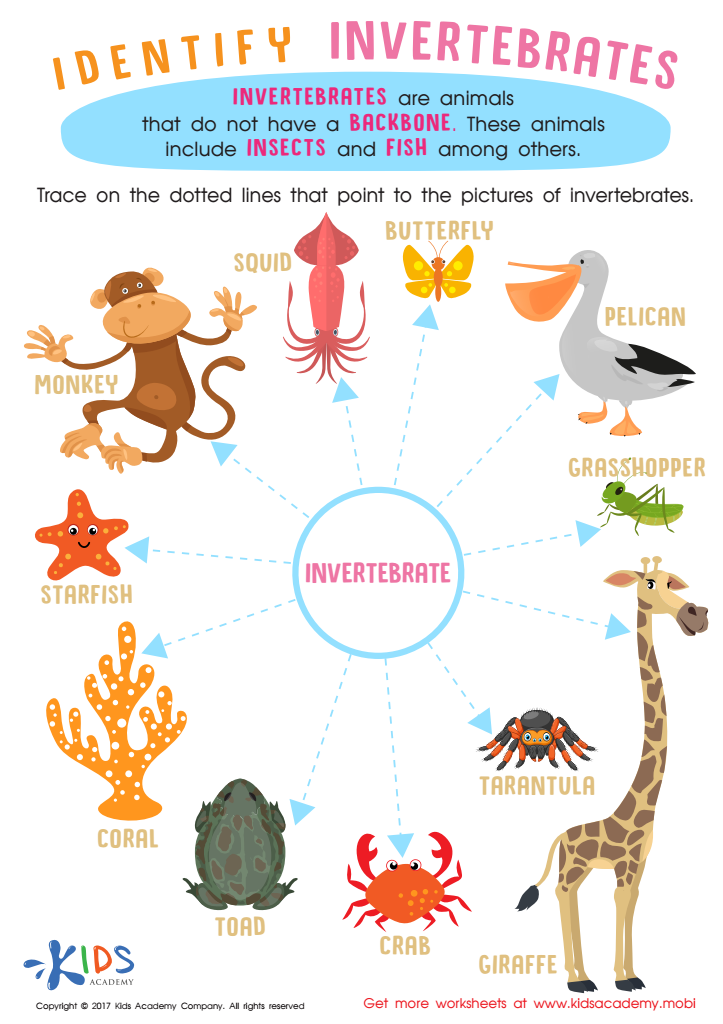
Invertebrates Worksheet for Grade 3
 Assign to My Students
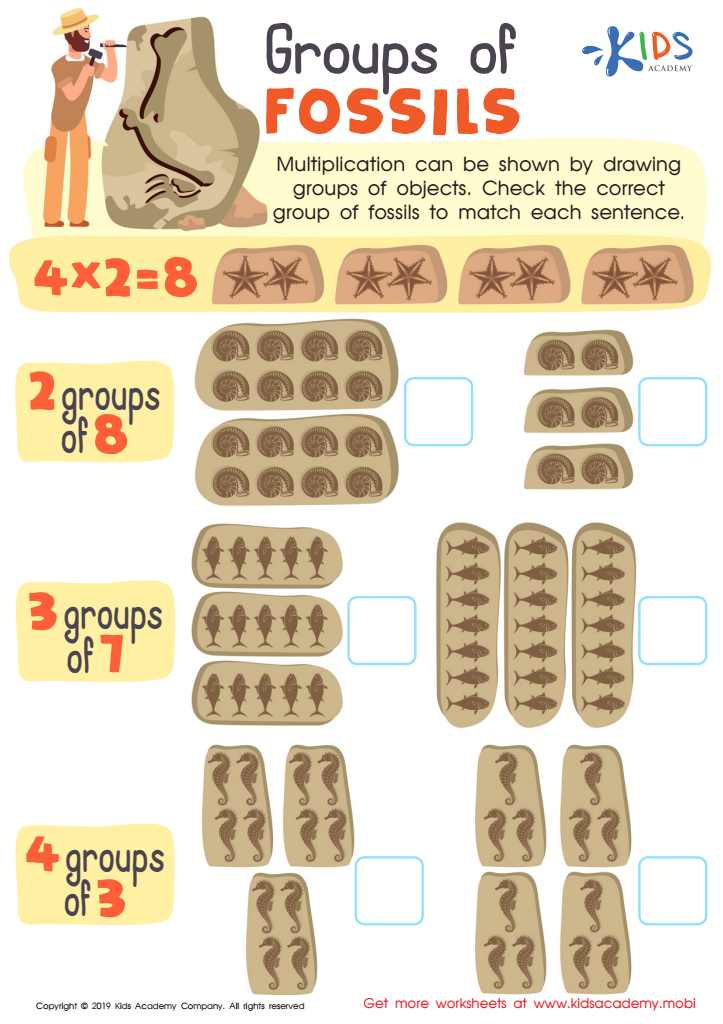
Groups of Fossils Worksheet
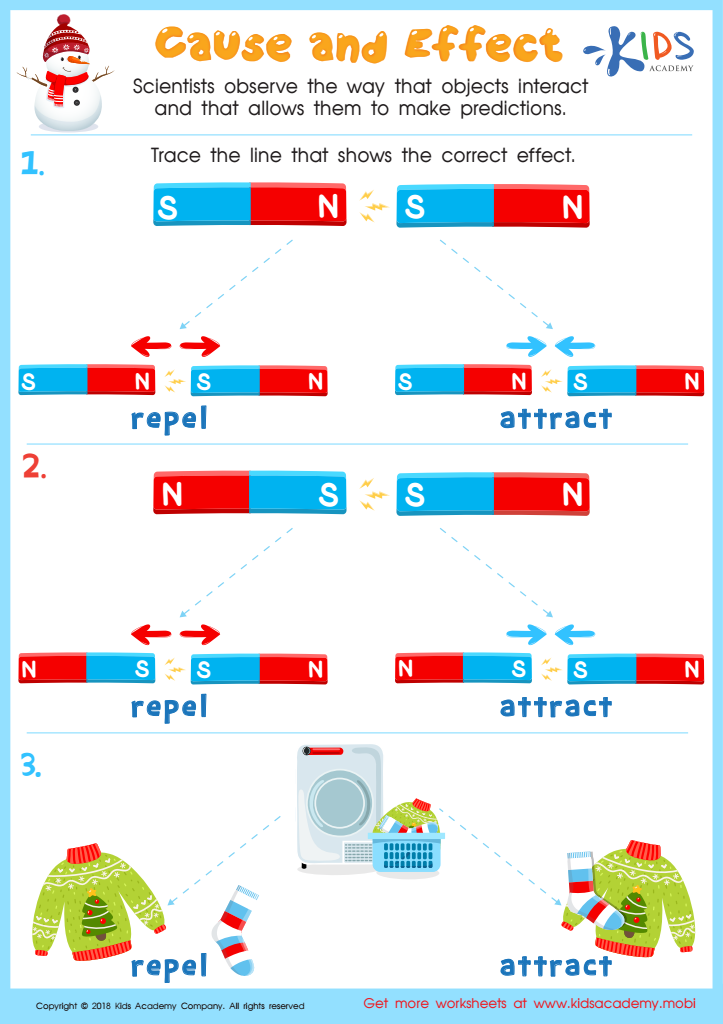
Repel and Attract Magnet Worksheet
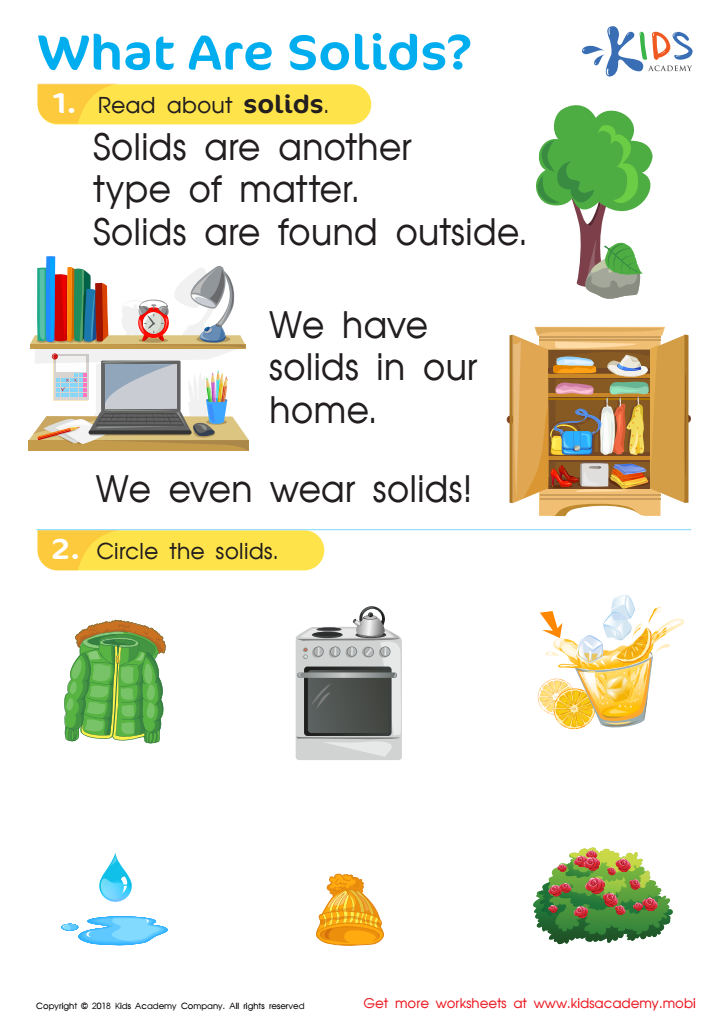
What Are Solids? Worksheet
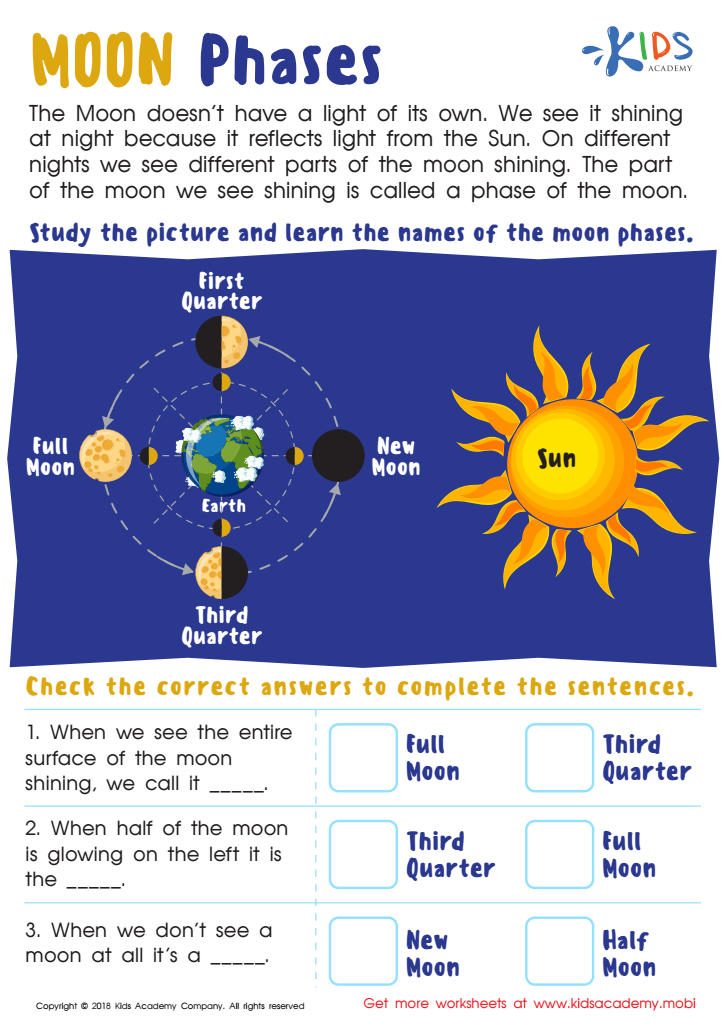
Moon Phases Worksheet
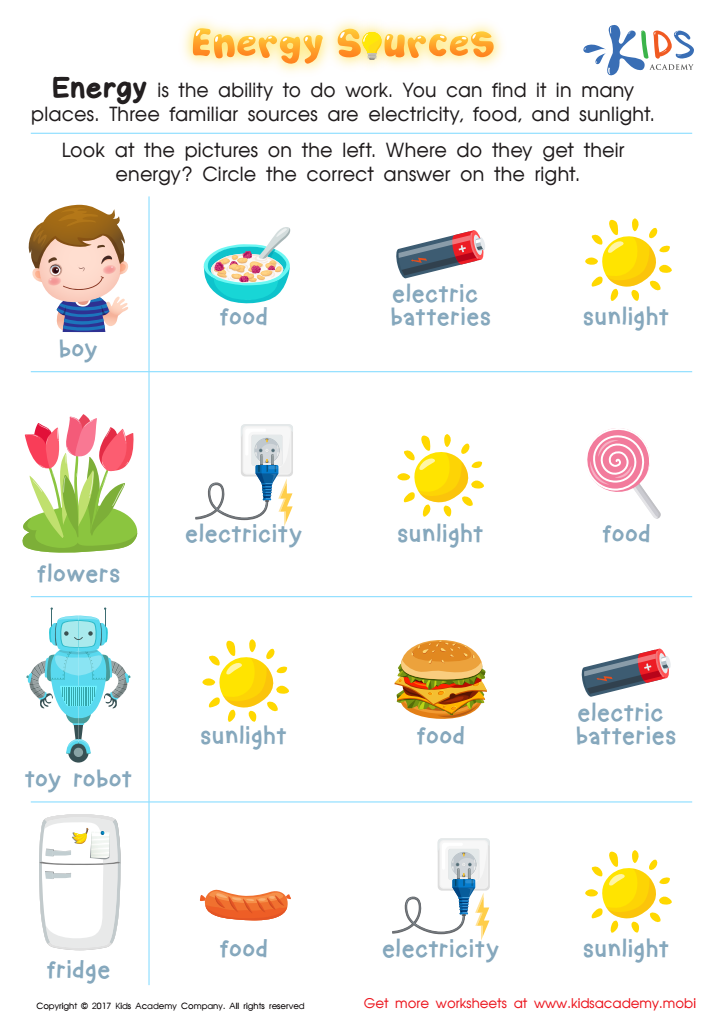
Energy Sources Printable



.jpg)




Knowledge application is crucial for children aged 7-9 as it bridges the gap between theoretical understanding and practical skills. During these formative years, children transition from basic learning to more complex problem-solving and critical thinking. This is when they start to apply their knowledge to real-world situations, fostering independence and creativity.
Parents and teachers should care about knowledge application because it encourages a deeper understanding of concepts. When kids apply what they’ve learned—such as using math in cooking or science in gardening—they reinforce their learning and appreciate its relevance. This practice cultivates confidence and motivation, as children see the tangible results of their efforts.
Moreover, applying knowledge helps develop essential life skills such as collaboration, communication, and adaptability. These skills are increasingly important in today’s dynamic world. Engaging children in hands-on activities, projects, or discussions enhances their analytical abilities and prepares them for future academic challenges.
Furthermore, encouraging knowledge application supports emotional development, as children learn to navigate successes and setbacks. Ultimately, prioritizing knowledge application in learning paves the way for lifelong learners who can think critically, solve problems, and innovate in various aspects of their lives.








