Learning about ecosystems Worksheets for Ages 7-9
5 filtered results
-
From - To
Discover engaging worksheets for children aged 7-9 that delve into the fascinating world of ecosystems! Our "Learning about Ecosystems" worksheets offer a fun and interactive way for young learners to explore the relationships between plants, animals, and their environments. Each sheet is designed to enhance critical thinking and scientific inquiry, featuring activities like diagram labeling, species identification, and habitat exploration. Perfect for classroom use or at-home learning, these educational resources encourage curiosity about nature and promote environmental awareness. Help your child nurture a love for biology and the natural world with our comprehensive ecosystem-themed activities today!
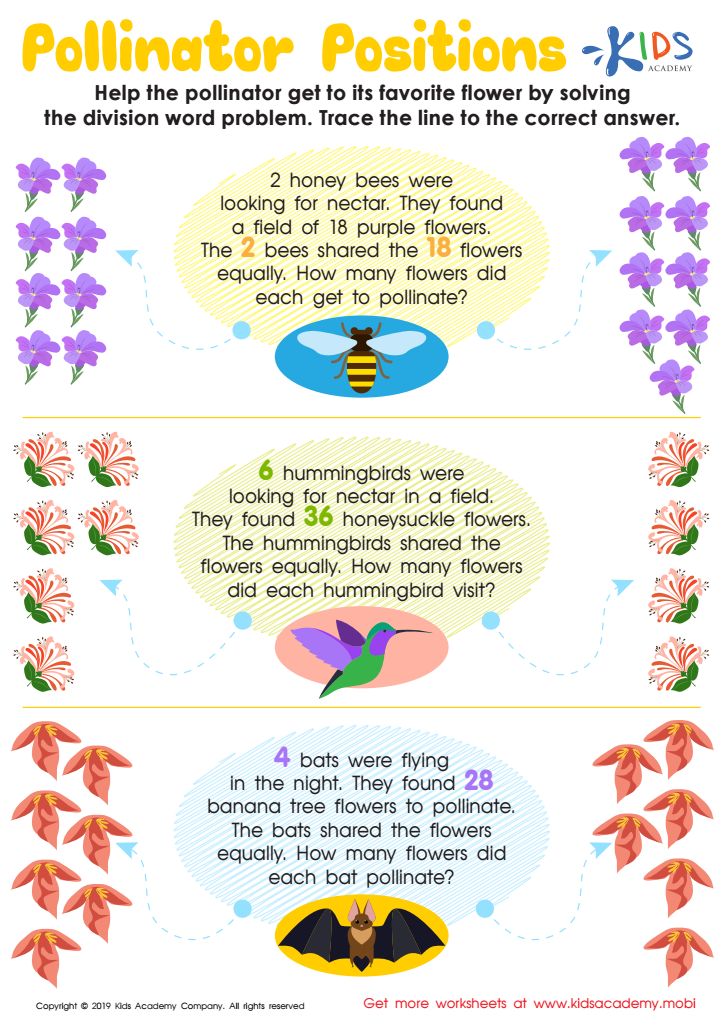
Pollinator Positions Worksheet
 Assign to My Students
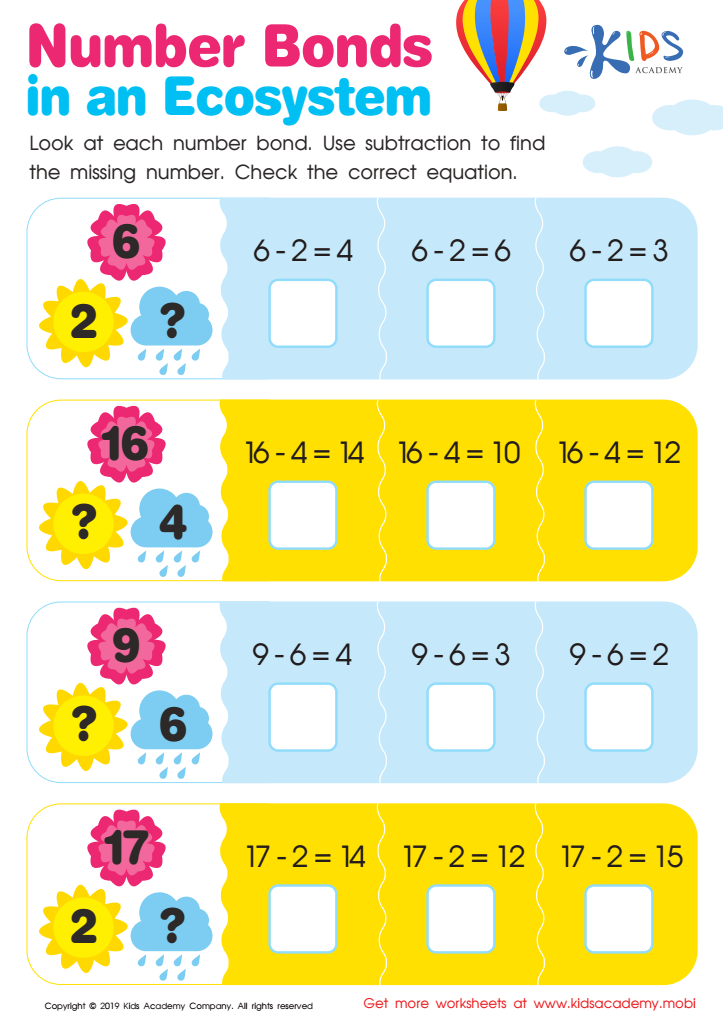
Number Bonds in an Ecosystem Worksheet
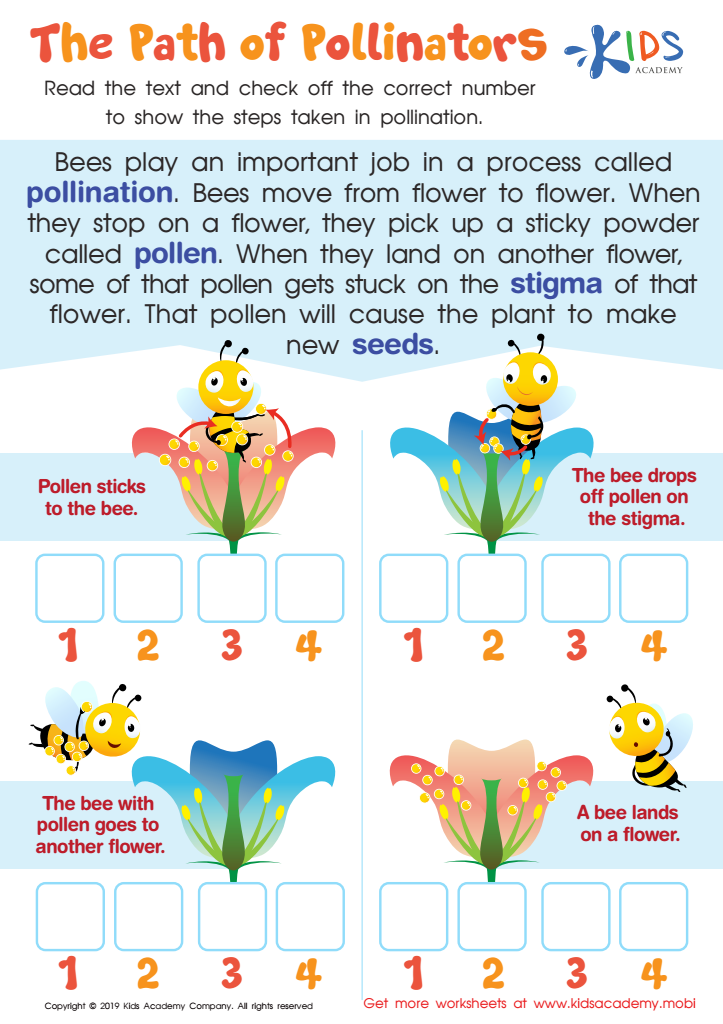
The Path of Pollinators Worksheet
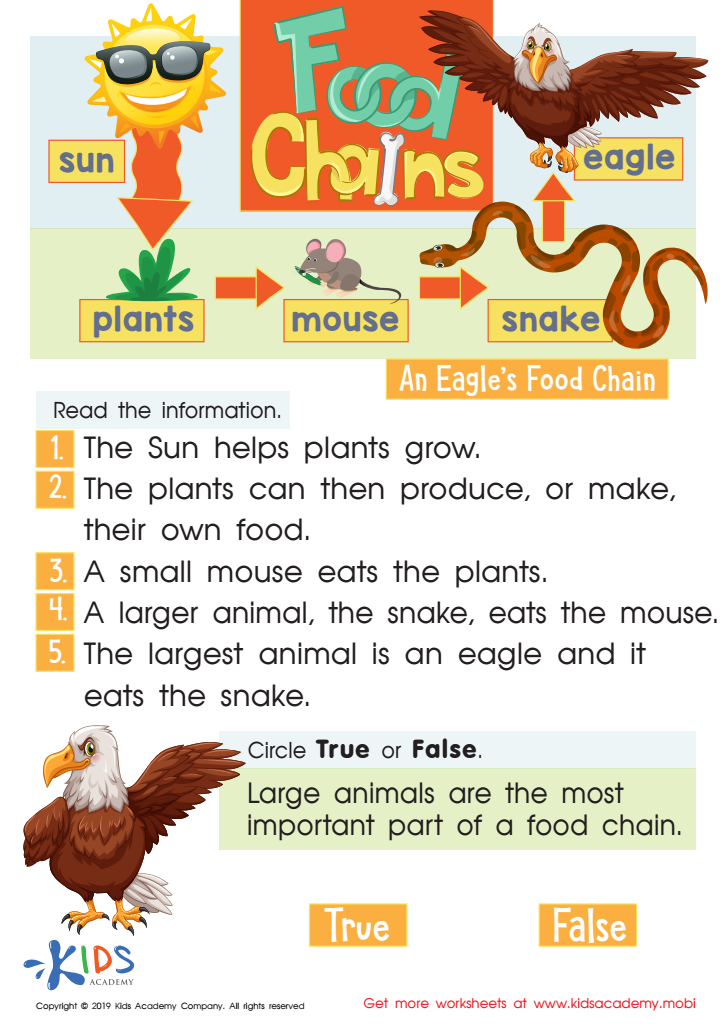
Food Chains Worksheet
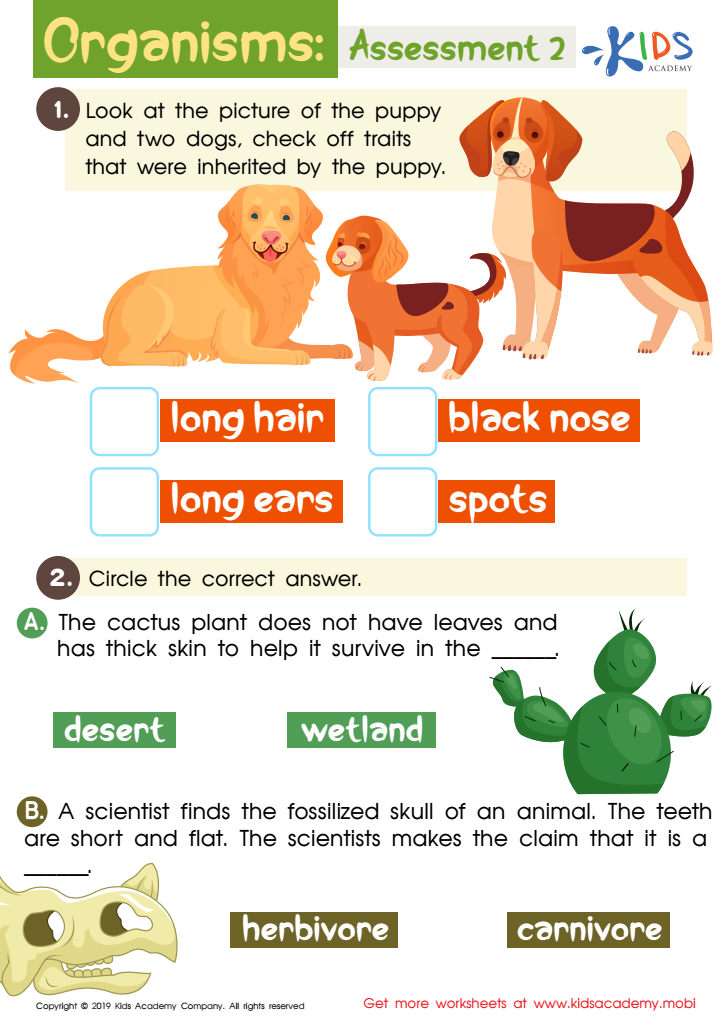
Organisms: Assessment 2 Worksheet


%20(1).jpg)





Learning about ecosystems is crucial for children aged 7-9 as it lays the foundation for environmental awareness and responsibility. At this age, children are naturally curious and eager to explore their surroundings. Teaching them about ecosystems helps them understand the interconnectedness of living organisms and their environments, fostering a sense of appreciation for nature.
Parents and teachers should care about this topic because it encourages critical thinking and scientific inquiry. Children will learn about topics such as food chains, habitats, and the importance of biodiversity, which can spark their interest in science and sustainability. Additionally, understanding ecosystems can nurture empathy, as children recognize that all creatures, including humans, play a vital role in the health of our planet.
By highlighting human impact on ecosystems, children become more conscious of their actions, promoting responsible behaviors such as recycling, conservation, and respect for wildlife. Learning about ecosystems not only prepares them for future academic pursuits but also empowers them to become engaged citizens who care about their environment. Overall, instilling knowledge of ecosystems in young children is essential for cultivating a generation that values and protects the world around them.








