Letter recognition Worksheets for Ages 7-9 - Page 3
51 filtered results
-
From - To
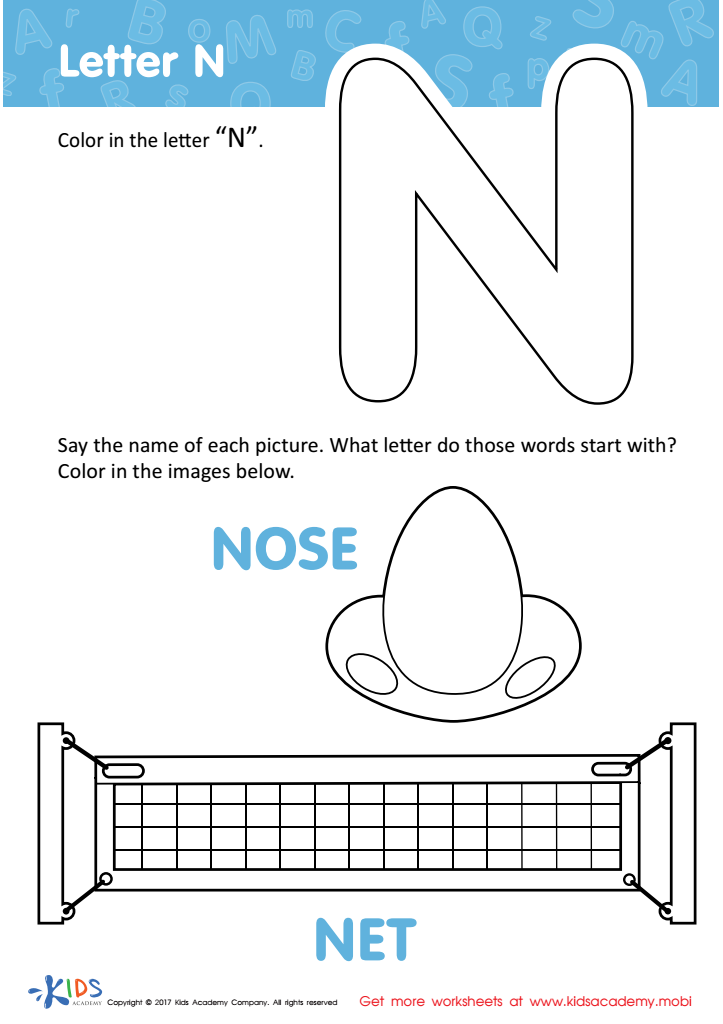
Letter N Coloring Sheet
 Assign to My Students
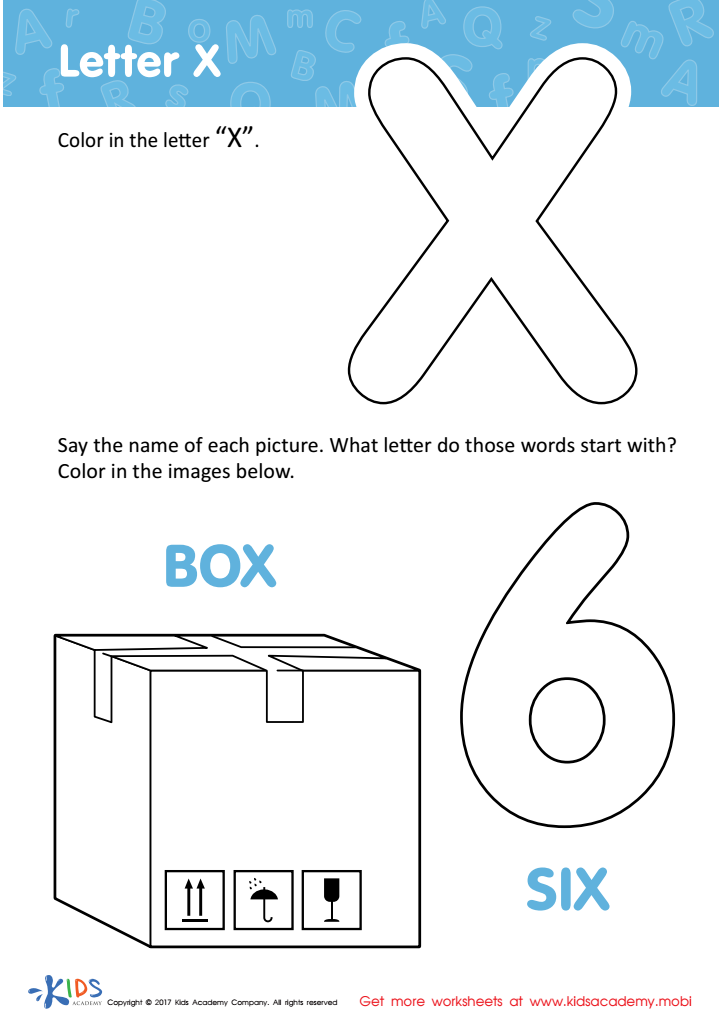
Letter X Coloring Sheet
Assign to My Students
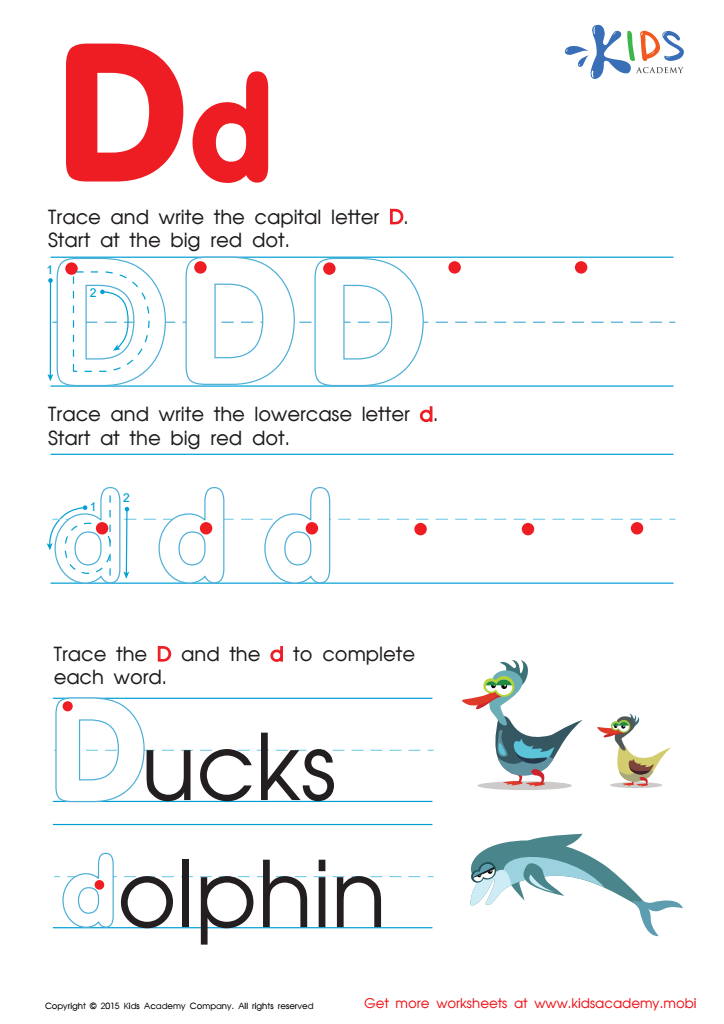
Letter D Tracing Page








Letter recognition is a crucial skill for children ages 7-9, as it serves as the foundation for reading and writing. At this developmental stage, students are transitioning from learning individual letters to deciphering words and sentences, making letter recognition essential for literacy. When children can easily identify and differentiate letters, they build stronger decoding skills, which helps them read fluently and comprehend texts effectively.
Moreover, recognizing letters contributes to spelling abilities and encourages a love for reading. Familiarity with letters helps children understand phonics—how letters are connected to sounds—which is vital for spelling and pronunciation. This age group is also beginning to form opinions and interests, and being able to read independently opens up new worlds of knowledge and imagination.
Teachers and parents play a pivotal role in nurturing these skills. Providing engaging activities, such as letter games, reading together, or using multimedia resources, can make learning enjoyable and effective. By prioritizing letter recognition, caregivers foster not just educational growth, but also self-confidence and motivation in young learners, laying the foundation for lifelong learning and academic success. Addressing this skill early ensures that children are well-prepared for the demands of future literacy and comprehension challenges.








