Number Sequencing Worksheets for Ages 7-9 - Page 2
28 filtered results
-
From - To
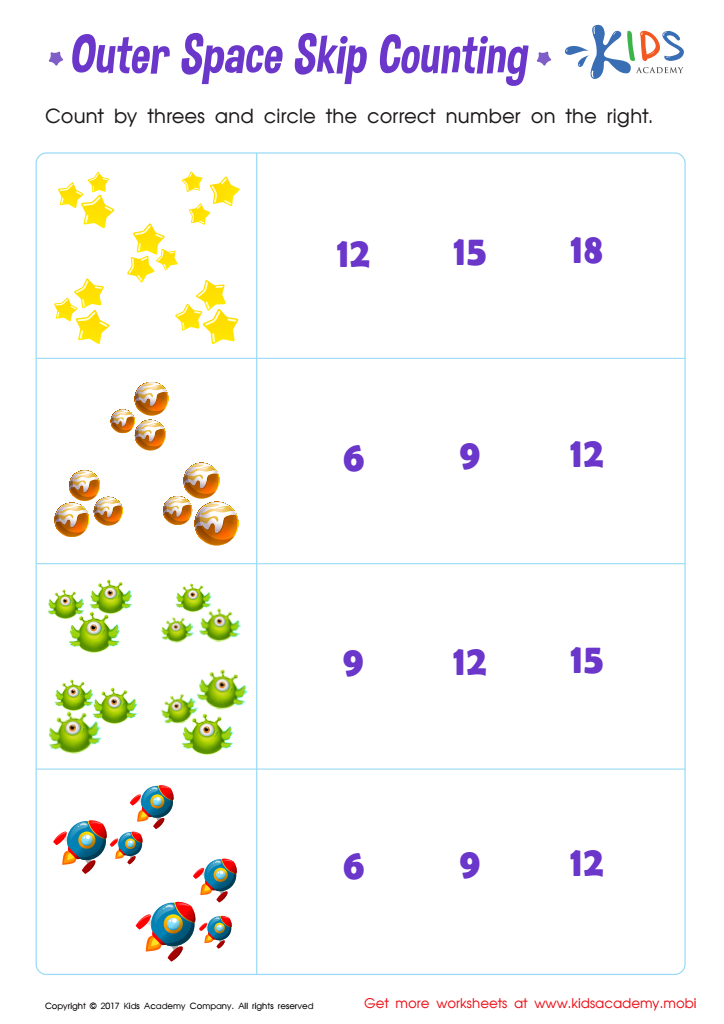
Skip Counting by 3s: Outer Space Skip Counting Printable
 Assign to My Students
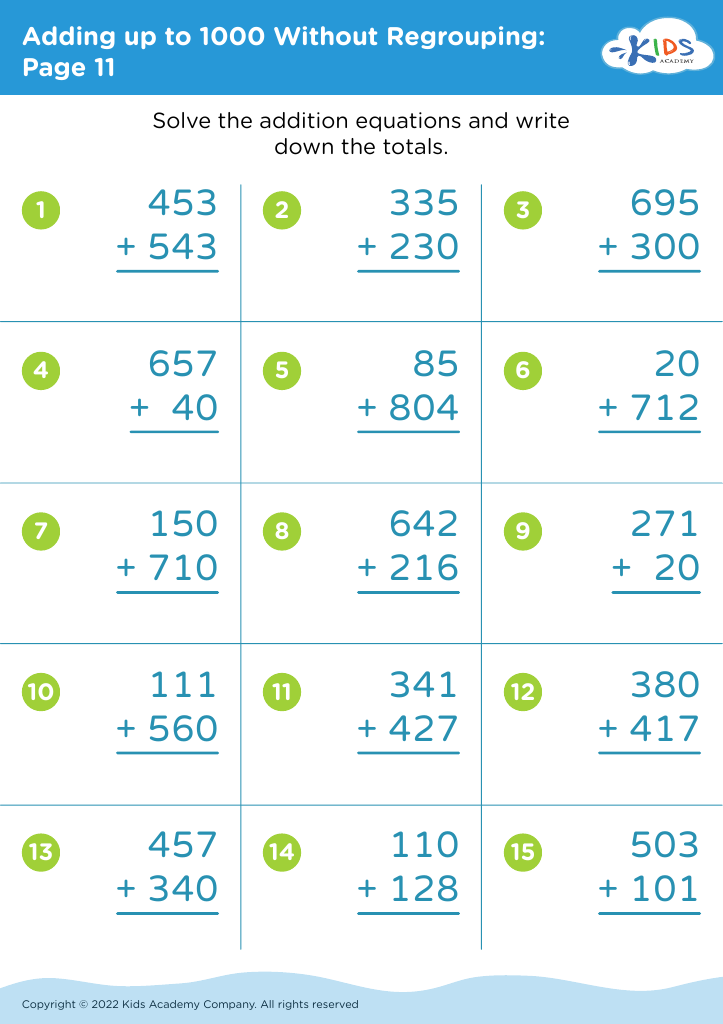
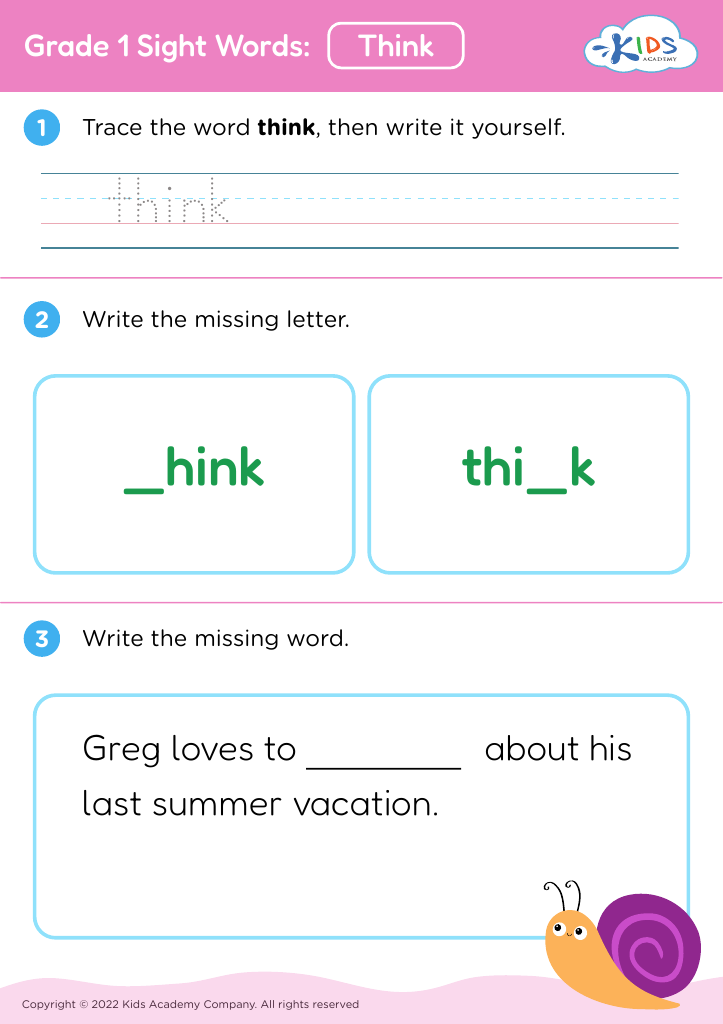








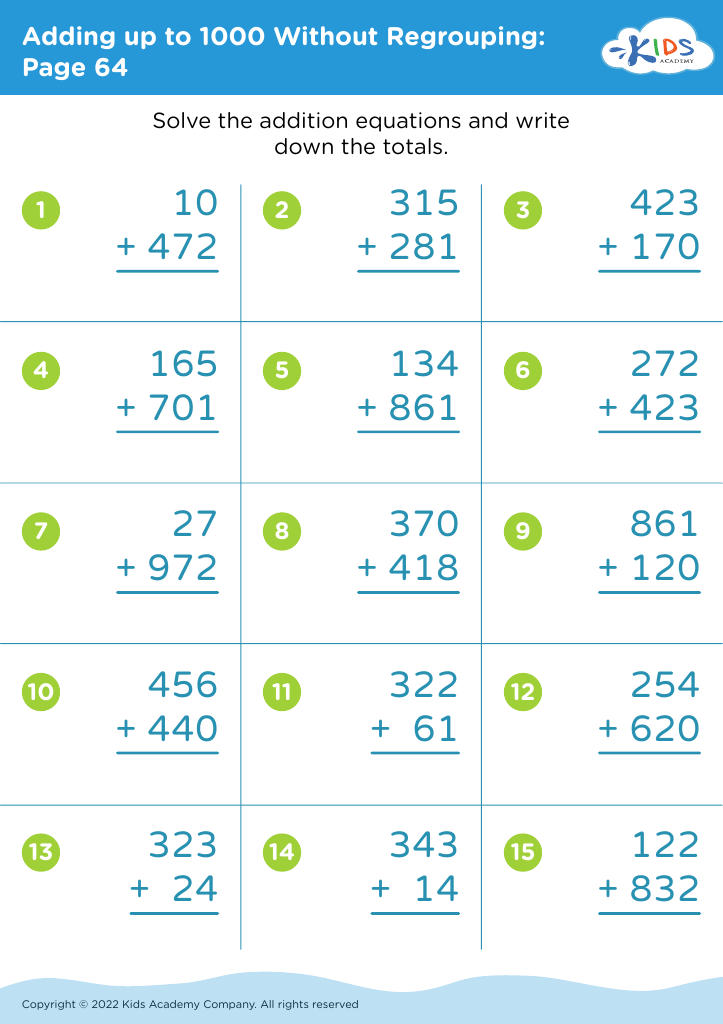
Number sequencing is a foundational mathematical skill essential for children aged 7-9 because it lays the groundwork for various key areas of math and logical reasoning. When children learn to recognize and create numerical sequences, they are inherently practicing vital skills such as counting, number patterns, and understanding the order of numbers. These abilities are critical for mastering more advanced math topics, including addition, subtraction, multiplication, and division.
Moreover, proficiency in number sequencing improves problem-solving and analytical thinking. For instance, figuring out what number comes next, filling in missing numbers, or recognizing patterns like even, odd, or multiples encourages kids to engage their intellectual curiosity and apply logical reasoning. This cognitive exercise boosts their overall mental agility.
Number sequencing also finds practical applications in everyday life. Activities like predicting days in the calendar, measuring quantities and distances, or even organizing objects rely on recognizing and understanding sequences. For children, being adept at these daily tasks fosters independence and confidence.
Lastly, a firm grasp of number sequencing enhances a child's academic performance, particularly in areas that demand precise calculation and systematic thinking, making it a crucial skill for teachers and parents to nurture at this developmental stage.








