Spatial reasoning Worksheets for Ages 7-9
7 filtered results
-
From - To
Boost your child’s cognitive skills with our engaging Spatial Reasoning Worksheets designed specifically for ages 7-9. These fun, interactive resources help young learners enhance their spatial awareness, problem-solving abilities, and critical thinking skills. Our expertly crafted activities include puzzles, mazes, and symmetry exercises that captivate children's imaginations while fostering academic growth. Perfect for home or classroom use, these worksheets not only support STEM education but also nurture essential life skills. Transform learning into an exciting adventure with our comprehensive collection, and watch your child confidently navigate the world of shapes, patterns, and spatial relationships!
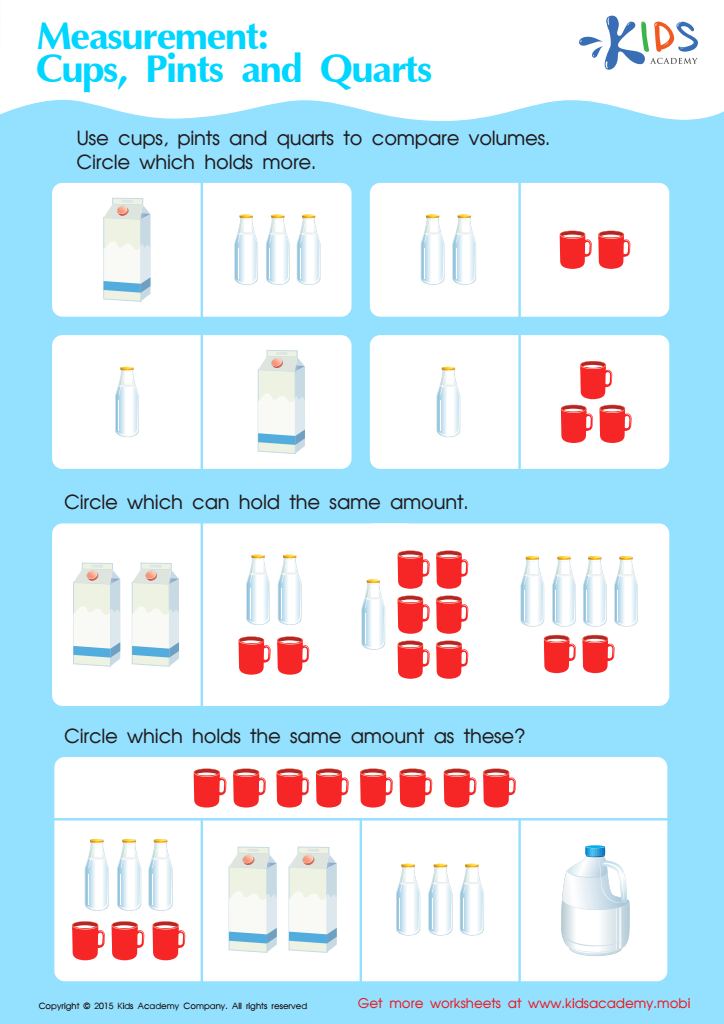
Measurement: Compare Volumes Worksheet
 Assign to My Students
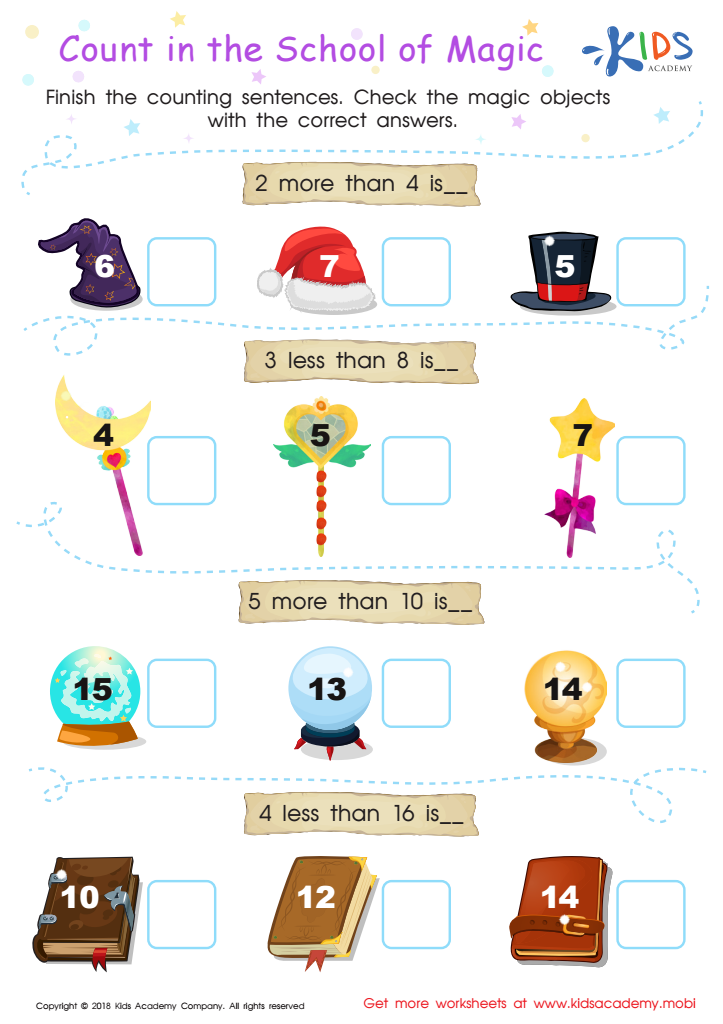
Count in the School of Magic Worksheet
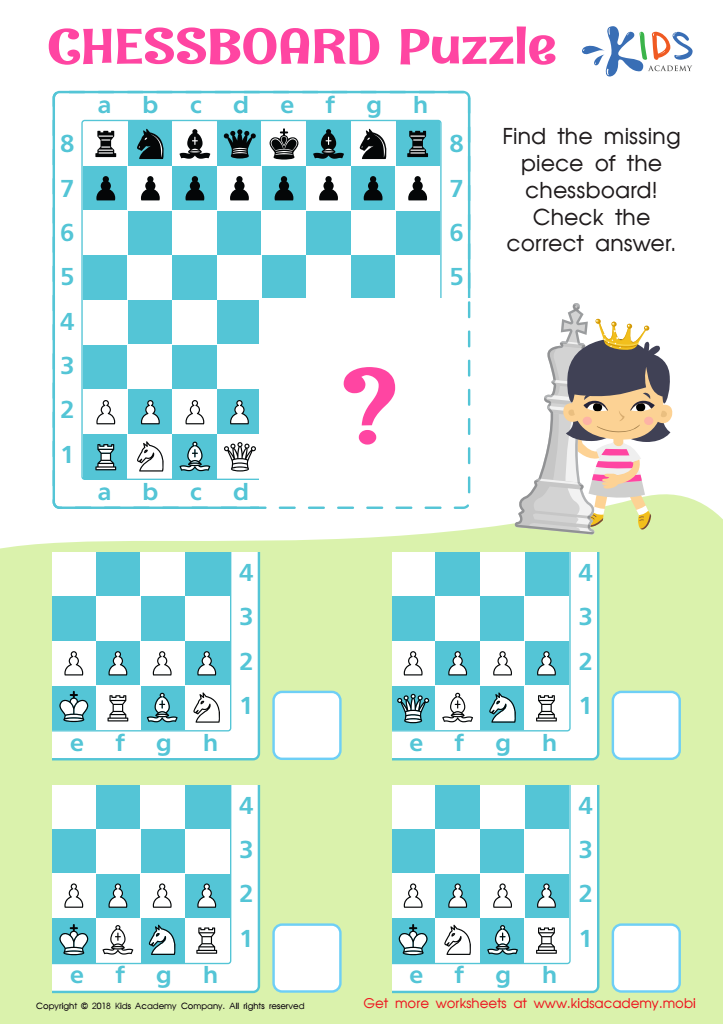
Chessboard Puzzle Worksheet
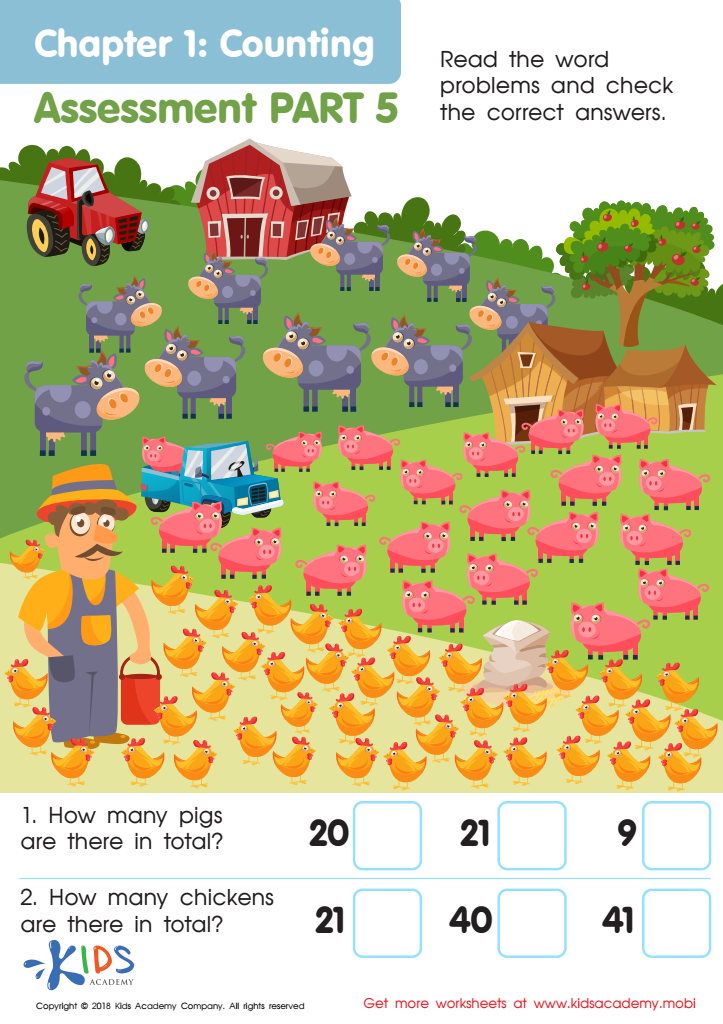
Counting: Assessment 5 Worksheet
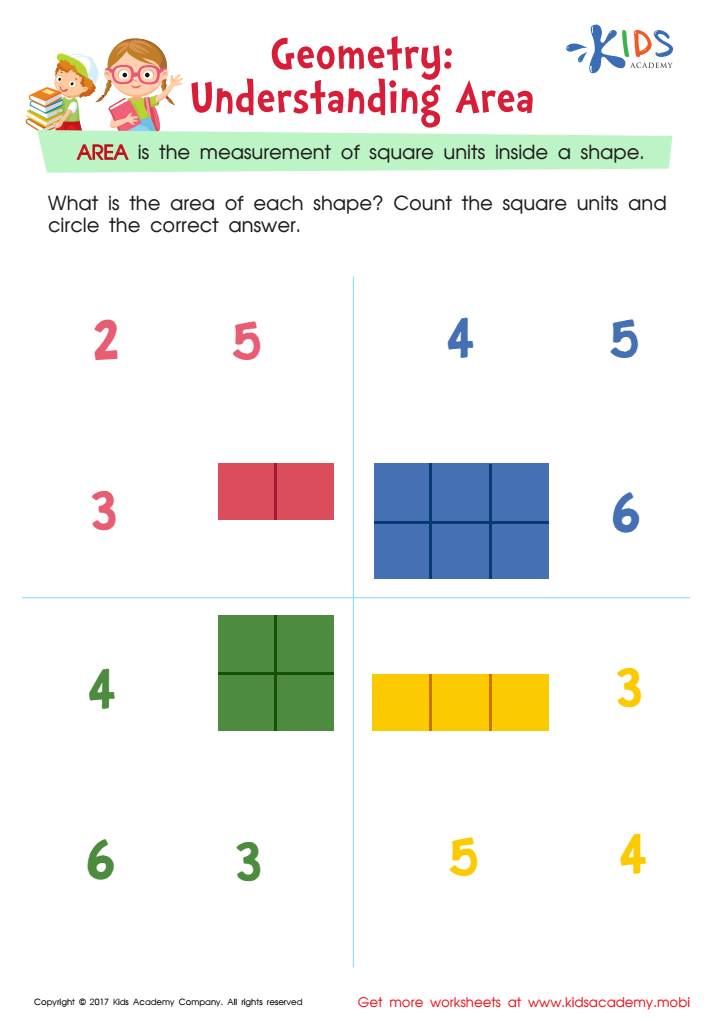
Understanding Area Worksheet
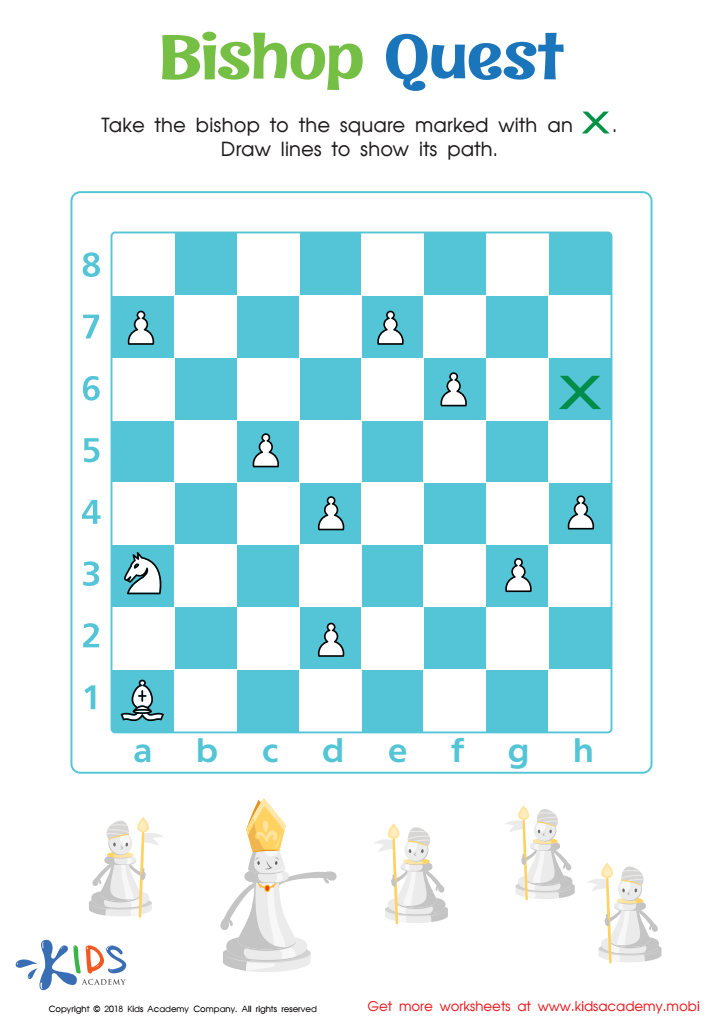
Bishop Quest Worksheet
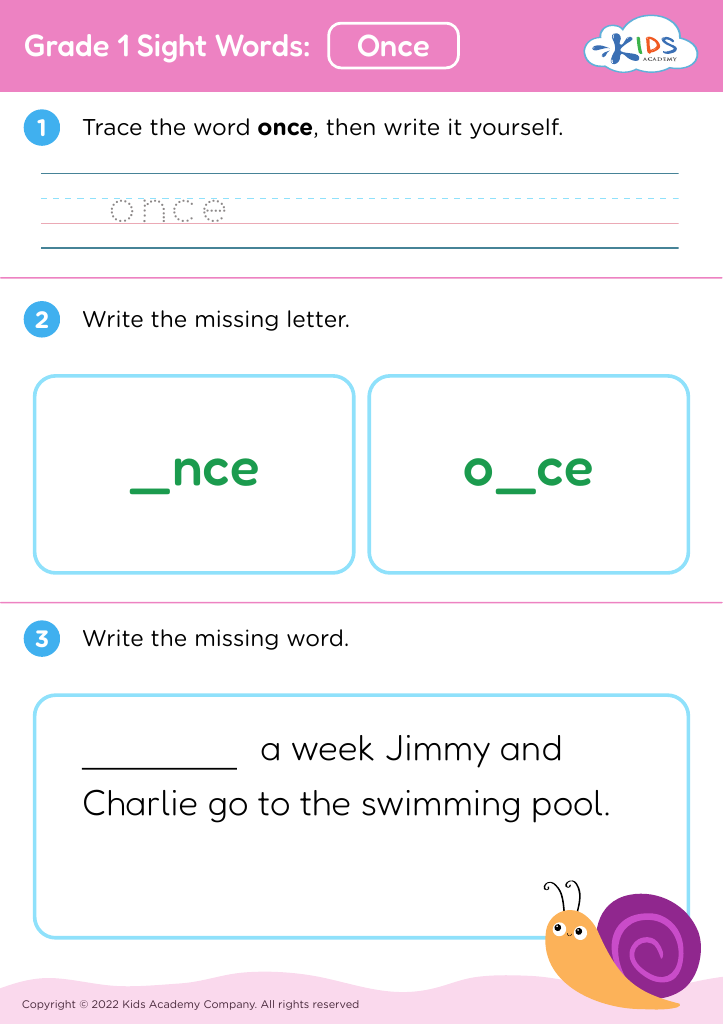








Spatial reasoning is the ability to visualize and manipulate objects and shapes in one's mind, which is crucial for children aged 7-9 as it plays a foundational role in many aspects of learning and development. Proficiency in spatial reasoning not only enhances mathematical thinking but also improves problem-solving skills and everyday navigation.
Firstly, spatial reasoning is directly linked to STEM (Science, Technology, Engineering, and Mathematics) education. Understanding mathematical concepts such as geometry, proportions, and measurement requires strong spatial skills. For example, children use spatial reasoning to visualize problems when doing mathematics and science projects.
Secondly, it supports problem-solving and critical thinking. When children develop the ability to see different perspectives or understand how objects fit together, they can better tackle puzzles, build models, or even comprehend more complex subjects they will encounter later in school.
Furthermore, spatial reasoning contributes to success in reading comprehension and writing. It helps children recognize letter patterns and shapes, which is relevant for interpreting graphs and tables.
Lastly, spatial skills are essential in day-to-day activities. From packing a backpack to solving visual puzzles, children constantly use spatial reasoning throughout their daily lives. Encouraging and nurturing this skill can give students a solid foundation for both academic success and practical life skills. Early focus on spatial reasoning can lead to improved confidence, academic performance, and the development of essential cognitive abilities.








