Understanding life cycles Worksheets for Ages 7-9
8 filtered results
-
From - To
Discover comprehensive "Understanding Life Cycles" worksheets tailored for ages 7-9 at Kids Academy! These engaging activities help young learners explore the fascinating stages of life cycles in plants, animals, and insects through interactive lessons and vivid illustrations. Our expertly designed worksheets cultivate curiosity and deepen comprehension by guiding children through observing, sequencing, and comparing different life cycles. Ideal for classroom or home use, this educational resource supports crucial learning skills such as critical thinking, scientific inquiry, and vocabulary development. Ignite your child’s interest in the natural world and enhance their knowledge with our dynamic life cycles worksheets!
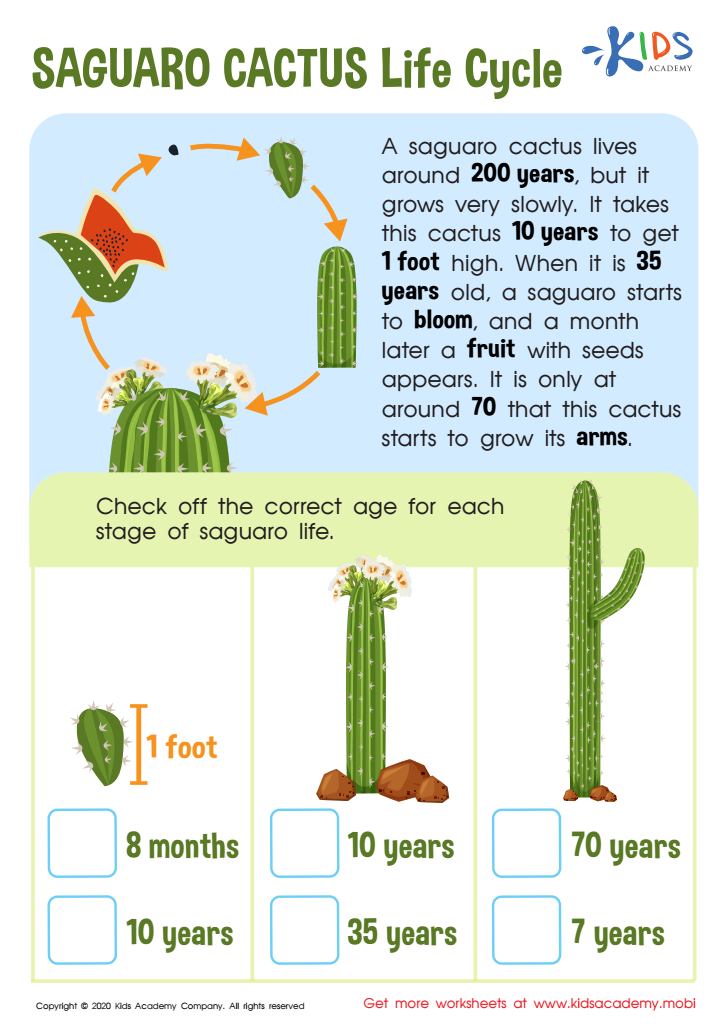
Saguaro Cactus Life Cycle Worksheet
 Assign to My Students
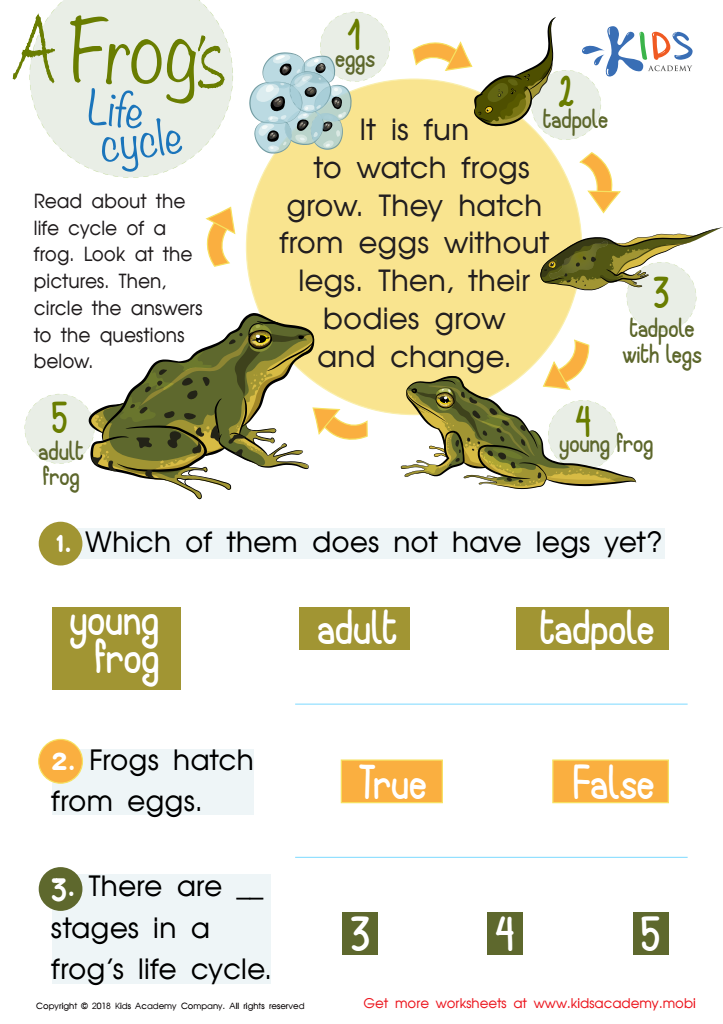
A Frog’s Life Cycle Worksheet
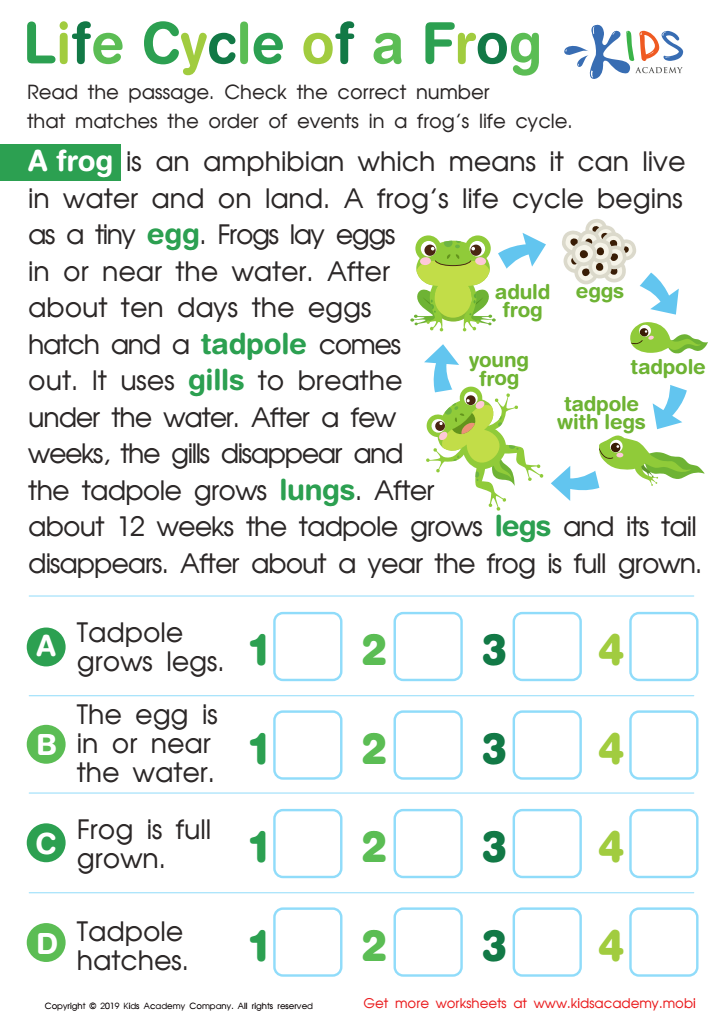
Life Cycle of a Frog Worksheet
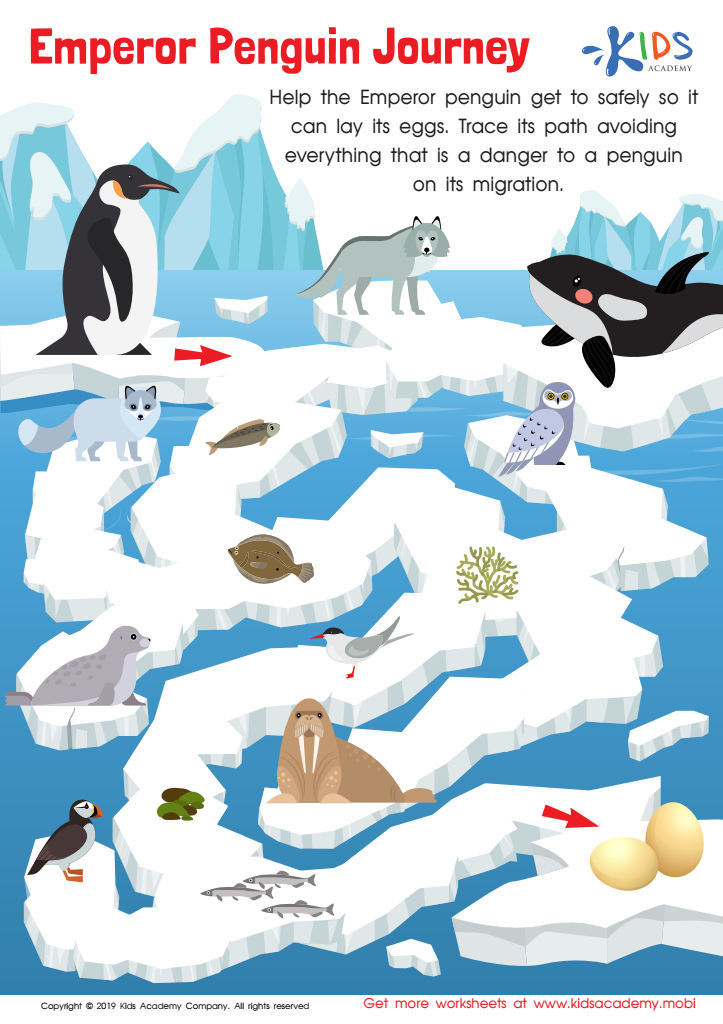
Emperor Penguin Journey Worksheet
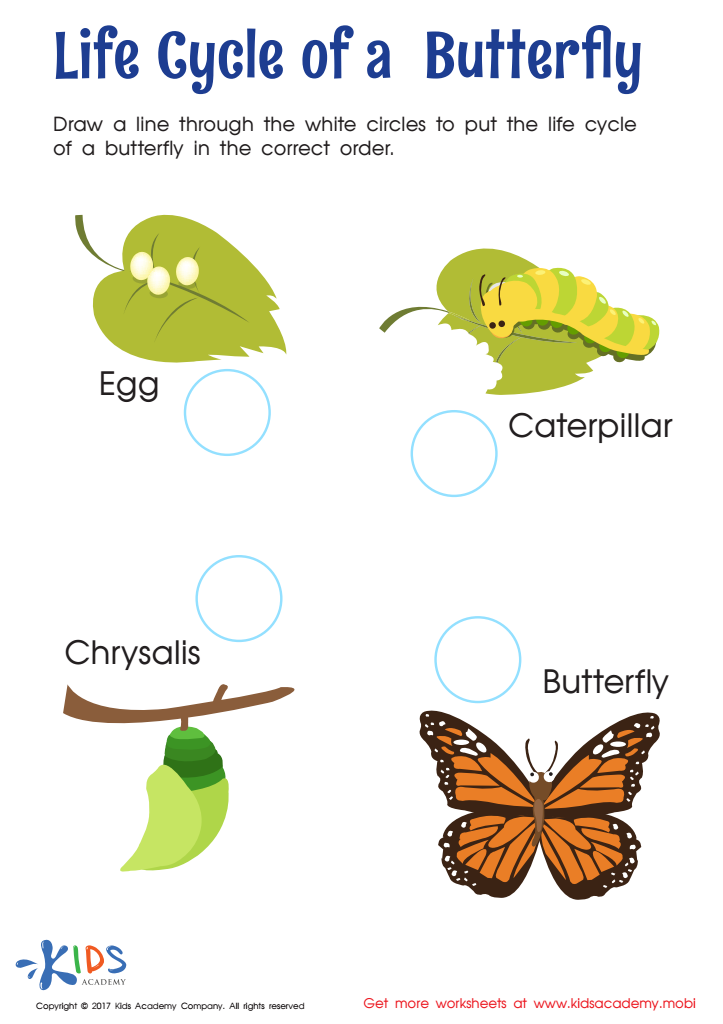
Life Cycle of Butterfly Worksheet
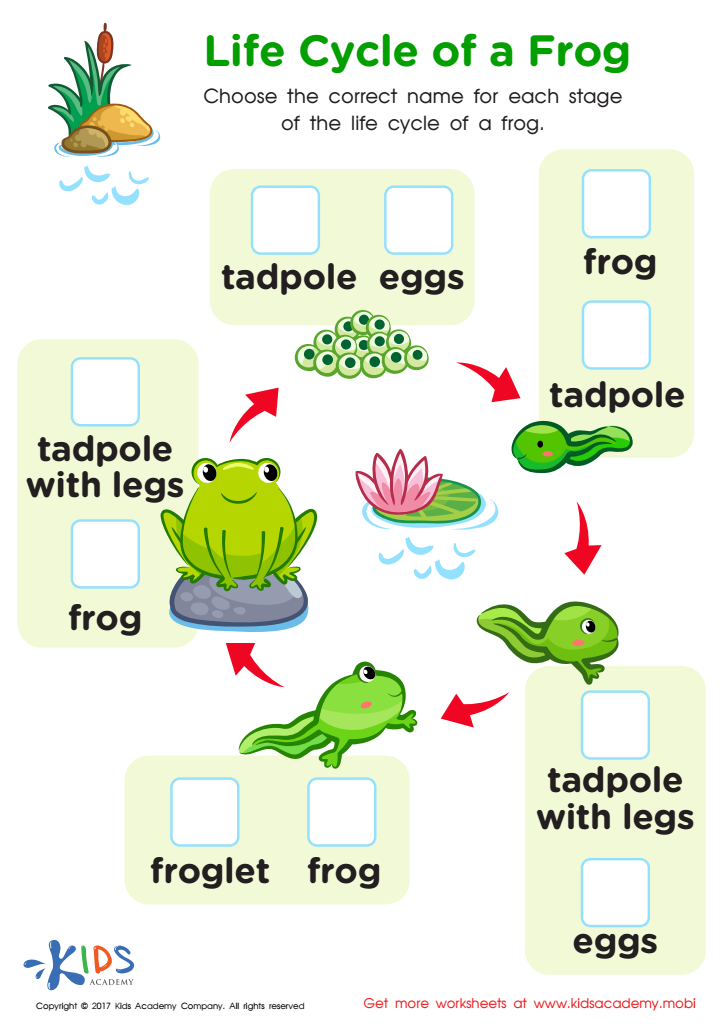
Life Cycle Frog Printable
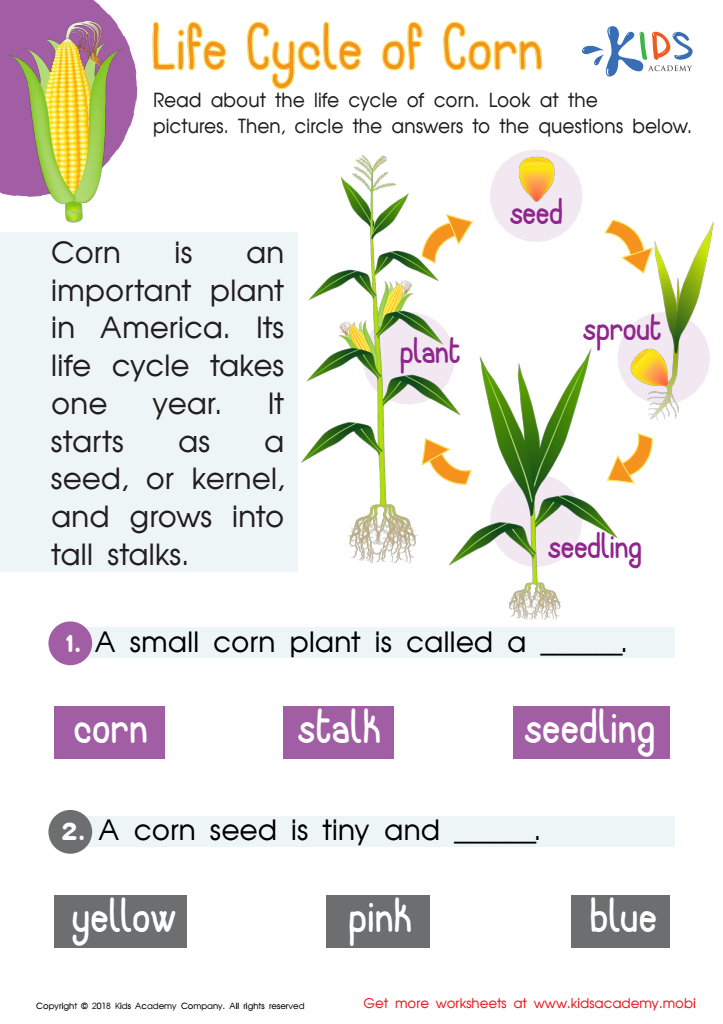
Life Cycle of Corn Worksheet
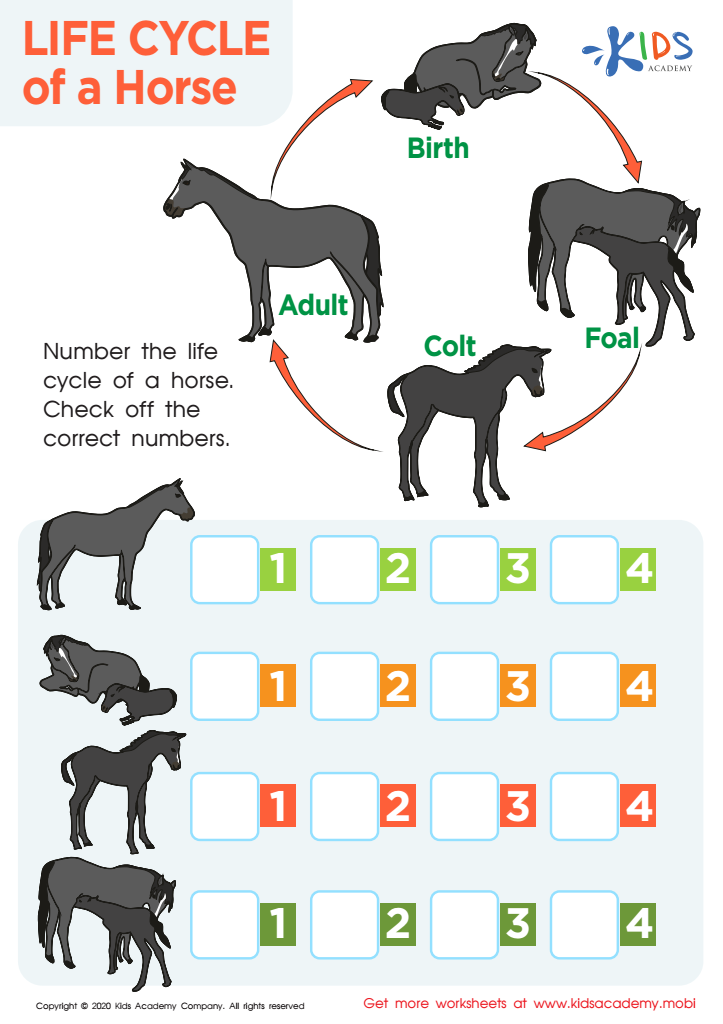
Life Cycle of a Horse Worksheet








Understanding life cycles is crucial for children ages 7-9 because it helps lay the foundation for scientific literacy and a deeper appreciation for the natural world. During these formative years, kids are naturally curious and eager to explore the world around them. Learning about life cycles—such as the stages of a butterfly, the growth of a plant, or even human development—provides practical examples of how life progresses and changes, instilling an early sense of responsibility and respect for living things.
From a cognitive perspective, studying life cycles enhances critical thinking and observational skills. Children learn to ask questions, gather information, and draw conclusions based on real-world phenomena. Understanding life cycles also fosters a sense of interconnectedness among organisms and their environments, promoting ecological awareness and stewardship.
Socially and emotionally, learning about life stages can help kids relate to their own growth and experiences. For example, understanding that all living things grow and change helps them navigate their own feelings and development stages more comfortably. Additionally, these lessons often include collaborative and hands-on activities, promoting teamwork, patience, and empathy.
Ultimately, equipping young minds with knowledge about life cycles enriches their education and cultivates a lifelong interest in science, nature, and healthy living practices. This empowers them to become informed, thoughtful, and caring individuals.








