Understanding symmetry Worksheets for Ages 7-9 - Page 2
34 filtered results
-
From - To
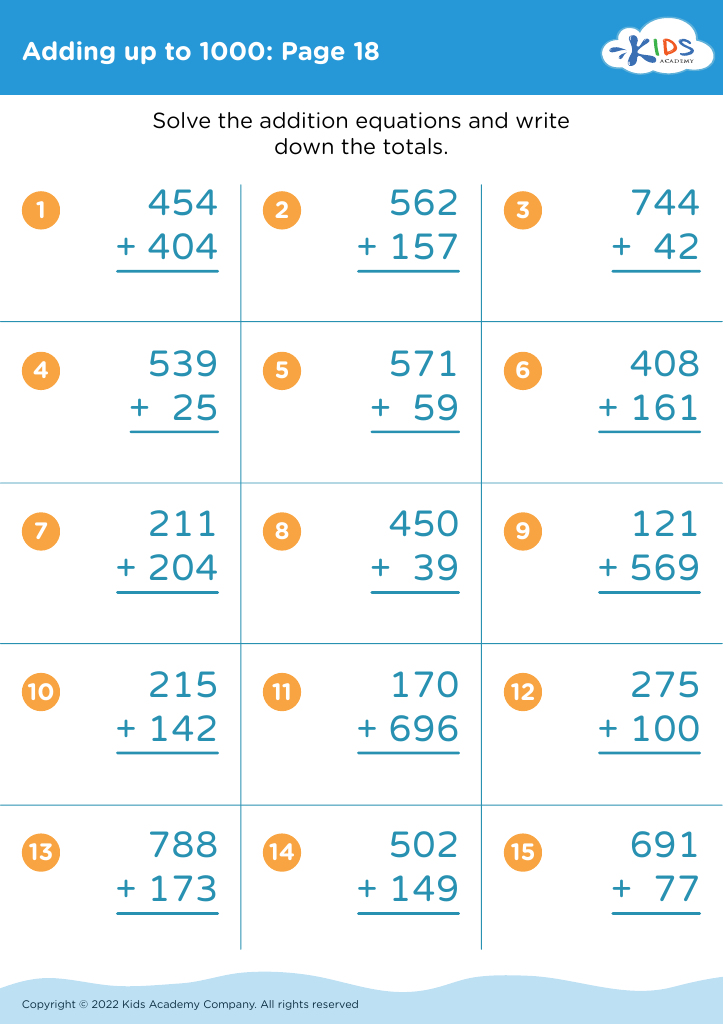
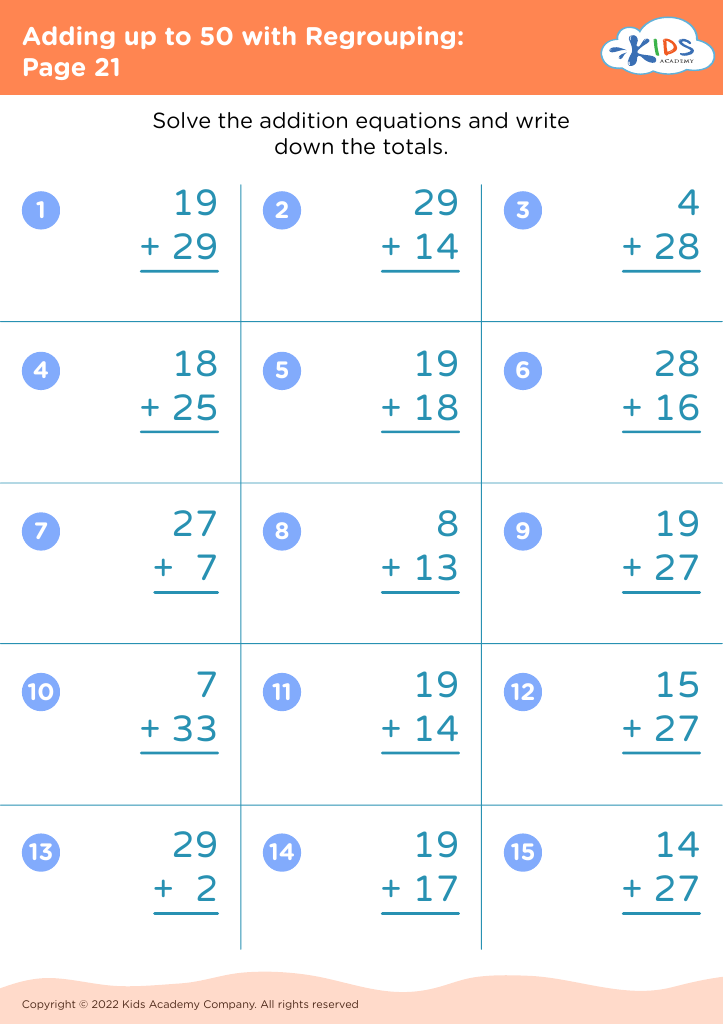
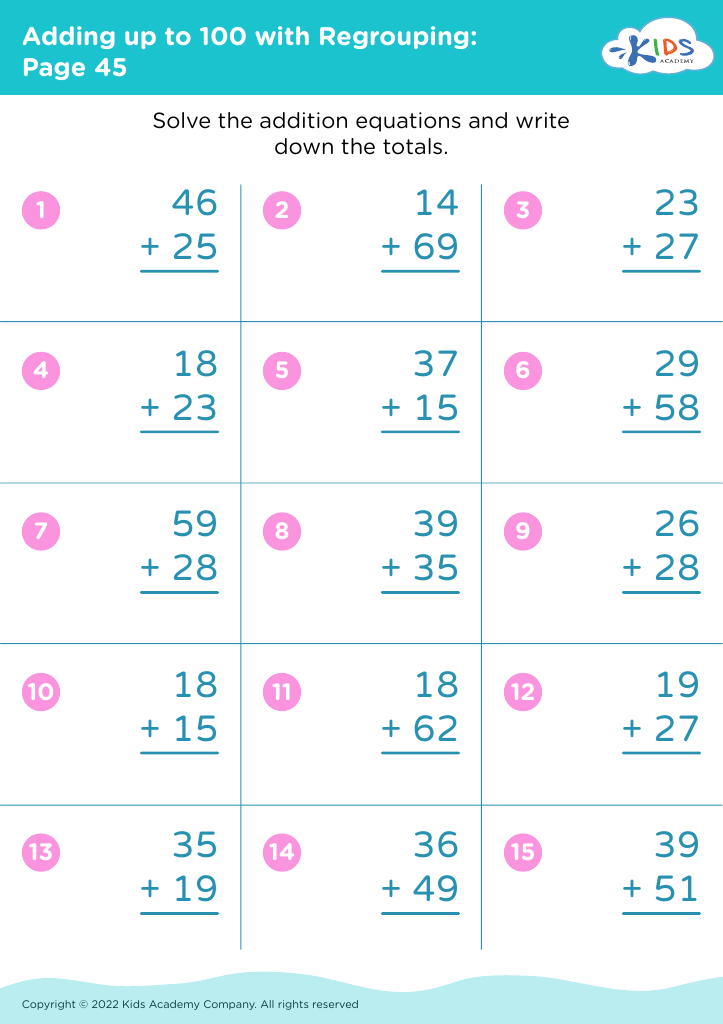
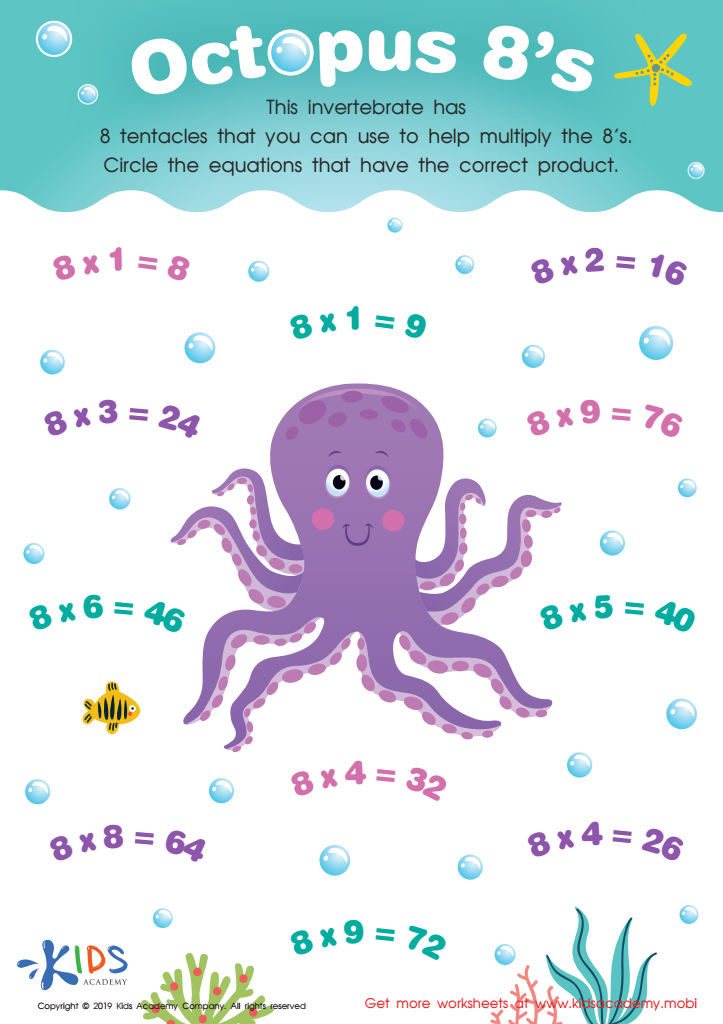
Octopus 8’s Worksheet
 Assign to My Students





Understanding symmetry is a foundational concept in mathematics and has several significant benefits, especially for children aged 7-9. At this age, kids are developing crucial cognitive and spatial reasoning skills. When parents and teachers introduce symmetrical patterns and shapes, they are helping children to enhance these skills, which is vital for their overall cognitive development.
Symmetry is all around us — in nature, art, architecture, and everyday objects. By recognizing and understanding symmetry, children learn to see order and predictability in their environment. This boosts their visual perception and enhances their ability to organize and navigate the world around them.
From an educational standpoint, symmetry lays the groundwork for more advanced mathematical concepts. Early exposure to symmetry helps children improve their geometric skills, understand balance, and recognize patterns. These capabilities are fundamental in problem-solving and critical thinking, skills that are indispensable not only in math but across various subjects and real-life scenarios.
Moreover, exploring symmetry can be highly engaging and fun for young learners. Activities like drawing symmetrical figures, creating art projects, or finding symmetry in nature help children personalize their learning experience and foster a genuine interest in math and science. Engaging with symmetry can also build persistence and attention to detail — qualities that will benefit them academically and personally.
In summary, understanding symmetry for children aged 7-9 is crucial as it enhances cognitive and spatial reasoning, builds a foundation for advanced math skills, enriches their perception of the world, and makes learning enjoyable.








