Visual learning stimulation Worksheets for Ages 7-9
3 filtered results
-
From - To
Unlock your child's potential with our Visual Learning Stimulation Worksheets designed specifically for ages 7-9! These engaging, printable worksheets foster creativity and critical thinking while enhancing visual processing skills. Perfect for home or classroom use, they cover a variety of fun topics, including patterns, shapes, and visual puzzles that captivate young minds. Encourage active learning and improved focus through stimulating activities that make education enjoyable. Our expertly crafted resources are designed to complement standard curricula and support diverse learning styles. Give your child the tools they need to succeed through the power of visual learning—explore and download our worksheets today!
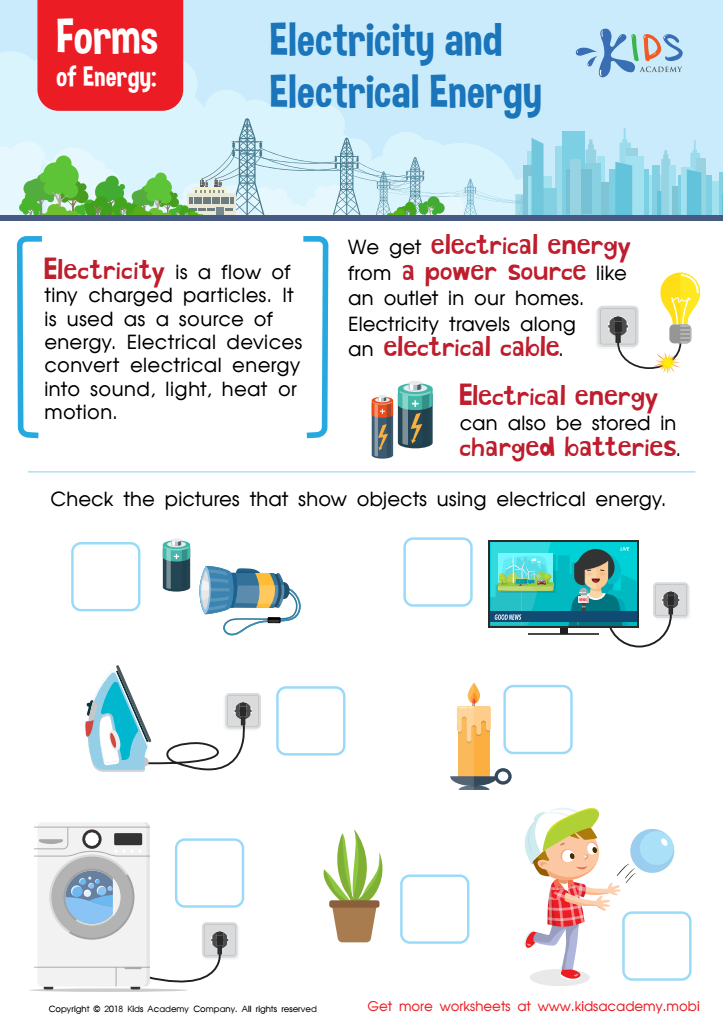
Forms of Energy Worksheet
 Assign to My Students
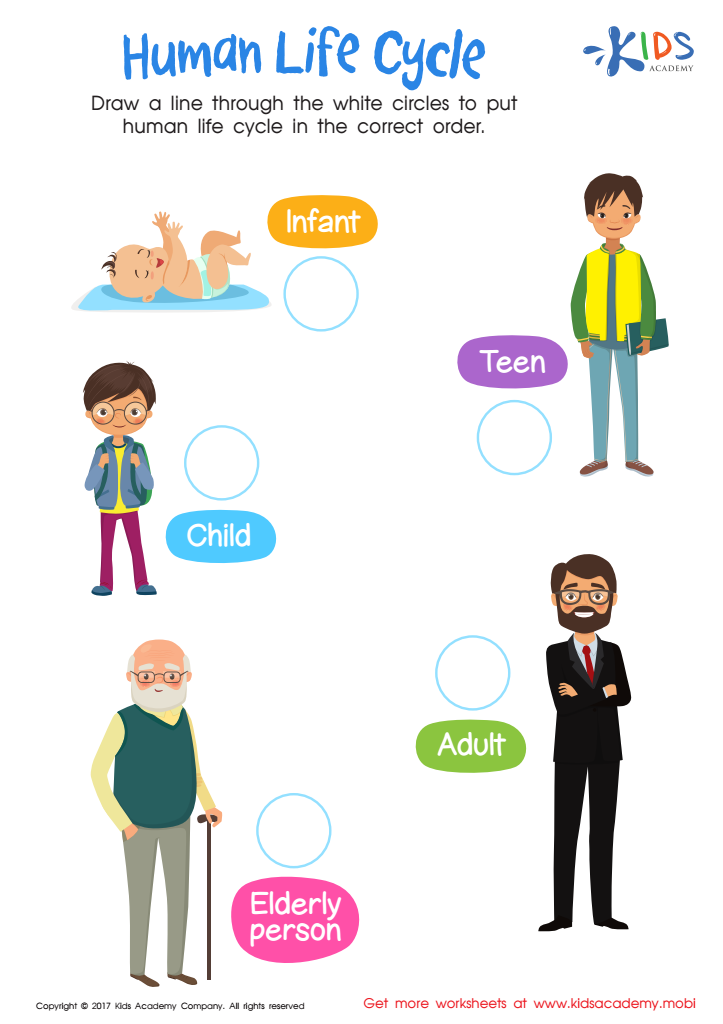
Human Life Cycle Worksheet
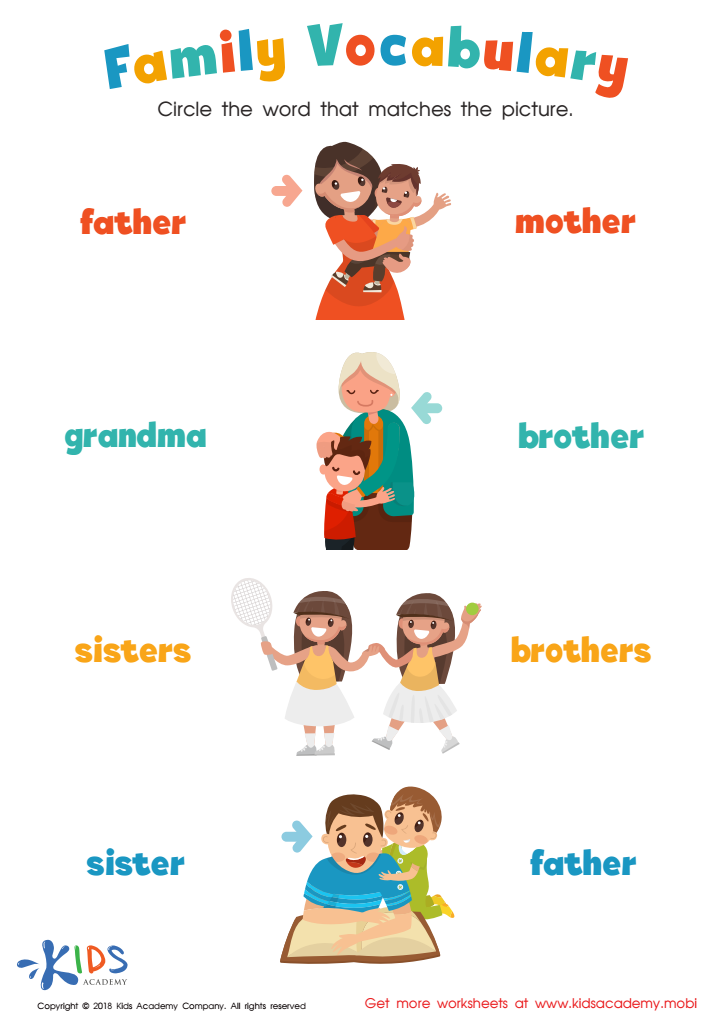
Family Vocabulary Worksheet








Visual learning stimulation is crucial for children aged 7-9, as it significantly enhances their cognitive development, comprehension, and engagement. At this developmental stage, children are becoming more independent learners, and incorporating visual aids—such as charts, diagrams, and vibrant images—can cater to their diverse learning styles. Research indicates that visual stimuli help students better retain information, leading to improved academic performance across subjects.
Parents and teachers should prioritize visual learning as it captures children's attention, making learning more enjoyable and less intimidating. This can foster a positive attitude towards learning, encouraging curiosity and motivation. For instance, using educational videos or interactive visuals during lessons facilitates deeper understanding of complex concepts, making learning memorable and accessible.
Moreover, as digital natives, today’s children are accustomed to visual interactions in technology. Integrating visual learning methods aligns with their everyday experiences, bridging the gap between traditional learning and their digital world.
In fostering visual learning stimulation, parents and teachers empower children to develop critical thinking and problem-solving skills, equipping them for future academic pursuits. Emphasizing visuals in education nurtures a lifelong love for learning, laying the foundation for successful future endeavors.








