Vocabulary Building Worksheets for Ages 7-9 - Page 3
58 filtered results
-
From - To
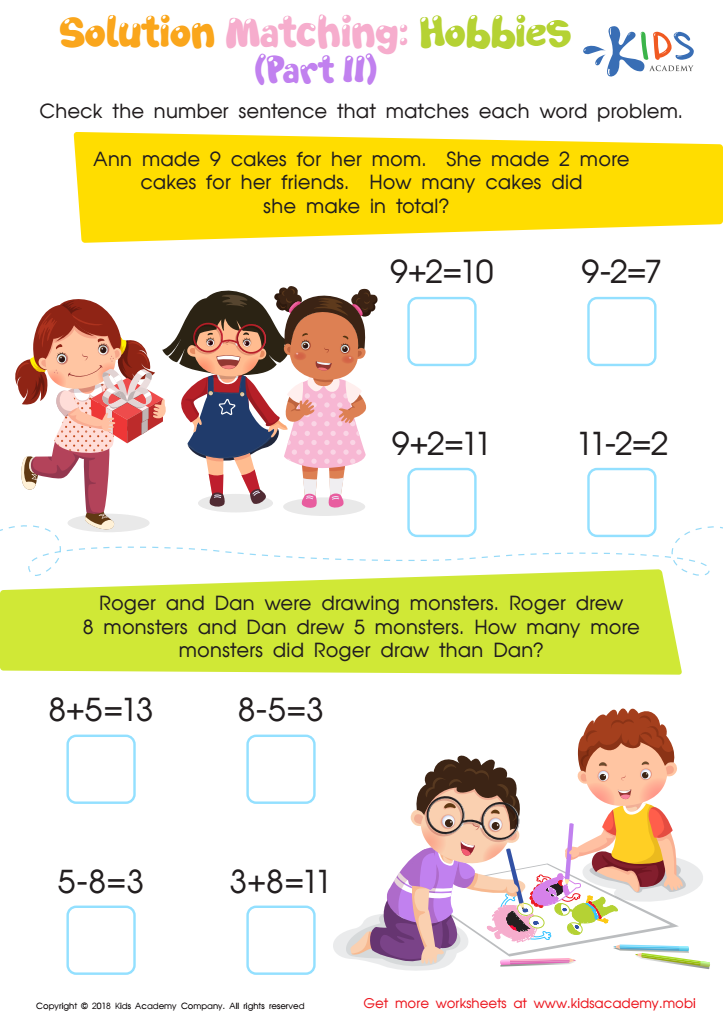
Solution Matching: Hobbies. Part 2 Worksheet
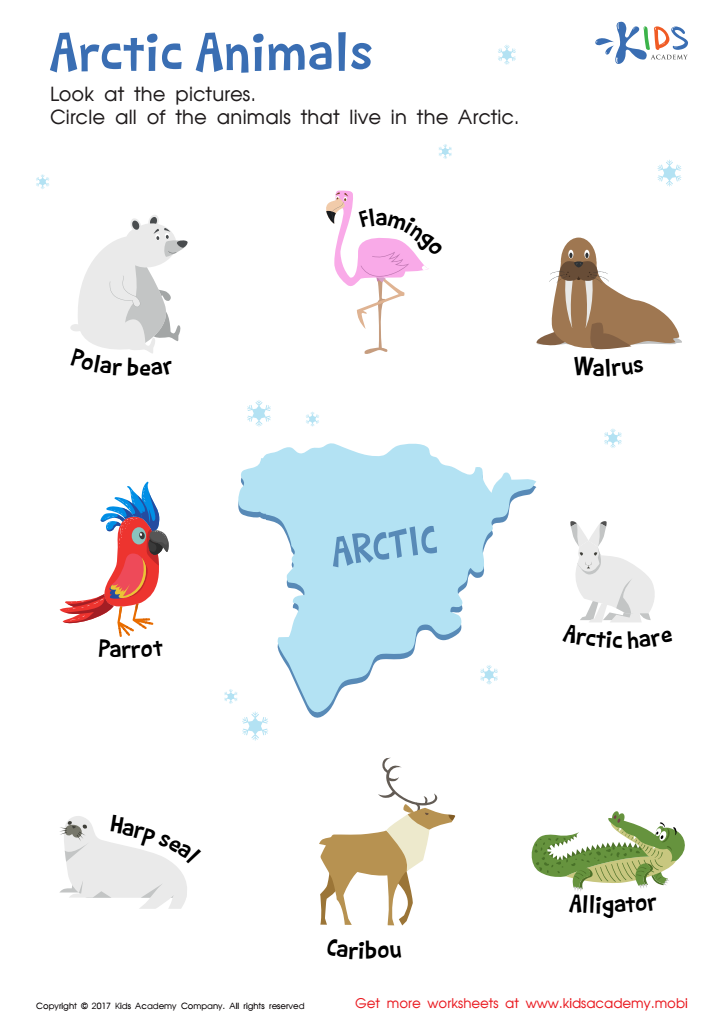
Arctic Animals Worksheet
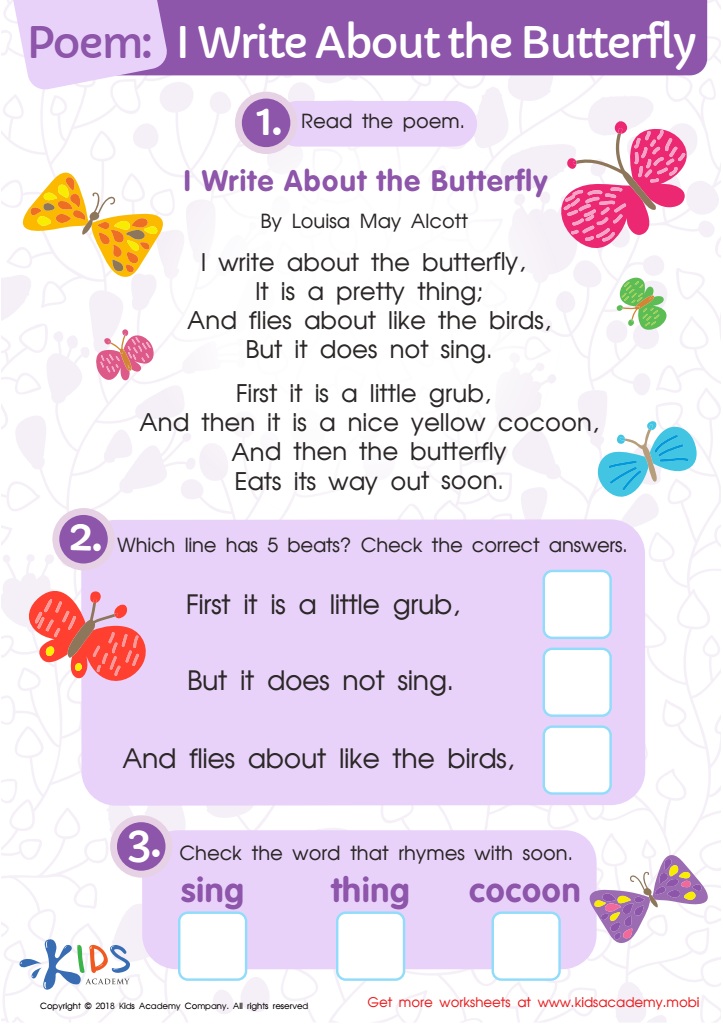
Poem: I Write About The Butterfly Worksheet
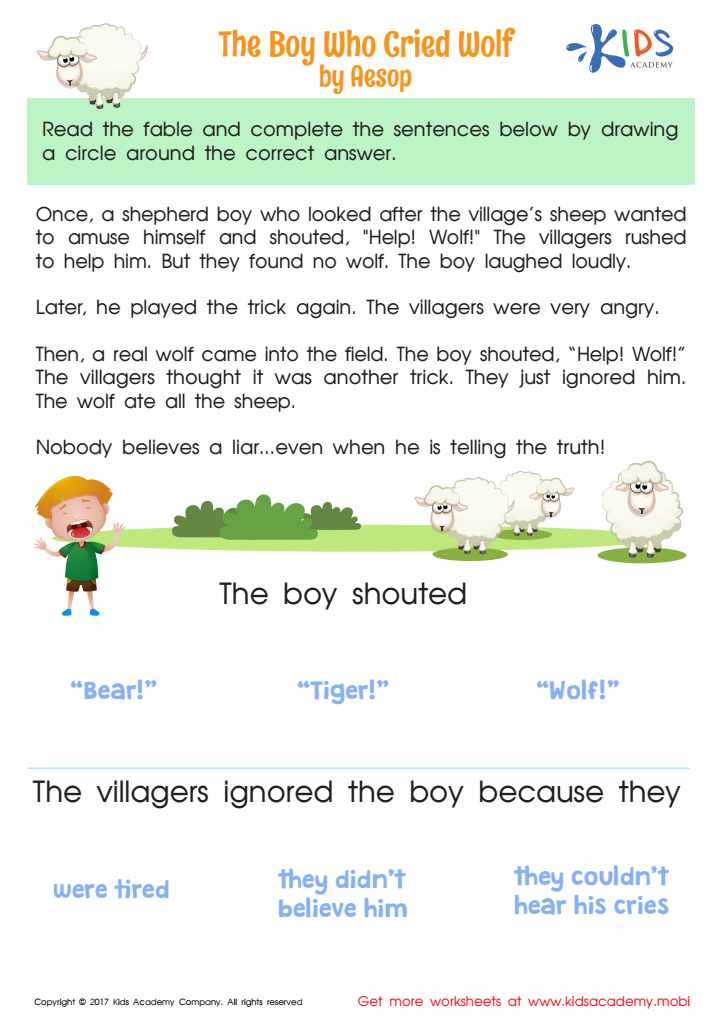
The Boy Who Cried Wolf Worksheet
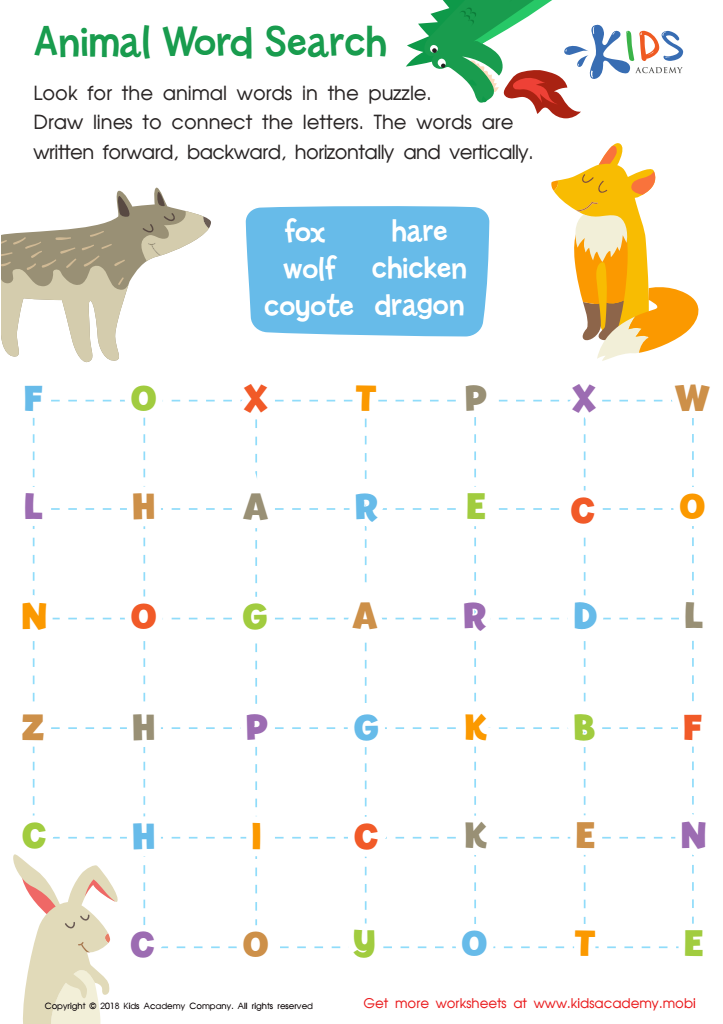
Animal Word Search Worksheet
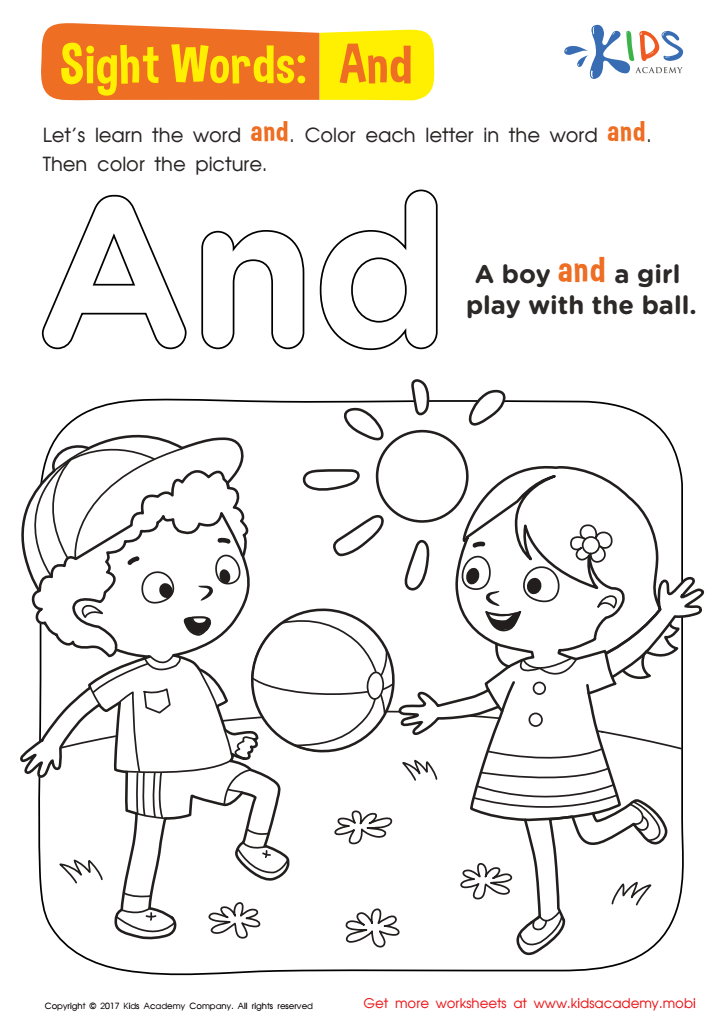
And Worksheet Sight Words Worksheet
 Assign to My Students
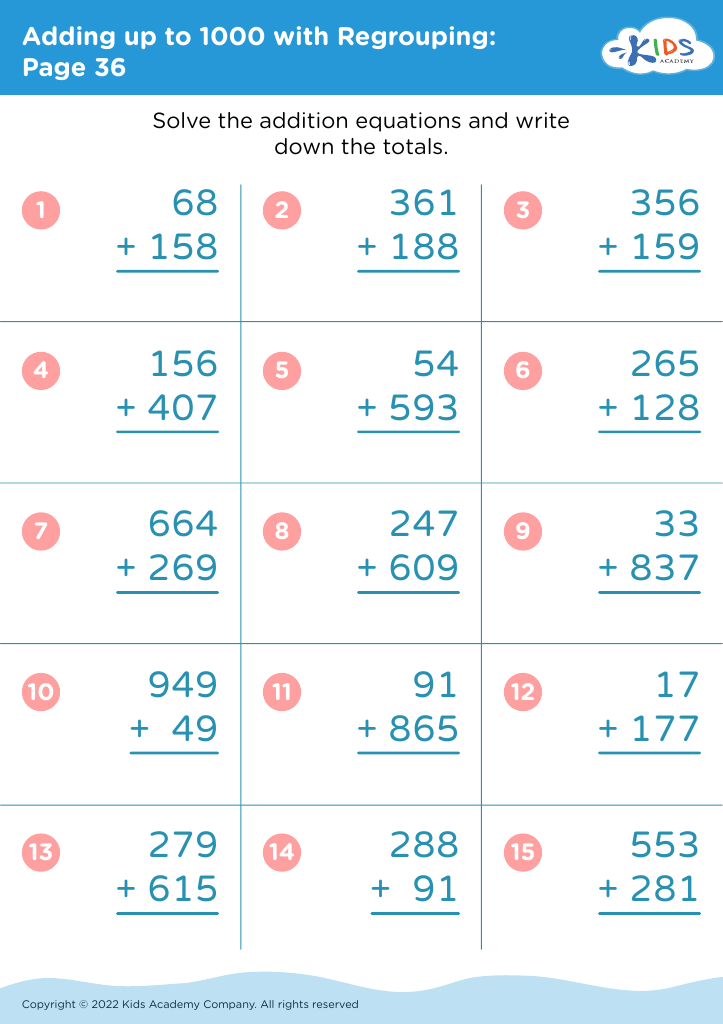
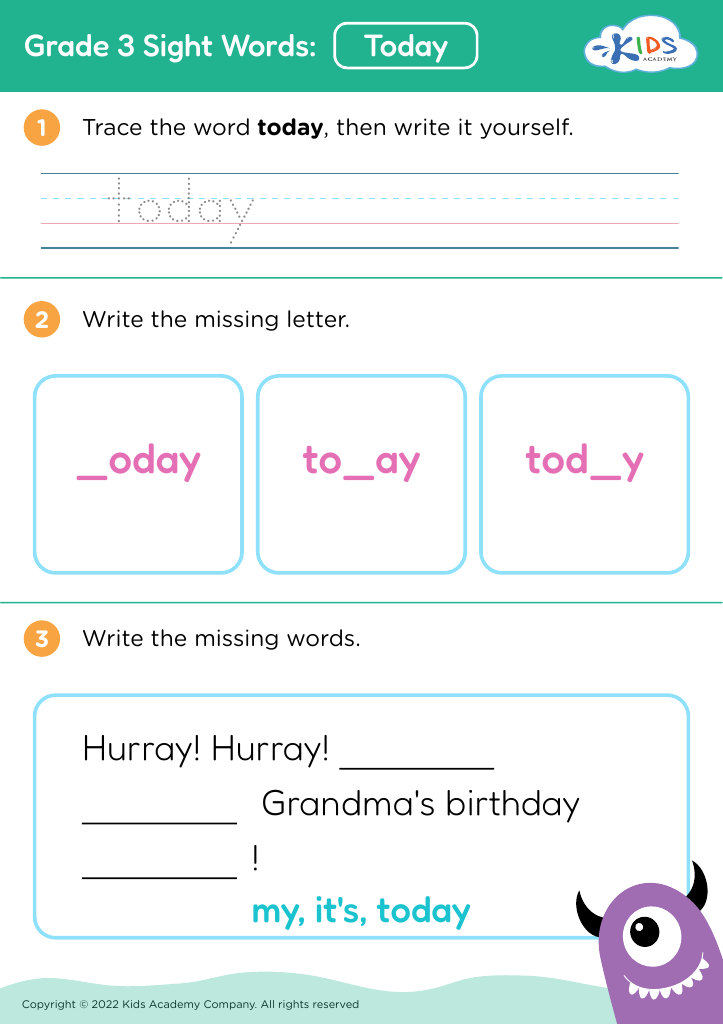







Building vocabulary in children ages 7-9 is crucial for their overall development and academic success. During these formative years, children's language skills accelerate, laying the foundation for effective communication, comprehension, and critical thinking.
Firstly, a strong vocabulary enhances reading comprehension. At this age, children transition from learning to read to reading to learn. A robust vocabulary helps them understand more complex texts, fostering a love for reading and exploration. When children can easily grasp the meanings of words they encounter, they become more confident in their reading abilities.
Secondly, vocabulary enrichment enriches verbal skills. Children with a diverse vocabulary are better equipped to express their thoughts and emotions, which is integral for their social development. Improved communication skills facilitate better interactions with peers and adults, promoting collaboration and empathy.
Furthermore, vocabulary building contributes to academic performance across subjects. A rich vocabulary enables children to engage more deeply with science, math, and social studies concepts as they can articulate their understanding and questions more effectively.
In summary, investing in vocabulary building during ages 7-9 not only fuels literacy and communication skills but also supports emotional and social growth, preparing children for future academic and personal success. Parents and teachers play vital roles in this essential development.








