
Develop analytical thinking Addition & Subtraction Worksheets for Ages 7-9
3 filtered results
Difficulty Level
Grade
Age
-
From - To
Subject
Activity
Standards
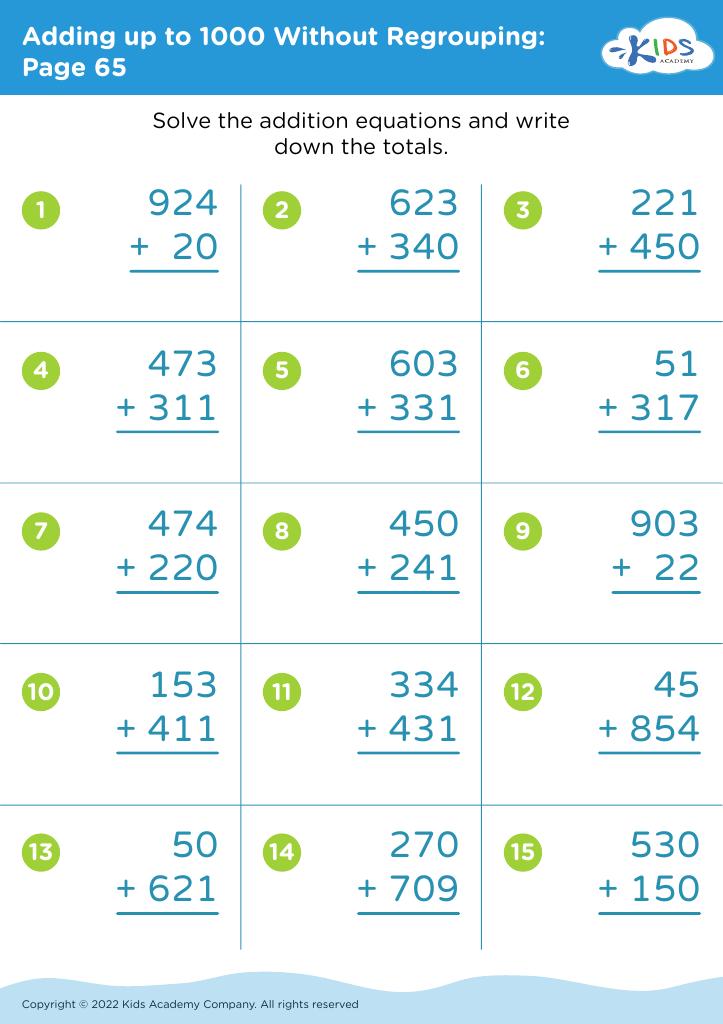
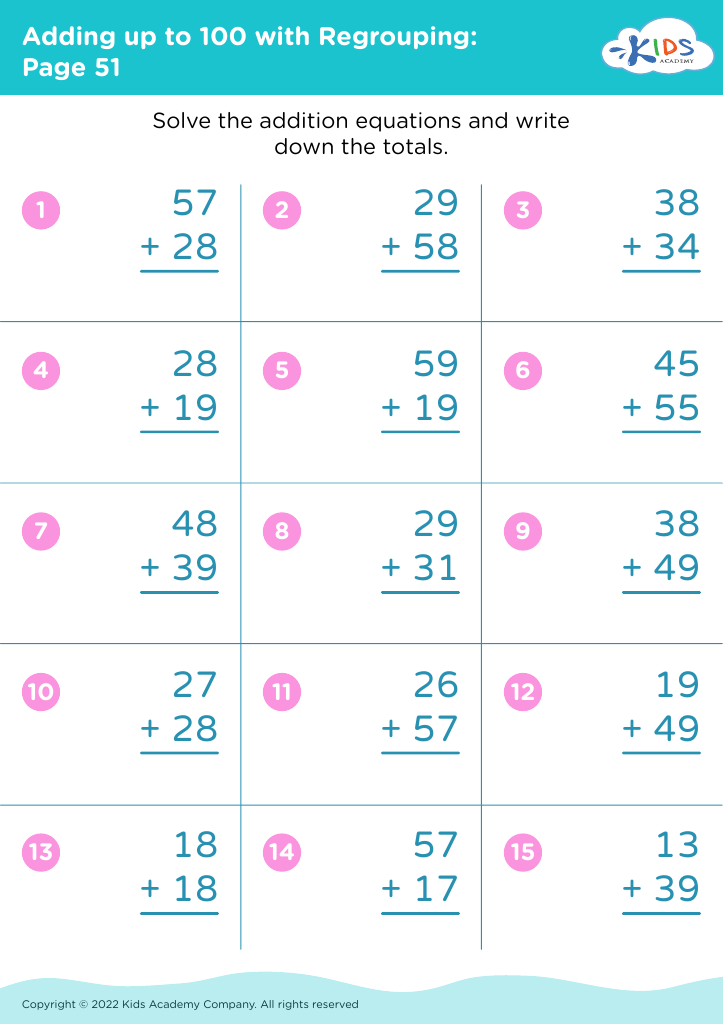
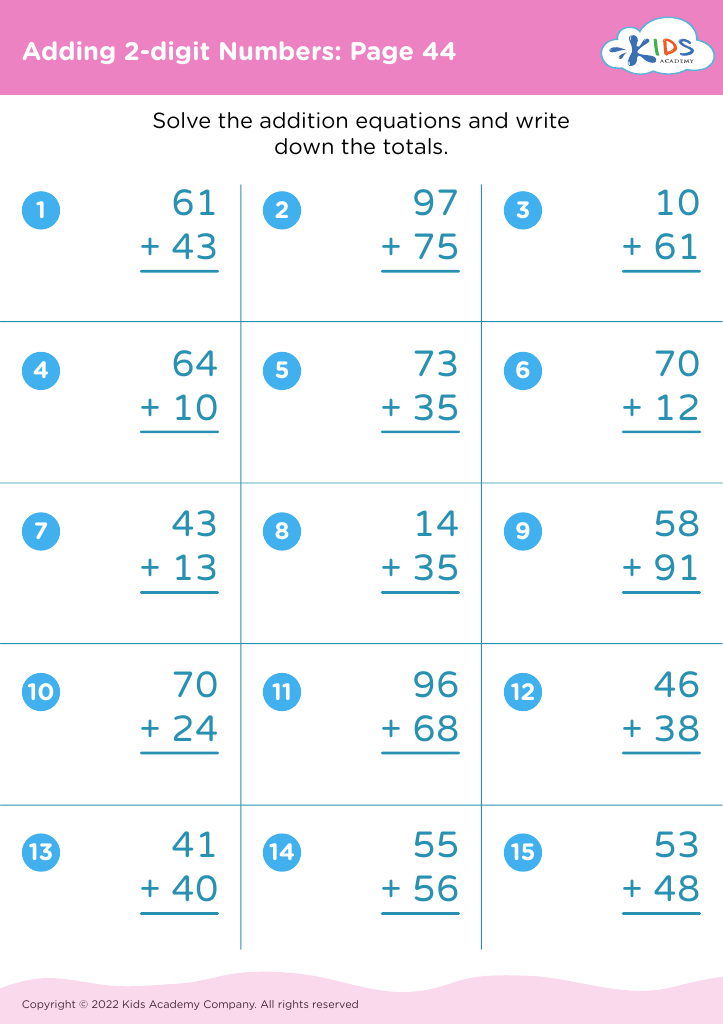
Enhance your child's analytical thinking skills with our engaging Addition and Subtraction Worksheets, designed specifically for ages 7-9. These worksheets not only reinforce essential math concepts but also encourage critical thinking and problem-solving abilities. Packed with fun exercises and interactive activities, aspiring mathematicians will explore various techniques to approach addition and subtraction challenges creatively. Our resources help children develop the confidence to tackle complex problems, fostering a lasting love for mathematics. Discover a wide range of worksheets that support skill mastery, cultivate analytical thinking, and make learning enjoyable. Start your child's math journey today!
Favorites
With answer key
Interactive
Join Kids Academy for Free
Who is primarily going to use this learning content?








Developing analytical thinking skills in addition and subtraction for children aged 7-9 is crucial for several reasons. During these formative years, understanding mathematical concepts lays the groundwork for future learning. Analytical thinking allows children to break down complex problems into manageable parts, fostering critical reasoning and improving problem-solving abilities.
When children grasp how to approach addition and subtraction analytically, they learn to recognize patterns, make connections with real-world scenarios, and apply mathematical concepts beyond rote memorization. This not only enhances their math proficiency but also boosts their confidence at school.
Moreover, strong analytical skills promote independence in learners. They can approach math challenges with a mindset geared towards inquiry and exploration, rather than fearing mistakes. This encourages a growth mindset, which helps children view setbacks as opportunities for learning and improvement.
Involving parents or educators in promoting these skills can create a supportive environment where students are encouraged to think critically and creatively. Ultimately, fostering analytical thinking in addition and subtraction equips children with lifelong skills applicable in everyday life, academic pursuits, and future careers, ensuring they remain engaged, curious, and competent learners in a rapidly evolving world.








