Explore our engaging Fraction Comparison Addition and Subtraction Worksheets, specially designed for children aged 7 to 9. These worksheets help young learners build essential math skills by mastering fraction comparison, addition, and subtraction. Using vibrant illustrations and interactive exercises, students will grasp concepts like finding common denominators and visualizing fractions effectively. Perfect for classroom activities or at-home practice, our worksheets encourage critical thinking and problem-solving. Ideal for reinforcing lessons and enhancing confidence in math, these resources set the stage for a strong mathematical foundation. Dive into our collection and watch your child excel in understanding fractions today!
Check out this FREE Trial Lesson on Addition & Subtraction for age 7-9!

T

Favorites
With answer key
Interactive
  • 7-9
  • Fraction comparison
  • Addition & Subtraction
Adding up to 100 with Regrouping: Page 9
Worksheet
Adding up to 1000 Without Regrouping: Page 36
Worksheet
Adding up to 1000: Page 17

Adding up to 1000: Page 17

Adding up to 1000: Page 17
Worksheet
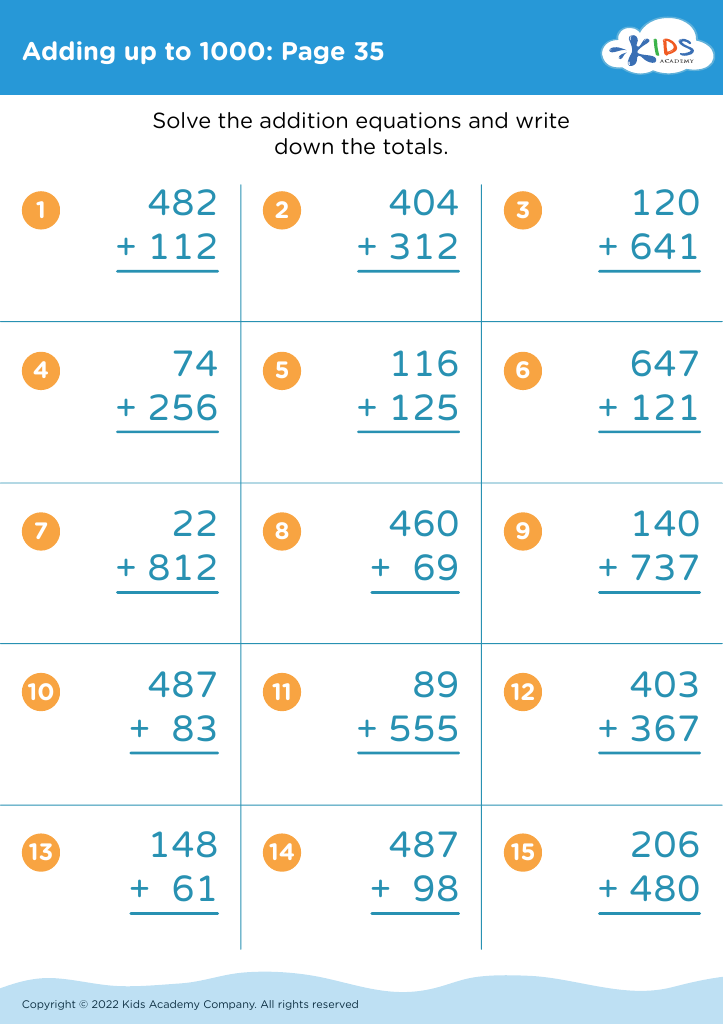
Adding up to 1000: Page 35

Adding up to 1000: Page 35

Adding up to 1000: Page 35
Worksheet
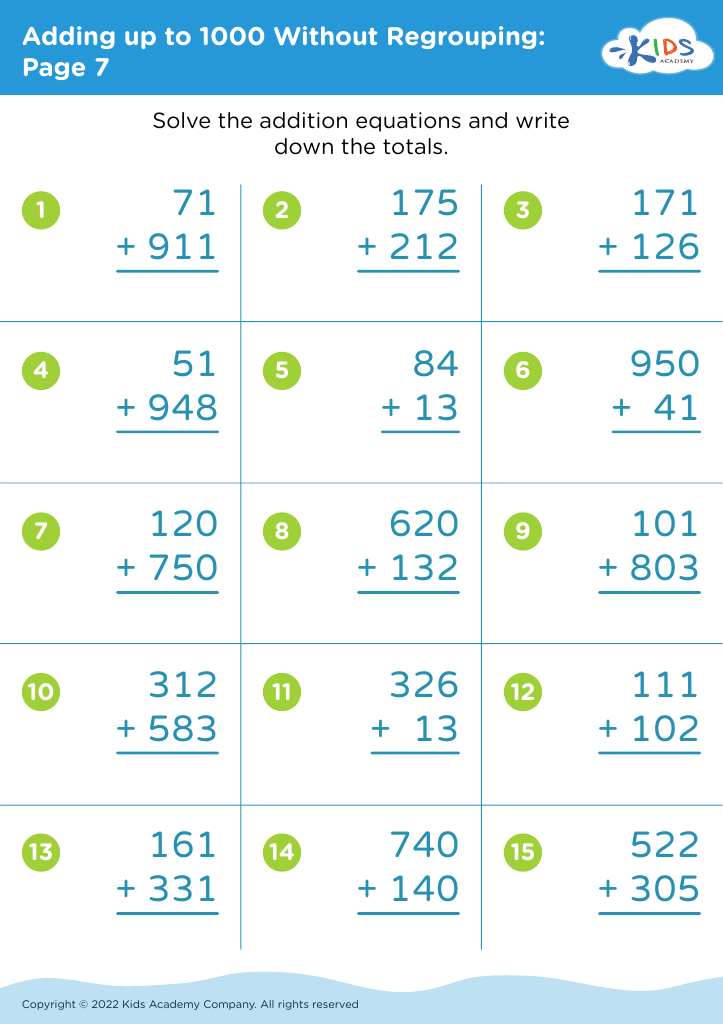
Adding up to 1000 Without Regrouping: Page 7
Worksheet
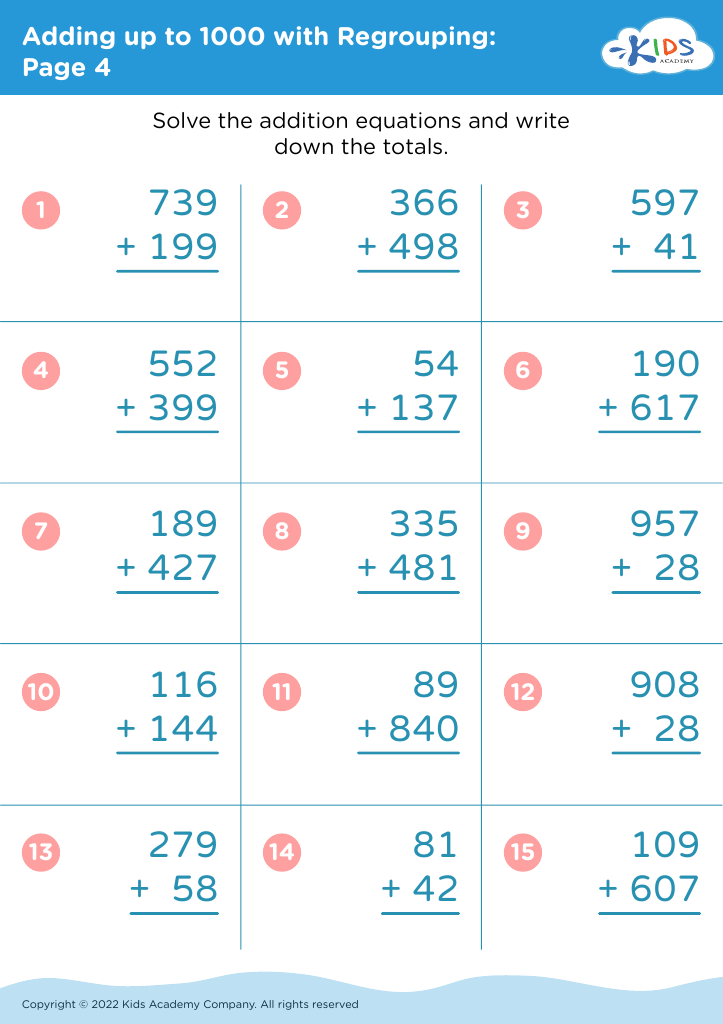
Adding up to 1000 with Regrouping: Page 4
Worksheet
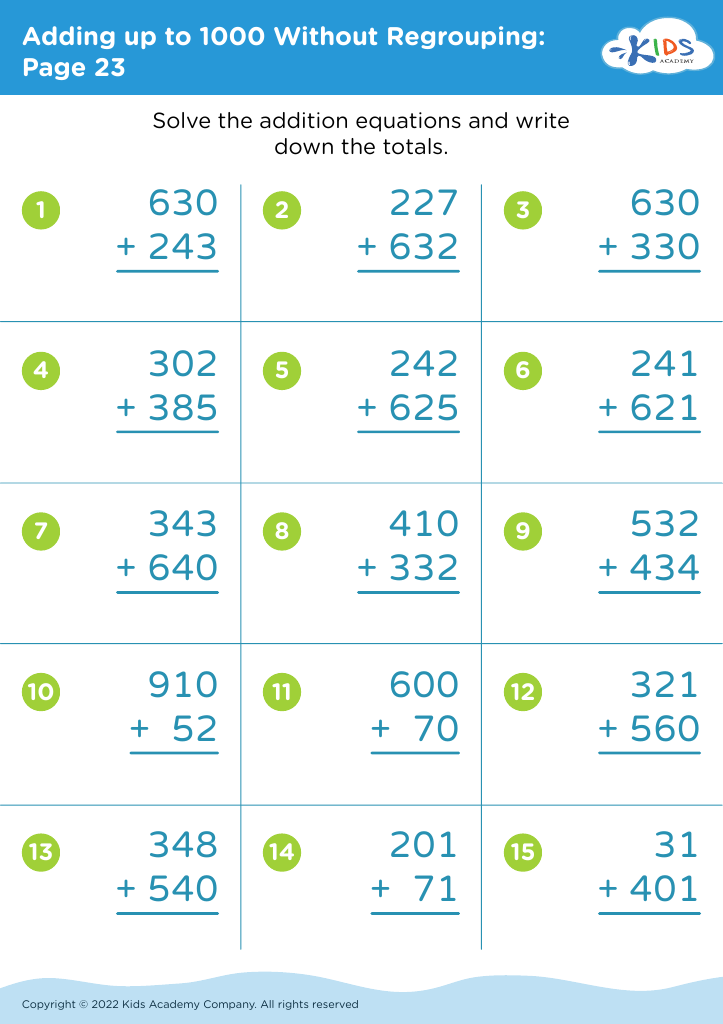
Adding up to 1000 Without Regrouping: Page 23
Worksheet
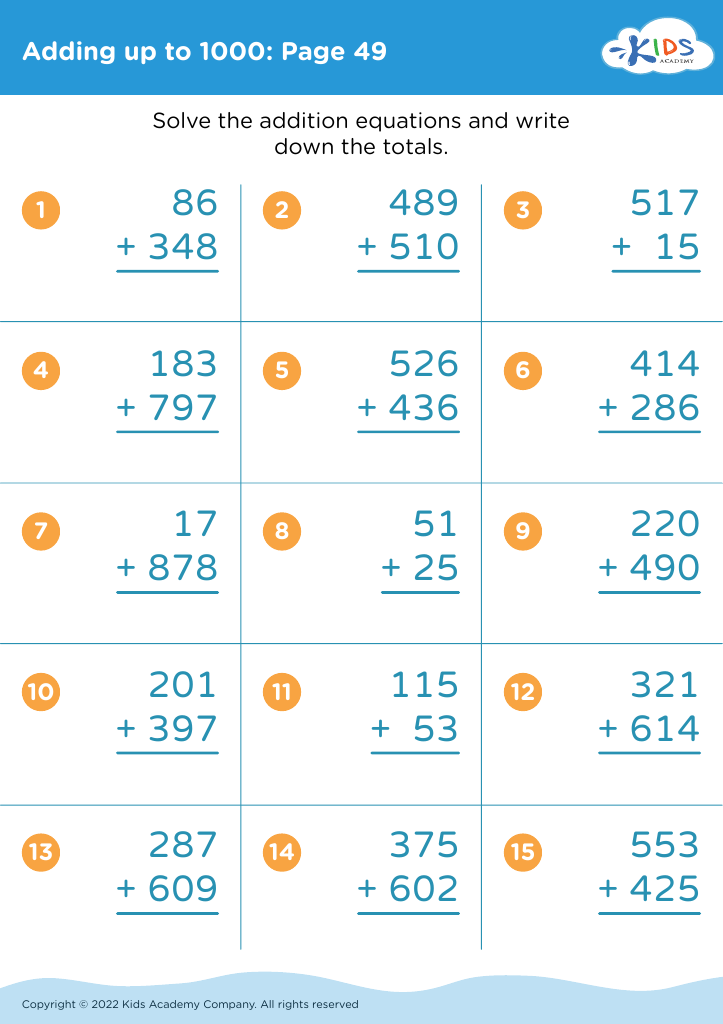
Adding up to 1000: Page 49

Adding up to 1000: Page 49

Adding up to 1000: Page 49
Worksheet
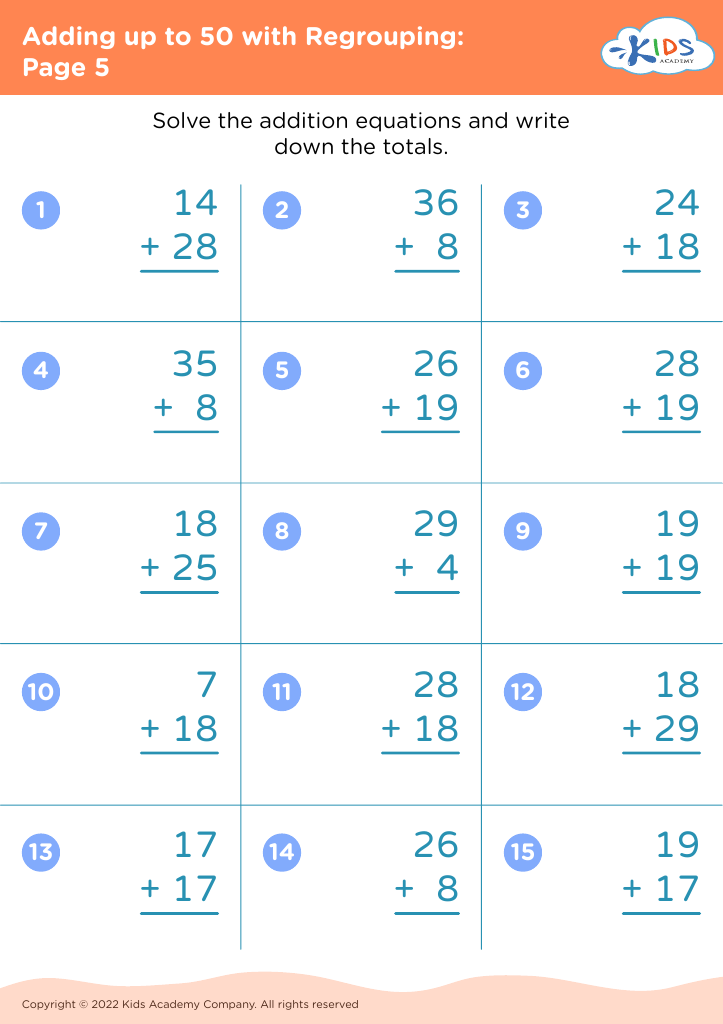
Adding up to 50 with Regrouping: Page 5
Worksheet
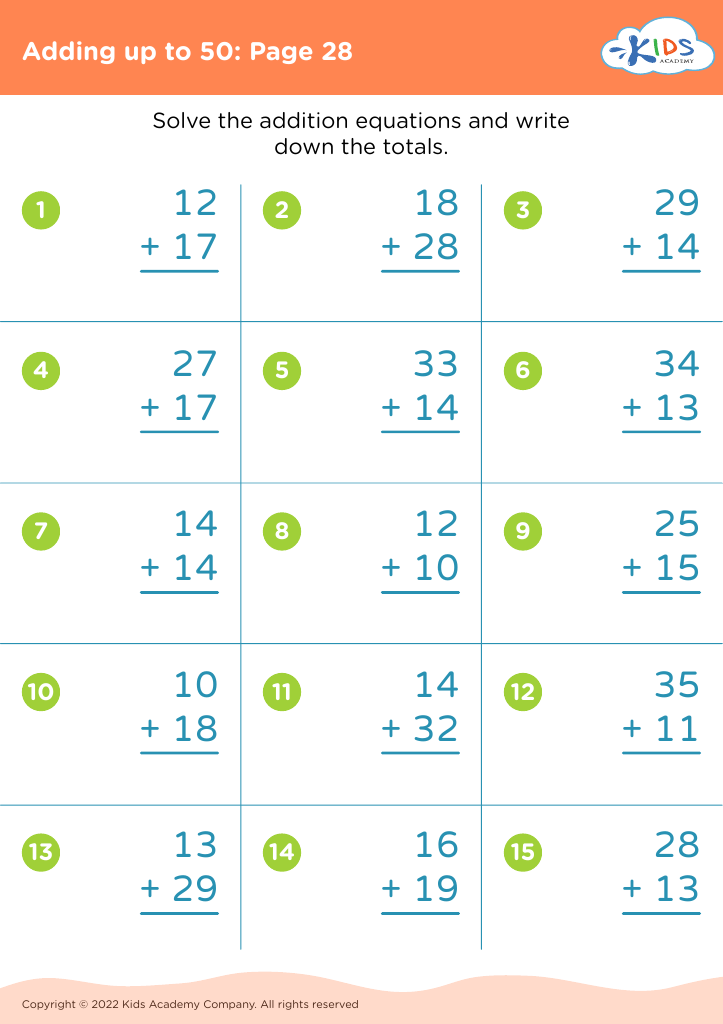
Adding up to 50: Page 28

Adding up to 50: Page 28

Adding up to 50: Page 28
Worksheet
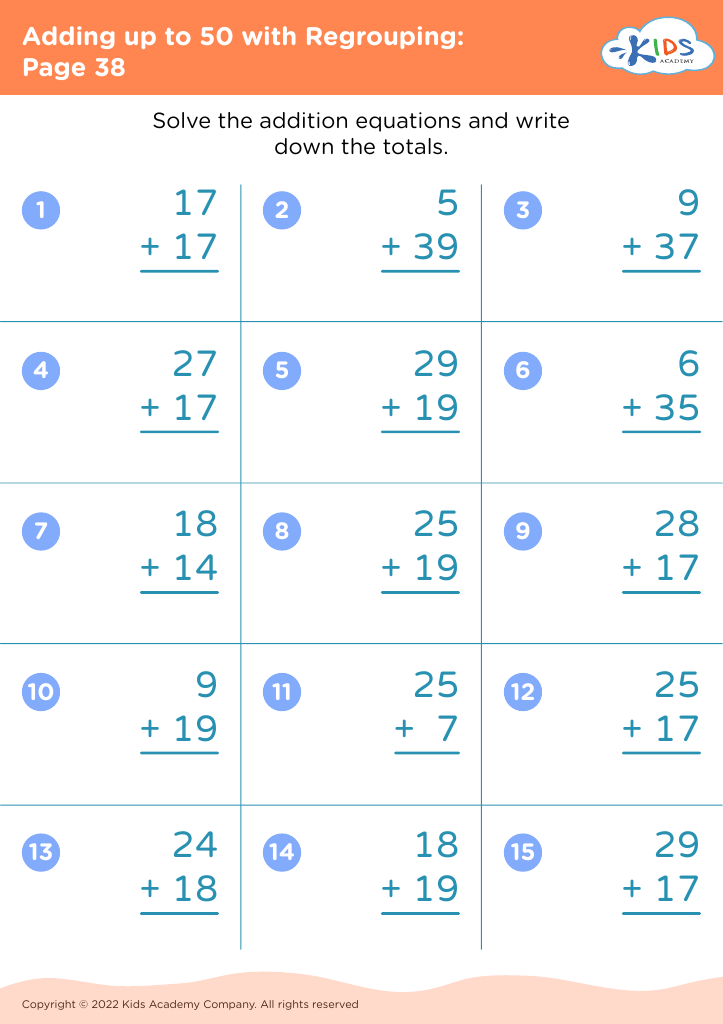
Adding up to 50 with Regrouping: Page 38
Worksheet
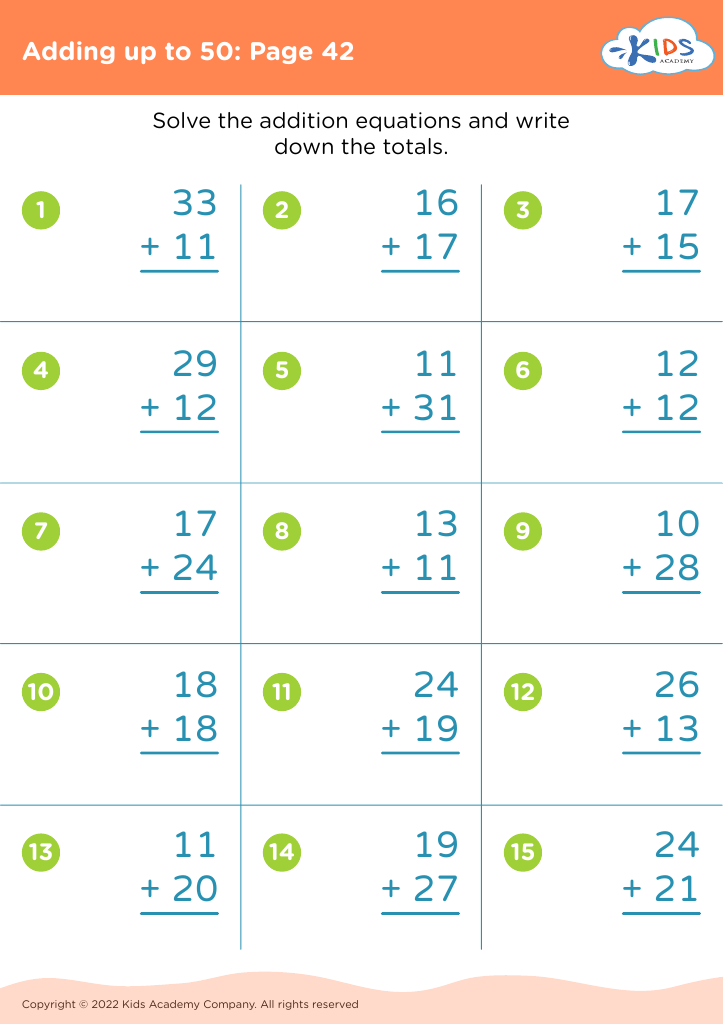
Adding up to 50: Page 42

Adding up to 50: Page 42

Adding up to 50: Page 42
Worksheet
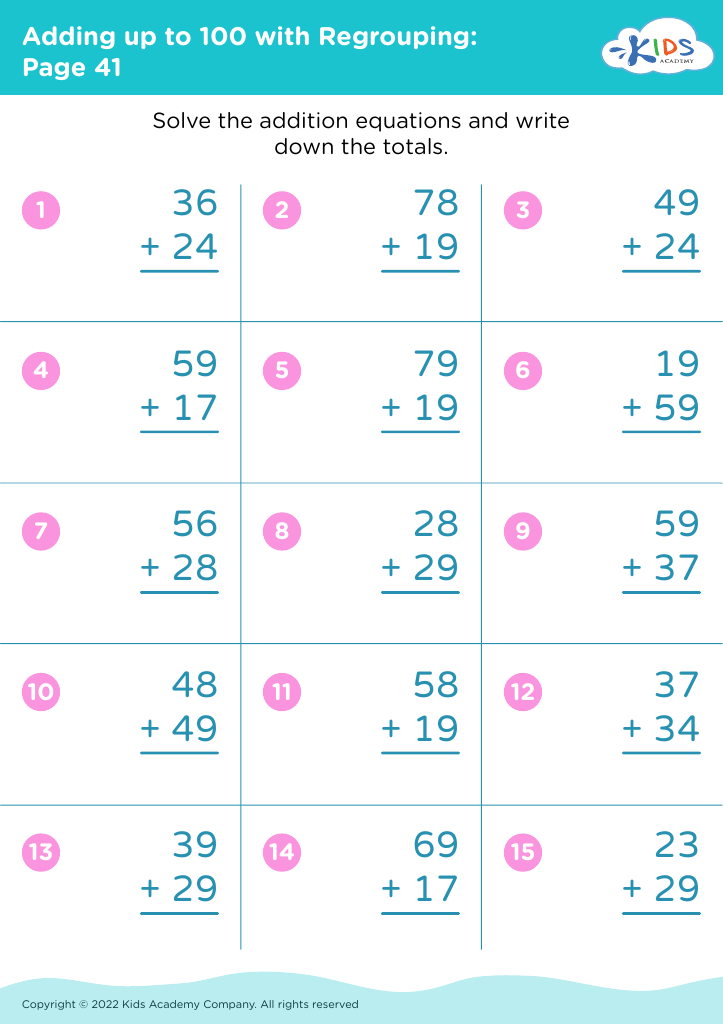
Adding up to 100 with Regrouping: Page 41
Worksheet
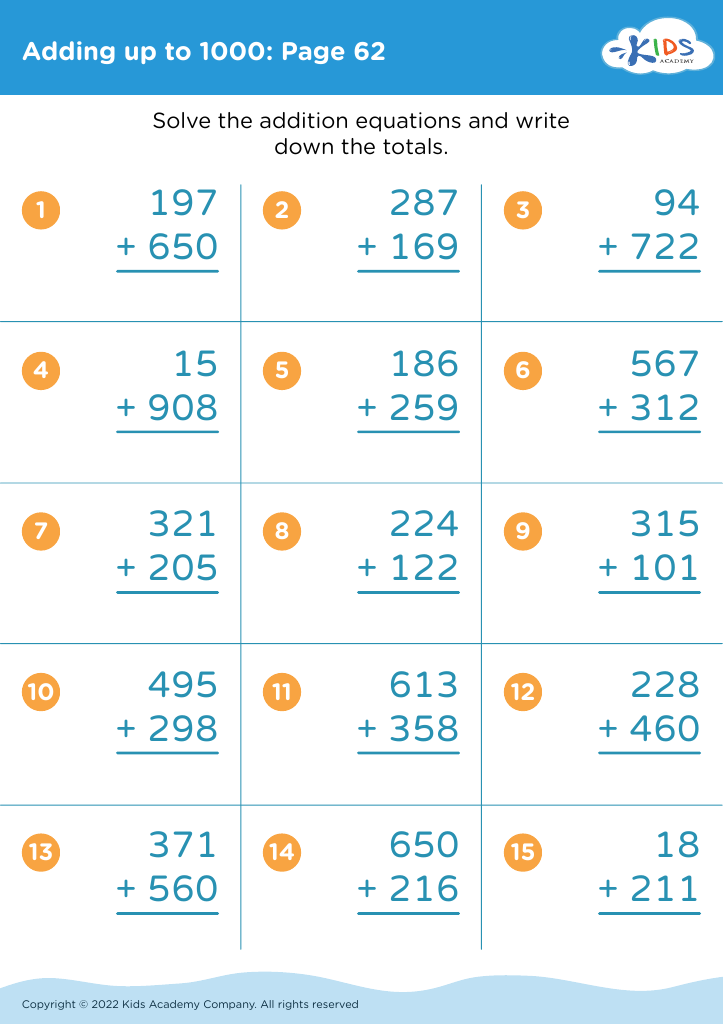
Adding up to 1000: Page 62

Adding up to 1000: Page 62

Adding up to 1000: Page 62
Worksheet
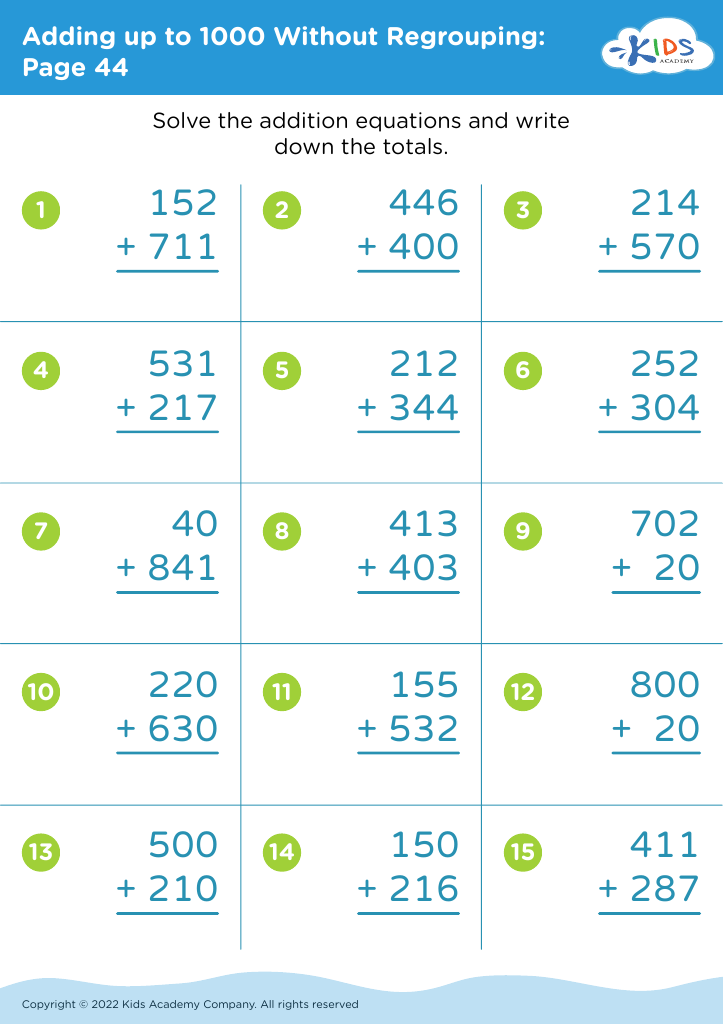
Adding up to 1000 Without Regrouping: Page 44
Worksheet
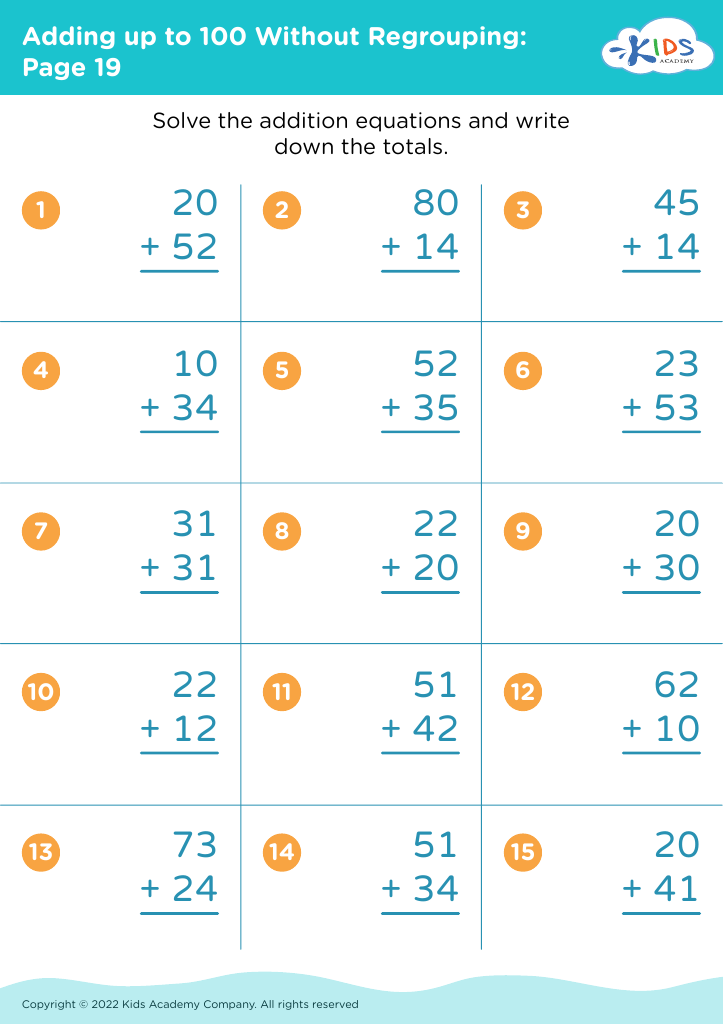
Adding up to 100 Without Regrouping: Page 19
Worksheet
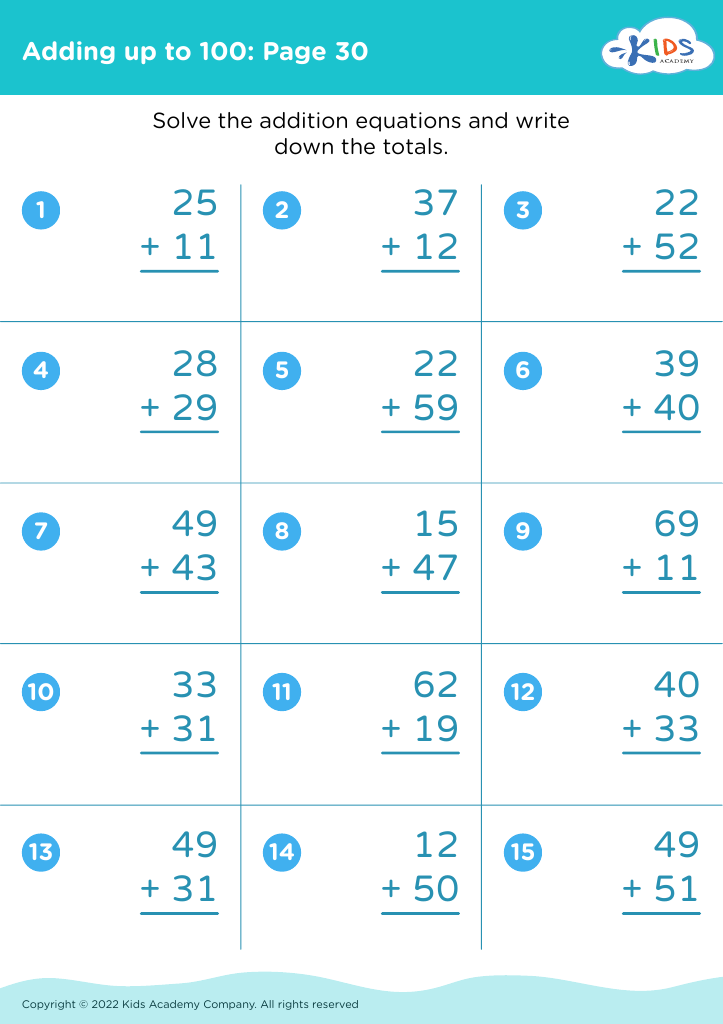
Adding up to 100: Page 30

Adding up to 100: Page 30

Adding up to 100: Page 30
Worksheet
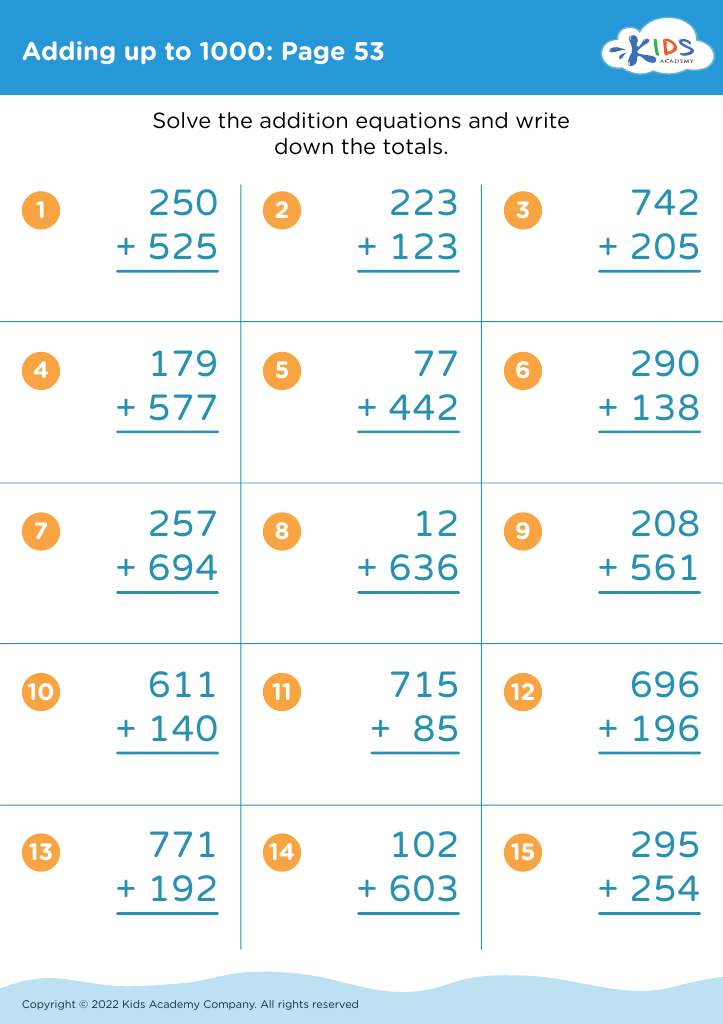
Adding up to 1000: Page 53

Adding up to 1000: Page 53

Adding up to 1000: Page 53
Worksheet
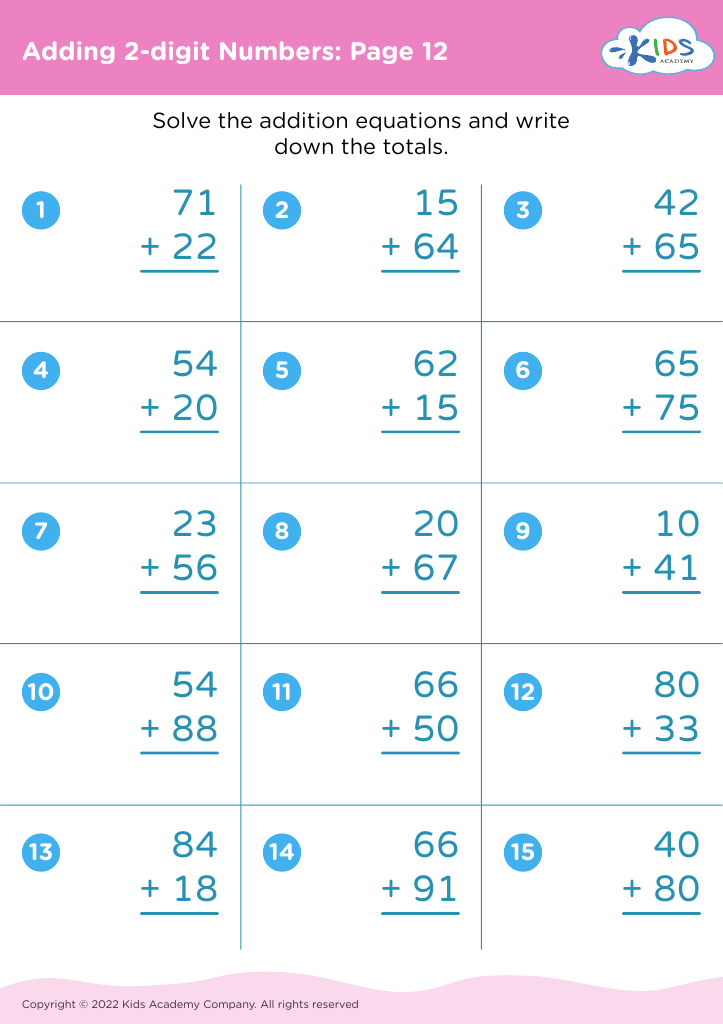
Adding 2-digit Numbers: Page 12

Adding 2-digit Numbers: Page 12

Adding 2-digit Numbers: Page 12
Worksheet
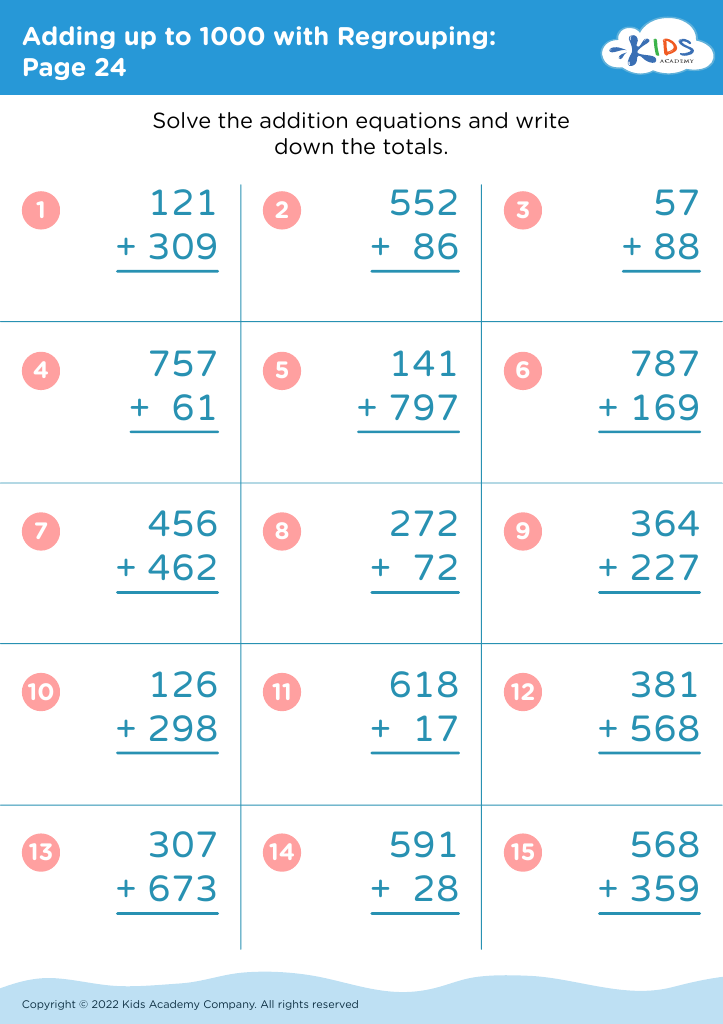
Adding up to 1000 with Regrouping: Page 24
Worksheet
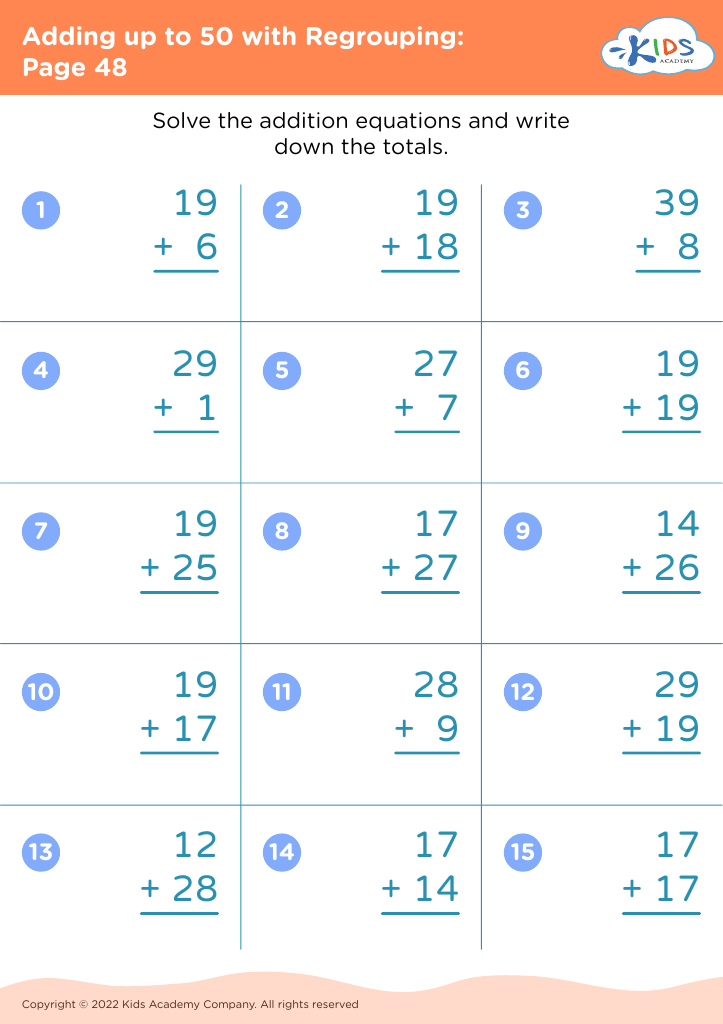
Adding up to 50 with Regrouping: Page 48
Worksheet
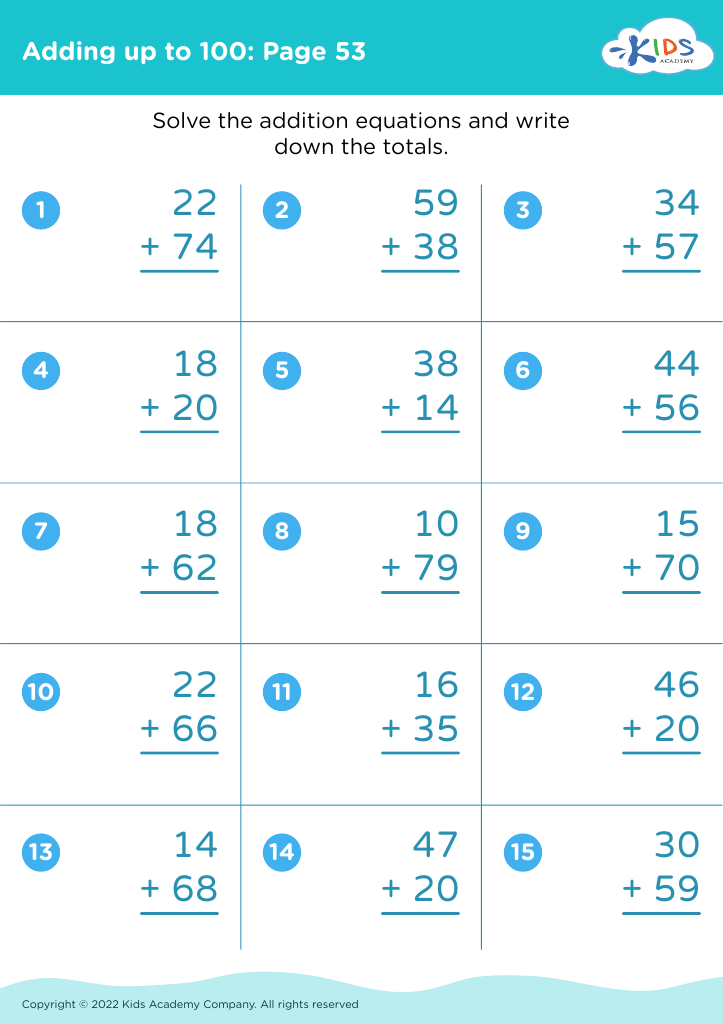
Adding up to 100: Page 53

Adding up to 100: Page 53

Adding up to 100: Page 53
Worksheet
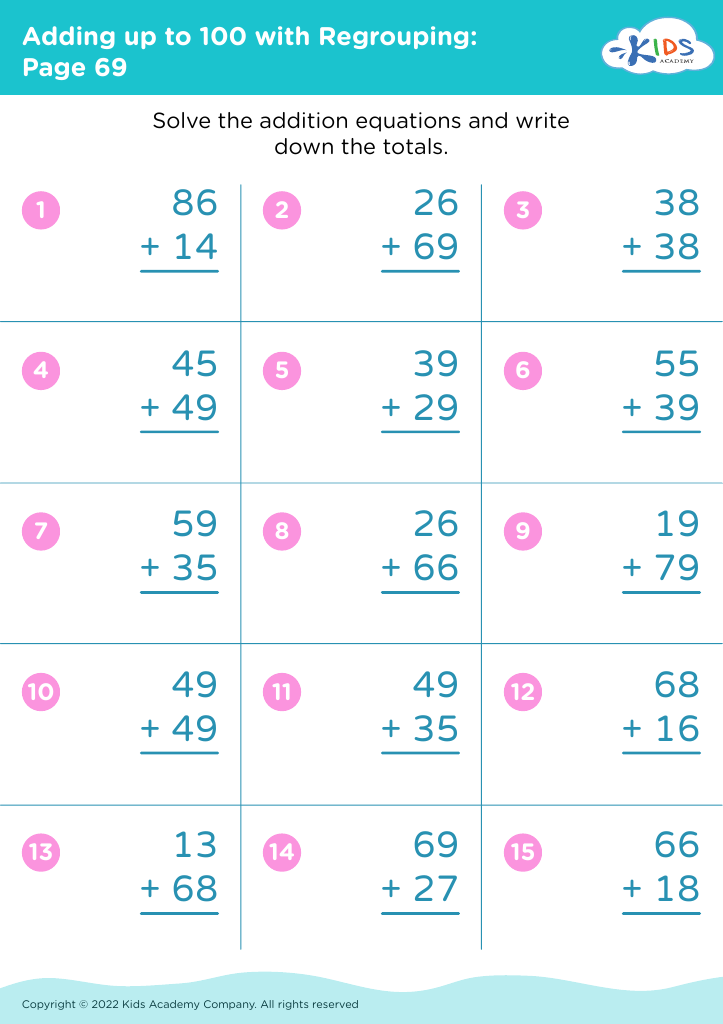
Adding up to 100 with Regrouping: Page 69
Worksheet
Adding 2-digit Numbers: Page 57

Adding 2-digit Numbers: Page 57

Adding 2-digit Numbers: Page 57
Worksheet


Teaching children about fraction comparison, addition, and subtraction is essential for their mathematical development, especially for ages 7 to 9. This foundational knowledge not only helps in understanding more complex mathematical concepts later but also reinforces critical thinking skills. Practical applications of fractions, such as cooking (measuring ingredients) or sharing (dividing a pizza), make these concepts relatable and engaging, promoting an enjoyable learning experience.

Understanding how to compare, add, and subtract fractions aids children in making sense of numbers and enhances their problem-solving abilities. As they learn to find common denominators and understand numerators, they develop greater numerical fluency. These skills are essential for fostering confidence in their math abilities, which can translate into improved academic performance in other subjects.

For parents and teachers, fostering a strong grasp of fractions provides children with tools to navigate daily situations and engage in enjoyable mathematical tasks. Moreover, instilling a positive attitude towards math during these formative years can counteract the common fear many students have of the subject. Emphasizing this area of learning lays the groundwork for critical mathematics skills needed in higher education and real-life situations. Encouraging and supporting children in mastering these concepts is crucial for their overall academic success.