Check out this FREE Trial Lesson on Addition & Subtraction for age 7-9!

Match Exactly the Same

Favorites
With answer key
Interactive
  • 7-9
  • Fraction simplification
  • Addition & Subtraction
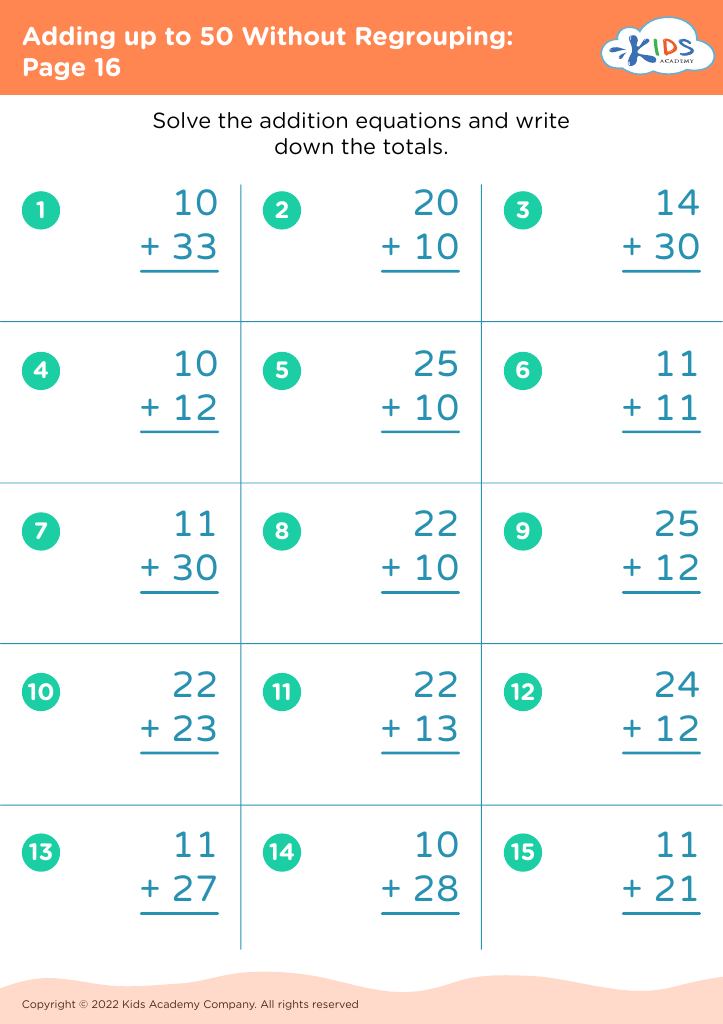
Adding up to 50 Without Regrouping: Page 16
Worksheet
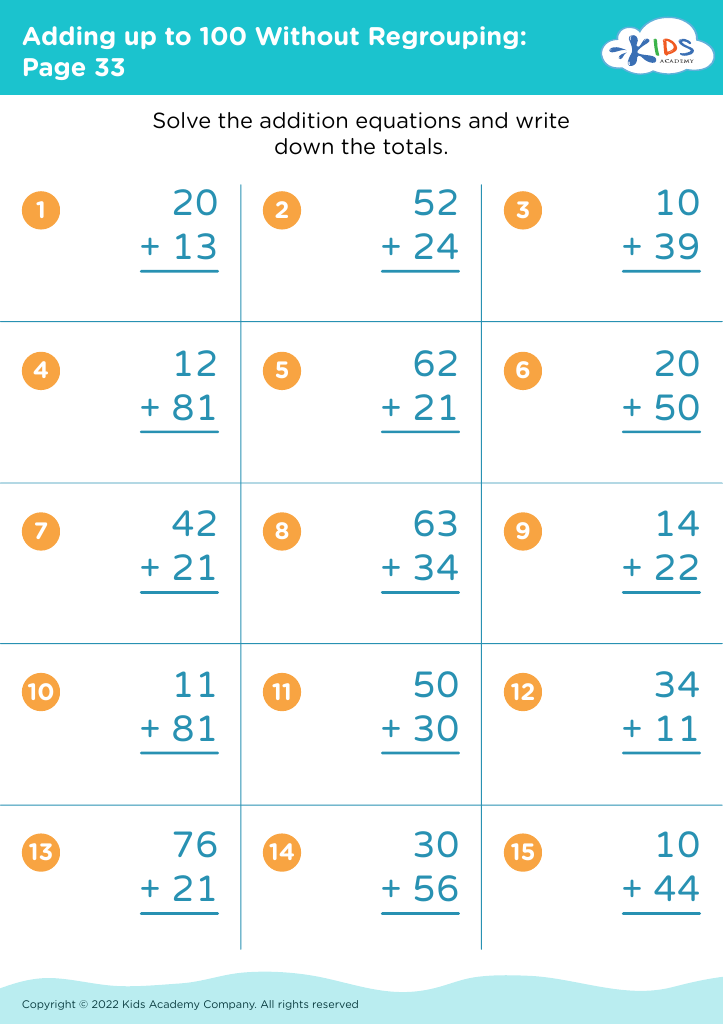
Adding up to 100 Without Regrouping: Page 33
Worksheet
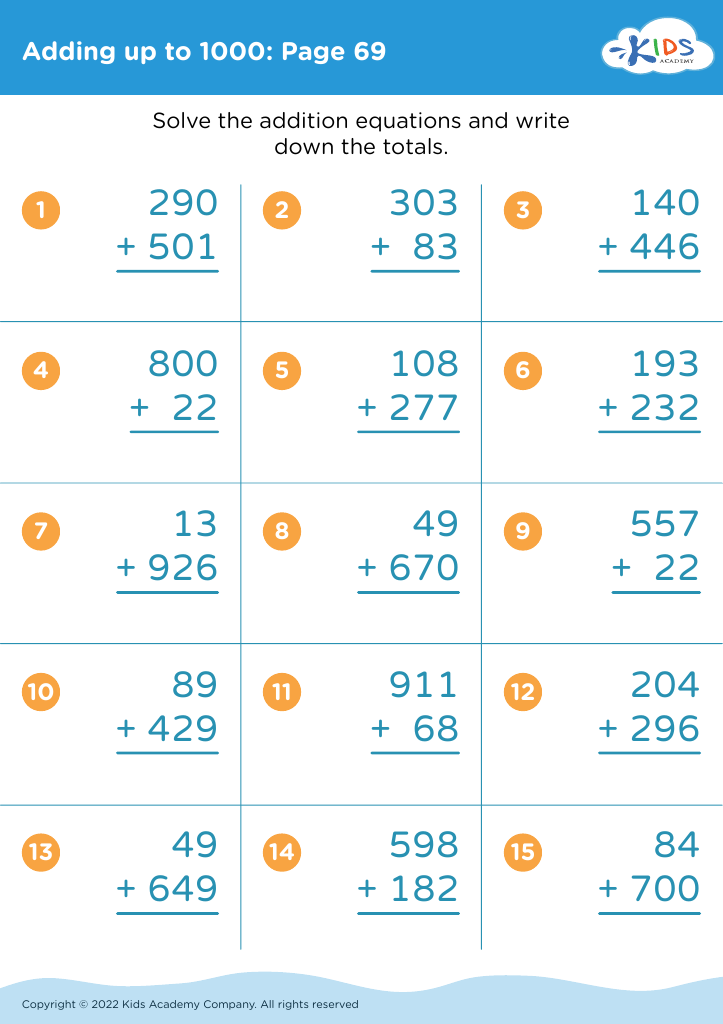
Adding up to 1000: Page 69

Adding up to 1000: Page 69

Adding up to 1000: Page 69
Worksheet
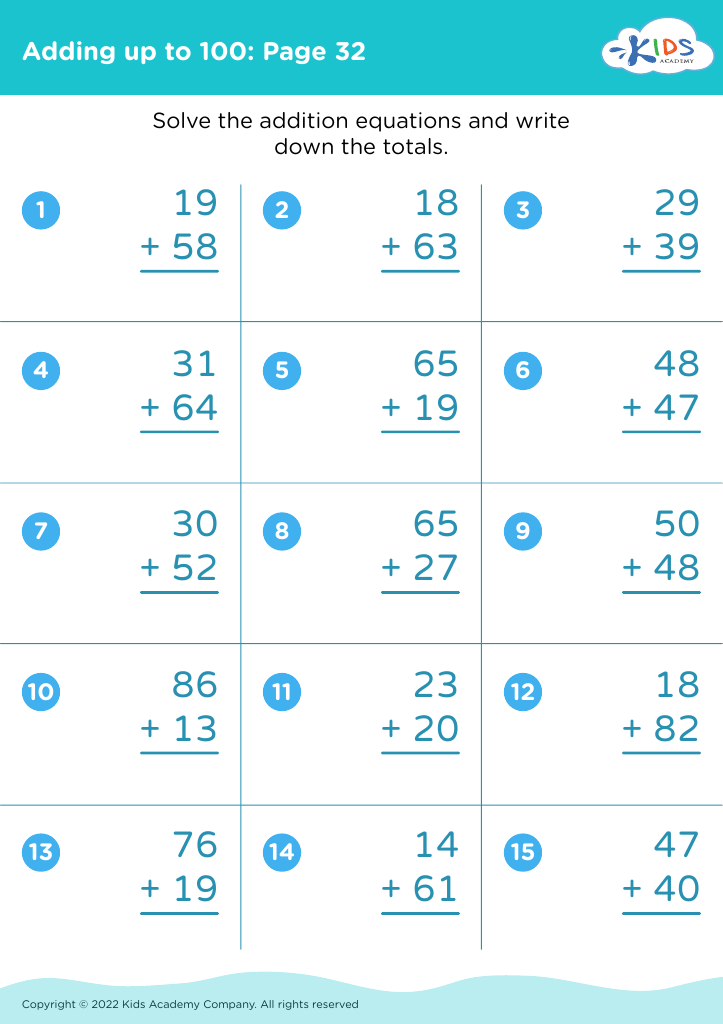
Adding up to 100: Page 32

Adding up to 100: Page 32

Adding up to 100: Page 32
Worksheet
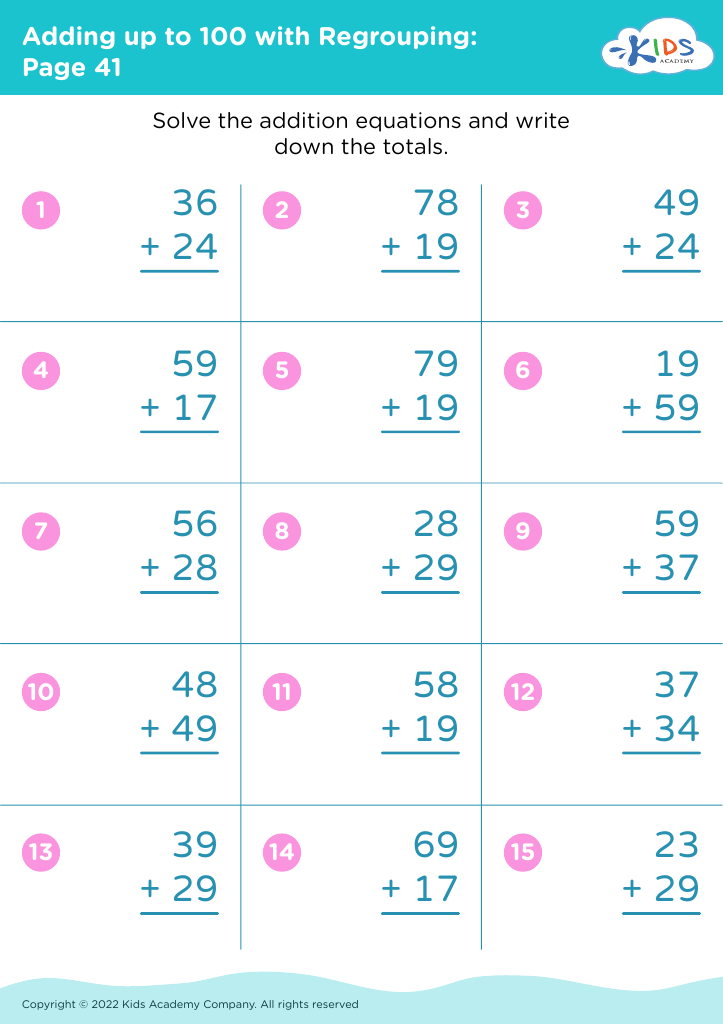
Adding up to 100 with Regrouping: Page 41
Worksheet
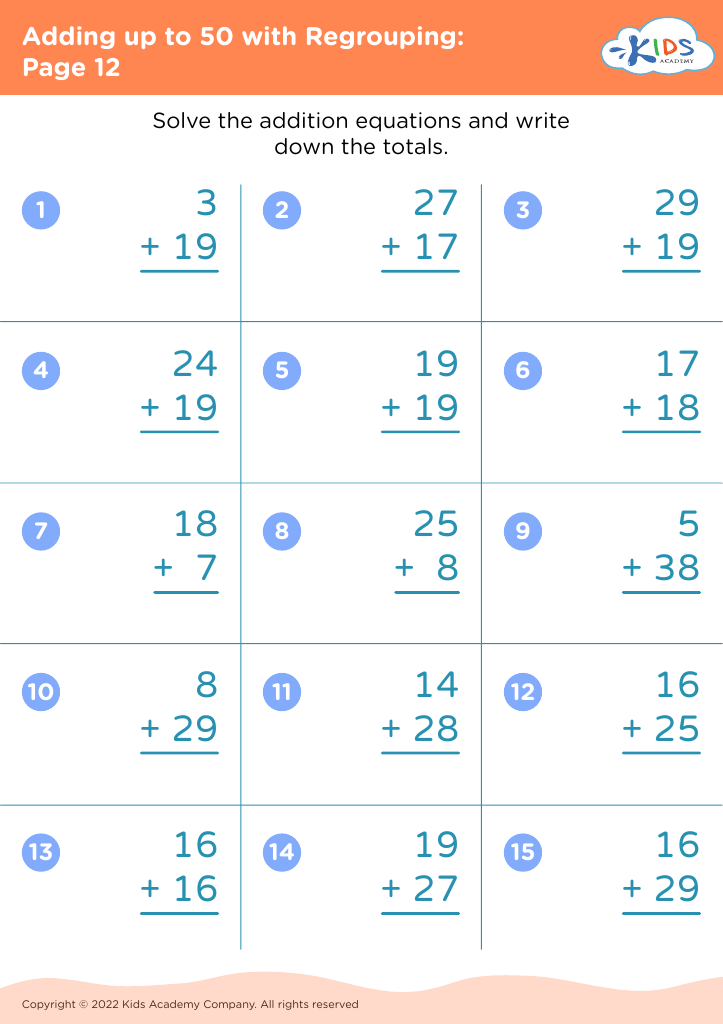
Adding up to 50 with Regrouping: Page 12
Worksheet
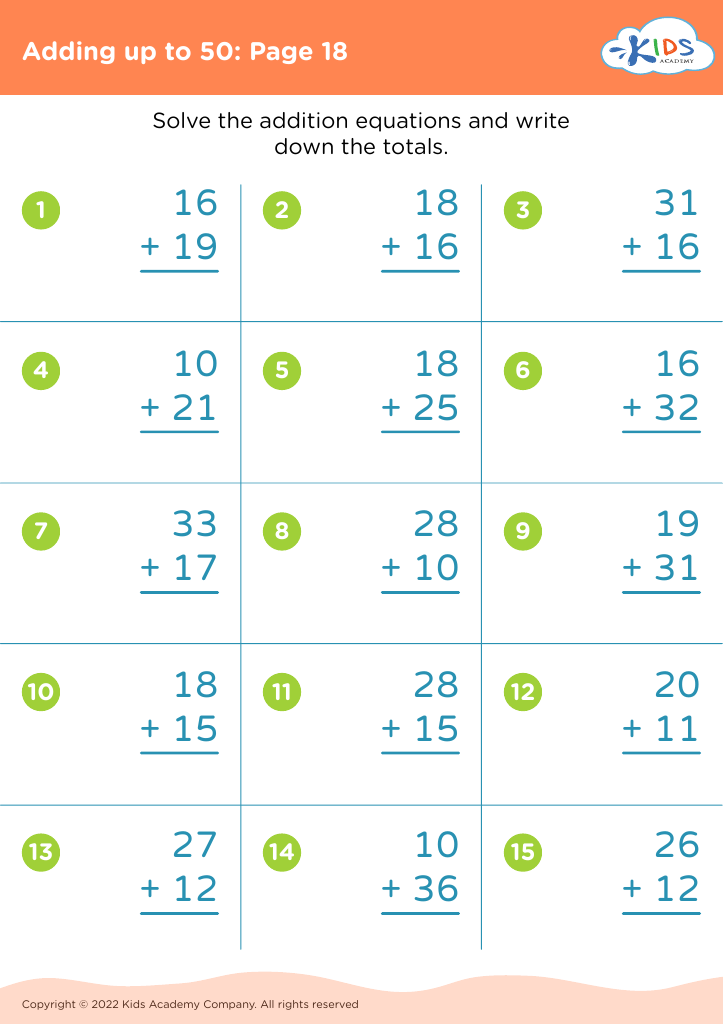
Adding up to 50: Page 18

Adding up to 50: Page 18

Adding up to 50: Page 18
Worksheet
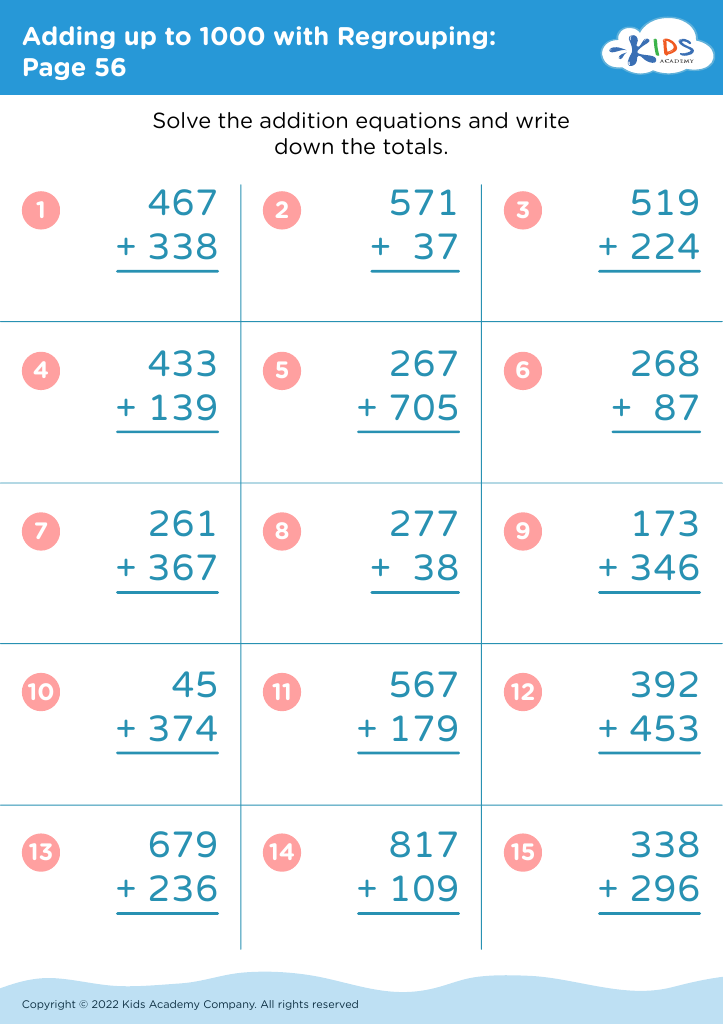
Adding up to 1000 with Regrouping: Page 56
Worksheet
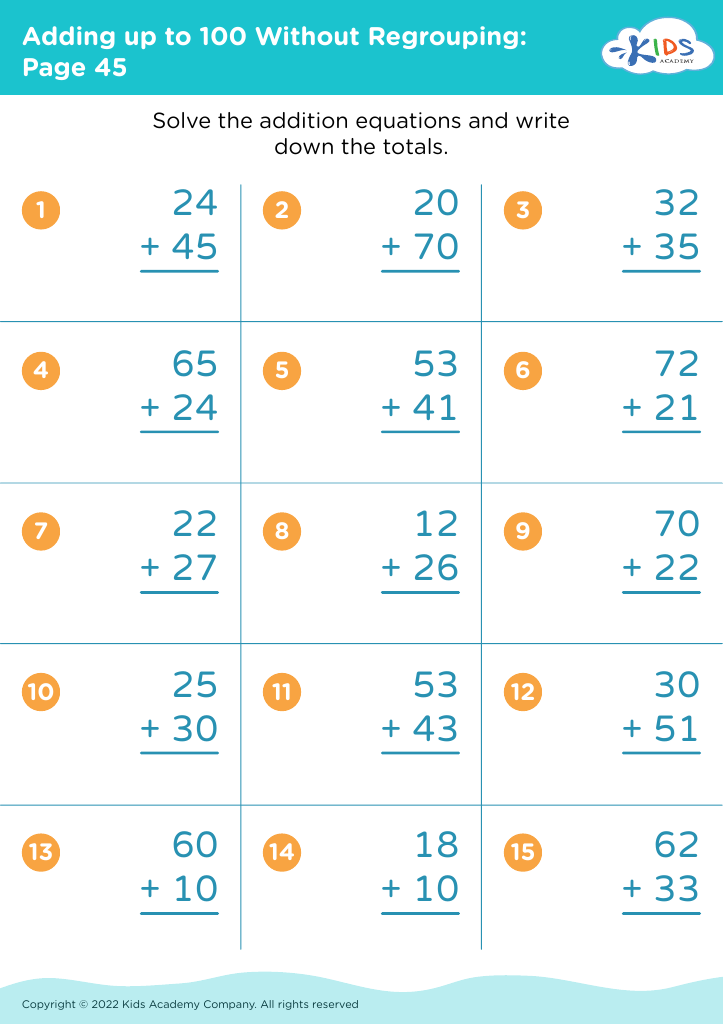
Adding up to 100 Without Regrouping: Page 45
Worksheet
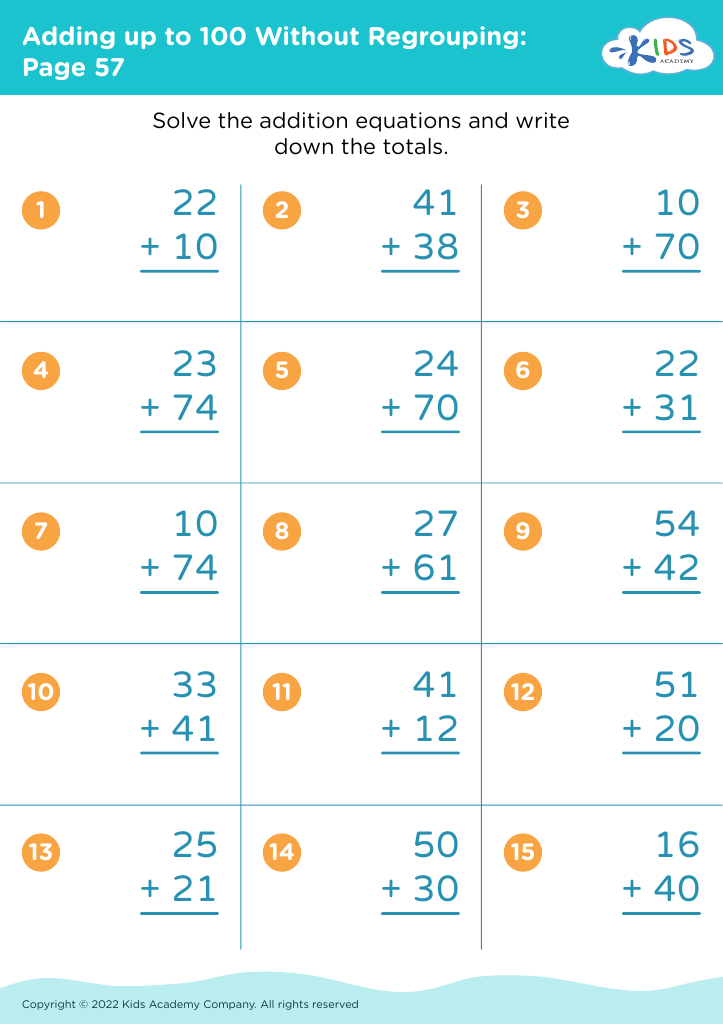
Adding up to 100 Without Regrouping: Page 57
Worksheet
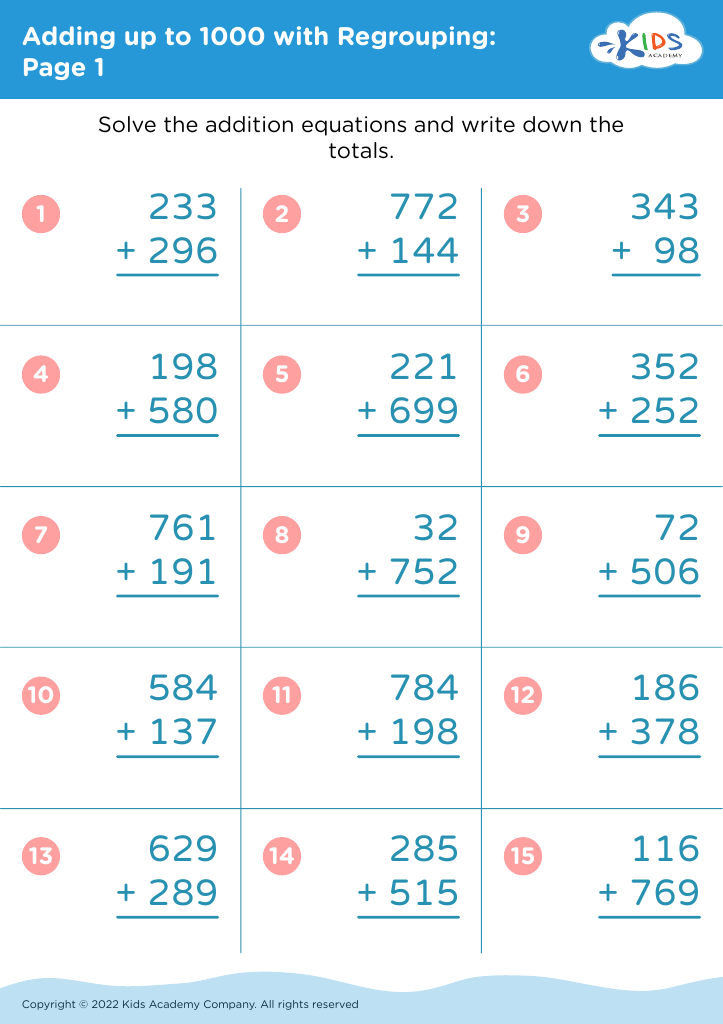
Adding up to 1000 with Regrouping: Page 1
Worksheet
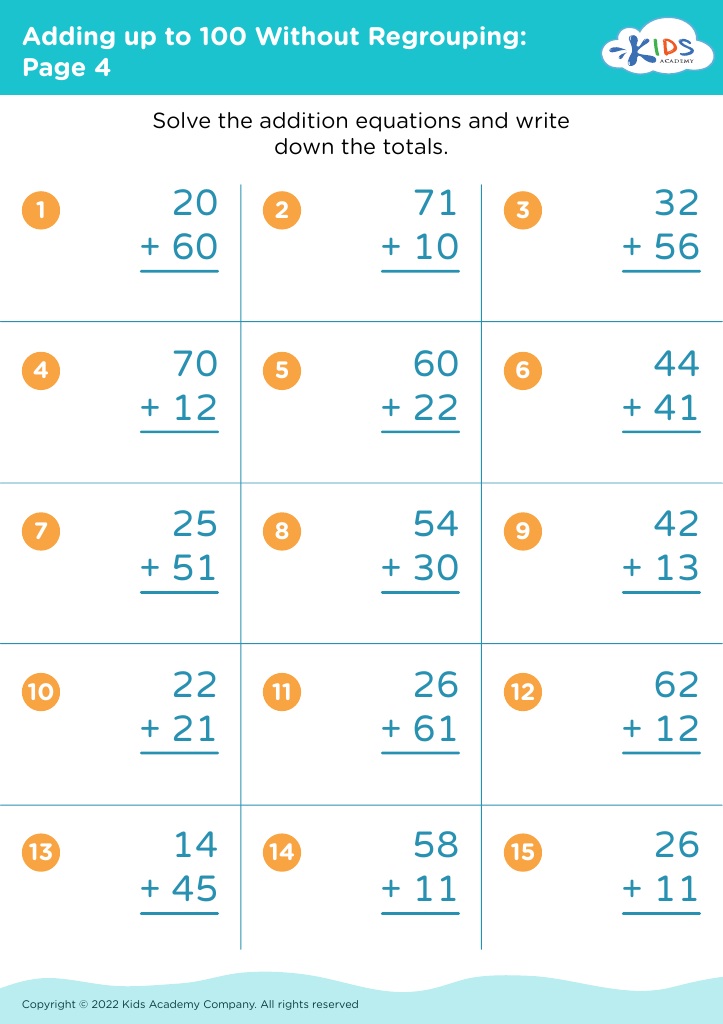
Adding up to 100 Without Regrouping: Page 4
Worksheet
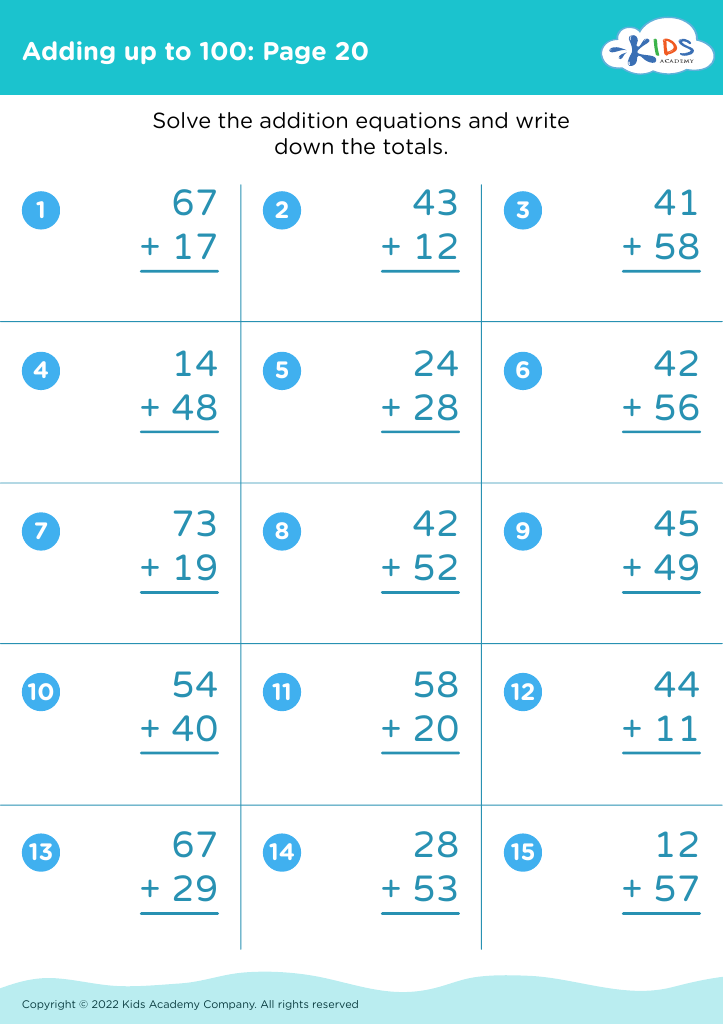
Adding up to 100: Page 20

Adding up to 100: Page 20

Adding up to 100: Page 20
Worksheet
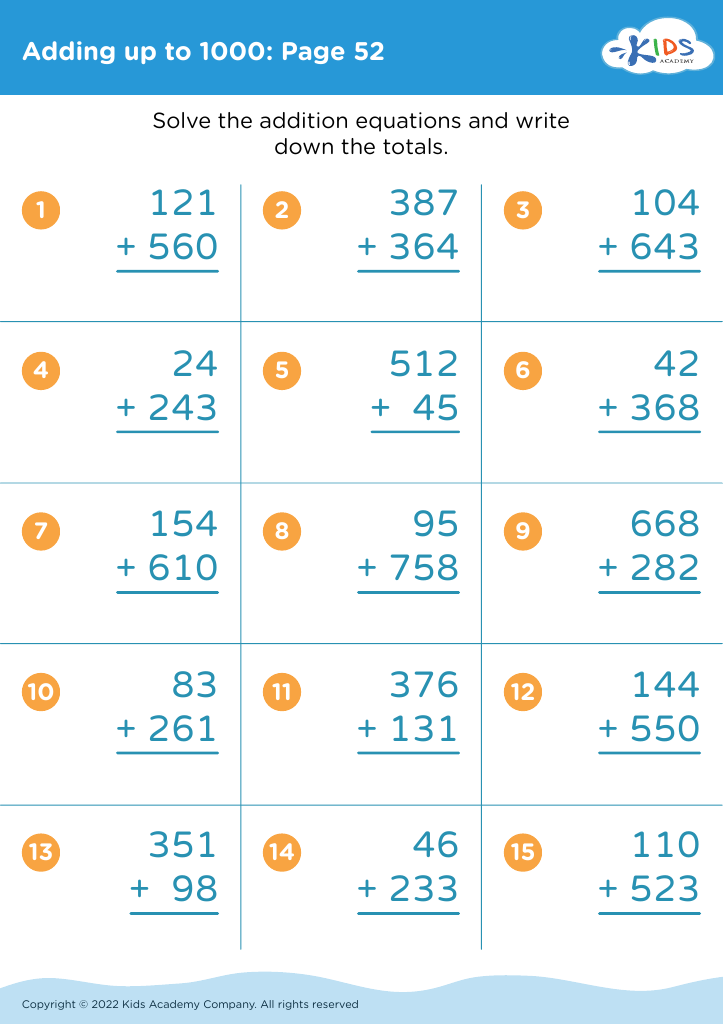
Adding up to 1000: Page 52

Adding up to 1000: Page 52

Adding up to 1000: Page 52
Worksheet
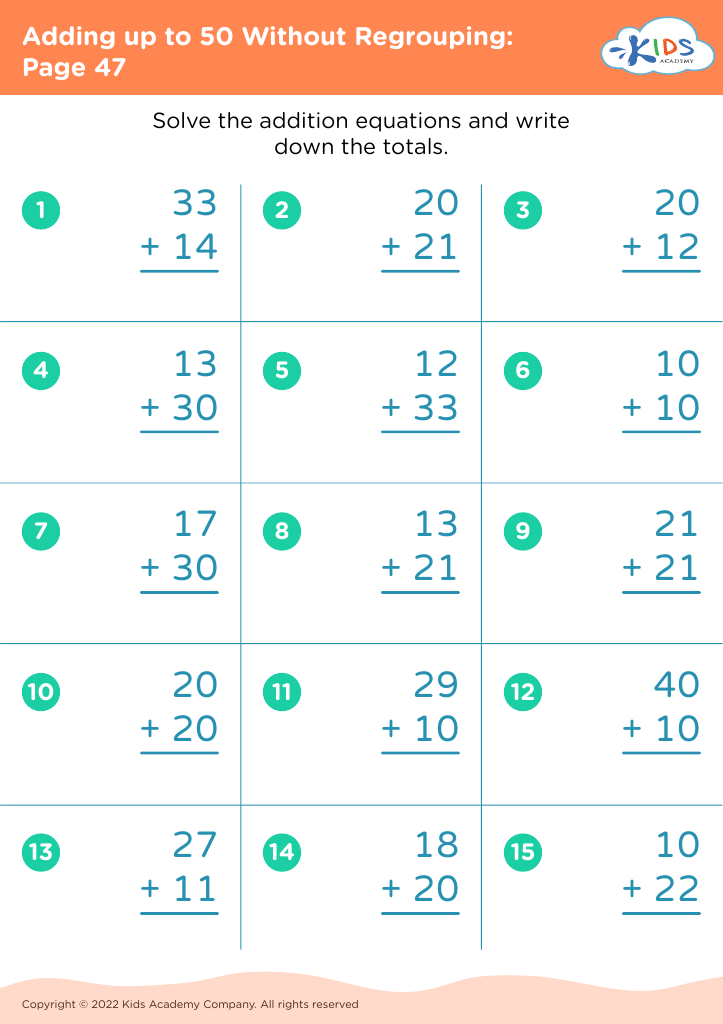
Adding up to 50 Without Regrouping: Page 47
Worksheet
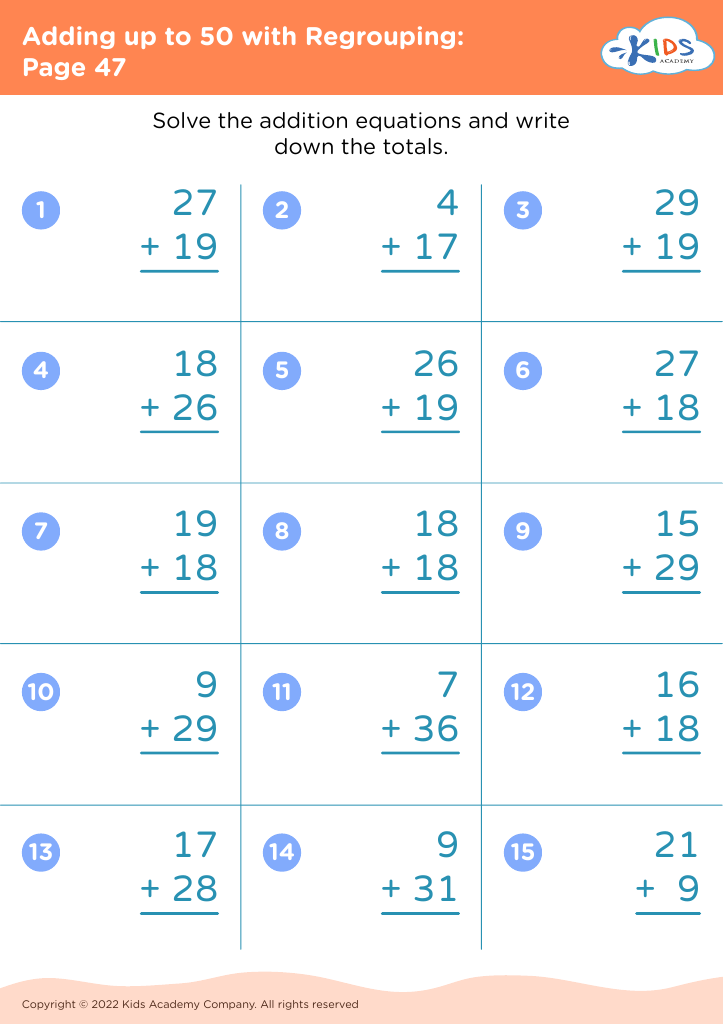
Adding up to 50 with Regrouping: Page 47
Worksheet
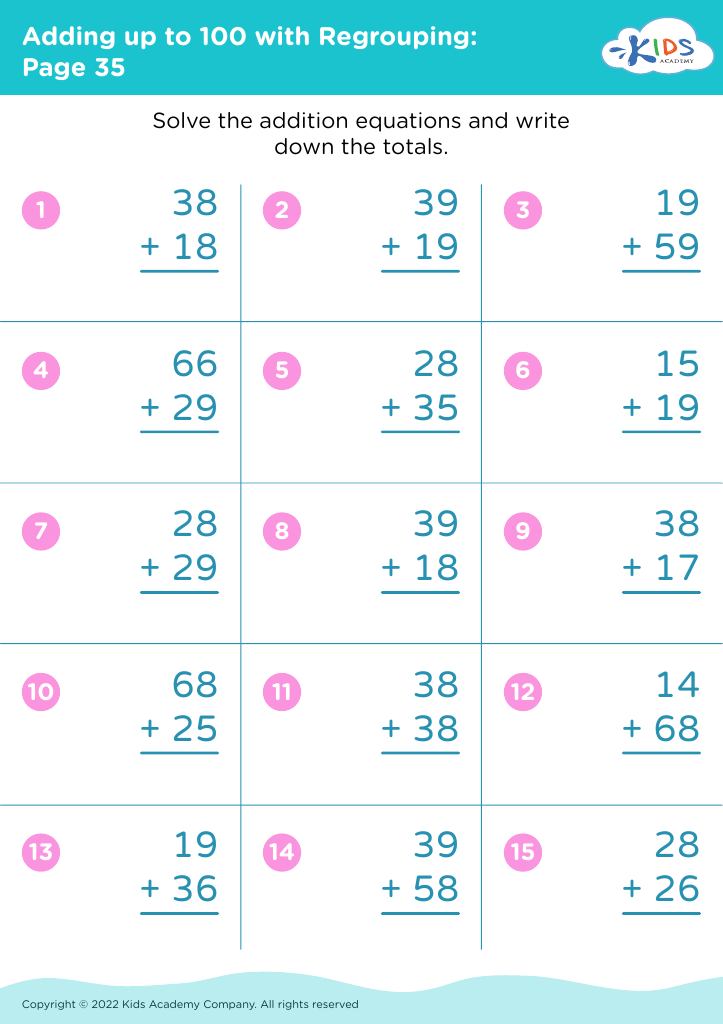
Adding up to 100 with Regrouping: Page 35
Worksheet
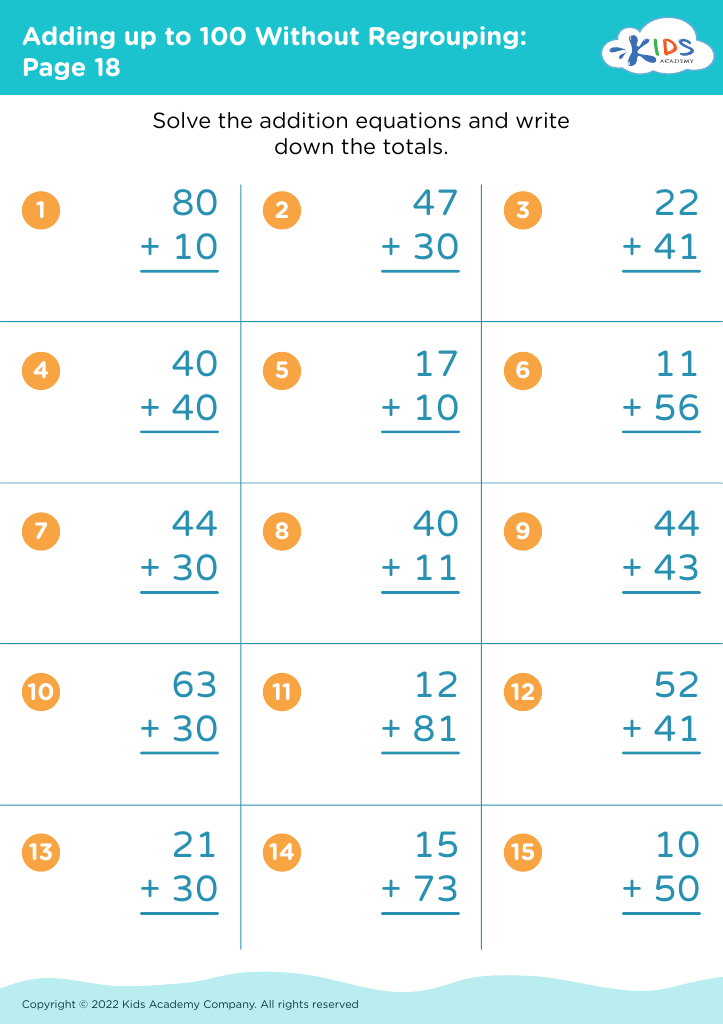
Adding up to 100 Without Regrouping: Page 18
Worksheet
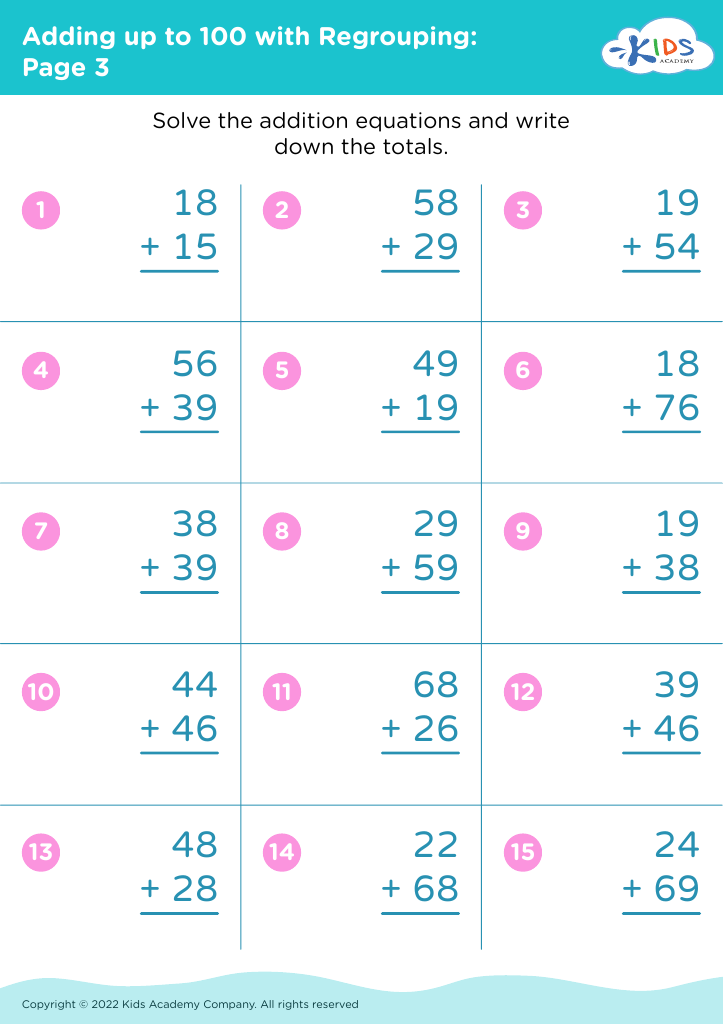
Adding up to 100 with Regrouping: Page 3
Worksheet
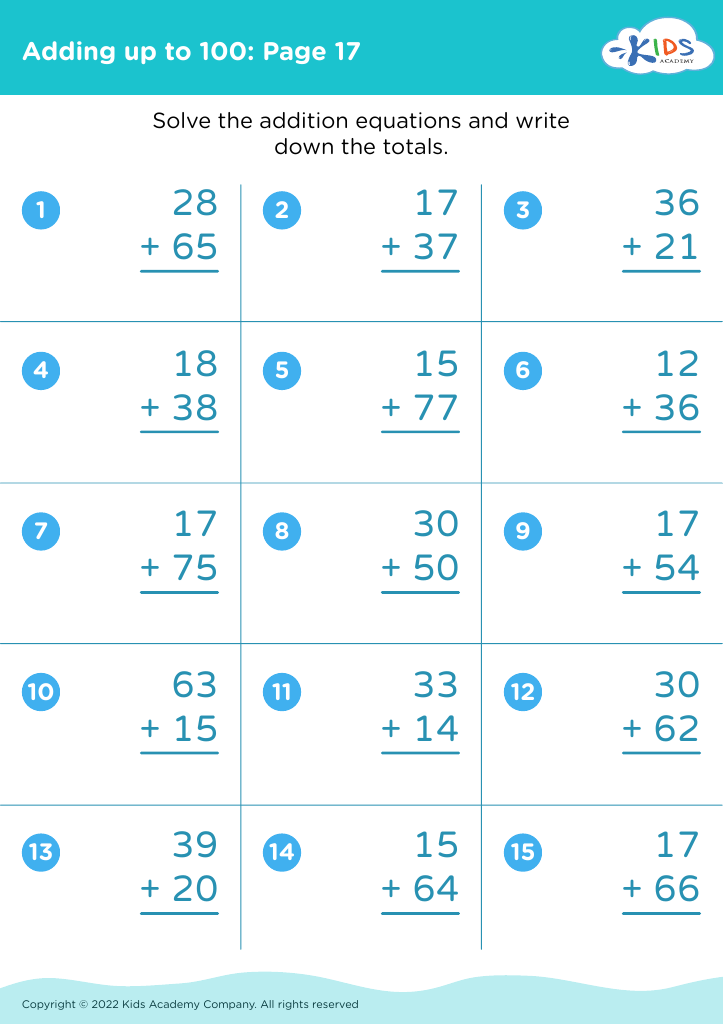
Adding up to 100: Page 17

Adding up to 100: Page 17

Adding up to 100: Page 17
Worksheet
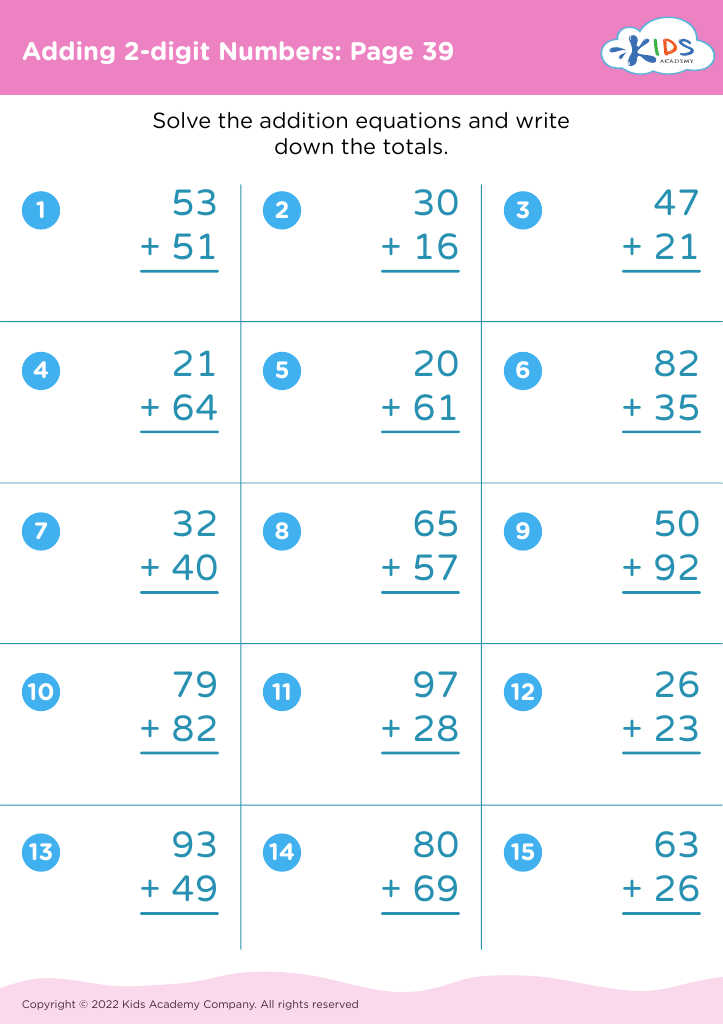
Adding 2-digit Numbers: Page 39

Adding 2-digit Numbers: Page 39

Adding 2-digit Numbers: Page 39
Worksheet
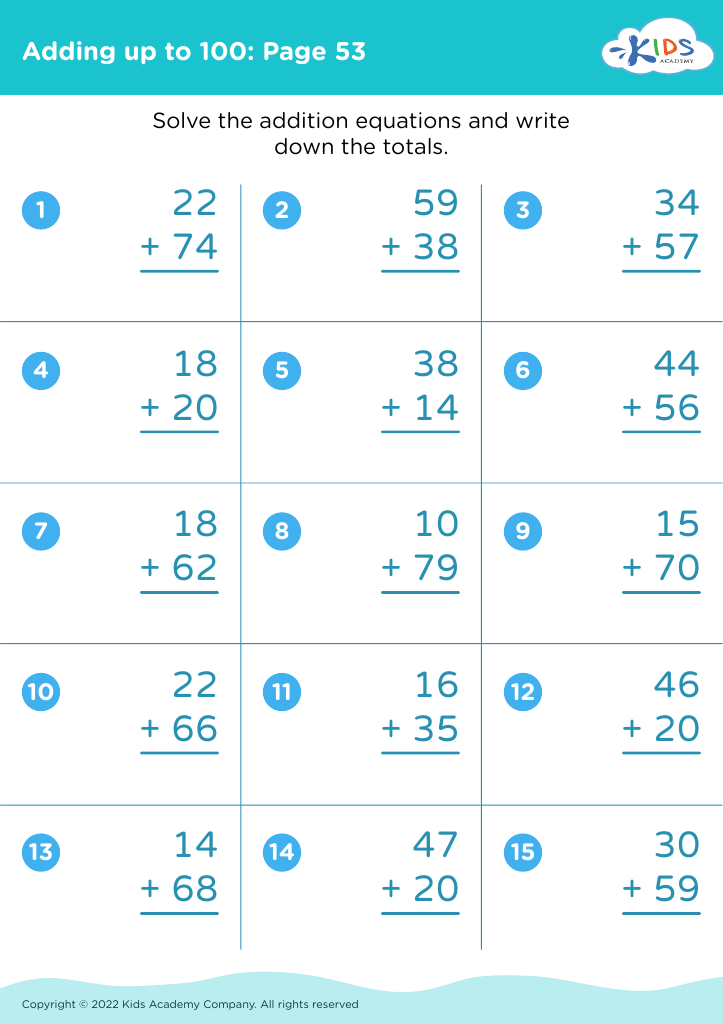
Adding up to 100: Page 53

Adding up to 100: Page 53

Adding up to 100: Page 53
Worksheet
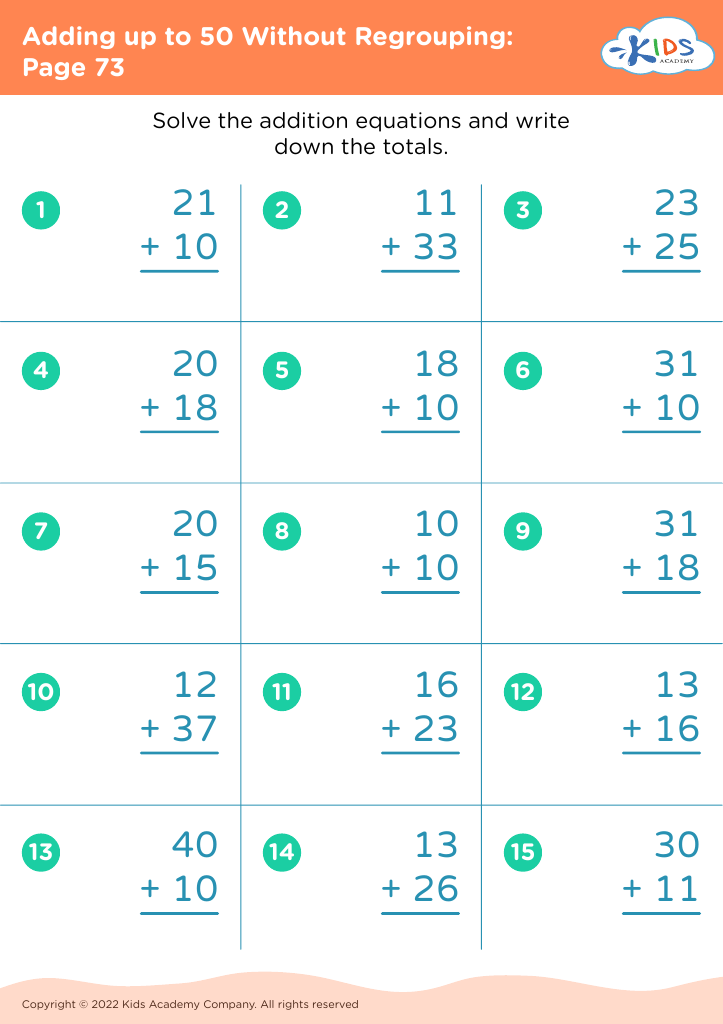
Adding up to 50 Without Regrouping: Page 73
Worksheet
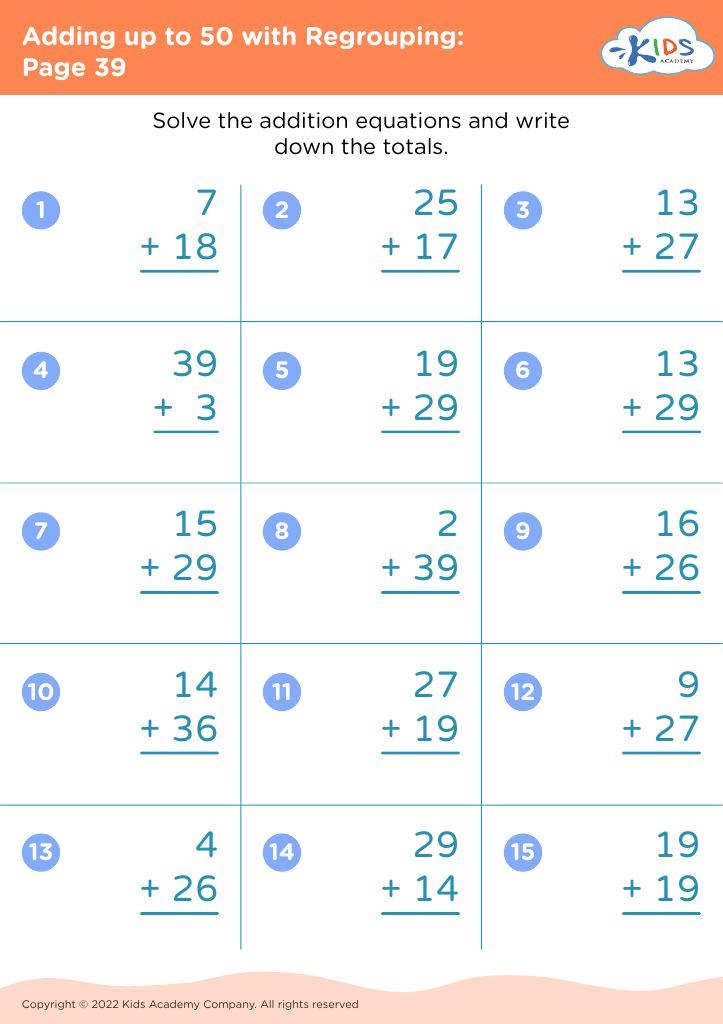
Adding up to 50 with Regrouping: Page 39
Worksheet


Fraction simplification, addition, and subtraction are critical skills that children aged 7-9 need to master as they form the foundation for more advanced mathematical concepts. At this age, students are transitioning from simple arithmetic to more complex problem-solving, and understanding fractions is a significant part of that journey.

Firstly, learning to simplify fractions helps children develop number sense, allowing them to recognize relationships between numbers and understand equivalent values. This skill not only aids in performing operations with fractions but also prepares them to handle percentages and decimals later.

Moreover, addition and subtraction of fractions cultivate critical thinking and logical reasoning. Children learn to find common denominators and manipulate fractions, enhancing their overall mathematical fluency. This is essential not just in math class but also in everyday situations involving measurements and ratios.

Parents and teachers should appreciate that mastery of these concepts builds confidence in children and fosters a positive attitude towards math. By ensuring students grasp fraction operations now, we are paving the way for success in higher-level math courses and real-world applications. Empowering children with these foundational skills encourages them to embrace challenges and develop a lifelong love for learning.